GOQii

Blog

  • HOME
  • HEALTHY LIVING
  • FITNESS
  • HEALTHY RECIPES
  • USER STORIES
  • KARMA
  • BUY GOQii

September 23, 2023 By Neha Goyal 1 Comment

Healthy Substitutes for Butter

butterHave you ever wondered where butter comes from or how it is made? In short, it is a dairy product made from milk, also known as milk fat. It is composed of about 80 percent fat, which is the part that has been separated from the carbohydrates and protein of the milk.

Butter is a popular spread and baking ingredient. It is widely used as a spread for bread, crackers, and other food items. It also functions as a leavening agent in baked goods. Due to its high concentration of fat, butter has a rich flavor and creamy texture. It works especially well for high-heat cooking like sautéing and pan-frying to help prevent sticking while adding flavor.

Despite its various uses, there are a few reasons why you might want to substitute butter.

Why You May Need to Substitute Butter

  • Milk Allergy: While butter is very low in protein, it still contains a small amount of the milk protein casein, which can be allergenic.
  • Lactose Intolerance: People with lactose intolerance tend to tolerate the small amounts of lactose in butter without adverse reaction. However, some are more sensitive to lactose than others and may have to avoid butter for this reason.
  • Health Reasons: Some individuals avoid butter because it’s high in saturated fat. High intake of saturated fat has been linked to an increased risk of heart disease.
  • Veganism: Some people have made a dietary choice to avoid all animal products including dairy, so they avoid butter.

For whatever reason you may choose to avoid butter, here are a few alternatives that you might want to try.   

Butter Substitutes for Pan Cooking

  • Ghee (Clarified Butter): Having a high smoke point, it is a great alternative commonly used. Some other benefits are an aromatic & nutty taste. It has no casein or lactose, so it is safe for people with milk allergy. Additionally, it has anti-inflammatory properties and contributes to a healthy digestive system.
  • Olive Oil: is better than any other refined oils. Being monounsaturated fat & high in antioxidants, it is good for the skin, heart health & for lowering cholesterol.
  • Coconut Oil: In south India, coconut oil is a part of many recipes. Its delicious to cook with & rich in healthy fats that actually boost fat burning in your body. It also provides quick, sustainable energy to your brain and helps you focus.

Substitutes for Baking Purposes  

Butter functions as a leavening agent in baked goods and provides texture and flavor. It can be replaced by ghee (clarified butter), coconut oil & olive oil in baked goods. However, the ratio of these while substituting butter have to be kept in mind.

There are some more foods that work best as butter replacements in cakes, muffins, cookies, brownies, and quick breads. However replacing butter with foods is often a matter of trial and error.

  • Applesauce: significantly reduces the calorie and fat content of baked goods. Yet, it does add sweetness, so you may want to reduce the amount of sugar in recipes.
  • Avocados: These add nutrients and healthy fats to your recipes. Use dark ingredients like chocolate to cover up the green tint that may result from using avocados.
  • Mashed Bananas: Using mashed bananas provides extra nutrients and decreases the calorie and fat content. Add bananas slowly to the batter until you achieve the desired consistency.
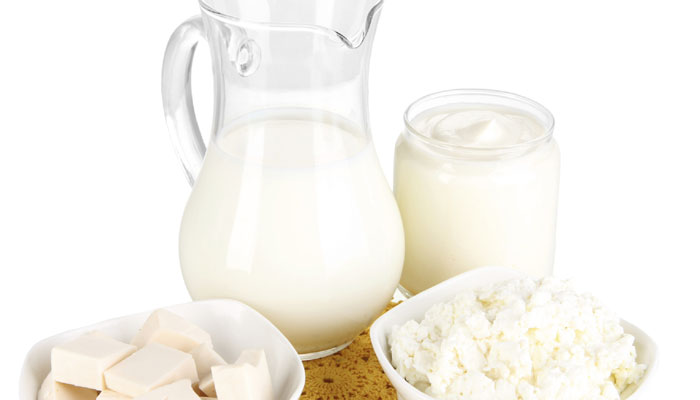
  • Hung Curd: If dairy is not an issue, using Greek yogurt/hung curd adds protein to your recipes and replaces sweetness with a tangy flavor. Full-fat curd is best for keeping baked goods creamy and tender.
  • Nut Butters: Nut butters infuse baked goods with a nutty taste and tend to make them more dense and heavy. Still, keep in mind that they’re high in fat and calories.
  • Pumpkin Purée: This is a nutrient-rich butter replacement. Use 3/4 the amount of pumpkin purée when substituting for butter.

Substitutes in Spread

Butter is widely used as a spread for bread, crackers, and other food items. The following foods have consistencies that are ideal for spreads, in addition to being tasty and nutritious.

  • Nut Butter: Peanut and almond butter can easily be spread onto toast or crackers. They are delicious as well!
  • Cheese or Hung Curd: Try cottage cheese, cream cheese, or hung curd if you can tolerate dairy. You can also add some herbs & finely chopped veggies to enhance flavor.
  • Avocado: Lightly spread a tablespoon or two of ripe avocado over toast & sprinkle some salt, pepper & dry herbs mix.
  • Hummus: also works great for spreading and dipping.

We hope this article helped you in your quest to substitute butter. Do let us know your thoughts in the comments below! For more on nutrition, check out Healthy Reads or ask an expert by subscribing for GOQii’s Personalised Health Coaching here.

#BeTheForce  
September 20, 2023 By Anusha Subramanian 3 Comments

Why is it Difficult to Make a Lifestyle Change?

lifestyle
In a user story I recently wrote, the player said, “Making a lifestyle change is easy. What is difficult is the commitment to follow through with determination”. Rightly so, it’s indeed considered a tall order and hence, many give it up midway. Most consider it forced, rather than a positive change to bring about within themselves.

This very attitude and constant cribbing of people around me prompted me to write this piece on why is it so difficult to make a lifestyle change?

Many of us have tried it at some point in our lives. Some of us have succeeded, while many have found it extremely taxing. Making a lifestyle change is challenging, especially when you want to transform many things at once. Lifestyle changes are a process that takes time and requires support and lots of patience.

lifestyle1

Here are a few tips that you could follow from my personal experience:

1. Start Small

After you’ve identified realistic short-term and long-term goals, break them into small steps that are well defined, that can be managed and measured. If your long term goal (6-8 months) is to lose 20 kilos, then a good goal would be to reduce about 2 kilos a month in a healthy way.

Physiologically smaller goals give you a sense that it’s achievable and keep you motivated for the long term goal. Look at healthy eating options. Eat smaller, balanced meals at regular intervals. Replace a dessert with a healthier option, like Yoghurt. At the end of the month, you’ll feel successful knowing you met your goal.

2. Change One Behavior at a Time

It is said that old habits die hard. It is simply because behaviors develop over the course of time. Replacing then will take a while. Focus on one goal at a time. If need be, get professional help to understand what changes you need to bring within yourself to become healthy and fit. The problem arises when you try to change things really fast. Take it slow!

3. Have a Buddy, a Personal Coach or a Trainer

It can be anyone from a friend, to a  family member, a co-worker or your personal trainer. Your buddy and you can go for a walk, cycle or run together and keep each other motivated and charged. You can challenge each other to create some excitement in your training and make sure that it is not boring. Having someone with whom you can share your struggles and success makes the work easier and the mission less intimidating.

4. Make a Plan That You Will Stick To

You will have to devise a plan in such a way that it will be your guide. Think out of the box and have things in your plan which you have never done before. For instance, an adventure or sports climbing (artificial wall climbing). But, don’t go haywire and be specific. Manage time well.

Detail the time of the day when you want to exercise, how long you want to exercise or when you can take walks and how long you’ll walk. Maintain a diary in which all your tasks are jotted down and ask yourself if these activities and goals are realistic for you. If not, then start with baby steps.

5. Have Support Around You

Having people around you to support you while you are on your journey will keep you away from slacking. Don’t feel shy to ask for support wherever and whenever needed. If you feel you are unable to meet your goals on your own, get help!

6. Self-Motivation

All the above points will help you in your journey to change your lifestyle. But the biggest factor of all and one of the most important factor is being self-motivated. No matter how many buddies you have, no matter what support your dear and near ones will give you, no matter how good a plan you make, none of this will be effective till the time you are self-motivated and want to make the change.

Do it for yourself, do it on your own and feel good at the end of it all!

Making the changes that you want takes time and commitment. You can do it! Just remember that no one is perfect. You will have occasional lapses. Be kind to yourself. When you eat a brownie or skip the gym, don’t give up. Minor bumps on the road to your goals are normal and okay. Resolve to recover and get back on track.

If you find yourself in need of a little extra support and motivation on your journey to a healthier lifestyle, then subscribe to GOQii’s Personalised Health Coaching here. And, if you’re looking for more tips and advice on improving your overall well-being, you can find a bunch of helpful articles here.

#BeTheForce

September 18, 2023 By Rashmi Deshpande 2 Comments

Types of Fat and Fat Composition

fat composition“I can’t lose weight no matter how hard I try!” – this sentence is pretty common, isn’t it? Ever wondered why? The answer lies in the extra fat deposition on our bones and organs which become an obstacle for our weight loss journey. The key to slimming down is understanding that fat loss is more important than weight loss. Let’s study about how we gain fat and fat composition in detail!

What is Fat?

Fats are substances that help the body use some vitamins and keep the skin healthy. They also help the body store energy. In food, there are different types of fats such as saturated, unsaturated, polyunsaturated, monounsaturated, and trans fats. Most people consume too much of the wrong kinds of fat, putting their health at risk.

Good Fat vs. Bad Fat

Daily diet contains fat such as different oils (sunflower, peanut, rice bran, olive oil, sesame etc.), ghee (clarified butter), butter, cheese, avocados, eggs, nuts, seeds, milk, curd etc. (these are good fats). All these give us essential fats and 9kcal/g which helps the body function smoothly. They aid joint rotation, absorption of fat soluble Vitamins A, D, E and K. They’re the biggest source of energy.

The questions is where are we going wrong? How are we getting those chubby cheeks, round bellies, heavy arms and bulky thighs?

Do we consider how much fat we’re consuming when eating a 100g pack of chips? One packet of chips contains 100g but in serving portion, the manufacturer will only write 10g calories which amounts to approx. 20-28 pieces of chips which contain 160kcal, 7g fats and 16g carbohydrates. But do we only eat 28 pieces? It’s the same with burgers, pizzas, white paste, 2 minute noodles, biscuits, cookies and more. It has been shown that fat intake of the wrong kind will result in fat gain. As the body typically burns carbs for fuel and uses proteins for repair, it makes sense to cut back on bad fat while increasing good fat.

Different Types of Fat

The word “Fat” is broadly used to describe all body fats but that’s not true. There are several different types. Some fats can have a negative impact on health while others are necessary for good health. They can be stored as essential, subcutaneous or visceral fat. Each type of fat serves a different role. Some promote healthy metabolism and hormone levels, while others contribute to life-threatening diseases, including Type 2 Diabetes, Heart Disease, High Blood Pressure and even Cancer.

  1. Essential Fat: Essential fat is exactly that – essential for life and a healthy body. This fat is found in our brain, bone marrow, nervous system and membranes that protect the organs. Essential fat plays a major role in hormone regulation, including the hormones that control fertility, vitamin absorption, and temperature regulation. Women need at least 10-13% of their body composition to come from essential fat to be in good health, while men require at least 2-5%.
  2. Subcutaneous Fat: This is the fat which is stored under the skin. It covers a major portion of our body fat. This is the fat we can squeeze or pinch on our arms, belly, thighs, and buttocks. We can measure subcutaneous fat as a way of estimating total body fat percentage. A certain amount of subcutaneous fat is normal and healthy, but too much can lead to imbalanced hormone levels and sensitivity.
  3. Visceral Fat: This type is also known as belly fat. It is the white fat that’s stored in your abdomen and around all the major organs such as the liver, kidneys, pancreas, intestines, and heart. High visceral fat levels can increase your risk for diabetes, heart disease, stroke, artery disease, and some cancers.

Body Fat Composition

The proper body fat composition and distribution of fat will protect us from various risk factors and diseases. Women have different sights of fat deposition such as thighs, arms, buttocks, below the belly button, etc. Men experience this on their chest, belly, and waist. This deposition is different because of the varying percentage of testosterone (male hormone) and estrogen (female hormone).

In males, mean percentage body fat ranges from 22.9% at age 16-19 to 30.9% at 60-79 years of age. In females, mean percentage body fat ranges from 32% at age 8-11 to 42.4% at age 60-79. There is a close relation between fat and physical exercise as regular exercises helps you burn stored fat. Exercise helps you turn deposited fat into an energy source.

We hope this article helps you. To know more about fats, check out Healthy Reads or ask a GOQii Coach by subscribing for Personalised Health Coaching here.

#BeTheForce 

September 17, 2023 By Soni Thakur Leave a Comment

Menstrual Cramps & Ways To Combat It

menstrual crampsMenstrual cramps are also called as Dysmenorrhea, like its name says ‘dys’ meaning difficult, ‘meno’ meaning month and ‘rrhea’ meaning flow i.e. difficult or painful monthly flow, and often a nightmare for most women. Its usual onset occurs around the time that menstruation begins. The pain is usually in the pelvis or lower abdomen.

Apart from this, there are certain other manifestations which women put up with during menstruation:

  • Nausea
  • Acidity
  • Acne
  • Bloating
  • Dizziness
  • Mood swings

Why Do We Get Menstrual Cramps?

Menstrual cramps are caused by an excess of “prostaglandins” hormones that are released from the endometrium (inner lining) of the uterus as it prepares to shed off. This is a necessary part of the process but in excess, it causes pain. If the uterus contracts strongly, blood flow is reduced and the supply of oxygen to the uterus muscle tissue decreases, causing severe pain.

Why Do Some Women Experience More Cramps Than Others?

This could be possibly due to inflammation. As a more inflamed tissue tends to produce more prostaglandins, it causes more severe pain. Other factors that contribute to menstrual cramps include:

  • Poor eating habits
  • Not having adequate amount of potassium and magnesium in diet
  • Lack of Exercise
  • Smoking
  • Drinking Alcohol

How Do You Combat It?

Women have to go through a lot in general, so there is no chance these creepy cramps would spare us but we know how to fight it! So, let’s find out some easy and effective ways to combat menstrual cramps.

  1. Putting a heating pad on your belly or lower back.
  2. Rubbing Lavender oil on your belly helps relieve period pain.
  3. Ginger tea: Boil a piece of ginger in 250 ml water, simmer for 4-5 minutes and drink whenever required.
  4. Carom seeds: Having 1 tbsp. of carom seeds by boiling them in a glass of water may ease menstrual cramps.
  5. Eat potassium and magnesium rich foods like Bananas, oranges, grapefruit, raisins, dates, mushrooms, cucumbers, potatoes, sweet potatoes and dark chocolate (70% or more), nuts, legumes, tofu, seeds, wholegrains, green leafy vegetables respectively.
  6. Use yoga: Some simple yoga poses to try out are Head to Knee forward bend, bound angle pose, Child’s pose and inverted leg pose.
  7. Listen to good music that changes your mood or take a walk in nature or talk to your friends and family members. This will keep you engaged and diverted so you may not feel too much pain.

So, let’s try out these simple and effective ways to fight menstrual cramps and ease those difficult days! We hope this article helps you. Do leave your thoughts in the comments below. For more tips, check out Healthy Reads or you can get these home remedies and more directly from a GOQii Coach by subscribing for personalized health coaching here.

#BeTheForce  

  • « Previous Page
  • 1
  • …
  • 88
  • 89
  • 90
  • 91
  • 92
  • …
  • 99
  • Next Page »

Search

Recent Posts

  • Best Foods To Alleviate Irritable Bowel Syndrome
  • ALL ABOUT VERTIGO!
  • PCOS and Anxiety: Discover Relief with the 54321 Technique
  • Navigating the Maze of Nutrition: Finding Clarity Amidst Confusion
  • Get children active and keep them healthy

Stay Updated

Archives

  • December 2025 (6)
  • November 2025 (15)
  • October 2025 (20)
  • September 2025 (6)
  • August 2025 (6)
  • July 2025 (12)
  • June 2025 (18)
  • May 2025 (16)
  • April 2025 (23)
  • March 2025 (23)
  • February 2025 (22)
  • January 2025 (26)
  • December 2024 (26)
  • November 2024 (25)
  • October 2024 (22)
  • September 2024 (24)
  • August 2024 (31)
  • July 2024 (21)
  • June 2024 (26)
  • May 2024 (31)
  • April 2024 (27)
  • March 2024 (29)
  • February 2024 (26)
  • January 2024 (25)
  • December 2023 (15)
  • November 2023 (11)
  • October 2023 (20)
  • September 2023 (22)
  • August 2023 (20)
  • July 2023 (22)
  • June 2023 (24)
  • May 2023 (24)
  • April 2023 (24)
  • March 2023 (23)
  • February 2023 (20)
  • January 2023 (16)
  • December 2022 (12)
  • November 2022 (15)
  • October 2022 (15)
  • September 2022 (12)
  • August 2022 (10)
  • July 2022 (17)
  • June 2022 (11)
  • May 2022 (10)
  • April 2022 (6)
  • March 2022 (6)
  • February 2022 (13)
  • January 2022 (12)
  • December 2021 (7)
  • November 2021 (3)
  • October 2021 (6)
  • September 2021 (3)
  • August 2021 (8)
  • July 2021 (7)
  • June 2021 (15)
  • May 2021 (16)
  • April 2021 (10)
  • March 2021 (7)
  • February 2021 (4)
  • January 2021 (4)
  • December 2020 (3)
  • November 2020 (4)
  • October 2020 (10)
  • September 2020 (3)
  • August 2020 (3)
  • July 2020 (2)
  • June 2020 (4)
  • May 2020 (10)
  • April 2020 (12)
  • March 2020 (10)
  • February 2020 (4)
  • January 2020 (4)
  • December 2019 (3)
  • November 2019 (7)
  • October 2019 (5)
  • September 2019 (4)
  • August 2019 (9)
  • July 2019 (9)
  • June 2019 (11)
  • May 2019 (4)
  • April 2019 (9)
  • March 2019 (8)
  • February 2019 (9)
  • January 2019 (8)
  • December 2018 (9)
  • November 2018 (3)
  • October 2018 (3)
  • September 2018 (5)
  • August 2018 (10)
  • July 2018 (6)
  • June 2018 (13)
  • May 2018 (8)
  • April 2018 (18)
  • March 2018 (9)
  • February 2018 (8)
  • January 2018 (15)
  • December 2017 (12)
  • November 2017 (19)
  • October 2017 (13)
  • September 2017 (15)
  • August 2017 (4)
  • July 2017 (8)
  • June 2017 (7)
  • May 2017 (6)
  • April 2017 (8)
  • March 2017 (6)
  • February 2017 (7)
  • January 2017 (9)
  • December 2016 (10)
  • November 2016 (7)
  • October 2016 (7)
  • September 2016 (7)
  • August 2016 (11)
  • July 2016 (9)
  • June 2016 (9)
  • May 2016 (12)
  • April 2016 (17)
  • March 2016 (17)
  • February 2016 (8)
  • January 2016 (6)
  • December 2015 (2)
  • November 2015 (9)
  • October 2015 (7)
  • September 2015 (9)
  • August 2015 (11)
  • July 2015 (9)
  • June 2015 (12)
  • May 2015 (9)
  • April 2015 (13)
  • March 2015 (8)
  • February 2015 (5)
  • January 2015 (12)
  • December 2014 (14)
  • November 2014 (11)
  • October 2014 (6)
  • September 2014 (13)
  • August 2014 (12)
  • July 2014 (6)
  • June 2014 (2)
  • May 2014 (7)
  • April 2014 (5)

From “Laddu Nawin” to Fit and Fierce: How a 25-Year-Old Insurance Advisor Shed 20 Kilos and Gained His Life Back

When 25-year-old Nawin Yadav from Hyderabad walked into his office every morning, he carried more than just his files and policy papers. He had the weight of fatigue, sluggish energy, and an ever-growing belly that was becoming the butt of jokes. “People … [Read More...]

“I’ve Challenged Myself to Live 100 Years” – The Story of Chandubhai Savani’s Second Chance at Life

At 67, most people start slowing down. Not Chandubhai Savani. A resident of Surat, Chandubhai, thought life was on track. “My life was going well till I had my bypass surgery,” he says. That surgery, back in 2021, was a wake-up call.  Medication was routine, but exercise wasn’t. His diet? What he calls ‘normal.’ “I […]

From Shimla’s Slopes to Chandigarh’s Sidewalks: Surinder Kaur Bhalla’s Journey from Chaos to Control

Some journeys start with a plan. Others begin with a stumble literally. Surinder Bhalla, a government professional, born and raised in the scenic hill town of Shimla, had always lived a life of movement. “In Shimla, you walked everywhere,” she reflects. “Walking was never an exercise. It was just life.” But after shifting to Chandigarh, […]

Ananda Mukherjee Health Story

From Terminal Illness To Complete Wellness! Ananda Mukherjee Health Story

As we observe World Cancer Day under the powerful theme ‘United by Unique’ (2025-2027)**, we are reminded that every individual’s journey with cancer is distinct, yet united by shared resilience, hope, and the collective fight against this disease. This theme places people at the centre of care and their stories at the heart of the […]

  • HOME
  • HEALTHY LIVING
  • FITNESS
  • HEALTHY RECIPES
  • USER STORIES
  • KARMA
  • BUY GOQii

Copyright ©2016 GOQii