GOQii

Blog

  • HOME
  • HEALTHY LIVING
  • FITNESS
  • HEALTHY RECIPES
  • USER STORIES
  • KARMA
  • BUY GOQii

November 24, 2025 By Vandana Juneja Leave a Comment

5 Breathing Exercises To Relieve Anxiety In An Instant

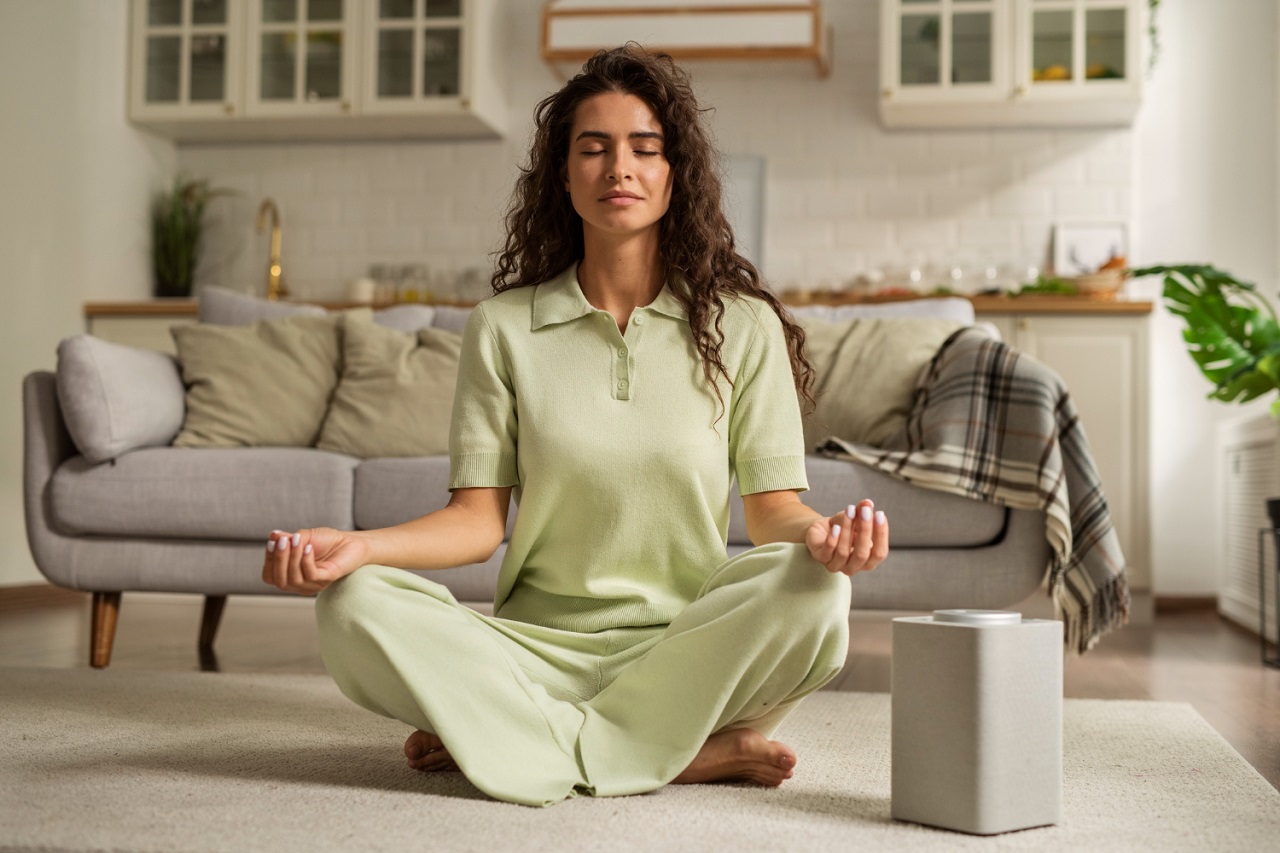
breathing exercises to relieve anxiety Many individuals experience anxiety, which can have a significant impact on their lives. When feeling anxious, symptoms such as increased heart rate, shallow and rapid breathing, and heightened tension often arise. However, there are effective methods to alleviate anxiety, such as engaging in breathing exercises.

Breathing exercises are straightforward yet potent techniques that enable individuals to regulate their breathing and achieve a state of mental calmness. By directing attention to the breath, it becomes possible to slow down the heart rate, reduce blood pressure, and alleviate muscle tension. Here are a few breathing exercises that can help relieve anxiety.

1. Diaphragmatic Breathing

Also referred to as belly breathing or deep breathing, diaphragmatic breathing involves inhaling deeply into the abdomen. This technique aids in slowing down the breathing process and activating the relaxation response.

To practice diaphragmatic breathing, find a comfortable position by lying down on your back or sitting on a chair with your feet flat on the ground. Then, place one hand on your chest and place the other on your belly. Inhale slowly and deeply through your nostrils, noticing the expansion of your belly as you breathe in. Now, exhale through your mouth slowly while feeling your belly contract. Repeat this exercise for a few minutes, concentrating on your breath and the sensations in your body.

2. Box Breathing

Box breathing, also known as square breathing, involves following a pattern of inhaling for four counts, holding the breath for four counts, exhaling for four counts, and holding the breath again for four counts. This technique aids in regulating breathing and calming the mind.

To practice box breathing, assume a comfortable position with a straight back and your feet flat on the ground. Take a gradual breath in through your nostrils, ensuring a slow count to four. Hold your breath for four counts. Next, exhale through the mouth slowly for four counts. Before you inhale again, pause and hold your breath for a count of four. Repeat this exercise for a few minutes. Be sure to focus on your breath and the sensations in your body.

3. Coherent Breathing

The goal of coherent breathing is to slow down the breathing rate to five breaths per minute. This pattern of breathing helps lower heart rate and blood pressure, resulting in a calmer nervous system.

Sit comfortably and inhale through your nose, expanding your belly for a count of five. Without pausing at the top of the inhale, immediately begin exhaling to a count of six. Repeat this sequence at least five times to complete a full-minute cycle. If inhaling or exhaling for this length of time is challenging, start with a three-count and gradually increase.

4. Alternate Nostril Breathing

Also known as Nadi Shodhana in Sanskrit, alternate nostril breathing involves inhaling and exhaling through one nostril at a time to balance the flow of energy. This technique helps quiet the mind and emotions.

To practice Nadi Shodhana, sit upright in a comfortable position with a straight spine. Bring your right hand in front of your face, placing your index and middle fingers between your eyebrows for stability. During the exercise, you will block either the left or right nostril using your thumb and ring finger. Close your eyes and block the right nostril with your thumb. Inhale slowly through the left nostril for a count of four, take a brief pause, and exhale through the right nostril for a count of four. Perform this cycle for a minimum of five repetitions.

5. Victory Breath

Victory breath, also known as Ujjayi Breath, derives its name from the Sanskrit term and is often associated with the soothing sound resembling waves crashing against the shore, hence referred to as ocean breath.

To practice this technique, find a comfortable upright position with a straight spine and hands resting in your lap. Keep your mouth closed and begin by inhaling through your nose for a count of 4, gently constricting the airflow to the back of your throat during the inhale. After reaching the top of the inhale, pause for a second before exhaling. Constrict your throat slightly and exhale slowly to a count of 6. Repeat this exercise for 5-10 repetitions.

In conclusion, breathing exercises provide a simple yet effective means to manage anxiety. Through regular practice, you can develop the ability to regulate your breathing and cultivate a calm mind, ultimately promoting a sense of relaxation and ease. So, take a few moments each day to focus on your breath and embrace the numerous benefits of these powerful techniques.

If this article helped you, let us know in the comments below! Find more articles on breathwork and yoga here. You can also get these techniques and more from a GOQii Coach by subscribing for Personalised Health Coaching here.

#BeTheForce 

Disclaimer: The information provided in this blog is for general awareness and educational purposes only. It is not intended to replace professional medical advice, diagnosis, or treatment. Always consult a qualified healthcare provider for personalised medical guidance or concerns related to your health. Images shown are for representation purposes only and may not depict the exact recommendations or outcomes.
October 21, 2025 By Vandana Juneja Leave a Comment

Maintaining a Healthy Lifestyle During Diwali: Balancing Tradition and Well-Being

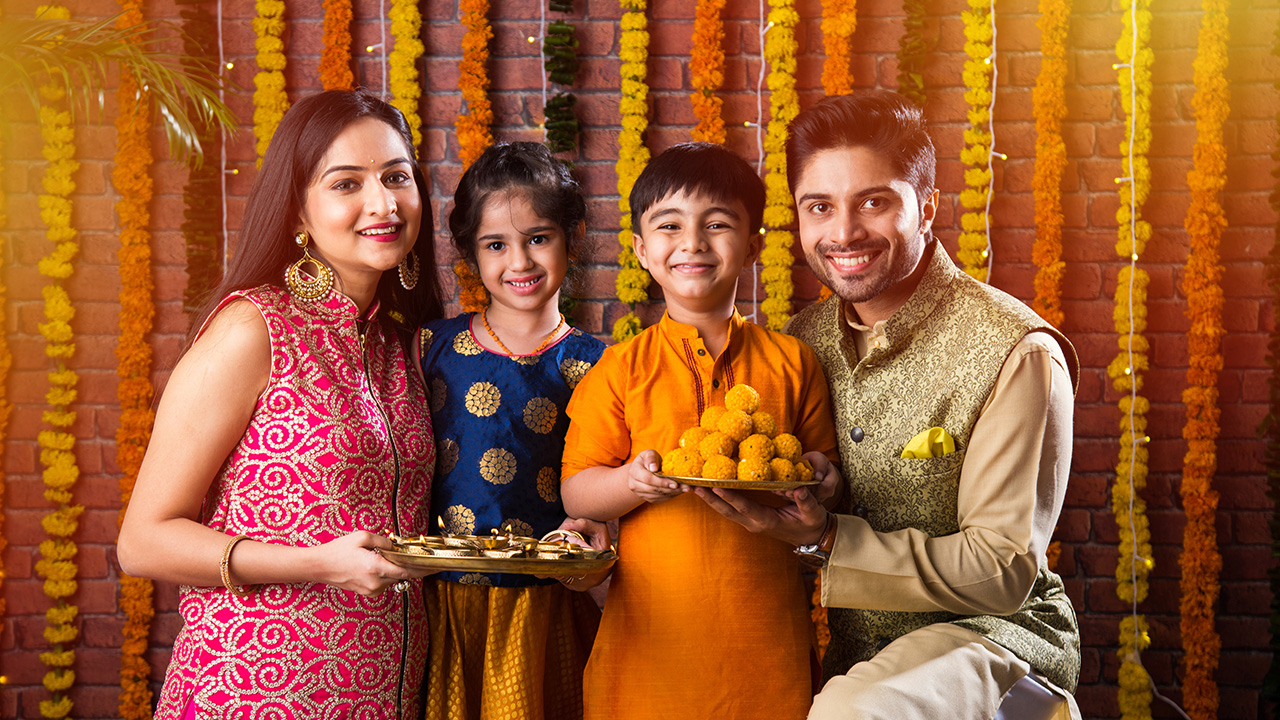
Diwali, the festival of lights, is a joyous and vibrant celebration for many. It’s a time for family gatherings, exchanging gifts, and indulging in an array of delicious sweets and snacks. However, for those committed to a healthy lifestyle, Diwali can present some challenges. The good news is that with some thoughtful planning and a mindful approach, it’s entirely possible to enjoy the festivities while still maintaining your health and well-being goals.

Set Realistic Goals

Before diving into Diwali celebrations, set realistic goals for yourself. Instead of striving for perfection, aim for moderation and balance. Understand that Diwali is a time for enjoyment and occasional indulgence, and that’s perfectly okay. Your goals should be achievable and in alignment with your overall health and fitness journey.

Educate Yourself on Nutrition

Knowledge is a powerful tool when it comes to making informed choices. Learn about the nutritional content of common festive foods and sweets. This understanding will help you practice portion control and make healthier choices during Diwali. For example, be aware that certain sweets are high in sugar and calories, while others may have healthier ingredients.

Plan and Track Your Meals

Planning your meals in advance, especially before attending Diwali gatherings, can be a game-changer. Having a balanced meal before heading to a celebration can help prevent overindulgence. Consider keeping a food diary to stay mindful of your food choices, ensuring you don’t go overboard during the festive season.

Explore Healthy Alternatives

The good news is that you can enjoy Diwali treats without feeling guilty. Many traditional sweets and snacks have healthier alternatives. For instance, you can make sweets with less sugar, healthier fats, and more nutritious ingredients. You’ll be amazed at how delicious and satisfying these healthier options can be.

Stay Active

Physical activity is an essential part of maintaining a healthy lifestyle. Even during the festive season, it’s important to continue with your exercise routine. You can even make it fun and festive. Consider activities like dancing to Diwali music, taking family walks, or participating in Diwali-themed fitness events.

Manage Stress

Diwali can be stressful for many due to various commitments and responsibilities. Stress management is vital for both your mental and physical well-being. Explore stress-reduction techniques such as meditation, deep breathing exercises, and mindfulness to help you stay calm and centered.

Seek Support

Share your health and fitness goals with friends and family who share similar aspirations. Having a support system in place can be a significant motivator. You can lean on each other for guidance and encouragement during the festive season.

Practice Mindful Eating

Mindful eating involves savoring each bite, eating slowly, and listening to your body’s hunger and fullness cues. By paying attention to what your body is telling you, you can avoid overindulging and make healthier food choices.

Reward Yourself

Consider implementing a rewards system for achieving your health and fitness goals during Diwali. Treat yourself to non-food rewards when you meet your targets. This positive reinforcement can be an excellent motivator.

Stay Accountable

Accountability is key to staying on track. Schedule regular check-ins with a fitness professional or a friend who shares your goals—having someone to report your progress to can help you remain committed to your objectives.

Think Long Term

Lastly, remember that your health and fitness journey is not limited to the festive season. Embrace the long-term benefits of a healthy lifestyle, as they contribute to your overall well-being and quality of life.

Diwali is a time to celebrate and enjoy with your loved ones. With the right approach, you can have a fantastic time while staying true to your health and fitness goals. This Diwali, celebrate the festival of lights while also celebrating your commitment to a healthier and happier you, wishing you a joyous and prosperous Diwali!

We hope you have a great Diwali, and these tips help you celebrate a happier, healthier, and guilt-free one. If these tips are beneficial to you, please let us know in the comments below. For more on healthy living, check out Healthy Reads or get additional tips directly from a GOQii Coach by subscribing to Personalised Health Coaching here.

#BeTheForce

Disclaimer: The information provided in this blog is for general awareness and educational purposes only. It is not intended to replace professional medical advice, diagnosis, or treatment. Always consult a qualified healthcare provider for personalised medical guidance or concerns related to your health. Images shown are for representation purposes only and may not depict the exact recommendations or outcomes.

September 19, 2024 By Vandana Juneja 6 Comments

Importance of Vitamin D For Boosting Immunity

Vitamin DVitamin D, commonly known as the “sunshine vitamin,” is actually a pro-hormone produced in the body upon exposure to sunlight. This essential nutrient exerts significant influences on multiple systems across the body



Health Benefits of Vitamin D 

  • Promotes Healthy Bones and Teeth: Crucial for calcium absorption, which is essential for maintaining bone health.
  • Supports Immune, Brain, and Nervous System Health: Boosts immune function and supports cognitive and nervous system functions.
  • Regulates Insulin Levels and Aids Diabetes Management: Assists in maintaining normal blood sugar levels.
  • Maintains Healthy Lung Function and Cardiovascular Health: Supports lung function and helps reduce the risk of cardiovascular disease.
  • Influences Gene Expression Related to Cancer: Involved in regulating genes that may be linked to cancer development.

How Does It Improve Immunity Levels?

The human body fights infections using two types of immune systems – the innate system (which provides a quick, general response) and the adaptive system (which produces a slower but highly specific response, such as antibody production). Vitamin D modulates both systems, which explains its wide-ranging effects on the immune system.

Vitamin D deficiency is more common in individuals experiencing seasonal cold and flu outbreaks. During the winter and seasonal changes, there is less sunlight, leading to lower Vitamin D levels and reduced immunity.

Why Do Immune Cells Need Vitamin D?

Vitamin D has a “non-classic” role in modulating the body’s immune responses to illness or infection. Vitamin D receptors are found throughout the body, including in immune cells. T cells, which are crucial for fighting infections, need vitamin D to become activated. Without sufficient vitamin D, T cells remain dormant and unable to protect the body effectively.

How Do You Get Enough Of Vitamin D?

1. Sunlight

Getting enough sunlight is the best way to help the body produce sufficient Vitamin D. Exposing your skin to the sun for 20 to 30 minutes a day ensures enough UVB rays come into contact with the cholesterol in the skin, enabling Vitamin D synthesis.

However, several factors affect Vitamin D production from sunlight:

  • Time of Day: The skin produces more Vitamin D when exposed to the sun during midday (between 10 am to 2 pm) when the sun is at its highest.
  • Sunscreen: Sunscreen blocks UVB rays, limiting Vitamin D production. It is best to allow some direct sun exposure to the skin.
  • Skin Exposure: The more skin you expose, the more Vitamin D your body will produce. Consider wearing short sleeves or shorts when possible.
  • Skin Colour: People with lighter skin produce Vitamin D more quickly than those with darker skin due to lower melanin levels.
  • Geographical Location: Living farther from the equator means less UVB radiation, especially during the winter months in the UK.
  • Always remember: Frequent, moderate sun exposure is beneficial, but prolonged exposure can increase the risk of skin cancer. Balance is key.

2. Food Sources

While sunlight is the best source of Vitamin D, certain foods can help increase levels:

  • Fatty Fish (Salmon, trout, mackerel, and sardines)
  • Egg Yolks
  • Cheese
  • Mushrooms (exposed to sunlight)
  • Fortified Foods (milk, cereals, and juices)

3. Supplements

If you have limited exposure to sunlight or are experiencing symptoms of Vitamin D deficiency (such as frequent illness, fatigue, bone pain, or muscle weakness), consider taking supplements. In the UK, the NHS recommends adults and children over 1 year should consider taking a daily supplement of 10 micrograms (400 IU) of Vitamin D, particularly during autumn and winter.

Note: Always consult with a healthcare professional before starting any supplements.

Hope this article helps you understand the importance of the Sunshine Vitamin, especially to boost immunity. For more tips on boosting your immunity, reach out to a GOQii Coach by subscribing for Personalised Health Coaching here.

#BeTheForce 

Disclaimer: The information provided in this blog is for general awareness and educational purposes only. It is not intended to replace professional medical advice, diagnosis, or treatment. Always consult a qualified healthcare provider for personalised medical guidance or concerns related to your health.

September 2, 2024 By Vandana Juneja 1 Comment

Strength Training Benefits For Aging Bodies

strength trainingStrength training is essential for everyone, serving not just to enhance muscle strength but also to bolster overall health regardless of age. Whether you are 25 or 65, incorporating some form of strength training into your daily routine is beneficial, though the specifics of the exercises may vary depending on one’s age group.

In this blog post, I will discuss the changes that begin to occur in our bodies as we enter our thirties and forties—changes that are often less than welcome. More importantly, I’ll explore how strength training plays a crucial role in counteracting these changes and significantly enhancing the quality of our lives.

I have experienced the positive changes, that my body has undergone over the last 4-5 years, just by incorporating a strength training routine in the form of workouts with weights, and using my own body weight, as I do in my yoga practice. One can even use resistance bands, the various gym equipment, or own body weight for resistance, by doing push-ups, pull-ups, crunches, leg squats or push-ups against a wall etc.

What Happens As We Age?

The human body goes through changes as we age, and some of the effects are obvious, as we cross middle age. Even healthy, normal ageing includes:

  • A Slower metabolism
  • Decreased muscle mass and strength
  • Increased body fat
  • Reduced bone density
  • Increased bone porosity
  • Stiff joints
  • Slower reflexes and reaction times
  • Decreased aerobic capacity

These are normal changes that we may experience as we age, though the severity varies from person to person. One of the most important reasons to exercise, and specifically include strength training, is to slow and minimize these changes.  

Benefits of Strength Training

1. Increases Muscle Mass
As you age, muscle mass gradually decreases – a condition known as Sarcopenia. Individuals who are less active can expect to lose between 3% to 5% of their muscle mass each decade after turning 30, with this rate accelerating after age 65. By age of 70, the average adult may have lost up to 25% of their muscle mass primarily due to disuse and inactivity. However, this loss isn’t irreversible. Engaging in any form of exercise can help regain muscle mass and strength, but weight lifting, strength training, and resistance training are particularly effective. Research shows that after just six months of strength training twice a week, the biochemical, physiological, and genetic characteristics of older muscles can be rejuvenated by nearly 15 to 20 years.

2. Improves Bone Health
Bone fractures and breaks are quite prevalent among older adults due to decreased bone density and osteoporosis. While there are various causes of osteoporosis that may require medical intervention, substantial evidence suggests that exercise can significantly enhance bone density. Moreover, osteoporosis can be both prevented and managed through strength training. Just as muscles grow stronger with activity, bones also gain strength when engaged in physical exercise. Weight-bearing exercises, in particular, bolster bone health by stimulating the production of new cells.

3. Improves Functional Ability/Movement
Increasing strength through training is crucial for enhancing everyday functionality. Regular strength training enables older adults to enhance their mobility, walk longer distances, and potentially decrease their reliance on assistive devices such as canes and walkers.

Additionally, building strength supports a variety of functional movements, including walking, sitting down and standing up from chairs or beds, climbing stairs or escalators, and carrying groceries. These improvements in physical capabilities make daily life more manageable and empower individuals to engage in a wider range of activities that they desire to pursue.

4. Increases Metabolism
Strength training is highly effective for enhancing your metabolism, which is the rate at which your body burns calories while at rest. Engaging in strength training causes your body to require more energy based on the intensity of the exercise. This not only leads to calories being burned during the workout but also increases calorie burn after the workout as your body returns to a resting state. Additionally, hormones like Testosterone and DHEA, which are vital for strength and energy, naturally decrease with age. However, regular strength training can significantly boost these hormone levels within 8-12 weeks.

5. Improves Brain Health
Aging can increase the risk of loneliness, social isolation, depression, and other mental health challenges. However, building strength enhances mobility and functionality, which can significantly improve overall health, elevate mood, and enhance the quality of life. Additionally, resistance training has been shown to slow cognitive decline associated with aging. Studies indicate that lifting weights can improve memory, attention span, and conflict resolution skills.

6. Improves Health Conditions
Type 2 Diabetes: Strength training effectively lowers blood sugar levels and enhances insulin sensitivity. This improvement helps facilitate the transport of blood sugar into cells, thereby optimizing how the body utilizes glucose.

Cardiovascular Health: When properly executed, strength training benefits both the muscular and cardiovascular systems. Strengthened muscles reduce the workload on the heart, enabling the lungs to process oxygen more efficiently with less effort. This efficiency leads to the heart pumping more blood with fewer beats, which in turn increases the blood supply to the muscles.

How Often Should You Do It? 

It is recommended to engage in strength training three to five times per week for 20 to 30 minutes at a moderate intensity or two to three times per week for 15 to 20 minutes at a high intensity. However, always consult your doctor before starting any workout regimen, particularly if you have any pre-existing medical conditions, and seek professional guidance to ensure the correct technique. This helps in preventing injuries and maximizing the benefits of your workouts, especially when focusing on larger muscle groups which offer greater returns.

Let’s move beyond using age as an excuse and start prioritizing muscle health to enhance both our physical health and psychological well-being!

We hope this article helps you care for your muscles a little more and helps you improve your physical and psychological well-being as well. If you’re about to begin your strength training routine or need help, speak to a certified expert by subscribing to GOQii’s Personalised Health Coaching here.

Want to explore more articles on fitness? Click here.

#BeTheForce

  • 1
  • 2
  • 3
  • …
  • 5
  • Next Page »

Search

Recent Posts

  • Navigating the Maze of Nutrition: Finding Clarity Amidst Confusion
  • Get children active and keep them healthy
  • What Gestational Diabetes Can Do To You & Your Unborn Child
  • Breathing – A Forgotten Art
  • The Incredible Benefits Of Milk You Might Not Know

Stay Updated

Archives

  • December 2025 (3)
  • November 2025 (15)
  • October 2025 (20)
  • September 2025 (6)
  • August 2025 (6)
  • July 2025 (12)
  • June 2025 (18)
  • May 2025 (16)
  • April 2025 (23)
  • March 2025 (23)
  • February 2025 (22)
  • January 2025 (26)
  • December 2024 (26)
  • November 2024 (25)
  • October 2024 (22)
  • September 2024 (24)
  • August 2024 (31)
  • July 2024 (21)
  • June 2024 (26)
  • May 2024 (31)
  • April 2024 (27)
  • March 2024 (29)
  • February 2024 (26)
  • January 2024 (25)
  • December 2023 (15)
  • November 2023 (11)
  • October 2023 (22)
  • September 2023 (22)
  • August 2023 (20)
  • July 2023 (22)
  • June 2023 (24)
  • May 2023 (24)
  • April 2023 (24)
  • March 2023 (23)
  • February 2023 (20)
  • January 2023 (16)
  • December 2022 (12)
  • November 2022 (15)
  • October 2022 (15)
  • September 2022 (12)
  • August 2022 (10)
  • July 2022 (17)
  • June 2022 (11)
  • May 2022 (10)
  • April 2022 (6)
  • March 2022 (6)
  • February 2022 (13)
  • January 2022 (12)
  • December 2021 (7)
  • November 2021 (3)
  • October 2021 (6)
  • September 2021 (3)
  • August 2021 (8)
  • July 2021 (7)
  • June 2021 (15)
  • May 2021 (16)
  • April 2021 (10)
  • March 2021 (7)
  • February 2021 (4)
  • January 2021 (4)
  • December 2020 (3)
  • November 2020 (4)
  • October 2020 (10)
  • September 2020 (3)
  • August 2020 (3)
  • July 2020 (2)
  • June 2020 (4)
  • May 2020 (10)
  • April 2020 (12)
  • March 2020 (10)
  • February 2020 (4)
  • January 2020 (4)
  • December 2019 (3)
  • November 2019 (7)
  • October 2019 (5)
  • September 2019 (4)
  • August 2019 (9)
  • July 2019 (9)
  • June 2019 (11)
  • May 2019 (4)
  • April 2019 (9)
  • March 2019 (8)
  • February 2019 (9)
  • January 2019 (8)
  • December 2018 (9)
  • November 2018 (3)
  • October 2018 (3)
  • September 2018 (5)
  • August 2018 (10)
  • July 2018 (6)
  • June 2018 (13)
  • May 2018 (8)
  • April 2018 (18)
  • March 2018 (9)
  • February 2018 (8)
  • January 2018 (15)
  • December 2017 (12)
  • November 2017 (19)
  • October 2017 (13)
  • September 2017 (15)
  • August 2017 (4)
  • July 2017 (8)
  • June 2017 (7)
  • May 2017 (6)
  • April 2017 (8)
  • March 2017 (6)
  • February 2017 (7)
  • January 2017 (9)
  • December 2016 (10)
  • November 2016 (7)
  • October 2016 (7)
  • September 2016 (7)
  • August 2016 (11)
  • July 2016 (9)
  • June 2016 (9)
  • May 2016 (12)
  • April 2016 (17)
  • March 2016 (17)
  • February 2016 (8)
  • January 2016 (6)
  • December 2015 (2)
  • November 2015 (9)
  • October 2015 (7)
  • September 2015 (9)
  • August 2015 (11)
  • July 2015 (9)
  • June 2015 (12)
  • May 2015 (9)
  • April 2015 (13)
  • March 2015 (8)
  • February 2015 (5)
  • January 2015 (12)
  • December 2014 (14)
  • November 2014 (11)
  • October 2014 (6)
  • September 2014 (13)
  • August 2014 (12)
  • July 2014 (6)
  • June 2014 (2)
  • May 2014 (7)
  • April 2014 (5)

From “Laddu Nawin” to Fit and Fierce: How a 25-Year-Old Insurance Advisor Shed 20 Kilos and Gained His Life Back

When 25-year-old Nawin Yadav from Hyderabad walked into his office every morning, he carried more than just his files and policy papers. He had the weight of fatigue, sluggish energy, and an ever-growing belly that was becoming the butt of jokes. “People … [Read More...]

“I’ve Challenged Myself to Live 100 Years” – The Story of Chandubhai Savani’s Second Chance at Life

At 67, most people start slowing down. Not Chandubhai Savani. A resident of Surat, Chandubhai, thought life was on track. “My life was going well till I had my bypass surgery,” he says. That surgery, back in 2021, was a wake-up call.  Medication was routine, but exercise wasn’t. His diet? What he calls ‘normal.’ “I […]

From Shimla’s Slopes to Chandigarh’s Sidewalks: Surinder Kaur Bhalla’s Journey from Chaos to Control

Some journeys start with a plan. Others begin with a stumble literally. Surinder Bhalla, a government professional, born and raised in the scenic hill town of Shimla, had always lived a life of movement. “In Shimla, you walked everywhere,” she reflects. “Walking was never an exercise. It was just life.” But after shifting to Chandigarh, […]

Ananda Mukherjee Health Story

From Terminal Illness To Complete Wellness! Ananda Mukherjee Health Story

As we observe World Cancer Day under the powerful theme ‘United by Unique’ (2025-2027)**, we are reminded that every individual’s journey with cancer is distinct, yet united by shared resilience, hope, and the collective fight against this disease. This theme places people at the centre of care and their stories at the heart of the […]

  • HOME
  • HEALTHY LIVING
  • FITNESS
  • HEALTHY RECIPES
  • USER STORIES
  • KARMA
  • BUY GOQii

Copyright ©2016 GOQii

