
GOQii

Blog

  • HOME
  • HEALTHY LIVING
  • FITNESS
  • HEALTHY RECIPES
  • USER STORIES
  • KARMA
  • BUY GOQii

September 2, 2024 By Vandana Juneja 1 Comment

Strength Training Benefits For Aging Bodies

strength trainingStrength training is essential for everyone, serving not just to enhance muscle strength but also to bolster overall health regardless of age. Whether you are 25 or 65, incorporating some form of strength training into your daily routine is beneficial, though the specifics of the exercises may vary depending on one’s age group.

In this blog post, I will discuss the changes that begin to occur in our bodies as we enter our thirties and forties—changes that are often less than welcome. More importantly, I’ll explore how strength training plays a crucial role in counteracting these changes and significantly enhancing the quality of our lives.

I have experienced the positive changes, that my body has undergone over the last 4-5 years, just by incorporating a strength training routine in the form of workouts with weights, and using my own body weight, as I do in my yoga practice. One can even use resistance bands, the various gym equipment, or own body weight for resistance, by doing push-ups, pull-ups, crunches, leg squats or push-ups against a wall etc.

What Happens As We Age?

The human body goes through changes as we age, and some of the effects are obvious, as we cross middle age. Even healthy, normal ageing includes:

  • A Slower metabolism
  • Decreased muscle mass and strength
  • Increased body fat
  • Reduced bone density
  • Increased bone porosity
  • Stiff joints
  • Slower reflexes and reaction times
  • Decreased aerobic capacity

These are normal changes that we may experience as we age, though the severity varies from person to person. One of the most important reasons to exercise, and specifically include strength training, is to slow and minimize these changes.  

Benefits of Strength Training

1. Increases Muscle Mass
As you age, muscle mass gradually decreases – a condition known as Sarcopenia. Individuals who are less active can expect to lose between 3% to 5% of their muscle mass each decade after turning 30, with this rate accelerating after age 65. By age of 70, the average adult may have lost up to 25% of their muscle mass primarily due to disuse and inactivity. However, this loss isn’t irreversible. Engaging in any form of exercise can help regain muscle mass and strength, but weight lifting, strength training, and resistance training are particularly effective. Research shows that after just six months of strength training twice a week, the biochemical, physiological, and genetic characteristics of older muscles can be rejuvenated by nearly 15 to 20 years.

2. Improves Bone Health
Bone fractures and breaks are quite prevalent among older adults due to decreased bone density and osteoporosis. While there are various causes of osteoporosis that may require medical intervention, substantial evidence suggests that exercise can significantly enhance bone density. Moreover, osteoporosis can be both prevented and managed through strength training. Just as muscles grow stronger with activity, bones also gain strength when engaged in physical exercise. Weight-bearing exercises, in particular, bolster bone health by stimulating the production of new cells.

3. Improves Functional Ability/Movement
Increasing strength through training is crucial for enhancing everyday functionality. Regular strength training enables older adults to enhance their mobility, walk longer distances, and potentially decrease their reliance on assistive devices such as canes and walkers.

Additionally, building strength supports a variety of functional movements, including walking, sitting down and standing up from chairs or beds, climbing stairs or escalators, and carrying groceries. These improvements in physical capabilities make daily life more manageable and empower individuals to engage in a wider range of activities that they desire to pursue.

4. Increases Metabolism
Strength training is highly effective for enhancing your metabolism, which is the rate at which your body burns calories while at rest. Engaging in strength training causes your body to require more energy based on the intensity of the exercise. This not only leads to calories being burned during the workout but also increases calorie burn after the workout as your body returns to a resting state. Additionally, hormones like Testosterone and DHEA, which are vital for strength and energy, naturally decrease with age. However, regular strength training can significantly boost these hormone levels within 8-12 weeks.

5. Improves Brain Health
Aging can increase the risk of loneliness, social isolation, depression, and other mental health challenges. However, building strength enhances mobility and functionality, which can significantly improve overall health, elevate mood, and enhance the quality of life. Additionally, resistance training has been shown to slow cognitive decline associated with aging. Studies indicate that lifting weights can improve memory, attention span, and conflict resolution skills.

6. Improves Health Conditions
Type 2 Diabetes: Strength training effectively lowers blood sugar levels and enhances insulin sensitivity. This improvement helps facilitate the transport of blood sugar into cells, thereby optimizing how the body utilizes glucose.

Cardiovascular Health: When properly executed, strength training benefits both the muscular and cardiovascular systems. Strengthened muscles reduce the workload on the heart, enabling the lungs to process oxygen more efficiently with less effort. This efficiency leads to the heart pumping more blood with fewer beats, which in turn increases the blood supply to the muscles.

How Often Should You Do It? 

It is recommended to engage in strength training three to five times per week for 20 to 30 minutes at a moderate intensity or two to three times per week for 15 to 20 minutes at a high intensity. However, always consult your doctor before starting any workout regimen, particularly if you have any pre-existing medical conditions, and seek professional guidance to ensure the correct technique. This helps in preventing injuries and maximizing the benefits of your workouts, especially when focusing on larger muscle groups which offer greater returns.

Let’s move beyond using age as an excuse and start prioritizing muscle health to enhance both our physical health and psychological well-being!

We hope this article helps you care for your muscles a little more and helps you improve your physical and psychological well-being as well. If you’re about to begin your strength training routine or need help, speak to a certified expert by subscribing to GOQii’s Personalised Health Coaching here.

Want to explore more articles on fitness? Click here.

#BeTheForce

August 12, 2024 By Vandana Juneja 3 Comments

Natural Bodybuilding vs Steroid Bodybuilding

natural bodybuilding vs steroid bodybuildingThis topic is one of the most discussed in the bodybuilding community and is very controversial too. Both natural bodybuilding and steroid bodybuilding have been practiced since long and each group feels that their method of body building is “right”. Before coming to a conclusion, let’s first understand the difference between the two and then decide which one is better.

Natural Bodybuilding 

  • Naturally bodybuilders do not use any sort of synthetic steroids or other drugs in order to build more muscle mass or get leaner. They entirely rely on lifting heavy weights, consuming a healthy diet and getting plenty of rest.
  • Natural bodybuilders may not be able to put on as much muscle mass as steroid users but they build muscles that are long lasting and sustainable.
  • Besides building muscles that last, they have a better overall health and faster metabolism.
  • It reduces blood pressure, increases bone density and keeps cholesterol levels under control. It improves your metabolism, reduces your fat percentage and is a great stress buster.

Steroid Bodybuilding

  • These builders use Anabolic-androgenic steroids. These drugs are a synthetic form of testosterone (the male hormone), are injected into the body for quick benefits but are illegal in most competitions.
  • Steroids may give you the pump to train at a higher level than you could possibly do naturally. Your recovery rate would be faster, you would be able to train for longer and build more muscle mass but all of this comes with several side effects and are potentially dangerous, in the long run!
  • Some of the serious side-effects of taking steroids for bodybuilding include:
    • Hormonal Imbalances – Suppressed Testosterone Production 
    • Infertility, low libido, testicular atrophy, Gynecomastia (breast tissue growth in a man) 
    • Accelerated Hair loss
    • Skin issues – Acne/Oily Skin
    • Increased heart rate
    • Increased LDL Cholesterol, Hypertension, Increased risk of Stroke/Heart attack
    • Liver Toxicity
    • Kidney Damage, Fluid retention
    • Mental Health Issues, Insomnia, Mood Swings
    • Increased risk of premature DEATH. 

Which is Better?

After reading the potential side effects of steroids, I’m sure you understand why going the natural way is the better choice! If you are looking to improve your appearance and increase overall health without any negative side effects, then you should stick to natural bodybuilding.

The best way to stay healthy and maintain a muscular body for long is finding ways to increase the natural testosterone production rather than counting on steroids that have dangerous health risks and eventually lose your muscles. If you are willing to train hard, have a proper plan, you will surely achieve your goal without any artificial/synthetic drug support. So, just set your goal and go after it!

To learn more about the natural ways to increase testosterone levels and bodybuilding, check out Healthy Reads or consult a GOQii Coach by subscribing for Personalised Health Coaching here.

#BeTheForce 

July 17, 2024 By Vandana Juneja 1 Comment

Effective Ways To Improve Gut Health

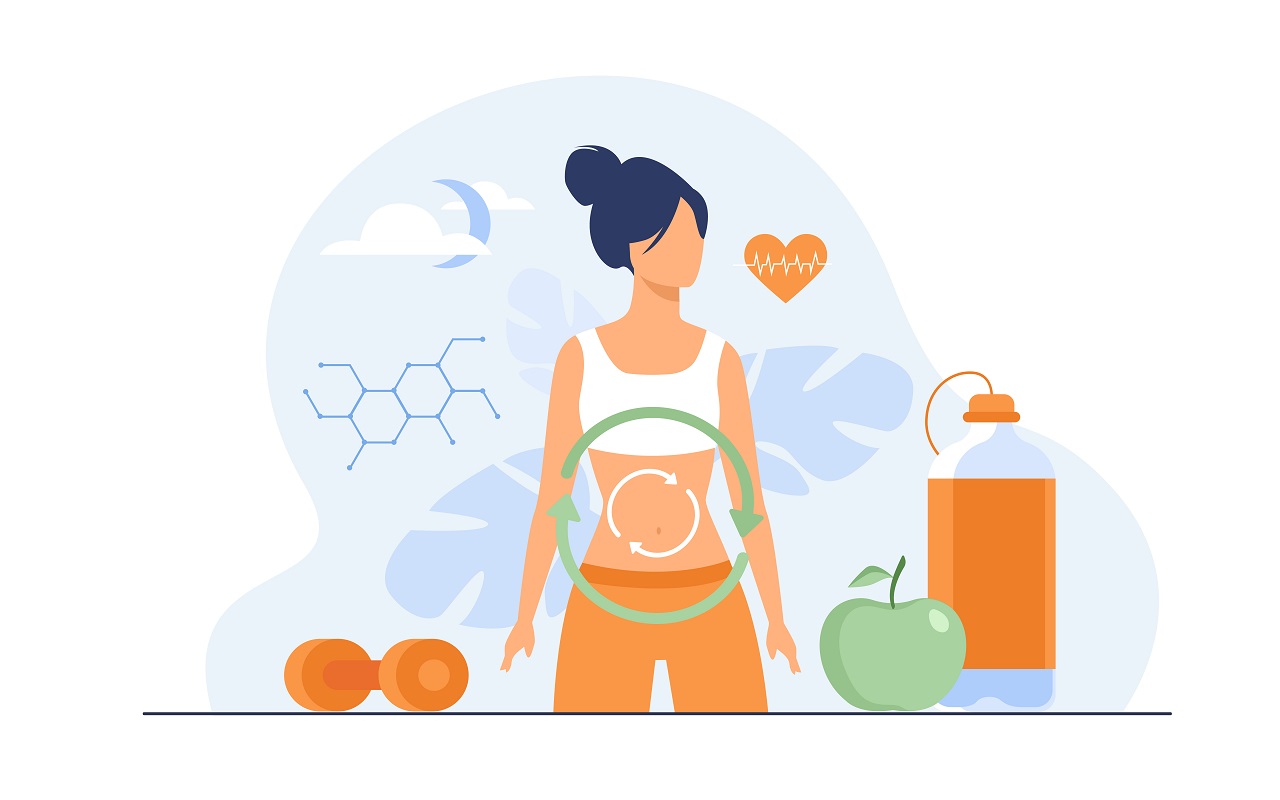
How to improve gut healthGut health is a familiar concept, and it’s widely recognized that maintaining a healthy gut is beneficial for our overall well-being. Beyond just aiding digestion, a healthy gut supports our immune system, heart health, brain function, weight management, and numerous other facets of health.
How Do We Know That Our Gut Health Is Optimal?

A healthy gut requires a balanced interaction between beneficial and harmful microbes within our digestive system. Our body’s microbiome, which includes trillions of bacteria, fungi, yeast, and other microbes—with bacteria being the predominant group—is vast. In fact, bacterial cells outnumber our own human cells! It’s accurate to consider the microbiome as an essential organ, critical to maintaining our overall health.

When our gut health suffers, we may experience a variety of symptoms such as indigestion, bloating, constipation, acidity, acid reflux, chronic fatigue, acne, joint inflammation and pain, as well as anxiety and depression. It’s crucial to identify and address the underlying causes of these symptoms instead of merely resorting to temporary solutions.

Effective Ways To Improve Gut Health

improve gut health

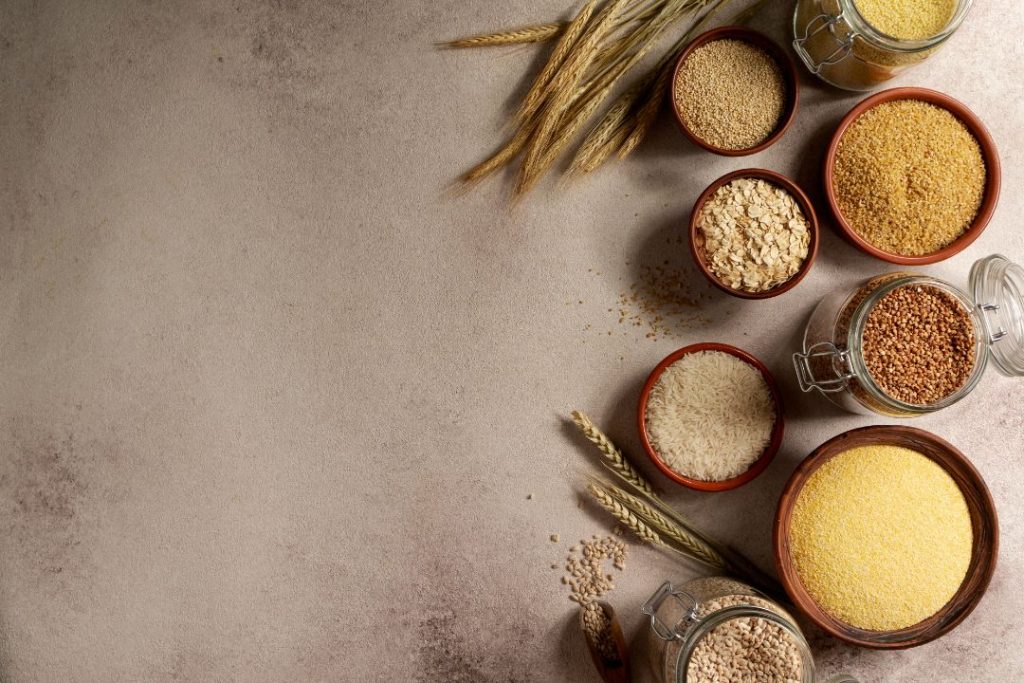
  • Include Fibre in your diet: Fibre helps to regulate bowel movements by absorbing water into the colon, making the stools soft and easy to pass through the intestines. Good sources of fibre include – fresh fruits and vegetables, whole grains, beans and pulses.
  • Have foods rich in Prebiotics: Prebiotics are basically food for the gut microflora that humans cannot digest but keeps the gut bacteria healthy. These include fibre from legumes, beans, oats, banana, berries, asparagus, apples, garlic, onion and leeks.
  • Include Probiotics in your daily diet: Probiotics are live bacteria found in certain foods and supplements. These include Curd, Yogurt, Fermented food items like Kombucha, Kimchi, Sauerkraut, Kefir and Pickles. Before taking probiotic supplements, it is advisable to consult your physician first.
  • Drink plenty of water: Drink eight glasses (about 2 litres) of water each day to keep yourself hydrated during the day. This is a general guideline, the exact water requirement depends on your body weight, activity levels and the environmental condition.
  • Reduce/Manage stress levels: Stress can have a major impact on our gut health because it affects the regulation of hormones and neurotransmitters that control your gastrointestinal function. So, if you are feeling stressed, seek help or try to manage it with meditation, yoga, exercise, pursuing a hobby, talking to family and friends.
  • Avoid Processed/Sugary food items: Sugar feeds bad bacteria in our gut which can cause bloating, discomfort and gas. So avoiding or reducing sugar intake can help promote good bacteria growth. Similarly, processed foods are stripped of the majority of nutrients and are loaded with artificial colours, preservatives, sweeteners, trans fats, all of these increase inflammation in the body and impact gut health.
  • Exercise regularly: Regular exercise is one of the best ways to improve your gut health, as it helps build immunity to fight against viruses and bacterial infections. So, the more active you are, the healthier gut you will have!
  • Sleep well: The quality of your sleep can affect your gut health, so get your 7-8 hours of good quality sleep. Follow a good sleep hygiene, avoid using electronic gadgets before sleep and avoid caffeine late in the day. You can also practice deep breathing or meditation to induce sleep.
  • Antibiotics: Avoid taking antibiotics unnecessarily, as they kill the bad as well as good bacteria in the gut. In case it is unavoidable, do include probiotics in your diet, to replenish the lost good bacteria.
  • Avoid Alcohol: Alcohol causes depletion in the gut bacteria and inflammation, so it is better to avoid or limit your intake.

These simple yet very effective ways will help you keep your gut healthy and contribute to your overall wellbeing. If this article helped you, let us know in the comments below!

For more on maintaining and improving Gut Health, check out Healthy Reads. You can also speak to an expert by subscribing for GOQii’s Personalised Health Coaching here.

#BeTheForce

Disclaimer: The information provided in this blog is for general awareness and educational purposes only. It is not intended to replace professional medical advice, diagnosis, or treatment. Always consult a qualified healthcare provider for personalised medical guidance or concerns related to your health.

April 26, 2024 By Vandana Juneja Leave a Comment

Millets: The Super Grain of Summer – Your Ally in Health and Coolness

With summer’s warmth intensifying, it’s time to rethink our dietary choices to ensure we stay vibrant and well-hydrated. Amongst a myriad of nutritional options, millets emerge as a veritable treasure trove of health benefits, rightfully earning their status as the season’s super grain. So let’s embark on an exploratory journey into the realm of millets, our potential partners in beating the heat.



Understanding Millets: The Ancient Grain for Modern Times

Belonging to a family of small-seeded grasses, millets are more than just a culinary choice—they’re a heritage, cultivated as a staple across Asia and Africa for centuries. With a spectrum ranging from pearl and foxtail to finger millet and sorghum, each variety offers a unique burst of flavor and a wealth of nutrition.

The Summer Advantage of Millets: Beyond Just Beating the Heat

Natural Coolants: These humble grains possess natural cooling properties, making them the ideal choice for sultry days. Rich in composition that balances body heat, millets are not just about sustenance; they’re about keeping you naturally cool and preventing the discomfort of heat waves.

Dietary Powerhouses: Don’t let their size fool you; millets are nutritional giants. Packed with protein, fiber, vitamins, and minerals, they ensure your body receives a holistic blend of nutrients, fortifying your health and vitality.

Guardians of Digestion: With a fiber content that champions digestion, millets can keep the common summer woes of constipation and indigestion at bay. They’re the friends your gut needs when the heat threatens to disrupt your digestive harmony.

Allies in Weight Management: Those on the journey of weight maintenance or reduction will find a loyal ally in millets. Their satiating fiber keeps hunger pangs in check, helping you manage your appetite and caloric intake effortlessly.

A Haven for the Gluten-Sensitive: As gluten intolerance becomes more prevalent, millets rise to the occasion as a stellar gluten-free substitute. They pave the way for culinary diversity, ensuring that dietary restrictions don’t limit the joy of eating.

Revamping Summer Diets with Millets: A Guide to Your Seasonal Well-being

Sorghum Millet (Jowar): A robust grain, jowar is a staple in the culinary world, commonly transformed into hearty rotis and bread. Loaded with nutrients like policosanols, sorghum is a protein and fiber-rich grain that aids in cholesterol management and weight loss. It’s a viable wheat alternative for those with gluten intolerance, offering rich sources of vitamin B1 and essential macro nutrients to boost metabolism.

Sorghum Upma: Soak and grind sorghum, then cook it with onions, tomatoes, green chilies, ginger, and veggies. This gluten-free upma is not only delicious but also nutritionally rich and perfect for a summer meal.

Kodo Millet (Koda or Arke Millet): Renowned for its nutrient density, kodo millet is an excellent alternative to traditional grains like rice and wheat. It’s rich in proteins, fiber, complex carbs, calcium, and polyphenols. Known for its cooling properties, kodo millet is ideal for summer consumption, contributing to lower sugar levels, weight management, and blood pressure control.

Kodo Millet Pulao: Soak the millet, then prepare it with onions, garlic, chili, tomatoes, carrots, peas, and spices. A simple pressure cook delivers a fluffy and aromatic dish ready in under an hour.

Foxtail Millet (Kangni): Foxtail millet is a powerhouse, teeming with complex carbs, proteins, fibers, and a spectrum of vital minerals and vitamins. With its low-fat content and gluten-free attribute, it’s perfect for those with dietary restrictions. Its health benefits are numerous, acting as a brain booster, bone strengthened, energy provider, and beauty enhancer.

Foxtail Millet Dosa Recipe: Begin your journey with a simple and nutritious Foxtail Millet Dosa. Soak foxtail millet, urad dal (black gram), and poha (flattened rice) for 4-6 hours. Grind these into a smooth batter, season with salt, and let it ferment overnight. When ready, heat a skillet, pour the batter thinly and cook until golden brown on each side. Serve this crispy dosa hot with your favorite chutney for a delightful meal.

Finger Millet (Ragi): A staple among health enthusiasts, Finger Millet, or Ragi, is celebrated for its high protein and amino acid content. This gluten-free grain is an excellent substitute for rice or wheat, packed with calcium, iron, and fibre, promoting bone health, aiding digestion, and helping regulate blood sugar levels. Incorporate ragi into your diet through porridge, rotis, and dosas for sustained energy and improved well-being.

Ragi Buttermilk Malt Recipe: For a refreshing drink, try the Ragi Buttermilk Malt. Mix ragi flour with water and cook with mustard seeds, asafoetida (hing), chili, and curry leaves until the mixture thickens. Separately, season buttermilk with salt, combine it with the cooked ragi mixture, bring to a boil, and serve hot. This nutritious malt drink is both comforting and healthy.

Barnyard Millet (Sanwa Rice): Known as Sanwa rice, Barnyard Millet is rich in protein, calcium, iron, and B vitamins. Its low carbohydrate content and gluten-free properties make it an ideal choice for those managing gluten sensitivities, diabetes, or cardiovascular conditions. Barnyard millet is often used as a nutritious rice substitute and is best prepared as porridge to maximize its health benefits.

Barnyard Millet Khichdi Recipe: For a wholesome meal, try Barnyard Millet Khichdi. Rinse and soak barnyard millet and mung dal for 30 minutes. In a cooker, sauté onions, ginger, garlic, and chili. Add tomatoes, turmeric, and salt. Stir in the soaked millet and dal, add water, and pressure cook for 3-4 whistles. Garnish with fresh coriander and serve hot for a nutritious and comforting dish.

These millet recipes not only offer a variety of health benefits but also introduce new flavors and textures to your diet, making your culinary experience both enjoyable and healthy.

Adding millets to your summer diet brings numerous health advantages and provides tasty, nutritious meals. Whether you aim to stay cool, boost digestion, manage your weight, or just try new recipes, millets are a flexible and healthy option for the warmer months. Dive into the benefits of millets this summer to enrich your nutrition and rejuvenate your body.

We hope this article helps you. For further information or guidance, reach out to our certified experts by subscribing to GOQii’s Personalised Health Coaching here.

#BeTheForce 

  • « Previous Page
  • 1
  • 2
  • 3
  • 4
  • 5
  • Next Page »

Search

Recent Posts

  • Calming Your Mind: Breathing Techniques for ADHD
  • Healthy Oats & Besan Pancake Recipe for a Nutritious Breakfast
  • Why Small Misunderstandings Become Big Fights – And How Couples Can Handle Them Better
  • The Benefits of Micro-Workouts: Why Small Exercise Snacks Lower Sedentary Risk
  • Train Hard, Sleep Well: The Recovery Secret Most People Ignore

Stay Updated

Archives

  • June 2026 (18)
  • May 2026 (20)
  • April 2026 (24)
  • March 2026 (18)
  • February 2026 (14)
  • January 2026 (14)
  • December 2025 (19)
  • November 2025 (15)
  • October 2025 (20)
  • September 2025 (6)
  • August 2025 (6)
  • July 2025 (11)
  • June 2025 (18)
  • May 2025 (16)
  • April 2025 (22)
  • March 2025 (27)
  • February 2025 (21)
  • January 2025 (25)
  • December 2024 (22)
  • November 2024 (23)
  • October 2024 (20)
  • September 2024 (23)
  • August 2024 (29)
  • July 2024 (20)
  • June 2024 (25)
  • May 2024 (27)
  • April 2024 (27)
  • March 2024 (27)
  • February 2024 (23)
  • January 2024 (21)
  • December 2023 (14)
  • November 2023 (10)
  • October 2023 (19)
  • September 2023 (22)
  • August 2023 (18)
  • July 2023 (22)
  • June 2023 (23)
  • May 2023 (20)
  • April 2023 (19)
  • March 2023 (23)
  • February 2023 (19)
  • January 2023 (15)
  • December 2022 (11)
  • November 2022 (15)
  • October 2022 (15)
  • September 2022 (12)
  • August 2022 (10)
  • July 2022 (17)
  • June 2022 (11)
  • May 2022 (10)
  • April 2022 (6)
  • March 2022 (6)
  • February 2022 (13)
  • January 2022 (11)
  • December 2021 (7)
  • November 2021 (3)
  • October 2021 (6)
  • September 2021 (3)
  • August 2021 (8)
  • July 2021 (7)
  • June 2021 (15)
  • May 2021 (16)
  • April 2021 (10)
  • March 2021 (7)
  • February 2021 (4)
  • January 2021 (4)
  • December 2020 (3)
  • November 2020 (4)
  • October 2020 (10)
  • September 2020 (3)
  • August 2020 (3)
  • July 2020 (2)
  • June 2020 (4)
  • May 2020 (10)
  • April 2020 (12)
  • March 2020 (10)
  • February 2020 (4)
  • January 2020 (4)
  • December 2019 (3)
  • November 2019 (7)
  • October 2019 (5)
  • September 2019 (4)
  • August 2019 (9)
  • July 2019 (9)
  • June 2019 (11)
  • May 2019 (4)
  • April 2019 (8)
  • March 2019 (8)
  • February 2019 (9)
  • January 2019 (8)
  • December 2018 (9)
  • November 2018 (3)
  • October 2018 (3)
  • September 2018 (5)
  • August 2018 (10)
  • July 2018 (6)
  • June 2018 (13)
  • May 2018 (8)
  • April 2018 (18)
  • March 2018 (9)
  • February 2018 (8)
  • January 2018 (15)
  • December 2017 (12)
  • November 2017 (19)
  • October 2017 (13)
  • September 2017 (15)
  • August 2017 (4)
  • July 2017 (8)
  • June 2017 (7)
  • May 2017 (6)
  • April 2017 (8)
  • March 2017 (6)
  • February 2017 (7)
  • January 2017 (9)
  • December 2016 (10)
  • November 2016 (7)
  • October 2016 (7)
  • September 2016 (7)
  • August 2016 (11)
  • July 2016 (9)
  • June 2016 (9)
  • May 2016 (12)
  • April 2016 (17)
  • March 2016 (17)
  • February 2016 (8)
  • January 2016 (6)
  • December 2015 (2)
  • November 2015 (9)
  • October 2015 (7)
  • September 2015 (9)
  • August 2015 (11)
  • July 2015 (9)
  • June 2015 (11)
  • May 2015 (9)
  • April 2015 (13)
  • March 2015 (8)
  • February 2015 (5)
  • January 2015 (12)
  • December 2014 (14)
  • November 2014 (11)
  • October 2014 (6)
  • September 2014 (13)
  • August 2014 (12)
  • July 2014 (6)
  • June 2014 (2)
  • May 2014 (7)
  • April 2014 (4)

From Shimla’s Slopes to Chandigarh’s Sidewalks: Surinder Kaur Bhalla’s Journey from Chaos to Control

Some journeys start with a plan. Others begin with a stumble literally. Surinder Bhalla, a government professional, born and raised in the scenic hill town of Shimla, had always lived a life of movement. “In Shimla, you walked everywhere,” she reflects. … [Read More...]

From “Laddu Nawin” to Fit and Fierce: How a 25-Year-Old Insurance Advisor Shed 20 Kilos and Gained His Life Back

When 25-year-old Nawin Yadav from Hyderabad walked into his office every morning, he carried more than just his files and policy papers. He had the weight of fatigue, sluggish energy, and an ever-growing belly that was becoming the butt of jokes. “People had even started calling me Laddu Nawin,” he says with a laugh, but […]

From Burnout to Balance: How Dr. Ranjit Reclaimed His Health

Dr Ranjit Bhatt has spent years tending to others. A practising doctor in Odisha, his days were packed with patients, surgeries, and emergencies. From the outside, it looked like a life lived in service. But on the inside, something wasn’t right. “I had no control over my schedule. I’d sleep late, eat at odd hours, […]

Ananda Mukherjee Health Story

From Terminal Illness To Complete Wellness! Ananda Mukherjee Health Story

As we observe World Cancer Day under the powerful theme ‘United by Unique’ (2025-2027)**, we are reminded that every individual’s journey with cancer is distinct, yet united by shared resilience, hope, and the collective fight against this disease. This theme places people at the centre of care and their stories at the heart of the […]

  • HOME
  • HEALTHY LIVING
  • FITNESS
  • HEALTHY RECIPES
  • USER STORIES
  • KARMA
  • BUY GOQii

Copyright ©2016 GOQii
