GOQii

Blog

  • HOME
  • HEALTHY LIVING
  • FITNESS
  • HEALTHY RECIPES
  • USER STORIES
  • KARMA
  • BUY GOQii

December 2, 2025 By Parveen Nake 3 Comments

What Gestational Diabetes Can Do To You & Your Unborn Child

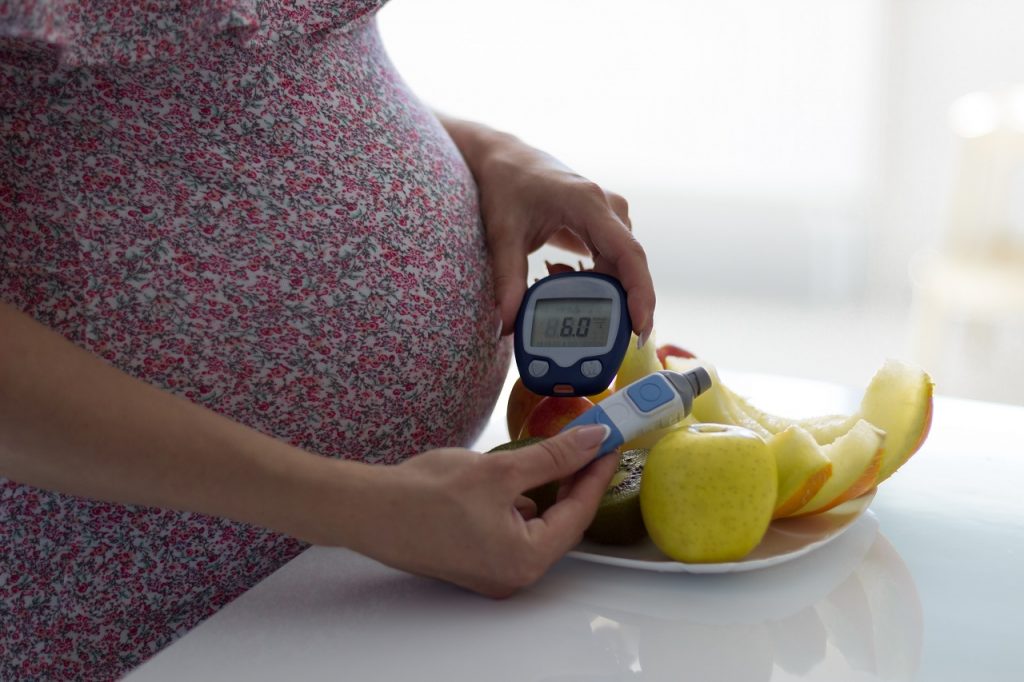
Gestational DiabetesWe all know about Diabetes Mellitus to some extent as Diabetes Mellitus is a chronic metabolic disorder that prevents the body from utilising glucose completely or partially. It is characterised by raised glucose concentration in the blood and alterations in carbohydrate, protein and fat metabolism. But have you ever heard of Gestational Diabetes or Pregnancy Diabetes?

Gestational Diabetes is a high blood sugar (glucose) condition that develops during pregnancy and usually disappears after giving birth. It can happen at any stage of pregnancy, but is more common in the second or third trimester. Insulin requirements goes up one to three times in pregnancy. During normal pregnancy the level of plasma insulin is raised by the action of placental hormones thus placing a burden on the insulin secreting cells of the pancreatic islets. The pancreas may be unable to meet these demands in women genetically predisposed to develop both types of diabetes. Long term studies show that some 80% of women with gestational diabetes ultimately develop permanent clinical diabetes requiring treatment.

What Causes Gestational Diabetes?

The causes of Gestational Diabetes is not known clearly yet. Some, but not all women with gestational diabetes are found to be overweight before getting pregnant or have a family history of diabetes. It is more common in Native American, Alaskan Native, Asian and Black women, but white women may develop it due to poor lifestyle.

Are There Tests to Determine it?

Oral glucose tolerance test (OGTT) is a confirmatory test. The OGTT measures blood glucose after you fast for at least 8 hours. Firstly, the blood sample is drawn in fasting state. Then, 75g of glucose dissolved in 250-300 ml of water is given, Lemon juice may be added for flavour and to prevent nausea. Then the blood specimens are collected every 30 mins for 2-3 hours after the administration of glucose.

High blood glucose levels at any two or more blood test times – Fasting, 1 hour, 2 hours or 3 hours – mean you have Gestational diabetes.

Complications During Pregnancy

If blood sugar is not controlled, it can lead to problems for both maternal and foetal health. Uncontrolled diabetes during the first trimester of pregnancy increases the risk of abortions and congenital malfunctions in the foetus. Some of the major consequences are:

  • High Blood Pressure (Preeclampsia): Preeclampsia is a potentially dangerous pregnancy complication characterised by high blood pressure. Due to the high blood pressure levels of the mother, the protein in urine spikes up and swelling in fingers and toes and lower body persists. High blood pressure can be harmful to both – the mother and the unborn baby. It might lead to the baby being born early and also could cause seizures or a stroke (a blood clot or a bleed in the brain that can lead to brain damage) in the woman during labour or delivery.
  • An Extra Large Baby: Uncontrolled Diabetes in the mother causes the baby’s blood sugar to be high. The baby tends to “overfeed” and grows extra-large. Besides, causing discomfort to the mother, it can lead to problems during delivery causing prolonged labour pain which might need a C-section to deliver the baby. The baby can be born with nerve damage due to pressure on the shoulder during delivery.
  • Low Blood Sugar (Hypoglycaemia): People with diabetes who take insulin or other medications can develop blood sugar that is too low or hypoglycaemia. Low blood sugar can be very serious and even fatal if not treated quickly.

How to Manage Gestational Diabetes

The main modes of treatment of Gestational Diabetes include:

1. Eating a Healthy Diet: Dietary measures are an essential part of the treatment of diabetic patients whether they are on diet alone or on metformin drug or insulin. Carbohydrate restriction impairs insulin sensitivity and reversed by high carbohydrate diet but it needs to be maintained between 60-65% of total calories. So include more complex carbohydrates or polysaccharides like Multi-grain flour, Oats, Muesli, Granola, Amaranth, Pearl Millet (Bajra), Finger Millet (Ragi), Quinoa, etc. Studies have shown that raising carbohydrates does not adversely affect the fasting blood glucose levels, glucose tolerance or insulin requirements provided that total calories are not increased.

Along with carbs, include more protein-rich foods like pulses and lentils, Kidney beans (Rajma), Soya Bean, peas, beans, peanuts, milk and dairy products like yogurt, buttermilk, cottage cheese (paneer), eggs, chicken, etc. to ensure weight gain and prevent osteomalacia during pregnancy. Inclusion of fibre like fruits and green leafy vegetables are must as it improves glucose metabolism without increasing insulin secretion. It increases the intestinal transit-time, delay gastric emptying slow glucose absorption.

2. Drugs or Insulin Treatment: Metformin or Insulin therapy is the accepted medical management of gestational diabetes. Insulin is the first drug of choice and metformin can be considered after 20 weeks of gestation. Insulin must be taken without delay if it is suggested by the doctor.

3. Exercise: Stay Active to help keep your blood sugar under control. Exercise regularly – before, during and after pregnancy. Moderate exercise such as brisk walking for 30mins a day for 5 times a week is a good goal to set.

4. Monitoring Blood Sugar Often: Be aware that your blood sugar can change very quickly, becoming too high or too low depending on what you eat and how much you exercise and your growing baby’s blood sugar also varies several times during the day. Check your blood sugar level as often as directed by the doctor and any time you have symptoms.

By adopting these measures one can enjoy a healthy Antenatal period. For more articles on managing Diabetes, check out Healthy Reads or for further information or guidance, reach out to our certified experts by subscribing to GOQii’s Personalised Health Coaching here.

#BeTheForce

Disclaimer: The information provided in this blog is for general awareness and educational purposes only. It is not intended to replace professional medical advice, diagnosis, or treatment. Always consult a qualified healthcare provider for personalised medical guidance or concerns related to your health. Images shown are for representation purposes only and may not depict the exact recommendations or outcomes.


December 17, 2021 By Parveen Nake Leave a Comment

Should You Consider the Keto Diet?

keto diet

Lately, a lot of my patients have been asking me about the Keto Diet – if it is safe or if I would recommend it. Despite the recent hype, a Keto Diet isn’t something new. In medicine, we have been using it for around a 100 years to treat drug resistant epilepsy, especially in children.

The Keto Diet is a very low carbohydrate, high fat, adequate protein diet which had originally developed in the 1920s for managing intractable epilepsy. Later, it had been indicated in many other conditions such as obesity, diabetes, cancer, Parkinson’s disease. In recent days, Keto Diet has become increasingly popular among people trying to lose weight.

The diet primarily aims at depriving the body of glucose and putting it in a metabolic state (ketosis), in which fats are burned to produce ketone bodies. These ketones are utilized as fuel for energy production instead of glucose. In order to create this state, the dietary carbohydrates are restricted to as low as 20-25g per day and the fat to carbohydrate ratio is typically kept at 4:1 or 3:1 ratio by weight. Because it lacks carbohydrates, it is rich in protein and fats. It typically includes plenty of meats, eggs, processed meats, sausages, cheese, fish, nuts, butter, oils, seeds and fibrous vegetables.

What is Ketosis?

Glucose is the preferred fuel, especially for the brain. Glucose is also required for the complete oxidation of the fats in TCA Cycle. In conditions of starvation or drastic carbohydrates restriction (below 20g/day), i.e. when glucose is not available, fats are broken down in an alternate pathway to produce ketone bodies. These ketone bodies are utilized by the brain and other tissues for energy production instead of glucose. This condition is known as Ketosis.

What Are The Effects of a Keto Diet on Weight Loss?

The effect of Keto Diet on weight loss has been attributed to several possible factors:

  • The appetite suppressing the action of ketone bodies by modification of hormones.
  • Reduction in the accumulation of fat (lipogenesis) and breakdown of fat (lipolysis).
  • Increased metabolic cost of gluconeogenesis (breakdown of fat or protein for glucose) and thermic effect of protein.
  • High satiating effect of fats which provides the feeling of fullness for longer hours. 

Benefits of a Ketogenic Diet Beyond Weight Loss

Due to obesity, excess body fat is closely associated with insulin resistance. The metabolic disturbances associated with insulin resistance due to inefficient utilization of glucose are improved with low carbohydrate high-fat diets. These changes beneficially affect gene expression, improved resistant states, attenuate oxidative stress and inflammatory conditions.

Significant reductions in serum triglycerides, marked increase in HDL cholesterol and decrease in inflammatory markers have been observed with this diet.

Potential Risk of Following This Diet

Despite the metabolic benefits of Keto Diets, the severe carbohydrate restriction and huge fat content of the diet raises question regarding safety. The severe restriction in diet calls for inadequacies of several nutrients.

  • Selenium deficiency is noted which leads to abnormal cardiac rhythm and impaired myocardial functions.
  • Arterial stiffness, increase in LDL cholesterol occurs in about half the individuals on Keto Diet.
  • Although it might show improvements in certain cardiovascular parameters like increased HDL and lowered TGLs, this mostly in the short term. In the long term, it has been shown to cause Hepatic Steatosis (accumulation of fat in the liver), Dyslipidaemia and glucose intolerance in mice.
  • It affects calcium balance and bone health. Prolonged exposure to the acidic environment caused by the ketones in blood can lead to progressive loss of bone minerals.
  • In fact, Nephrolithiasis, a very commonly noted complication of the Keto Diet, can be attributed to increased urinary calcium which leads to stone formation.
  • High amount of fat in the diet gives rise to gastrointestinal tolerance issues which include nausea, diarrhoea, constipation and GERD(Gastro Esophageal Reflux Disease).
  • Other side effects include dehydration, Hypoglycaemia, Hyperuricemia, Pancreatitis, Ketoacidosis, low serum sodium and magnesium have been reported.

Practical Considerations To Be Taken

It is important to consider the total calorie intake, especially in context of weight loss. Reduction in total calorie intake is always important and not just replacing carbohydrate calories with fats.

With the above considerations, a modified Keto Diet can serve as an effective tool for weight loss with certain added metabolic advantage and can be advised to obese individuals having no other metabolic disorder for a limited period of time. This should, however, be followed up with a healthy and more balanced eating plan on the long term.

Please note that we do not advocate, advise or recommend fad diets to our players. Please reach out or consult your doctor, dietician or nutritionist before making changes to your diet.

For more topics on diets, nutrition and health, check out Healthy Reads or ask a GOQii Coach by subscribing for personalized coaching here: https://goqiiapp.page.link/bsr

#BeTheForce 

Search

Recent Posts

  • Navigating the Maze of Nutrition: Finding Clarity Amidst Confusion
  • Get children active and keep them healthy
  • What Gestational Diabetes Can Do To You & Your Unborn Child
  • Breathing – A Forgotten Art
  • The Incredible Benefits Of Milk You Might Not Know

Stay Updated

Archives

  • December 2025 (3)
  • November 2025 (15)
  • October 2025 (20)
  • September 2025 (6)
  • August 2025 (6)
  • July 2025 (12)
  • June 2025 (18)
  • May 2025 (16)
  • April 2025 (23)
  • March 2025 (23)
  • February 2025 (22)
  • January 2025 (26)
  • December 2024 (26)
  • November 2024 (25)
  • October 2024 (22)
  • September 2024 (24)
  • August 2024 (31)
  • July 2024 (21)
  • June 2024 (26)
  • May 2024 (31)
  • April 2024 (27)
  • March 2024 (29)
  • February 2024 (26)
  • January 2024 (25)
  • December 2023 (15)
  • November 2023 (11)
  • October 2023 (22)
  • September 2023 (22)
  • August 2023 (20)
  • July 2023 (22)
  • June 2023 (24)
  • May 2023 (24)
  • April 2023 (24)
  • March 2023 (23)
  • February 2023 (20)
  • January 2023 (16)
  • December 2022 (12)
  • November 2022 (15)
  • October 2022 (15)
  • September 2022 (12)
  • August 2022 (10)
  • July 2022 (17)
  • June 2022 (11)
  • May 2022 (10)
  • April 2022 (6)
  • March 2022 (6)
  • February 2022 (13)
  • January 2022 (12)
  • December 2021 (7)
  • November 2021 (3)
  • October 2021 (6)
  • September 2021 (3)
  • August 2021 (8)
  • July 2021 (7)
  • June 2021 (15)
  • May 2021 (16)
  • April 2021 (10)
  • March 2021 (7)
  • February 2021 (4)
  • January 2021 (4)
  • December 2020 (3)
  • November 2020 (4)
  • October 2020 (10)
  • September 2020 (3)
  • August 2020 (3)
  • July 2020 (2)
  • June 2020 (4)
  • May 2020 (10)
  • April 2020 (12)
  • March 2020 (10)
  • February 2020 (4)
  • January 2020 (4)
  • December 2019 (3)
  • November 2019 (7)
  • October 2019 (5)
  • September 2019 (4)
  • August 2019 (9)
  • July 2019 (9)
  • June 2019 (11)
  • May 2019 (4)
  • April 2019 (9)
  • March 2019 (8)
  • February 2019 (9)
  • January 2019 (8)
  • December 2018 (9)
  • November 2018 (3)
  • October 2018 (3)
  • September 2018 (5)
  • August 2018 (10)
  • July 2018 (6)
  • June 2018 (13)
  • May 2018 (8)
  • April 2018 (18)
  • March 2018 (9)
  • February 2018 (8)
  • January 2018 (15)
  • December 2017 (12)
  • November 2017 (19)
  • October 2017 (13)
  • September 2017 (15)
  • August 2017 (4)
  • July 2017 (8)
  • June 2017 (7)
  • May 2017 (6)
  • April 2017 (8)
  • March 2017 (6)
  • February 2017 (7)
  • January 2017 (9)
  • December 2016 (10)
  • November 2016 (7)
  • October 2016 (7)
  • September 2016 (7)
  • August 2016 (11)
  • July 2016 (9)
  • June 2016 (9)
  • May 2016 (12)
  • April 2016 (17)
  • March 2016 (17)
  • February 2016 (8)
  • January 2016 (6)
  • December 2015 (2)
  • November 2015 (9)
  • October 2015 (7)
  • September 2015 (9)
  • August 2015 (11)
  • July 2015 (9)
  • June 2015 (12)
  • May 2015 (9)
  • April 2015 (13)
  • March 2015 (8)
  • February 2015 (5)
  • January 2015 (12)
  • December 2014 (14)
  • November 2014 (11)
  • October 2014 (6)
  • September 2014 (13)
  • August 2014 (12)
  • July 2014 (6)
  • June 2014 (2)
  • May 2014 (7)
  • April 2014 (5)

From “Laddu Nawin” to Fit and Fierce: How a 25-Year-Old Insurance Advisor Shed 20 Kilos and Gained His Life Back

When 25-year-old Nawin Yadav from Hyderabad walked into his office every morning, he carried more than just his files and policy papers. He had the weight of fatigue, sluggish energy, and an ever-growing belly that was becoming the butt of jokes. “People … [Read More...]

“I’ve Challenged Myself to Live 100 Years” – The Story of Chandubhai Savani’s Second Chance at Life

At 67, most people start slowing down. Not Chandubhai Savani. A resident of Surat, Chandubhai, thought life was on track. “My life was going well till I had my bypass surgery,” he says. That surgery, back in 2021, was a wake-up call.  Medication was routine, but exercise wasn’t. His diet? What he calls ‘normal.’ “I […]

From Shimla’s Slopes to Chandigarh’s Sidewalks: Surinder Kaur Bhalla’s Journey from Chaos to Control

Some journeys start with a plan. Others begin with a stumble literally. Surinder Bhalla, a government professional, born and raised in the scenic hill town of Shimla, had always lived a life of movement. “In Shimla, you walked everywhere,” she reflects. “Walking was never an exercise. It was just life.” But after shifting to Chandigarh, […]

Ananda Mukherjee Health Story

From Terminal Illness To Complete Wellness! Ananda Mukherjee Health Story

As we observe World Cancer Day under the powerful theme ‘United by Unique’ (2025-2027)**, we are reminded that every individual’s journey with cancer is distinct, yet united by shared resilience, hope, and the collective fight against this disease. This theme places people at the centre of care and their stories at the heart of the […]

  • HOME
  • HEALTHY LIVING
  • FITNESS
  • HEALTHY RECIPES
  • USER STORIES
  • KARMA
  • BUY GOQii

Copyright ©2016 GOQii


