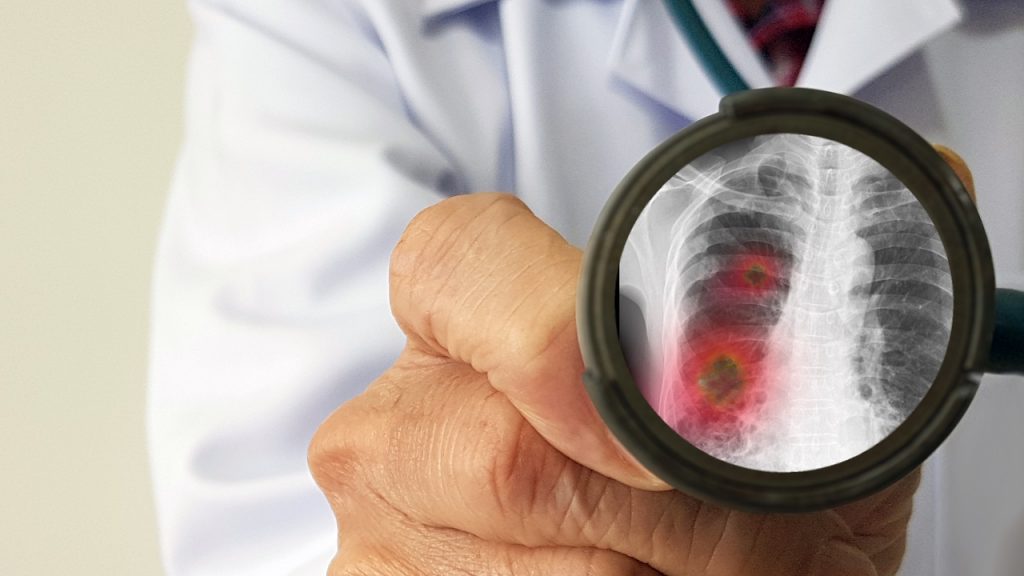
 Pneumonia is an infection of the lungs which can be caused by bacteria, fungi or a virus. It can range from mild to life threatening – when you require medical intervention at the earliest. When the air sac of one or both lungs are filled with some fluid or pus, it leads to inflammation which causes chest pain while breathing, cough with phlegm or pus, fever, chills and difficulty in breathing. Newborns up to 2 years of age and older people above 65 yrs of age are more prone to pneumonia as their immunity is not strong enough to fight the infection.
Types Of Pneumonia
There are four types of Pneumonia.
- CAP (Community Acquired Pneumonia): It is a type of pneumonia that occurs outside the hospital or other healthcare facilities and is caused by bacteria, bacteria like organisms, fungi or a virus like COVID-19 as well.
- HAP (Hospital Acquired Pneumonia): This type of pneumonia occurs during a hospital stay and can be serious as the person is already sick.
- Health Care Acquired Pneumonia: This type of acquired pneumonia occurs when patients stay for a long term in hospitals or go to outpatient clinics for dialysis or chemotherapy.
- Aspiration Pneumonia: This type of pneumonia occurs when you inhale food, liquid, saliva or vomit in your lungs and that causes an infection and it also occurs when there’s a brain injury.
What Are The Complications That Occur?
Even with treatment, some people with Pneumonia, who have other health ailments, suffer complications. Here are some of them:
- Bacteremia: When infection is caused by bacteria, it travels down to the bloodstream and can lead to septic shock that lowers the blood pressure and the heart cannot pump blood into the organs and organs may stop working altogether. So, if you are having symptoms like fever with chills, low blood pressure, stomach upset, fast breathing with a fast heart rate, you need to consult a doctor immediately.
- Lung Abscesses: Sometimes, due to pneumonia, pus pockets are formed in the lungs and give rise to fever, fatigue, weight loss, loss of appetite and coughing. This basically happens when a person is having bacteremia, gum disease, weakened immune system and regular intake of alcohol.
- Pleural Effusions, Empyema and Pleurisy: There are two types of layers surrounding your lungs called pleura. One from the outer side and one lines the part of your chest where the lungs sit. They help the lungs to move smoothly when one breathes. Sometimes, pain occurs while breathing and this is because the pleura swells and sometimes a fluid forms in between the layers and that is known as PLEURA EFFUSION. And if the fluid gets infected it leads to EMPYEMA.
- Respiratory Failure: With pneumonia, your lungs get infected and they will not be able to transfer oxygen to organs and won’t be able to get rid of carbon dioxide from the body which leads to this condition. Symptoms are fast breathing, irregular heart rate, anxiety, fatigue, losing consciousness or bluish tint on your skin, fingertips or nails.
- Kidney Failure: It’s not a common complication of pneumonia but when you are having bacteremia or septic shock, your heart may not be able to pump enough blood to your kidneys and they might stop functioning. Chances of kidney failure are high if it is coupled with other metabolic disorders.
- Heart Failure: Chances of heart diseases are higher if you have pneumonia as the heart may not be able to pump enough blood and oxygen as the heart itself doesn’t have enough supply.
All the complications of pneumonia are not to be taken casually. If you experience any of the above symptoms or complications, seek medical help immediately. You can also track symptoms such as low blood oxygen, low blood pressure, increased heart rate and high body temperature with Smart Devices from GOQii. Tracking these symptoms early can help you avoid any unnecessary complications and get medical assistance on time.
We hope this article helps you. For more on Pneumonia and other medical conditions, check out Healthy Reads or ask your GOQii Coach directly by subscribing for Personalised Health Coaching here.
#BeTheForce
Disclaimer: The information provided in this blog is for general awareness and educational purposes only. It is not intended to replace professional medical advice, diagnosis, or treatment. Always consult a qualified healthcare provider for personalised medical guidance or concerns related to your health. Images shown are for representation purposes only and may not depict the exact recommendations or outcomes.
 When it comes to getting active and losing weight, people generally get confused about where to start. So, let’s look at this effective Tabata routine which is simple and easy. TABATA (also called Tabata protocol) is a type of HIIT (high intensity interval training). It originated when a Japanese Scientist Dr. Izumi Tabata and his team from The National Institute of Fitness and Sports at Kagoshima, Japan were working on the fact that shorter high intensity workouts followed by a shorter period of rest can impact the body better rather than longer periods of continuous workout.
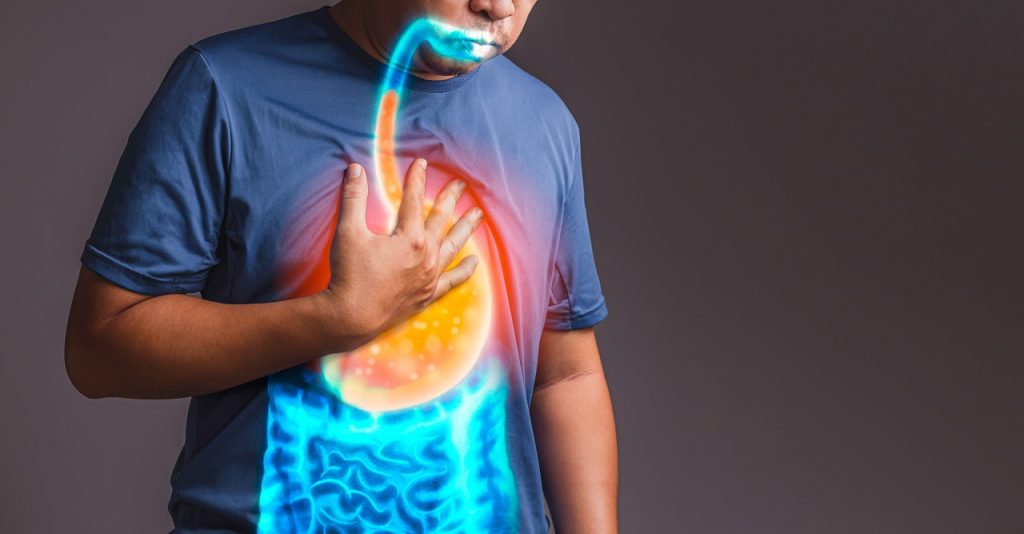 Acidity can literally be a pain to deal with but before we move on to home remedies to reduce acidity, it’s important to know its origin, symptoms and causes. Hydrochloric Acid (HCL) is produced in the stomach to digest food and it plays an important role in digestion but sometimes, HCL is produced when there is no food inside the stomach and it leads to the eruption of the lining of the stomach, giving rise to acidity.