
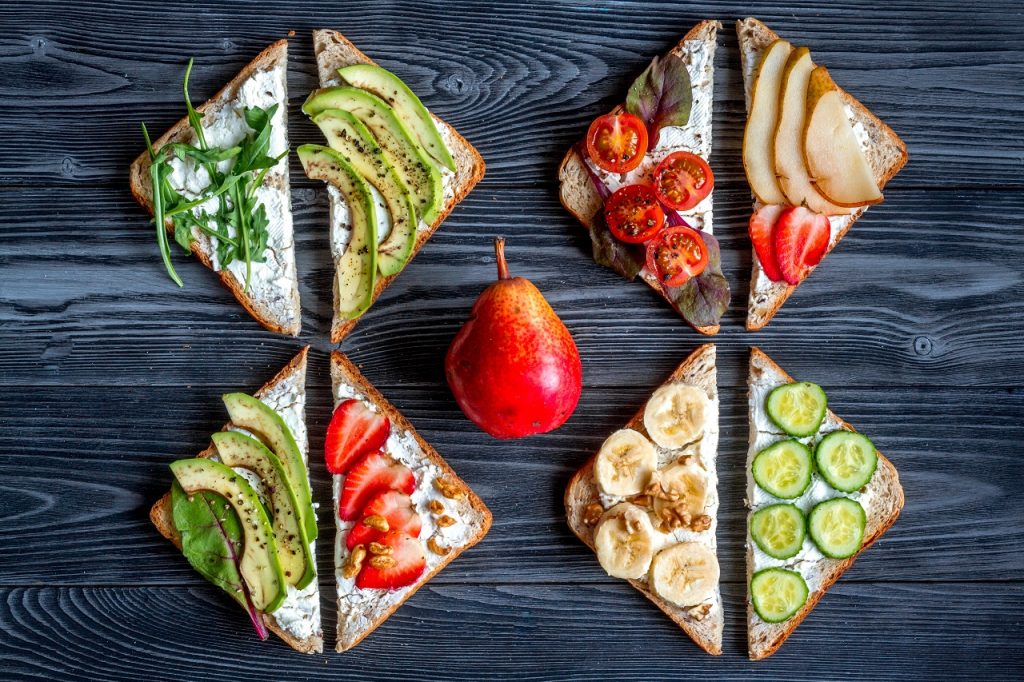
 You’ve come across the saying “Eat breakfast like a king and dinner like a pauper”… being a nutritionist, I strongly believe in this. Yes, one should definitely eat a nutritionally lavish meal in the morning. Breakfast needs to be a combination of simple and complex carbs along with some high biological value sources of protein. But is it enough? Does it make a complete meal?
We often tend to forget to add fibres and other micronutrients in the first meal of the day, keeping it for later meals, and we miss on achieving the daily requirement. Adding vegetables to your breakfast can help you improve your health in numerous ways and make it a complete meal. Let’s see how we can do that.
Ideas to Add Vegetables to Your Breakfast
- Try adding sautéed spinach to an open-faced egg or paneer sandwich. Spinach is a rich source of Vitamin A, C and K.
- Replace other root vegetables besides potatoes in your basic recipes. Try sweet potatoes, turnips, and even beetroot to get some extra vitamin boosts from these colourful root veggies.
- Cook a quinoa, veggie and egg scramble. A perfectly balanced breakfast for lazy mornings.
- Add spinach to your savoury oatmeal. Fibres in all together.
- Try shifting your salad to breakfast and add some grain along. Try Pizza crust waffle with a breakfast salad. A great way to indulge guilt-free.
- Avocado can be used as a spread on breads. To enhance the nutritional value, chopped veggies, salt and pepper can be added as a treat to your taste buds.
- Try skipping the toast along with omelette or scrambled eggs. Instead, replace it with Sauté greens. Whether you can add cream or simply cook them with garlic, is up to you.
- Add sautéed vegetables and mashed paneer/eggs to the pancakes/cheela you make at home. This would make it more filling and add an extra boost of protein as well.
- Busy enough to cook every morning? Drink it up then! Just blend up greens or vegetables into your morning smoothie and sip it on the way to the office.
- And the Easiest: Add vegetables in everything you cook, be it poha, vermicelli, and even upma!
We hope this article helps you add more vegetables to your breakfast for a power-packed start to your day! Do try them all out and let us know in the comments below.
Get more healthy recipes here or ask a GOQii Coach by subscribing for Personalised Health Coaching here.
#BeTheForce
Disclaimer: The information provided in this blog is for general awareness and educational purposes only. It is not intended to replace professional medical advice, diagnosis, or treatment. Always consult a qualified healthcare provider for personalised medical guidance or concerns related to your health. Images shown are for representation purposes only and may not depict the exact recommendations or outcomes.
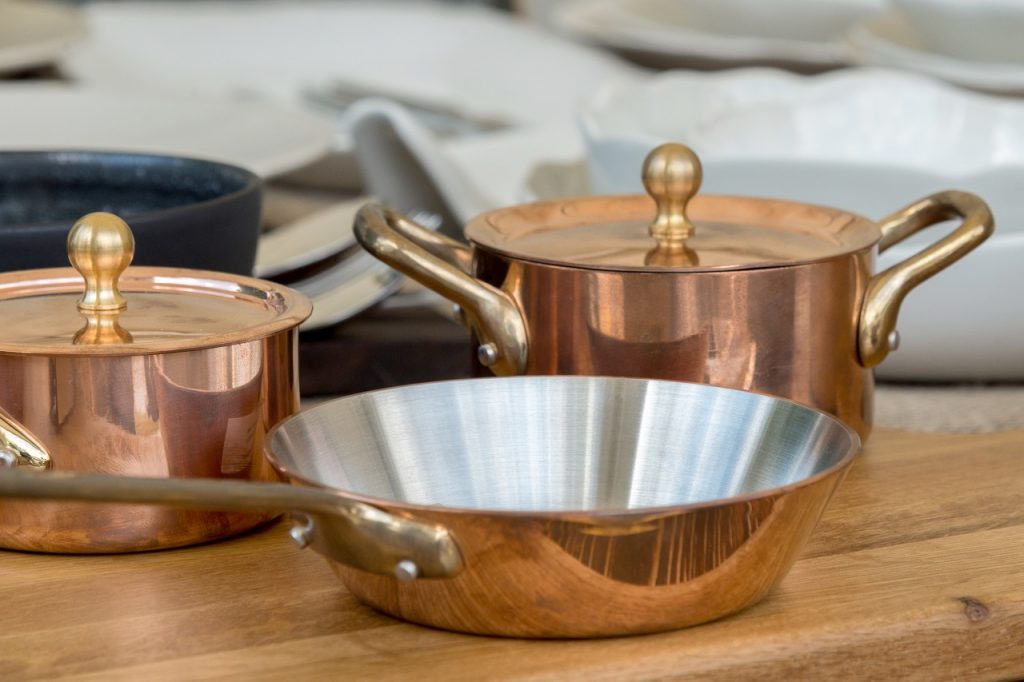 If cooking is an art, then the utensils are the canvas. With different cuisines in our country, even the variety of utensils are different – each has its own use. This makes it essential to know how the metals react to different foods. While we’re busy choosing fancy non-stick cookware or microwave friendly utensils, we need to understand that they aren’t safe as they can harm your health in the long run. Back in the day, clay pots, iron, brass and bronze utensils were used for cooking as they not only preserved the nutrients in food but also enhanced the taste.
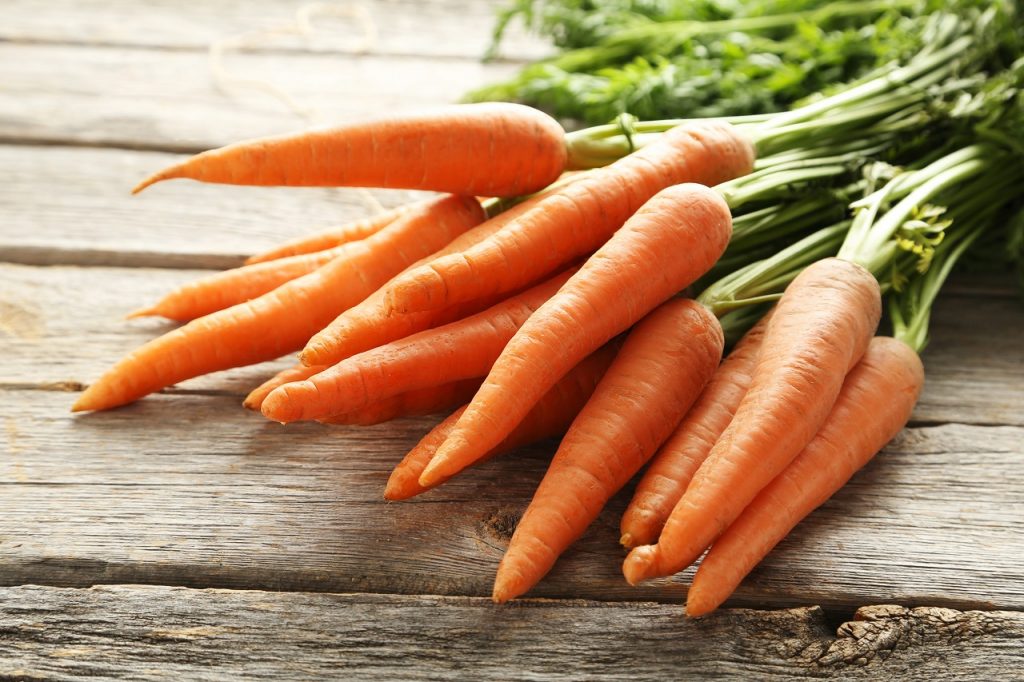 We’ve often advised people to eat seasonal fruits and for good reason! Seasonal veggies are a good source of vitamins, minerals and antioxidants which are required by the body during winter. There are many vegetables but one of them, which is a must-have during these chilly days is the carrot!
 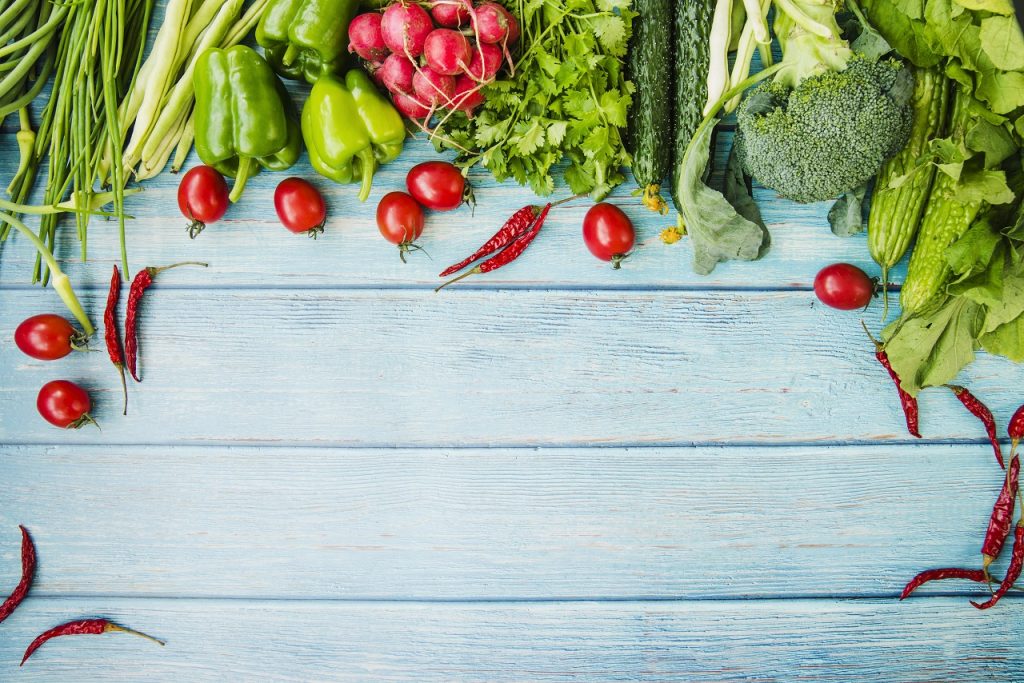 Veganism has spread like wildfire in India and is being followed by numerous people! For those who do not know, Veganism is a strict vegetarian diet which excludes milk, eggs, and dairy products. In fact, it excludes any other animal-derived ingredients such as honey which makes it different from a vegetarian diet. But, I often get to hear mixed reviews about following it.


