
GOQii

Blog

  • HOME
  • HEALTHY LIVING
  • FITNESS
  • HEALTHY RECIPES
  • USER STORIES
  • KARMA
  • BUY GOQii

Archives for October 2024

October 18, 2024 By Navnee Garg 3 Comments

When Not Eating Becomes a Disease: What Anorexia Really Does to You or Someone You Love

Anorexia Nervosa

Following healthy habits is good. It’s always nice to have a plan for healthy eating and follow it steadily with discipline. But what happens when you overindulge in a dieting plan? As we all know, anything in excess is bad and the same goes for dieting or having an unhealthy obsession with losing weight which may make one do things that can cause more damage than good. Having said that, I’d like to highlight an eating disorder that I recently came across called Anorexia Nervosa.

What is Anorexia Nervosa?

Anorexia Nervosa is an eating disorder which is characterized by low body weight, fear of gaining weight, and a distorted perception of weight. This means that despite having normal body weight, these people feel that they are overweight, or even if they will eat a bite extra, they feel that they will suddenly gain weight. So they prefer being on a very low calorie diet, prefer restricted foods, focusing excessively on the portion they eat. They also try to control their weight by vomiting after eating, or misusing laxatives, diet aids, diuretics or even enemas. At times, they also try to lose weight by excessive exercising just post consuming meals.

Nervosa is not about calorie counting, it is more about one’s psychological aspect which can be extremely dangerous or even life threatening to try to cope up with emotional distress. Anorexic people often tend to equate thinness with self worth.

What Are The Symptoms?

The most evident physical symptom of Nervosa is Starvation, and let us not confuse it with conscious eating. Apart from it, it also includes some emotional and behavioural issues which include unrealistic perception of one’s own body in terms of being fat or fear of gaining weight.

It is difficult to notice the signs and symptoms among the people, but there are few alarming signs which can be noticed by near and dear ones like low body weight, or thin appearance, abnormal blood counts, fatigue, dizziness, and insomnia, thinning of hair, blue discoloration of fingers, irregular bowel movements, irregular heart rhythms, and dehydration.

Also some emotional and behavioural symptoms would include:

  • Skipping meals or refusing to eat
  • Making excuses like denial for hunger, or unwell
  • Avoiding to eat in public
  • Social withdrawal
  • Irritability and Insomnia

Diagnosis 

Though it is difficult to diagnose Anorexia Nervosa at an early stage, the American Psychiatric Association’s (APA’s) Diagnostic and Statistical Manual of Mental Disorders has set diagnosis criteria for people prone to being Anorexic.

  1. Restricted calorie intake as per the requirement of the body in terms of age, height, gender and physical health.
  2. Misconception of being overweight, despite being actually underweight.
  3. A full medical history can also help to reach the outcome

Treatment and Recovery

Treatment includes some medications, nutritional counseling, psychotherapy and family counseling as well which would depend on one’s level of being anorexic. Generally people refuse to accept that they fall in the category but a proper counseling session can help one recover soon.

There is no harm in Being Picky about putting food in your mouth, but this should be done in certain limits by working on calorie counting, or choosing the healthiest option and not in excessive fear to gain weight. The body needs fuel as well to work its system out. The correct way to lose weight is by eating healthy and exercising regularly, and not “DIETING”. Long term anorexia nervosa can lead to serious medical issues like low bone density, anemia, or some gastrointestinal issues as well.

So, if you feel any such symptoms, or you know someone prone to it, do share the article with them, and we at GOQii are always there to help you recover in whatever best way possible.

Did you find this article helpful? Do leave your thoughts and queries in the comments below and do share it on the GOQii Arena in the GOQii app with your friends! 

#BeTheForce 

Disclaimer: The information provided in this blog is for general awareness and educational purposes only. It is not intended to replace professional medical advice, diagnosis, or treatment. Always consult a qualified healthcare provider for personalised medical guidance or concerns related to your health.

October 17, 2024 By GOQii Leave a Comment

How to Break the Cycle of Adrenal Stress?

adrenal stressWhen it comes to stress, we often talk about work pressure, personal issues or chronic disease. But there are other elements that influence stress as well. For instance, in your experience, have there been times when you constantly feel tired but can’t explain why? You feel overwhelmed by situations you could handle easily? Do you find yourself drained of energy you may have enjoyed once upon a time? Have you struggled to get out of bed in the mornings even after sleeping for long hours? If this sounds familiar, there is a chance that you are suffering from something called ‘Adrenal stress” or “Adrenal Fatigue”. Simply put, your adrenal glands may be under-performing. All that chronic stress you have been masterfully coping with has finally caught up! Your adrenal glands are responsible for supporting you and sustaining a level of vigilance. Adrenal Stress happens when they show signs of strain.
Is this a death sentence? No! But it is a sign of imbalance. Chronic stress is a part of life. But if left unchecked and unassuaged for too long, it can lead to hormonal depletion, exhaustion, and adrenal fatigue.

Adrenal Glands and Stress

To understand the above, we need to understand how health and metabolism are affected by hormones. One of the glands that play an important role in metabolism is the adrenal cortex. The adrenal cortex gland releases hormones which are vital for biological function. To be more specific, there are two parts which release hormones – Adrenal Cortex and Adrenal Medulla. Adrenal cortex hormones regulate sodium levels, salt, and balances blood volume which directly affects blood pressure.

Another hormone (Cortisol) regulates metabolic rate of carbohydrate, proteins, and fat. It also regulates immune responses. It is responsible for suppressing inflammatory reactions. So it is a potent anti-inflammatory hormone. Finally, the adrenal glands are best known for secreting the hormone adrenaline, which rapidly prepares your body for action in a stressful situation.

When you are stressed, the hormones of the adrenal medulla are released after the sympathetic nervous system is stimulated. The adrenal medulla helps you deal with physical and emotional stress. You want these responses to happen. From an evolutionary perspective, it’s part of why we have survived for so long as a species.

If you encounter a stressful situation, you want your body to fire up stress hormones to feed you energy and adrenaline. You WANT to be able to run from a potential threat or beat it back. The problems come in when you have that relatively high level of stress but then don’t actually end up using that extra energy in the form of movement.

Adrenal Stress, Belly Fat and Weight Gain

During times of stress, there are actual physiological changes that happen in our body. Most of them are helpful for our survival (such as in the situation described above). But, if we continue to experience stress and we don’t actually end up running from our perceived threat or beating it back, those stress hormones increase our blood sugar (in an effort to give us energy) which then requires insulin to bring it back down.

In the short term, it feels like an energy crash. In the long term, it can lead to weight gain. When the adrenal glands are overworked, the body prepares itself by storing fat. We crave food, indulge in binge eating and we gain weight.

Adrenal imbalance causes a number of issues, including the abdominal fat deposition. When we have long term stress, both insulin and cortisol remain elevated in the blood, and the extra glucose is stored as fat–mostly in the abdomen. Studies suggest that fat cells have receptors for the stress hormone cortisol, and there are more of these receptors in our abdominal fat cells than anywhere else in our bodies. Moreover, belly fat is an active tissue, which responds to stress by depositing more fat. This cycle can not end until a step is taken to tackle the root cause of stress.

How to Break The Cycle

  • Go Easy On Food: Eating small and frequent meals helps cortisol balance the blood sugar and take off some stress. Cortisol counterbalances the action of insulin. Under stress when cortisol levels are elevated, it results in a perpetual need for insulin. Eventually, our bodies can develop resistance to it. Hence the name “insulin resistance”. In other words, our body can become less sensitive to insulin, forcing it to produce more for the same effect. If it stops to work altogether, that keeps glucose levels high in the blood.
  • Time to Eat: Our body has circadian rhythms which work closely with cortisol, which is highest in the morning and gradually declines throughout the day. When we eat we elevate our cortisol, so it is best to start heavy with breakfast and go light post evening. Heavy evening meals are the prime reason for an expanding waistline. A Higher waistline is associated with metabolic and lifestyle disease.
  • Unplug: Give time to yourself. Unplug means a disconnect from cell phones, laptops, work, any digital devices. Take out sometime which you spend only with your thoughts. It makes you realize your priorities and your goals better.
  • Sleep: As this gland also controls our circadian rhythms, it is responsible for our sleep cycle. Good 8 hours of sleep will make you take fewer calories through the day. Lack of sleep also makes one drowsy and ends in low energy levels creating stress. Maintain an 8 hour sleeping time for the body to regenerate.
  • Workout: Exercise is the best remedy to reduce stress by releasing pent up energy. As stated earlier, the whole reason our bodies respond to stress by producing more cortisol is so that we have energy available to spend. Having more energy isn’t a bad thing if you actually use it.

The best way to reduce stress levels is to have fun! Having fun and laughing should become one of your top priorities in life! It has multiple benefits, one of them being stress relief. Looking at the day ahead, ask yourself what is that one thing you can do for your body to support your adrenal glands? Then ask yourself how you can set aside some time for fun!

Want to know more about managing stress? Check out Healthy Reads or get expert advice directly from a GOQii Coach by subscribing for Personalised Health Coaching here.

#BeTheForce

Disclaimer: The information provided in this blog is for general awareness and educational purposes only. It is not intended to replace professional medical advice, diagnosis, or treatment. Always consult a qualified healthcare provider for personalised medical guidance or concerns related to your health.

October 16, 2024 By Soni Thakur 11 Comments

7 Reasons Why Pulses Are Good For You!

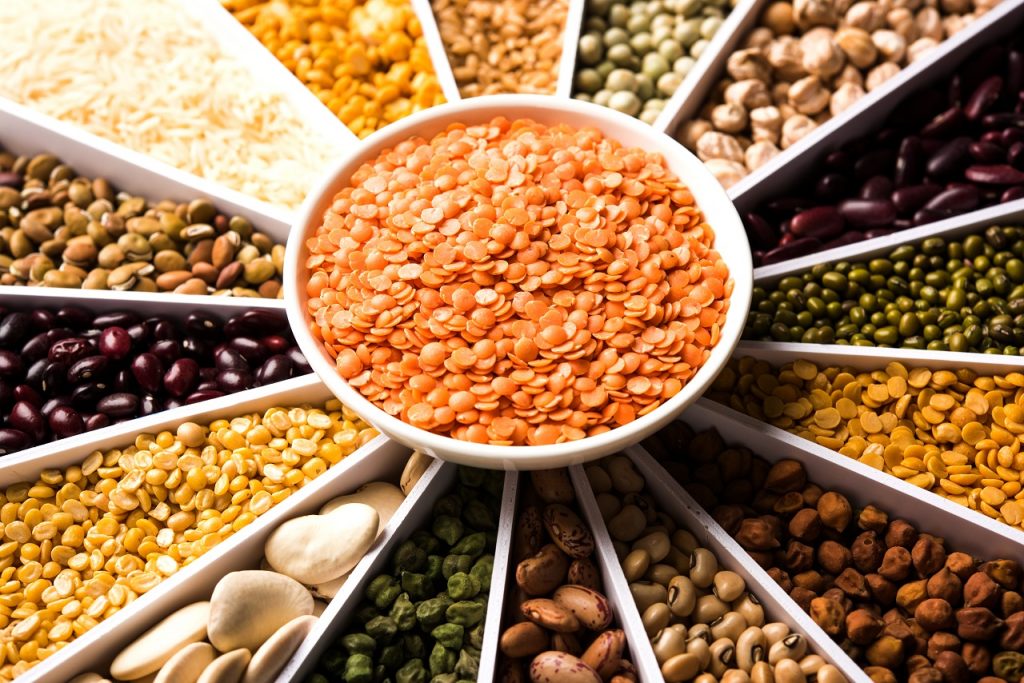
pulses As we celebrate World Food Day this year, focusing on the theme of “Right to Food for a Better Life and a Better Future,” it’s important to highlight the crucial role that pulses can play in achieving food security and promoting better health. Pulses have always been a significant part of the Indian diet, valued for their rich nutritional content, affordability, and availability. They are an excellent source of plant-based protein, fiber, vitamins, and minerals, making them a vital tool in nourishing populations globally.

There are hundreds of varieties of pulses grown worldwide—like Lentils, Dry Beans (Common Beans), Black eyed peas (Cowpeas), Chickpeas, Pigeon peas (Toor Dal), and Kidney Beans—that are not only nutritious but also sustainable and accessible to all. This makes pulses a key to ensuring the right to food and building a better future for everyone.

If “Pulses” was an abbreviation, it could easily stand for:

P – Protein Rich

U – Universally Distributed

L – Low Cost

S – Source of Dietary Fiber

E – Easily Available

Despite being seen as a “poor man’s food” due to their low cost, pulses are a nutritional powerhouse that shouldn’t be ignored. Here’s why pulses are essential for a healthier life and a sustainable future:

7 Reasons to Include Pulses in Your Diet:

  1. Good for all age groups: From infants to the elderly, pulses provide essential nutrients that promote growth, development, and tissue repair, supporting a better quality of life for all.
  2. Affordable and Accessible: Pulses are widely available and affordable for all income groups. This makes them a vital food for ensuring the right to nutritious food, aligning perfectly with the theme of World Food Day.
  3. Heart-Healthy: Low in saturated and trans fat, pulses can help lower cholesterol levels, reduce blood pressure, and maintain a healthy weight. Their heart-healthy benefits contribute to a better life for millions globally.
  4. Reduce Risk of Chronic Illness: Regular consumption of pulses may reduce the risk of chronic diseases such as Diabetes, Cancer, and Heart disease, making them a powerful ally in promoting long-term health.
  5. Long Shelf Life: Pulses, being dried seeds, can be stored for long periods, reducing food waste and loss. This supports global efforts toward food security and sustainability, a core focus of World Food Day.
  6. Rich in Antioxidants: Pulses like Red Kidney Beans are packed with antioxidants that help fight inflammation and boost metabolism, ensuring a healthy body and mind.
  7. Improves Protein Quality When Paired with Cereals: Pulses improve the protein quality of meals when combined with cereals, making them an excellent source of balanced nutrition, especially for those who rely on plant-based diets.

Pulses: A Path to a Better Future

Pulses are not just nutritious and affordable—they also play a significant role in sustainable agriculture. They require fewer resources like water and fertilizers, making them eco-friendly and vital in reducing our environmental footprint. By embracing pulses, we support a sustainable food system that helps ensure everyone’s right to food, paving the way for a better future.

This World Food Day, let’s recognize the value of pulses as a versatile, nutritious, and sustainable food source for all. These reasons should inspire you to stock your kitchen with a variety of pulses and embrace their benefits!

We hope this article helps you! Do leave your thoughts in the comments below! For more articles on nutrition, explore Healthy Reads or speak to a GOQii Coach by subscribing for Personalised Health Coaching here.

#BeTheForce 

Disclaimer: The information provided in this blog is for general awareness and educational purposes only. It is not intended to replace professional medical advice, diagnosis, or treatment. Always consult a qualified healthcare provider for personalised medical guidance or concerns related to your health.

October 15, 2024 By Dhwani Bagadia 1 Comment

Leaky Gut: Symptoms and Causes

leaky gutThe gut is considered to be the “Gateway to Health”. It consists of approximately 80% of the immune system. 95% of “serotonin”, the “feel-good” hormone, is also produced in the Gut. Healing and improving your gut is of the utmost importance to lead a healthy and happy life. Your gut is responsible for stomach conditions, pain and even eagerness. Poor gut health can cause various issues such as a Leaky Gut.

A Leaky Gut is one of the most puzzling illnesses/diseases to be diagnosed and to get treated. It is a very puzzling disease or illness majorly due to the gut having a very extensive and complex structure. “There is still so much science that proceeds with finding newly developed methods, where the gut can have an impact on the health of the heart to brains being young and active,” says Dr. Alessio Fasano, Director of the Center for Celiac Research and Treatment with Harvard-affiliated Massachusetts General Hospital.

What is Leaky Gut?

The digestive system is where food is broken down and nutrients are absorbed. It also plays a major role in safeguarding your body from detrimental or dangerous substances. The intestinal walls act as a barrier/hurdle to check what is passing into the bloodstream, to be carried to different organs of the body.

Water and nutrients are passed into and out of the small holes (tight junctions) in the walls of the intestine when obstructing the movement of detrimental substances. Intestinal Permeability is defined as an easy passage of the substances through the walls of the intestine. When the small holes (tight junction) of the intestinal wall become loose, the permeability of the gut increases and results in bacteria and toxins passing from the gut into the bloodstream. This event is termed as “Leaky Gut”.  

Due to Leaky Gut, toxins and bacteria enter the blood-stream, resulting in inflammation and activating a reaction from the immunity. Proponents declare that it is one of the major causes of several medical conditions such as chronic fatigue syndrome, migraine, multiple sclerosis, fibromyalgia, food sensitivities, thyroid abnormalities, mood swings, skin conditions, and autism.

Many Health-care professionals say that an increase in the permeability of the intestine occurs in a few chronic diseases. It is a challenge to calculate the strength of an individual’s gut barrier, so it becomes difficult to identify whether a person has a leaky gut and what impact it will have on the body.

Symptoms to Watch Out For

As per Dr. Leo Galland, the director of the Foundation for Integrated Medicine, the symptoms below could indicate a Leaky Gut.

  • Digestive issues such as chronic diarrhea, constipation, gas or bloating or IBS (Irritable Bowel Syndrome)
  • Nutritional Deficiencies such as anemia, omega-3 fatty acids, vitamin deficiencies
  • Excess weight, obesity, diabetes
  • Poor immunity such as frequent cold, flu, and infection. Auto-immune disease such as rheumatoid arthritis, lupus, celiac disease or chron’s disease, Hashimoto’s thyroiditis
  • Brain: Headaches, brain fog and memory loss and Depression/Eagerness/ADHD (Attention Deficient Hyperactive Disorder)
  • Excessive tiredness or fatigue
  • Rashes on skin such as acne, eczema
  • Cravings for refined carbs or sugar
  • Bones: Arthritis or Joint Pain and Osteoporosis
  • Seasonal Allergies or Asthma
  • Imbalance in the hormones such as PMS or PCOD i.e. Pre-menstrual Syndrome and Polycystic Ovarian Syndrome
  • Diagnosis of candida overgrowth
  • Food Allergies, food sensitivities or intolerances

What Causes a Leaky Gut?

There are several factors that can cause a Leaky Gut. Gluten, food, infection and toxins being a few of them. The following factors can also be considered.

  • Food Sensitivities, Candida or yeast over-growth, Parasites, Medications and Drugs
  • Excessive sugar intake and other un-healthy food affect the barrier of the wall of the intestine
  • Non-steroidal anti-inflammatory drugs (NSAID’s): Excess and too much use of NSAID’s like ibuprofen leads to leaky gut due to an increase in the wall of intestinal permeability
  • Excess alcohol intake may also cause intestinal permeability
  • Nutritional Deficiencies: Deficiencies of Vitamins such as A, D and Zinc result in increases intestinal permeability
  • Inflammation: Can also result in the leaky gut
  • Stress: Excess Stress also results in gastro-intestinal disorder, leading to leaky gut
  • Poor Gut Condition: There is a mix of good and harmful bacteria which are almost in millions in the gut. If the balance of the good and harmful bacteria is affected, it can affect the intestinal wall.
  • Yeast Overgrowth: Natural existence of yeast is there in the gut, but excess growth of yeast can lead to leaky gut

Stay tuned and stay healthy. For more topics on Gut Health, click here. If you’re experiencing any of the above symptoms, consult a doctor or speak to our experts for lifestyle changes that will help you heal. 

#BeTheForce

Disclaimer: The information provided in this blog is for general awareness and educational purposes only. It is not intended to replace professional medical advice, diagnosis, or treatment. Always consult a qualified healthcare provider for personalised medical guidance or concerns related to your health.

  • « Previous Page
  • 1
  • 2
  • 3
  • 4
  • 5
  • 6
  • Next Page »

Search

Recent Posts

  • Navigating the Maze of Nutrition: Finding Clarity Amidst Confusion
  • Get children active and keep them healthy
  • What Gestational Diabetes Can Do To You & Your Unborn Child
  • Breathing – A Forgotten Art
  • The Incredible Benefits Of Milk You Might Not Know

Stay Updated

Archives

  • December 2025 (3)
  • November 2025 (15)
  • October 2025 (20)
  • September 2025 (6)
  • August 2025 (6)
  • July 2025 (12)
  • June 2025 (18)
  • May 2025 (16)
  • April 2025 (23)
  • March 2025 (23)
  • February 2025 (22)
  • January 2025 (26)
  • December 2024 (26)
  • November 2024 (25)
  • October 2024 (22)
  • September 2024 (24)
  • August 2024 (31)
  • July 2024 (21)
  • June 2024 (26)
  • May 2024 (31)
  • April 2024 (27)
  • March 2024 (29)
  • February 2024 (26)
  • January 2024 (25)
  • December 2023 (15)
  • November 2023 (11)
  • October 2023 (22)
  • September 2023 (22)
  • August 2023 (20)
  • July 2023 (22)
  • June 2023 (24)
  • May 2023 (24)
  • April 2023 (24)
  • March 2023 (23)
  • February 2023 (20)
  • January 2023 (16)
  • December 2022 (12)
  • November 2022 (15)
  • October 2022 (15)
  • September 2022 (12)
  • August 2022 (10)
  • July 2022 (17)
  • June 2022 (11)
  • May 2022 (10)
  • April 2022 (6)
  • March 2022 (6)
  • February 2022 (13)
  • January 2022 (12)
  • December 2021 (7)
  • November 2021 (3)
  • October 2021 (6)
  • September 2021 (3)
  • August 2021 (8)
  • July 2021 (7)
  • June 2021 (15)
  • May 2021 (16)
  • April 2021 (10)
  • March 2021 (7)
  • February 2021 (4)
  • January 2021 (4)
  • December 2020 (3)
  • November 2020 (4)
  • October 2020 (10)
  • September 2020 (3)
  • August 2020 (3)
  • July 2020 (2)
  • June 2020 (4)
  • May 2020 (10)
  • April 2020 (12)
  • March 2020 (10)
  • February 2020 (4)
  • January 2020 (4)
  • December 2019 (3)
  • November 2019 (7)
  • October 2019 (5)
  • September 2019 (4)
  • August 2019 (9)
  • July 2019 (9)
  • June 2019 (11)
  • May 2019 (4)
  • April 2019 (9)
  • March 2019 (8)
  • February 2019 (9)
  • January 2019 (8)
  • December 2018 (9)
  • November 2018 (3)
  • October 2018 (3)
  • September 2018 (5)
  • August 2018 (10)
  • July 2018 (6)
  • June 2018 (13)
  • May 2018 (8)
  • April 2018 (18)
  • March 2018 (9)
  • February 2018 (8)
  • January 2018 (15)
  • December 2017 (12)
  • November 2017 (19)
  • October 2017 (13)
  • September 2017 (15)
  • August 2017 (4)
  • July 2017 (8)
  • June 2017 (7)
  • May 2017 (6)
  • April 2017 (8)
  • March 2017 (6)
  • February 2017 (7)
  • January 2017 (9)
  • December 2016 (10)
  • November 2016 (7)
  • October 2016 (7)
  • September 2016 (7)
  • August 2016 (11)
  • July 2016 (9)
  • June 2016 (9)
  • May 2016 (12)
  • April 2016 (17)
  • March 2016 (17)
  • February 2016 (8)
  • January 2016 (6)
  • December 2015 (2)
  • November 2015 (9)
  • October 2015 (7)
  • September 2015 (9)
  • August 2015 (11)
  • July 2015 (9)
  • June 2015 (12)
  • May 2015 (9)
  • April 2015 (13)
  • March 2015 (8)
  • February 2015 (5)
  • January 2015 (12)
  • December 2014 (14)
  • November 2014 (11)
  • October 2014 (6)
  • September 2014 (13)
  • August 2014 (12)
  • July 2014 (6)
  • June 2014 (2)
  • May 2014 (7)
  • April 2014 (5)

From “Laddu Nawin” to Fit and Fierce: How a 25-Year-Old Insurance Advisor Shed 20 Kilos and Gained His Life Back

When 25-year-old Nawin Yadav from Hyderabad walked into his office every morning, he carried more than just his files and policy papers. He had the weight of fatigue, sluggish energy, and an ever-growing belly that was becoming the butt of jokes. “People … [Read More...]

“I’ve Challenged Myself to Live 100 Years” – The Story of Chandubhai Savani’s Second Chance at Life

At 67, most people start slowing down. Not Chandubhai Savani. A resident of Surat, Chandubhai, thought life was on track. “My life was going well till I had my bypass surgery,” he says. That surgery, back in 2021, was a wake-up call.  Medication was routine, but exercise wasn’t. His diet? What he calls ‘normal.’ “I […]

From Shimla’s Slopes to Chandigarh’s Sidewalks: Surinder Kaur Bhalla’s Journey from Chaos to Control

Some journeys start with a plan. Others begin with a stumble literally. Surinder Bhalla, a government professional, born and raised in the scenic hill town of Shimla, had always lived a life of movement. “In Shimla, you walked everywhere,” she reflects. “Walking was never an exercise. It was just life.” But after shifting to Chandigarh, […]

Ananda Mukherjee Health Story

From Terminal Illness To Complete Wellness! Ananda Mukherjee Health Story

As we observe World Cancer Day under the powerful theme ‘United by Unique’ (2025-2027)**, we are reminded that every individual’s journey with cancer is distinct, yet united by shared resilience, hope, and the collective fight against this disease. This theme places people at the centre of care and their stories at the heart of the […]

  • HOME
  • HEALTHY LIVING
  • FITNESS
  • HEALTHY RECIPES
  • USER STORIES
  • KARMA
  • BUY GOQii

Copyright ©2016 GOQii



