GOQii

Blog

  • HOME
  • HEALTHY LIVING
  • FITNESS
  • HEALTHY RECIPES
  • USER STORIES
  • KARMA
  • BUY GOQii

Archives for March 2024

March 6, 2024 By Hardika Vira 5 Comments

10 tips to retain nutrients while cooking

Young lady chopping vegetables

We try different methods of cooking- boiling, sauteing, frying, grilling etc. Everyone has their own unique way of preparing a particular dish. Isn’t it? We never realize why one is following particular steps for cooking as compared to the other. Ever thought about nutrient losses that might be occurring while cooking?

I thought of writing this blog as I have seen my “cook” cooking in some different ways wherein you will end up losing all nutrients. I am sure many of us might be doing the same unknowingly.

Here are 10 simple tips which will help you retain nutrients while cooking. So that you can ensure highly nutritious food being served to your loved ones.

  1. When peeling the skin of vegetables do peel as thinly as possible. The nutrients in vegetables and fruits are concentrated just below the skin, so peeling before boiling increases the loss of Vitamin C, Folic Acid and other B vitamins. The peels of carrot, radish, gourd and ginger can be scraped instead of peeling. Peel only when absolutely necessary.
  2. Do not cut vegetables into very small cubes as the surface area of vegetable increases that comes in contact with oxygen, destroying more
  3. Don’t soak vegetables in water to prevent discoloration-Almost 40% of water-soluble vitamins and minerals are lost in the water. If you must soak, use up the soaking water to knead the dough, prepare soups and gravies
  4. Salads should be prepared just before serving and should be served in closed dishes to avoid excessive exposure to air.
  5. Do not throw away the excess water drained after boiling rice or vegetables. When preparing cottage cheese, the water left over after curdling (called whey)-is extremely rich in good quality proteins and vitamins and should be used up in preparing gravies, kneading dough or simply had as a refreshing drink after flavouring with lemon juice, salt and pepper.
  6. Do not keep milk open or exposed to light, as a considerable destruction of riboflavin can occur.
  7. It is preferable to cook vegetables in a minimum amount of water keeping the vessel covered and to consume it as soon as possible. Reheating cooked vegetables further destroys vitamins.
  8. Root vegetables should be boiled with skins on and then peeled after boiling. This helps the nutrients to migrate to the centre of the vegetables, helping better retention of its nutrients. Do eat with skin on whenever possible.
  9. Baking soda makes cooking water alkaline and thus helps retain the colour of vegetables as well as speed up the cooking process, BUT it destroys thiamine and vitamin C.
  10. Deep frying and heating for a long time or heating at a high temperature should be avoided during cooking. If food material is heated above 700 C for a long duration, proteins become hard and coagulated. In this form, they are not easily absorbed by the body. Thus, overcooking results in loss of precious nutrients.

Do ensure you try these tips and make your food nutritious. Since Healthy food = Healthy you. These insightful cooking tips empower you to create meals that are not only delicious but also rich in essential nutrients. By adopting a mindful approach to cooking, you can preserve the goodness in every bite, contributing to a healthier and more balanced life. Share your thoughts in the comments below, and find more articles on Nutrition here. For further information or guidance, reach out to our certified experts by subscribing to GOQii’s Personalised Health Coaching here.

#BeTheForce
March 5, 2024 By Trishala Chopra Leave a Comment

How to fight against the common illnesses with natural remedies!  

home remedies for common illnesses

Common illnesses like cold and cough, fever, headaches can be even more common than we can think!  We have no practical solution for these illnesses other than popping over the counter (OTC) pills to suppress the symptoms and waiting for them to reoccur.

If that one pill doesn’t work, they pop up the second one and after the second one doesn’t work they end up in doctor’s cabin asking for some more medicines. Taking these medicines over and over again is simply abusing our bodies. Side effects of the medicines are no less which gives us a chance to try and change our approach.

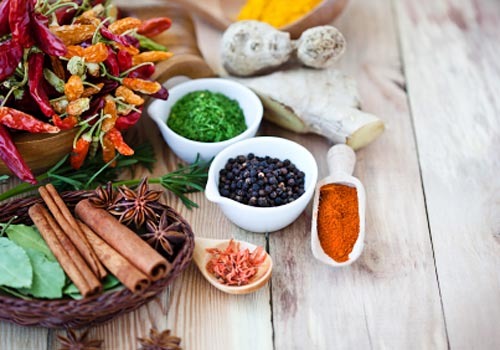
Remember how our grandmothers resorted to old traditional home remedies for better health? Those remedies are now being used as a part of naturopathy treatment. Before reaching out to these over the counter pills, let’s try and combine our herbs, spices and right diet to fight these illnesses.

Let’s understand each common illnesses one by one:-

  • Common cold

I am sure each one of us has suffered from common cold and can completely relate to its symptoms. It is perhaps the most common illness in the world. There was a research where data was collated to find out maximum sick leave reason and the data revealed that common cold topped the charts. There is no permanent cure for common cold.

Well, I have seen people taking antibiotics for getting rid of common cold. Antibiotics can do nothing for a common cold. If you are prescribed one then you might as well ask your doctor to give you something else because antibiotics only work against infections caused by bacteria but common cold is caused by a virus.

There is no permanent cure for common cold. There are more than 200 strains of viruses and it is difficult for the body to build up immunity against every strain which is why you see common cold hitting you always!

Symptoms of a common cold:

  • A severe headache
  • A sore throat
  • Fever
  • Congestion
  • Watery eyes
  • A cough
  • Nasal congestion
  • Sneezing

How to prevent the common cold?

(i) Include antioxidant-rich foods in your diet

  • It is important to boost your immunity and Vitamin C can act as an excellent immune-boosting nutrient.
  • Include raw fruits and vegetables which has PRANIC energy in your diet.

(ii) Include Bioflavonoids rich foods in your diet

  • Bioflavonoids were once known as Vitamin P.
  • These compounds help in fighting against the common cold.
  • Lemon, sweet lime, chillies, green pepper, grapes are good sources of bioflavonoids.

Natural remedies to cure a common cold:

(i) Ingredients:

  • Lime juice
  • Cayenne pepper
  • Manuka or organic honey
  • Water

Method:

  • Dilute 2 tbsp of lime juice + Pinch of cayenne pepper + 1 tsp of manuka honey in a ½ cup of warm water.

Dosage:

  • Have it early morning on empty stomach to prevent cold.
  • Take this concoction 3 times a day before breakfast, lunch and dinner if you are suffering from cold.

(ii)  Ingredients:

  • Fresh ginger juice
  • Fresh garlic juice
  • Turmeric powder
  • Elaichi or Cardamom

    Method:

  • Brew 2 tbsp of fresh ginger juice + 1 tbsp of fresh garlic juice + pinch of turmeric powder + 2 elaichi (cardamom) pods in 200 ml of water
  • Boil this decoction and then simmer it for 2 minutes.
  • Strain the water and add 1 tsp of a mishri or khadi shaker, drink this decoction warm

  Dosage :

  • 3 times a day till cold and cough subsides

(2) Fever

In my opinion, fever is the most misunderstood common issue. Everybody has a different definition of fever. Whenever your body temperature crosses 98.6 F, chances of getting fever becomes high. Medically, temperature above 100.4 F is termed as fever.

What causes fever?

It is important for everyone to know what causes fever. Fever is actually a response to your body against foreign invaders.

What are these foreign invaders?

Virus

Bacteria

Fungi

Toxins

Drugs

These foreign invaders are considered to be pyrogens or fever-producing substances. These pyrogens trigger the brain to raise the body temperature so that the body can fight these foreign invaders.

I have seen people popping up pills with a slight rise in body temperature. I have given this explanation above so that people understand that what is this fever and why does it happen? Your immune system is very smart, it will manage things on its own for a while. Taking fever-reducing medicines means that you are interfering with your immune system’s work.

Usually, fever reduces in a day or two. If it doesn’t then please visit your healthcare practitioner before popping any pills. Fever can be a symptom of any disease.

Staying with fever is not a good idea, I understand. But, taking medicine for the same is a very bad idea. Try these natural remedies to reduce your fever, it will not interfere with your immune system and will give you some relief as well.

Ingredients:

  • Dill seeds (Suva seeds)
  • Peppercorns (Kali Mirch )
  • Kalonji
  • Cinnamon powder
  • Water

 Method:

  • Boil 1 tbsp of roasted dill seeds + 1 tsp of peppercorns powder + 1 tsp of Kalonji in 150 ml of water for about 6 mins. Let it stay warm for about 15 mins.
  • Strain this mixture and add a pinch of cinnamon powder
  • Drink this mixture warm
  • Repeat it till the body temperature reduces.

(3) A headache

This topic can be an article in itself. Discussing headache is a huge thing but to cut it short headaches have numerous causes and headaches are divided into 3 categories:

  • Primary
  • Secondary
  • Other

Primary headaches include a migraine, stress, cold and cough induced headaches. Secondary headaches include headaches caused by structural problems in the body especially head and neck.

Here are some natural remedies to manage a headache:

  • Eat 5 black raisins + 1 tsp of sesame seeds twice a day. Keep chewing it and then drink lukewarm water
  • 1 glass of fresh tomato juice once a day
  • Soak your feet in Epsom salt and relax for a while. A headache will be drastically reduced.

Hope these tips help you in dealing with common illnesses!

Note: If your symptoms do not get better then please see your healthcare practitioner.

Opt for natural remedies to combat common illnesses, embracing the wisdom of traditional healing. From immune-boosting foods to age-old home remedies, prioritize your well-being the holistic way. Empower your health with these simple yet effective solutions. For further information or guidance, reach out to our certified experts by subscribing to GOQii’s Personalised Health Coaching here.

#BeTheForce

March 3, 2024 By Urvashi Sareen 2 Comments

Fluid Replacement and Athletic Performance

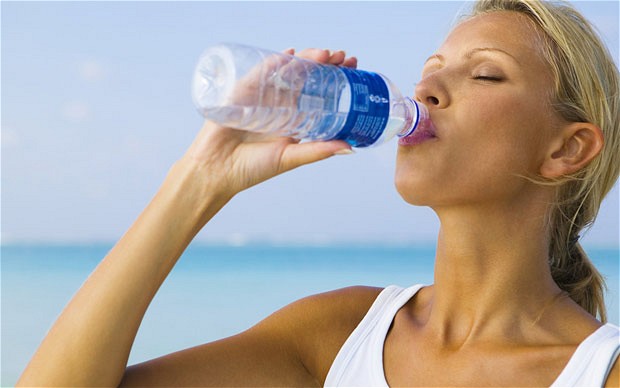
water_intake

I am not sure how many of you know that hydration and athletic performance is connected? In this blog, I am precisely going to tell you this aspect. Adequate fluid replacement helps maintain hydration and, therefore, promotes the health, safety, and optimal physical performance of individuals participating in the regular physical activity.

Dehydration can compromise athletic performance and increase the risk of exertion heat injury. Athletes do not voluntarily drink sufficient water to prevent dehydration during physical activity.

The two main factors influencing early fatigue and impaired performance (both physical and mental) in all types of sports and exercise are depletion of body levels of Carbohydrate and/or fluid. Fluid replacement is probably the most important nutritional concern for athletes. As an athlete exercise, fluid is lost through the skin as sweat and through lungs when an athlete breathes. If this fluid is not replaced at regular intervals during exercise, the athlete can become dehydrated bringing about metabolic changes.

Hypohydration (total body water below normal) impairs the body’s ability to regulate heat resulting in increased body temperature and an elevated heart rate. Perceived exertion is increased causing the athlete to feel more fatigued than usual at a given work rate. Mental function is reduced which can have negative implications for motor control, decision making and concentration.

Gastric emptying is slowed, resulting in stomach discomfort. All these effects lead to impairment in exercise performance. Most types of exercise are adversely affected by hypohydration, especially when they are undertaken in hot conditions, and negative effects have been detected when fluid deficits are as low as 2 %

Recommended water intake before, during and after sport/workout

Before Sports

Drinking fluids prior to exercise appear to reduce or delay the detrimental effects of dehydration.

  • 1 to 2 hours before sports: 4 to 8 ounces of cold water
  • 10 to 15 minutes before sports: 4 to 8 ounces of cold water
  • A good meal with containing water (e.g. fruits).

During Sports

  • Every 20 minutes: 5 to 9 ounces of a sports drink, depending on weight (5 for a child weighing 88 pounds, 9 ounces for a child weighing 132 pounds)
  • Any time a child feels thirsty
  • Encourage drinking fluids during timeouts and breaks
  • Encourage drinking from their own fluid container and avoid sharing with others
  • Encourage the ability to drink whenever they want and not to wait until they are told to take a break
  • Adjust fluid needs during practice according to the weather, the amount of equipment worn, and practice duration and intensity.

After Sports

Post-exercise hydration should aim to correct any fluid lost during the practice and help the body to recover from the sports activity:

  • Within the first 30 minutes after exercise, drink chocolate milk or a specially formulated sports drink containing protein and carbohydrates such as Gatorade G3 Recover.  Not only do they hydrate but, the protein helps the body recover from exercise by enhancing muscle repair, and the carbohydrate replenishes glycogen stores in muscles, which are a source of fuel during prolonged exercise of an hour or more.
  • Within two hours: 20-24 ounces of a sports drink for every pound (16 ounces) of weight loss
  • Replace all fluids lost during exercise plus any lost after exercise through urination
  • Eat a good meal with foods containing water

Given the above before, during and after sports water intake recommendations, one should follow these properly for healthy and active life

Proper hydration is the cornerstone of athletic excellence. Understanding the connection between fluid balance and performance can significantly enhance your physical and mental well-being during sports activities. Follow these recommended water intake strategies to fuel your body for peak performance and sustained health. For further information or guidance, reach out to our certified experts by subscribing to GOQii’s Personalised Health Coaching here.

#BeTheForce

March 2, 2024 By Sunita Arora 4 Comments

How Your Microwave Could Be Damaging Your Health

microwaveHow many times have you pulled out food from the fridge and pushed it directly in the microwave? It’s convenient, it’s easy and saves a lot of time. Apart from reheating, microwaves are used for cooking and baking – all without burning or creating any mess. But with great convenience, comes even greater risks. Studies have concluded that microwaves can make our food radioactive! This increases the risk of cancer along with other health hazards.



Repeatedly cooking or reheating food using a microwave with plastic containers can cause some harmful chemicals to leach into the food and destroy its nutrients. More than 70% households have microwaves and most hotels and restaurants also use them to reheat and cook food faster. Want to know what your microwave can do to your health?

How Your Microwave Can Damage Your Health

  1. Increased Risk of Cancer: Foods that are microwaved cause different types of stomach and intestinal cancer. The prolonged use of microwaves in cooking causes the growth of cancerous cells in the human blood. Plastic containers used to heat the food have been found to release carcinogens along with other harmful toxins into food which is then absorbed by the human body.
  2. Loss of Nutrients: Water molecules rotate rapidly in the microwave. High frequencies create molecular friction. This causes the molecular structure in food to change and diminishes the nutrients present in food. When food is cooked or reheated in the microwave there is a loss of minerals, vitamins, micro nutrients, and the human body gets little to no benefit from that food.
  3. Affects the Immune System: Eating microwaved food excessively can impact blood serum levels and lymph glands which affect immune system functions and leads to immune system deficiencies. If you are falling sick frequently and are using the microwave for cooking or reheating the food, you should stop using the microwave and check if there’s any improvement in your health. Don’t compromise your health to save a few minutes.
  4. Causes Loss of Memory: The central nervous system, especially the hippocampus is highly sensitive to microwave radiation. Eating microwave cooked food consistently causes loss of memory, loss of ability to concentrate, emotional stability and brain damage in the long run. This is because it causes electrical impulses in the brain to ‘short out’. So ask yourself if cooking food in the microwave is better than memory loss.
  5. Effects hormonal imbalance: Microwaved food can alter the production of male and female hormones in the human body. Eating microwaved food excessively can contribute to PCOD and infertility. It also affects the maintenance of hormonal balance in males and females.
  6. Irregular Heartbeat: A study shows that radiation emitted by the microwave affects heart rate.  If you are facing regular chest pain and/or irregular heartbeat, you should stop using the microwave in your kitchen. It can also affect your blood pressure, pulse rate, and other cardiovascular functions.

What Can We Do To Reduce The Damage?

  • Avoid using plastic cookware to cook or heat food. Also avoid pouring hot food (especially liquid) into a plastic container. Even if it says “microwave safe” on it, it’s still going to leach chemicals. It simply means the container won’t warp in the heat.
  • If you wish to use the microwave urgently, use glass or ceramic cookware.
  • Don’t use plastic storage bags from the grocery store. Don’t let plastic wrap touch your food during microwaving because it may melt.
  • Old, scratched, cracked or even containers which have been microwaved too many times may leach out more plasticizers.
  • If you experience any health issue like a headache, dizziness, eye pain, sleeplessness, hair loss, anxiety, stomach pain, etc. you need to stop using your microwave and consult a doctor immediately. 

Using a microwave all the time isn’t a compulsion. Keep its use to a minimum. It’s always better to use a gas stove for reheating food using a stainless steel utensil. We hope this article helps you. Do leave your thoughts in the comments below!

For more facts such as these, check out Healthy Reads or connect with your GOQii Coach by subscribing for Personalised Health Coaching here.

#BeTheForce 

  • « Previous Page
  • 1
  • …
  • 5
  • 6
  • 7
  • 8
  • Next Page »

Search

Recent Posts

  • Navigating the Maze of Nutrition: Finding Clarity Amidst Confusion
  • Get children active and keep them healthy
  • What Gestational Diabetes Can Do To You & Your Unborn Child
  • Breathing – A Forgotten Art
  • The Incredible Benefits Of Milk You Might Not Know

Stay Updated

Archives

  • December 2025 (3)
  • November 2025 (15)
  • October 2025 (20)
  • September 2025 (6)
  • August 2025 (6)
  • July 2025 (12)
  • June 2025 (18)
  • May 2025 (16)
  • April 2025 (23)
  • March 2025 (23)
  • February 2025 (22)
  • January 2025 (26)
  • December 2024 (26)
  • November 2024 (25)
  • October 2024 (22)
  • September 2024 (24)
  • August 2024 (31)
  • July 2024 (21)
  • June 2024 (26)
  • May 2024 (31)
  • April 2024 (27)
  • March 2024 (29)
  • February 2024 (26)
  • January 2024 (25)
  • December 2023 (15)
  • November 2023 (11)
  • October 2023 (22)
  • September 2023 (22)
  • August 2023 (20)
  • July 2023 (22)
  • June 2023 (24)
  • May 2023 (24)
  • April 2023 (24)
  • March 2023 (23)
  • February 2023 (20)
  • January 2023 (16)
  • December 2022 (12)
  • November 2022 (15)
  • October 2022 (15)
  • September 2022 (12)
  • August 2022 (10)
  • July 2022 (17)
  • June 2022 (11)
  • May 2022 (10)
  • April 2022 (6)
  • March 2022 (6)
  • February 2022 (13)
  • January 2022 (12)
  • December 2021 (7)
  • November 2021 (3)
  • October 2021 (6)
  • September 2021 (3)
  • August 2021 (8)
  • July 2021 (7)
  • June 2021 (15)
  • May 2021 (16)
  • April 2021 (10)
  • March 2021 (7)
  • February 2021 (4)
  • January 2021 (4)
  • December 2020 (3)
  • November 2020 (4)
  • October 2020 (10)
  • September 2020 (3)
  • August 2020 (3)
  • July 2020 (2)
  • June 2020 (4)
  • May 2020 (10)
  • April 2020 (12)
  • March 2020 (10)
  • February 2020 (4)
  • January 2020 (4)
  • December 2019 (3)
  • November 2019 (7)
  • October 2019 (5)
  • September 2019 (4)
  • August 2019 (9)
  • July 2019 (9)
  • June 2019 (11)
  • May 2019 (4)
  • April 2019 (9)
  • March 2019 (8)
  • February 2019 (9)
  • January 2019 (8)
  • December 2018 (9)
  • November 2018 (3)
  • October 2018 (3)
  • September 2018 (5)
  • August 2018 (10)
  • July 2018 (6)
  • June 2018 (13)
  • May 2018 (8)
  • April 2018 (18)
  • March 2018 (9)
  • February 2018 (8)
  • January 2018 (15)
  • December 2017 (12)
  • November 2017 (19)
  • October 2017 (13)
  • September 2017 (15)
  • August 2017 (4)
  • July 2017 (8)
  • June 2017 (7)
  • May 2017 (6)
  • April 2017 (8)
  • March 2017 (6)
  • February 2017 (7)
  • January 2017 (9)
  • December 2016 (10)
  • November 2016 (7)
  • October 2016 (7)
  • September 2016 (7)
  • August 2016 (11)
  • July 2016 (9)
  • June 2016 (9)
  • May 2016 (12)
  • April 2016 (17)
  • March 2016 (17)
  • February 2016 (8)
  • January 2016 (6)
  • December 2015 (2)
  • November 2015 (9)
  • October 2015 (7)
  • September 2015 (9)
  • August 2015 (11)
  • July 2015 (9)
  • June 2015 (12)
  • May 2015 (9)
  • April 2015 (13)
  • March 2015 (8)
  • February 2015 (5)
  • January 2015 (12)
  • December 2014 (14)
  • November 2014 (11)
  • October 2014 (6)
  • September 2014 (13)
  • August 2014 (12)
  • July 2014 (6)
  • June 2014 (2)
  • May 2014 (7)
  • April 2014 (5)

From “Laddu Nawin” to Fit and Fierce: How a 25-Year-Old Insurance Advisor Shed 20 Kilos and Gained His Life Back

When 25-year-old Nawin Yadav from Hyderabad walked into his office every morning, he carried more than just his files and policy papers. He had the weight of fatigue, sluggish energy, and an ever-growing belly that was becoming the butt of jokes. “People … [Read More...]

“I’ve Challenged Myself to Live 100 Years” – The Story of Chandubhai Savani’s Second Chance at Life

At 67, most people start slowing down. Not Chandubhai Savani. A resident of Surat, Chandubhai, thought life was on track. “My life was going well till I had my bypass surgery,” he says. That surgery, back in 2021, was a wake-up call.  Medication was routine, but exercise wasn’t. His diet? What he calls ‘normal.’ “I […]

From Shimla’s Slopes to Chandigarh’s Sidewalks: Surinder Kaur Bhalla’s Journey from Chaos to Control

Some journeys start with a plan. Others begin with a stumble literally. Surinder Bhalla, a government professional, born and raised in the scenic hill town of Shimla, had always lived a life of movement. “In Shimla, you walked everywhere,” she reflects. “Walking was never an exercise. It was just life.” But after shifting to Chandigarh, […]

Ananda Mukherjee Health Story

From Terminal Illness To Complete Wellness! Ananda Mukherjee Health Story

As we observe World Cancer Day under the powerful theme ‘United by Unique’ (2025-2027)**, we are reminded that every individual’s journey with cancer is distinct, yet united by shared resilience, hope, and the collective fight against this disease. This theme places people at the centre of care and their stories at the heart of the […]

  • HOME
  • HEALTHY LIVING
  • FITNESS
  • HEALTHY RECIPES
  • USER STORIES
  • KARMA
  • BUY GOQii

Copyright ©2016 GOQii

