GOQii

Blog

  • HOME
  • HEALTHY LIVING
  • FITNESS
  • HEALTHY RECIPES
  • USER STORIES
  • KARMA
  • BUY GOQii

May 7, 2025 By GOQii Leave a Comment

Good Carbohydrates for Managing Diabetes

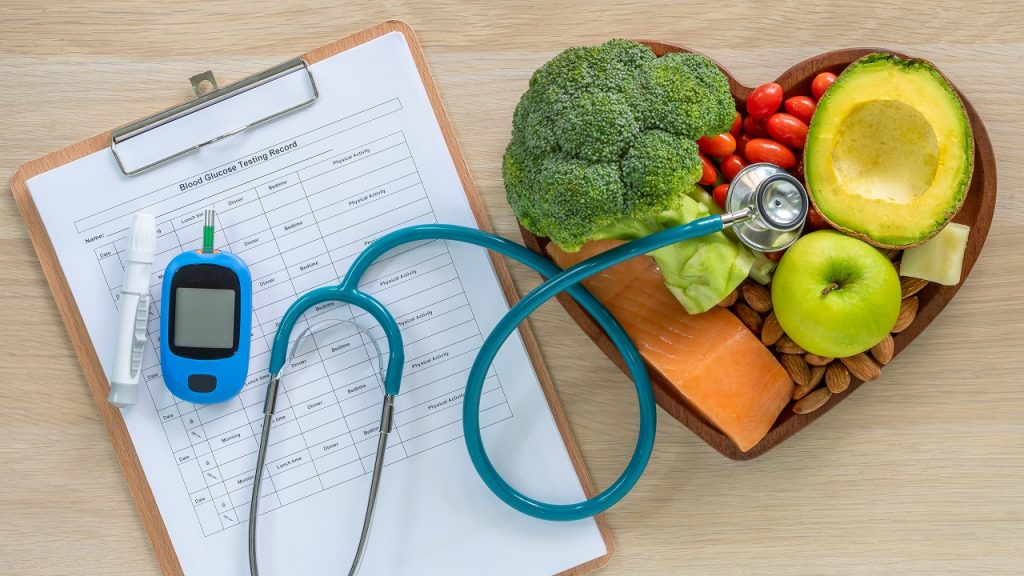
good carbohydratesDiabetes may be a lifelong condition, but with the right lifestyle changes, it can be managed and in some cases, even reversed. One of the most powerful changes you can make is to your diet.

Many people believe carbohydrates are the enemy and should be avoided completely. But that’s not true. Carbohydrates are an essential part of your diet it’s about choosing the right kind.

Two Types of Carbohydrates You Should Know

Type Description Impact
Simple Carbs Found in white bread, sugary drinks, sweets, and juices Broken down quickly, causing a rapid rise in blood sugar
Complex Carbs Found in whole grains, beans, vegetables, and fruits Digested slowly, causing a steady and gentle rise in blood sugar

The key is not to cut out carbs, but to choose complex, fibre-rich carbohydrates that support stable blood sugar and better health.

Diabetes-Friendly Carbohydrates to Include

You can confidently enjoy the following in moderate portions:

  • Fruits – Prefer whole fruits like apples, guavas, pears, cherries, and berries
  • Vegetables – Especially non-starchy types like spinach, cucumbers, okra, zucchini
  • Whole Grains – Brown rice, oats, whole wheat, barley, Jareesh, and Bulgur
  • Beans & Pulses – Lentils, Chickpeas, Fava Beans
  • Nuts & Seeds – Almonds, walnuts, flaxseeds, sunflower seeds

How to Add Good Carbs to Your Day

Here are some practical swaps and additions that fit right into Saudi meals:

Tip What to Do
Swap Your Bread Replace white khubz with whole wheat or multigrain varieties
Switch Up Your Rice Choose brown rice or mix with quinoa or Jareesh for better fibre
Bulk Up Your Stews Add more vegetables to dishes like salona or edam
Enjoy Traditional Salads Include Tabbouleh or a fresh green salad daily
Boost Your Salads Add boiled chickpeas, lentils, nuts, or mixed seeds for added fibre and protein
Snack Smart A small portion of dates with nuts, or fruit with a spoon of yoghurt, can be balanced snacks

It’s Not Just About Diet

Managing diabetes involves a full lifestyle approach:

  • 🏃 Stay physically active – even 30 minutes of walking helps
  • 🧘 Manage stress – through prayer, reflection, or breathing exercises
  • 🚭 Avoid smoking – it worsens insulin resistance
  • 🛏️ Prioritise good sleep – it’s essential for blood sugar control

If you’ve completely cut out carbs, it’s time to reintroduce the right ones in healthy, controlled portions.

Before making any dietary changes, consult your doctor or a licensed dietitian. Everyone’s body responds differently, and personalised guidance is essential.

If this article helped you, share it with your family and friends. Good health is better when shared.

#BeTheForce

Disclaimer: The information provided in this blog is for general awareness and educational purposes only. It is not intended to replace professional medical advice, diagnosis, or treatment. Always consult a qualified healthcare provider for personalised medical guidance or concerns related to your health. Images shown are for representation purposes only and may not depict the exact recommendations or outcomes.

May 7, 2025 By GOQii Leave a Comment

A Guide to Managing Diabetes with Everyday Foods

Diabetes is becoming an increasingly common health condition across Saudi Arabia. Many individuals and families are learning to manage this lifestyle challenge, which is marked by high blood sugar levels.
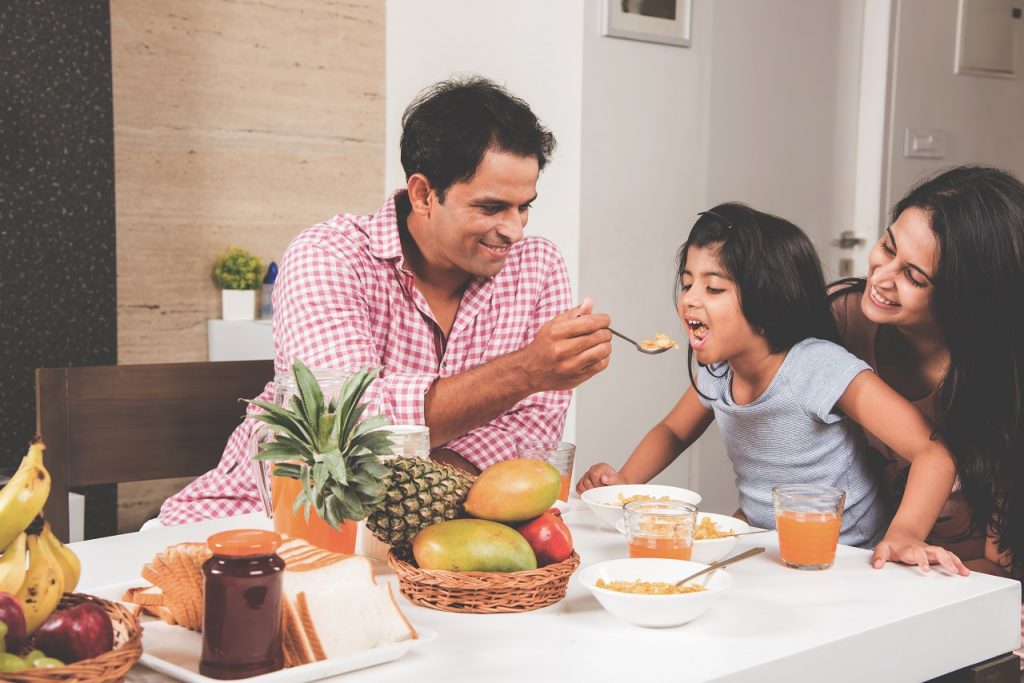
While medication and regular medical check-ups are essential, one of the most powerful tools for managing diabetes lies in your hands your food choices.

The Carbohydrate Challenge

For those living with diabetes, carbohydrates are a major concern. When we eat them, our body breaks them down into sugar. Simple carbs — like white bread, sugary drinks, juices, and sweets — are digested too quickly, leading to sharp spikes in blood sugar levels.

The Solution: Slow-Release, High-Fibre Foods

To manage blood sugar effectively, focus on foods that are digested slowly — often referred to as low glycaemic index (GI) foods.

These are typically high in fibre, which helps the body absorb sugar more gradually, offering major benefits:

✅ Improves insulin sensitivity, allowing your body to manage sugar better

✅ Lowers bad cholesterol (LDL), protecting your heart

✅ Reduces risk of cardiovascular disease

Everyday Foods That Support Diabetes Management

The good news? Many slow-release, diabetes-friendly foods are already part of Saudi kitchens and traditions. You don’t need expensive or foreign superfoods — just a few smart swaps and mindful portions.

Here’s what to add to your daily meals:

Food Why It’s Good Portion Tip
Foul Medames High in fibre and protein; keeps blood sugar stable and supports fullness for hours ~1 cup per serving
Hummus & Chickpeas Slow-digesting legume that’s great as a dip or in salads 2–4 tbsp hummus or ½ cup chickpeas
Lentil Soup Nourishing and gentle on blood sugar; packed with plant protein and iron 1 medium bowl
Jareesh & Harees Traditional wheat-based dishes rich in fibre and slow carbs — but watch preparation Avoid excess ghee/oil or fatty meat; keep portions moderate
Whole-Wheat Bread Higher fibre than white bread; helps prevent sugar spikes 1-2 small pieces (e.g. khubz or pita size)
Barley (Sha’ir) Known for stabilising blood sugar; try in soups or as Talbina Use unsweetened Talbina; ~½–1 cup

A Special Note on Dates (Tamr)

Dates are a cultural symbol of generosity and tradition in Saudi Arabia — and you don’t need to give them up.

However, they do contain natural sugars, so moderation is key:

  • Eat 1 to 3 dates at a time
  • Pair them with a handful of nuts (like almonds or walnuts) or a spoon of yoghurt — this slows down sugar absorption

Don’t Forget Fruits & Veggies

Non-starchy vegetables and low-GI fruits (like cucumbers, lettuce, spinach, apples, and berries) are your best friends. Include a variety in your meals to support overall health, digestion, and blood sugar control.

Your Health Starts at Home

With a few mindful swaps and a return to traditional whole foods, you can take charge of your health — right from your kitchen.

🟢 Choose wisely
🟢 Eat mindfully
🟢 Stay consistent

And always work closely with your doctor or registered dietitian for personalised care.

Disclaimer: This information is for educational purposes only. Always consult your doctor or a licensed dietitian before making changes to your diet.

September 3, 2024 By Sheryl Afonso Leave a Comment

What’s Good For Health: Packaged Cereals or a Traditional Indian Breakfast?

traditional indian breakfastThe global food industry has made preparing meals a breeze. No longer do families need to stress about time-consuming, skillful cooking and the intricate assembling of cereals, pulses, veggies, spices, and herbs to put on a wholesome meal on the table. The array of packaged breakfast cereals available in supermarkets has spoiled us for choice in terms of variety and taste. There’s one for each day of the week and plenty to choose from for special occasions when friends stay over too! Gone are the days when you had to slog it out in your kitchen – chopping, slicing, dicing, soaking, grinding, mixing, fermenting, steaming, and plating – not only to satiate hungry tummies but also to earn compliments on your culinary skills! Oats, muesli, wheat flakes, corn flakes, oatmeal, Weetabix, rice krispies, and the like have replaced uttapams, poha, upma, sabudana khichdi, theplas, appams, chillas, paniyarams, dalia, teezan, and other wholesome delights in Indian homes. 
Why Shouldn’t You Opt For Packaged Cereals? 

While “time is of essence” is the mantra that dual-income families often use to justify their breakfast choice, long-term health is an unconscious sacrifice they may be making. Here’s why breakfast cereals may not deliver all that the package label promises:

  1.  Refined Grains: Refining is an industrial polishing process that cereals undergo to extend their shelf life. It strips away the nutrient-rich bran and germ portions of the cereal, leaving you with a grain that’s missing essential B-vitamins, fibre, magnesium, and vitamin E. 
  2. Sugar overload: The addictive taste of breakfast cereals often comes from added sugar. A quick glance at the ingredient list will show that sugar is frequently the second or third ingredient. Starting your day with a sugar-laden breakfast can cause your energy levels to crash within an hour, leading to early snacking, overeating, and potential weight issues.
  3. Misleading labels: Terms like “low-fat,” “multigrain,” “added bran,” “fortified with vitamins,” and “whole wheat” can be misleading. Each of these terms may hide the fact that the cereal has been stripped of nutrition and then minimally replenished. For example, a “low-fat” option may actually be a “high-carbohydrate” disaster, and “multigrain” may be just a blend of refined grains.

Nutritionists and researchers emphasize the benefits of breakfast, including weight management, improved concentration at school and work, better academic performance, healthier food choices throughout the day, and superior nutritional status.

These outcomes are enhanced when you follow established nutritional guidelines of complex carbohydrate-protein-fat combination meals to start your day. However, commercial breakfast cereals often lack dietary fiber – a complex carbohydrate that keeps you full longer, reduces cholesterol absorption, and prevents spikes in blood glucose levels. The preservatives, colors, flavors, and additives in these packaged boxes bring their own set of concerns.

Why Should You Opt for a Traditional Indian Breakfast? 

A traditional Indian breakfast, on the other hand, offers good-quality complete protein through cereal-pulse combination items (dosas, idlis), fiber (carrots and beans added to upma), healthy monounsaturated fats (groundnuts in poha and sabudana khichdi), iron and calcium (ragi in teezan), and probiotics (dhokla, idlis, and lassi/curd with parathas). The spices used in these dishes are increasingly recognized for their health benefits and contribute antioxidant and anti-inflammatory properties.

Tempted nutritionally? So, what’s stopping you from exploring the myriad ways to tickle your family’s taste buds by whipping out your grandma’s recipe and, in the process, living as robustly as she did? While time constraints may make you hesitant to switch to a healthier Indian breakfast menu, don’t be disheartened—planning is all it takes to sneak in a nutritious meal at the start of your day! Make a menu plan for the next day or the week ahead, and you’ll be on your way to a healthier you in no time! It’s worth the effort. Desi is the way to go… Breakfast like a king!

We hope this article helps you switch to a healthy traditional Indian breakfast! If you enjoyed reading this article, let us know in the comments below. For more on nutrition, check out Healthy Reads.

To get these nutritional tips or recipes directly from your GOQii Coach, subscribe for Personalised Health Coaching here.

Eat healthy and #BeTheForce 

July 30, 2024 By Swati Savla Leave a Comment

Managing Diabetes: Dietary Choices and Lifestyle Adjustments for Controlling Blood Sugar

Diabetes is a chronic metabolic disorder that impairs the body’s ability to regulate blood sugar levels. In recent years, the global prevalence of diabetes has surged, with nearly one in ten people affected, making it one of the fastest-growing lifestyle disorders. It’s also a contributor to other health issues such as heart disease, obesity, retinopathy, and nephropathy. However, with lifestyle modifications like improved diet, increased physical activity, stress management, and proper sleep, along with timely medication, it is possible to reverse this condition.

Let us explore some basic food groups and functional foods that can be integrated into daily meals to help prevent blood sugar spikes:

Whole Grains: Oats, millets, brown rice, buckwheat, and quinoa are rich in fiber and complex carbohydrates, slowing digestion and controlling blood sugar.

First-Class Proteins: Dried beans, lentils, yogurt, non-fat milk, nuts, seeds, eggs, lean meats, and especially fatty fish, which are rich in Omega-3 fatty acids, are excellent sources of high-quality protein. These foods not only help you feel fuller for longer, thus reducing carbohydrate consumption during meals, but the Omega-3 fatty acids they contain also help prevent various heart diseases.

 Fruits: All fruits are suitable for consumption, but it is crucial to control portion sizes and consume them at appropriate times of the day, separate from main meals.

Vegetables: Both starchy and non-starchy types, particularly leafy greens, are low in carbohydrates and ideal for controlling overeating and post-meal sugar spikes.

Healthy Fats: Avocados, olive oil, nuts, fatty fish, flaxseeds, and cold-pressed oils are heart-healthy and help mitigate complications from diabetes.

Key spices from the kitchen also play a vital role in managing blood sugar levels:

Cinnamon: Commonly used in Indian cooking, just 1/4th teaspoon of cinnamon can enhance insulin release and improve insulin sensitivity.

Garlic: Rich in Vitamin B6 and Vitamin C, garlic aids carbohydrate metabolism and acts as a powerful antioxidant to prevent diabetes onset.

Turmeric: Known for its anti-inflammatory properties, turmeric helps reduce the oxidative stress associated with diabetes.

When managing diabetes, consider these three key elements:

Portion Control: Essential in managing intake of the beneficial foods without overindulging.

Type of Food: Adhering to the ‘My Plate’ concept, meals should consist of about 50% fiber (vegetables), 25% proteins, 10-15% fats, and minimal carbohydrates.

Meal Frequency and Timing: Spread your daily intake across two or three main meals to maintain consistent energy levels and prevent blood sugar spikes.

Incorporating the right food choices, engaging in daily physical activity, and maintaining a regular sleep schedule are fundamental strategies for preventing and potentially reversing diabetes.

We hope this article helps you. For further information or guidance, reach out to our certified experts by subscribing to GOQii’s Personalised Health Coaching here.

#BeTheForce 

Disclaimer: The information provided in this blog is for general awareness and educational purposes only. It is not intended to replace professional medical advice, diagnosis, or treatment. Always consult a qualified healthcare provider for personalised medical guidance or concerns related to your health.

  • 1
  • 2
  • Next Page »

Search

Recent Posts

  • ALL ABOUT VERTIGO!
  • PCOS and Anxiety: Discover Relief with the 54321 Technique
  • Navigating the Maze of Nutrition: Finding Clarity Amidst Confusion
  • Get children active and keep them healthy
  • What Gestational Diabetes Can Do To You & Your Unborn Child

Stay Updated

Archives

  • December 2025 (5)
  • November 2025 (15)
  • October 2025 (20)
  • September 2025 (6)
  • August 2025 (6)
  • July 2025 (12)
  • June 2025 (18)
  • May 2025 (16)
  • April 2025 (23)
  • March 2025 (23)
  • February 2025 (22)
  • January 2025 (26)
  • December 2024 (26)
  • November 2024 (25)
  • October 2024 (22)
  • September 2024 (24)
  • August 2024 (31)
  • July 2024 (21)
  • June 2024 (26)
  • May 2024 (31)
  • April 2024 (27)
  • March 2024 (29)
  • February 2024 (26)
  • January 2024 (25)
  • December 2023 (15)
  • November 2023 (11)
  • October 2023 (22)
  • September 2023 (22)
  • August 2023 (20)
  • July 2023 (22)
  • June 2023 (24)
  • May 2023 (24)
  • April 2023 (24)
  • March 2023 (23)
  • February 2023 (20)
  • January 2023 (16)
  • December 2022 (12)
  • November 2022 (15)
  • October 2022 (15)
  • September 2022 (12)
  • August 2022 (10)
  • July 2022 (17)
  • June 2022 (11)
  • May 2022 (10)
  • April 2022 (6)
  • March 2022 (6)
  • February 2022 (13)
  • January 2022 (12)
  • December 2021 (7)
  • November 2021 (3)
  • October 2021 (6)
  • September 2021 (3)
  • August 2021 (8)
  • July 2021 (7)
  • June 2021 (15)
  • May 2021 (16)
  • April 2021 (10)
  • March 2021 (7)
  • February 2021 (4)
  • January 2021 (4)
  • December 2020 (3)
  • November 2020 (4)
  • October 2020 (10)
  • September 2020 (3)
  • August 2020 (3)
  • July 2020 (2)
  • June 2020 (4)
  • May 2020 (10)
  • April 2020 (12)
  • March 2020 (10)
  • February 2020 (4)
  • January 2020 (4)
  • December 2019 (3)
  • November 2019 (7)
  • October 2019 (5)
  • September 2019 (4)
  • August 2019 (9)
  • July 2019 (9)
  • June 2019 (11)
  • May 2019 (4)
  • April 2019 (9)
  • March 2019 (8)
  • February 2019 (9)
  • January 2019 (8)
  • December 2018 (9)
  • November 2018 (3)
  • October 2018 (3)
  • September 2018 (5)
  • August 2018 (10)
  • July 2018 (6)
  • June 2018 (13)
  • May 2018 (8)
  • April 2018 (18)
  • March 2018 (9)
  • February 2018 (8)
  • January 2018 (15)
  • December 2017 (12)
  • November 2017 (19)
  • October 2017 (13)
  • September 2017 (15)
  • August 2017 (4)
  • July 2017 (8)
  • June 2017 (7)
  • May 2017 (6)
  • April 2017 (8)
  • March 2017 (6)
  • February 2017 (7)
  • January 2017 (9)
  • December 2016 (10)
  • November 2016 (7)
  • October 2016 (7)
  • September 2016 (7)
  • August 2016 (11)
  • July 2016 (9)
  • June 2016 (9)
  • May 2016 (12)
  • April 2016 (17)
  • March 2016 (17)
  • February 2016 (8)
  • January 2016 (6)
  • December 2015 (2)
  • November 2015 (9)
  • October 2015 (7)
  • September 2015 (9)
  • August 2015 (11)
  • July 2015 (9)
  • June 2015 (12)
  • May 2015 (9)
  • April 2015 (13)
  • March 2015 (8)
  • February 2015 (5)
  • January 2015 (12)
  • December 2014 (14)
  • November 2014 (11)
  • October 2014 (6)
  • September 2014 (13)
  • August 2014 (12)
  • July 2014 (6)
  • June 2014 (2)
  • May 2014 (7)
  • April 2014 (5)

From “Laddu Nawin” to Fit and Fierce: How a 25-Year-Old Insurance Advisor Shed 20 Kilos and Gained His Life Back

When 25-year-old Nawin Yadav from Hyderabad walked into his office every morning, he carried more than just his files and policy papers. He had the weight of fatigue, sluggish energy, and an ever-growing belly that was becoming the butt of jokes. “People … [Read More...]

“I’ve Challenged Myself to Live 100 Years” – The Story of Chandubhai Savani’s Second Chance at Life

At 67, most people start slowing down. Not Chandubhai Savani. A resident of Surat, Chandubhai, thought life was on track. “My life was going well till I had my bypass surgery,” he says. That surgery, back in 2021, was a wake-up call.  Medication was routine, but exercise wasn’t. His diet? What he calls ‘normal.’ “I […]

From Shimla’s Slopes to Chandigarh’s Sidewalks: Surinder Kaur Bhalla’s Journey from Chaos to Control

Some journeys start with a plan. Others begin with a stumble literally. Surinder Bhalla, a government professional, born and raised in the scenic hill town of Shimla, had always lived a life of movement. “In Shimla, you walked everywhere,” she reflects. “Walking was never an exercise. It was just life.” But after shifting to Chandigarh, […]

Ananda Mukherjee Health Story

From Terminal Illness To Complete Wellness! Ananda Mukherjee Health Story

As we observe World Cancer Day under the powerful theme ‘United by Unique’ (2025-2027)**, we are reminded that every individual’s journey with cancer is distinct, yet united by shared resilience, hope, and the collective fight against this disease. This theme places people at the centre of care and their stories at the heart of the […]

  • HOME
  • HEALTHY LIVING
  • FITNESS
  • HEALTHY RECIPES
  • USER STORIES
  • KARMA
  • BUY GOQii

Copyright ©2016 GOQii



