GOQii

Blog

  • HOME
  • HEALTHY LIVING
  • FITNESS
  • HEALTHY RECIPES
  • USER STORIES
  • KARMA
  • BUY GOQii

April 15, 2024 By Kajree Korade 2 Comments

Get To Know Your Emotional Hunger

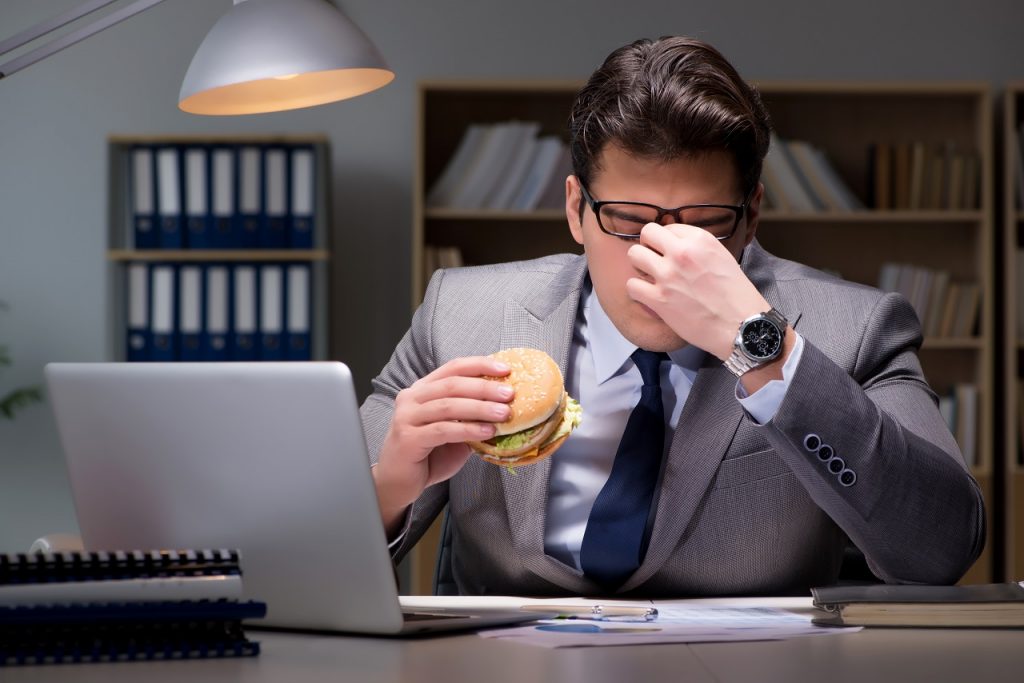
Emotional hungerHave you ever made room for dessert even though you’re already full? Out of nowhere in the middle of doing something important, you start feeling hungry? Do you feel hungry before any important meeting? If yes, then you should check your emotional status as this might be due to emotional hunger!

What Is Emotional Hunger or Emotional Eating? 

Emotional hunger or emotional eating is the practice of consuming large quantities of food, usually ‘comfort’ or junk foods in response to feelings instead of hunger. Emotional eating is a maladaptive coping strategy used by many of us to deal with negative emotions. Emotional eating can be caused by many reasons which include stress, tension, depression, boredom, and sometimes due to excitement.

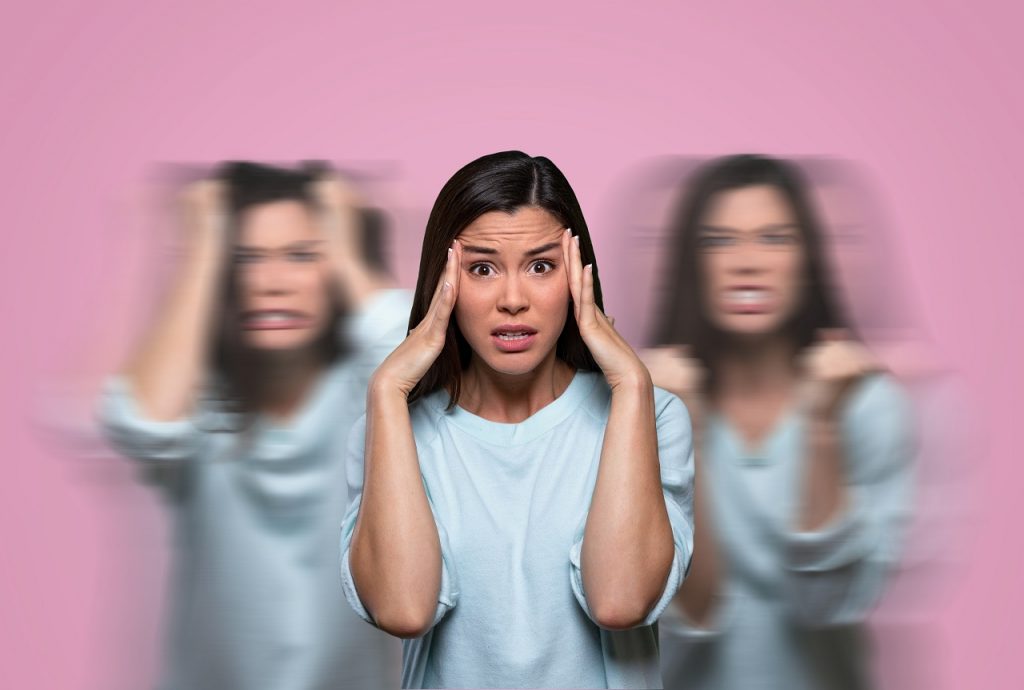
Under high stress, your biological age can be 30 times higher than your calendar age. Modern life is full of frustrations, deadlines, and demands. For many people, stress has become a way of life. When stress becomes overwhelming, it can damage your health, mood, relationships and quality of life.

Stress also affects our food preferences. Emotional distress increases the intake of food high in fat and sugar, and you sleep excessively under stress. Also, some people consume alcohol and all this leads to gaining weight around your abdomen and unfortunately, abdominal obesity puts you at risk for several lifestyle diseases such as diabetes, hypertension and heart related issues.

In stress, adrenal glands release a hormone called cortisol, which makes you crave for carbohydrates, sugar and fatty foods. Food is soothing due to the chemical changes it creates in your body. Chocolate is an excellent example. When junk food is calling your name, it’s possible to put boundaries on your emotional eating habits. Ready to break free from stress eating?

The Solution To Beat Emotional Eating 

  • When you’re tempted to snack for emotional reasons, try moving instead. Just walk for 10 minutes.
  • Try a quick breathing exercise: Slowing down your breathing can trick your body into thinking you are going to sleep, which in turn relaxes your body. Close your eyes and slowly breathe in and out.
  • Sip black tea: A study in the journal of Psychopharmacology found that subjects who consumed black tea, experienced a 47% drop in their cortisol levels.
  • Try self-massage: It can be as simple as sitting down, rubbing your feet, one at a time, over the top of the heel, until you feel relaxed.

You’ll eat better and healthier foods if you don’t let your emotions guide your food choices! So be mindful about your choices. For more on stress, you can check Healthy Reads. To help you cope with emotional hunger or help you manage stress better, reach out to a GOQii Coach by subscribing for Personalised Health Coaching here.

Do leave your thoughts in the comments below!

#BeTheForce
February 5, 2024 By GOQii 8 Comments

Burn Belly Fat With Proper Nutrition

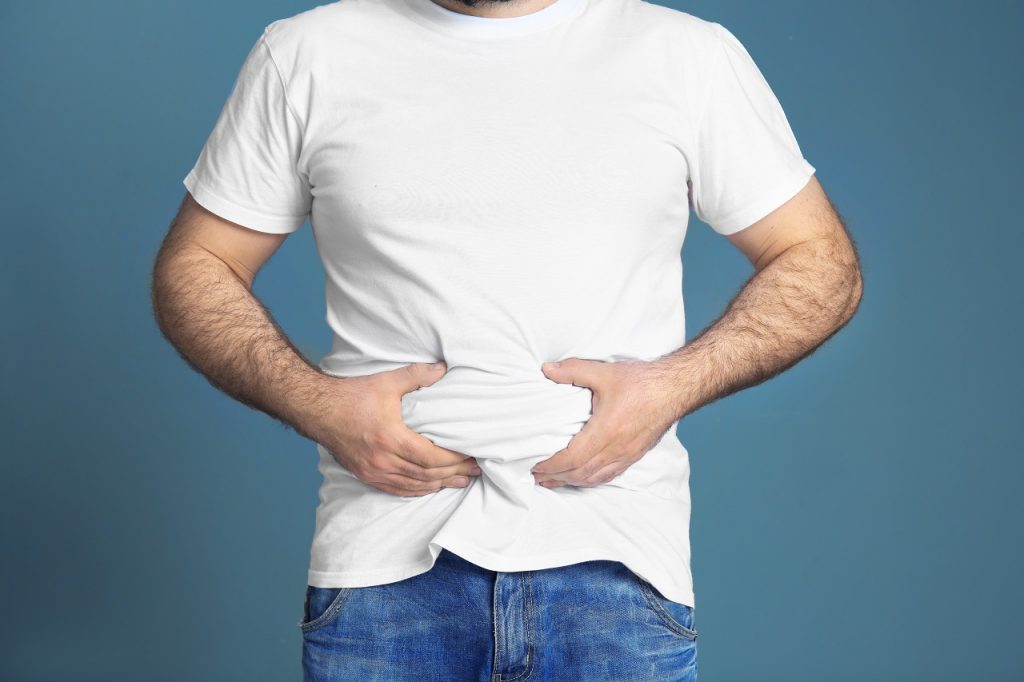
nutrition to burn belly fatBelly fat! A large section of people in this world are obsessed with their body and more so belly fat. They might be pushing themselves with exercise or following a particular diet plan but are still unable to rid themselves of it. The reasons behind not being able to burn belly fat may be excessive use of sugar and fats. This in turn results in weight gain through development of fats around different parts of the body.
Among all body parts, belly is the most affected area. This is because of the fats. The belly grows quickly and leads to increased health problems. Studies have shown that the human body reacts to increased levels of sugar. Generally, 15 grams of sugar is recommended and not more than that. The question is, can a change in diet impact the belly and other body fats? Let’s explore!

6 Nutritional Tips To Help You Burn Belly Fat

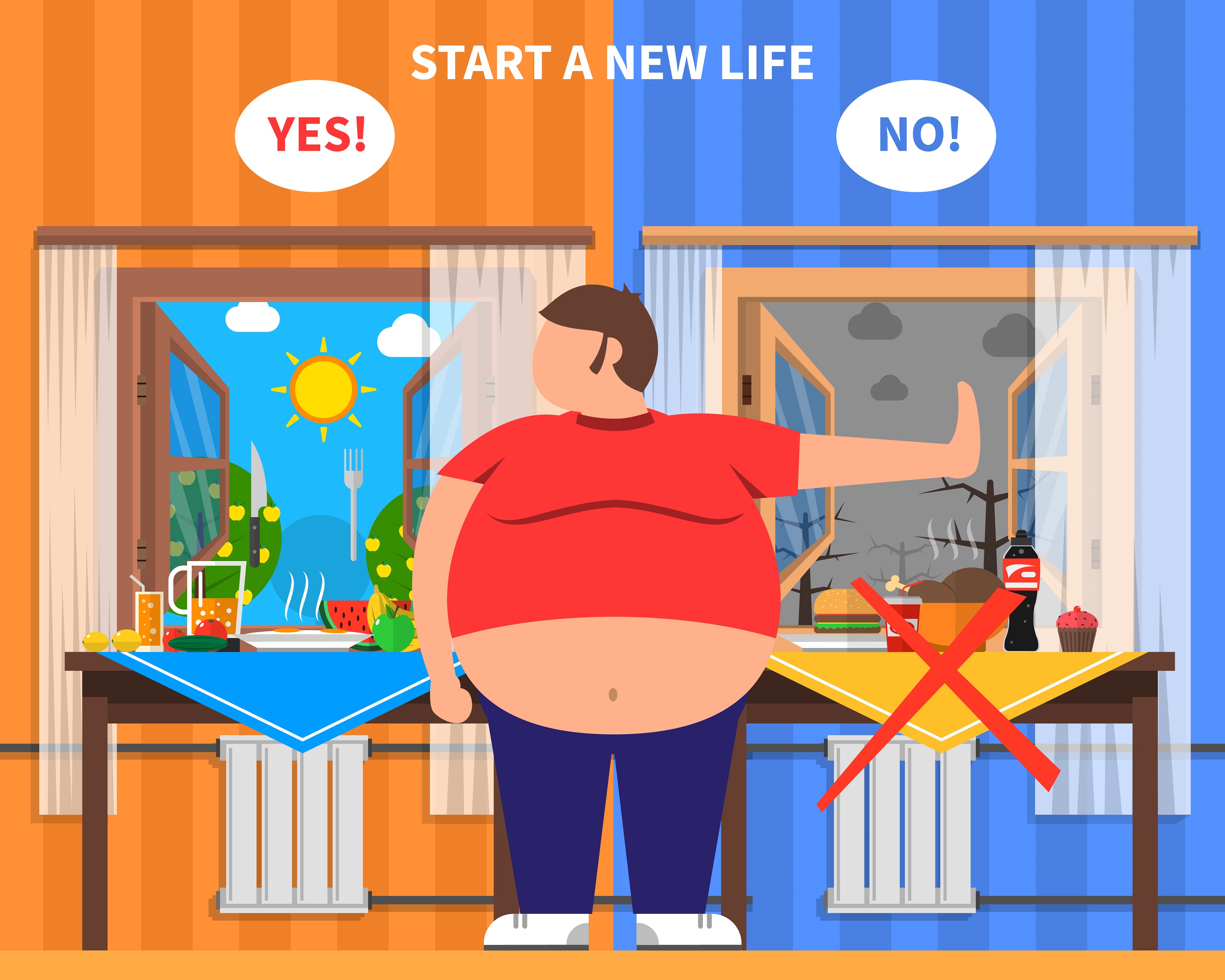
  1. Reduce Sugar Intake: Reduction in our daily sugar intake should be at a recommended level of 15 grams. This is one of the most effective steps in reducing belly fat through nutrition. Excess of sugar intake is one of the biggest reasons for obesity and diabetes in the U.S.
  2. Avoid Processed Food: Consumption of processed food items is one of the sources of excessive sugar and fat intake. Try to prepare your food with your hands if you are aware of the ingredients which will be used. Carefully read ingredients used in processed food before you consume them.
  3. Reduce Bad Carbohydrates: Reduction of carbohydrates is another step to reduce belly fat without exercise. Particularly, avoid consuming fizzy drinks. This is one of the sources of high bad carbohydrates.
  4. Increase Intake of Fiber: Increased intake of fiber will constraint your need for carbohydrates. Having more of veggies and fruits will help you with good carbs and avoid the intake of bad carbs.
  5. Eat Raw Vegetables: Eating half cooked or raw vegetables helps you reduce your belly fat. Vegetables are the best solution to fiber requirement. During the day take healthy carbohydrates and at night eat a good meal consisting of proteins/fiber and less carbs.
  6. Know What to Eat: It is essential that you are aware of what you eat. For example, you can do some research about food items that have rich sources of fibre and healthy carbohydrates. You can then add them to your diet.

We hope this article on how to burn belly fat helps you! Remember that it will only work if you are disciplined and follow the routine religiously. Otherwise, no matter how hard you try, there won’t be any significant change for the better. For more on fat and weight loss, check out Healthy Reads or ask a GOQii Coach directly by subscribing for Personalised Health Coaching here.

#BeTheForce

December 18, 2023 By Soni Thakur 3 Comments

Ways To Balance Your Hormones Naturally

balance your hormones naturally

Hormonal imbalances occur when there is too much or too little hormone in the bloodstream and because of their essential role in the body, even small hormonal imbalances can cause side effects throughout the body. While some hormone levels fluctuate throughout your lifetime and may just be a result of natural aging, other changes occur when your endocrine glands get impacted either by external or internal factors.

Importance of Rebalancing Hormones

It is extremely important to balance your hormones as soon as you become aware of the changes that happen to your body. Every other day, I come across a player who has a hormonal issue and it makes me want to pen down the importance of balancing your hormones. Here are some of those points: 

  1. The more balanced your hormone levels, the higher you function – physically, mentally and emotionally
  2. A healthy hormone balance boosts your brain health
  3. Balancing your hormones helps you control your appetite, weight and mood
  4. It helps fight harmful bacteria, viruses and promotes an overall clean function

What Changes Will You Observe? 

  • More energy, productivity and a positive outlook towards life
  • Less cravings for sweets, junk and fatty foods
  • Clear Skin (no acne and scars)
  • No hair fall
  • Increased libido
  • No muscle cramps or loss of energy
  • Regular periods
  • Well balanced metabolism
  • More easy weight loss
  • Improved sleep
  • Lower mood cravings

Ways to Balance Your Hormones Naturally

  • A portion of protein and Fiber in every meal: Consuming adequate amounts of protein is extremely important for hormones that control appetite and food intake. Protein and fibers will also boost your metabolism, which is important for weight loss – weight being a common issue of hormonal imbalance.
  • Regular Exercise: Simple walking or indulging in any sort of physical activity can turn out to be magical for you. You can choose any workout regimen like strength training, cardio, zumba, dance or body weight exercises –  whichever suits your health goal and schedule.
  • Healthy Fats: By including healthy fats in your daily diet you can rebalance your hormones naturally. Choose unsaturated fats over saturated and avoid consuming trans-fat. Some healthy fats include vegetable oil, oil from nuts and seeds, avocados and unrefined cold/wood pressed extra virgin olive oil. 
  • Eating foods rich in Omega 3: Fatty acids may help increase insulin sensitivity which can be helpful in weight loss as well as in rebalancing your hormones. Sources of Omega-3 fatty acid foods include fish and other seafood (especially salmon, mackerel, tuna, sardines), walnuts, flax and chia seeds, seaweed, kidney beans, cod liver oil, and brussels sprouts. 
  • Manage Stress: It has been found that nearly 55% of the population in India is either dealing with chronic stress or depression which causes serious health issues including hormonal imbalance. So it is important to manage your stress. This can be done by talking to a person you are comfortable with, reading a book, deep breathing, meditation, yoga, walking, practicing gratitude, etc. 
  • Sleep Tight: The regulation and metabolism of several hormones are influenced by interactions between the effects of sleep and the hormones like the growth hormone, cortisol, melatonin, leptin and ghrelin which plays a crucial role in maintaining healthy levels of hormones that control appetite and blood glucose levels. So in order to get the results by implementing the above suggestion, it is important to get adequate sleep as poor sleep has been associated with imbalance of many hormones. Aim at getting 7-8 hours of good quality sleep to balance your hormones naturally.

Your hormones can be your best friend and worst enemy if not taken care of. So for that, eat healthy, stay active, sleep well and engage in healthy behaviors. We hope this article helps you. Do leave your thoughts in the comments below. For more on hormone health, check out Healthy Reads or speak to a certified expert by subscribing to GOQii’s Personalised Health Coaching here.

#BeTheForce 

September 18, 2023 By Rashmi Deshpande 2 Comments

Types of Fat and Fat Composition

fat composition“I can’t lose weight no matter how hard I try!” – this sentence is pretty common, isn’t it? Ever wondered why? The answer lies in the extra fat deposition on our bones and organs which become an obstacle for our weight loss journey. The key to slimming down is understanding that fat loss is more important than weight loss. Let’s study about how we gain fat and fat composition in detail!



What is Fat?

Fats are substances that help the body use some vitamins and keep the skin healthy. They also help the body store energy. In food, there are different types of fats such as saturated, unsaturated, polyunsaturated, monounsaturated, and trans fats. Most people consume too much of the wrong kinds of fat, putting their health at risk.

Good Fat vs. Bad Fat

Daily diet contains fat such as different oils (sunflower, peanut, rice bran, olive oil, sesame etc.), ghee (clarified butter), butter, cheese, avocados, eggs, nuts, seeds, milk, curd etc. (these are good fats). All these give us essential fats and 9kcal/g which helps the body function smoothly. They aid joint rotation, absorption of fat soluble Vitamins A, D, E and K. They’re the biggest source of energy.

The questions is where are we going wrong? How are we getting those chubby cheeks, round bellies, heavy arms and bulky thighs?

Do we consider how much fat we’re consuming when eating a 100g pack of chips? One packet of chips contains 100g but in serving portion, the manufacturer will only write 10g calories which amounts to approx. 20-28 pieces of chips which contain 160kcal, 7g fats and 16g carbohydrates. But do we only eat 28 pieces? It’s the same with burgers, pizzas, white paste, 2 minute noodles, biscuits, cookies and more. It has been shown that fat intake of the wrong kind will result in fat gain. As the body typically burns carbs for fuel and uses proteins for repair, it makes sense to cut back on bad fat while increasing good fat.

Different Types of Fat

The word “Fat” is broadly used to describe all body fats but that’s not true. There are several different types. Some fats can have a negative impact on health while others are necessary for good health. They can be stored as essential, subcutaneous or visceral fat. Each type of fat serves a different role. Some promote healthy metabolism and hormone levels, while others contribute to life-threatening diseases, including Type 2 Diabetes, Heart Disease, High Blood Pressure and even Cancer.

  1. Essential Fat: Essential fat is exactly that – essential for life and a healthy body. This fat is found in our brain, bone marrow, nervous system and membranes that protect the organs. Essential fat plays a major role in hormone regulation, including the hormones that control fertility, vitamin absorption, and temperature regulation. Women need at least 10-13% of their body composition to come from essential fat to be in good health, while men require at least 2-5%.
  2. Subcutaneous Fat: This is the fat which is stored under the skin. It covers a major portion of our body fat. This is the fat we can squeeze or pinch on our arms, belly, thighs, and buttocks. We can measure subcutaneous fat as a way of estimating total body fat percentage. A certain amount of subcutaneous fat is normal and healthy, but too much can lead to imbalanced hormone levels and sensitivity.
  3. Visceral Fat: This type is also known as belly fat. It is the white fat that’s stored in your abdomen and around all the major organs such as the liver, kidneys, pancreas, intestines, and heart. High visceral fat levels can increase your risk for diabetes, heart disease, stroke, artery disease, and some cancers.

Body Fat Composition

The proper body fat composition and distribution of fat will protect us from various risk factors and diseases. Women have different sights of fat deposition such as thighs, arms, buttocks, below the belly button, etc. Men experience this on their chest, belly, and waist. This deposition is different because of the varying percentage of testosterone (male hormone) and estrogen (female hormone).

In males, mean percentage body fat ranges from 22.9% at age 16-19 to 30.9% at 60-79 years of age. In females, mean percentage body fat ranges from 32% at age 8-11 to 42.4% at age 60-79. There is a close relation between fat and physical exercise as regular exercises helps you burn stored fat. Exercise helps you turn deposited fat into an energy source.

We hope this article helps you. To know more about fats, check out Healthy Reads or ask a GOQii Coach by subscribing for Personalised Health Coaching here.

#BeTheForce 

  • « Previous Page
  • 1
  • …
  • 10
  • 11
  • 12
  • 13
  • 14
  • …
  • 29
  • Next Page »

Search

Recent Posts

  • 4 Reasons Why Affirmations Are Not Working For You
  • The Social Side of GLP-1: Navigating “Food Culture” and Peer Pressure
  • Leaky Gut: Symptoms and Causes
  • Muscle Is Your Insurance Policy: Why Strength Predicts Lifespan More Than Cardio
  • The Fiber Gap: Managing Digestion on GLP-1 Therapy

Stay Updated

Archives

  • March 2026 (1)
  • February 2026 (14)
  • January 2026 (14)
  • December 2025 (19)
  • November 2025 (15)
  • October 2025 (20)
  • September 2025 (6)
  • August 2025 (6)
  • July 2025 (12)
  • June 2025 (18)
  • May 2025 (16)
  • April 2025 (22)
  • March 2025 (23)
  • February 2025 (22)
  • January 2025 (25)
  • December 2024 (22)
  • November 2024 (23)
  • October 2024 (21)
  • September 2024 (24)
  • August 2024 (30)
  • July 2024 (21)
  • June 2024 (26)
  • May 2024 (31)
  • April 2024 (27)
  • March 2024 (29)
  • February 2024 (25)
  • January 2024 (21)
  • December 2023 (15)
  • November 2023 (11)
  • October 2023 (19)
  • September 2023 (22)
  • August 2023 (18)
  • July 2023 (22)
  • June 2023 (24)
  • May 2023 (24)
  • April 2023 (23)
  • March 2023 (23)
  • February 2023 (19)
  • January 2023 (15)
  • December 2022 (11)
  • November 2022 (15)
  • October 2022 (15)
  • September 2022 (12)
  • August 2022 (10)
  • July 2022 (17)
  • June 2022 (11)
  • May 2022 (10)
  • April 2022 (6)
  • March 2022 (6)
  • February 2022 (13)
  • January 2022 (11)
  • December 2021 (7)
  • November 2021 (3)
  • October 2021 (6)
  • September 2021 (3)
  • August 2021 (8)
  • July 2021 (7)
  • June 2021 (15)
  • May 2021 (16)
  • April 2021 (10)
  • March 2021 (7)
  • February 2021 (4)
  • January 2021 (4)
  • December 2020 (3)
  • November 2020 (4)
  • October 2020 (10)
  • September 2020 (3)
  • August 2020 (3)
  • July 2020 (2)
  • June 2020 (4)
  • May 2020 (10)
  • April 2020 (12)
  • March 2020 (10)
  • February 2020 (4)
  • January 2020 (4)
  • December 2019 (3)
  • November 2019 (7)
  • October 2019 (5)
  • September 2019 (4)
  • August 2019 (9)
  • July 2019 (9)
  • June 2019 (11)
  • May 2019 (4)
  • April 2019 (8)
  • March 2019 (8)
  • February 2019 (9)
  • January 2019 (8)
  • December 2018 (9)
  • November 2018 (3)
  • October 2018 (3)
  • September 2018 (5)
  • August 2018 (10)
  • July 2018 (6)
  • June 2018 (13)
  • May 2018 (8)
  • April 2018 (18)
  • March 2018 (9)
  • February 2018 (8)
  • January 2018 (15)
  • December 2017 (12)
  • November 2017 (19)
  • October 2017 (13)
  • September 2017 (15)
  • August 2017 (4)
  • July 2017 (8)
  • June 2017 (7)
  • May 2017 (6)
  • April 2017 (8)
  • March 2017 (6)
  • February 2017 (7)
  • January 2017 (9)
  • December 2016 (10)
  • November 2016 (7)
  • October 2016 (7)
  • September 2016 (7)
  • August 2016 (11)
  • July 2016 (9)
  • June 2016 (9)
  • May 2016 (12)
  • April 2016 (17)
  • March 2016 (17)
  • February 2016 (8)
  • January 2016 (6)
  • December 2015 (2)
  • November 2015 (9)
  • October 2015 (7)
  • September 2015 (9)
  • August 2015 (11)
  • July 2015 (9)
  • June 2015 (12)
  • May 2015 (9)
  • April 2015 (13)
  • March 2015 (8)
  • February 2015 (5)
  • January 2015 (12)
  • December 2014 (14)
  • November 2014 (11)
  • October 2014 (6)
  • September 2014 (13)
  • August 2014 (12)
  • July 2014 (6)
  • June 2014 (2)
  • May 2014 (7)
  • April 2014 (5)

From “Laddu Nawin” to Fit and Fierce: How a 25-Year-Old Insurance Advisor Shed 20 Kilos and Gained His Life Back

When 25-year-old Nawin Yadav from Hyderabad walked into his office every morning, he carried more than just his files and policy papers. He had the weight of fatigue, sluggish energy, and an ever-growing belly that was becoming the butt of jokes. “People … [Read More...]

“I’ve Challenged Myself to Live 100 Years” – The Story of Chandubhai Savani’s Second Chance at Life

At 67, most people start slowing down. Not Chandubhai Savani. A resident of Surat, Chandubhai, thought life was on track. “My life was going well till I had my bypass surgery,” he says. That surgery, back in 2021, was a wake-up call.  Medication was routine, but exercise wasn’t. His diet? What he calls ‘normal.’ “I […]

From Shimla’s Slopes to Chandigarh’s Sidewalks: Surinder Kaur Bhalla’s Journey from Chaos to Control

Some journeys start with a plan. Others begin with a stumble literally. Surinder Bhalla, a government professional, born and raised in the scenic hill town of Shimla, had always lived a life of movement. “In Shimla, you walked everywhere,” she reflects. “Walking was never an exercise. It was just life.” But after shifting to Chandigarh, […]

Ananda Mukherjee Health Story

From Terminal Illness To Complete Wellness! Ananda Mukherjee Health Story

As we observe World Cancer Day under the powerful theme ‘United by Unique’ (2025-2027)**, we are reminded that every individual’s journey with cancer is distinct, yet united by shared resilience, hope, and the collective fight against this disease. This theme places people at the centre of care and their stories at the heart of the […]

  • HOME
  • HEALTHY LIVING
  • FITNESS
  • HEALTHY RECIPES
  • USER STORIES
  • KARMA
  • BUY GOQii

Copyright ©2016 GOQii