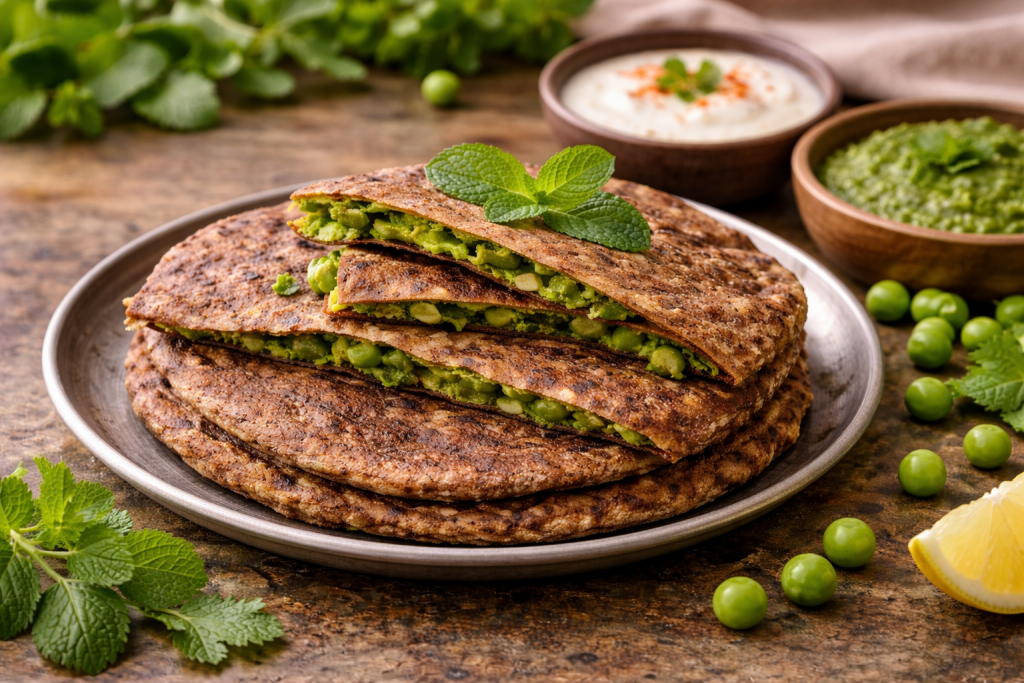
 Looking for a nutritious millet-based breakfast that is both healthy and satisfying? This Vegetable Stuffed Ragi Paratha is a wholesome alternative to regular wheat parathas. Packed with calcium, fibre and essential minerals, ragi (finger millet) supports bone health, digestion and sustained energy throughout the day.
Adding vegetables to the stuffing further enhances the nutritional value, making this dish a balanced breakfast for both adults and children. While the colour may appear slightly darker than regular parathas, the health benefits make it absolutely worth trying.
Vegetable Stuffed Ragi Paratha – Quick Recipe
Prep Time: 15 minutes
Cook Time: 15 minutes
Total Time: 30 minutes
Servings: 3–4 parathas
Meal Type: Healthy Breakfast
Cuisine: Indian
Nutritional Highlights
- High in calcium for bone strength
- Rich in dietary fibre for digestion
- Helps support blood sugar balance
- Promotes satiety and weight management
Ingredients
For the Dough
- 1 cup ragi flour
- 1 cup water
- Salt to taste
For the Vegetable Stuffing
- ½ cup cooked peas
- ½ cup shredded carrot
- ¼ tsp cumin seeds (jeera)
- ¼ tsp mustard seeds
- 1 tsp finely chopped ginger
- 1 tsp chopped curry leaves
- 1 tsp lemon juice
- 2 tbsp chopped coriander leaves
- 1–2 green chillies
- Oil for cooking
How to Prepare the Vegetable Stuffing
- In a mixer grinder, blend cooked peas, cumin seeds and green chillies into a coarse paste.
- Heat 1 tsp oil in a pan.
- Add mustard seeds and allow them to crackle.
- Add chopped ginger and curry leaves and sauté briefly.
- Add the pea mixture along with shredded carrot and salt.
- Cook for a few minutes. If the mixture becomes dry, add a little water.
- Turn off the flame and add lemon juice and chopped coriander leaves.
Set the stuffing aside.
How to Prepare the Ragi Dough
- Heat 1 cup water in a pan and add salt.
- Once hot, add ragi flour and switch off the flame.
- Mix thoroughly using a spatula.
- Allow the mixture to rest for 5–7 minutes.
- Once cooled slightly, knead it into a soft dough.
How to Assemble and Cook the Paratha
- Divide the dough into equal-sized balls.
- Flatten each ball slightly.
- Dust with flour and roll into a thin paratha using plastic paper.
- Place vegetable stuffing evenly over one paratha.
- Wet the edges slightly and place another paratha over it.
- Seal the edges and gently roll again.
- Heat a pan or tawa and lightly brush with oil.
- Cook the paratha until golden brown.
- Flip and cook the other side evenly.
Serve hot with curd, raita or chutney.
Why Ragi Is a Super Millet for Daily Nutrition
Ragi (finger millet) is widely recognised as one of the most nutritious grains. It contains significantly higher calcium than most cereals and is naturally rich in fibre, iron and plant-based protein.
Including ragi in breakfast helps:
- support bone health
- improve digestion
- maintain stable energy levels
- promote satiety for weight management
Millets like ragi are increasingly recommended as part of a balanced diet because of their nutritional density and metabolic benefits.
Nutritional Benefits of Vegetable Stuffed Ragi Paratha
Supports Bone Health
Ragi is an excellent source of calcium, which is essential for maintaining strong bones and teeth.
Helps Maintain Stable Blood Sugar
Ragi has a relatively low glycaemic index and releases energy slowly, which may help manage blood sugar levels.
Improves Digestive Health
The fibre content in ragi and vegetables supports healthy digestion and gut function.
Supports Weight Management
High fibre foods promote fullness, helping reduce unnecessary snacking.
Tips to Make This Recipe Even Healthier
- Use minimal oil while cooking the paratha.
- Add vegetables such as spinach, beetroot or capsicum to increase nutrient density.
- Serve with probiotic-rich curd to support gut health.
- Pair with fresh mint chutney instead of processed sauces.
Frequently Asked Questions
Is ragi paratha healthy?
Yes. Ragi paratha is rich in calcium, fibre and essential minerals that support bone health, digestion and sustained energy.
Can ragi help with weight management?
Ragi is high in dietary fibre and promotes satiety, which may help reduce overeating and support healthy weight management.
Is ragi good for people with diabetes?
Ragi has a relatively low glycaemic index and releases energy slowly, which may help maintain stable blood sugar levels when eaten in moderate portions.
Including millets like ragi in everyday meals is a simple way to improve the nutritional quality of your diet. This Vegetable Stuffed Ragi Paratha combines the goodness of ragi with the benefits of vegetables, making it a nourishing breakfast option for the entire family.
Try this recipe as part of your breakfast routine and enjoy a healthy start to your day!
Did you enjoy this recipe? Try it out and share your thoughts in the comments below! For more healthy recipes, nutrition tips and personalised wellness guidance, connect with a GOQii Coach through our Personalised Health Coaching program here.
#BeTheForce
Disclaimer: The information provided in this blog is for general awareness and educational purposes only. It is not intended to replace professional medical advice, diagnosis, or treatment. Always consult a qualified healthcare provider for personalised medical guidance or concerns related to your health. Images shown are for representation purposes only and may not depict the exact recommendations or outcomes.
 Do you love your traditional uttapam? Well, you’re about to love this healthy twist we’ve added to it more! Quick, easy to prepare and nutritious, the Oats Sprouts and Vegetable Uttapam is a mouthwatering recipe just as it is healthy. As it is made with oats, it provides better satiety too. Let’s get started!
 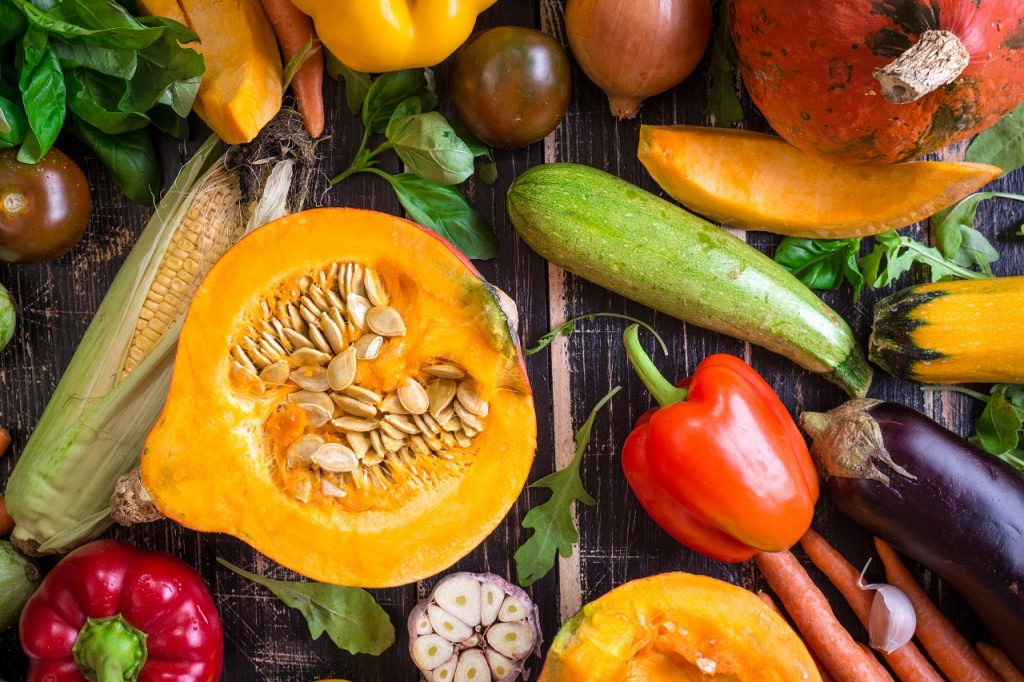 If you’ve been sitting at home for too long, trying to cool yourselves under ACs and fans, there’s a simple way to maintain body heat and that’s food! Seasonal vegetables and fruits are loaded with micronutrients which not only help you stay hydrated but healthy as well – a much needed benefit for the current times.
  Ingredients
 Ingredients