GOQii

Blog

  • HOME
  • HEALTHY LIVING
  • FITNESS
  • HEALTHY RECIPES
  • USER STORIES
  • KARMA
  • BUY GOQii

April 19, 2024 By Roopa Tandur Leave a Comment

12 Low Glycemic Index Fruits For Diabetics

glycemic indexDiabetes is a condition that impairs the body’s ability to process blood glucose, also called blood sugar. Blood glucose, which is sugar concentration, is our main source of energy and comes from the food we eat. Insulin, a hormone made by the pancreas, helps glucose from food get into our cells to be used for energy. Absence or insufficient production of insulin, or an inability of the body to properly use insulin causes diabetes. The glycemic index (GI) tells us how quickly foods containing carbohydrates affect our blood sugar level when eaten

  • Low GI foods: 55 or below
  • Moderate GI foods: 56 to 69
  • High GI foods: 70 and above

Fruits With Low Glycemic Index 

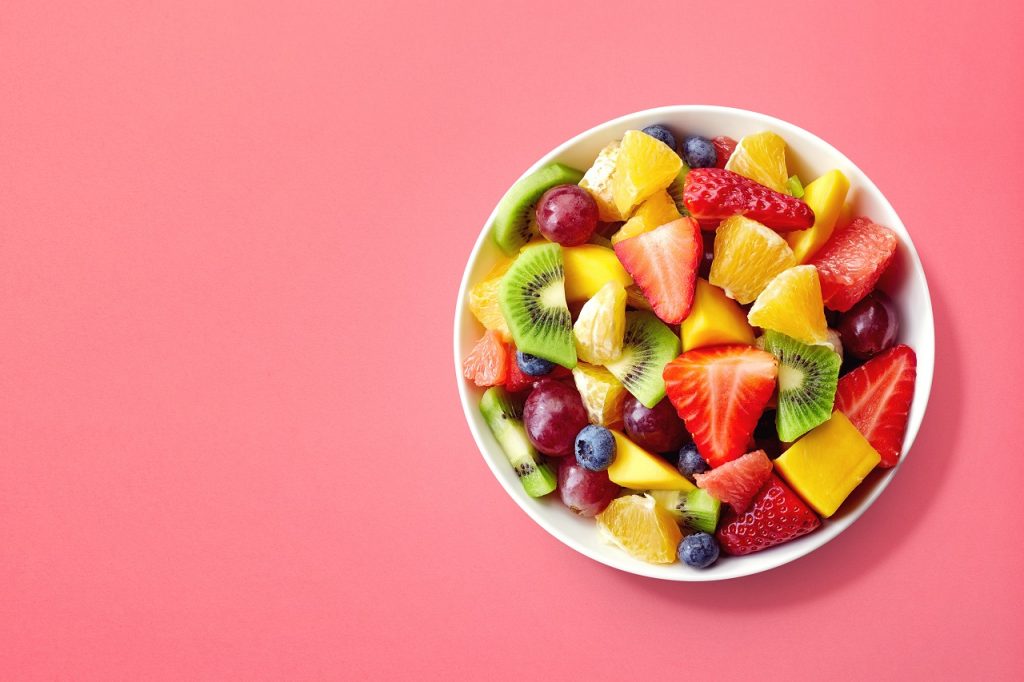
The lower the GI score, the more slowly the rise in blood sugar, which can help the body manage post-meal changes better. Most whole fruits have low to moderate GI levels. Many fruits are also packed with antioxidants, micronutrients and fiber as well. Here are a few low GI fruits which diabetics can have without worrying about the sudden rise in blood sugar levels post consumption:

  1. Cherries: are high in potassium and packed with antioxidants, which will give your immune system a boost. Because cherries are not available fresh all round the year, they can be processed before storing them for a long time. Cherries contain anthocyanins that give the cherries its colour, also boost cells insulin production by 50%.
  2. Pears: are a good source of fiber and provide 20% of our daily recommended fiber intake. Pears can be enjoyed as fresh fruit or gently baked. More interesting is they can also be included in salads for a good twist.
  3. Oranges: are good sources of Vitamin C, folate and potassium. There is also plenty of healthy fiber in an orange which takes longest to break down and digest. This enables slow release of sugar into the bloodstream, which would further ensure that your blood glucose levels are stable for a long period of time
  4. Strawberries: Strawberries are a good source of Vitamin C, they help in improving immunity, fight against certain types of cancer and improve metabolism, promoting weight loss. Strawberries give you more Vitamin C than an orange when taken in the same quantity. They also have a low glycemic index, hence, it is slowly released in the bloodstream as glucose.
  5. Grapefruits: are citrus-based fruits with a glycemic index of 25. They are packed with a range of vitamins and minerals. They have a bitter to sour taste and can be taken as whole fruit or made into juice. Grape fruit is a very good source of Vitamin A and C. It helps improve immunity and helps maintain healthy functioning of the heart and is good for digestion. 
  6. Guava: is a very healthy food choice for diabetics, as it can easily be included in snacks without the fear of sudden raise in blood sugar levels. It is a very good source of fiber which helps relieve constipation, which is a common complaint of many diabetics. Having this fruit regularly can easily lower the chance of developing Type II Diabetes.
  7. Watermelon: is a good source of Potassium. Foods high in potassium improves functioning of vital organs like the heart and kidney. People with diabetes easily observe that their uric acid levels are higher. This can be prevented by including watermelon in their diet which improves kidney functioning and reduces uric acid levels and further damage of the kidneys. Water melons are also a good source of lycopene which prevents nerve damage which is a common complaint of people with diabetes.
  8. Papaya: is a great fruit choice for diabetics as it is available round the year and can be incorporated in the diet very easily. Papayas have a host of nutrients and antioxidants, which when consumed, reduce the risk of heart disease, cancer, lowers BP and also aids good digestion. Papaya is also a good source of fiber and helps lower blood glucose levels and manage diabetes.
  9. Grapes: are a good choice of fruit for diabetes as it helps reduce blood sugar levels easily. They come in many colours and varieties, you can have them easily between meals as snacks and can be included in many dishes for its tangy taste. Grapes are a rich source of a phytochemical called Resveratrol which keeps a check on how the body secretes and uses insulin in response to blood glucose levels.
  10. Avocado: Adding a serving of avocado to your diet may help you lose weight, lower cholesterol, and increase insulin sensitivity. Avocados are low in carbohydrates, which mean they have little effect on blood sugar levels. One half of a small avocado contains about 5.9 grams of carbohydrate and 4.6 grams of fiber. They are also packed with healthy fats which give you a feeling of fullness for a longer time, thereby supporting weight loss and increasing insulin sensitivity. 
  11. Kiwi: Many researchers have proved that including Kiwi in your diet helps lower blood sugar levels. Kiwis are loaded with Vitamin A, C, E and fiber which makes it a good choice of fruits for diabetics. Kiwi also helps relieve insomnia which many people with diabetes complain due to long term diabetes and anxiety. 
  12. Black Jamun: This fruit has a bitter taste and is one of the best fruits for people suffering from diabetes. It not only controls your blood sugar level but also enhances the insulin activity and sensitivity. This fruit can be included in the form of juice or powder as well, which is equally beneficial in managing blood sugar levels.

No matter which fruit one includes, portion control is important. While it can vary depending on the size and type of the fruit, in general, one portion of fruit which is one piece of whole fruit or 1/2 cup of sliced fruit contains around 15 grams of carbohydrates, which is considered as one carbohydrate serving. 

We hope this article on Low Glycemic Index Fruits for Diabetics helps you! Do leave your thoughts in the comments below. For more on Diabetes, check out our other articles on Healthy Reads. To help you manage Diabetes and get expert advice on nutrition, exercise, sleep and well being – all aimed at reducing your HbA1C Levels, subscribe for the GOQii Diabetes Care Program here.

#BeTheForce 
April 4, 2024 By Neha Sharma Leave a Comment

Healthy Recipes For Kids: Healthy Twist on Snacks & Sweets

Healthy Recipes For KidsAs mentioned in the previous article of Healthy Recipes For Kids, We spoke about the aspects of healthy eating for children not being different from adults. We need the right nutrients in the right quantities. Here, we’ve got some healthy recipes for a snack and a sweet that we’re sure your child will enjoy. 
Healthy Recipes For Kids

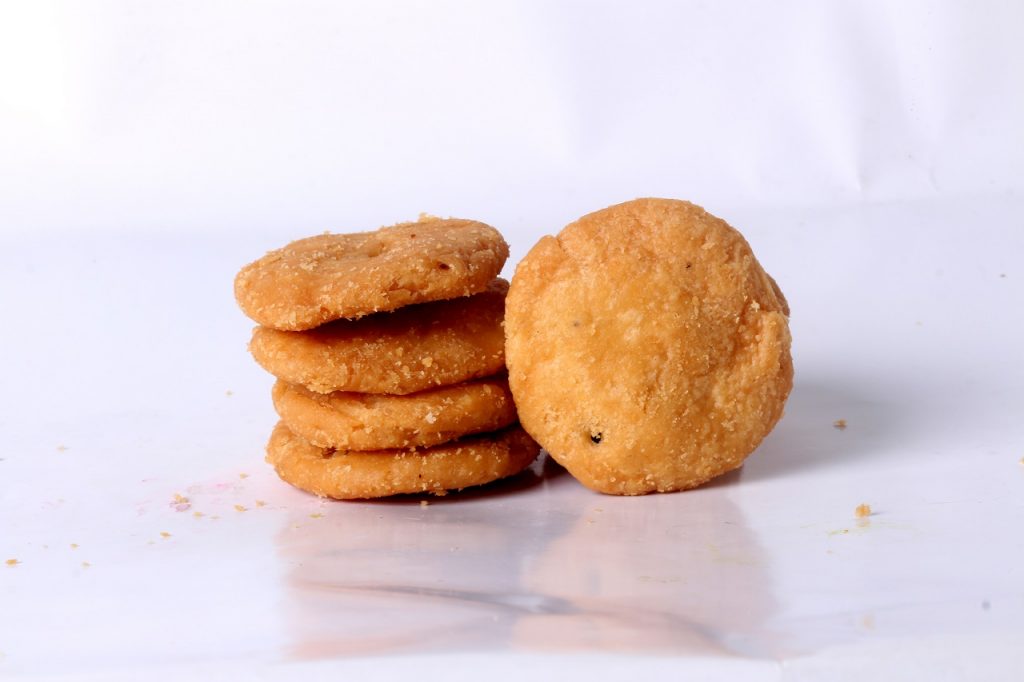
1. Healthy Mathari 

mathariWhat you will need: 

  • Wheat flour – 200 gm
  • Roasted Gram flour – 50 gm
  • Amaranth seed flour – 50 gm
  • Semolina – 20 gm
  • Desi ghee – 4 tbsp
  • Salt – a per taste
  • Dry fenugreek leaves – ½ tsp
  • Asafetida (Hing)  – 1/4th tsp
  • Roasted Muskmelon seeds powder – 2 tsp
  • Roasted Sunflower seeds powder – 2 tsp
  • Carom seeds – 1 tsp

Method of preparation:

  1. Mix all the ingredients in a big bowl and add hot melted ghee. Gently mix all the ingredients until ghee spreads all over the flour.
  2. Knead the dough with lukewarm milk to provide a soft texture
  3. Keep it aside for half an hour.
  4. Roll out a big chapati and cut desired shapes with a cookie cutter as it appeals to kids.
  5. These Mathari or salted cookies can be baked or fried on a low flame.
  6. These serve as a good snack at the evening hours with milk, juices or smoothies.

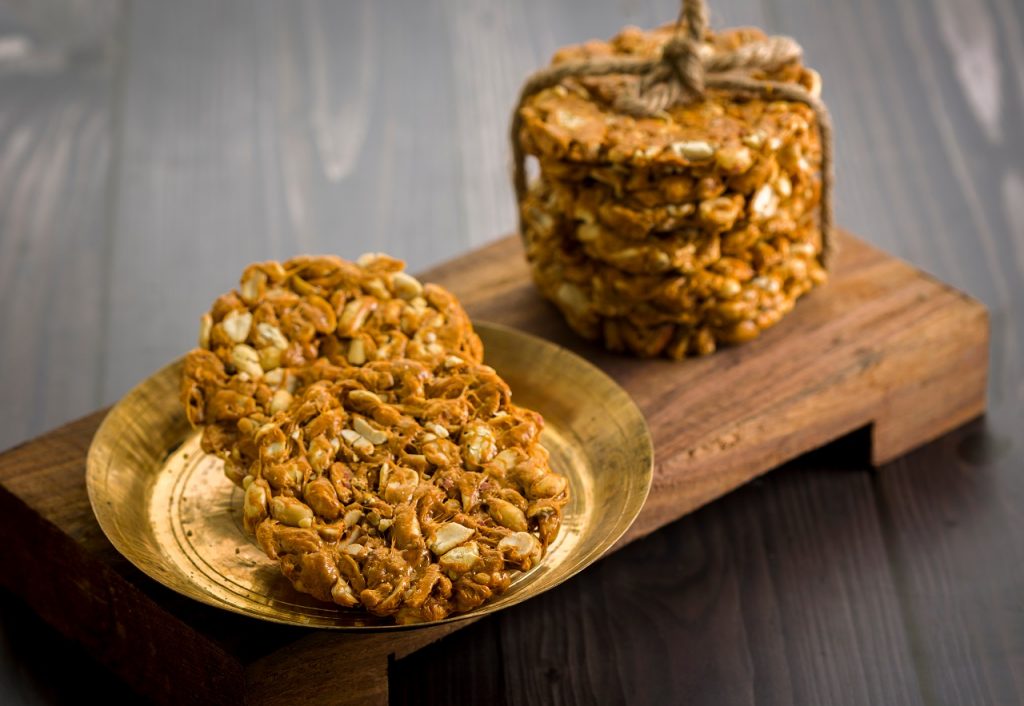
2. Jaggery Protein Chikki/Laddoo

healthy recipes for kidsWhat you will need:

  • Almonds – 50 gm
  • Walnuts – 50 gm
  • Sunflower seeds – 20 gm
  • Pumpkin seeds – 20 gm
  • Muskmelon seeds – 20 gm
  • Fox nuts – 50 gm
  • Rolled oats – 30 gm
  • Dates – 6-7 in number
  • Jaggery – 200 gm
  • White pepper powder – ½ tsp
  • Poppy seeds – 30 gm

Method of preparation

  1. Roast all the ingredients separately without jaggery, dates & pepper powder
  2. Make a coarse powder by adding dates 
  3. Melt jaggery on low flame. Once melted, start adding the white pepper powder
  4. Mix all ingredients gently
  5. Ladoos can be rolled from this mixture on slight cooling or chikki can be made by spreading the mixture on greased plate.
  6. These high protein chikkis or ladoos can be combined with breakfast or the evening snack

Benefits of These Recipes 

  • These matharis are rich in protein and contain seeds. Seeds are a compact source of many nutrients and generally kids don’t want to eat these seeds, so this is an easier way to get your kids to eat them.
  • Jaggery laddoo or chikki is a power pack compact source of many nutrients, rich in protein, iron and white pepper powder is very good for the eyes.
  • These snacks are much much better than the usual chips, mixtures and other unhealthy snacks. 

We hope you enjoy these Healthy Recipes For Kids. Do try them out, upload your pics on social media or the GOQii Arena and tag us! For more healthy recipes, check out Healthy Reads or tune in to cooking sessions on GOQii Play. 

To get more advice on recipes, nutrition and diet tips for kids, subscribe to GOQii and ask your GOQii Coach here.

#BeTheForce

March 26, 2024 By Roopa Tandur Leave a Comment

Nutritional Deficiencies That Can Cause Hair Loss

hair loss

Hair is a tough protein made of Keratin. The hair bulbs at the base of the hair follicle divide and grow to build the hair shaft. Blood vessels nourish the hair bulb and deliver the hormones that modify hair growth. Hair grows at different rates in different people. Hair loss also happens at different rates in different people for different reasons like heredity, hormonal changes like hypothyroidism, medical condition or side effects of medicines, ageing or even stress. We do shed around 50-200 hair every day and it is perfectly normal. Also, in some situations like post pregnancy in women, when there is more than normal hair loss due to sudden imbalance of calorie intake, which usually gets resolved by itself. Whatever the reason for hair fall, these two small words can be a nightmare for many. Let’s understand what nutritional deficiencies can lead to hair loss!

Which Nutritional Deficiencies Can Cause Hair Loss? 

  1. Vitamin D Deficiency: Vitamin D is very important for hair growth as it stimulates hair follicles and also helps in maintaining thickness of each hair strand. Low levels of Vitamin D in the body may cause thinning of hair or slow hair growth. Keratinocytes in skin metabolise Vitamin D to Keratin – a protein found in hair, skin and nails. Low levels of Vitamin D make it difficult for the Keratinocytes in hair follicles to regulate hair growth and its shedding. Low levels of Vitamin D are associated with higher stress levels which support hair fall. Getting 400-800 IU of Vitamin D a day is very important. This can be easily achieved with 10-30 minutes of sun exposure.
  2. Vitamin B7 or Biotin Deficiency: Though biotin deficiency is very rare in people (as biotin is found easily in foods like Banana, Carrot, Egg Yolks, Legumes, Nuts, etc.), it can occur by heredity or in people who consume excessive amounts of alcohol, smoke excessively, people with inflammatory bowel disease or in people who have raw egg whites which contain avidin that blocks absorption of biotin.
  3. Iron Deficiency: When one has iron deficiency, the circulation of haemoglobin is less –  which means less oxygen uptake by the body and slower growth and repair of cells, including cells that stimulate hair growth. When there is less circulating oxygen in the body, the available supply is channelized to vital organs to keep them alive rather than to hair follicles. Without oxygen, hair follicles cease to function properly and eventually fall out. Including foods like Whole Wheat Grains, Beans, Chickpea, Tofu, Peas, Nuts, Raisins, Spinach and Chicken ensures that you have good iron stores in the body. When you notice more than usual hair in your shower drain or hair brush, it is time to get your haemoglobin levels tested. 
  4. Vitamin C: While Vitamin C deficiency is rare as it is easily available in many food items, the common risk factors include poor diet, alcoholism, anorexia, smoking and chronic illness. Vitamin C plays a vital role in the absorption of iron from the intestines which leads to weakness and hair loss. Having citrus fruits like Oranges, Sweet Lime, Lemon, Strawberry, Guava and other foods like Sweet Potato, Chillies, Thyme, Kale and Broccoli on a regular basis, ensures your vitamin levels are maintained on a higher side 
  5. Vitamin E: with its antioxidant properties helps in reducing oxidative stress on the scalp and reduces free radical damage and protects hair cells. Vitamin E helps improve scalp health and hair health. It creates a protective layer on the hair follicles and locks in moisture making it shiny and easy to manage. Vitamin E supports a healthy scalp by protecting the lipid layer and reducing dryness and scaling of the scalp. Food sources of Vitamin E include nuts and seeds like Almonds and Walnuts, Pumpkin and Sunflower Seeds, Wheat Germ Oil, Peanuts, Avocado, Mango and Spinach.

Tips To Reduce Hair Fall  

  • Eat well balanced meals containing protein, complex carbs and healthy fats
  • Drink at least 8-10 glasses of water a day to aid the digestion and absorption of nutrients from your diet
  • Include healthy snacks in between meals to maintain energy levels
  • Include foods like Whole Grain Cereals, Eggs, Nuts, Leafy Vegetables, Tofu, Legumes, Quinoa, Beans, Avocado, Dairy, Orange and Lime to get all the essential nutrients to support healthy tresses
  • Get good exposure to sunlight so that you maintain your Vitamin D levels, if not do supplement it regularly 
  • Maintain scalp and hair hygiene by using a mild shampoo at least 2 times a week
  • Keep stress levels within normal limits 
  • Get good quality sleep and exercise at least 4-5 days a week

We hope this article on nutritional deficiencies that can cause hair loss helps you! For more on hair loss and hair care, check out Healthy Reads or speak to a certified expert by subscribing to GOQii’s Personalised Health Coaching here. 

#BeTheForce 

March 1, 2024 By Neha Goyal 2 Comments

All About Cooking In Clay Pots

clay pots

As we are becoming more and more health conscious, trying to eat healthier meals, we cannot overlook the cookware used to prepare those meals. The vessels we choose have a great impact on the taste, quality and nutritional value of food. While Researching about which cookware is the best for our health, I always noticed that clay pots are on top of the list but I was never sure if I can really cook my regular food in them. A few weeks back, after a lot of research on how we can use them for regular cooking, I gave it a try and bought one home. Now I can confidently say that everyone should give them a try. In fact, I am planning to buy some more as I find more space in my kitchen to keep them safely. Before you get convinced by my experience, let’s understand why you should be switching to clay pots.

Benefits Of Using Clay Pots 

  • They infuse your food with calcium, magnesium, iron, phosphorus, sulphur and many other minerals depending on the composition of clay used in making these pots.
  • Help in restoring pH balance of food as clay is alkaline in nature.
  • Lends a nice earthy aroma and enhances the flavor of your food which metal pans usually destroy. 
  • Preparing food in clay pots requires slow cooking which helps retain maximum nutrition.
  • Less oil is required while cooking in clay pots as the porous nature of clay pots allows heat and moisture to circulate evenly.
  • Prevents us from harmful chemicals and metals that leach into our food while cooking in metals like aluminium and non-stick cookware. 
  • They are pocket friendly and available in different sizes and shapes.
  • Environmentally friendly and completely biodegradable.

How To Choose Them 

Clay pots are available in glazed and unglazed form. Both have their own set of advantages. 

Glazed ones are ready to use, have a shiny appearance and are easy to clean. These encourage good steam circulation due to low ability to absorb water. But sometimes, their glaze could be of low quality that may contain harmful chemicals. On the other hand, unglazed pots need a little bit more care being more porous, but have better ability to balance the pH of food.

How To Use Clay Cookware 

  1. Clay cookware needs to be prepared prior to first use by immersing them in water for 24 hours or at least overnight.
  2. Next day, scrub and rinse it and let it dry. Then you need to soak it in starch water/rice, cooked water/rice soaked water for one more day.
  3. Wash it again and dry it under the sun. After drying, wipe it with any vegetable oil and dry it under the sun till the oil is absorbed by the pot. 
  4. Your clay pots are ready to use now.
  5. Though this preparation process seems long but ensures a long life to your clay pots.

How To Maintain Clay Pots 

Some points are needed to be kept in mind while using clay pots in your daily routine.

  • Never keep hot clay pots on a cold surface or put cold water in a hot pot. This temperature shock may cause cracks.
  • You may not want to clean them with soap as it will enter into small pores of the pots which can mix into food while cooking. Use ash, baking soda and salt, rice flour or gram flour to clean these pots.
  • These pots work well on a regular gas stove, but never heat empty pot on very high flame. During cooking, it is advisable to keep the flame medium to low.

If you haven’t got a hold of clay pots yet, I suggest getting one and experiencing the goodness and flavor in food that usual cookwares lack. I hope this article helps you if you plan on using one. Do leave your thoughts and queries in the comments below! 

For more useful information, check out Healthy Reads or reach out to our certified experts by subscribing to GOQii’s Personalised Health Coaching here.


#BeTheForce 

  • « Previous Page
  • 1
  • …
  • 17
  • 18
  • 19
  • 20
  • 21
  • …
  • 53
  • Next Page »

Search

Recent Posts

  • 4 Reasons Why Affirmations Are Not Working For You
  • The Social Side of GLP-1: Navigating “Food Culture” and Peer Pressure
  • Leaky Gut: Symptoms and Causes
  • Muscle Is Your Insurance Policy: Why Strength Predicts Lifespan More Than Cardio
  • The Fiber Gap: Managing Digestion on GLP-1 Therapy

Stay Updated

Archives

  • March 2026 (1)
  • February 2026 (14)
  • January 2026 (14)
  • December 2025 (19)
  • November 2025 (15)
  • October 2025 (20)
  • September 2025 (6)
  • August 2025 (6)
  • July 2025 (12)
  • June 2025 (18)
  • May 2025 (16)
  • April 2025 (22)
  • March 2025 (23)
  • February 2025 (22)
  • January 2025 (25)
  • December 2024 (22)
  • November 2024 (23)
  • October 2024 (21)
  • September 2024 (24)
  • August 2024 (30)
  • July 2024 (21)
  • June 2024 (26)
  • May 2024 (31)
  • April 2024 (27)
  • March 2024 (29)
  • February 2024 (25)
  • January 2024 (21)
  • December 2023 (15)
  • November 2023 (11)
  • October 2023 (19)
  • September 2023 (22)
  • August 2023 (18)
  • July 2023 (22)
  • June 2023 (24)
  • May 2023 (24)
  • April 2023 (23)
  • March 2023 (23)
  • February 2023 (19)
  • January 2023 (15)
  • December 2022 (11)
  • November 2022 (15)
  • October 2022 (15)
  • September 2022 (12)
  • August 2022 (10)
  • July 2022 (17)
  • June 2022 (11)
  • May 2022 (10)
  • April 2022 (6)
  • March 2022 (6)
  • February 2022 (13)
  • January 2022 (11)
  • December 2021 (7)
  • November 2021 (3)
  • October 2021 (6)
  • September 2021 (3)
  • August 2021 (8)
  • July 2021 (7)
  • June 2021 (15)
  • May 2021 (16)
  • April 2021 (10)
  • March 2021 (7)
  • February 2021 (4)
  • January 2021 (4)
  • December 2020 (3)
  • November 2020 (4)
  • October 2020 (10)
  • September 2020 (3)
  • August 2020 (3)
  • July 2020 (2)
  • June 2020 (4)
  • May 2020 (10)
  • April 2020 (12)
  • March 2020 (10)
  • February 2020 (4)
  • January 2020 (4)
  • December 2019 (3)
  • November 2019 (7)
  • October 2019 (5)
  • September 2019 (4)
  • August 2019 (9)
  • July 2019 (9)
  • June 2019 (11)
  • May 2019 (4)
  • April 2019 (8)
  • March 2019 (8)
  • February 2019 (9)
  • January 2019 (8)
  • December 2018 (9)
  • November 2018 (3)
  • October 2018 (3)
  • September 2018 (5)
  • August 2018 (10)
  • July 2018 (6)
  • June 2018 (13)
  • May 2018 (8)
  • April 2018 (18)
  • March 2018 (9)
  • February 2018 (8)
  • January 2018 (15)
  • December 2017 (12)
  • November 2017 (19)
  • October 2017 (13)
  • September 2017 (15)
  • August 2017 (4)
  • July 2017 (8)
  • June 2017 (7)
  • May 2017 (6)
  • April 2017 (8)
  • March 2017 (6)
  • February 2017 (7)
  • January 2017 (9)
  • December 2016 (10)
  • November 2016 (7)
  • October 2016 (7)
  • September 2016 (7)
  • August 2016 (11)
  • July 2016 (9)
  • June 2016 (9)
  • May 2016 (12)
  • April 2016 (17)
  • March 2016 (17)
  • February 2016 (8)
  • January 2016 (6)
  • December 2015 (2)
  • November 2015 (9)
  • October 2015 (7)
  • September 2015 (9)
  • August 2015 (11)
  • July 2015 (9)
  • June 2015 (12)
  • May 2015 (9)
  • April 2015 (13)
  • March 2015 (8)
  • February 2015 (5)
  • January 2015 (12)
  • December 2014 (14)
  • November 2014 (11)
  • October 2014 (6)
  • September 2014 (13)
  • August 2014 (12)
  • July 2014 (6)
  • June 2014 (2)
  • May 2014 (7)
  • April 2014 (5)

From “Laddu Nawin” to Fit and Fierce: How a 25-Year-Old Insurance Advisor Shed 20 Kilos and Gained His Life Back

When 25-year-old Nawin Yadav from Hyderabad walked into his office every morning, he carried more than just his files and policy papers. He had the weight of fatigue, sluggish energy, and an ever-growing belly that was becoming the butt of jokes. “People … [Read More...]

“I’ve Challenged Myself to Live 100 Years” – The Story of Chandubhai Savani’s Second Chance at Life

At 67, most people start slowing down. Not Chandubhai Savani. A resident of Surat, Chandubhai, thought life was on track. “My life was going well till I had my bypass surgery,” he says. That surgery, back in 2021, was a wake-up call.  Medication was routine, but exercise wasn’t. His diet? What he calls ‘normal.’ “I […]

From Shimla’s Slopes to Chandigarh’s Sidewalks: Surinder Kaur Bhalla’s Journey from Chaos to Control

Some journeys start with a plan. Others begin with a stumble literally. Surinder Bhalla, a government professional, born and raised in the scenic hill town of Shimla, had always lived a life of movement. “In Shimla, you walked everywhere,” she reflects. “Walking was never an exercise. It was just life.” But after shifting to Chandigarh, […]

Ananda Mukherjee Health Story

From Terminal Illness To Complete Wellness! Ananda Mukherjee Health Story

As we observe World Cancer Day under the powerful theme ‘United by Unique’ (2025-2027)**, we are reminded that every individual’s journey with cancer is distinct, yet united by shared resilience, hope, and the collective fight against this disease. This theme places people at the centre of care and their stories at the heart of the […]

  • HOME
  • HEALTHY LIVING
  • FITNESS
  • HEALTHY RECIPES
  • USER STORIES
  • KARMA
  • BUY GOQii

Copyright ©2016 GOQii