
GOQii

Blog

  • HOME
  • HEALTHY LIVING
  • FITNESS
  • HEALTHY RECIPES
  • USER STORIES
  • KARMA
  • BUY GOQii

May 14, 2026 By GOQii Leave a Comment

The Great Summer Mango Debate: Can You Eat Mangoes While Trying to Lose Weight?

Summer in India brings soaring temperatures, afternoon cravings, and of course the king of fruits: the mango.

But for anyone trying to lose weight or manage diabetes, mango season also brings guilt.

“Are mangoes fattening?”

“Will mangoes spike my sugar?”

“Should I avoid them completely?”

These are some of the most common questions GOQii coaches receive every summer.

The good news? You do not need to give up mangoes to stay healthy.

Mangoes themselves are not the problem. Overeating them is. No single fruit causes weight gain. Weight gain happens when your total calorie intake consistently exceeds what your body burns. And when eaten mindfully, mangoes can absolutely fit into a healthy lifestyle.

In fact, mangoes are naturally rich in:

  • Vitamin C
  • Vitamin A
  • Dietary fibre
  • Antioxidants

So before you remove mangoes from your plate completely, let’s separate the myths from the facts.

Mangoes: Myth vs. Fact

The Myth The Reality
“Mangoes make you gain weight.” Mangoes are naturally fat-free and cholesterol-free. One medium mango contains roughly 150–200 calories. Weight gain happens from an overall calorie surplus—not from one fruit alone.
“People with diabetes should avoid mangoes completely.” Mangoes have a medium Glycaemic Index (GI) of around 51–56. Controlled portions can still fit into a balanced diabetic diet, especially when paired with protein or healthy fats.
“Mangoes are best eaten after meals.” Eating mangoes immediately after a heavy lunch or dinner can increase blood sugar spikes. They work better as a standalone snack.
“Aamras is as healthy as eating whole mangoes.” Juicing or blending mangoes removes much of the fibre, causing sugars to absorb faster. Whole mangoes are always the better option.

The Biggest Mango Mistake People Make

The issue is usually not the mango itself. It is:

  • Eating multiple mangoes in one sitting
  • Pairing them with heavy meals
  • Consuming sugary mango shakes or aamras regularly
  • Mindless overeating

A mango eaten mindfully is very different from a mango overload.

3 Smart Rules for Eating Mangoes the Right Way

You can absolutely enjoy mangoes this summer—as long as you eat them strategically.

  1. Practice Portion Control

This is the most important rule. Instead of eating multiple mangoes at once, stick to:

👉 ½ to 1 medium-sized mango per serving (roughly 100–150g).

This gives you the taste and nutrients without excessive sugar or calories. Portion size matters more than complete restriction.

  1. Time It Right

The worst time to eat mangoes:

  • Immediately after a heavy meal
  • Late at night

The better option:

  • Mid-morning snack
  • Afternoon snack
  • Pre-workout fuel

At these times, your body is more likely to use the natural sugars for energy.

  1. Soak Mangoes Before Eating Them

There is a reason older generations soaked mangoes before eating them. Soaking may help:

  • Reduce surface impurities
  • Lower excess heat-producing compounds
  • Improve digestion for some people

Even soaking them for 30 minutes to 1 hour can help.

Can People With Diabetes Eat Mangoes?

Yes, in moderation.

The key is portion control, timing, and pairing mangoes with protein or healthy fats. Try combining mangoes with:

  • Nuts
  • Seeds
  • Greek yogurt
  • Protein-rich snacks

This slows sugar absorption and improves blood sugar response. Managing diabetes is about balance not fear.

Note: If you have uncontrolled diabetes or insulin resistance, consult your doctor or nutritionist regarding portion sizes.

Whole Mango vs. Aamras: Which Is Better?

Whole mangoes are the healthier choice. Why? Because fibre slows sugar absorption and helps you feel fuller for longer. Aamras, juices, and shakes contain less fibre, are easier to overconsume, and can spike blood sugar much faster. Drinking calories is always easier than eating them.

You do not need to fear seasonal fruit to stay healthy. Mangoes can absolutely fit into a balanced lifestyle even during weight loss when eaten with awareness and moderation.

Health is not built through restriction alone. It is built through sustainable choices.

So yes:

👉 Enjoy the mango.

👉 Just don’t lose control around it.

You can enjoy mangoes guilt-free if you control portions, avoid overeating, eat them at the right time, and choose whole fruit over sugary preparations. Because healthy eating should feel sustainable not restrictive.

Frequently Asked Questions (FAQs)

  1. Can mangoes cause weight gain?

Not on their own. Weight gain occurs when overall calorie intake consistently exceeds calorie expenditure.

  1. Can people with diabetes eat mangoes?

Yes, in moderation. Portion control and proper food pairing can help manage blood sugar response.

  1. Is aamras healthier than whole mangoes?

No. Whole mangoes contain more fibre, which slows sugar absorption and improves satiety.

  1. What is the best time to eat mangoes?

Mid-morning or afternoon as a standalone snack is generally better than eating them after heavy meals or late at night.

  1. Should mangoes be soaked before eating?

Soaking mangoes may help reduce impurities and make them easier to digest for some people.

#BeTheForce

Disclaimer: This article is intended for educational purposes only. If you have diabetes, insulin resistance, or specific dietary restrictions, consult your doctor or a qualified nutritionist before making dietary changes.

May 12, 2023 By Vaishali Vibhute 3 Comments

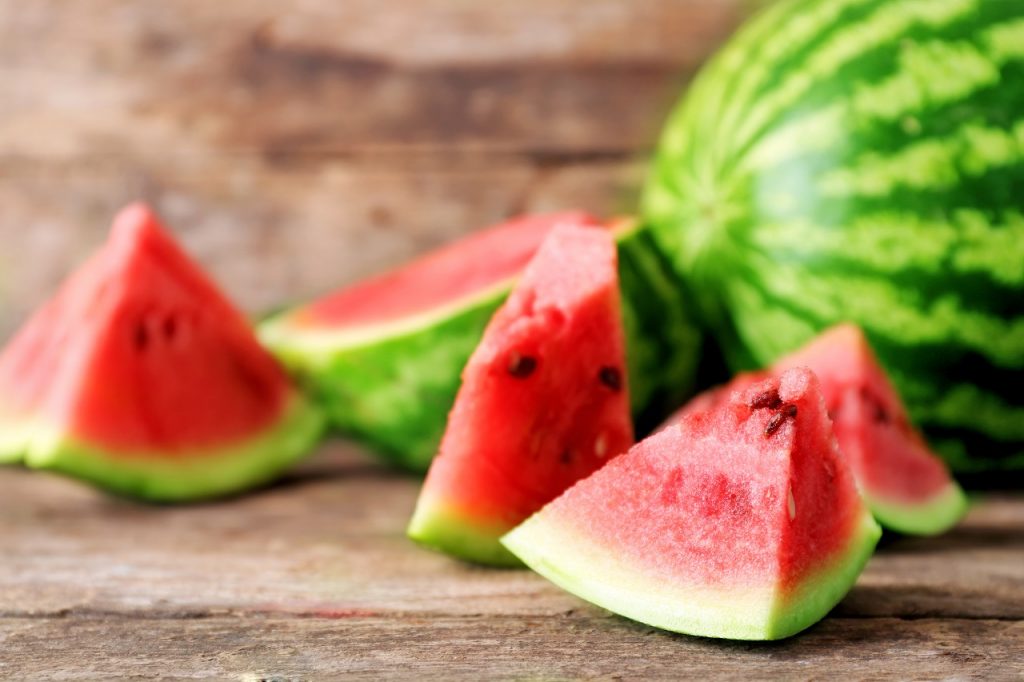
Benefits Of Eating Watermelon During Summer

watermelon

Summers are incomplete without the red and juicy watermelon. Watermelon is a large, sweet, and refreshingly low calorie fruit. It is grown in a favorable climate from tropical to temperate regions worldwide. Besides cantaloupe, honeydew and cucumber, watermelon is a member of the Cucurbitaceae family. All parts of this fruit are edible.

There are lots of nutrients from the seeds to the white flesh closest to the rind. The rind contains more amino acid citrulline than the flesh. Rind is edible after cooking. Watermelon rinds are often cooked as vegetables in most parts of India. Watermelon seeds are also loaded with nutrients. They are high in protein, fiber, vitamin B and omega 3 fatty acid.

Healthy Reasons To Eat Watermelon 

Each bite contains 92% water and 6% sugar. It’s name makes perfect sense, as it consists mostly of water. So apart from keeping you hydrated, what else does this healthy summer fruit offer? 

  • Rich in nutrients: It is an excellent source of a wide variety of nutrients specially Vitamin A, Vitamin C, Potassium, Dietary Fiber and Antioxidant Compounds.

Nutrients present in 100gm of watermelon are as follows :

Sr.No. Nutrients Units Quantity
1 Energy Cal 30
2 Carbohydrate Gm 7.5 including 6.2 gm sugar
3 Fiber Gm 0.4
4 Magnesium Mg 10
5 Potassium Mg 112
6 Choline Mg 6.3
7 Vitamin A Mcg 27
8 B – carotene Mcg 467
9 Lycopene Mcg 4532
10 Vitamin C Mg 8.3

One ounce i.e 28.5gm of seeds provide around 8gm of protein.

  • It helps you to shed extra kilos: Watermelon is the best fruit to eat if someone is trying to lose weight. It is rich in lycopene. It will increase your body’s Arginine level, an amino acid, which helps burn fat quickly. Due to its low calorie and highwater content, it keeps a person full for a long time and helps promote weight loss.
  • Good for eyes: Lycopene, an antioxidant present in watermelon keeps the eyes healthy and protects against age related macular degeneration (AMD).
  • Keeps your kidney healthy: Watermelon is a natural diuretic. Potassium present in watermelon removes toxic substances from the body and reduces the percentage of uric acid present in the blood.
  • Prevents constipation: It is high in water and a good source of fiber that helps prevent constipation and promotes good bowel movement.
  • Promotes a healthy heart: It is the best source of Citrulline – an amino acid that our body converts to Arginine, an essential amino acid that plays a key role in relaxing blood vessels and helps improve blood flow. It also helps control blood sugar and helps lower blood pressure.
  • Keeps your skin and hair healthy: Watermelon contains vitamin C, which the body needs to produce collagen – a protein that keeps your skin supple and hair strong.
  • Helps in cancer prevention: Being a source of numerous antioxidants and flavonoids, watermelon consumption helps in protecting against certain types of cancer such as colon, breast and lung cancer.
  • Helps with sore muscles: Due to the presence of amino acid, citrulline in watermelon, muscle soreness can be treated. Watermelon may enhance performance and speed of recovery post exercise.
  • Reduce asthmatic attack: An antioxidant lycopene present in watermelon helps reduce asthmatic flares up in both children and adults.
  • Keeps you energetic: Potassium present in watermelon has electrolyte properties that leaves you feeling energetic for a long time.
  • Enhances the immune system: Vitamins and antioxidants present in this fruit, aids the production of RBC (red blood cells) which keep the immune system strong.
  • Good for the brain and nervous system: Being rich in Choline, an antioxidant present in this fruit, helps in learning, memory and brain development.

It is the best cooling fruit to eat during the summer season. Apart from the above benefits, Watermelon also has Vitamin B6 and potassium. Potassium maintains water balance in the body while Vitamin B6 improves immunity. Citrulline prevents muscle cramps. Remember that Juicing breaks down the fiber, making sugar easier to absorb and you may not get the benefit of fiber. People with diabetes should consider eating fresh, whole watermelon rather than drinking the juice.

We hope this article helps you head to the market and pick this amazing fruit now! Find more tips on nutrition and healthy summer eating here or speak to a GOQii Coach by subscribing for Personalised Health Coaching here.  

#BeTheForce 

March 21, 2023 By Falguni Bhojak 2 Comments

Should You Eat Eggs During Summer?

should you eat eggs during summerIf you are wondering, should you have eggs during summer, then the answer is YES! It is absolutely fine to have eggs during summer, but moderation is the key. There are a lot of misconceptions on this topic and you must have definitely heard that eating eggs during summer may increase the body heat.



When you eat a protein-rich diet, your body will produce more heat to digest food and thus, burn more calories. So, having too many eggs can affect the digestive system. Although there are many theories about egg consumption. Let us look at some facts that can explain all the questions about eggs.

Nutrients in Eggs and their Benefits

  1. Good source of complete protein which helps in strong muscles and also for weight management by keeping you full for longer.
  2. Rich in iron content which increases energy and boosts your immunity.
  3. Vitamin D which helps in strengthening bones, prevents the risk of osteoporosis and helps in regulating your insulin levels.
  4. It promotes healthy eyesight. Antioxidants in eggs, lutein and zeaxanthin, helps in preventing cataract and macular degeneration.
  5. Rich in Vitamin B12 for healthy nerves and blood cells and preventing anemia.
  6. Rich in Vitamin E  which is good for skin and hair.
  7. Selenium helps prevent free radical damage, keeps your immune system healthy.
  8. Rich in Vitamin A, which you all know, is good for eye health.
  9. Rich in Choline, a nutrient for brain development and function.

So many nutrients in one food, no doubt why they are called ‘Superfood’. 

How Many Eggs Can You Eat During Summer?

For a healthy person, having a maximum of 2 eggs a day is absolutely fine. If you are a person who eats non-veg daily, then keep the intake to one per day. As said above, eating more eggs during summer can lead to stomach discomfort. People who are sensitive, and have digestive issues have to be careful and reduce it further, maybe an egg twice a week, as per their body capacity. So, have it in moderation, and get the most benefits from eggs during summer!

We hope this article helps you! Do leave your thoughts in the comments below. For more topics and tips for the summer, click here or speak to a GOQii Coach directly by subscribing for Personalised Health Coaching here.

#BeTheForce 

Search

Recent Posts

  • 10 Everyday Habits That Could Be Hurting Your Health
  • Why Good Nutrition Matters: Benefits of Healthy Eating for a Healthy Life
  • Monsoon Health Tips: How to Boost Your Immunity During Seasonal Changes
  • Yoga for Healthy Ageing: Simple Practices to Add Life to Your Years
  • Calming Your Mind: Breathing Techniques for ADHD

Stay Updated

Archives

  • June 2026 (22)
  • May 2026 (20)
  • April 2026 (24)
  • March 2026 (18)
  • February 2026 (14)
  • January 2026 (14)
  • December 2025 (19)
  • November 2025 (15)
  • October 2025 (20)
  • September 2025 (6)
  • August 2025 (6)
  • July 2025 (11)
  • June 2025 (18)
  • May 2025 (16)
  • April 2025 (22)
  • March 2025 (27)
  • February 2025 (21)
  • January 2025 (25)
  • December 2024 (22)
  • November 2024 (23)
  • October 2024 (20)
  • September 2024 (23)
  • August 2024 (29)
  • July 2024 (20)
  • June 2024 (25)
  • May 2024 (26)
  • April 2024 (27)
  • March 2024 (27)
  • February 2024 (23)
  • January 2024 (21)
  • December 2023 (14)
  • November 2023 (10)
  • October 2023 (19)
  • September 2023 (22)
  • August 2023 (18)
  • July 2023 (21)
  • June 2023 (23)
  • May 2023 (20)
  • April 2023 (19)
  • March 2023 (23)
  • February 2023 (19)
  • January 2023 (15)
  • December 2022 (11)
  • November 2022 (15)
  • October 2022 (15)
  • September 2022 (12)
  • August 2022 (10)
  • July 2022 (17)
  • June 2022 (11)
  • May 2022 (10)
  • April 2022 (6)
  • March 2022 (6)
  • February 2022 (13)
  • January 2022 (11)
  • December 2021 (7)
  • November 2021 (3)
  • October 2021 (6)
  • September 2021 (3)
  • August 2021 (8)
  • July 2021 (7)
  • June 2021 (15)
  • May 2021 (16)
  • April 2021 (10)
  • March 2021 (7)
  • February 2021 (4)
  • January 2021 (4)
  • December 2020 (3)
  • November 2020 (4)
  • October 2020 (10)
  • September 2020 (3)
  • August 2020 (3)
  • July 2020 (2)
  • June 2020 (4)
  • May 2020 (10)
  • April 2020 (12)
  • March 2020 (10)
  • February 2020 (4)
  • January 2020 (4)
  • December 2019 (3)
  • November 2019 (7)
  • October 2019 (5)
  • September 2019 (4)
  • August 2019 (9)
  • July 2019 (9)
  • June 2019 (11)
  • May 2019 (4)
  • April 2019 (8)
  • March 2019 (8)
  • February 2019 (9)
  • January 2019 (8)
  • December 2018 (9)
  • November 2018 (3)
  • October 2018 (3)
  • September 2018 (5)
  • August 2018 (10)
  • July 2018 (6)
  • June 2018 (13)
  • May 2018 (8)
  • April 2018 (18)
  • March 2018 (9)
  • February 2018 (8)
  • January 2018 (15)
  • December 2017 (12)
  • November 2017 (19)
  • October 2017 (13)
  • September 2017 (15)
  • August 2017 (4)
  • July 2017 (8)
  • June 2017 (7)
  • May 2017 (6)
  • April 2017 (8)
  • March 2017 (6)
  • February 2017 (7)
  • January 2017 (9)
  • December 2016 (10)
  • November 2016 (7)
  • October 2016 (7)
  • September 2016 (7)
  • August 2016 (11)
  • July 2016 (9)
  • June 2016 (9)
  • May 2016 (12)
  • April 2016 (17)
  • March 2016 (17)
  • February 2016 (8)
  • January 2016 (6)
  • December 2015 (2)
  • November 2015 (9)
  • October 2015 (7)
  • September 2015 (9)
  • August 2015 (11)
  • July 2015 (9)
  • June 2015 (11)
  • May 2015 (9)
  • April 2015 (13)
  • March 2015 (8)
  • February 2015 (5)
  • January 2015 (12)
  • December 2014 (14)
  • November 2014 (11)
  • October 2014 (6)
  • September 2014 (13)
  • August 2014 (12)
  • July 2014 (6)
  • June 2014 (2)
  • May 2014 (7)
  • April 2014 (4)

From Shimla’s Slopes to Chandigarh’s Sidewalks: Surinder Kaur Bhalla’s Journey from Chaos to Control

Some journeys start with a plan. Others begin with a stumble literally. Surinder Bhalla, a government professional, born and raised in the scenic hill town of Shimla, had always lived a life of movement. “In Shimla, you walked everywhere,” she reflects. … [Read More...]

From “Laddu Nawin” to Fit and Fierce: How a 25-Year-Old Insurance Advisor Shed 20 Kilos and Gained His Life Back

When 25-year-old Nawin Yadav from Hyderabad walked into his office every morning, he carried more than just his files and policy papers. He had the weight of fatigue, sluggish energy, and an ever-growing belly that was becoming the butt of jokes. “People had even started calling me Laddu Nawin,” he says with a laugh, but […]

From Burnout to Balance: How Dr. Ranjit Reclaimed His Health

Dr Ranjit Bhatt has spent years tending to others. A practising doctor in Odisha, his days were packed with patients, surgeries, and emergencies. From the outside, it looked like a life lived in service. But on the inside, something wasn’t right. “I had no control over my schedule. I’d sleep late, eat at odd hours, […]

Ananda Mukherjee Health Story

From Terminal Illness To Complete Wellness! Ananda Mukherjee Health Story

As we observe World Cancer Day under the powerful theme ‘United by Unique’ (2025-2027)**, we are reminded that every individual’s journey with cancer is distinct, yet united by shared resilience, hope, and the collective fight against this disease. This theme places people at the centre of care and their stories at the heart of the […]

  • HOME
  • HEALTHY LIVING
  • FITNESS
  • HEALTHY RECIPES
  • USER STORIES
  • KARMA
  • BUY GOQii

Copyright ©2016 GOQii
