GOQii

Blog

  • HOME
  • HEALTHY LIVING
  • FITNESS
  • HEALTHY RECIPES
  • USER STORIES
  • KARMA
  • BUY GOQii

May 25, 2024 By Palak Mittal 2 Comments

How smartphones and other electronic gadgets affects our sleep quality

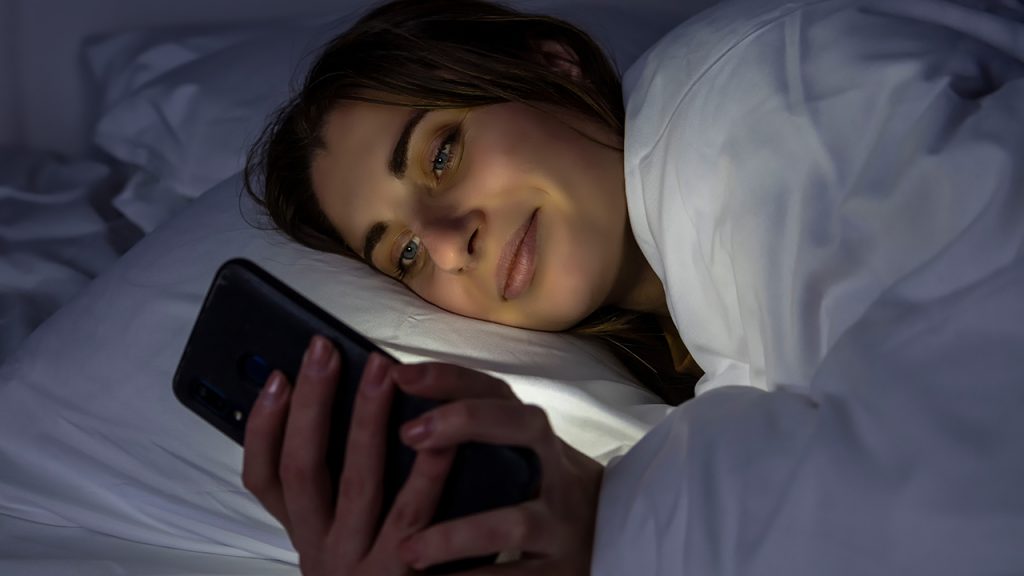
For most of us, our smartphone is the first thing we look at in the morning and the last thing we check before going to bed. But, is it a right practice? Well, it is not. As per a study published by the Brigham and Women’s Hospital in Boston, Massachusetts, using a smartphone right before bedtime actually reduces the overall quality of sleep.

Here’s how:

  • Difficulty in falling asleep – We feel sleepy when our brain releases a hormone called melatonin, which is determined by the body’s circadian rhythm. The blue light emitted by the screen of the smartphone interferes with this rhythm and the secretion of melatonin, which makes it difficult for us to fall asleep, even after we keep our phone aside.
  • Poor quality of sleep – Using a smartphone before going to bed also hampers the overall quality of sleep because, when we check an office email or a text message as the last thing before we sleep, it gets difficult for our brain to relax, due to which we are unable to sleep peacefully.
  • Decreased attention span – Our productivity suffers during the day, due to lack of proper sleep at night. Also, not getting enough sleep is known to hamper our decision-making skills, impair our long & short-term memory, which leads to unnecessary stress and anxiety
  • Increased risk of weight gain – Our body is more likely to feel hungry when we don’t get our due share of sleep, as sleep deprivation slows down our metabolism. Thus, use of smartphone right before bedtime can induce cravings, which lead to snacking and weight gain.
  • Weak immune system – While we are asleep our immune system produces antibodies that help fight infections, it also releases a protein known as cytokines. This protein not only promotes sleep but also fights inflammation and other problems caused by stress. Lack of sound sleep decreases the production of cytokines and increases the risk of falling sick, it also slows down our recovery cycle. Further, long-term sleep deprivation can raise the risk of diseases, such as diabetes, heart problems and obesity.
  • Skin damage – Sleeping late at night and not getting enough sleep can lead to dark circles, puffy eyes and fine lines across our face. The blue light emitted by our smartphones triggers the secretion of cortisol, which can damage our skin’s smoothness and elasticity.

Thus, even if we are spending only some time on our smartphone before going to bed, it affects our overall mental and physical well-being.

We hope this article sheds light on the detrimental effects of smartphone usage on sleep quality and overall health. If you found this information helpful, we’d love to hear your thoughts in the comments below. For more insights on improving sleep and maintaining a healthy lifestyle speak to a certified expert by subscribing to GOQii’s Personalised Health Coaching here.

#BeTheForce

March 15, 2024 By GOQii Leave a Comment

A Dream Deferred: The Quest for Sleep Equity on World Sleep Day

Improve sleep and sleep quality

In the garden city of Bengaluru, Raj, a night-shift worker, tosses and turns in his bed, struggling to find sleep as the relentless Indian sun climbs higher into the sky. His small, shared apartment offers little respite from the cacophony of daytime noises and the sweltering heat. Meanwhile, across the world, in the quiet suburbs of Stockholm, Anna drifts into a restful slumber in her climate-controlled, noise-cancelled bedroom after a day’s work. This stark contrast in sleeping conditions underscores a profound but often overlooked issue: the global disparity in sleep health, also known as sleep equity.

The theme for World Sleep Day, “Sleep Equity for Global Health,” aims to highlight the considerable disparities in sleep quality that affect diverse populations around the globe.

It’s a day marked to bring attention to the social and environmental factors that contribute to these disparities, which can further compound existing health inequities.

Sleep: A Foundation of Health

Sleep is the cornerstone of good health, an essential process that allows our bodies and minds to recharge, healing us from the day’s toils and preparing us for the challenges ahead. Yet, the ability to obtain restorative sleep is not a privilege afforded to all. Factors like socio-economic status, employment conditions, geographical location, and even cultural attitudes towards sleep can create vast chasms in sleep health across populations.

In developing countries like India, long work hours, limited access to comfortable sleeping environments, and the burden of noise and light pollution are just some of the barriers preventing a good night’s rest. In wealthier nations, while the quality of sleep environments may be higher, the pressures of a 24/7 society and the intrusion of technology into the bedroom can similarly impair sleep.

Bridging the Sleep Divide

The concept of sleep equity goes beyond the individual, implicating the collective health of societies. Chronic sleep deprivation is linked to a myriad of health issues, including heart disease, diabetes, and weakened immune function. When whole communities are sleep-deprived, these health issues can become prevalent, increasing healthcare costs and reducing overall productivity and quality of life.

World Sleep Day aims to galvanise change, encouraging global action to bridge the sleep divide. This can take various forms, from advocating for policies that protect workers’ rights to sleep, such as regulated work hours and rest periods, to investing in urban planning that creates quieter, more restful environments in densely populated areas.

The Call for Global Action

As we observe World Sleep Day, we’re called to consider our sleep health and recognise the disparities that exist. It’s a call for researchers to deepen our understanding of the societal factors that influence sleep, for policymakers to create environments conducive to rest, and for individuals to practice and promote good sleep hygiene.

Addressing sleep equity is a multifaceted challenge that requires a concerted effort from governments, health organisations, communities, and individuals alike. It’s a global health priority that has the potential to improve not just the quality of sleep but the overall well-being and productivity of societies.

By acknowledging the importance of sleep and the disparities that exist, we can work towards a world where restful sleep is not a luxury but a common reality for all. As we champion this cause, we move closer to a world where health equity includes one of the most basic yet vital components of life—sleep.

#BeTheForce

February 7, 2024 By Trupti Hingad 3 Comments

The connection between Sleep and Liver!

Improve sleep and sleep qualitySleep can never be categorised as a boring topic to discuss. 8 out of 10 people love to sleep at any time of the day. For some sleeping is one of the best relaxation techniques.



An old adage says ‘Early to bed, Early to rise, Make a man healthy, wealthy and wise’. How true is this phrase? Is it alright to sleep late and wake up late?

In this digital world the bedtime for most people has changed drastically. Mobile phones, laptop, work pressure, deadlines and online markets have captured most of the sleep time leading to sleep issues for most. I have many clients who have everything in life but not good sleep.

We all know good sleep is very necessary for good health and to live long years. Lack of sleep or sleeping late can reduce your cognitive power, ages your skin faster, leads to weight gain, increased risk of death and also impairs judgment and decision making ability.

While sleep requirements vary from person to person, most adults require about 7-8 hours of sleep. Children and teens need even more. But, yes the quality of sleep is more important than quantity of sleep.

We have an amazing biological clock given by nature inside our body. Various functions occur in our body when we are sleeping. The most important function is detoxification which happens during our sleep hours.

So ideally between 11 pm to 3 am most of our blood circulation concentrates in our liver. The liver gets larger when filled with more blood. This is the time when liver undergoes detoxification process. But, if you cannot sleep during this hour, the liver cannot perform its function smoothly.

Later you sleep lesser the body detoxifies and keeps accumulating toxins in the body leading to weight gain, ageing, greying hair, belly fat, low immunity, multiple organ disorders and impure blood too.

Have you ever noticed when you go to bed very late you end up feeling tired and lazy the next day? Why does this happen?

In yoga practice, it is advised to wake up as early as 4 am and 5 am and exercise. Why is that?

Because between 3-5 am, most of the blood circulation is concentrated in the lungs. Breathing fresh air and exercise during this time is good. As per yoga, this is called Brahma Muhurat. During this time, the air is fresh, the mind is calm and stable and there is very less pollution.

Between 5-7 am most of the blood circulation concentrates in the large intestine. This is the right time to Poop. Pass out all unwanted toxins from the body, preparing the body to absorb good nutrients during the rest of the day.

From 7-9 am most of the blood circulation concentrates in the stomach. This is a good time to have breakfast and digest food well. Having healthy breakfast is a great way to start the day.

Have you ever noticed the daily routine of our grandparents? No matter what happens they sleep early and wake up early and carry out their routine work. This is the only reason they are so fresh, energetic and healthier even in the old age as they have followed their biological clock.

If you go against nature, things will turn out bad!

Some helpful tips to support your liver and get a good night sleep.

  1. Drinking lemon water in the morning
  2. Choose cruciferous veggies in the day for their liver supporting properties
  3. Try to express emotions in the best way rather than suppressing it as the liver is somewhere connected to your emotions too
  4. Have a light dinner and keep a gap of 2 hours before bed
  5. Turn off the phone, laptop, Ipad for one hour before bedtime. Use this time as ME time by reading books, meditation, reflection and yes chatting with family members
  6. Avoid stimulants like caffeine and sugar post 5 pm
  7. Practice yoga
  8. Have warm milk at bedtime to get good sleep as it enhances the production of sleep hormone.

In the symphony of health, the link between quality sleep and a thriving liver is undeniable. A commitment to early, restful nights not only enhances detoxification but also rejuvenates our vitality. Embrace the magic of a good night’s sleep for a healthier, more vibrant you. For personalised guidance on optimizing your sleep and liver health, connect with our experts through GOQii’s Personalised Health Coaching here.

#BeTheForce 

May 11, 2023 By Hajra Mithani Leave a Comment

5 Eating Habits To Avoid Before You Sleep

eating habits

Did the lockdown, work from home and everything in between during the pandemic, affect our sleep schedule? The GOQii IndiaFit Report found that there was a drop in the overall sleeping hours we experienced. From an average of 7.6 hours of sleep in 2019, we dropped to 6.8 hours in 2022. This change has led to lots of disturbed sleep or even worse – insomnia.

Lack of quality sleep can contribute to issues such as indigestion, acidity and even mental health issues such as anxiety and depression. Apart from practices like meditation, mindfulness, exercise and deep breathing techniques, even what you eat can impact your sleep. So if you’re aiming for a good night’s rest but are unable to achieve it, here are some eating habits you should avoid for a good night’s rest! 

Avoid These 5 Eating Habits Before You Sleep 

  1. Junk Food: Pizza, burgers and fries, etc. have refined flours and simple sugars which take longer to digest, disturbing your digestive system at night causing disrupted sleep. Because of their high sodium count, they can leave you feeling bloated, causing sleep-stealing discomfort. Also, you might feel thirstier after consuming junk food. Foods high in calories are digested slowly and may cause stomach upset, cramping, bloating or heartburn if eaten before bed.
  2. Sugars: Sugary food gives you an extra dose of unwanted energy, which is not needed at night. When you eat a lot of sugar before bed, your blood sugar climbs high and then falls rapidly as your body releases hormones to bring the levels under control. This swing in hormones and blood sugar levels impairs sleep. The other reason to avoid starchy or sugary food is it gives you immense energy in a very short period making the body highly active.
  3. Spicy food: Eating items like chillies before bedtime can cause indigestion which makes it difficult to sleep well. It is speculated that this may be due to capsaicin, an active ingredient in chili peppers, affecting sleep via changes in body temperature. Eating spicy food too close to bed causes acidity and worsen symptoms of gastroesophageal reflux disease (GERD). Some studies have claimed that spicy food can trigger brain waves that cause nightmares and you end up tossing and turning all night. So it might not be a good idea to gorge on to those peri-peri fries for dinner.
  4. Caffeine: It is a stimulant that increases your heart rate and alertness – the opposite effect you want when you’re trying to sleep. The role of caffeine (found in coffee, tea, chocolate, cocoa) is to make a drowsy soul active and attentive. Caffeine delays and shortens the sleeping duration of individuals. Dark chocolate has polyphenol, but it’s also a surprising source of caffeine. 20gm dark chocolate has about a quarter of the caffeine as a cup of coffee, and about half the caffeine as a cup of green or black tea. It takes 6-10 hours to eliminate caffeine, which means enjoy a dark chocolate treat at around 4 pm if you plan to sleep at 10 pm. 
  5. Alcohol: It suppresses melatonin – the hormone that regulates your internal clock and thus disrupts the circadian rhythm of the body negatively, the reason you wake up in the middle of your sleep. Alcohol also makes you dehydrated and often thirsty in the middle of the night with frequent washroom trips. It interferes with the body’s other sleep-wake regulator – its internal sleep drive. Alcohol increases levels of adenosine, a chemical that regulates sleep by rising naturally in the body. It’s adenosine-boosting effects make you sleep at times other than your natural timings, thus disturbing your natural sleep-wake cycle. 

If this article helped you catch up on your much needed hours of rest, let us know in the comments below! You can learn more about sleep here or you can discuss this topic further with a GOQii Coach by subscribing for Personalised Health Coaching here. 

#BeTheForce 

  • « Previous Page
  • 1
  • 2
  • 3
  • Next Page »

Search

Recent Posts

  • Best Foods To Alleviate Irritable Bowel Syndrome
  • ALL ABOUT VERTIGO!
  • PCOS and Anxiety: Discover Relief with the 54321 Technique
  • Navigating the Maze of Nutrition: Finding Clarity Amidst Confusion
  • Get children active and keep them healthy

Stay Updated

Archives

  • December 2025 (6)
  • November 2025 (15)
  • October 2025 (20)
  • September 2025 (6)
  • August 2025 (6)
  • July 2025 (12)
  • June 2025 (18)
  • May 2025 (16)
  • April 2025 (23)
  • March 2025 (23)
  • February 2025 (22)
  • January 2025 (26)
  • December 2024 (26)
  • November 2024 (25)
  • October 2024 (22)
  • September 2024 (24)
  • August 2024 (31)
  • July 2024 (21)
  • June 2024 (26)
  • May 2024 (31)
  • April 2024 (27)
  • March 2024 (29)
  • February 2024 (26)
  • January 2024 (25)
  • December 2023 (15)
  • November 2023 (11)
  • October 2023 (20)
  • September 2023 (22)
  • August 2023 (20)
  • July 2023 (22)
  • June 2023 (24)
  • May 2023 (24)
  • April 2023 (24)
  • March 2023 (23)
  • February 2023 (20)
  • January 2023 (16)
  • December 2022 (12)
  • November 2022 (15)
  • October 2022 (15)
  • September 2022 (12)
  • August 2022 (10)
  • July 2022 (17)
  • June 2022 (11)
  • May 2022 (10)
  • April 2022 (6)
  • March 2022 (6)
  • February 2022 (13)
  • January 2022 (12)
  • December 2021 (7)
  • November 2021 (3)
  • October 2021 (6)
  • September 2021 (3)
  • August 2021 (8)
  • July 2021 (7)
  • June 2021 (15)
  • May 2021 (16)
  • April 2021 (10)
  • March 2021 (7)
  • February 2021 (4)
  • January 2021 (4)
  • December 2020 (3)
  • November 2020 (4)
  • October 2020 (10)
  • September 2020 (3)
  • August 2020 (3)
  • July 2020 (2)
  • June 2020 (4)
  • May 2020 (10)
  • April 2020 (12)
  • March 2020 (10)
  • February 2020 (4)
  • January 2020 (4)
  • December 2019 (3)
  • November 2019 (7)
  • October 2019 (5)
  • September 2019 (4)
  • August 2019 (9)
  • July 2019 (9)
  • June 2019 (11)
  • May 2019 (4)
  • April 2019 (9)
  • March 2019 (8)
  • February 2019 (9)
  • January 2019 (8)
  • December 2018 (9)
  • November 2018 (3)
  • October 2018 (3)
  • September 2018 (5)
  • August 2018 (10)
  • July 2018 (6)
  • June 2018 (13)
  • May 2018 (8)
  • April 2018 (18)
  • March 2018 (9)
  • February 2018 (8)
  • January 2018 (15)
  • December 2017 (12)
  • November 2017 (19)
  • October 2017 (13)
  • September 2017 (15)
  • August 2017 (4)
  • July 2017 (8)
  • June 2017 (7)
  • May 2017 (6)
  • April 2017 (8)
  • March 2017 (6)
  • February 2017 (7)
  • January 2017 (9)
  • December 2016 (10)
  • November 2016 (7)
  • October 2016 (7)
  • September 2016 (7)
  • August 2016 (11)
  • July 2016 (9)
  • June 2016 (9)
  • May 2016 (12)
  • April 2016 (17)
  • March 2016 (17)
  • February 2016 (8)
  • January 2016 (6)
  • December 2015 (2)
  • November 2015 (9)
  • October 2015 (7)
  • September 2015 (9)
  • August 2015 (11)
  • July 2015 (9)
  • June 2015 (12)
  • May 2015 (9)
  • April 2015 (13)
  • March 2015 (8)
  • February 2015 (5)
  • January 2015 (12)
  • December 2014 (14)
  • November 2014 (11)
  • October 2014 (6)
  • September 2014 (13)
  • August 2014 (12)
  • July 2014 (6)
  • June 2014 (2)
  • May 2014 (7)
  • April 2014 (5)

From “Laddu Nawin” to Fit and Fierce: How a 25-Year-Old Insurance Advisor Shed 20 Kilos and Gained His Life Back

When 25-year-old Nawin Yadav from Hyderabad walked into his office every morning, he carried more than just his files and policy papers. He had the weight of fatigue, sluggish energy, and an ever-growing belly that was becoming the butt of jokes. “People … [Read More...]

“I’ve Challenged Myself to Live 100 Years” – The Story of Chandubhai Savani’s Second Chance at Life

At 67, most people start slowing down. Not Chandubhai Savani. A resident of Surat, Chandubhai, thought life was on track. “My life was going well till I had my bypass surgery,” he says. That surgery, back in 2021, was a wake-up call.  Medication was routine, but exercise wasn’t. His diet? What he calls ‘normal.’ “I […]

From Shimla’s Slopes to Chandigarh’s Sidewalks: Surinder Kaur Bhalla’s Journey from Chaos to Control

Some journeys start with a plan. Others begin with a stumble literally. Surinder Bhalla, a government professional, born and raised in the scenic hill town of Shimla, had always lived a life of movement. “In Shimla, you walked everywhere,” she reflects. “Walking was never an exercise. It was just life.” But after shifting to Chandigarh, […]

Ananda Mukherjee Health Story

From Terminal Illness To Complete Wellness! Ananda Mukherjee Health Story

As we observe World Cancer Day under the powerful theme ‘United by Unique’ (2025-2027)**, we are reminded that every individual’s journey with cancer is distinct, yet united by shared resilience, hope, and the collective fight against this disease. This theme places people at the centre of care and their stories at the heart of the […]

  • HOME
  • HEALTHY LIVING
  • FITNESS
  • HEALTHY RECIPES
  • USER STORIES
  • KARMA
  • BUY GOQii

Copyright ©2016 GOQii