GOQii

Blog

  • HOME
  • HEALTHY LIVING
  • FITNESS
  • HEALTHY RECIPES
  • USER STORIES
  • KARMA
  • BUY GOQii

February 20, 2025 By Sindhu Ashwin 4 Comments

Interesting facts about Salt you should know

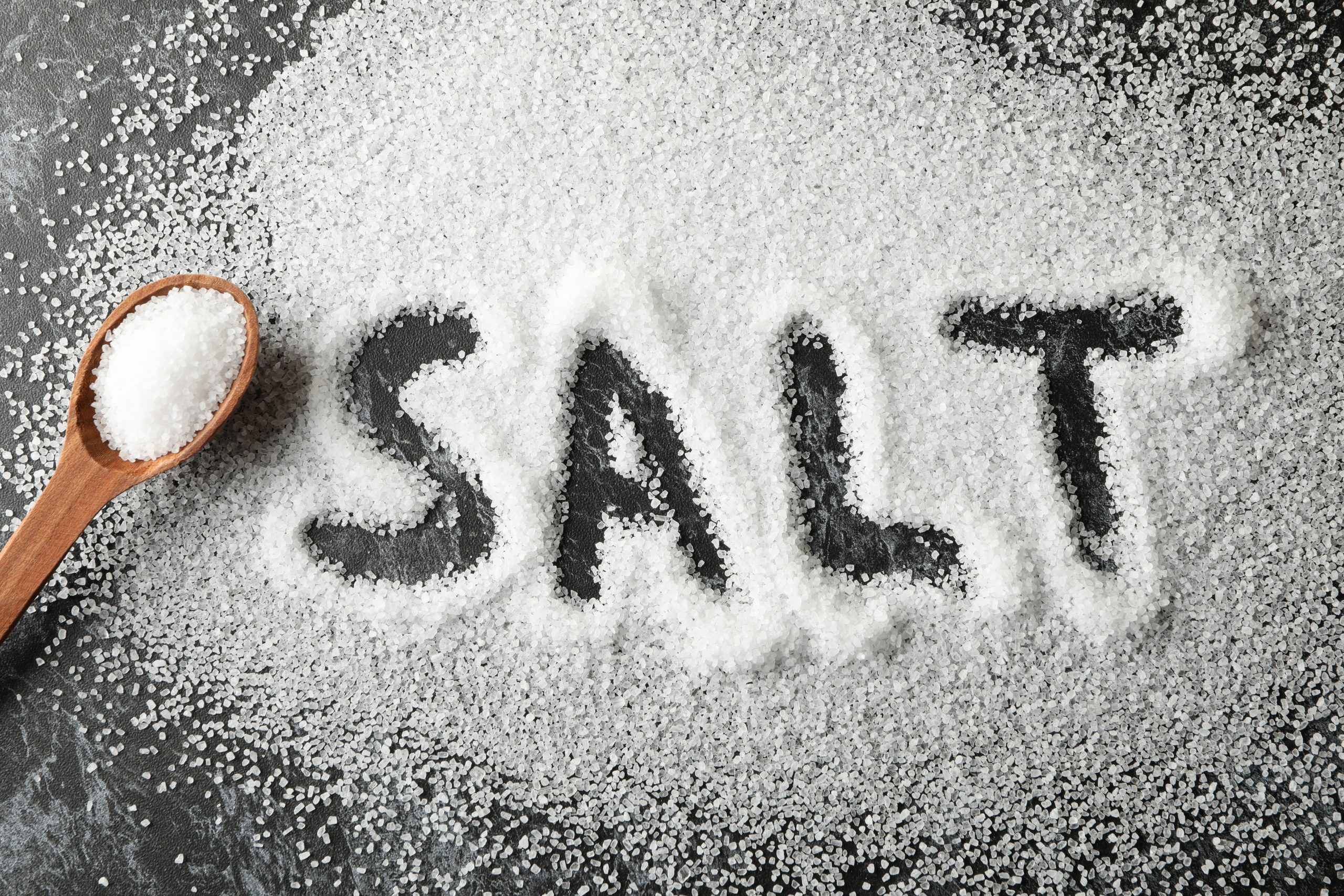
SaltWe all know that salt is an essential ingredient in our food. It’s hard to imagine a meal without it! But what exactly is salt, and why is it so important? While most of us are familiar with table salt, there are some fascinating facts about salt that you might not know. Let’s dive into the world of salt and uncover its role in our lives.

What is Salt?

Salt is made from sodium, a naturally occurring mineral, and is a major ingredient used worldwide. Most of the sodium we consume is in the form of sodium chloride, commonly known as table salt. But salt is more than just a seasoning—it plays a vital role in our health and daily lives.

Interesting facts about Salt

  1. Widely used Additive
    • Salt is one of the first food additives and seasonings used by humans. Today, it’s one of the most widely used additives, second only to sugar in the amount added to food.
  2. Too much salt is harmful
    • While salt is necessary for human life, over consumption can lead to health issues like high blood pressure, hypertension, and heart disease. On the other hand, consuming too little salt can cause hypotension.
    • High blood pressure is a major risk factor for heart disease, stroke, and kidney disease. However, sodium intake alone isn’t the sole cause—factors like family history, weight, race, physical fitness, and smoking also play a role.
  3. How Much Salt Should You Consume?
    • Under normal conditions, a person needs about 2500 milligrams of sodium daily, which is roughly half a teaspoon of salt.
  4. Replenishing Salt
    • During conditions like excessive sweating (from workouts, sports, or trekking), diarrhea, or vomiting, sodium is lost, and the body’s need for it increases. This increased need can usually be met through diet, as the average diet already contains more sodium than required.

Sources of Sodium

  1. Table salt and seasoning:
    • Sodium is often added to foods during preparation in the form of table salt, monosodium glutamate (MSG), sea salt, black salt, or rock salt. One level teaspoon of salt contains about 2000 milligrams of sodium.
  2. Processed foods:
    • Salt and sodium-containing additives are commonly found in processed foods like chips, salted nuts, pickles, sauces, and ketchup. These additives also help preserve food.
  3. Natural sources:
    • All animal-based foods naturally contain sodium. Most fresh fruits and vegetables also have small amounts of sodium.
  4. Medicines:
    • Some over-the-counter drugs and medications contain sodium, so it’s important to check labels if you’re monitoring your sodium intake.

The Role of Salt in Health

Experts believe that while cutting down on salt may not prevent high blood pressure, it can help lower blood pressure for people who are “salt-sensitive.” A low-salt diet, combined with weight loss, medication, or other lifestyle changes, can effectively control high blood pressure.

Salt is a tasty and essential ingredient in our daily cooking, but moderation is key. Use it wisely to stay healthy. For instance, switching to rock salt can help keep blood pressure in check.

We hope this article equips you with valuable insights into the role of salt in your life. If you found this information helpful, we’d love to hear your thoughts in the comments below.

#BeTheForce

Disclaimer: The information provided in this blog is for general awareness and educational purposes only. It is not intended to replace professional medical advice, diagnosis, or treatment. Always consult a qualified healthcare provider for personalised medical guidance or concerns related to your health.

September 14, 2016 By Saba Mirza 4 Comments

Know about ‘PROCESSED’ foods and its harmful effects

425-food-bad-effects-of-fast-foods

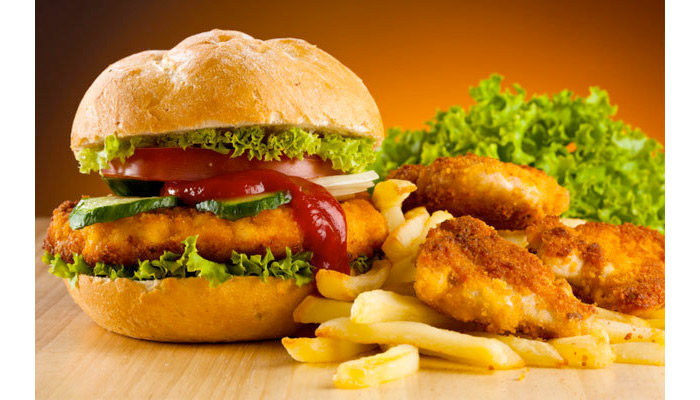
Processed foods are something we humans cannot seem to stay away from. What starts with saying “once in a while,” invariably becomes an addiction that cannot be given up easily.

Why are they so hard to refuse? First off…the term ‘Processed foods’ can be a bit ambiguous. It can encompass foods that is commercially prepared to ease their consumption. Given that vague definition…it’s important to note that not all the processed food are bad. Some foods, for example,are “processed” mechanically and are still considered “whole foods.” One good example of this would be like packed, chopped vegetables, fruits cut and packed would be another example. In their own juices are few examples.

For the purposes of this article, we are referring to foods that are industrially processedand chemically altered in a fairly significant way.

In other words, the foods we are concerned about include:

  • Instant noodles (& please keep in mind..am not just talking about maggi!!)
  • Chips such as potato chips.
  • Pretzels
  • Beverages such as soft drinks, juices
  • Fast food
  • Candies,
  • Cookies
  • Canned products such as soups and pasta
  • All ready to cook food items like ready to cook soup packets, oats, and pasta
  • Packaged mixes like cake mixes, mac & cheese, brownie mixes and different gravymixes

In other words, when I say “processed food” I’m primarily referring to those foods considered “junk food.”

But It’s Just Food. What Could Possibly be the harm in Eating Food?

It’s a fair question to ask. After all…why should we avoid them if our FDA has approvedall these products in the market and deemed them “safe” for consumption?

Well…the thing is “safe” is a relative term. The FDA has found it to be true that none of these foods will kill you on the spot but that doesn’t mean they won’t cause cumulative harm in the long term. Nor does it mean it won’t disrupt your health…

Here is why you should run away from all these devils…

A) TRANS-FATS: (http://goqii.com/blog/trans-fat-the-biggest-enemy-of-your-heart/)

This should be the single most pressing reason for you to leave all your favorite noodles and chips.. But what are Trans-Fats, anyway?

  • Trans-fats are the hydrogenated oils which after processing act as saturated fats. Have youever noticed that vegetable oils are liquid? But butter is solid? A trans-fat is a fat that began as aliquid, but by changing the chemical structure of the oil, became a hardened fat. Think…margarine.
  • They are considered as the most dangerous fats more harmful than saturated fats.
  • They increases the levels of bad cholesterol (LDL) and decreases good cholesterol (HDL) thus making you more prone to heart diseases,hypertension.

SO WHY FDA IS ALLOWING THEM IN THE FOOD?

Yes, FDA has made it mandatory for all the food companies to mention trans-fat levels on their nutritional labels.But a ‘zero’ level of trans-fat doesn’t indicate that the product is completely trans-fat free.The products which contain trans-fat below 0.5g are free permitted to omit or to market it as ‘trans-fat free’,So, a product which is containing 0.4g of trans fat can claim is as ‘trans-fat’ free…But 0.4 g is a significant level to be harmful (at least cumulatively)and, moreover, we don’t stop with a single serving of these items.

How often have you foundyourself opening a bag of potato chips only to find you have dug your way through half the bag?That’s well over a single serving. And that double serving will for sure make a huge impact.. Thus, even if a package says it is “free of trans fats” – check the ingredient list. Make sure it doesn’t say “hydrogenated oils” in the list. Any hydrogenated oil is a trans-fat.

WHICH FOODS CONTAIN TRANS-FATS?

You’re most likely to find them in processed foods which are either fried or processed in fat or oil. Trans-fats tend to be cheaper to make, so you’ll also find them in low-cost foods like instant noodles,chips, and ready- to- make flour mixes. Another section to keep an eye on is in the bakery. They are often put in cookies, cakes,and breads made in stores. Trans-fats can help preserve these foods longer, so it makes for a useful ingredient for those making them behind the scenes.

B) SUGAR: (http://goqii.com/blog/are-you-a-sugar-addict/). Most of the processed foods contain very high amount of sugar. In many cases, a single serving of these packaged foods contain a sugar amount that is higher than the recommended daily intake of sugar. That’s right. That one serving of cake from the store may have more than the total daily amount of sugar that you should consume.

For example. A half litreof coke contains 70g of sugar..this means you are taking in

12-14 teaspoons of sugar you are drinking in one go!!! Why should you worry about this?

Read this earlier blog on Sugary drinks: (http://goqii.com/blog/hidden-dangers-of-sugary-drinks/) Well…high amounts of sugar in our diet is linked with Diabetes, heart disease and even cancer.That’s true even if you stay lean and manage your weight.

A study published in the British Medical Journal finds that people in the habit of drinking one sugar-sweetened beverage — such as a soda or sweetened tea — every day had an 18 percent increased risk of developing the disease over a decade. That’s compared with people who steer clear of sugary beverages.

C) SODIUM: (http://goqii.com/blog/salty-facts/)

We derive our daily sodium dose from the common salt we use in our kitchen. As we all know, there are harmful side effects associated with an excess dose of sodium including hypertension,water retention, and kidney dysfunction.We should take sodium in limited amounts.

The upper safe limit to take sodium is 2200 mg/day …which we are able to get from whole food sources such as meats, beans, dairy, grains and even some vegetables.

Almost all the processed foods contain relatively high amounts of sodium. It makes sense! Doing so increases the flavor as well as the shelf life of the product. That’s great news for the company trying to sell the food…and but, as a single serving of most of these products often cover more than half of your recommended daily intake, it’s not really good news for you or for your health.

D) FIBER CONTENT: (http://goqii.com/blog/finding-health-through-fiber/) Most processed foods lose their fiber contents during all those chemical processes. Fiber makes the food harder to cook. Removing it makes their preparation easier. Again – that is great for the food industry, but it’s NOT so good for your health. They turn a profit. All you are left with are empty calories without any nutritional value.

Bottom Line:

Almost all the junk foods are devoid of any nutritional value,contain very harmful substances (or substances in higher amounts than our bodies need) making you prone to different life style diseases like hypertension,obesity,cardiac disorders and type 2 diabetes.

So stay away from them and go for real food!!

Search

Recent Posts

  • Healthy Eating: Paneer Stuffed Palak Paratha
  • 5 Simple Lifestyle Changes To Manage Hypertension
  • Vegging Out: My Unexpected Journey to Veganism
  • Natural Skincare For Healthy, Glowing Skin!
  • The Early Signs & Symptoms of Diabetes

Stay Updated

Archives

  • November 2025 (3)
  • October 2025 (20)
  • September 2025 (6)
  • August 2025 (6)
  • July 2025 (12)
  • June 2025 (18)
  • May 2025 (16)
  • April 2025 (23)
  • March 2025 (24)
  • February 2025 (23)
  • January 2025 (26)
  • December 2024 (26)
  • November 2024 (25)
  • October 2024 (22)
  • September 2024 (24)
  • August 2024 (31)
  • July 2024 (22)
  • June 2024 (27)
  • May 2024 (31)
  • April 2024 (27)
  • March 2024 (29)
  • February 2024 (26)
  • January 2024 (26)
  • December 2023 (17)
  • November 2023 (14)
  • October 2023 (23)
  • September 2023 (23)
  • August 2023 (21)
  • July 2023 (22)
  • June 2023 (24)
  • May 2023 (25)
  • April 2023 (24)
  • March 2023 (23)
  • February 2023 (20)
  • January 2023 (16)
  • December 2022 (12)
  • November 2022 (15)
  • October 2022 (15)
  • September 2022 (13)
  • August 2022 (11)
  • July 2022 (17)
  • June 2022 (11)
  • May 2022 (10)
  • April 2022 (6)
  • March 2022 (6)
  • February 2022 (13)
  • January 2022 (12)
  • December 2021 (7)
  • November 2021 (3)
  • October 2021 (6)
  • September 2021 (3)
  • August 2021 (8)
  • July 2021 (7)
  • June 2021 (15)
  • May 2021 (16)
  • April 2021 (10)
  • March 2021 (7)
  • February 2021 (4)
  • January 2021 (4)
  • December 2020 (3)
  • November 2020 (4)
  • October 2020 (10)
  • September 2020 (3)
  • August 2020 (3)
  • July 2020 (2)
  • June 2020 (4)
  • May 2020 (10)
  • April 2020 (12)
  • March 2020 (10)
  • February 2020 (4)
  • January 2020 (4)
  • December 2019 (3)
  • November 2019 (7)
  • October 2019 (5)
  • September 2019 (4)
  • August 2019 (9)
  • July 2019 (9)
  • June 2019 (11)
  • May 2019 (4)
  • April 2019 (9)
  • March 2019 (8)
  • February 2019 (9)
  • January 2019 (8)
  • December 2018 (9)
  • November 2018 (3)
  • October 2018 (3)
  • September 2018 (5)
  • August 2018 (10)
  • July 2018 (6)
  • June 2018 (13)
  • May 2018 (8)
  • April 2018 (18)
  • March 2018 (9)
  • February 2018 (8)
  • January 2018 (15)
  • December 2017 (12)
  • November 2017 (19)
  • October 2017 (13)
  • September 2017 (15)
  • August 2017 (4)
  • July 2017 (8)
  • June 2017 (7)
  • May 2017 (6)
  • April 2017 (8)
  • March 2017 (6)
  • February 2017 (7)
  • January 2017 (9)
  • December 2016 (10)
  • November 2016 (7)
  • October 2016 (7)
  • September 2016 (7)
  • August 2016 (11)
  • July 2016 (9)
  • June 2016 (9)
  • May 2016 (12)
  • April 2016 (17)
  • March 2016 (17)
  • February 2016 (8)
  • January 2016 (6)
  • December 2015 (2)
  • November 2015 (9)
  • October 2015 (7)
  • September 2015 (9)
  • August 2015 (11)
  • July 2015 (9)
  • June 2015 (12)
  • May 2015 (9)
  • April 2015 (13)
  • March 2015 (8)
  • February 2015 (5)
  • January 2015 (12)
  • December 2014 (14)
  • November 2014 (11)
  • October 2014 (6)
  • September 2014 (13)
  • August 2014 (12)
  • July 2014 (6)
  • June 2014 (2)
  • May 2014 (7)
  • April 2014 (5)

From “Laddu Nawin” to Fit and Fierce: How a 25-Year-Old Insurance Advisor Shed 20 Kilos and Gained His Life Back

When 25-year-old Nawin Yadav from Hyderabad walked into his office every morning, he carried more than just his files and policy papers. He had the weight of fatigue, sluggish energy, and an ever-growing belly that was becoming the butt of jokes. “People … [Read More...]

“I’ve Challenged Myself to Live 100 Years” – The Story of Chandubhai Savani’s Second Chance at Life

At 67, most people start slowing down. Not Chandubhai Savani. A resident of Surat, Chandubhai, thought life was on track. “My life was going well till I had my bypass surgery,” he says. That surgery, back in 2021, was a wake-up call.  Medication was routine, but exercise wasn’t. His diet? What he calls ‘normal.’ “I […]

From Shimla’s Slopes to Chandigarh’s Sidewalks: Surinder Kaur Bhalla’s Journey from Chaos to Control

Some journeys start with a plan. Others begin with a stumble literally. Surinder Bhalla, a government professional, born and raised in the scenic hill town of Shimla, had always lived a life of movement. “In Shimla, you walked everywhere,” she reflects. “Walking was never an exercise. It was just life.” But after shifting to Chandigarh, […]

Ananda Mukherjee Health Story

From Terminal Illness To Complete Wellness! Ananda Mukherjee Health Story

As we observe World Cancer Day under the powerful theme ‘United by Unique’ (2025-2027)**, we are reminded that every individual’s journey with cancer is distinct, yet united by shared resilience, hope, and the collective fight against this disease. This theme places people at the centre of care and their stories at the heart of the […]

  • HOME
  • HEALTHY LIVING
  • FITNESS
  • HEALTHY RECIPES
  • USER STORIES
  • KARMA
  • BUY GOQii

Copyright ©2016 GOQii


