GOQii

Blog

  • HOME
  • HEALTHY LIVING
  • FITNESS
  • HEALTHY RECIPES
  • USER STORIES
  • KARMA
  • BUY GOQii

December 2, 2025 By Parveen Nake 3 Comments

What Gestational Diabetes Can Do To You & Your Unborn Child

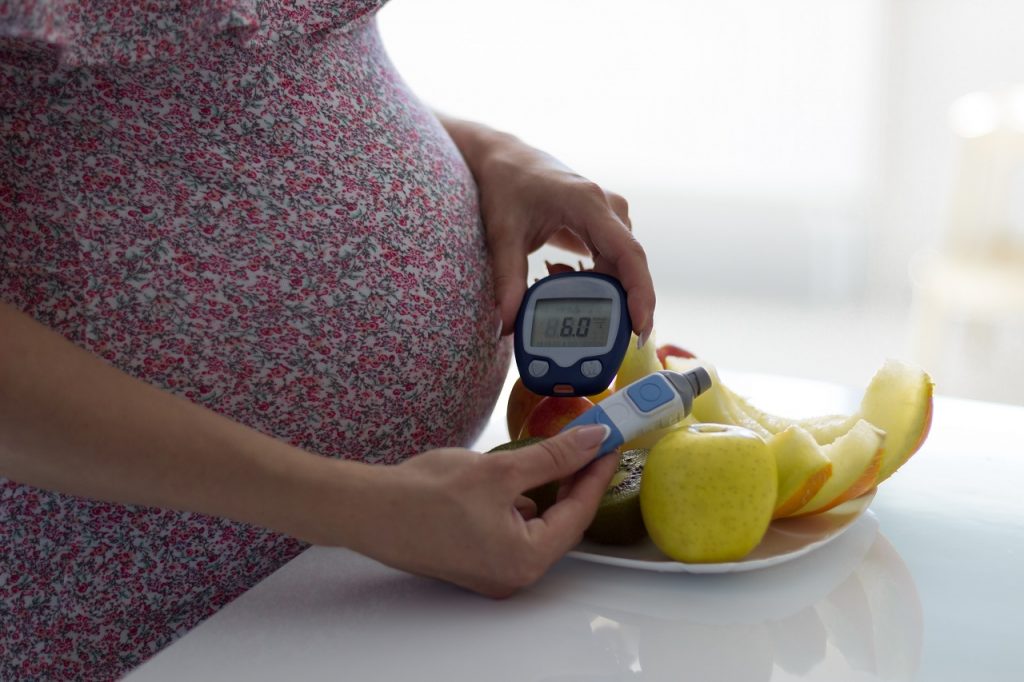
Gestational DiabetesWe all know about Diabetes Mellitus to some extent as Diabetes Mellitus is a chronic metabolic disorder that prevents the body from utilising glucose completely or partially. It is characterised by raised glucose concentration in the blood and alterations in carbohydrate, protein and fat metabolism. But have you ever heard of Gestational Diabetes or Pregnancy Diabetes?

Gestational Diabetes is a high blood sugar (glucose) condition that develops during pregnancy and usually disappears after giving birth. It can happen at any stage of pregnancy, but is more common in the second or third trimester. Insulin requirements goes up one to three times in pregnancy. During normal pregnancy the level of plasma insulin is raised by the action of placental hormones thus placing a burden on the insulin secreting cells of the pancreatic islets. The pancreas may be unable to meet these demands in women genetically predisposed to develop both types of diabetes. Long term studies show that some 80% of women with gestational diabetes ultimately develop permanent clinical diabetes requiring treatment.

What Causes Gestational Diabetes?

The causes of Gestational Diabetes is not known clearly yet. Some, but not all women with gestational diabetes are found to be overweight before getting pregnant or have a family history of diabetes. It is more common in Native American, Alaskan Native, Asian and Black women, but white women may develop it due to poor lifestyle.

Are There Tests to Determine it?

Oral glucose tolerance test (OGTT) is a confirmatory test. The OGTT measures blood glucose after you fast for at least 8 hours. Firstly, the blood sample is drawn in fasting state. Then, 75g of glucose dissolved in 250-300 ml of water is given, Lemon juice may be added for flavour and to prevent nausea. Then the blood specimens are collected every 30 mins for 2-3 hours after the administration of glucose.

High blood glucose levels at any two or more blood test times – Fasting, 1 hour, 2 hours or 3 hours – mean you have Gestational diabetes.

Complications During Pregnancy

If blood sugar is not controlled, it can lead to problems for both maternal and foetal health. Uncontrolled diabetes during the first trimester of pregnancy increases the risk of abortions and congenital malfunctions in the foetus. Some of the major consequences are:

  • High Blood Pressure (Preeclampsia): Preeclampsia is a potentially dangerous pregnancy complication characterised by high blood pressure. Due to the high blood pressure levels of the mother, the protein in urine spikes up and swelling in fingers and toes and lower body persists. High blood pressure can be harmful to both – the mother and the unborn baby. It might lead to the baby being born early and also could cause seizures or a stroke (a blood clot or a bleed in the brain that can lead to brain damage) in the woman during labour or delivery.
  • An Extra Large Baby: Uncontrolled Diabetes in the mother causes the baby’s blood sugar to be high. The baby tends to “overfeed” and grows extra-large. Besides, causing discomfort to the mother, it can lead to problems during delivery causing prolonged labour pain which might need a C-section to deliver the baby. The baby can be born with nerve damage due to pressure on the shoulder during delivery.
  • Low Blood Sugar (Hypoglycaemia): People with diabetes who take insulin or other medications can develop blood sugar that is too low or hypoglycaemia. Low blood sugar can be very serious and even fatal if not treated quickly.

How to Manage Gestational Diabetes

The main modes of treatment of Gestational Diabetes include:

1. Eating a Healthy Diet: Dietary measures are an essential part of the treatment of diabetic patients whether they are on diet alone or on metformin drug or insulin. Carbohydrate restriction impairs insulin sensitivity and reversed by high carbohydrate diet but it needs to be maintained between 60-65% of total calories. So include more complex carbohydrates or polysaccharides like Multi-grain flour, Oats, Muesli, Granola, Amaranth, Pearl Millet (Bajra), Finger Millet (Ragi), Quinoa, etc. Studies have shown that raising carbohydrates does not adversely affect the fasting blood glucose levels, glucose tolerance or insulin requirements provided that total calories are not increased.

Along with carbs, include more protein-rich foods like pulses and lentils, Kidney beans (Rajma), Soya Bean, peas, beans, peanuts, milk and dairy products like yogurt, buttermilk, cottage cheese (paneer), eggs, chicken, etc. to ensure weight gain and prevent osteomalacia during pregnancy. Inclusion of fibre like fruits and green leafy vegetables are must as it improves glucose metabolism without increasing insulin secretion. It increases the intestinal transit-time, delay gastric emptying slow glucose absorption.

2. Drugs or Insulin Treatment: Metformin or Insulin therapy is the accepted medical management of gestational diabetes. Insulin is the first drug of choice and metformin can be considered after 20 weeks of gestation. Insulin must be taken without delay if it is suggested by the doctor.

3. Exercise: Stay Active to help keep your blood sugar under control. Exercise regularly – before, during and after pregnancy. Moderate exercise such as brisk walking for 30mins a day for 5 times a week is a good goal to set.

4. Monitoring Blood Sugar Often: Be aware that your blood sugar can change very quickly, becoming too high or too low depending on what you eat and how much you exercise and your growing baby’s blood sugar also varies several times during the day. Check your blood sugar level as often as directed by the doctor and any time you have symptoms.

By adopting these measures one can enjoy a healthy Antenatal period. For more articles on managing Diabetes, check out Healthy Reads or for further information or guidance, reach out to our certified experts by subscribing to GOQii’s Personalised Health Coaching here.

#BeTheForce

Disclaimer: The information provided in this blog is for general awareness and educational purposes only. It is not intended to replace professional medical advice, diagnosis, or treatment. Always consult a qualified healthcare provider for personalised medical guidance or concerns related to your health. Images shown are for representation purposes only and may not depict the exact recommendations or outcomes.

March 15, 2025 By Dr Manali Rao 5 Comments

Hypertension in Pregnancy: What Every Mother-to-Be Should Know

pregnant-womenPregnancy is a beautiful journey, but it also comes with its share of challenges. Among them, high blood pressure (hypertension) is one of the most common concerns for expectant mothers. Whether it’s your first pregnancy or you’ve experienced complications before, understanding hypertension during pregnancy can help you stay in control and safeguard both your health and your baby’s well-being.
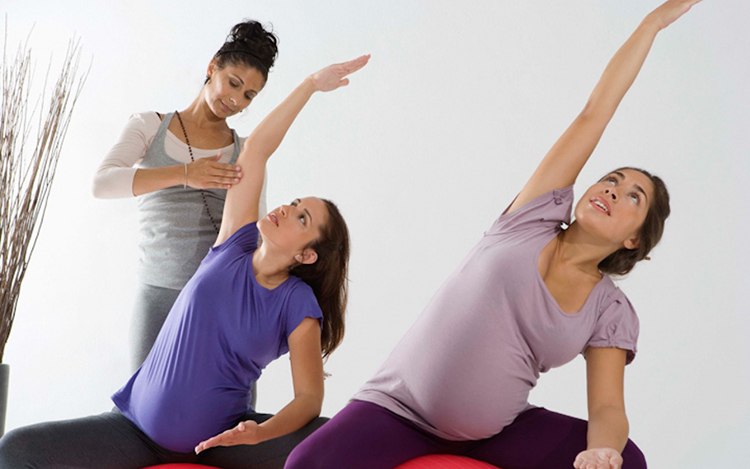


Some women experience pregnancy-induced hypertension (PIH), which can develop after 20 weeks of pregnancy. If left unchecked, it can lead to complications such as pre-eclampsia, placental abruption, or preterm delivery. However, with early detection, lifestyle changes, and medical support, most women can manage their blood pressure effectively and have a healthy pregnancy.

What is Pregnancy Induced Hypertension (PIH)?

PIH refers to newly developed hypertension during pregnancy, without the presence of protein in the urine or other symptoms of pre-eclampsia. Hypertension is defined as blood pressure higher than 140/90 mmHg. It can have serious effects on both mother and baby if not monitored properly.

Causes & Risk Factors of PIH

There is no single cause of PIH, but several factors can increase your risk:

  • Being overweight or obese
  • Lack of physical activity
  • Smoking or alcohol consumption
  • Family history of hypertension or PIH
  • Previous history of PIH in past pregnancies
  • Multiple pregnancy (twins or more)
  • Maternal age (below 18 or over 35 years old)
  • Pre-existing diabetes, kidney disease, or high blood pressure
  • Living with a single kidney
  • IVF pregnancies
  • Placental abnormalities

Types of Hypertension in Pregnancy

  • Gestational Hypertension:​
    Develops after 20 weeks of pregnancy, with high blood pressure but no protein in the urine or organ damage. Some women with gestational hypertension may develop pre-eclampsia later in pregnancy.
  • Chronic Hypertension:​
    High blood pressure present before pregnancy or occurring before 20 weeks of gestation. This type may go undiagnosed if regular BP checks were not done before pregnancy.
  • Chronic Hypertension with Superimposed Pre-Eclampsia:
    Women with chronic hypertension who develop worsening blood pressure, protein in the urine, or other complications during pregnancy.
  • Pre-Eclampsia:​
    A serious pregnancy complication that includes high blood pressure, proteinuria (protein in the urine), and signs of organ damage. If left untreated, it can lead to severe complications for both mother and baby.
  • Eclampsia:
    A severe form of pre-eclampsia that leads to seizures, which can be life-threatening for both mother and baby.

Symptoms of PIH & Pre-Eclampsia

Look out for the following warning signs:

  • Severe headaches
  • Blurred vision or sensitivity to light
  • Pain in the upper abdomen (under the ribs, right side)
  • Nausea or vomiting
  • Sudden swelling in the face, hands, or feet
  • Decreased urine output
  • Shortness of breath (fluid in the lungs)
  • Dizziness or fainting spells
  • Spots or flashes before your eyes
  • Blood in urine
  • Decreased levels of platelets in your blood (thrombocytopenia)
  • Impaired liver function

If you experience any of the symptoms mentioned, immediately report to your Gynecologist or health care provider.

Complications of PIH

If left unmanaged, hypertension in pregnancy can lead to:

  1. Preterm Labour: Premature birth due to complications.
  2. Placental Abruption: The placenta partially or completely separates from the uterus before birth, depriving the baby of oxygen and nutrients.
  3. Intrauterine Growth Restriction (IUGR): The baby may have restricted growth due to reduced blood supply.
  4. Organ Damage: Liver, kidney, and blood clotting issues.
  5. Stillbirth (IUD – Intrauterine Death): In severe, untreated cases.
  6. Postpartum Hypertension: Some women may continue to experience high blood pressure after delivery, requiring continued medical care.

Managing PIH for a Healthy Pregnancy

  • Follow Your Doctor’s Advice – Attend all antenatal appointments and take prescribed medications as directed.
  • Rest as Advised – Your doctor may recommend bed rest depending on your blood pressure.
  • Manage Stress – Meditation, deep breathing, and engaging in relaxing activities can help.
  • Reduce Salt Intake – Cut down on processed foods, salty snacks, and added table salt.
  • Eat a Nutritious Diet – Prioritise whole grains, fruits, vegetables, lean proteins, and healthy fats.
  • Stay Active – Engage in light exercises such as walking or prenatal yoga if approved by your doctor.
  • Stay Hydrated – Drink plenty of water to maintain proper circulation.
  • Monitor Your Blood Pressure – Regularly check your BP at home and report any concerns to your doctor.

Maintaining a healthy blood pressure throughout pregnancy is crucial for both maternal and foetal well-being. Early detection, lifestyle modifications, and regular medical check-ups can help prevent complications.

  1. Start healthy habits before pregnancy to reduce your risk of PIH.
  2. Listen to your body and report any unusual symptoms to your doctor.
  3. Prioritise a balanced lifestyle with a nutritious diet, regular movement, and stress management.
  4. Remember, a Healthy Mother = a Healthy Baby!

💬 Have you experienced hypertension during pregnancy? Share your experience in the comments below!

#BeTheForce 

Disclaimer: The information provided in this blog is for general awareness and educational purposes only. It is not intended to replace professional medical advice, diagnosis, or treatment. Always consult a qualified healthcare provider for personalised medical guidance or concerns related to your health.

August 18, 2024 By Apurwa Agrawal 3 Comments

Antenatal Exercises for a good pregnancy

safe-pregnancy-exercises

One of the most beautiful experiences a woman can have is that of being pregnant. However, a first-time pregnancy often brings with it a lot of uncertainty and hesitancy. To ease this pressure, I decided to share my experience of pregnancy and how I overcame the uncertainties and other challenges.

Ideally, a woman should enjoy her pregnancy, indulging herself without being overly concerned with the weighing scale. I understand that the body undergoes several changes during this period, which can create mental and physical stress. Hormonal changes also occur, with one of the major hormones, RELAXIN, causing joint to become hypermobile and increasing ligament laxity, which can lead to pain and inflammation.

How Do We Balance This Situation with Recommendations for Pregnancy?

Just two words – Prenatal Exercises

Yes, you heard it right!

A sensible workout plan and willpower during pregnancy were key for me. Being open to maintaining self-control and moderation with indulging truly made all the difference.

It is recommended that women who have normal, healthy pregnancy should get 30 minutes of exercise on most days of the week (at least 5 days).

Let’s take a look at how these exercises help during pregnancy:

  • Reduces aches and pains during pregnancy
  • Improves stamina and provides more energy to cope with the growing demands of pregnancy
  • Improves posture and sleeping patterns
  • Helps in more controlled weight gain
  • Increases the chance of a normal delivery
  • Enhances psychological well-being
  • Increases circulation, thereby reducing swelling and edema
  • Reduces the risk of gestational diabetes and pregnancy-induced hypertension

Keep these tips in mind while exercising:

  • Always warm up before exercising, and cool down afterward
  • Avoid any strenuous exercise in hot weather
  • Drink plenty of water and other fluids
  • If you attend exercise classes, make sure your instructor is properly qualified and knows that you’re pregnant including how many weeks pregnant you are
  • Swimming is a good cardio exercise as the water supports your increased weight, but it should be done under the supervision of a professional trainer.

If you’ve never worked out before, start slowly. Listen to your body and proceed accordingly. There’s no point in rushing and risking injury. Additionally, there are certain situations in which you should stop exercising immediately:

  • Excessive shortness of breath
  • Chest pain or palpitations
  • Pre-syncope or dizziness
  • Painful uterine contractions or preterm labour
  • Leakage of amniotic fluid
  • Vaginal bleeding
  • Excessive fatigue
  • Abdominal pain, particularly in back or pubic area
  • Reduced fetal movement.

I hope this blog encourages you to maintain or increase your fitness level during pregnancy. I’ll be sharing my workout routine in my next blog for you to use as a reference or adopt if you feel so inclined. Until then, stay tuned, and feel free to comment if you have any questions and don’t forget to share it with someone who may need it. You can find more articles on Women’s Health here. You can also use the Women’s Care feature in the GOQii App to track your menstrual cycles, pregnancy and more. Download the app now.

#BeTheForce 

Disclaimer: The information provided in this blog is for general awareness and educational purposes only. It is not intended to replace professional medical advice, diagnosis, or treatment. Always consult a qualified healthcare provider for personalised medical guidance or concerns related to your health.

January 12, 2024 By Nilakhi Nath 3 Comments

5 Exercises a woman must do during pregnancy

exercises-during-pregnancy1

Pregnancy brings a new meaning to the life of a Woman and it is a period of immense joy and excitement. Carrying a soul within you is a magnificent feeling. An angel within you gives you a new reason to live, to feel motivated, to get inspired and surely to smile and bless the world with all the positivity.

These 9 months are so special and important that people around you are as happy and concerned about your well being as you are. So, let me share some very important points to make your pregnancy a healthy and a happy one.

To keep yourself healthy during this period, you must remain active. Here are the 5 most important exercises a woman must do throughout her Pregnancy. 

  • Walking: One of the easiest things to do to keep you active is Walking. The best part is that you do not require any equipment except for a pair of good shoes. It can be done anytime, anywhere and all throughout your pregnancy. Carry a bottle of water and off you go walking.
  • Stretching: It is one of the most important exercises a pregnant woman is advised to do by her doctor.The reason behind it is that during pregnancy certain muscle groups become weak due to inactivity also less movement of a muscle leads to shortening and tightening of the muscle. Hence, to avoid the shortening of the muscle or the muscle group, a woman must do stretching every day before and after her workout. Stretching the neck, back and chest and legs helps to relieve the aches and fatigue.
  • Butterfly Pose: Butterfly pose is a deep inner thigh and groin stretch. This is the stretch which is going to help you the most during the last stages of pregnancy and you will thank yourself for doing it every day during this period. Bend your knees and place the soles of your feet together. Slide the feet closer to your groin and allow your knees to widen away from each other towards the floor. Hinge forward at the waist and fold forward towards your feet while keeping your spine straight. Breathe deeply and hold the pose between 30 seconds to five minutes.
  • Cat and Camel Pose: This pose is helpful in maintaining the flexibility of your spine and also will be strengthening your back. Get down on all fours on your mat. Place your hands directly below your shoulders. Now lift your buttocks up towards the ceiling so that your lower back is concave. As you do this your head will lift up naturally towards the ceiling. Now round your back like the hump of a camel and roll your head towards your chest.
  • Child Pose: One of the most relaxing posse in Yoga. It is safe to be done in any stage of Pregnancy with some modifications. It lengthens the spine and also is a great hip opener.   Come into the posture by kneeling on both knees at a slightly wide but, comfortable distance apart from one another. This distance should be wider than hips width. No need to obsess about the distance, you can always adjust once in the pose to whatever feels comfortable. Then sit on your heels (which should be facing up), and lean forward slowly with your body, walking your arms out long in front of you. Make sure you are breathing as you come into the pose and are not holding your breath, especially if you are feeling any sensation or even pain at this point. Keep breathing normally for as long as you are holding the pose. You can keep a pillow under your belly, knee and feet for a good support. Slowly walk your arms under you and release the pose.

These are the five most easy and beneficial exercises a pregnant woman must do to have a safe and healthy pregnancy.

Remember to have a word with your doctor before you start practicing any of the above mentioned exercises. Your doctor’s consent is must for your healthy pregnancy and a healthy baby.

If you found this information helpful, we’d love to hear your thoughts in the comments below. Find more articles on Women’s Health here. For further information or guidance, reach out to our certified experts by subscribing to GOQii’s Personalised Health Coaching here.

#BeTheForce

  • 1
  • 2
  • 3
  • Next Page »

Search

Recent Posts

  • PCOS and Anxiety: Discover Relief with the 54321 Technique
  • Navigating the Maze of Nutrition: Finding Clarity Amidst Confusion
  • Get children active and keep them healthy
  • What Gestational Diabetes Can Do To You & Your Unborn Child
  • Breathing – A Forgotten Art

Stay Updated

Archives

  • December 2025 (4)
  • November 2025 (15)
  • October 2025 (20)
  • September 2025 (6)
  • August 2025 (6)
  • July 2025 (12)
  • June 2025 (18)
  • May 2025 (16)
  • April 2025 (23)
  • March 2025 (23)
  • February 2025 (22)
  • January 2025 (26)
  • December 2024 (26)
  • November 2024 (25)
  • October 2024 (22)
  • September 2024 (24)
  • August 2024 (31)
  • July 2024 (21)
  • June 2024 (26)
  • May 2024 (31)
  • April 2024 (27)
  • March 2024 (29)
  • February 2024 (26)
  • January 2024 (25)
  • December 2023 (15)
  • November 2023 (11)
  • October 2023 (22)
  • September 2023 (22)
  • August 2023 (20)
  • July 2023 (22)
  • June 2023 (24)
  • May 2023 (24)
  • April 2023 (24)
  • March 2023 (23)
  • February 2023 (20)
  • January 2023 (16)
  • December 2022 (12)
  • November 2022 (15)
  • October 2022 (15)
  • September 2022 (12)
  • August 2022 (10)
  • July 2022 (17)
  • June 2022 (11)
  • May 2022 (10)
  • April 2022 (6)
  • March 2022 (6)
  • February 2022 (13)
  • January 2022 (12)
  • December 2021 (7)
  • November 2021 (3)
  • October 2021 (6)
  • September 2021 (3)
  • August 2021 (8)
  • July 2021 (7)
  • June 2021 (15)
  • May 2021 (16)
  • April 2021 (10)
  • March 2021 (7)
  • February 2021 (4)
  • January 2021 (4)
  • December 2020 (3)
  • November 2020 (4)
  • October 2020 (10)
  • September 2020 (3)
  • August 2020 (3)
  • July 2020 (2)
  • June 2020 (4)
  • May 2020 (10)
  • April 2020 (12)
  • March 2020 (10)
  • February 2020 (4)
  • January 2020 (4)
  • December 2019 (3)
  • November 2019 (7)
  • October 2019 (5)
  • September 2019 (4)
  • August 2019 (9)
  • July 2019 (9)
  • June 2019 (11)
  • May 2019 (4)
  • April 2019 (9)
  • March 2019 (8)
  • February 2019 (9)
  • January 2019 (8)
  • December 2018 (9)
  • November 2018 (3)
  • October 2018 (3)
  • September 2018 (5)
  • August 2018 (10)
  • July 2018 (6)
  • June 2018 (13)
  • May 2018 (8)
  • April 2018 (18)
  • March 2018 (9)
  • February 2018 (8)
  • January 2018 (15)
  • December 2017 (12)
  • November 2017 (19)
  • October 2017 (13)
  • September 2017 (15)
  • August 2017 (4)
  • July 2017 (8)
  • June 2017 (7)
  • May 2017 (6)
  • April 2017 (8)
  • March 2017 (6)
  • February 2017 (7)
  • January 2017 (9)
  • December 2016 (10)
  • November 2016 (7)
  • October 2016 (7)
  • September 2016 (7)
  • August 2016 (11)
  • July 2016 (9)
  • June 2016 (9)
  • May 2016 (12)
  • April 2016 (17)
  • March 2016 (17)
  • February 2016 (8)
  • January 2016 (6)
  • December 2015 (2)
  • November 2015 (9)
  • October 2015 (7)
  • September 2015 (9)
  • August 2015 (11)
  • July 2015 (9)
  • June 2015 (12)
  • May 2015 (9)
  • April 2015 (13)
  • March 2015 (8)
  • February 2015 (5)
  • January 2015 (12)
  • December 2014 (14)
  • November 2014 (11)
  • October 2014 (6)
  • September 2014 (13)
  • August 2014 (12)
  • July 2014 (6)
  • June 2014 (2)
  • May 2014 (7)
  • April 2014 (5)

From “Laddu Nawin” to Fit and Fierce: How a 25-Year-Old Insurance Advisor Shed 20 Kilos and Gained His Life Back

When 25-year-old Nawin Yadav from Hyderabad walked into his office every morning, he carried more than just his files and policy papers. He had the weight of fatigue, sluggish energy, and an ever-growing belly that was becoming the butt of jokes. “People … [Read More...]

“I’ve Challenged Myself to Live 100 Years” – The Story of Chandubhai Savani’s Second Chance at Life

At 67, most people start slowing down. Not Chandubhai Savani. A resident of Surat, Chandubhai, thought life was on track. “My life was going well till I had my bypass surgery,” he says. That surgery, back in 2021, was a wake-up call.  Medication was routine, but exercise wasn’t. His diet? What he calls ‘normal.’ “I […]

From Shimla’s Slopes to Chandigarh’s Sidewalks: Surinder Kaur Bhalla’s Journey from Chaos to Control

Some journeys start with a plan. Others begin with a stumble literally. Surinder Bhalla, a government professional, born and raised in the scenic hill town of Shimla, had always lived a life of movement. “In Shimla, you walked everywhere,” she reflects. “Walking was never an exercise. It was just life.” But after shifting to Chandigarh, […]

Ananda Mukherjee Health Story

From Terminal Illness To Complete Wellness! Ananda Mukherjee Health Story

As we observe World Cancer Day under the powerful theme ‘United by Unique’ (2025-2027)**, we are reminded that every individual’s journey with cancer is distinct, yet united by shared resilience, hope, and the collective fight against this disease. This theme places people at the centre of care and their stories at the heart of the […]

  • HOME
  • HEALTHY LIVING
  • FITNESS
  • HEALTHY RECIPES
  • USER STORIES
  • KARMA
  • BUY GOQii

Copyright ©2016 GOQii


