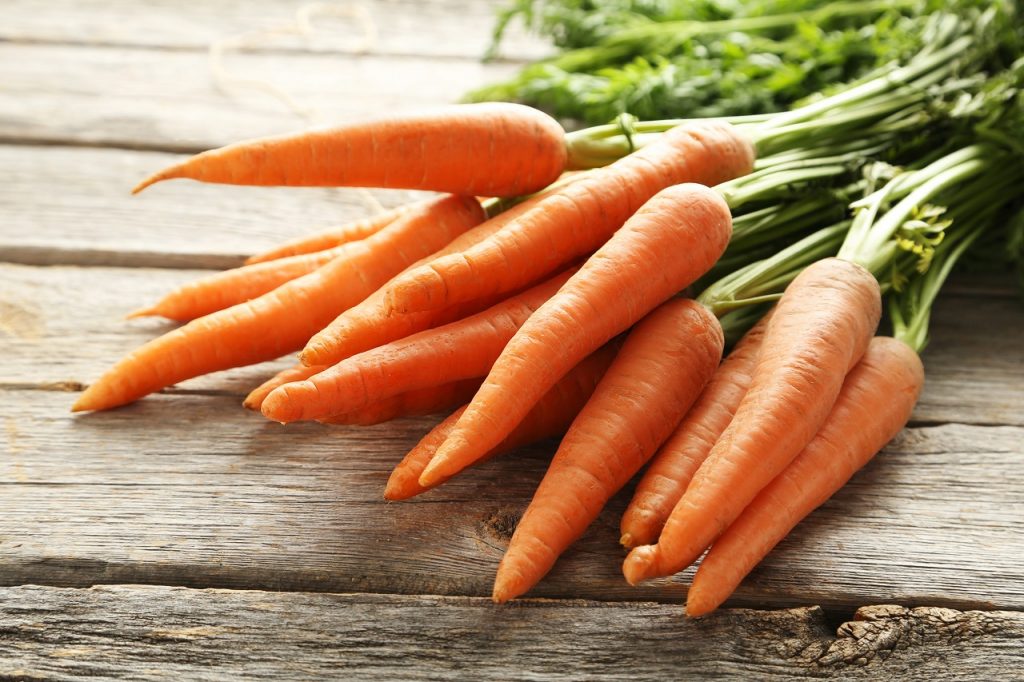
 We’ve often advised people to eat seasonal fruits and for good reason! Seasonal veggies are a good source of vitamins, minerals and antioxidants which are required by the body during winter. There are many vegetables but one of them, which is a must-have during these chilly days is the carrot! Carrots are one of the most loved vegetables not only in India but all over the world. The reason is very evident, it not only serves as a salad but a lot more than that. This orange-coloured root is an ultimate health food with many health benefits. Let’s explore the health benefits of carrots during winter!
Why You Should Eat Carrots During Winter
- Carrots help you get beautiful skin and can help in protecting you from cancer, especially lung cancer. As the temperature drops, this crunchy & colourful vegetable gives you a boost of antioxidants too.
- As a rich source of Vitamin A, it helps treat vision loss. So during winter, you can definitely ditch your Vitamin A pills.
- The Vitamin A in carrots also help the liver secrete bile and flush out toxins in the body, acting as a Natural Detox.
- Carrots contain high amounts of soluble fibers, which indirectly helps in managing cholesterol levels. No more guilt! You can easily binge on your favorite carrot cake during winter.
- Carrots are infused with natural pesticides, Falcarcinol, which is anti-fungal in nature. It protects you from any kind of fungal diseases. If your kids eat carrots, you don’t need to worry about them catching any kind of fungal infection.
- Carrots aren’t boring! There are many variations you can try with this root – be it dips, juices or soups – carrots are definitely a hit with your taste buds!
- Carrot tops are enriched in nutrients such as potassium, phytonutrients and they also contain around 6 times more Vitamin C than what the root does.
- Carrots have reserved their place in the list of the World’s Healthiest Foods. Undoubtedly, this crunchy root deserves it too.
Tips to Add Carrots To Your Diet
- Soup It: Add grated carrots to your soups and clear broths to add roughage in diet
- Crunch It: Raw carrots are enjoyed the best while soaking under the Sun during winters. Great way to boost up the vitamin quotient.
- Lick It Up: Our very own Gajar ka Achar or Gajar ka Paani is every grandmother’s special recipe.
- Bake It: The versatility of carrots gets it added even in bakery products. Add shredded carrot while baking muffins, cakes or breads to make a delightful dessert.
DO NOT throw away the carrot tops. Surprisingly, these carrot tops can be replaced with all the herbs in all kinds of dishes adding taste and Nutrition adequately.
We hope you’re all set to enjoy the crunch this season. Any more queries in mind? Please feel free to type them down in the comments section below, because, We Carrot about You!
For more topics on the health benefits of foods, check out Healthy Reads or ask a GOQii Coach by subscribing for Personalised Health Coaching here.
Eat Health and #BeTheForce
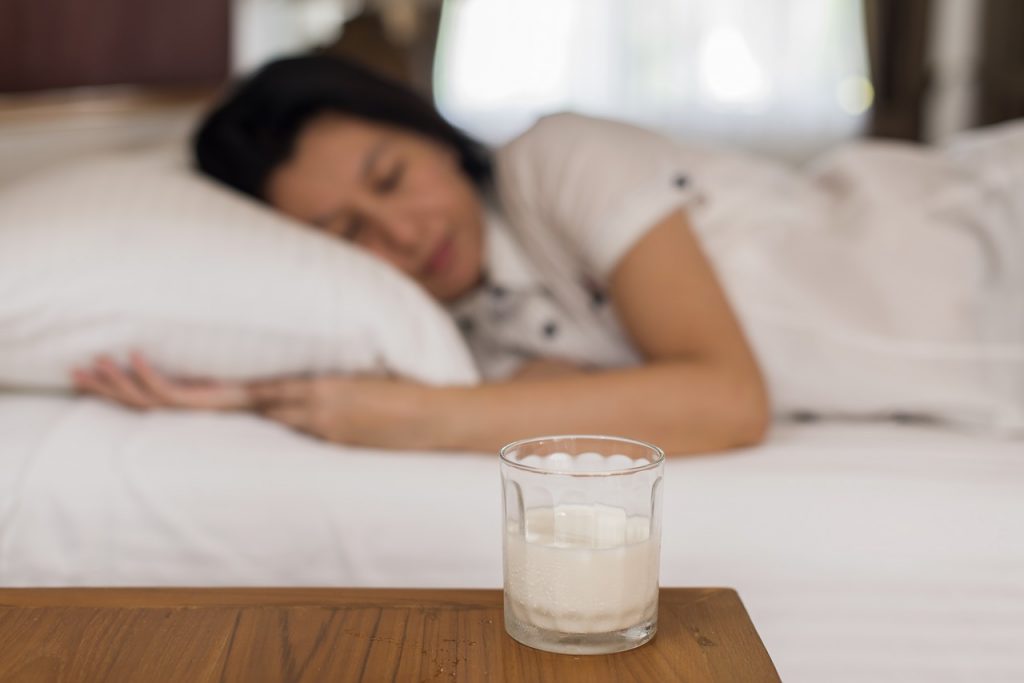

 For years, chamomile tea has been used as a natural remedy to reduce inflammation, anxiety and treat insomnia as well. In fact, chamomile is commonly regarded as a mild tranquilizer or sleep inducer. Chamomile tea contains an antioxidant called apigenin, which may help initiate sleep. You can brew 1 tea bag/ fresh chamomile tea with hot water and drink it before bed or late evening.
 Walnuts contain a few compounds that promote and regulate sleep, including melatonin and serotonin. Each serving of walnuts also contains other nutrients that can help induce sleep such as magnesium. You can munch them along with almonds for combined benefits late in the evening for snacks.
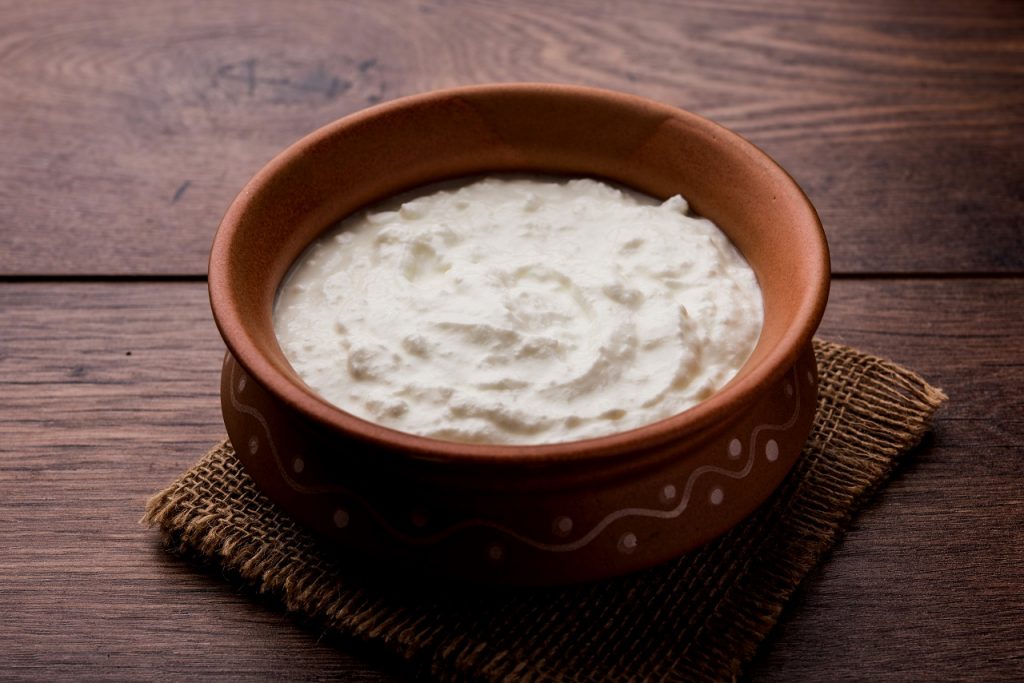 Who doesn’t enjoy a bowl of curd? With its many health benefits and the million different ways in which you can consume it, curd is almost irreplaceable. Did you ever wonder how curd came to be discovered? Was it made with intention?


