
GOQii

Blog

  • HOME
  • HEALTHY LIVING
  • FITNESS
  • HEALTHY RECIPES
  • USER STORIES
  • KARMA
  • BUY GOQii

November 30, 2024 By Mubasheera Chaiwala Leave a Comment

Part 2: Stress and Your Diet – Foods to Avoid and Foods to Embrace

Avoid foods that are linked to stress and anxiety.

  1. Caffeine: Caffeine in the form of coffee and soft drinks can cause nervousness, irritation and palpitation
  2. High salt and processed food: High salt consumption increases the risk of heart
  3. Smoking: Causes tension, irritability and sleeplessness and is also linked with cancer.
  4. Alcohol: It depletes the vitamin B which are essential for reducing stress.
  5. Refined sugar: Refined sugar in candies, pastries, soft drinks, ice cream, and biscuits can give a quick energy boost, but it’s often followed by a sugar “crash.” This effect is due to how sugar impacts blood sugar levels. Instead of reaching for sugary treats, try a fruit salad, a homemade fruit-and-nut yogurt, or even a few squares of dark chocolate.

Certain foods are known to help relieve stress and anxiety and should be included regularly in your diet.

  1. Plant-Based Foods: Vegetables, fruits, legumes, nuts, seeds, and whole grains are packed with essential vitamins and minerals. Maintaining a plant-based diet, especially during stressful times, ensures your body functions optimally.
  2. Herbal Teas: Herbal teas like chamomile, lavender, and passionflower have calming properties that help you relax, reduce stress, and promote better sleep.
  3. Yogurt: Yogurt can help alleviate anxiety by supporting gut health. The brain and gut are connected, so stress can affect digestion. Probiotic yogurt consumed twice a day reduces brain activity in emotional areas, aiding in stress relief and anxiety management.
  4. Dark Chocolate: Cocoa in dark chocolate is rich in antioxidants that buffer stress. Opt for a chocolate bar with over 70% cocoa to enjoy its stress-relieving benefits.
  5. Avocado: Avocados are rich in Vitamin B6, which aids the production of serotonin, a neurotransmitter that influences mood. They also contain other B vitamins and healthy fats, which support the nervous system and reduce anxiety.
  6. Blueberries: Blueberries are high in Vitamin C and antioxidants, helping to repair and protect cells under stress. They also act as a healthier alternative to sugary snacks, boosting immunity and maintaining gut health to reduce anxiety.
  7. Almonds: Almonds are a great source of magnesium, a mineral known to alleviate anxiety-related symptoms. Including them in your diet can effectively support stress management.

In conclusion, the one important to remember is that making mindful dietary choices can significantly affect your stress levels. By avoiding certain foods and incorporating others, you can help manage your stress more effectively. Adjust your diet gradually, and over time, you may notice a positive change in how you feel both mentally and physically.

If you found this article helpful, let us know in the comments below! For further information or guidance, reach out to our certified experts by subscribing to GOQii’s Personalised Health Coaching here.

#BeTheForce

Disclaimer: The information provided in this blog is for general awareness and educational purposes only. It is not intended to replace professional medical advice, diagnosis, or treatment. Always consult a qualified healthcare provider for personalised medical guidance or concerns related to your health.

November 25, 2024 By Tabassum Parveen 2 Comments

Food And Nutritional Guidelines for Healthy Kids

Healthy Food for ChildrenEvery parent, at some point, has faced an issue with food and children. On one hand, children can be quite fussy about the food they eat and on the other, they need the right food and nutrition. How do you bridge the gap? How can you feed your children nutritious food and get them to like it too?
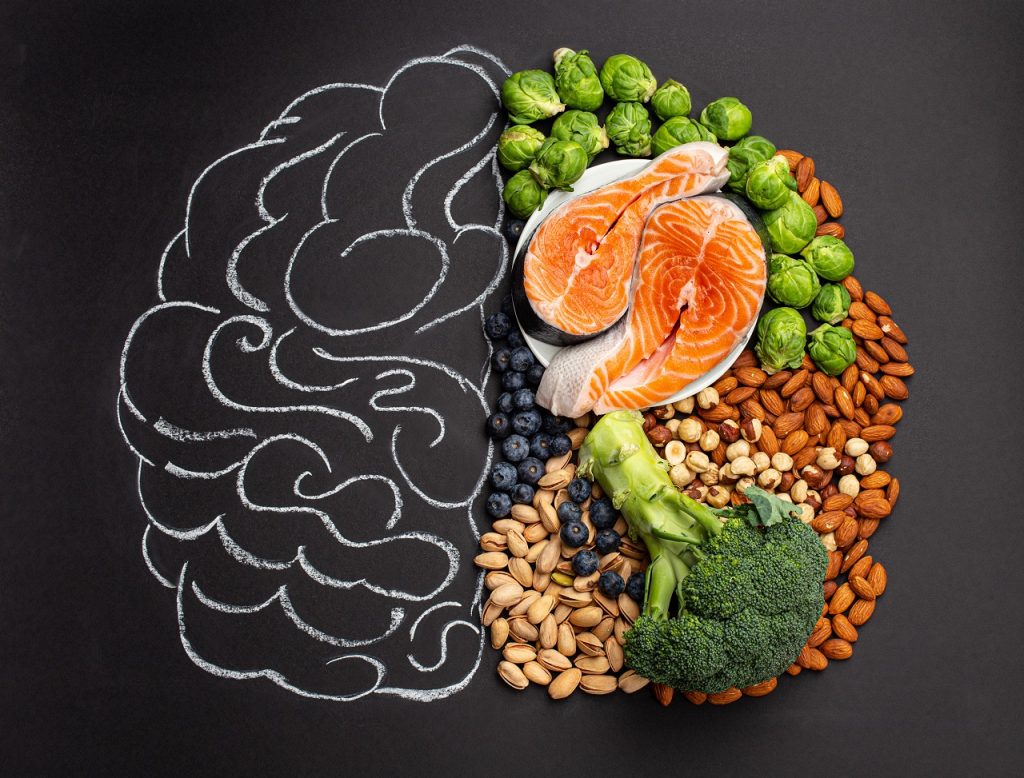
While every child has his/her own preferences, we will share the essential food groups that must be included in your child’s diet as well as food options you can choose to get your child on the right side of healthy!

Carbohydrates and Proteins  

Grains are a good source of carbohydrates. They provide much-needed energy by children to carry out their day to day activities. We can get carbs from oatmeal, quinoa, millet, wheat bread and multigrain roti. This can be mixed with protein sources such as bread with peanut butter or almond butter, upma (cooked Semolina) with peanuts or Poha (flattened rice cooked) with a few dry fruits. Idli (steamed rice cakes) with sambar (vegetable curry) or roti (flat wheat bread) with dal (lentils) or beans or an egg sandwich can be opted for in order to make the meal nourishing.

Since proteins are the building blocks of the body, they promote growth and development. Kids need 1gm of protein for every kilogram he/she weighs. Few other examples of protein sources which you can opt for are peas, chicken, seafood, unsalted nuts and seeds.

Fruits

Fruits either in the morning or evening will give your kids a boost of vitamins, minerals and antioxidants. They will boost your child’s disease-fighting ability not just now but in the future as well. Keeping in line with the old adage, “An apple a day keeps the doctor away”, try to incorporate at least one fruit in their meal.

Although, there are certain rules of eating fruit. It should not be consumed along with a meal or immediately after meals. This is because the fruit might rot when mixed with any food you have eaten. It is safe to consume them at snack time. You can add a few pieces of fruit in his or her lunch box or can give it separately so they can eat it with mini intervals.

Vegetables

Encourage your kids to eat veggies. We understand that it is difficult to get your children to eat vegetables. An option that you could explore is smoothies. Some greens with a dash of any fruit they like, mixed with jaggery or honey can be a delicious treat! You could also make sprouts salad, peanut salad or chicken salad with a few vegetables like corn, tomatoes, peas, carrot or a vegetable liked by your child.

Good Fats

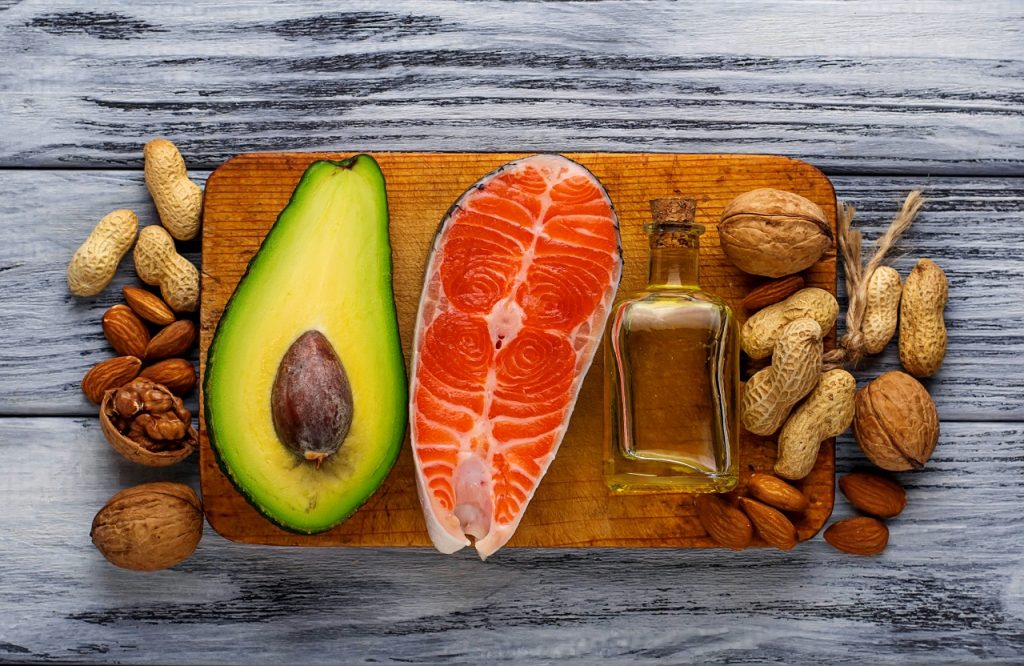
Try to incorporate some good fats. Fats help in the development of the brain, nerves and eyes. Examples of good fat are nuts like almonds, pista, cashew nuts and peanuts. Avoid these if your child is allergic to any nuts. You can also include seeds like chia, basil and mix them with fruit juice. More examples of good fats include avocados, olive oil and canola oil. The best way to consume oils is by sprinkling them on salads and nuts. Seeds can also be sprinkled with the aforementioned oils. You can also add them to any sandwich or toast.

Focus on reducing junk and fast food which are high in sugars, fats and low in important nutrients. They are easily available and tempting but they increase the risk of obesity, juvenile diabetes, asthma and allergies. Always try to make your kid’s plate colourful and attractive.

Dairy

Dairy plays an important role in keeping your little one’s bones strong. To ensure that your child has stronger teeth and bones, add one or two cups of milk to their diet. If your child does not like milk, go for Greek Yogurt which is available in many flavours. In case your child is lactose intolerant, go for almond milk, soy milk or opt for lactose-free milk.

Water Intake

Lastly, keep an eye over your child’s water intake. Water helps in various bodily functions such as absorption and digestion of food as well as excretion. Lack of water may leave your child dehydrated. Do not opt for carbonated beverages. Avoid tea or coffee as they don’t need it at such a tender age. Yes, you can give them tea but ensure that it is herbal like chamomile or green tea. You can also opt for healthier options such as a ginger turmeric drink which will reap positive health benefits for your child.

We hope the food and nutrition guidelines above help you and your growing child. Do leave your queries in the comments below! For more on Children’s Health, check out Healthy Reads or speak to an expert by subscribing for GOQii’s Personalised Health Coaching here.

#BeTheForce

November 21, 2024 By Sohini Chakraborty Leave a Comment

Fat Facts That Are Easy to Digest

fat factsIt’s a shame that the word “Fat” has developed such a notorious reputation over the years with every health-conscious individual hellbent on removing that word from their dictionary. Before we condemn the word, we need to understand that the quality of fat is just as important as the quantity of it. So let’s bust some myths with these fat facts! 

Fat is one of the macro nutrients which provides 9kcal per gram and it is also essential for many functions of the body like solubilizing fat-soluble vitamins, secreting hormones, protecting our vital organs, etc. It is imperative to classify fats into broad categories. Now, let’s delve a little deeper into fat facts.  

1. Fats Which Are Bad For You

Here are the types of fats which are bad for your health.

  • Saturated Fat: Saturated fats are usually found in animal fats like beef, pork, lard, dark chocolate, full-fat dairy products like cheese, etc. They are usually solid at room temperature. Saturated fats were previously thought to cause cardiac problems but saturated fats are known to increase the amount of both HDL (good cholesterol) and LDL (bad cholesterol), hence it is safe to have saturated fats in lower amounts.
  • Trans-Fat: are produced during hydrogenation of fat when the oil is hardened to increase its shelf life. Apart from the natural Trans-fat present to some extent in dairies and meats, the artificial trans fat produced as a result of hydrogenation of fat is very harmful to health. It is found to increase the level of LDL cholesterol, thus increasing the risk of artery blockage and heart disease. It is also known to cause free radical damage to the body resulting in cancer. Trans-Fat is found in fried foods such as French fries, fried chicken, crackers, microwave popcorn, pizza, doughnut, cakes, muffins, pies, nuggets, sausages, non-dairy creamers, margarines, etc. Avoid this type of fat to stay healthy and free from diseases. Not more than 2% in a 2000kcal diet is permissible.
  • Cholesterol: is one of the most misunderstood subjects of this decade. Cholesterol is a wax like substance present in our body and can be obtained from many dietary sources like egg, meats and dairy products. It is necessary for bile formation and many other important functions of our body. According to recent studies, our total cholesterol level is not affected by entirely dietary intake as the body itself maintains the cholesterol balance. Then again, we should be careful about choosing the type of cholesterol to be consumed. There are 2 types of cholesterol: 
  1. HDL (High Density Lipoprotein): is very beneficial for the body as it removes plaques from the arteries and makes blood circulation smooth, preventing arterial block or damage. Its sources include olive oil, beans and legumes, high fiber fruits like avocado, chia seeds, nuts and fatty fish like salmon, trout, etc. These must be present in our diet.
  2. LDL (Low Density Lipoprotein), VLDL (Very Low Density Lipoprotein): are considered to be very harmful to the body. They create atherosclerotic plaque in the arteries, constricting proper blood circulation and cause the narrowing of blood vessels and heart blockage. Most of its sources include pork, beef, lamb meat, milk, butter, cream and cocoa butter. These should be present sparingly in our diet.

2. Fats Which Are Good For You

Let’s take a look at fats which are actually good for you!

  • Unsaturated Fats: contain double bonds in their structure and are known to be most beneficial among all. It may be of 2 types:
  • Monounsaturated Fats: These contain a single double bond and are known to be helpful in many ways. Evidently, they aid weight loss, reduce cardiac problems and decrease inflammation. Its major sources are avocado, nuts like almond, pistachios, vegetable oils like safflower oil, sesame oil, olive oil, canola oil, etc.
  • Polyunsaturated Fats: are considered as the most beneficial among the fat family. These fats are mainly of 2 types:
    1. Omega 3 Fatty Acids: are known to improve heart health, protect the nervous system, increase brain function, reduce anxiety and stress, improve eye function, reduce inflammation and help fight cancer as well. Sources include soya beans, chia seeds, walnuts, canola oil, salmon, sardine, etc. It’s good to have them as a part of daily diet.
    2. Omega 6 Fatty Acids: This type of fat helps balance good and bad cholesterol, it helps reduce asthma or respiratory problems especially in children, relieves diarrhea in children and is essential for improving brain function. Sources of Omega 6 Fatty Acids include hemp seed or hemp seed oil, flaxseed or flaxseed oil, walnuts, almond, avocado oil, eggs, tofu etc.

These fatty acids are called “essential” because they are not produced in the body and that is why they have to be present in our diet.

Considering all the fat facts listed above, we must focus more on the types of fat we are consuming. In a typical Indian diet, about 15-20% of total calories should come from fat and the most desirable proportion of Saturated Fat (SFA), Monounsaturated Fatty Acid (MUFA) and Polyunsaturated Fatty Acid (PUFA) must be 1:1.3:1.

We hope this article helps you make the best food choices. To know more about fat facts, bust more myths about food and nutrition, ask a GOQii Coach by subscribing for Personalised Health Coaching here.

Do leave your thoughts in the comments below! 

#BeTheForce 

November 11, 2024 By GOQii 6 Comments

How You Can Manage Stress With Nutrition!

manage stressStress and nutrition have always been linked – it’s a fact that has been in existence for years. It’s no rocket science to realize that someone with a healthy and balanced diet is likely to be far less stressed than someone with a poor diet.



Stress has become a common factor in one’s life. Various factors such as pressures from home or work, some unforeseen circumstances or situations completely beyond our control that lead to stress. What’s even more common is that while stressed, people tend to eat. This involves a lot of comfort food like macaroni and cheese, pizza, and ice cream.

All these high-fat foods are usually the worst possible choices because they can make us feel lethargic and unable to deal with stress. To add to this, stress can drive up our blood pressure and raise serum cholesterol levels, wreaking havoc on our arteries and increasing risk of heart attacks.

Best solution? Low-fat, high-fiber, carbohydrate-rich meals with plenty of fruits and vegetables. They soothe us without sapping our energy and give us the nutrients we need to boost our immune system.

Which Foods Help You Manage Stress? 

  • Water: It hydrates a person, makes one more energetic and less stressed!
  • Asparagus: I know, these slender stalks are known to make your urine smell funny, but they are high in folate, which is essential for keeping your cool 
  • Avocados: These creamy fruits stress proof your body. Rich in glutathione, a substance that specifically blocks intestinal absorption of certain fats that cause oxidative damage, avocados also contain lutein, beta-carotene, Vitamin E and more folate than any other fruit. 
  • Berries: Blueberries have some of the highest levels of antioxidants known as anthocyanin and they have been linked to all kinds of positive health outcomes, including sharper cognition. But, all berries, including strawberries, raspberries and blackberries are rich in vitamin C which has been shown to be helpful in combating stress. 
  • Chocolate: besides the healthy antioxidants in this treat which push chocolate to the top of most heart-healthy food lists, Chocolate also has an undeniable link to mood but, moderation is key to it.
  • Green tea: has an amino acid called theanine. This slimming food is a brain booster as well as enhances mental performance.
  • Oatmeal: a complex carbohydrate, Oatmeal causes your brain to produce serotonin, a feel-good chemical.
  • Fresh fruits and vegetables: Vegetables have high fiber content, which is helpful in treating constipation -another long term effect of stress. Fresh fruits and vegetables provide an array of vitamins and minerals that are great for reducing stress. 
  • Fish: such as Mackerel contain Omega fatty acids, which are extremely good for the heart and can protect you from heart diseases. Fish also contains choline – a great memory booster.
  • Yogurts: provide minerals including calcium, essential to maintain well functioning nerve impulses. 
  • Herbal Products: Herbal items such as Dandelion, Chamomile, and Passion flower to name a few, relax both the body and mind.

Having said the above, there are certain foods and drinks that can aggravate stress. It doesn’t necessarily mean that you should avoid some of them completely but, it is advised that you consume them in moderation.

Foods That May Trigger Stress 

  • Tea, coffee, cocoa, energy drinks: These drinks contain neuro-stimulators like caffeine and theobromine, which are proven to heighten stress. 
  • Fast foods and takeaways: contain high levels of protein, fats and carbohydrates that don’t contain vital minerals and vitamins, which in turn induce stress. 
  • Sugar: Stress causes an increase in blood glucose levels, which can in turn lead to a higher risk of developing diabetes. 
  • Soda, Alcohol, soft drinks and chocolate drinks: The high level of carbon dioxide and sugars in beverages can aggravate stress. Soft drinks need to be considered as an unnecessary addition to your diet. 

So before you go in to grab that cold aerated beverage or have a cheesy burger to relieve your stress, think twice and instead go for the healthier food options suggested above!

We hope this article helps you manage stress with nutrition! For more tips to help you manage stress better, check out Healthy Reads or ask an expert by subscribing for GOQii’s Personalised Health Coaching here.

#BeTheForce

Disclaimer: The information provided in this blog is for general awareness and educational purposes only. It is not intended to replace professional medical advice, diagnosis, or treatment. Always consult a qualified healthcare provider for personalised medical guidance or concerns related to your health.

  • « Previous Page
  • 1
  • …
  • 9
  • 10
  • 11
  • 12
  • 13
  • …
  • 65
  • Next Page »

Search

Recent Posts

  • The Recovery Gap: Sleep Debt, Overwork and Silent Burnout Are Ageing You Faster
  • Sleep Well, Live Better: Lifestyle Habits That Improve Sleep Quality
  • Our Kidneys, Our Planet: How Environmental Health Impacts Your Body
  • Caution: Smoking is Injurious to health!!
  • The Sleep-Metabolism Connection: Why Rest is Your Best GLP-1 Partner

Stay Updated

Archives

  • March 2026 (7)
  • February 2026 (14)
  • January 2026 (14)
  • December 2025 (19)
  • November 2025 (15)
  • October 2025 (20)
  • September 2025 (6)
  • August 2025 (6)
  • July 2025 (12)
  • June 2025 (18)
  • May 2025 (16)
  • April 2025 (22)
  • March 2025 (23)
  • February 2025 (22)
  • January 2025 (25)
  • December 2024 (22)
  • November 2024 (23)
  • October 2024 (21)
  • September 2024 (24)
  • August 2024 (30)
  • July 2024 (21)
  • June 2024 (26)
  • May 2024 (31)
  • April 2024 (27)
  • March 2024 (28)
  • February 2024 (25)
  • January 2024 (21)
  • December 2023 (15)
  • November 2023 (11)
  • October 2023 (19)
  • September 2023 (22)
  • August 2023 (18)
  • July 2023 (22)
  • June 2023 (24)
  • May 2023 (24)
  • April 2023 (23)
  • March 2023 (23)
  • February 2023 (19)
  • January 2023 (15)
  • December 2022 (11)
  • November 2022 (15)
  • October 2022 (15)
  • September 2022 (12)
  • August 2022 (10)
  • July 2022 (17)
  • June 2022 (11)
  • May 2022 (10)
  • April 2022 (6)
  • March 2022 (6)
  • February 2022 (13)
  • January 2022 (11)
  • December 2021 (7)
  • November 2021 (3)
  • October 2021 (6)
  • September 2021 (3)
  • August 2021 (8)
  • July 2021 (7)
  • June 2021 (15)
  • May 2021 (16)
  • April 2021 (10)
  • March 2021 (7)
  • February 2021 (4)
  • January 2021 (4)
  • December 2020 (3)
  • November 2020 (4)
  • October 2020 (10)
  • September 2020 (3)
  • August 2020 (3)
  • July 2020 (2)
  • June 2020 (4)
  • May 2020 (10)
  • April 2020 (12)
  • March 2020 (10)
  • February 2020 (4)
  • January 2020 (4)
  • December 2019 (3)
  • November 2019 (7)
  • October 2019 (5)
  • September 2019 (4)
  • August 2019 (9)
  • July 2019 (9)
  • June 2019 (11)
  • May 2019 (4)
  • April 2019 (8)
  • March 2019 (8)
  • February 2019 (9)
  • January 2019 (8)
  • December 2018 (9)
  • November 2018 (3)
  • October 2018 (3)
  • September 2018 (5)
  • August 2018 (10)
  • July 2018 (6)
  • June 2018 (13)
  • May 2018 (8)
  • April 2018 (18)
  • March 2018 (9)
  • February 2018 (8)
  • January 2018 (15)
  • December 2017 (12)
  • November 2017 (19)
  • October 2017 (13)
  • September 2017 (15)
  • August 2017 (4)
  • July 2017 (8)
  • June 2017 (7)
  • May 2017 (6)
  • April 2017 (8)
  • March 2017 (6)
  • February 2017 (7)
  • January 2017 (9)
  • December 2016 (10)
  • November 2016 (7)
  • October 2016 (7)
  • September 2016 (7)
  • August 2016 (11)
  • July 2016 (9)
  • June 2016 (9)
  • May 2016 (12)
  • April 2016 (17)
  • March 2016 (17)
  • February 2016 (8)
  • January 2016 (6)
  • December 2015 (2)
  • November 2015 (9)
  • October 2015 (7)
  • September 2015 (9)
  • August 2015 (11)
  • July 2015 (9)
  • June 2015 (12)
  • May 2015 (9)
  • April 2015 (13)
  • March 2015 (8)
  • February 2015 (5)
  • January 2015 (12)
  • December 2014 (14)
  • November 2014 (11)
  • October 2014 (6)
  • September 2014 (13)
  • August 2014 (12)
  • July 2014 (6)
  • June 2014 (2)
  • May 2014 (7)
  • April 2014 (4)

From “Laddu Nawin” to Fit and Fierce: How a 25-Year-Old Insurance Advisor Shed 20 Kilos and Gained His Life Back

When 25-year-old Nawin Yadav from Hyderabad walked into his office every morning, he carried more than just his files and policy papers. He had the weight of fatigue, sluggish energy, and an ever-growing belly that was becoming the butt of jokes. “People … [Read More...]

“I’ve Challenged Myself to Live 100 Years” – The Story of Chandubhai Savani’s Second Chance at Life

At 67, most people start slowing down. Not Chandubhai Savani. A resident of Surat, Chandubhai, thought life was on track. “My life was going well till I had my bypass surgery,” he says. That surgery, back in 2021, was a wake-up call.  Medication was routine, but exercise wasn’t. His diet? What he calls ‘normal.’ “I […]

From Shimla’s Slopes to Chandigarh’s Sidewalks: Surinder Kaur Bhalla’s Journey from Chaos to Control

Some journeys start with a plan. Others begin with a stumble literally. Surinder Bhalla, a government professional, born and raised in the scenic hill town of Shimla, had always lived a life of movement. “In Shimla, you walked everywhere,” she reflects. “Walking was never an exercise. It was just life.” But after shifting to Chandigarh, […]

Ananda Mukherjee Health Story

From Terminal Illness To Complete Wellness! Ananda Mukherjee Health Story

As we observe World Cancer Day under the powerful theme ‘United by Unique’ (2025-2027)**, we are reminded that every individual’s journey with cancer is distinct, yet united by shared resilience, hope, and the collective fight against this disease. This theme places people at the centre of care and their stories at the heart of the […]

  • HOME
  • HEALTHY LIVING
  • FITNESS
  • HEALTHY RECIPES
  • USER STORIES
  • KARMA
  • BUY GOQii

Copyright ©2016 GOQii
