GOQii

Blog

  • HOME
  • HEALTHY LIVING
  • FITNESS
  • HEALTHY RECIPES
  • USER STORIES
  • KARMA
  • BUY GOQii

April 11, 2024 By GOQii 9 Comments

Have You Tried The Raw Detox Diet? Try It Now!

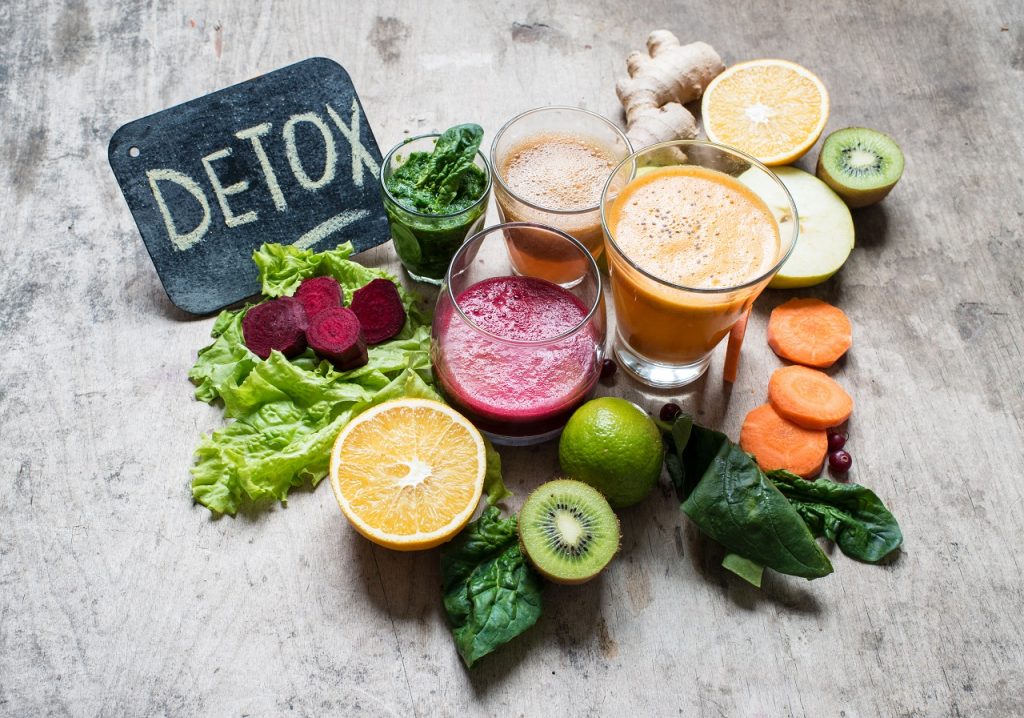
raw detox dietI’ve always wondered what a raw detox diet is and how does one eat raw vegetables. Then, I found that a raw food detox diet is the dietary practice of eating only uncooked, unprocessed, and often organic foods. It can include raw fruits, vegetables, nuts, seeds, sprouts, organic milk and organic milk yogurt. In India, most may not be comfortable with a long-term raw diet. However, including raw food in your diet as often as you can, definitely helps in detoxifying the system.

What is Detoxification?

It’s a way to recharge, rejuvenate, and renew your body. Detoxification can help you jump-start your body for a more active and healthier life. In our body, there is an ongoing process to remove the toxins which have been formed by the food we eat and also through the environment we are exposed to. Our body system is naturally designed to transform the toxins and excrete them out of the body. In order for this to happen naturally, our body should get a break from the regular exposure to processed foods, heavy diets, and environmental pollution.

Raw food is low in calories but contain good amounts of nutrients like vitamins, minerals and antioxidants. It also has high fiber content which eliminates toxins by managing bowel movement. The unhealthy diet has been the leading cause of headaches, fatigue, lack of concentration, feeling bloated, indigestion, bad breath, etc.

Including a raw diet will surely make you feel more fresh and energetic.

Remember to drink plenty of water when you are on a raw diet. It is the best detox food that you can have. Raw diet helps maintain your weight as well, it also saves your cooking time.

What Does a Raw Detox Diet Include? 

  1. Sprouts Salad: Sprouts provide good nutritious value and are easily digestible. They increase the vitamin and mineral content of the grain and decrease the carbohydrate and calorie content. Basically, any whole legume or grains can be sprouted. Some sprouts have a change in flavor after sprouting.
  1. Avocado Salad: Avocado is a complete food with lots of nutrients. It is a very versatile fruit as it takes on both, sweet and savory taste, perfectly. It’s got a buttery texture and hence, can be used as a healthy substitute for butter with bread. This salad is very refreshing as an evening snack or as a side with roti. For those people under diet, this makes for a wonderful meal by itself.
  1. Beetroot Pomegranate Juice: Pomegranates and beetroots, both contain good amounts of antioxidants and nutrients and are also rich in Vitamin C. This colorful root vegetable contains powerful nutrient compounds that help protect against heart disease, birth defects, and certain cancers, especially colon cancer. Beetroot is well known for its blood purifying properties. Due to the rich iron content, it is said to be an indispensable cure for anemia.
  1. Tricolour Fruit Salad (Orange/ Papaya + Kiwi/ Dragon Fruit/ Berries/Tomato’s + Cucumber/Litchi/ Honeydew): These fruits and vegetables are rich in fiber and loaded with vitamins, minerals and water. It will help you to feel fresh and prevent any deficiencies of the same.
  1. Cranberry Curds Salad: The possible health benefits of consuming cranberries include lowered risk of urinary tract infections, prevention of certain types of cancer, improved immune function, and decreased blood pressure.
  1. Tender Coconut Smoothie: Tender coconut water is a natural, nutrient-rich isotonic drink. It is high in electrolytes, chlorides, potassium, and magnesium and has a moderate amount of sugar, sodium and protein. It’s also a good source of dietary fiber, manganese, calcium, riboflavin and vitamin C.
  1. Cucumber Juice: Cucumbers contain multiple B vitamins, including vitamin B1, vitamin B5, and vitamin B7 (biotin). B vitamins are known to help ease feelings of anxiety and buffer some of the damaging effects of stress. Cucumbers are rich in two of the most basic elements needed for healthy digestion: water and fiber
  1. Fresh Tomato Salads: As an excellent source of the strong antioxidant called Lycopene, Vitamin C, and other antioxidants, tomatoes can help combat the formation of free radicals known to cause cancer.
  1. Fresh Fig Salads: Figs are high in natural sugars, minerals, and soluble fiber. They are rich in minerals including potassium, calcium, magnesium, iron and copper and are a good source of antioxidant Vitamins A, E and K that contribute to health and wellness.

If you have never tried a raw food detox diet, now is the time. Give it a go and do let us know how it helps you! Before you begin any diet plan or try any of the above, do check with your doctor, nutritionist or dietitian in case you have any allergies. For more tips, guidance and queries on nutrition, speak to a certified expert by subscribing to GOQii’s Personalised Health Coaching here.

#BeTheForce!

November 23, 2023 By Farida Gohil 2 Comments

Top four reasons why diets fail?

494985-belly-fat

The battle of the bulge is on –any movement on the scale yet? “Losing weight is one of the top resolutions made every year, yet only 20 percent of people achieve successful weight-loss and maintenance,” says Jessica Bartfield, MD, internal medicine who specializes in nutrition and weight management at the Loyala Centre for Metabolic Surgery & Bariatric Care.

Despite the fact that two-thirds of Americans say they are on a diet to improve their health, very few are actually decreasing in size. According to Bartfield, “Dieting is a skill, much like riding a bicycle, and requires practice and good Instructions.” But, this is not a case unique to the Americans alone, it is the case with most people on the heavier side and who go on diets to lose weight. Their constant complaint is that they do not lose weight.

Here are top four reasons why dieters don’t lose weight?

  1. Underestimating Calories Consumed

Most people underestimate the number of calories they eat per day. Writing down everything that you eat-including drinks and “bites” or “tastes” of food – can help increase self-awareness. Pay attention to serving sizes and use measuring cups and spoons as serving utensils to keep portions reasonable. Foods eaten outside of the home tends to be in much larger portion sizes and much higher in calories. So try and look up nutrition information of your favourite take-out meal or restaurant and select a healthy meal before picking up the phone or going out to eat.

  1. Overestimating Activity and Calories burned

Typically you need to cut 500 calories per day to lose 1 lb (pound) per week. This is very difficult to achieve through exercise alone, and would require 60 minutes or more of vigorous activity every day. A more attainable goal would be to try and increase activity throughout the day and get a total of 30 minutes of moderate to vigorous exercise most days of the week. Buy a tracker to track your steps; try to increase your goal of 10,000 steps per day. But, be careful – exercise is not an excuse to eat more!

  1. Poor Timing of Meals

You need a steady stream of glucose throughout the day to maintain optimal energy and to prevent metabolism from slowing down. Eat breakfast everyday within one hour of waking up, then eat a healthy snack or meal every two to three hours. Try not to go longer than 5 hours without eating a healthy snack or meal to keep your metabolism steady.

  1. Inadequate sleep

Studies have shown that people who get fewer than six hours of sleep have higher levels of ghrelin, which is a hormone that stimulates appetite, particularly for high-carbohydrate/high-calorie foods. In addition, less sleep raises levels of cortisol, a stress hormone which can lead to weight gain.

Avoid doing the above mentioned, avoid go on diets and have a normal balanced meal daily and you will be able to maintain your weight and health.

Good health practices are more than just learnt, they become a regular habit and a way of life.

If you found these tips valuable and have more questions or thoughts to share, drop a comment below! Explore more insights on maintaining a healthy diet through Healthy Reads. For personalized information and guidance, subscribe to GOQii’s Personalised Health Coaching here.

#BeTheForce

July 30, 2023 By GOQii 4 Comments

12 Foods You Have Been Consuming The WRONG WAY

foods

With all the sessions on GOQii Play and interactions within the app, most of us have understood “what to eat” in order to get the necessary nutrition for our body. But, have you ever wondered “how to eat”? Sounds silly? But it is not. It’s a valid question. The way we eat says a lot about how the nutrients will be best available to our body. However, it could get tricky here. While some vitamins can be destroyed during the cooking process, a little bit of heating enhances the absorption of certain nutrients.

12 Foods You’ve Been Consuming The Wrong Way

You must have also heard your coach or diet expert say that eating foods in certain combinations enhances the absorption of various nutrients. To help you out, we’ve made a list of proper ways to consume these top 12 foods and beverages!

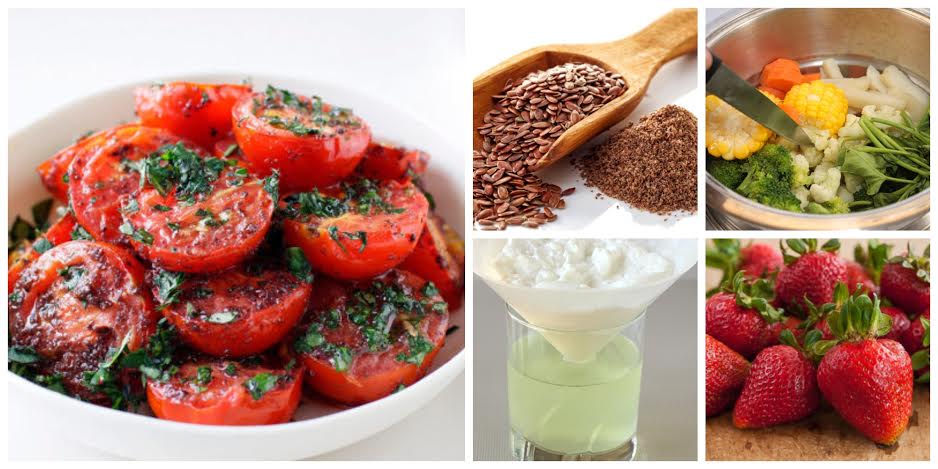
1. Tomatoes: Cooking tomatoes makes them more nutritious and the longer you cook them, the better it is. Heat changes the “lycopene” present in them to a form our bodies can readily absorb. So you can either soup it up or cook tomatoes into pasta sauce and omelettes to benefit from its antioxidant, cancer fighting, bad cholesterol lowering properties in a full blown way.

2. Boiling Vegetables: Boiling vegetables is a no-no because water soluble vitamins like Vitamin C leach out and drain into the water. Moreover, it reduces the antioxidant content. This phenomenon is especially noticeable in Spinach. Of course, if you are going to consume the liquid when making soups, it’s a different thing. Steaming, roasting, sautéing methods of cooking result in more nutritious vegetables on your plate.

3. Going Absolutely FAT-FREE with Vegetable Juices/Salads: You can absorb more nutrients from your salads/green juices when you consume them with a wee-bit of fat because most nutrients in them are fat-soluble (Vitamin A, D, E, K). But, the type of fat can make a difference. For salads skip the mayo and instead, add cold pressed coconut oil, olive oil, avocados, egg yolks, nuts and seeds. For green juices, add a teaspoon of coconut oil for enhanced absorption.

4. Garlic: Unlike Vitamin C, Allicin is an enzyme found in garlic that benefits from exposure to air. If you mince it and quickly throw it in a pan, you are doing it wrong! This enzyme is not activated unless the cell walls are ruptured. Crush/Press those garlic pods instead of mincing. Let it sit for 10 minutes before exposing it to heat so that your finished dish contains maximum amount. With activated Allicin, you get to benefit from its anti-inflammatory, anti-fungal , anti-viral , anti-bacterial and cholesterol lowering properties.

5. Whole Grains, Beans & Pulses: Have you ever noticed how cloudy and dull the water gets once you soak your grains, beans or pulses in it? Well, it’s because of the presence of Phytates – the compound that binds the vitamins/minerals in the food and prevents them from being absorbed by the body. Soaking them overnight releases the phytates and you get the maximum amount of iron and zinc. Not only that! Soaking them overnight in warm water and then cold for 24 hours followed by cooking them negates the effect of gas formation. So you don’t end up feeling “gassy”.

6. Flaxseeds: If you have been sprinkling a spoonful of these into your morning smoothie or onto your yogurt snack, you have been doing it wrong! Our bodies are not capable of digesting “whole” flaxseeds and excrete them as it is. In order to reap benefits from these pods, chew them properly. You can either consume them raw or immediately after slightly roasting them. Even flaxseed meal (powdered) works, but make sure its consumption is immediate.

7. Yogurt : There are 2 points to consider:

i. If you have been draining away the watery fluid floating atop your yogurt, you’re actually draining away all your whey protein. Apart form Whey, it also contains Vitamin B12, Calcium and Phosphorus. Give your yogurt a quick stir to retain all its benefits .

ii. If you think you are going to get “probiotic” benefits out of yogurt by cooking a hot dish that involves yogurt based gravy or marination, you’re not going to. Most live/active cultures (the “healthy bacteria” in them) can’t stand heat and will be destroyed in the cooking process. While you will be getting the Protein, Calcium and Vitamin D, “probiotic” benefit is something that will be missed out .

8. Carrots: Cook, then cut. Cooking whole carrots and cutting them after they are cooked keeps more nutrients intact. Carrot is one vegetable (tomato is a fruit) that is better if cooked as heat breaks down its cell walls.

9. Broccoli: If you have been boiling, frying, overcooking or even over-steaming broccoli florets, then we have some bad news for you. Too much cooking destroys the enzyme that turns a chemical called glucosinolates into cancer fighting agents. Even if you are steaming them, make sure you do it only for 2-3 minutes.

10. Strawberries: Just 1 serving of these berries takes care of half of your daily Vitamin C requirement. However, if you have been cutting your berries prior to eating them, you’re missing out on your Vitamin C. The vitamins in strawberries begin to breakdown when exposed to light and oxygen (unlike Allicin). So eat them whole and if you want to store them, deep freeze! Cool temperatures help them retain their Vitamin C.

11. Citrus Fruits: Do you throw away the lemon or orange peels? These citrus peels contain 4 times more fibre and disease fighting flavonoids than the fruit itself. If you’re thinking how you can consume the peels, here’s what you do:

  • Grate peels just like you do with cheese and store in the freezer. Use them for recipes that call for lemon ‘zest’.
  • Add peels to a pitcher of water for an effective detox.
  • Marinate your meats, cottage cheese, fish with your own citrus rub.

12. Tea: Now, we have been drinking tea more than ever. Do you enjoy your tea with milk? There’s a downside to this. Milk proteins bind with Catechin in tea, making it difficult for your body to absorb this beneficial compound. So, tea no longer turns out to be a heart healthy drink. Plus, the excess amount of sugar which some people add only makes things worse. So just sip on some nice black or herbal tea without adding anything to it!

We hope these tips help you extract the most amount of vitamins and minerals from your food. Which one of these facts left you surprised? Leave your thoughts in the comments below!

To understand more about these foods and to get proper nutritional advice, speak to a GOQii Coach by subscribing to Personalised Health Coaching here.

Find more articles on nutrition here.

#BeTheForce 

January 20, 2023 By GOQii 1 Comment

Decoding Bread Myths & Best Bread Tips To Follow

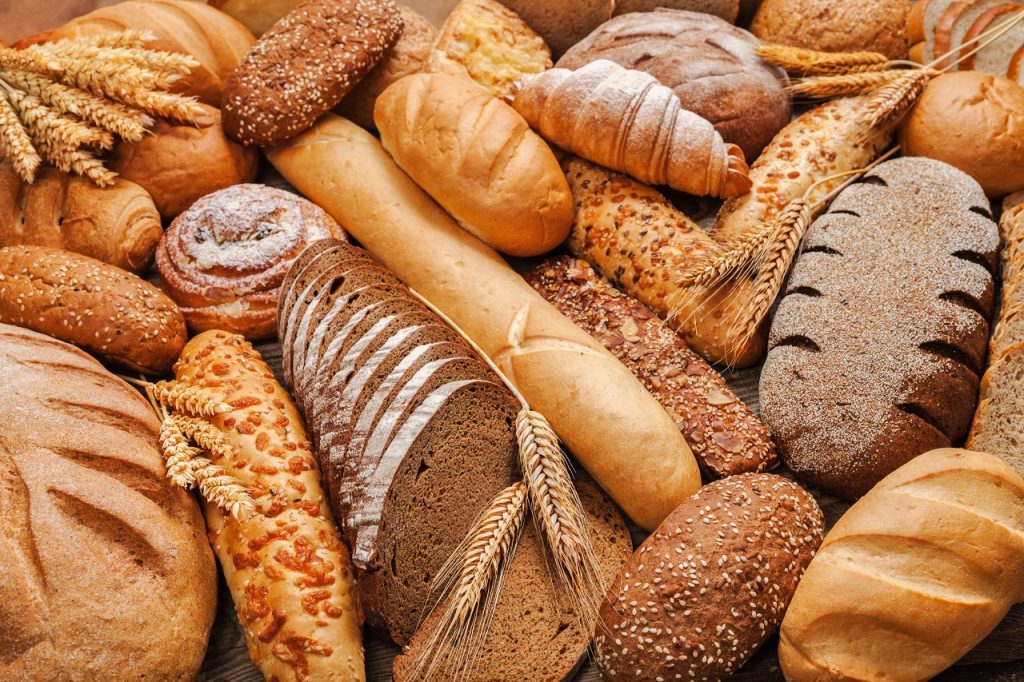
bread mythsWe are all well aware of terms like whole wheat, multigrain, seven-grain, 12-grain, all natural, organic and enriched. Often, we try to look out for the healthiest option when we hit the grocery store to buy that perfect piece of loaf. Every time you eat bread, be it a sandwich, a muffin or a bagel, you’ve got an opportunity to improve your diet. For most us, choosing whole-wheat bread products is the easiest way to eat more super-healthy whole grains. But, when you’re standing in front of the bread array in the supermarket, by just reading the various label claims, just how do you know which is the best bread to buy? Choosing the best bread can be confusing. Here are three bread myths that need to be DEBUNKED!



3 Bread Myths Busted! 

#1: If it looks brown and has the word “wheat” in the name, it has lots of fiber and whole grain.
The Truth: Its always the first ingredient listed on the ingredient label that tells the story. If it’s “wheat flour” or “enriched bleached flour” (or similar), that tells you white flour was mostly used, not “whole-wheat flour”.

#2: Breads with healthy sounding names like “seven-grain” or “100% natural” are the best choices.
The Truth: Just because the name of the bread on the package sounds super-healthy, it doesn’t mean the bread actually is healthy. Certain seven-grain and 12-grain breads, for example, list “unbleached enriched flour” as their first ingredient and some are mainly made with “wheat flour”, not whole wheat.

#3: Rye bread is a 100% whole-grain, high-fiber choice.
The Truth: The first ingredient listed on the label of most brand brands of rye bread is none other than unbleached enriched flour. The second ingredient is usually water, and the third, rye flour. That explains why most rye breads have only 1 gram of fiber per slice (some have less than that). So, rye bread isn’t usually 100% whole grain.

Tips To Buy The Best Bread 

1. Just “whole wheat” or “made with whole grain”, doesn’t classify as healthy
Look for labels that say “100% whole wheat” or “100% whole grain”, and don’t settle for anything less. If it’s 100% whole wheat, the first ingredient listed in the ingredient label has to  be whole-wheat flour or 100% whole-wheat flour. You want whole grains because they’re naturally low in fat and cholesterol free; contain 10% to 15% protein, and offer loads of healthy fiber, resistant starch, minerals, vitamins, antioxidants, phytochemicals, and often, phytoesterogrens (plant estrogens). With all those nutrients in one package, it’s no wonder whole grains provide so many health benefits.

2. Watch the Sodium
Most bread products come with a dose of sodium which is added to help control the yeast activity and for flavor. If you eat three servings of whole grain bread a day and each slice has about 200 milligrams of sodium, that contributes 600 milligrams to your daily sodium total. It may not sound like much, but it represents one-third of your limit if you’re trying to stay within 1,800 milligrams a day.

3. Serving Size Matters
When comparing bread products, look carefully at the serving size on the label. Some bread slices are much larger than others.

4. “Diet or Light” Isn’t Always Better
There are several brands of bread that are promoted as being low in calories. They usually have the word “light” in the name or on the packaging. Often, “light” bread means a smaller serving size and a product that is pumped with some extra fiber.

A Quick Checklist Before You Buy Bread: 

  • 4 grams of fiber per 2-slice serving (or similar)
  • 100% whole wheat flour as the first ingredient on the label
  • Less than 401 mg sodium per 2-slice serving
  • 1 gram saturated fat or less per 2-slice serving (most have zero saturated fat)

We hope we’ve busted those bread myths and this article helps you buy the best bread out there without compromising your health. If you found this article helpful, please share your thoughts in the comments below!

For more tips on nutrition, click here or ask a GOQii Coach for assistance by subscribing for Personalised Health Coaching here.  

#BeTheForce

  • « Previous Page
  • 1
  • 2
  • 3
  • 4
  • 5
  • Next Page »

Search

Recent Posts

  • India Leads in Longevity: GOQii Sanjeevini Named Top 40 in $101M XPRIZE
  • The Importance Of Knowing If You’re Thirsty Or Hungry
  • Best Foods To Alleviate Irritable Bowel Syndrome
  • ALL ABOUT VERTIGO!
  • PCOS and Anxiety: Discover Relief with the 54321 Technique

Stay Updated

Archives

  • December 2025 (8)
  • November 2025 (15)
  • October 2025 (20)
  • September 2025 (6)
  • August 2025 (6)
  • July 2025 (12)
  • June 2025 (18)
  • May 2025 (16)
  • April 2025 (23)
  • March 2025 (23)
  • February 2025 (22)
  • January 2025 (26)
  • December 2024 (26)
  • November 2024 (25)
  • October 2024 (22)
  • September 2024 (24)
  • August 2024 (31)
  • July 2024 (21)
  • June 2024 (26)
  • May 2024 (31)
  • April 2024 (27)
  • March 2024 (29)
  • February 2024 (26)
  • January 2024 (25)
  • December 2023 (15)
  • November 2023 (11)
  • October 2023 (20)
  • September 2023 (22)
  • August 2023 (20)
  • July 2023 (22)
  • June 2023 (24)
  • May 2023 (24)
  • April 2023 (24)
  • March 2023 (23)
  • February 2023 (20)
  • January 2023 (16)
  • December 2022 (12)
  • November 2022 (15)
  • October 2022 (15)
  • September 2022 (12)
  • August 2022 (10)
  • July 2022 (17)
  • June 2022 (11)
  • May 2022 (10)
  • April 2022 (6)
  • March 2022 (6)
  • February 2022 (13)
  • January 2022 (12)
  • December 2021 (7)
  • November 2021 (3)
  • October 2021 (6)
  • September 2021 (3)
  • August 2021 (8)
  • July 2021 (7)
  • June 2021 (15)
  • May 2021 (16)
  • April 2021 (10)
  • March 2021 (7)
  • February 2021 (4)
  • January 2021 (4)
  • December 2020 (3)
  • November 2020 (4)
  • October 2020 (10)
  • September 2020 (3)
  • August 2020 (3)
  • July 2020 (2)
  • June 2020 (4)
  • May 2020 (10)
  • April 2020 (12)
  • March 2020 (10)
  • February 2020 (4)
  • January 2020 (4)
  • December 2019 (3)
  • November 2019 (7)
  • October 2019 (5)
  • September 2019 (4)
  • August 2019 (9)
  • July 2019 (9)
  • June 2019 (11)
  • May 2019 (4)
  • April 2019 (9)
  • March 2019 (8)
  • February 2019 (9)
  • January 2019 (8)
  • December 2018 (9)
  • November 2018 (3)
  • October 2018 (3)
  • September 2018 (5)
  • August 2018 (10)
  • July 2018 (6)
  • June 2018 (13)
  • May 2018 (8)
  • April 2018 (18)
  • March 2018 (9)
  • February 2018 (8)
  • January 2018 (15)
  • December 2017 (12)
  • November 2017 (19)
  • October 2017 (13)
  • September 2017 (15)
  • August 2017 (4)
  • July 2017 (8)
  • June 2017 (7)
  • May 2017 (6)
  • April 2017 (8)
  • March 2017 (6)
  • February 2017 (7)
  • January 2017 (9)
  • December 2016 (10)
  • November 2016 (7)
  • October 2016 (7)
  • September 2016 (7)
  • August 2016 (11)
  • July 2016 (9)
  • June 2016 (9)
  • May 2016 (12)
  • April 2016 (17)
  • March 2016 (17)
  • February 2016 (8)
  • January 2016 (6)
  • December 2015 (2)
  • November 2015 (9)
  • October 2015 (7)
  • September 2015 (9)
  • August 2015 (11)
  • July 2015 (9)
  • June 2015 (12)
  • May 2015 (9)
  • April 2015 (13)
  • March 2015 (8)
  • February 2015 (5)
  • January 2015 (12)
  • December 2014 (14)
  • November 2014 (11)
  • October 2014 (6)
  • September 2014 (13)
  • August 2014 (12)
  • July 2014 (6)
  • June 2014 (2)
  • May 2014 (7)
  • April 2014 (5)

From “Laddu Nawin” to Fit and Fierce: How a 25-Year-Old Insurance Advisor Shed 20 Kilos and Gained His Life Back

When 25-year-old Nawin Yadav from Hyderabad walked into his office every morning, he carried more than just his files and policy papers. He had the weight of fatigue, sluggish energy, and an ever-growing belly that was becoming the butt of jokes. “People … [Read More...]

“I’ve Challenged Myself to Live 100 Years” – The Story of Chandubhai Savani’s Second Chance at Life

At 67, most people start slowing down. Not Chandubhai Savani. A resident of Surat, Chandubhai, thought life was on track. “My life was going well till I had my bypass surgery,” he says. That surgery, back in 2021, was a wake-up call.  Medication was routine, but exercise wasn’t. His diet? What he calls ‘normal.’ “I […]

From Shimla’s Slopes to Chandigarh’s Sidewalks: Surinder Kaur Bhalla’s Journey from Chaos to Control

Some journeys start with a plan. Others begin with a stumble literally. Surinder Bhalla, a government professional, born and raised in the scenic hill town of Shimla, had always lived a life of movement. “In Shimla, you walked everywhere,” she reflects. “Walking was never an exercise. It was just life.” But after shifting to Chandigarh, […]

Ananda Mukherjee Health Story

From Terminal Illness To Complete Wellness! Ananda Mukherjee Health Story

As we observe World Cancer Day under the powerful theme ‘United by Unique’ (2025-2027)**, we are reminded that every individual’s journey with cancer is distinct, yet united by shared resilience, hope, and the collective fight against this disease. This theme places people at the centre of care and their stories at the heart of the […]

  • HOME
  • HEALTHY LIVING
  • FITNESS
  • HEALTHY RECIPES
  • USER STORIES
  • KARMA
  • BUY GOQii

Copyright ©2016 GOQii