GOQii

Blog

  • HOME
  • HEALTHY LIVING
  • FITNESS
  • HEALTHY RECIPES
  • USER STORIES
  • KARMA
  • BUY GOQii

August 6, 2026 By GOQii Leave a Comment

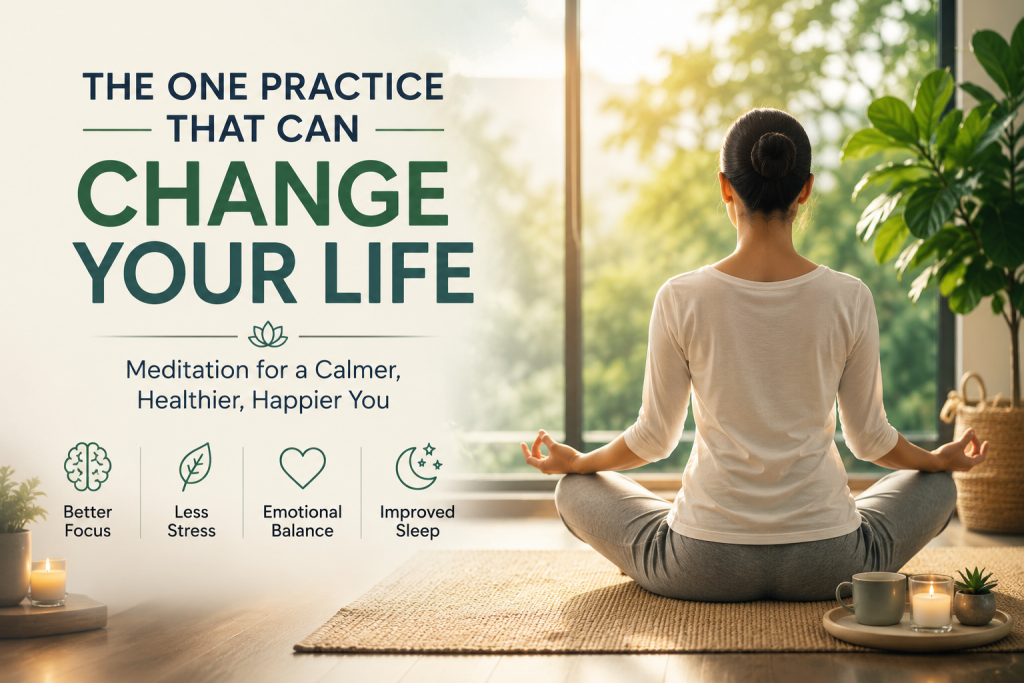
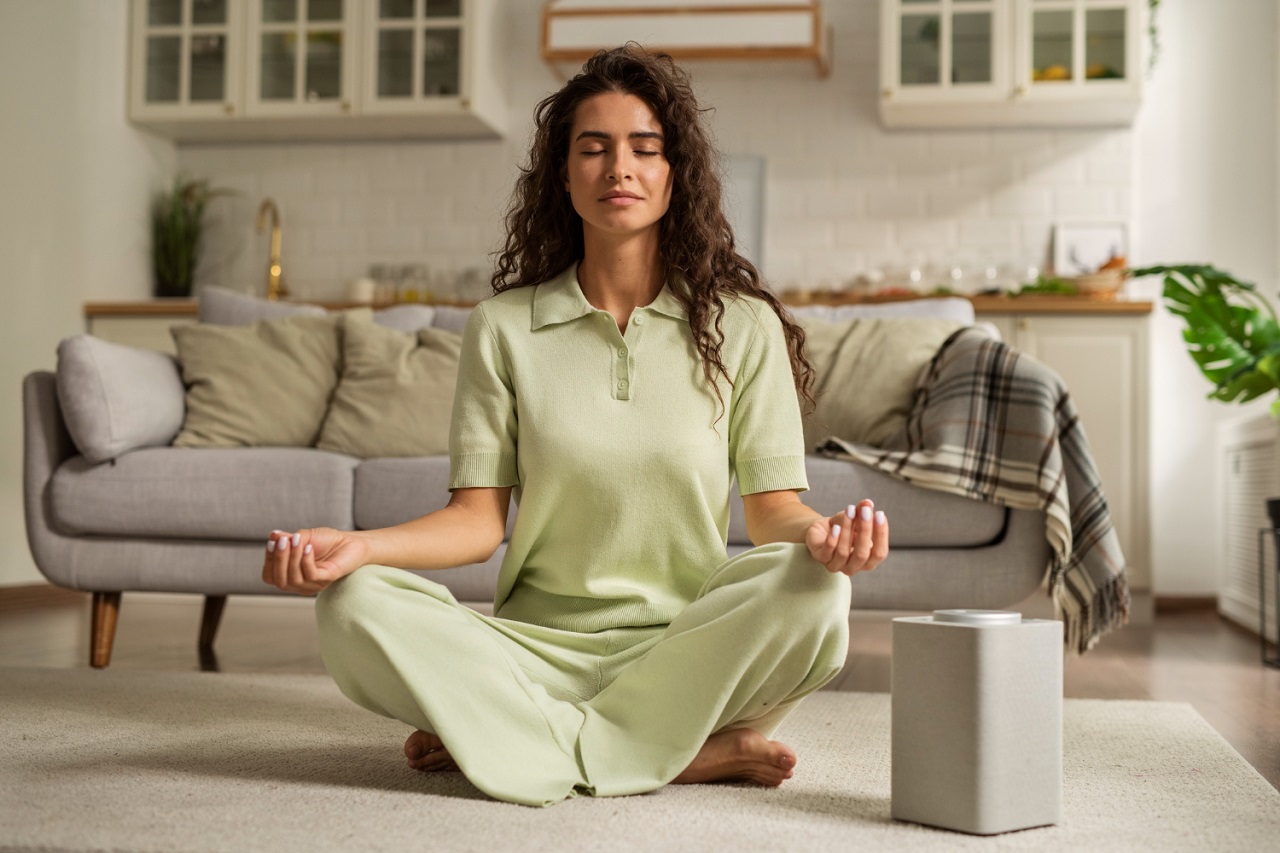
Benefits of Meditation: How One Daily Habit Can Transform Your Mental Wellbeing

The Big Question – What if just 10 minutes a day could help you feel calmer, think more clearly, and respond to life’s challenges with greater resilience?

The alarm hasn’t even stopped ringing.

Before you’re fully awake, your phone lights up with emails, messages, missed calls and reminders. Your mind immediately starts racing through deadlines, responsibilities and unfinished tasks. You move from one activity to the next, trying to keep pace with the day, yet somehow it always feels like you’re falling behind.

By evening, you’re exhausted not just physically, but mentally.

If this sounds familiar, you’re not alone.

Modern life constantly demands our attention, leaving little room for stillness. But what if one simple daily practice could help you navigate the same busy life with greater clarity, focus and peace?

That practice is meditation.

Quick Answer – What are the benefits of meditation?

Meditation is a mindfulness practice that trains your attention and awareness. Regular meditation has been associated with reduced stress, improved emotional regulation, better focus, enhanced sleep quality and greater overall wellbeing. Even 10–20 minutes a day can make a meaningful difference when practised consistently.

What Is Meditation?

Meditation is often misunderstood as “emptying your mind” or “thinking about nothing.”

In reality, meditation is simply the practice of intentionally focusing your attention.

According to Buddhist traditions, meditation develops:

  • Concentration
  • Mental clarity
  • Emotional balance
  • Self-awareness
  • Compassion

Today, meditation is also widely practised in healthcare, psychology and workplace wellness programmes to help people manage stress and improve mental wellbeing.

Meditation doesn’t remove challenges from your life it changes how you respond to them.

It won’t eliminate difficult conversations, deadlines or uncertainty, but it can help you approach them with a calmer, more balanced mind.

What Happens in Your Brain During Meditation?

When you meditate regularly, you practise gently bringing your attention back to the present whenever your mind wanders.

Over time, research suggests meditation may support changes in brain function associated with:

  • Better attention and concentration
  • Improved emotional regulation
  • Reduced stress reactivity
  • Greater self-awareness

Studies have also observed changes in brain regions involved in learning, memory and decision-making, including the prefrontal cortex, while reduced activity in the amygdala may contribute to a calmer response to stress.

Although meditation isn’t a magic solution, consistent practice can help train your brain to respond more thoughtfully rather than react impulsively.

Why Meditation Matters in Everyday Life

Meditation isn’t just about sitting quietly.

Its benefits often extend into everyday situations.

You may notice that you:

  • Respond instead of reacting during difficult conversations.
  • Stay focused for longer periods.
  • Feel less overwhelmed by stressful situations.
  • Recover more quickly after setbacks.
  • Become more patient with yourself and others.

These small changes often add up to meaningful improvements in overall wellbeing.

Science-Backed Benefits of Meditation

Helps Manage Stress

Meditation activates the body’s relaxation response, helping reduce mental and physical stress.

While stress is a normal part of life, learning how to respond to it more effectively can improve resilience.

Improves Focus and Productivity

Regular mindfulness practice strengthens your ability to sustain attention.

This can improve:

  • Concentration
  • Task completion
  • Decision-making
  • Workplace productivity

Supports Emotional Wellbeing

Meditation encourages greater awareness of thoughts and emotions without immediately reacting to them.

Over time, this may help reduce emotional overwhelm and improve emotional resilience.

May Improve Sleep Quality

Many people struggle to sleep because their minds remain active long after they’ve gone to bed.

Meditation and breathing exercises before bedtime can help calm the nervous system and support a more restful night’s sleep.

Supports Healthy Ageing

Emerging research suggests meditation may help support healthy brain ageing by encouraging lifelong cognitive engagement and stress management.

While more research continues, maintaining good mental wellbeing remains an important part of healthy ageing.

Common Types of Meditation

There is no single “correct” way to meditate.

Choose the approach that feels most comfortable.

Mindfulness Meditation

Observe your thoughts without judging them and gently bring your attention back to the present moment.

Breath Awareness Meditation

Focus entirely on your breathing.

Notice each inhale and exhale.

Whenever your mind wanders, gently return to your breath.

Guided Meditation

Listen to a trained instructor who guides you through relaxation or visualisation exercises.

Excellent for beginners.

Loving-Kindness Meditation

Focus on developing compassion and kindness toward yourself and others.

Body Scan Meditation

Slowly bring awareness to different parts of your body, noticing sensations without trying to change them.

Often used to reduce physical tension.

How to Start Meditating

You don’t need a mountain retreat or complete silence.

Start small.

Step 1

Find a quiet place.

Step 2

Sit comfortably with your spine relaxed but upright.

Step 3

Close your eyes or soften your gaze.

Step 4

Take slow, natural breaths.

Step 5

Focus on your breathing for five minutes.

When your mind wanders and it will gently bring your attention back without criticising yourself.

That’s the practice.

Common Meditation Myths

Myth: I have to empty my mind.

Reality: Thoughts are completely normal. Meditation teaches you to notice them without becoming carried away.

Myth: Meditation is only for spiritual people.

Reality: People from all backgrounds practise meditation for stress management, focus and overall wellbeing.

Myth: I need an hour every day.

Reality: Even 5–10 minutes of consistent practice can be beneficial.

Myth: I’m bad at meditation because my mind keeps wandering.

Reality: Every time you notice your mind wandering and gently bring it back, you’re practising meditation successfully.

Common Beginner Challenges

“I can’t stop thinking.”

That’s completely normal.

The goal isn’t to eliminate thoughts.

The goal is to notice when your attention drifts and gently guide it back.

Meditation is a skill, and like any skill, it improves with regular practice.

The Bottom Line

Life may never become less busy.

Emails will continue arriving.

Deadlines will remain.

Unexpected challenges will still appear.

Meditation doesn’t change your external circumstances—it changes your relationship with them.

It creates a little space between what happens and how you respond.

And sometimes, that small space is where clarity, resilience and peace begin.

Start with just five minutes today.

Your future self will thank you.

Pro Tip: Building a meditation habit is easier when you track your progress. Use the GOQii App to monitor your daily mindfulness practice alongside your sleep, activity and stress levels. Your GOQii Personalised Health Coach can help you develop a sustainable meditation routine that fits seamlessly into your lifestyle.

Frequently Asked Questions (FAQs)

  1. How long should I meditate each day?

Beginners can start with 5–10 minutes daily and gradually increase to 15–20 minutes as the habit becomes more comfortable.

  1. Is it better to meditate in the morning or evening?

Both work well. Morning meditation can help set a positive tone for the day, while evening meditation may help you unwind before sleep. The best time is the one you can practise consistently.

  1. What if my mind keeps wandering?

This is completely normal. Simply notice that your attention has wandered and gently bring it back to your breath. Every return strengthens your mindfulness practice.

  1. Can meditation help with anxiety?

Meditation may help reduce stress and improve emotional regulation. However, it should not replace professional mental health care. If you’re experiencing persistent anxiety or depression, consult a qualified mental health professional.

  1. Can I meditate lying down?

Yes, although many people find sitting upright helps them stay alert. If you’re practising before bedtime, lying down may be appropriate.

#BeTheForce

Disclaimer: This article is intended for educational purposes only and should not replace professional medical or psychological advice. Meditation can be a valuable tool for supporting mental wellbeing, but it is not a substitute for treatment of mental health conditions. If you are experiencing persistent anxiety, depression or emotional distress, seek guidance from a qualified healthcare professional.
July 20, 2026 By Bhumi Mehta 3 Comments

Yoga for Seasonal Viral Infections: A 5-Level Approach to Supporting Recovery

yoga therapyThe Big Question: When seasonal changes leave you with a cold, sore throat, or mild viral illness, can yoga help you feel better while your body recovers?
Seasonal weather changes—especially during the monsoon and winter months—often bring an increase in viral infections such as the common cold and other upper respiratory illnesses. While adequate rest, hydration, good nutrition, and medical care remain the cornerstones of recovery, gentle yoga practices may help ease discomfort, reduce stress, and support overall wellbeing during the healing process.

Rather than viewing recovery as purely physical, yoga takes a holistic approach by nurturing the body, breath, mind, and emotional wellbeing. This five-level framework offers simple practices that may help you feel more comfortable while your immune system does what it is naturally designed to do.

Important: If you have a high fever, severe weakness, chest pain, or difficulty breathing, avoid yoga entirely and seek medical advice promptly.

Level 1: Supporting the Physical Body

When you’re recovering from a viral illness, stiffness, fatigue, and nasal congestion can make even simple movements uncomfortable. Gentle yoga postures may help improve mobility, encourage comfortable breathing, and relieve muscular tension.

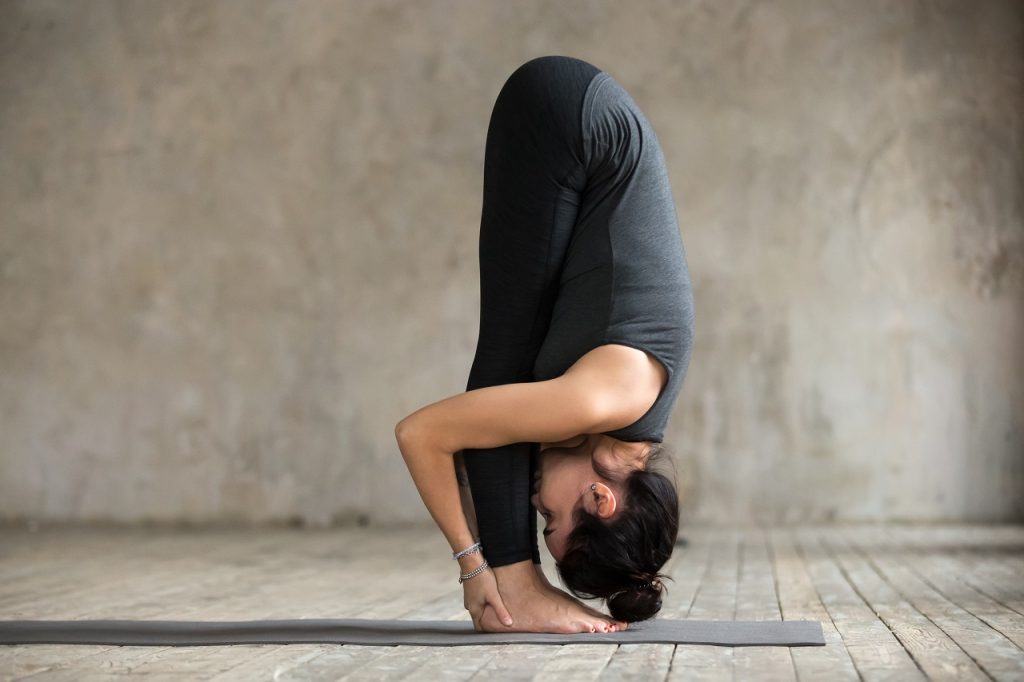
A. Uttanasana (Standing Forward Bend)yoga therapyThis gentle forward bend may temporarily ease the feeling of nasal congestion for some people while stretching the back of the body. Move slowly and avoid the pose if you feel dizzy.

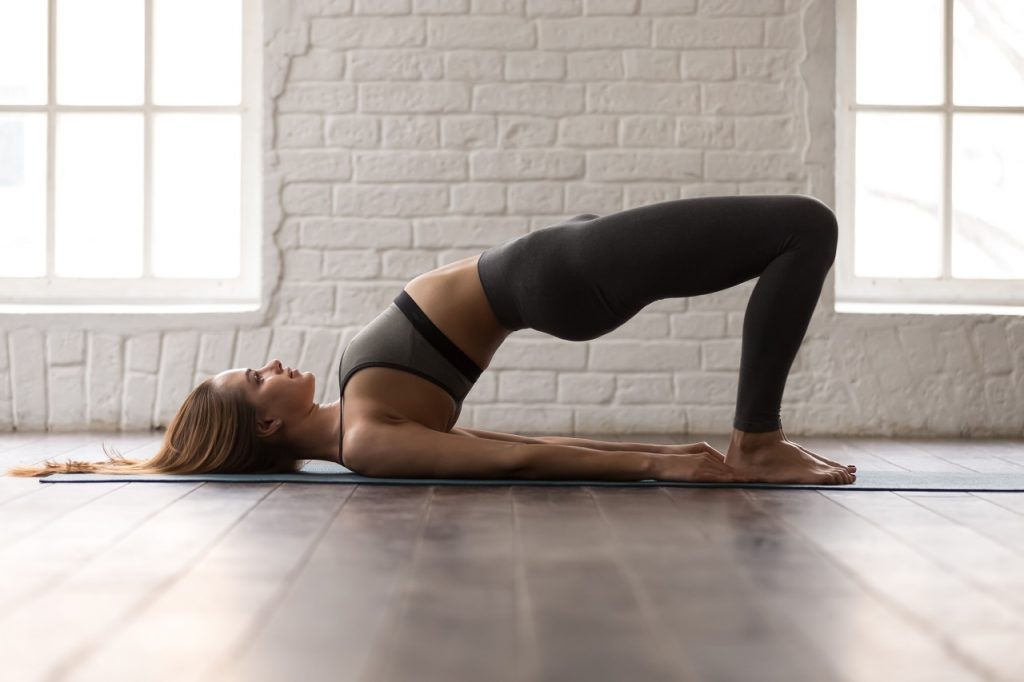
B. Setu Bandhaasana (Bridge Pose)Bridge Pose gently opens the chest and stretches the front of the body, which some people find helps them breathe more comfortably. Support your hips with a yoga block or cushion if needed.

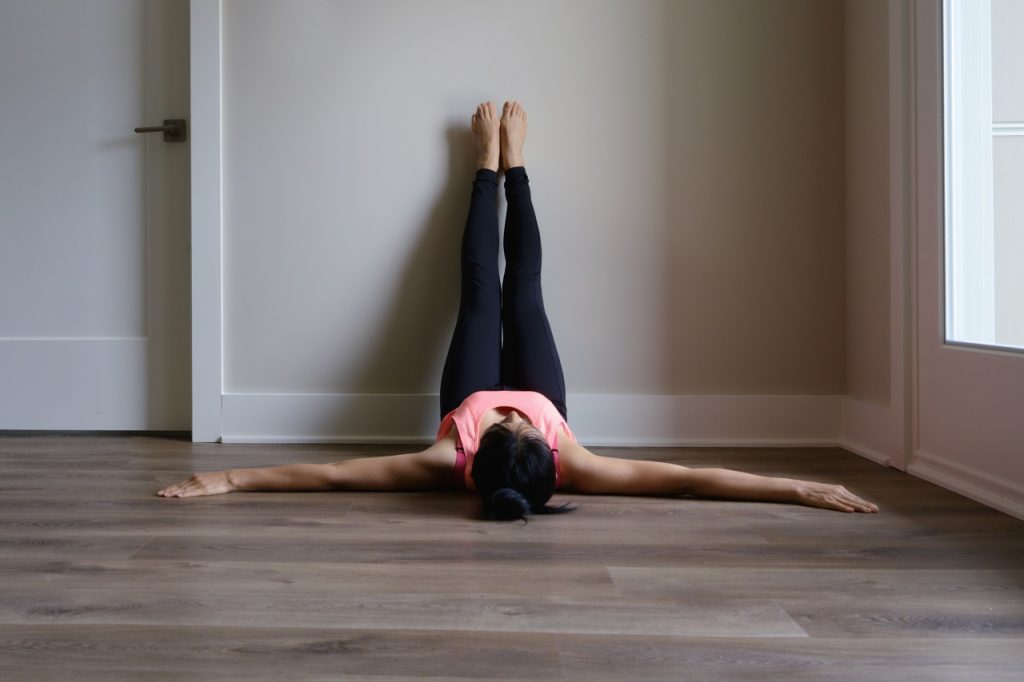
C. Viparita Karani (Legs-Up-the-Wall Pose)One of the most restorative yoga poses, this encourages deep relaxation and may help reduce feelings of tiredness after a prolonged illness. It also provides gentle relief for tired legs after long periods of inactivity.

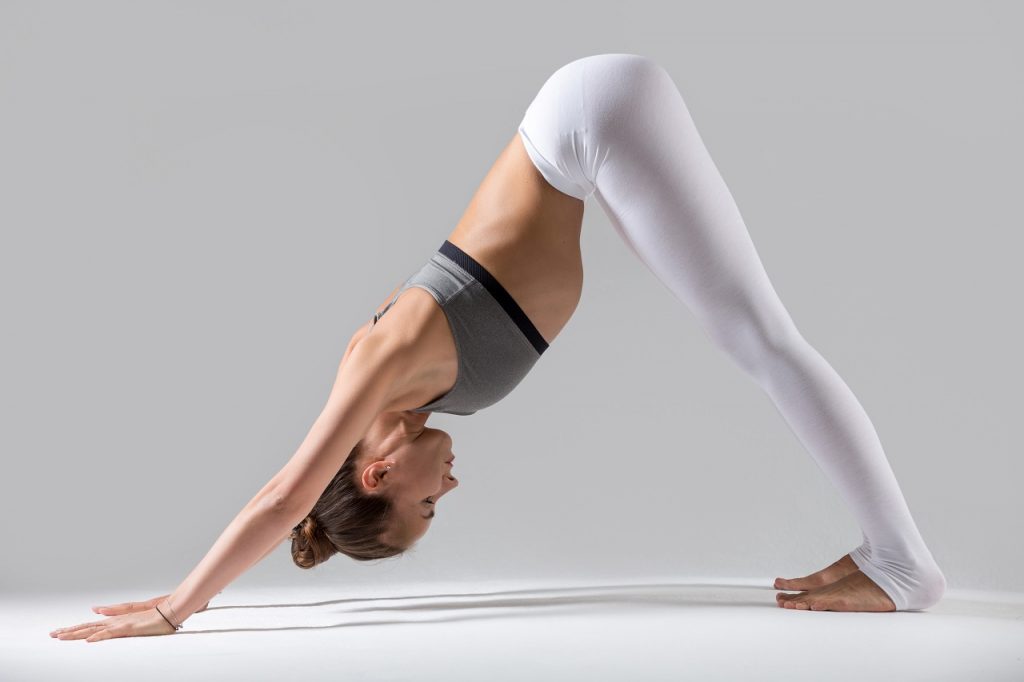
D. Adho Mukha Svanasana (Downward-Facing Dog)If your energy levels allow, this pose stretches the spine and shoulders while encouraging gentle chest expansion. Skip this pose if you feel weak, light-headed, or feverish.

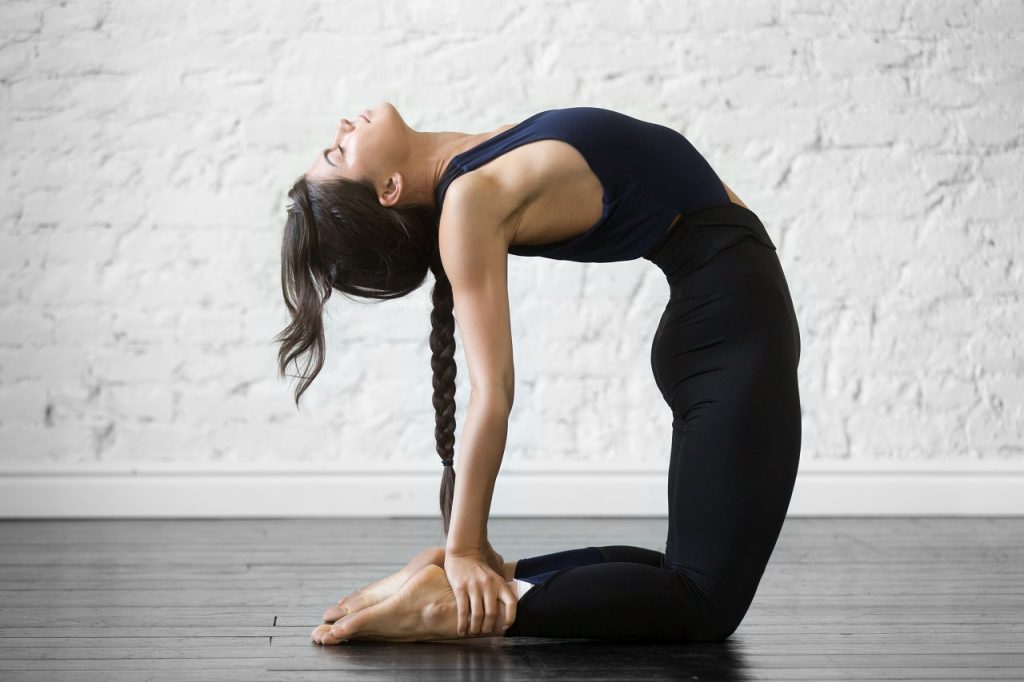
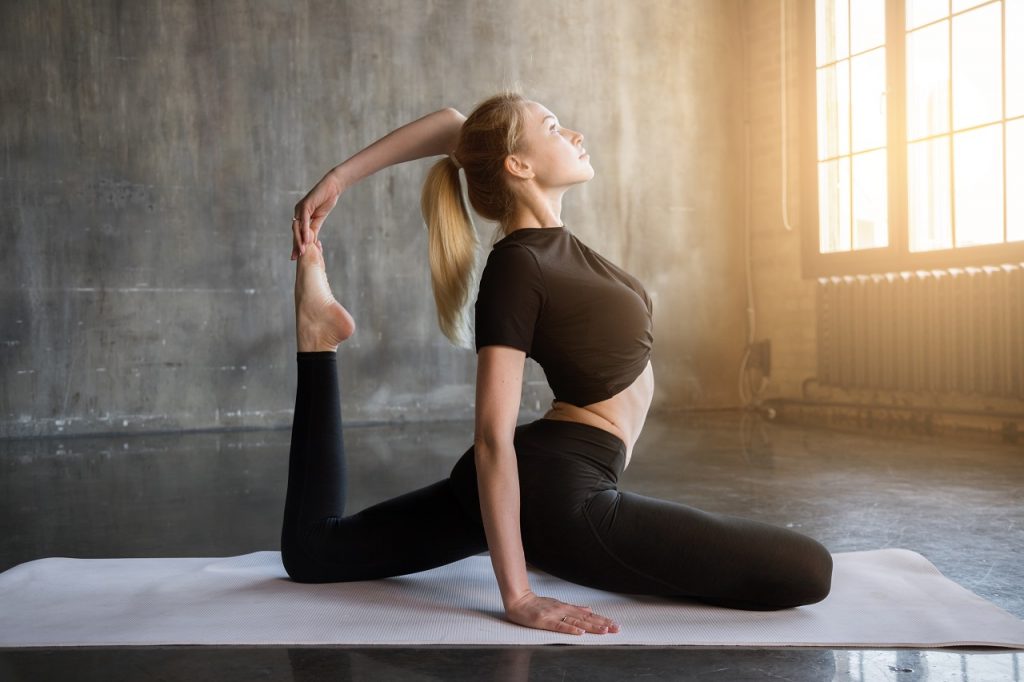
E. Ustrasana This asana opens up the chest and clears out all the passages. It is essential to try and breathe as much as you can while you are in this pose. This will help open up all the blocked areas that are causing the cold.
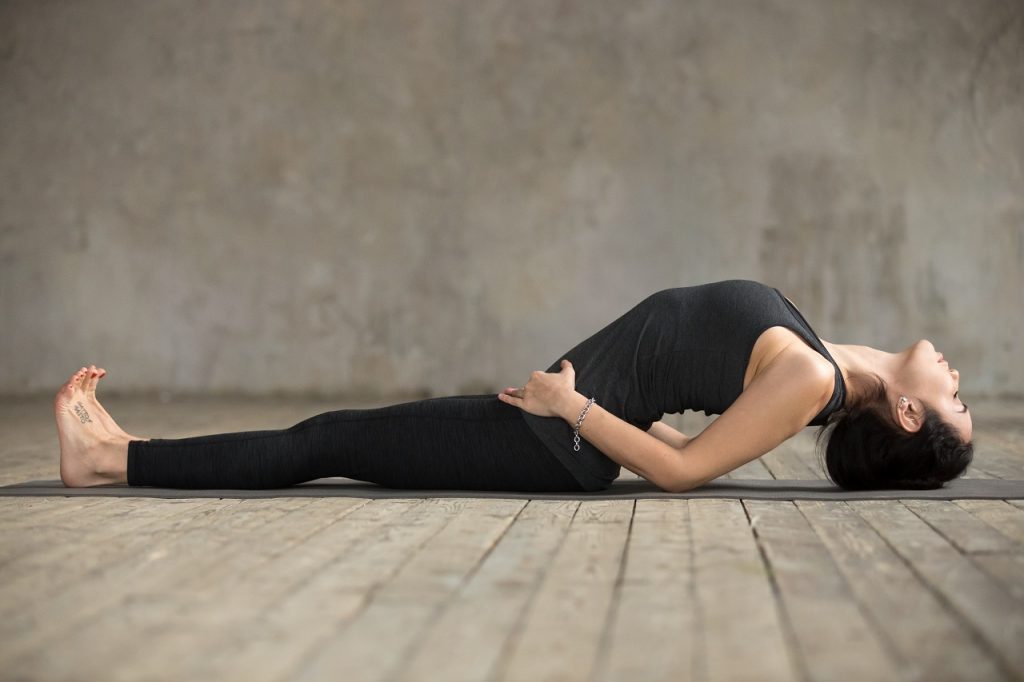
F. Matsyasana (Fish Pose)A supported version of Fish Pose using a cushion or yoga bolster beneath the upper back can encourage gentle chest opening and comfortable breathing.

Level 2: Supporting the Breath

Breathing exercises can help calm the nervous system and encourage slow, comfortable breathing during recovery. The goal here is relaxation—not force.

  • Gentle Diaphragmatic Breathing: Place one hand on your abdomen and breathe slowly through your nose, allowing your belly to rise and fall naturally. Practise for 5–10 minutes.
  • Nadi Shodhana (Alternate Nostril Breathing): If your nose isn’t completely blocked, gentle alternate nostril breathing may promote relaxation and reduce stress. Avoid forcing the breath if you are heavily congested.
  • Ujjayi Breathing: Soft Ujjayi breathing may create a soothing sensation in the throat while encouraging slow, controlled breathing. Keep the breath gentle and comfortable.

Avoid During Acute Illness: Practices such as Kapalabhati and Bhastrika involve forceful breathing and may not be appropriate during an active viral infection, fever, or significant respiratory symptoms. Consider returning to these techniques only after you have fully recovered and under the guidance of a qualified yoga instructor.

Level 3: Supporting the Mind

Being unwell can affect more than just your body. Fatigue, disrupted sleep, and frustration often increase stress, which can make recovery feel even more difficult. Simple meditation practices may help reduce stress and promote emotional wellbeing.

  • Spend 5–10 minutes sitting or lying down comfortably.
  • Focus purely on your breathing without trying to change its rhythm.
  • If your mind wanders, gently and without judgment bring your attention back to your breath.

Level 4: Prioritising Rest and Recovery

One of the biggest mistakes people make is returning to their normal routine too quickly. Recovery requires massive amounts of internal energy.

  • Shavasana (Corpse Pose): Although it appears simple, Shavasana encourages deep physical relaxation and allows your body to rest without unnecessary muscular effort. Even 10–15 minutes of intentional rest can help you feel refreshed during recovery.

Listen to your body and allow yourself ample time to recover fully before returning to intense physical activity.

Level 5: Building Emotional Resilience

Illness can leave you feeling discouraged, especially if symptoms linger longer than expected. Yoga encourages self-awareness and self-compassion.

Whether through quiet reflection, gratitude, gentle chanting, or prayer, taking a few moments to cultivate emotional resilience can help you cope with the temporary challenges of illness. While these practices don’t treat infections directly, they heavily support your overall sense of wellbeing during recovery.

When Should You Avoid Yoga?

Rest is often the best medicine. Stop any physical practice and seek medical advice if you experience:

  • High fever
  • Difficulty breathing or shortness of breath
  • Chest pain
  • Persistent dizziness
  • Severe fatigue
  • Significant dehydration
  • Worsening symptoms or symptoms lasting longer than expected

Resume physical activity gradually only once you begin feeling significantly better.

Yoga cannot cure viral infections, but it can be a highly valuable complementary practice during recovery. Gentle movement, breathing exercises, meditation, and adequate rest may help reduce stress, improve comfort, and support overall wellbeing while your body heals naturally. The key is to practise with strict self-awareness, respect your energy levels, and allow yourself the time you need to recover fully.

Pro Tip: Recovering from an illness is the perfect time to slow down and listen to your body. The GOQii App offers guided yoga sessions suitable for different fitness levels, and your GOQii Personalised Health Coach can help you choose appropriate practices based on your exact recovery stage.

Frequently Asked Questions (FAQs)

  1. Is it safe to practise yoga during a cold?

If your symptoms are mild and you don’t have a fever, gentle restorative yoga may help you relax and ease physical stiffness. Avoid strenuous or heated practice until you feel completely better.

  1. Can yoga boost immunity?

Regular physical activity, including yoga, contributes to overall health and stress management, which are vital components of a healthy immune system. However, yoga should not be considered a direct treatment for viral infections or a replacement for proper medical care.

  1. Which yoga poses are best during recovery?

Restorative poses such as Viparita Karani (Legs-Up-the-Wall), supported Matsyasana (Fish Pose), and Shavasana (Corpse Pose) are generally much better suited to recovery than vigorous, standing Vinyasa sequences.

  1. Should I do Kapalabhati if I have a cold?

No. Forceful breathing exercises such as Kapalabhati and Bhastrika are generally best avoided during an active illness, especially if you have a fever or significant respiratory symptoms, as they can cause dizziness and irritate inflamed airways.

#BeTheForce  

Disclaimer: This article is intended for educational purposes only and should not replace professional medical advice, diagnosis, or treatment. Consult a qualified healthcare provider if your symptoms are severe, worsen, or are accompanied by high fever, chest pain, or difficulty breathing. Yoga should be practised within your comfort level and, where appropriate, under the guidance of a qualified instructor.

November 24, 2025 By Vandana Juneja Leave a Comment

5 Breathing Exercises To Relieve Anxiety In An Instant

breathing exercises to relieve anxiety Many individuals experience anxiety, which can have a significant impact on their lives. When feeling anxious, symptoms such as increased heart rate, shallow and rapid breathing, and heightened tension often arise. However, there are effective methods to alleviate anxiety, such as engaging in breathing exercises.

Breathing exercises are straightforward yet potent techniques that enable individuals to regulate their breathing and achieve a state of mental calmness. By directing attention to the breath, it becomes possible to slow down the heart rate, reduce blood pressure, and alleviate muscle tension. Here are a few breathing exercises that can help relieve anxiety.

1. Diaphragmatic Breathing

Also referred to as belly breathing or deep breathing, diaphragmatic breathing involves inhaling deeply into the abdomen. This technique aids in slowing down the breathing process and activating the relaxation response.

To practice diaphragmatic breathing, find a comfortable position by lying down on your back or sitting on a chair with your feet flat on the ground. Then, place one hand on your chest and place the other on your belly. Inhale slowly and deeply through your nostrils, noticing the expansion of your belly as you breathe in. Now, exhale through your mouth slowly while feeling your belly contract. Repeat this exercise for a few minutes, concentrating on your breath and the sensations in your body.

2. Box Breathing

Box breathing, also known as square breathing, involves following a pattern of inhaling for four counts, holding the breath for four counts, exhaling for four counts, and holding the breath again for four counts. This technique aids in regulating breathing and calming the mind.

To practice box breathing, assume a comfortable position with a straight back and your feet flat on the ground. Take a gradual breath in through your nostrils, ensuring a slow count to four. Hold your breath for four counts. Next, exhale through the mouth slowly for four counts. Before you inhale again, pause and hold your breath for a count of four. Repeat this exercise for a few minutes. Be sure to focus on your breath and the sensations in your body.

3. Coherent Breathing

The goal of coherent breathing is to slow down the breathing rate to five breaths per minute. This pattern of breathing helps lower heart rate and blood pressure, resulting in a calmer nervous system.

Sit comfortably and inhale through your nose, expanding your belly for a count of five. Without pausing at the top of the inhale, immediately begin exhaling to a count of six. Repeat this sequence at least five times to complete a full-minute cycle. If inhaling or exhaling for this length of time is challenging, start with a three-count and gradually increase.

4. Alternate Nostril Breathing

Also known as Nadi Shodhana in Sanskrit, alternate nostril breathing involves inhaling and exhaling through one nostril at a time to balance the flow of energy. This technique helps quiet the mind and emotions.

To practice Nadi Shodhana, sit upright in a comfortable position with a straight spine. Bring your right hand in front of your face, placing your index and middle fingers between your eyebrows for stability. During the exercise, you will block either the left or right nostril using your thumb and ring finger. Close your eyes and block the right nostril with your thumb. Inhale slowly through the left nostril for a count of four, take a brief pause, and exhale through the right nostril for a count of four. Perform this cycle for a minimum of five repetitions.

5. Victory Breath

Victory breath, also known as Ujjayi Breath, derives its name from the Sanskrit term and is often associated with the soothing sound resembling waves crashing against the shore, hence referred to as ocean breath.

To practice this technique, find a comfortable upright position with a straight spine and hands resting in your lap. Keep your mouth closed and begin by inhaling through your nose for a count of 4, gently constricting the airflow to the back of your throat during the inhale. After reaching the top of the inhale, pause for a second before exhaling. Constrict your throat slightly and exhale slowly to a count of 6. Repeat this exercise for 5-10 repetitions.

In conclusion, breathing exercises provide a simple yet effective means to manage anxiety. Through regular practice, you can develop the ability to regulate your breathing and cultivate a calm mind, ultimately promoting a sense of relaxation and ease. So, take a few moments each day to focus on your breath and embrace the numerous benefits of these powerful techniques.

If this article helped you, let us know in the comments below! Find more articles on breathwork and yoga here. You can also get these techniques and more from a GOQii Coach by subscribing for Personalised Health Coaching here.

#BeTheForce 

Disclaimer: The information provided in this blog is for general awareness and educational purposes only. It is not intended to replace professional medical advice, diagnosis, or treatment. Always consult a qualified healthcare provider for personalised medical guidance or concerns related to your health. Images shown are for representation purposes only and may not depict the exact recommendations or outcomes.

February 1, 2025 By GOQii Leave a Comment

Mayur Sutar’s Journey to a Healthier Life

Mayur Sutar Health TransformationAt 26, Mayur Sutar was deeply entrenched in the corporate whirlwind. His days were a blur of quick, unsatisfying meals, fitful sleep, and relentless deadlines. This vicious cycle was draining him, fueling a constant state of fatigue and frustration. Health had become a forgotten chapter in the book of his life.

In every story, however, there’s a pivotal moment that can change everything. For Mayur, it was a profound epiphany amid the chaos. He realized he wasn’t just compromising his health, but also losing the vibrant spirit that once drove him. This realization ignited a desire to take charge and steer his life towards a healthier horizon.

A pivotal moment came in his life 4 years ago when his father gifted him a GOQii Smart Watch, affectionately known as his ‘Gift of Health.’ This device became more than just a tool; it was his ally on the path to rejuvenation.

Reflecting on his previous lifestyle, Mayur admitted, “My days were a balancing act gone awry. Fast food, sporadic sleep, and endless soda were my fuel. I was always tired, stressed, and stuck in a rut.” His life mirrored the relentless pace of his job—convenient meals, minimal hydration, and disrupted sleep.

But the shift toward change was gradual yet impactful. Constant fatigue lingered like a shadow, and the man in the mirror became unrecognizable, tipping the scales at 85 kgs. Despite gym efforts, he felt trapped in a loop of exhaustion and low productivity. In his quest for transformation, Mayur turned to GOQii, seeking the motivation and support he needed to revamp his life.

The Turning Point: A Journey with GOQii

With GOQii guiding him, Mayur didn’t just tweak his habits; he transformed them, each healthier choice bringing him closer to the energy and zest he yearned to reclaim.

Mayur was paired with Megha Mahajan, a GOQii Coach whose expertise in nutrition and fitness proved invaluable. “Megha wasn’t just a coach; she was my lifestyle strategist,” Mayur remarks with a smile. Together, they began rewriting his story.

Transforming Lifestyle, Step by Step

Their collaboration started with his diet. “Megha introduced me to whole foods and balanced meals, stressing the importance of hydration and regular nourishment.” Under her guidance, Mayur’s meals became a vibrant array of nutrients, as pleasing to the eye as they were beneficial for his body.

Exercise routines followed, with Megha integrating a dynamic mix of strength training and cardio. “The workouts were tailored to keep me engaged and push my boundaries,” Mayur explains.

A significant transformation was also seen in his sleep habits. “Megha recommended practicing Yoga Nidra, taking warm showers before bed, and disconnecting from gadgets in the evening. These small shifts had a profound effect on improving my sleep quality,” he notes.

That’s not all; Mayur also adopted habits that bolstered his emotional health. He recalls, “In 2023, when my coach Megha asked about my New Year’s resolution, I expressed my desire to try meditation. Despite previous struggles with consistency, we incorporated meditation into my daily routine. Since then, it has become an essential tool for managing stress, and I’ve noticed improvements in focus, emotional balance, and an overall sense of calm.”

Enriching Life Beyond Health

Additionally, Megha recommended developing a habit of reading books last year, which Mayur says has significantly enriched his life. This new habit has broadened his knowledge, sharpened his focus, and provided a relaxing way to decompress.

The Results: A Transformed Life

Today, Mayur is a rejuvenated man. “I’ve not only shed weight but also gained incredible energy and positivity. I’ve lost 10 kgs and feel revitalized and in control,” he shares enthusiastically. His transformation has inspired friends and family, who now often seek his advice, moved by his dedication and results. “It’s more than just looking better. It’s about feeling amazing and knowing you’re on the right path,” he adds.

Mayur’s story is a powerful testament to the impact of personalized coaching and the critical importance of taking that first step towards a healthier life. With GOQii’s guidance, Mayur not only reached his health goals but also set new ones, continually advancing on his journey of wellness and proving that in the quest for health, every step truly counts.

Ready to start your own health transformation? Join GOQii today and take the first step toward a healthier, happier you. With personalised health coaching, smart health tools, and a supportive community, your wellness journey is just a click away. Explore GOQii’s plans now!

For more inspiring stories and health tips, check out Healthy Reads.

#BeTheForce

  • 1
  • 2
  • 3
  • 4
  • Next Page »

Search

Recent Posts

  • Foods to Manage Blood Sugar Naturally: A Complete Guide to Better Blood Sugar Control
  • The Lazy Person’s Guide to Staying Healthy: 5 Micro-Habits That Take Less Than 2 Minutes
  • Healthy Eating: Comforting Chilli Bean Soup Recipe for the Monsoon
  • The Truth About the ‘Beer Belly’: What Alcohol Really Does to Your Metabolism
  • Benefits of Meditation: How One Daily Habit Can Transform Your Mental Wellbeing

Stay Updated

Archives

  • August 2026 (7)
  • July 2026 (25)
  • June 2026 (22)
  • May 2026 (20)
  • April 2026 (24)
  • March 2026 (18)
  • February 2026 (14)
  • January 2026 (14)
  • December 2025 (19)
  • November 2025 (15)
  • October 2025 (20)
  • September 2025 (6)
  • August 2025 (6)
  • July 2025 (9)
  • June 2025 (18)
  • May 2025 (16)
  • April 2025 (22)
  • March 2025 (26)
  • February 2025 (21)
  • January 2025 (25)
  • December 2024 (22)
  • November 2024 (22)
  • October 2024 (20)
  • September 2024 (22)
  • August 2024 (28)
  • July 2024 (15)
  • June 2024 (23)
  • May 2024 (26)
  • April 2024 (27)
  • March 2024 (27)
  • February 2024 (23)
  • January 2024 (21)
  • December 2023 (14)
  • November 2023 (10)
  • October 2023 (19)
  • September 2023 (21)
  • August 2023 (16)
  • July 2023 (16)
  • June 2023 (21)
  • May 2023 (20)
  • April 2023 (19)
  • March 2023 (23)
  • February 2023 (19)
  • January 2023 (15)
  • December 2022 (11)
  • November 2022 (15)
  • October 2022 (15)
  • September 2022 (12)
  • August 2022 (9)
  • July 2022 (17)
  • June 2022 (11)
  • May 2022 (10)
  • April 2022 (6)
  • March 2022 (6)
  • February 2022 (13)
  • January 2022 (11)
  • December 2021 (7)
  • November 2021 (3)
  • October 2021 (6)
  • September 2021 (3)
  • August 2021 (8)
  • July 2021 (7)
  • June 2021 (15)
  • May 2021 (16)
  • April 2021 (10)
  • March 2021 (7)
  • February 2021 (4)
  • January 2021 (4)
  • December 2020 (3)
  • November 2020 (4)
  • October 2020 (10)
  • September 2020 (3)
  • August 2020 (3)
  • July 2020 (2)
  • June 2020 (4)
  • May 2020 (10)
  • April 2020 (12)
  • March 2020 (10)
  • February 2020 (4)
  • January 2020 (4)
  • December 2019 (3)
  • November 2019 (7)
  • October 2019 (5)
  • September 2019 (4)
  • August 2019 (9)
  • July 2019 (9)
  • June 2019 (11)
  • May 2019 (4)
  • April 2019 (8)
  • March 2019 (8)
  • February 2019 (9)
  • January 2019 (8)
  • December 2018 (9)
  • November 2018 (3)
  • October 2018 (3)
  • September 2018 (5)
  • August 2018 (10)
  • July 2018 (6)
  • June 2018 (13)
  • May 2018 (8)
  • April 2018 (18)
  • March 2018 (9)
  • February 2018 (8)
  • January 2018 (15)
  • December 2017 (12)
  • November 2017 (19)
  • October 2017 (13)
  • September 2017 (15)
  • August 2017 (4)
  • July 2017 (8)
  • June 2017 (7)
  • May 2017 (6)
  • April 2017 (8)
  • March 2017 (6)
  • February 2017 (7)
  • January 2017 (9)
  • December 2016 (10)
  • November 2016 (7)
  • October 2016 (7)
  • September 2016 (7)
  • August 2016 (11)
  • July 2016 (9)
  • June 2016 (9)
  • May 2016 (12)
  • April 2016 (17)
  • March 2016 (17)
  • February 2016 (8)
  • January 2016 (6)
  • December 2015 (2)
  • November 2015 (9)
  • October 2015 (7)
  • September 2015 (9)
  • August 2015 (11)
  • July 2015 (9)
  • June 2015 (11)
  • May 2015 (9)
  • April 2015 (13)
  • March 2015 (8)
  • February 2015 (5)
  • January 2015 (12)
  • December 2014 (14)
  • November 2014 (11)
  • October 2014 (6)
  • September 2014 (13)
  • August 2014 (12)
  • July 2014 (6)
  • June 2014 (2)
  • May 2014 (7)
  • April 2014 (4)

From Burnout to Balance: How Dr. Ranjit Reclaimed His Health

Dr Ranjit Bhatt has spent years tending to others. A practising doctor in Odisha, his days were packed with patients, surgeries, and emergencies. From the outside, it looked like a life lived in service. But on the inside, something wasn’t right. “I had no … [Read More...]

From Shimla’s Slopes to Chandigarh’s Sidewalks: Surinder Kaur Bhalla’s Journey from Chaos to Control

Some journeys start with a plan. Others begin with a stumble literally. Surinder Bhalla, a government professional, born and raised in the scenic hill town of Shimla, had always lived a life of movement. “In Shimla, you walked everywhere,” she reflects. “Walking was never an exercise. It was just life.” But after shifting to Chandigarh, […]

“I’ve Challenged Myself to Live 100 Years” – The Story of Chandubhai Savani’s Second Chance at Life

At 67, most people start slowing down. Not Chandubhai Savani. A resident of Surat, Chandubhai, thought life was on track. “My life was going well till I had my bypass surgery,” he says. That surgery, back in 2021, was a wake-up call.  Medication was routine, but exercise wasn’t. His diet? What he calls ‘normal.’ “I […]

Ananda Mukherjee Health Story

From Terminal Illness To Complete Wellness! Ananda Mukherjee Health Story

As we observe World Cancer Day under the powerful theme ‘United by Unique’ (2025-2027)**, we are reminded that every individual’s journey with cancer is distinct, yet united by shared resilience, hope, and the collective fight against this disease. This theme places people at the centre of care and their stories at the heart of the […]

  • HOME
  • HEALTHY LIVING
  • FITNESS
  • HEALTHY RECIPES
  • USER STORIES
  • KARMA
  • BUY GOQii

Copyright ©2016 GOQii