GOQii

Blog

  • HOME
  • HEALTHY LIVING
  • FITNESS
  • HEALTHY RECIPES
  • USER STORIES
  • KARMA
  • BUY GOQii

December 2, 2025 By Parveen Nake 3 Comments

What Gestational Diabetes Can Do To You & Your Unborn Child

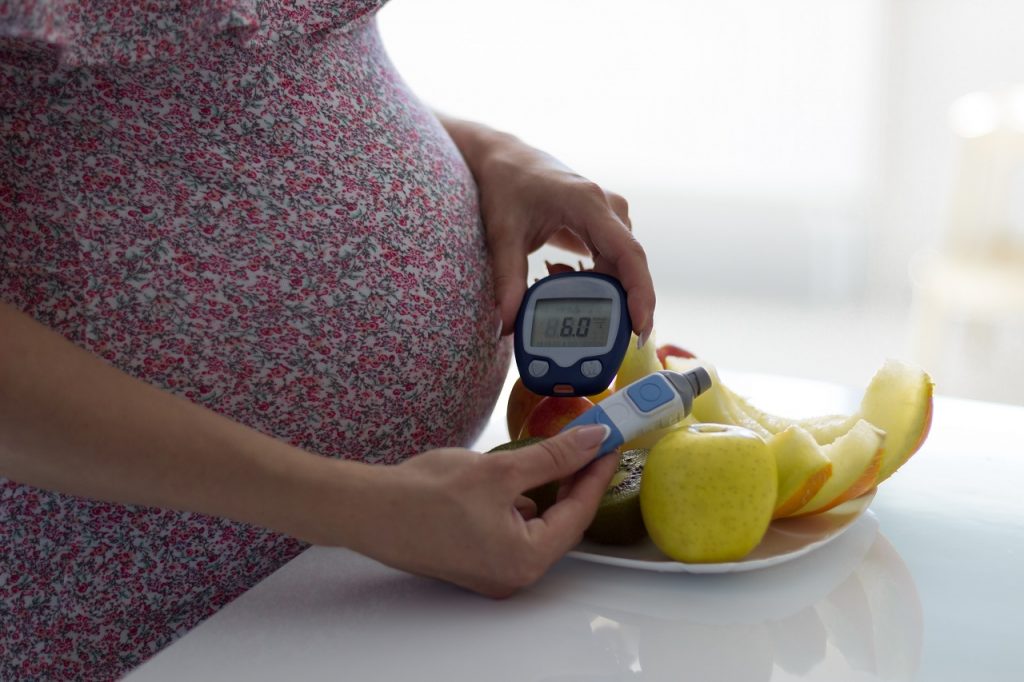
Gestational DiabetesWe all know about Diabetes Mellitus to some extent as Diabetes Mellitus is a chronic metabolic disorder that prevents the body from utilising glucose completely or partially. It is characterised by raised glucose concentration in the blood and alterations in carbohydrate, protein and fat metabolism. But have you ever heard of Gestational Diabetes or Pregnancy Diabetes?

Gestational Diabetes is a high blood sugar (glucose) condition that develops during pregnancy and usually disappears after giving birth. It can happen at any stage of pregnancy, but is more common in the second or third trimester. Insulin requirements goes up one to three times in pregnancy. During normal pregnancy the level of plasma insulin is raised by the action of placental hormones thus placing a burden on the insulin secreting cells of the pancreatic islets. The pancreas may be unable to meet these demands in women genetically predisposed to develop both types of diabetes. Long term studies show that some 80% of women with gestational diabetes ultimately develop permanent clinical diabetes requiring treatment.

What Causes Gestational Diabetes?

The causes of Gestational Diabetes is not known clearly yet. Some, but not all women with gestational diabetes are found to be overweight before getting pregnant or have a family history of diabetes. It is more common in Native American, Alaskan Native, Asian and Black women, but white women may develop it due to poor lifestyle.

Are There Tests to Determine it?

Oral glucose tolerance test (OGTT) is a confirmatory test. The OGTT measures blood glucose after you fast for at least 8 hours. Firstly, the blood sample is drawn in fasting state. Then, 75g of glucose dissolved in 250-300 ml of water is given, Lemon juice may be added for flavour and to prevent nausea. Then the blood specimens are collected every 30 mins for 2-3 hours after the administration of glucose.

High blood glucose levels at any two or more blood test times – Fasting, 1 hour, 2 hours or 3 hours – mean you have Gestational diabetes.

Complications During Pregnancy

If blood sugar is not controlled, it can lead to problems for both maternal and foetal health. Uncontrolled diabetes during the first trimester of pregnancy increases the risk of abortions and congenital malfunctions in the foetus. Some of the major consequences are:

  • High Blood Pressure (Preeclampsia): Preeclampsia is a potentially dangerous pregnancy complication characterised by high blood pressure. Due to the high blood pressure levels of the mother, the protein in urine spikes up and swelling in fingers and toes and lower body persists. High blood pressure can be harmful to both – the mother and the unborn baby. It might lead to the baby being born early and also could cause seizures or a stroke (a blood clot or a bleed in the brain that can lead to brain damage) in the woman during labour or delivery.
  • An Extra Large Baby: Uncontrolled Diabetes in the mother causes the baby’s blood sugar to be high. The baby tends to “overfeed” and grows extra-large. Besides, causing discomfort to the mother, it can lead to problems during delivery causing prolonged labour pain which might need a C-section to deliver the baby. The baby can be born with nerve damage due to pressure on the shoulder during delivery.
  • Low Blood Sugar (Hypoglycaemia): People with diabetes who take insulin or other medications can develop blood sugar that is too low or hypoglycaemia. Low blood sugar can be very serious and even fatal if not treated quickly.

How to Manage Gestational Diabetes

The main modes of treatment of Gestational Diabetes include:

1. Eating a Healthy Diet: Dietary measures are an essential part of the treatment of diabetic patients whether they are on diet alone or on metformin drug or insulin. Carbohydrate restriction impairs insulin sensitivity and reversed by high carbohydrate diet but it needs to be maintained between 60-65% of total calories. So include more complex carbohydrates or polysaccharides like Multi-grain flour, Oats, Muesli, Granola, Amaranth, Pearl Millet (Bajra), Finger Millet (Ragi), Quinoa, etc. Studies have shown that raising carbohydrates does not adversely affect the fasting blood glucose levels, glucose tolerance or insulin requirements provided that total calories are not increased.

Along with carbs, include more protein-rich foods like pulses and lentils, Kidney beans (Rajma), Soya Bean, peas, beans, peanuts, milk and dairy products like yogurt, buttermilk, cottage cheese (paneer), eggs, chicken, etc. to ensure weight gain and prevent osteomalacia during pregnancy. Inclusion of fibre like fruits and green leafy vegetables are must as it improves glucose metabolism without increasing insulin secretion. It increases the intestinal transit-time, delay gastric emptying slow glucose absorption.

2. Drugs or Insulin Treatment: Metformin or Insulin therapy is the accepted medical management of gestational diabetes. Insulin is the first drug of choice and metformin can be considered after 20 weeks of gestation. Insulin must be taken without delay if it is suggested by the doctor.

3. Exercise: Stay Active to help keep your blood sugar under control. Exercise regularly – before, during and after pregnancy. Moderate exercise such as brisk walking for 30mins a day for 5 times a week is a good goal to set.

4. Monitoring Blood Sugar Often: Be aware that your blood sugar can change very quickly, becoming too high or too low depending on what you eat and how much you exercise and your growing baby’s blood sugar also varies several times during the day. Check your blood sugar level as often as directed by the doctor and any time you have symptoms.

By adopting these measures one can enjoy a healthy Antenatal period. For more articles on managing Diabetes, check out Healthy Reads or for further information or guidance, reach out to our certified experts by subscribing to GOQii’s Personalised Health Coaching here.

#BeTheForce

Disclaimer: The information provided in this blog is for general awareness and educational purposes only. It is not intended to replace professional medical advice, diagnosis, or treatment. Always consult a qualified healthcare provider for personalised medical guidance or concerns related to your health. Images shown are for representation purposes only and may not depict the exact recommendations or outcomes.

October 30, 2025 By Priyanka Mangla 3 Comments

The Early Signs & Symptoms of Diabetes

symptoms of diabetesDiabetes has become one of the most common lifestyle disorders affecting both, urban and rural areas alike. You can attribute this to overeating, obesity, stressful, busy and sedentary lifestyles which lead to the early symptoms of diabetes. This also includes lack of proper nutrition which leads to disturbed glucose metabolism. Heredity is also a major factor in the development of the disease. It is usually misunderstood that eating only refined sugar in excess will lead to diabetes but that’s not the case. Excess intake of proteins and fats also leads to development of diabetes because ultimately they are also metabolized and converted to glucose.

Diabetes is characterized by the elevated levels of glucose in the blood and urine. It is of 2 types:

  • Type 1: is present since birth due to complete absence of insulin 
  • Type 2: Develops later in life due to the deficiency of insulin

There are other variants too like gestational diabetes which occur during  pregnancy. Read more about it here: https://goqii.com/blog/what-gestational-diabetes-can-do-to-you-your-unborn-child/ 

Since untreated or uncontrolled diabetes gradually starts affecting the functioning of major organs of the body, like the heart, kidneys, brain, nervous system, eyes, etc. it is important to diagnose and manage diabetes as early as possible.  

How Can You Diagnose It? 

It is diagnosed by a blood test, in which the blood glucose in the fasting state (normal values range between 80-120 mg/100 ml of blood) and 2 hours after having the meal (normal values, 140 mg/100 ml of blood) are measured. Now, even before getting your blood glucose tested, there are certain signs and symptoms which our body shows which indicate the development of diabetes. 

Early Signs and Symptoms of Diabetes

  1. 3P’s: Polyphagia (increased hunger), polydipsia (increased thirst), polyuria (increased urination). Remember these 3 P’s and look out if you are experiencing these. 
  2. Loss of weight: In spite of increased hunger, there will be a very sharp loss of weight, which again is a warning symptom. This is happening because the glucose is getting lost in the urine, also due to insufficient insulin, the available glucose is not getting utilized to provide energy and to function, the body has started utilizing the glucose which is stored in the muscles and organs. 
  3. Getting tired: Loss of weight due to this condition leads to early tiredness. The person gets tired easily both mentally and physically. 
  4. Dry mouth: Despite drinking more water, there will be dryness in the mouth. 
  5. Paleness: appears because of anemia.
  6. Frequent infections and delayed healing of wounds: happens due to excess of glucose in the blood. 
  7. Loss of libido. 

In its early stages, we can easily prevent it from progressing further to a full blown Diabetes Mellitus with: 

  • Regular exercise: for a minimum of 30 minutes to maintain optimum weight. Engage yourself in light games. 
  • Proper diet: Which includes salads with meals (this slows down digestion and prevents an immediate spike in blood sugar levels) and excluding refined sugar, alcohol, smoking and high fat foods. 
  • Yoga & meditation: take care of the stress levels and curb the disease from getting any worse. Pranayama (Breath Control) and certain yoga asanas like Cobra Pose (Bhujangasana), Shoulder Stand (Sarvangasana) and various others help in stimulating the pancreas to produce insulin . 

There are certain home remedies which can be used as a supportive measure. I want to discuss here the two most important ones. 

  1. Bitter gourd (Karela): is highly beneficial in the treatment of diabetes. It contains an insulin-like principle, known as plant-insulin which has been found effective in lowering the blood and urine sugar levels.
  2. Java Plum (Jamun): The seeds contain a glycoside ‘jamboline’ which has the power to check the pathological conversion of starch into sugar in cases of increased production of glucose. In the Homoeopathic system of medicine, we have a very effective medicine prepared from this fruit to treat diabetes. 

We hope this article helps you manage Diabetes and helps you spot the early signs and symptoms. Do leave your thoughts in the comments below! For more articles on managing Diabetes, check out Healthy Reads. 

For further guidance and motivation by certified experts, join the GOQii Diabetes Care program. It’s India’s only diabetes program that is driven by Smart Science and Personal Coaching to improve Fasting Blood Sugar (FBS), Postprandial Blood Sugar (PP), and reduce HbA1c levels. You can subscribe here: https://store.goqii.com/diabetescare.

#BeTheForce Against Diabetes! 

Disclaimer: The information provided in this blog is for general awareness and educational purposes only. It is not intended to replace professional medical advice, diagnosis, or treatment. Always consult a qualified healthcare provider for personalised medical guidance or concerns related to your health. Images shown are for representation purposes only and may not depict the exact recommendations or outcomes.

April 12, 2025 By GOQii Leave a Comment

The Importance of Keeping a Food Diary for Diabetes Control

Managing diabetes goes beyond just watching your sugar intake—it requires a deeper understanding of how different foods affect your blood sugar levels. One of the most effective and simple tools to gain this insight is keeping a food diary.



By consistently tracking what you eat and drink, you become more aware of your habits, make better dietary choices, and stay committed to a low-carb lifestyle. Whether your goal is to stabilise blood glucose levels or reverse type 2 diabetes, a food diary can be a true game-changer.

Why Keep a Food Diary?

  1. Increases Awareness
    A food diary helps you become more mindful of your eating patterns. When you pause to write down or record your meals, it strengthens the connection between what you eat and how you feel—mentally and physically.
  1. Identifies Hidden Carbs
    Packaged or processed foods often contain hidden sugars or carbs that can spike blood sugar levels. Logging your food intake allows you to spot these culprits, helping you make more informed, low-carb choices.
  1. Tracks Carb Intake
    If you’re following a low-carb diet (60–130g per day), keeping count matters. A food diary ensures you stay within your daily carb targets, making it easier to keep your glucose levels in check.
  1. Reveals Patterns and Triggers
    A food diary can highlight emotional eating, late-night snacking, or certain foods that cause unexpected glucose spikes. By recognising these patterns, you’re better equipped to manage cravings or avoid setbacks.
  1. Measures Progress
    Seeing how your food choices affect your energy, mood, and glucose readings over time can be incredibly motivating. It’s proof that your effort is working—even if the changes are slow and steady.
  1. Boosts Accountability
    Knowing you’ll be logging your meals encourages better choices. Whether you’re tracking meals for yourself or sharing them with a health professional, food diaries bring a sense of ownership to your journey.

How to Maintain a Food Diary

It doesn’t need to be complicated. Choose a method that suits your lifestyle and comfort:

  • ✍️ Handwritten Journal – Use a simple notebook to jot down what you eat, when you eat, and portion sizes. It’s a classic but effective approach.
  • 📲 Nutrigenius on the GOQii App – Snap a photo of your meal and upload it directly. This visual log is quick, intuitive, and allows your coach to give you targeted guidance based on what you’re actually eating.

The key is consistency, not perfection. Whether you prefer pen and paper or digital tracking, stick with what works for you.

Following a low-carb diet is one of the most effective strategies for managing—and in many cases, reversing—type 2 diabetes. But success depends on staying aware and accountable, and that’s where a food diary truly shines.

By tracking your meals, identifying patterns, and monitoring your progress, you gain control over your health in a very real, empowering way. Remember—small steps every day add up to big changes over time.

So grab your journal or open the app. Every meal you track is a step towards a healthier, more balanced you.

#BeTheForce

December 7, 2024 By GOQii Leave a Comment

Devesh Srivastava Lowers His HbA1c from 6.7 to 5.8 With GOQii

Devesh SrivastavaHave you ever suffered from a cold or fever and thought to yourself that you can manage this? In fact, there’s a good chance that with some medication and rest, the symptoms of a cold or fever have subsided. But, when you deal with issues such as Diabetes and Hypertension, trying to manage the issue on your own might not be such a good idea. Our Player Devesh Srivastava came to realize that personalized health coaching is the best way forward!

Life Before Joining GOQii 

Devesh Srivastava is a 52 year old investment banker residing in the city of Ahmedabad. He was always keen on joining an app-based fitness solution. Back in 2014, he heard our Founder & CEO Vishal Gondal speak at an event. He says, “What he said connected well with me and I was looking forward to joining something like GOQii, but it never happened”.

While he did have a normal routine, he wanted someone to look over him and guide him towards a healthy lifestyle. He says, “Before the pandemic, things were manageable but during the pandemic, the situation was difficult as you were at home the whole time. Earlier I would walk with my friends and colleagues but then it all stopped during the lockdown. I did not have a proper routine and that created a weight issue”. 

During this time, Devesh Srivastava tried creating his own regime and restricted his diet to reduce weight. “I’ve seen other people reduce weight by doing their own things. So I decided to try as well. But, my sugar levels were not reducing,” he said. He was also on Diabetes and Hypertension medication. 

Joining GOQii and Making Lifestyle Changes 

After several trials and errors of trying to manage his health by himself, Devesh Srivastava said that he needed someone to keep a watch on his health and guide him properly. So, he came to the decision to subscribe for GOQii’s Personalised Health Coaching in November 2021. 

“The coach’s guidance worked well for me. She made simple and doable changes,” he says. Some of these changes included: 

  • Have soaked Methi seeds in the morning
  • Increase salad portion before lunch and consume fruits as mid-meal snacks 
  • Eat healthy evening snacks which include dry fruits, fruits or roasted snacks.
  • Eating an early dinner
  • Reduce carbs from dinner and replace them with fiber and protein
  • Drink green tea in the evening 
  • Begin the day with Surya Namaskar 
  • Increase steps count gradually

Apart from the above changes, his GOQii Coach kept a close watch on his food consumption, water intake, sleep and exercise, making timely corrections as per requirements. 

What Changes Did Devesh Srivastava Experience? 

Within 4 months, Devesh could experience changes in his health. As his journey continued, within 7 months he was able to lose approximately 7kg. From 80kg, he came down to 74.6kg. His waist size had reduced from 36 inches to 34 inches. 

In his current report, he found that his blood sugar and cholesterol levels had lowered down. “With Coaching, I feel better,” he says. “My stress levels are better managed. I am also able to sleep well for at least 6.5 hours daily,” he added.

What Does Coach Sakshi Agarwal Have To Say About Her Player? 

When he came onboard, he was overweight. His height is 170cm and weight was 80kg. His waist size was 36 inches and his BMI was 27.7. He was suffering from Diabetes and High Blood Pressure. His Triglyceride was also high at about 180.

Fortunately, Devesh Srivastava is a very sincere player and was always enthusiastic about taking on all the challenges I threw at him. He tried his absolute best to complete them. Within 4 months, he has made remarkable progress. 

Apart from reducing his weight and waist size, his blood sugar and cholesterol levels have also reduced. His HbA1c reduced from 6.7 to 5.8. His Triglyceride levels reduced from 180 to 148. His Blood Pressure reduced from 97fbs – 135pp to 85fbs – 119pp. 

He is quite happy with these transformations and I appreciate his positive response to my suggestions as well as his  dedicated approach to improving his lifestyle! 

Do you have a condition similar to Devesh Srivastava? You too can make a positive lifestyle change by getting the right guidance and motivation from certified experts. Join the GOQii Diabetes Care program – India’s only diabetes program that is driven by Smart Science and Personal Coaching to improve Fasting Blood Sugar (FBS), Postprandial Blood Sugar (PP), reduce HbA1c levels and let you win gold! You can subscribe here: https://store.goqii.com/diabetescare.

For more inspiring Health Stories, check out Healthy Reads.

#BeTheForce 

  • 1
  • 2
  • 3
  • 4
  • Next Page »

Search

Recent Posts

  • India Leads in Longevity: GOQii Sanjeevini Named Top 40 in $101M XPRIZE
  • The Importance Of Knowing If You’re Thirsty Or Hungry
  • Best Foods To Alleviate Irritable Bowel Syndrome
  • ALL ABOUT VERTIGO!
  • PCOS and Anxiety: Discover Relief with the 54321 Technique

Stay Updated

Archives

  • December 2025 (8)
  • November 2025 (15)
  • October 2025 (20)
  • September 2025 (6)
  • August 2025 (6)
  • July 2025 (12)
  • June 2025 (18)
  • May 2025 (16)
  • April 2025 (23)
  • March 2025 (23)
  • February 2025 (22)
  • January 2025 (26)
  • December 2024 (26)
  • November 2024 (25)
  • October 2024 (22)
  • September 2024 (24)
  • August 2024 (31)
  • July 2024 (21)
  • June 2024 (26)
  • May 2024 (31)
  • April 2024 (27)
  • March 2024 (29)
  • February 2024 (26)
  • January 2024 (25)
  • December 2023 (15)
  • November 2023 (11)
  • October 2023 (20)
  • September 2023 (22)
  • August 2023 (20)
  • July 2023 (22)
  • June 2023 (24)
  • May 2023 (24)
  • April 2023 (24)
  • March 2023 (23)
  • February 2023 (20)
  • January 2023 (16)
  • December 2022 (12)
  • November 2022 (15)
  • October 2022 (15)
  • September 2022 (12)
  • August 2022 (10)
  • July 2022 (17)
  • June 2022 (11)
  • May 2022 (10)
  • April 2022 (6)
  • March 2022 (6)
  • February 2022 (13)
  • January 2022 (12)
  • December 2021 (7)
  • November 2021 (3)
  • October 2021 (6)
  • September 2021 (3)
  • August 2021 (8)
  • July 2021 (7)
  • June 2021 (15)
  • May 2021 (16)
  • April 2021 (10)
  • March 2021 (7)
  • February 2021 (4)
  • January 2021 (4)
  • December 2020 (3)
  • November 2020 (4)
  • October 2020 (10)
  • September 2020 (3)
  • August 2020 (3)
  • July 2020 (2)
  • June 2020 (4)
  • May 2020 (10)
  • April 2020 (12)
  • March 2020 (10)
  • February 2020 (4)
  • January 2020 (4)
  • December 2019 (3)
  • November 2019 (7)
  • October 2019 (5)
  • September 2019 (4)
  • August 2019 (9)
  • July 2019 (9)
  • June 2019 (11)
  • May 2019 (4)
  • April 2019 (9)
  • March 2019 (8)
  • February 2019 (9)
  • January 2019 (8)
  • December 2018 (9)
  • November 2018 (3)
  • October 2018 (3)
  • September 2018 (5)
  • August 2018 (10)
  • July 2018 (6)
  • June 2018 (13)
  • May 2018 (8)
  • April 2018 (18)
  • March 2018 (9)
  • February 2018 (8)
  • January 2018 (15)
  • December 2017 (12)
  • November 2017 (19)
  • October 2017 (13)
  • September 2017 (15)
  • August 2017 (4)
  • July 2017 (8)
  • June 2017 (7)
  • May 2017 (6)
  • April 2017 (8)
  • March 2017 (6)
  • February 2017 (7)
  • January 2017 (9)
  • December 2016 (10)
  • November 2016 (7)
  • October 2016 (7)
  • September 2016 (7)
  • August 2016 (11)
  • July 2016 (9)
  • June 2016 (9)
  • May 2016 (12)
  • April 2016 (17)
  • March 2016 (17)
  • February 2016 (8)
  • January 2016 (6)
  • December 2015 (2)
  • November 2015 (9)
  • October 2015 (7)
  • September 2015 (9)
  • August 2015 (11)
  • July 2015 (9)
  • June 2015 (12)
  • May 2015 (9)
  • April 2015 (13)
  • March 2015 (8)
  • February 2015 (5)
  • January 2015 (12)
  • December 2014 (14)
  • November 2014 (11)
  • October 2014 (6)
  • September 2014 (13)
  • August 2014 (12)
  • July 2014 (6)
  • June 2014 (2)
  • May 2014 (7)
  • April 2014 (5)

From “Laddu Nawin” to Fit and Fierce: How a 25-Year-Old Insurance Advisor Shed 20 Kilos and Gained His Life Back

When 25-year-old Nawin Yadav from Hyderabad walked into his office every morning, he carried more than just his files and policy papers. He had the weight of fatigue, sluggish energy, and an ever-growing belly that was becoming the butt of jokes. “People … [Read More...]

“I’ve Challenged Myself to Live 100 Years” – The Story of Chandubhai Savani’s Second Chance at Life

At 67, most people start slowing down. Not Chandubhai Savani. A resident of Surat, Chandubhai, thought life was on track. “My life was going well till I had my bypass surgery,” he says. That surgery, back in 2021, was a wake-up call.  Medication was routine, but exercise wasn’t. His diet? What he calls ‘normal.’ “I […]

From Shimla’s Slopes to Chandigarh’s Sidewalks: Surinder Kaur Bhalla’s Journey from Chaos to Control

Some journeys start with a plan. Others begin with a stumble literally. Surinder Bhalla, a government professional, born and raised in the scenic hill town of Shimla, had always lived a life of movement. “In Shimla, you walked everywhere,” she reflects. “Walking was never an exercise. It was just life.” But after shifting to Chandigarh, […]

Ananda Mukherjee Health Story

From Terminal Illness To Complete Wellness! Ananda Mukherjee Health Story

As we observe World Cancer Day under the powerful theme ‘United by Unique’ (2025-2027)**, we are reminded that every individual’s journey with cancer is distinct, yet united by shared resilience, hope, and the collective fight against this disease. This theme places people at the centre of care and their stories at the heart of the […]

  • HOME
  • HEALTHY LIVING
  • FITNESS
  • HEALTHY RECIPES
  • USER STORIES
  • KARMA
  • BUY GOQii

Copyright ©2016 GOQii

