
GOQii

Blog

  • HOME
  • HEALTHY LIVING
  • FITNESS
  • HEALTHY RECIPES
  • USER STORIES
  • KARMA
  • BUY GOQii

June 4, 2026 By GOQii Leave a Comment

Does Sugar Really Make Kids Hyperactive? The Facts Every Parent Should Know

The Big Question: Does sugar actually cause hyperactivity in children?
Contrary to popular belief, extensive clinical research has shown that sugar does not directly cause ADHD-like hyperactivity. However, consuming large amounts of refined sugar triggers rapid spikes and subsequent crashes in blood sugar levels. This physiological “crash” often leads to extreme irritability, mood swings, poor concentration, and restlessness behaviors frequently mistaken for clinical hyperactivity. Furthermore, diets high in sugary and ultra-processed foods often displace the protein, healthy fats, vitamins, and minerals that growing brains desperately need for stable energy and emotional regulation.

When we think of childhood, sugary treats often come to mind chocolates, ice creams, cakes, candies, and colourful packaged snacks. For many families, sweets are also used as rewards, celebrations, or quick fixes for a difficult day.

It’s no surprise, then, that one of the most common parenting questions is: “Does sugar really make children hyperactive?”

The answer is more nuanced than a simple yes or no. While research has not found a direct link between sugar consumption and hyperactivity disorders (such as ADHD), what children eat can significantly influence their mood, energy levels, focus, and overall behaviour. Understanding this physiological relationship can help parents make better food choices without turning every sweet treat into a source of guilt.

The Real Connection Between Food and Behaviour

A child’s brain is developing rapidly and requires a steady, high-quality supply of nutrients to function optimally. When children regularly consume balanced meals containing complex carbohydrates, protein, healthy fats, vitamins, and minerals, their energy levels tend to remain stable throughout the day.

On the other hand, diets dominated by sugary snacks and ultra-processed foods create a cycle of rapid energy spikes and crashes that heavily affect both mood and concentration.

Balanced Eating Patterns High-Sugar Eating Patterns
Steady Energy Levels Frequent energy highs and lows
Better Focus and Concentration Brain fog and difficulty staying focused
More Stable Moods Severe irritability and mood swings
Better Satiety Frequent hunger and sugar cravings
Consistent Learning and Play Restlessness and easy frustration

What Actually Happens After a Sugar Rush?

Sugar is a simple carbohydrate that is absorbed very quickly into the bloodstream. When a child consumes a large amount of refined sugar especially through sweetened beverages, packaged snacks, or desserts blood glucose levels rise rapidly.

In response, the body releases a massive surge of insulin to bring that blood sugar back down. This sudden rise followed by a rapid, severe drop can leave children feeling tired, irritable, hungry, emotionally reactive, or unable to concentrate.

These reactive behaviours are often mistaken for hyperactivity, when they may actually just be the physical signs of fluctuating energy levels and adrenaline release. The goal isn’t to eliminate sugar completely; it is to avoid repeated cycles of sharp spikes and severe crashes.

Why Sugar Isn’t the Only Issue

One of the biggest misconceptions is that sugar alone determines a child’s behaviour. In reality, behaviour is influenced by multiple factors working together, including sleep quality, physical activity, screen time, stress levels, family routines, and overall dietary quality.

For example, a child who skips breakfast, spends long hours on screens, sleeps poorly, and consumes sugary snacks throughout the day is far more likely to struggle with focus and emotional regulation than a child who follows balanced daily habits. Looking at the bigger picture is often more helpful than hyper-focusing on sugar alone.

The Hidden Sugar Problem

Many parents successfully limit chocolates and sweets but completely overlook hidden sugars in everyday foods. Sugar can be found in packaged fruit juices, breakfast cereals, flavoured yogurts, energy drinks, health drinks, granola bars, biscuits, and processed savory snacks.

Food manufacturers often use different names for sugar to hide them on the ingredient list, including:

  • Dextrose
  • Maltodextrin
  • Glucose syrup
  • Fructose
  • Barley malt
  • High-Fructose Corn Syrup (HFCS)

Reading ingredient labels can reveal surprising amounts of added sugar in foods aggressively marketed as “healthy.”

The Fruit Juice Trap

Whole fruits naturally contain sugar, but they also provide fibre, water, antioxidants, and micronutrients. These nutrients slow digestion and help children feel full.

Packaged fruit juices, however, have all the fiber stripped away. They contain concentrated sugars that hit the bloodstream instantly. As a result, children may consume far more sugar than they realise while feeling hungry again soon afterwards. Whenever possible, choose whole fruits over packaged juices.

Building Stable Energy Throughout the Day

Instead of focusing only on what to remove from your child’s diet, focus on what to add. Small changes can make a significant difference in their mood and behavior.

  • Start With a Protein-Rich Breakfast: Including foods such as eggs, paneer, milk, curd, nuts, or sprouts can help provide longer-lasting energy and improve satiety right at the start of the school day.
  • Pair Carbohydrates With Protein or Healthy Fats: For example, serving fruit with nuts, whole-grain toast with peanut butter, or yogurt with seeds can help slow sugar absorption and reduce energy crashes.
  • Encourage Regular Meal Timings: Long gaps between meals often increase severe cravings for sugary foods and quick energy sources.
  • Prioritise Sleep and Physical Activity: A well-rested, physically active child is generally much better equipped to regulate their mood, focus, and appetite.

Practical Ways to Reduce Sugar Dependence

Healthy habits are built gradually. Trying to eliminate all sugary foods overnight often leads to intense frustration for both parents and children. Instead:

  • Create a Treat Routine: Allow occasional treats (like on the weekend) instead of making sweets a daily expectation or reward.
  • Swap Sugary Drinks: Replace soft drinks, packaged juices, and sweetened beverages with water, buttermilk, coconut water, or homemade smoothies.
  • Offer Better Snack Options: Try roasted makhana (fox nuts), fruit with nuts, hummus with vegetables, plain yogurt, or homemade sandwiches instead of packaged biscuits.
  • Make Desserts at Home: Using naturally sweet ingredients like fruits or dates allows you much greater control over the added sugar going into their bodies.

Sugar is not the direct cause of hyperactivity that many people believe it to be. However, excessive sugar consumption absolutely contributes to energy crashes, mood fluctuations, poor concentration, and unhealthy eating habits that affect a child’s overall wellbeing.

Rather than fearing sugar, parents should focus on creating balanced eating patterns that support stable energy, healthy physical growth, and emotional resilience. Small, consistent improvements often have a far greater impact than strict food rules.

Pro Tip: Use the GOQii App to track your child’s meals, activity levels, sleep, and daily habits. Over time, these patterns can reveal valuable insights into how nutrition influences their mood, focus, and energy levels. Your GOQii Personalised Health Coach can help you build practical, family-friendly strategies that support healthier eating habits without unnecessary restrictions!

Frequently Asked Questions (FAQs)

  1. Does sugar really make kids hyperactive?

Research does not support a direct link between sugar and clinical hyperactivity (like ADHD). However, rapid blood sugar fluctuations and crashes heavily affect mood, focus, and behaviour, often mimicking hyperactivity.

  1. Are honey and jaggery healthier than sugar?

While they contain small amounts of trace minerals, they are still simple forms of sugar and the body metabolizes them the same way as white sugar. They should still be consumed in strict moderation.

  1. Why does my child constantly crave sweets?

Sugar activates reward pathways (dopamine) in the brain. Furthermore, inadequate protein, poor sleep, irregular meals, and habitual snacking may increase physiological cravings for quick energy.

  1. Is fruit better than fruit juice?

Yes. Whole fruits contain natural dietary fibre and nutrients that slow sugar absorption, prevent blood sugar spikes, and improve long-term satiety.

#BeTheForce

Disclaimer: This article is intended for educational purposes only. If you notice significant behavioural changes, persistent fatigue, severe food sensitivities, or concerns about your child’s growth and development, consult a qualified paediatrician or nutrition professional.
April 4, 2026 By Neha Sharma Leave a Comment

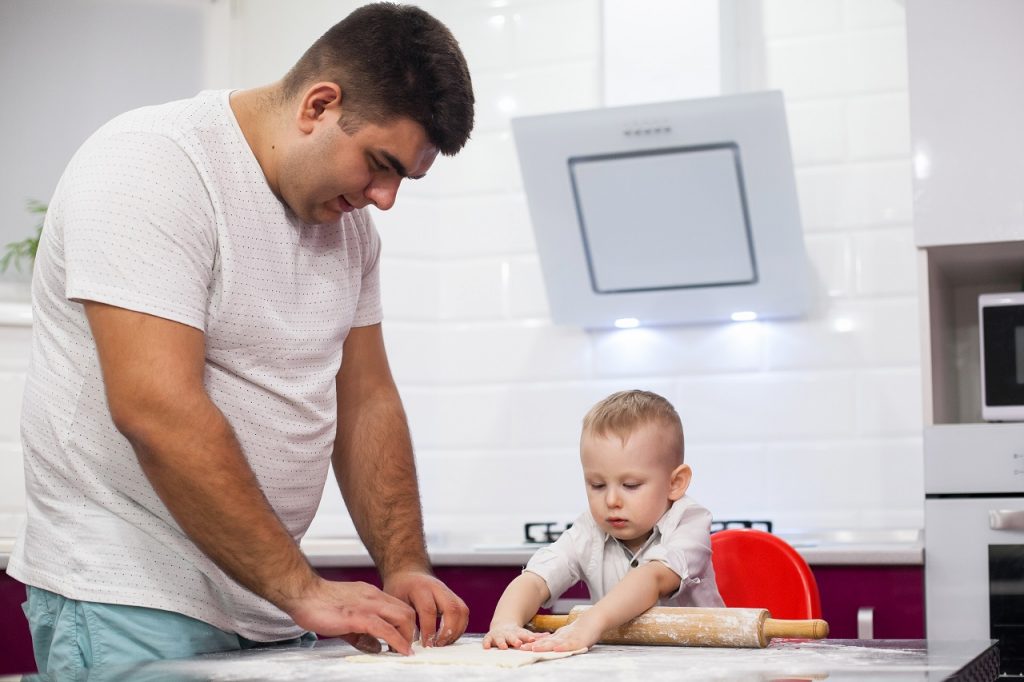
Healthy Recipes For Kids: Healthy Twist On Pizza & Rolls

healthy recipes for kids“In all this world, there is nothing so beautiful as a happy child.” – L. Frank Baum

We can define happiness in many terms, but for a child, a healthy child is the happiest one. Healthy eating is vital for the overall growth and development of a child. Albeit, it is not a one-off process; it is a habit that has to be developed from early childhood.

Proper nutrition protects children from chronic diseases, builds strong immunity, and keeps them happy and active in the long run. The core aspects of healthy eating for children are not entirely different from adults both need the right nutrients in the right quantities.

1. Healthy Veggie Pizza 

Say goodbye to “blank calories” and hello to a colorful, nutrient-dense pizza that kids will actually love to eat.

What You Will Need:

For the Dough: 

  • Wheat flour: 150 gm
  • Boiled & mashed Spinach: 50 gm
  • Boiled & mashed beetroot: 50 gm
  • Oil: 2 tsp
  • Salt: ½ tsp

For the Dressing & Toppings :

  • Hung curd: 50 gm
  • Tomato sauce: 50 gm
  • Mixed herbs: 1 tsp
  • Grated carrot: 50 gm
  • Chopped capsicum: 50 gm
  • Boiled chopped corns: 50 gm
  • Cottage cheese (Paneer): 100 gm (finely chopped) 

Method of Preparation

  1. Prepare the Dough: Create two separate doughs one using the mashed spinach and the other using the beetroot. Roll them out into two slightly big and thick chapattis.
  2. Pre-cook: These colorful chapattis can be baked or partially cooked on a tawa like a normal roti.
  3. Add the Base: Spread one layer of fresh hung curd and one layer of tomato sauce evenly over the bases.
  4. Decorate: Spread all the veggies and paneer one by one. Do this in a fun, interesting pattern that appeals to kids!
  5. Season: Sprinkle mixed herbs, salt, and a little bit of cheese on top.
  6. Cook: Bake this chapati pizza in an oven or cook it covered in a kadai for 4-5 minutes until the cheese melts.
  7. Serve: Enjoy hot with an extra side of hung curd dip or tomato sauce!

2. Tangy Protein Rolls 

A fantastic way to curb evening hunger pangs while sneaking in a powerful dose of protein and hidden veggies.

What You Will Need:

For the Wrap (Chilla):

  • Overnight soaked Moong Dal: 100 gm
  • Rice Flour: 2 tsp

For the Filling:

  • Boiled potatoes: 2 (medium)
  • Boiled & mashed peas: 50 gm
  • Cottage cheese (Paneer): 100 gm
  • Grated carrot: 100 gm
  • Chopped capsicum (mixed colors): 100 gm
  • Finely chopped onion: 50 gm
  • Chopped cashews and raisins: 1 tsp
  • Grated fresh coconut: 1-2 tsp

For the Tempering & Flavor:

  • Cumin seeds: ½ tsp
  • Mustard seeds: ½ tsp
  • Curry leaves: 6-7 leaves
  • Sesame seeds: 1 tsp
  • Dry mango powder (Amchur): ½ tsp
  • Tomato sauce: 2-3 tsp
  • Salt: ½ tsp
  • Oil: 2-3 tsp

Method of preparation:

  1. Prepare the Batter: Grind the soaked moong dal into a coarse paste. Add the rice flour, mix well, and set the batter aside for 5-10 minutes.
  2. Temper the Spices: In a pan, heat the oil. Add cumin seeds, mustard seeds, curry leaves, and chopped onion. Sauté until the onions turn slightly pink.
  3. Cook the Filling: Add all the chopped veggies one by one. Mix in the dry mango powder, salt, grated coconut, sesame seeds, and chopped nuts. Sauté everything together for 2-3 minutes.
  4. Shape the Filling: Once slightly cooled, roll the veggie mixture into cylindrical, hotdog-like shapes.
  5. Make the Wrap: Pour a ladle of the moong dal batter onto a hot tawa to make a thin chilla (crepe).
  6. Assemble: Place one veggie “hotdog” in the center of the cooked chilla, apply some tomato sauce, roll it up tightly, and serve!

Health Benefits: Why These Recipes are a Win-Win

  • 100% Safe & Homemade: You control the ingredients, ensuring absolute safety and hygiene for your kids.
  • Nutrient-Dense vs. Empty Calories: Regular commercial pizza is often junk food loaded with empty calories. This version is super healthy, utilizing wheat flour, spinach, and beetroot to provide essential vitamins and minerals.
  • Smart Swaps: Using hung curd blended with a little tomato sauce is a fantastic, gut-friendly alternative to heavy, processed mayonnaise or cheese spreads.
  • High in Protein & Bone Support: Moong dal is an excellent source of plant-based protein. Sesame seeds are fantastic for supporting growing bone health.
  • Kid-Approved Aesthetics: These recipes satisfy the emotional aspect of eating for kids. The natural food coloring from the beetroot and spinach makes them look vibrant, exciting, and exactly like the “outside food” they crave!

We hope you enjoy these Healthy Recipes For Kids. Do try them out, upload your pics on social media or the GOQii Arena and tag us! For more healthy recipes, check out Healthy Reads.  

To get more personalized advice on recipes, nutrition, and diet tips for your child’s development, subscribe to GOQii Personalised Health Coaching here. 

#BeTheForce

Disclaimer: The information and recipes provided in this blog are for general educational and informational purposes only and are not intended as professional medical or clinical nutritional advice. Every child’s nutritional needs, growth patterns, and tolerances are unique. Always consult with your pediatrician or a qualified healthcare professional before making significant changes to your child’s diet, especially if they have known food allergies, sensitivities, or pre-existing health conditions.

October 14, 2024 By Megna Khanna Leave a Comment

Effective Tips To Motivate Your Child To Exercise

motivate your child to exerciseObesity in children has become a common occurrence. At an age when the body needs to be built in a healthy way, diseases like obesity become a risk for a healthy future. As per Indian culture, till the child comes of age, practically all the decisions of their life are taken by their parents. In such a scenario, if the parents themselves do not know the importance of a healthy lifestyle, how will they encourage their children to follow it? So, before children, parents need to be educated regarding the importance of exercise for children. As these formative years are the building blocks for a healthy lifestyle, it is important to guide and motivate your child to exercise. 

How Does Exercise Help Children? 

Physical activity helps children sleep better and handle physical as well as emotional challenges more effectively resulting in control/check of weight, hypertension, cholesterol, sugar and also chronic diseases like cancer and anxiety. It further improves psychological well being, self-confidence and self-esteem. Training children to exercise regularly at an early age helps them grow up to be disciplined adults. 

Tips To Motivate Your Child To Exercise 

The most effective way to train children to exercise is by practicing what we preach and be a role model by including regular physical activity in our own lives. 

  • Besides arranging family picnics, hiking expeditions, morning/evening walks and other sports and games, one can also add activity by walking or riding bicycles instead of driving, using stairs instead of elevators, helping in housework and gardening.
  • Another effective way to encourage children to get active is by praising them for their efforts. Instead of making them compete, they should be encouraged to cooperate with others and excel in their own records, as competition with others can lead to teasing, bullying and a sense of public failure and embarrassment. Children are more sensitive than average grownups and need all the support and encouragement to try again once they fumble or fail, which is a common phenomenon in case of children. Instead of nagging or negative comments, parents should become their cheerleaders. 
  • Children love the company of their friends; it is a good idea to encourage them to invite their like minded friends over for a game or an excursion. If a child likes a team sport, they should be encouraged for the same. But here too, the focus should be on fitness, fun and learning new skills and not on competition as this can remove the fun from the activity and many children get discouraged by it.
  • Exercise and activity should come as a reward after a homework well done rather than as punishment by forcing a child to run laps or do pushups after a mistake or some mischief played by them as this may backfire and the child may start hating exercise and activity. 
  • Often children are so overburdened with homework, private tuitions, and other planned activities that they do not have time for physical activity of their own choice. So think of adding some activity of their choice as an informal fun game rather than a training session. 
  • A variety of games and sports equipment should be left on hand, like an assortment of balls, hula-hoops, and jump ropes, etc. this can make children enjoy the games and activities for hours. 
  • If a child is lazy, they should be given incentives like a favorite food or book for an hour’s activity on a regular basis as this could be a great motivating factor.  

We hope the above suggestions help you motivate your child to exercise. As an incentive to exercise and to monitor their health, you can also gift them the GOQii Smart Vital Jr. which could be a huge motivational factor for your child to take their health seriously. With a personal coach and a pediatrician on board, you can rest assured that your child’s health is in safe hands!

For more tips of kid’s health and nutrition, check out Healthy Reads or tune in to sessions by experts on GOQii Play. For more effective tips on kid’s health, weight loss, home workouts, etc. speak directly to your GOQii Coach by subscribing for Personalised Health Coaching here.

#BeTheForce 

August 1, 2024 By Saba Mirza 2 Comments

6 Ways To Keep Your Kids From Falling Sick During Monsoon

keep kids from falling sick

You can’t deny the fact that children love the monsoon. The sheer joy of getting drenched or playing a game of football on a mucky field is an out of the world experience for them. Whereas for parents, it brings in a little worry. How can you keep your kids from falling sick during monsoons?

During this season, you can often find an increased rush at a pediatrician’s clinic and pharmacies while attendance at school slowly drops. Many new parents aren’t aware that with a few disciplinary measures and conscious effort, we can keep our kids from falling sick and enjoy the monsoon to the fullest.

Tips To Keep Kids From Falling Sick During Monsoon

Here are a few simple yet effective measures and home remedies to help you keep your kids from falling sick.

1. Keep Them Hydrated

Frequent intake of water is needed to flush the toxins accumulated in the body out. Ensure that your kids are drinking clean, filtered water. Contaminated water is the most common reason for monsoon infections. Keep their sippers and water bottles ready with boiled or filtered water well within their reach. If the weather is cold, encourage them to drink lukewarm water as cold water can cause mucosal spam in the respiratory muscles which can make it prone to various respiratory disorders like throat infections, cold, cough, etc.

2. Appropriate Clothing and Footwear

Plan their outfits according to the weather. For instance, during humid days, make them wear loose cotton clothes. This will help their skin breathe without obstructing sweat glands. On cold, rainy days, warm clothing is a must. For a rainy outing, apart from an umbrella and a raincoat, don’t forget to make them wear knee or calf-length gumboots which can prevent their feet from catching infections from collected rainwater on the road or the park.

3. Keep Your House Free of Mosquitoes

Along with netting your windows and doors, ensure that you avoid any kind of water logging or storage in and around your house. This includes swimming pools, flowerpots, coolers, etc. Accumulated water is the most common breeding ground for mosquitoes. This can help your kid steer clear of dengue and malaria which are common during monsoons.

4. Nutritious, Well-Balanced Meals and Healthy Snacks

Restrict the intake of street food as much as possible. Not just street food but also ordering from restaurants as rampant incorporation of infected vegetables or infected water are very high during this season. These are primary sources of illnesses during monsoon. Give your kids fresh home-cooked food and nutritious monsoon snacks such as steamy masala corn, roasted groundnuts, sandwiches, etc. You can also opt for healthy snacking options designed specifically for kids from the GOQii Health Store within the GOQii App.

5. Maintain Personal Hygiene

Regular baths, cutting nails, keeping yourself as well as the kids dry and cleaning/washing the hands before eating are basics. Apart from that, keep the house clean and sanitized at all times. These small measures go a long way in keeping monsoon bacteria and viruses away!

6. Boost Immunity With Superfoods

Include Vitamin C rich food daily in your kid’s routine. Squeeze a lemon in their curries or snacks. Give them steamed/stir-fried sprouted pulses as snacks. Make their meals and snacks vibrant i.e. colourful veggies such as cucumber, carrot, tomatoes and seasonal fruits for antioxidant power! Antioxidants in these will help destroy harmful toxins accumulated in the body. More colour in food means higher detoxification rate and a stronger defense against infections.

Instead of getting attracted towards commercial probiotics, look for the richest probiotic in your kitchen. Give them curd along with meals. Blend it to make Lassi or a smoothie with fruits. Don’t forget to incorporate Turmeric Milk before bed-time as Turmeric is an effective anti-inflammatory agent and an immunity booster.

Ginger, a naturally potent antibiotic and antiviral, is very effective in fighting the infections of the gut such as Typhoid. Give it mixed with honey or boiled in water with Tulsi (Holy Basil) and mint leaves. Asafoetida (Hing) is also very effective in strengthening gut health and treating different gastrointestinal infections. Add it to Pulses (Dal), curries or while cooking vegetables.

We hope these tips to keep your kids from falling sick this monsoon were helpful! Do you have special remedies you use to help your kids recover or stay healthy? Share your thoughts in the comments below!

To help your child get healthier and monitor their vitals on the go, you can opt for the GOQii Smart Vital Junior. It helps you track their vitals, step count, sleep patterns, etc. and you also get a personal coach who can monitor these activities and suggest changes. Explore all the features of the Smart Vital Junior here.

#BeTheForce

  • 1
  • 2
  • Next Page »

Search

Recent Posts

  • World Blood Donor Day: The Lifesaving Gift That Science Still Cannot Create
  • From Shimla’s Slopes to Chandigarh’s Sidewalks: Surinder Kaur Bhalla’s Journey from Chaos to Control
  • Yoga and Hormonal Health: What the Science Says
  • Are You Overtraining? 6 Signs Your Body Needs More Recovery
  • Cortisol and Chronic Stress: What Your Body Is Trying to Tell You

Stay Updated

Archives

  • June 2026 (13)
  • May 2026 (20)
  • April 2026 (24)
  • March 2026 (18)
  • February 2026 (14)
  • January 2026 (14)
  • December 2025 (19)
  • November 2025 (15)
  • October 2025 (20)
  • September 2025 (6)
  • August 2025 (6)
  • July 2025 (11)
  • June 2025 (18)
  • May 2025 (16)
  • April 2025 (22)
  • March 2025 (27)
  • February 2025 (21)
  • January 2025 (25)
  • December 2024 (22)
  • November 2024 (23)
  • October 2024 (21)
  • September 2024 (23)
  • August 2024 (30)
  • July 2024 (20)
  • June 2024 (25)
  • May 2024 (28)
  • April 2024 (27)
  • March 2024 (27)
  • February 2024 (23)
  • January 2024 (21)
  • December 2023 (14)
  • November 2023 (10)
  • October 2023 (19)
  • September 2023 (22)
  • August 2023 (18)
  • July 2023 (22)
  • June 2023 (23)
  • May 2023 (20)
  • April 2023 (19)
  • March 2023 (23)
  • February 2023 (19)
  • January 2023 (15)
  • December 2022 (11)
  • November 2022 (15)
  • October 2022 (15)
  • September 2022 (12)
  • August 2022 (10)
  • July 2022 (17)
  • June 2022 (11)
  • May 2022 (10)
  • April 2022 (6)
  • March 2022 (6)
  • February 2022 (13)
  • January 2022 (11)
  • December 2021 (7)
  • November 2021 (3)
  • October 2021 (6)
  • September 2021 (3)
  • August 2021 (8)
  • July 2021 (7)
  • June 2021 (15)
  • May 2021 (16)
  • April 2021 (10)
  • March 2021 (7)
  • February 2021 (4)
  • January 2021 (4)
  • December 2020 (3)
  • November 2020 (4)
  • October 2020 (10)
  • September 2020 (3)
  • August 2020 (3)
  • July 2020 (2)
  • June 2020 (4)
  • May 2020 (10)
  • April 2020 (12)
  • March 2020 (10)
  • February 2020 (4)
  • January 2020 (4)
  • December 2019 (3)
  • November 2019 (7)
  • October 2019 (5)
  • September 2019 (4)
  • August 2019 (9)
  • July 2019 (9)
  • June 2019 (11)
  • May 2019 (4)
  • April 2019 (8)
  • March 2019 (8)
  • February 2019 (9)
  • January 2019 (8)
  • December 2018 (9)
  • November 2018 (3)
  • October 2018 (3)
  • September 2018 (5)
  • August 2018 (10)
  • July 2018 (6)
  • June 2018 (13)
  • May 2018 (8)
  • April 2018 (18)
  • March 2018 (9)
  • February 2018 (8)
  • January 2018 (15)
  • December 2017 (12)
  • November 2017 (19)
  • October 2017 (13)
  • September 2017 (15)
  • August 2017 (4)
  • July 2017 (8)
  • June 2017 (7)
  • May 2017 (6)
  • April 2017 (8)
  • March 2017 (6)
  • February 2017 (7)
  • January 2017 (9)
  • December 2016 (10)
  • November 2016 (7)
  • October 2016 (7)
  • September 2016 (7)
  • August 2016 (11)
  • July 2016 (9)
  • June 2016 (9)
  • May 2016 (12)
  • April 2016 (17)
  • March 2016 (17)
  • February 2016 (8)
  • January 2016 (6)
  • December 2015 (2)
  • November 2015 (9)
  • October 2015 (7)
  • September 2015 (9)
  • August 2015 (11)
  • July 2015 (9)
  • June 2015 (11)
  • May 2015 (9)
  • April 2015 (13)
  • March 2015 (8)
  • February 2015 (5)
  • January 2015 (12)
  • December 2014 (14)
  • November 2014 (11)
  • October 2014 (6)
  • September 2014 (13)
  • August 2014 (12)
  • July 2014 (6)
  • June 2014 (2)
  • May 2014 (7)
  • April 2014 (4)

From Shimla’s Slopes to Chandigarh’s Sidewalks: Surinder Kaur Bhalla’s Journey from Chaos to Control

Some journeys start with a plan. Others begin with a stumble literally. Surinder Bhalla, a government professional, born and raised in the scenic hill town of Shimla, had always lived a life of movement. “In Shimla, you walked everywhere,” she reflects. … [Read More...]

From “Laddu Nawin” to Fit and Fierce: How a 25-Year-Old Insurance Advisor Shed 20 Kilos and Gained His Life Back

When 25-year-old Nawin Yadav from Hyderabad walked into his office every morning, he carried more than just his files and policy papers. He had the weight of fatigue, sluggish energy, and an ever-growing belly that was becoming the butt of jokes. “People had even started calling me Laddu Nawin,” he says with a laugh, but […]

From Burnout to Balance: How Dr. Ranjit Reclaimed His Health

Dr Ranjit Bhatt has spent years tending to others. A practising doctor in Odisha, his days were packed with patients, surgeries, and emergencies. From the outside, it looked like a life lived in service. But on the inside, something wasn’t right. “I had no control over my schedule. I’d sleep late, eat at odd hours, […]

Ananda Mukherjee Health Story

From Terminal Illness To Complete Wellness! Ananda Mukherjee Health Story

As we observe World Cancer Day under the powerful theme ‘United by Unique’ (2025-2027)**, we are reminded that every individual’s journey with cancer is distinct, yet united by shared resilience, hope, and the collective fight against this disease. This theme places people at the centre of care and their stories at the heart of the […]

  • HOME
  • HEALTHY LIVING
  • FITNESS
  • HEALTHY RECIPES
  • USER STORIES
  • KARMA
  • BUY GOQii

Copyright ©2016 GOQii



