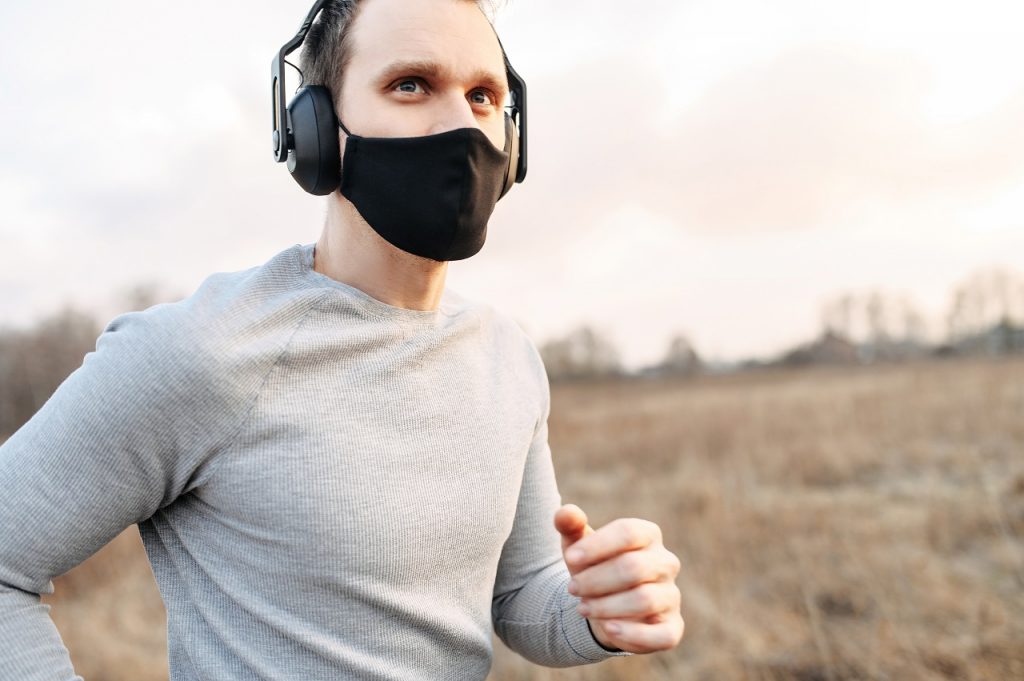
 The pandemic is far from over but it hasn’t stopped people from stepping out to get in a quick run or an outdoor exercise. If you’ve been vaccinated, chances of contracting the illness is slim but not negligible. So, the question remains, if you’re heading out, should you wear a mask while exercising outdoors?
Should You Wear A Mask While Exercising Outdoors?
Wearing a face mask while exercising outdoors helps prevent the spread of the virus, but it can also lead to breathing difficulties. When you are running, jogging, doing any activity which increases your respiratory rate, the oxygen requirement goes up several times and you need to inhale that much more air to deliver the required oxygen to the body.
A mask can restrict airflow in and out of the mouth and nose, creating a situation where oxygen and carbon dioxide exchange are compromised. There’s a possibility that you may not be able to fulfil the increased oxygen requirement when exercising with a mask on. There are chances of inhaling the exhaled carbon dioxide. This can create health complications, especially in people with weaker lungs, chronic bronchitis, asthma and other health complications.
Symptoms You Might Experience While Wearing a Mask and Exercising Include:
- Anxiety
- Fatigue
- Headaches
- Breathlessness
- Dizziness
- Loss of consciousness
Precautions To Be Taken While Exercising Outdoors
Though it is important to wear a face mask in an enclosed space where social distancing may not be possible – like when going out for work, when using public transport or at grocery stores, restaurants, malls, etc. but when it comes to exercising with a mask on, be cautious.
- Listen to your body: You may feel fatigue faster due to a mask, so do not push your exercise limits.
- Don’t ignore any of the symptoms mentioned above or any other difficulties and put a break on your exercise immediately.
- Wearing a face mask or not is a matter of social distancing. For someone walking/running and alone outside where social distancing is maintained, a mask isn’t required.
- Try exercises where you use the same spot. For instance, stationary cardio workout – you can pick a location where there aren’t any people around.
- Keep your distance and be mindful of others. Keep as much space between yourself and others as possible or bring a mask with you and put it on when needed. You can also put a face covering down around the neck and pull it up over your face if you encounter someone.
- Opt for a breathable, well-fitting face mask. Too tight can make you feel uneasy.
- Masks become wet when you wear them and can lead to skin infections. If you’re using a reusable mask, wash it regularly to prevent the build-up of bacteria.
Ideally, it would be best to not rush out. Prefer indoor workouts. You can learn a few of them from Healthy Reads or join our fitness experts LIVE on GOQii Play every day! More so, you can get some good exercise routines directly from your GOQii Coach via personalized coaching. You can subscribe here: https://goqiiapp.page.link/wssu
We hope this article helps you. Do share your thoughts in the comments below!
Stay home, stay safe, get active and #BeTheForce
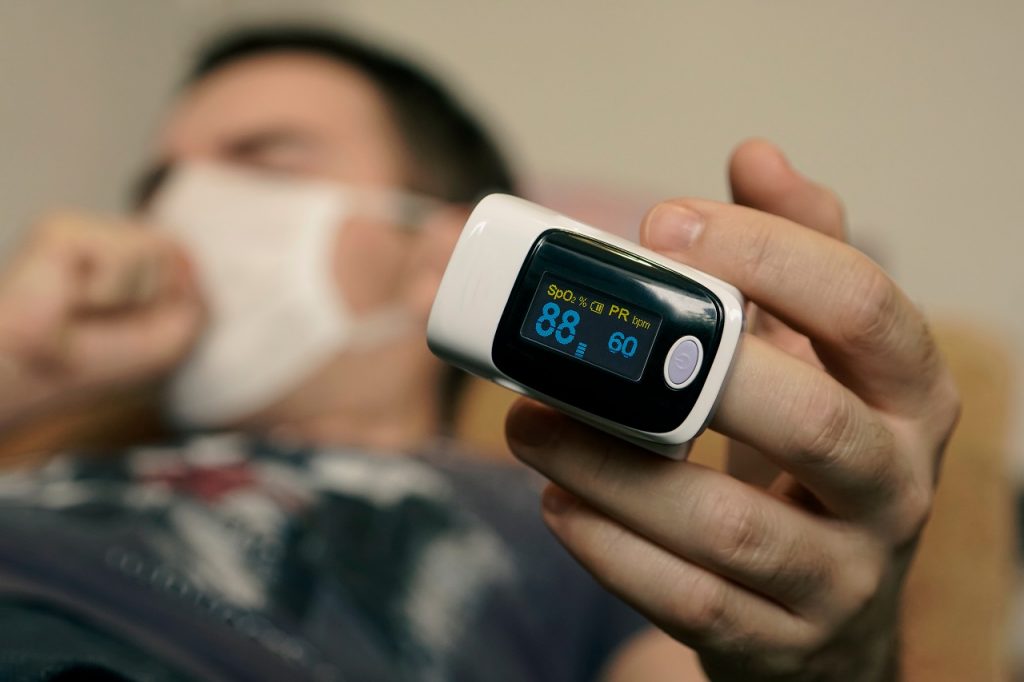 Blood Oxygen levels, also known as oxygen saturation or SpO2, is the amount of oxygenated haemoglobin circulating in the blood i.e it indicates how well the body carries oxygen to all parts of the body. Most of the oxygen in the body is carried by the red blood cells, which collect oxygen from the lungs and deliver it to different parts of the body. Oxygen levels above 95-100 are considered normal and a value between 91-94 requires regular monitoring (prone breathing helps improve levels in this situation), values below 91 indicates hypoxemia, low blood oxygen levels.
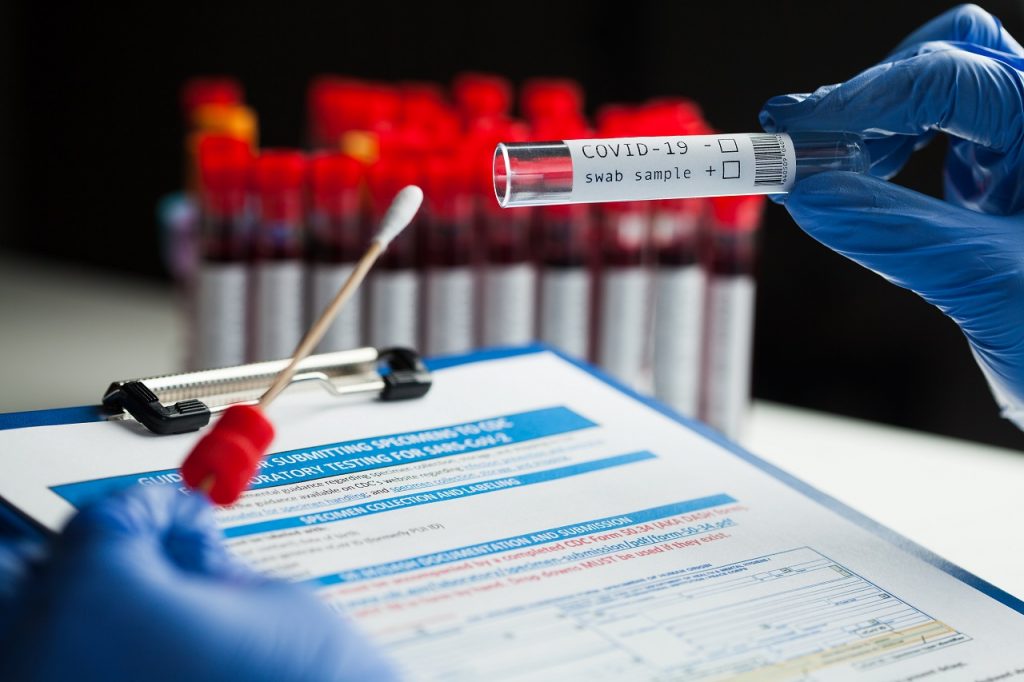 Earlier in April, my cousin visited three hospitals in Delhi with his father, trying to get an oxygen bed for him. His father was tested negative for COVID-19 in the RT-PCR test, but was showing symptoms of the disease. His oxygen levels dropped to <90 and HRCT showed infection and pneumonia. Due to the false negative RT PCR Test report, his father had not received proper and timely treatment and after a week, the disease progressed and damaged more than 50% of his lungs.


