GOQii

Blog

  • HOME
  • HEALTHY LIVING
  • FITNESS
  • HEALTHY RECIPES
  • USER STORIES
  • KARMA
  • BUY GOQii

October 16, 2024 By Soni Thakur 11 Comments

7 Reasons Why Pulses Are Good For You!

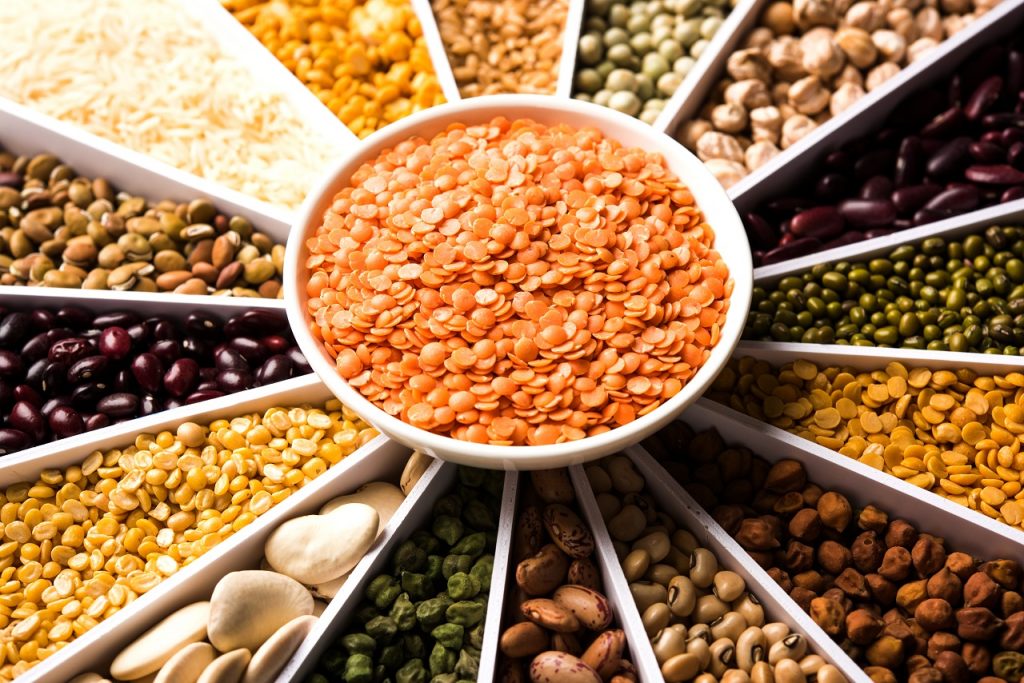
pulses As we celebrate World Food Day this year, focusing on the theme of “Right to Food for a Better Life and a Better Future,” it’s important to highlight the crucial role that pulses can play in achieving food security and promoting better health. Pulses have always been a significant part of the Indian diet, valued for their rich nutritional content, affordability, and availability. They are an excellent source of plant-based protein, fiber, vitamins, and minerals, making them a vital tool in nourishing populations globally.

There are hundreds of varieties of pulses grown worldwide—like Lentils, Dry Beans (Common Beans), Black eyed peas (Cowpeas), Chickpeas, Pigeon peas (Toor Dal), and Kidney Beans—that are not only nutritious but also sustainable and accessible to all. This makes pulses a key to ensuring the right to food and building a better future for everyone.

If “Pulses” was an abbreviation, it could easily stand for:

P – Protein Rich

U – Universally Distributed

L – Low Cost

S – Source of Dietary Fiber

E – Easily Available

Despite being seen as a “poor man’s food” due to their low cost, pulses are a nutritional powerhouse that shouldn’t be ignored. Here’s why pulses are essential for a healthier life and a sustainable future:

7 Reasons to Include Pulses in Your Diet:

  1. Good for all age groups: From infants to the elderly, pulses provide essential nutrients that promote growth, development, and tissue repair, supporting a better quality of life for all.
  2. Affordable and Accessible: Pulses are widely available and affordable for all income groups. This makes them a vital food for ensuring the right to nutritious food, aligning perfectly with the theme of World Food Day.
  3. Heart-Healthy: Low in saturated and trans fat, pulses can help lower cholesterol levels, reduce blood pressure, and maintain a healthy weight. Their heart-healthy benefits contribute to a better life for millions globally.
  4. Reduce Risk of Chronic Illness: Regular consumption of pulses may reduce the risk of chronic diseases such as Diabetes, Cancer, and Heart disease, making them a powerful ally in promoting long-term health.
  5. Long Shelf Life: Pulses, being dried seeds, can be stored for long periods, reducing food waste and loss. This supports global efforts toward food security and sustainability, a core focus of World Food Day.
  6. Rich in Antioxidants: Pulses like Red Kidney Beans are packed with antioxidants that help fight inflammation and boost metabolism, ensuring a healthy body and mind.
  7. Improves Protein Quality When Paired with Cereals: Pulses improve the protein quality of meals when combined with cereals, making them an excellent source of balanced nutrition, especially for those who rely on plant-based diets.

Pulses: A Path to a Better Future

Pulses are not just nutritious and affordable—they also play a significant role in sustainable agriculture. They require fewer resources like water and fertilizers, making them eco-friendly and vital in reducing our environmental footprint. By embracing pulses, we support a sustainable food system that helps ensure everyone’s right to food, paving the way for a better future.

This World Food Day, let’s recognize the value of pulses as a versatile, nutritious, and sustainable food source for all. These reasons should inspire you to stock your kitchen with a variety of pulses and embrace their benefits!

We hope this article helps you! Do leave your thoughts in the comments below! For more articles on nutrition, explore Healthy Reads or speak to a GOQii Coach by subscribing for Personalised Health Coaching here.

#BeTheForce 

Disclaimer: The information provided in this blog is for general awareness and educational purposes only. It is not intended to replace professional medical advice, diagnosis, or treatment. Always consult a qualified healthcare provider for personalised medical guidance or concerns related to your health.
September 19, 2024 By Vandana Juneja 6 Comments

Importance of Vitamin D For Boosting Immunity

Vitamin DVitamin D, commonly known as the “sunshine vitamin,” is actually a pro-hormone produced in the body upon exposure to sunlight. This essential nutrient exerts significant influences on multiple systems across the body
Health Benefits of Vitamin D 

  • Promotes Healthy Bones and Teeth: Crucial for calcium absorption, which is essential for maintaining bone health.
  • Supports Immune, Brain, and Nervous System Health: Boosts immune function and supports cognitive and nervous system functions.
  • Regulates Insulin Levels and Aids Diabetes Management: Assists in maintaining normal blood sugar levels.
  • Maintains Healthy Lung Function and Cardiovascular Health: Supports lung function and helps reduce the risk of cardiovascular disease.
  • Influences Gene Expression Related to Cancer: Involved in regulating genes that may be linked to cancer development.

How Does It Improve Immunity Levels?

The human body fights infections using two types of immune systems – the innate system (which provides a quick, general response) and the adaptive system (which produces a slower but highly specific response, such as antibody production). Vitamin D modulates both systems, which explains its wide-ranging effects on the immune system.

Vitamin D deficiency is more common in individuals experiencing seasonal cold and flu outbreaks. During the winter and seasonal changes, there is less sunlight, leading to lower Vitamin D levels and reduced immunity.

Why Do Immune Cells Need Vitamin D?

Vitamin D has a “non-classic” role in modulating the body’s immune responses to illness or infection. Vitamin D receptors are found throughout the body, including in immune cells. T cells, which are crucial for fighting infections, need vitamin D to become activated. Without sufficient vitamin D, T cells remain dormant and unable to protect the body effectively.

How Do You Get Enough Of Vitamin D?

1. Sunlight

Getting enough sunlight is the best way to help the body produce sufficient Vitamin D. Exposing your skin to the sun for 20 to 30 minutes a day ensures enough UVB rays come into contact with the cholesterol in the skin, enabling Vitamin D synthesis.

However, several factors affect Vitamin D production from sunlight:

  • Time of Day: The skin produces more Vitamin D when exposed to the sun during midday (between 10 am to 2 pm) when the sun is at its highest.
  • Sunscreen: Sunscreen blocks UVB rays, limiting Vitamin D production. It is best to allow some direct sun exposure to the skin.
  • Skin Exposure: The more skin you expose, the more Vitamin D your body will produce. Consider wearing short sleeves or shorts when possible.
  • Skin Colour: People with lighter skin produce Vitamin D more quickly than those with darker skin due to lower melanin levels.
  • Geographical Location: Living farther from the equator means less UVB radiation, especially during the winter months in the UK.
  • Always remember: Frequent, moderate sun exposure is beneficial, but prolonged exposure can increase the risk of skin cancer. Balance is key.

2. Food Sources

While sunlight is the best source of Vitamin D, certain foods can help increase levels:

  • Fatty Fish (Salmon, trout, mackerel, and sardines)
  • Egg Yolks
  • Cheese
  • Mushrooms (exposed to sunlight)
  • Fortified Foods (milk, cereals, and juices)

3. Supplements

If you have limited exposure to sunlight or are experiencing symptoms of Vitamin D deficiency (such as frequent illness, fatigue, bone pain, or muscle weakness), consider taking supplements. In the UK, the NHS recommends adults and children over 1 year should consider taking a daily supplement of 10 micrograms (400 IU) of Vitamin D, particularly during autumn and winter.

Note: Always consult with a healthcare professional before starting any supplements.

Hope this article helps you understand the importance of the Sunshine Vitamin, especially to boost immunity. For more tips on boosting your immunity, reach out to a GOQii Coach by subscribing for Personalised Health Coaching here.

#BeTheForce 

Disclaimer: The information provided in this blog is for general awareness and educational purposes only. It is not intended to replace professional medical advice, diagnosis, or treatment. Always consult a qualified healthcare provider for personalised medical guidance or concerns related to your health.

September 10, 2024 By Anusha Subramanian Leave a Comment

The Easiest & Healthiest Way to Get Active!

World Bicycle DayEver wondered why we do what we do? Why we get up at dawn on any given day, including Sundays? The reason is simple for many of us: it’s either for running or cycling. It’s like a ritual and a moment for ourselves. If you’re into running or cycling, you’ll connect well with what I’m saying. It’s an addiction—and a good one to have!


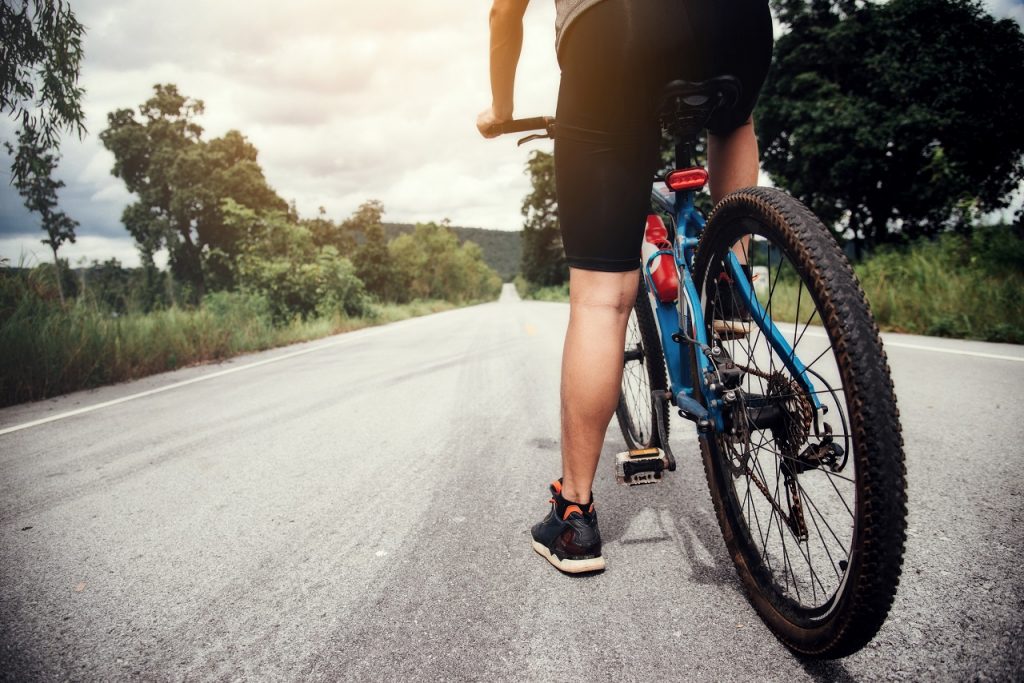
I have always been interested in history and like to delve deep into understanding how a particular concept evolved. As I was researching a bit on cycling, I came across the fact that the concept of cycling was invented by Baron Karl von Drais, a prolific German inventor way back in the year 1817. Interestingly, what he invented was not exactly the bicycle which we know and use. He invented the walking machine that helped him walk in the royal gardens faster. This device had wheels but didn’t have any gears, chains, and pedals. Also, it moved ahead by pushing his feet against the ground. With an improvement in this technology, this crude device was eventually transformed into the modern-day bicycle.

World Bicycle Day

Source: Wikipedia

Riding a bicycle is a good aerobic and cardio activity. If cycling is done on a regular basis, it can deliver lots of health benefits.

This simple form of physical exercise helps in bettering your physical and mental health. It is a low impact form of exercise that helps all ages.

Some Benefits of Riding a Bicycle

  • Improves cardio health by strengthening heart muscles
  • Lowers resting pulse rate
  • Reduces blood fat levels
  • Tones muscles and increases flexibility
  • Uses both upper body muscles such as chest, shoulders, arms, abs and the back as well as leg muscles such as quadriceps (front thighs), hamstrings (rear thighs), glutes, calf muscles and your hip
  • Better blood circulation due to flexibility brings about good joint mobility

Having talked of some of the basic health benefits a simple cycling activity can offer, it also acts as a cheap mode of transport and is environmentally friendly.

In today’s time where we are fraught with terrible environment damages and increased carbon footprint due to many vehicles on the roads, cycling is one way we personally can resort to, to be environmentally conscious. It is reported that Cycling 10 km every day can prevent the emission of at least 1.3 tonnes of greenhouses gases annually.

For beginners who want to take up cycling for regular fitness, start slow as we always say for every other athletic sports such as running. On you first day of cycling, you should not ride for more than 20 minutes. Slowly and steadily get used to the cycle as well as the body movements and then increase the intensity as you go along.

Few Things to Follow When You Take Up Cycling

  • Safety Measures: Safety is the first and foremost thing to adhere to while taking up cycling either for health, as a regular sport or as a mode of transport. Never ride a cycle in the outdoor without a proper cycling helmet. Helmet prevents a head injury in case of an accident.
  • Proper Clothing: It is important to wear well-fitting clothes. Loose clothes may get stuck during cycling and cause serious problems. Especially if you are riding in the outdoors
  • Be Hydrated: Always have plenty of water at hand. Drink water frequently to make up for the possible dehydration caused due to physical activity.
  • Stretching: Stretching your muscles is important because it warms up the body and prepares it for the intense physical activity of cycling.

Cycling is an interesting way to keep you healthy physically, mentally and environmentally.

We hope this blog inspires you to hop on a bicycle and start pedaling your way to better health! Share your cycling experiences with us in the comments below. For more fitness tips, speak to a certified expert by subscribing to GOQii’s Personalised Health Coaching here.

#BeTheForce

August 31, 2024 By Soni Thakur 7 Comments

Why You Should Eat Your Fruits and Juice Your Veggies!

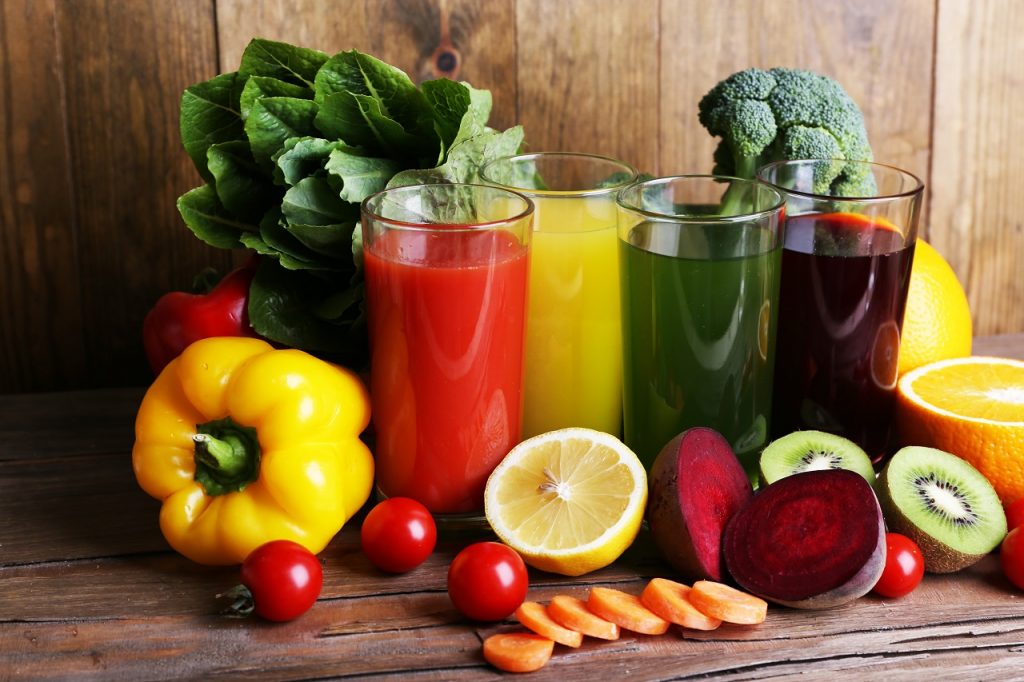
fruits and veggiesHow many times have you drank fruit juices? How often do you eat your vegetables? Although we agree that doing both is quite healthy, as fruits and vegetables are naturally good and contain all the vitamins and minerals needed by the body, we also need to consider that we might be doing it wrong! Why, do you ask? Let’s find out why you should eat your fruits and juice your veggies! 

Benefits of Eating Fruits Instead of Juicing Them

No doubt juices nourish your body with vitamins, minerals, antioxidants and other nutrients. In its liquid form, all the nutrients of whole fruit will be readily available for your body to absorb. However, juicing removes some important nutrients that can be retained by eating the whole fruit.

  1. Eating whole fruits provides your body with fiber, which is eliminated during the juicing process.
  2. A whole fruit protects you from the sensitivities that can be caused due to the heat generated by the juicer, ultimately decreasing the nutritional value of the fruit.
  3. Your blood sugar will not spike as much with whole fruits, making them recommended for people with Diabetes
  4. Fibers present in whole fruits keep you full for longer and provide relief from constipation
  5. As a snack, whole fruits relieve hunger pangs, and the digestion process takes longer compared to gulping down juice in one go. Eventually, this helps in mindful eating and keeps you fuller for longer.

Benefits of Juicing Vegetables

Eating vegetables is good for your health, but there are certain benefits of juicing them that you can incorporate in your daily diet for maximum health benefits.

  1. Juicing vegetables allows you to incorporate more than one vegetable at a time.
  2. Juicing a large volume of vegetables provide more vitamins than eating a green salad with just one or few veggies.
  3. Juices from some vegetables are more effective in lowering blood pressure and relaxing the muscles that line blood vessels.
  4. Vegetable juices may increase the speed of detoxifying your body as they are readily absorbed and digested.
  5. The water content and vitamins of some vegetables are lost during the cooking process, so juicing can help retain these nutrients.

Points to Remember

  • Our digestive system is designed to handle fiber and extract nutrients from a variety of foods, including whole fruits and vegetables.
  • Modifications can be made depending on your need, situation and availability.
  • We need at least 5 servings of vegetables and 2 servings of fruit each day
  • Vegetables and fruits of similar color generally contain similar protective compounds. To gain more benefits, it is best to choose fruits and vegetables of different color and varieties.

We hope this article helps you make a healthy shift. Remember that there is no hard and fast rule to this. Do what works best for you but before following this, do consult your dietician or nutritionist.

For more on nutrition, fruits and veggies, check out Healthy Reads or ask a GOQii Coach by subscribing for Personalised Health Coaching here.

#BeTheForce 

Disclaimer: The information provided in this blog is for general awareness and educational purposes only. It is not intended to replace professional medical advice, diagnosis, or treatment. Always consult a qualified healthcare provider for personalised medical guidance or concerns related to your health.

  • « Previous Page
  • 1
  • 2
  • 3
  • 4
  • …
  • 9
  • Next Page »

Search

Recent Posts

  • 4 Reasons Why Affirmations Are Not Working For You
  • The Social Side of GLP-1: Navigating “Food Culture” and Peer Pressure
  • Leaky Gut: Symptoms and Causes
  • Muscle Is Your Insurance Policy: Why Strength Predicts Lifespan More Than Cardio
  • The Fiber Gap: Managing Digestion on GLP-1 Therapy

Stay Updated

Archives

  • March 2026 (1)
  • February 2026 (14)
  • January 2026 (14)
  • December 2025 (19)
  • November 2025 (15)
  • October 2025 (20)
  • September 2025 (6)
  • August 2025 (6)
  • July 2025 (12)
  • June 2025 (18)
  • May 2025 (16)
  • April 2025 (22)
  • March 2025 (23)
  • February 2025 (22)
  • January 2025 (25)
  • December 2024 (22)
  • November 2024 (23)
  • October 2024 (21)
  • September 2024 (24)
  • August 2024 (30)
  • July 2024 (21)
  • June 2024 (26)
  • May 2024 (31)
  • April 2024 (27)
  • March 2024 (29)
  • February 2024 (25)
  • January 2024 (21)
  • December 2023 (15)
  • November 2023 (11)
  • October 2023 (19)
  • September 2023 (22)
  • August 2023 (18)
  • July 2023 (22)
  • June 2023 (24)
  • May 2023 (24)
  • April 2023 (23)
  • March 2023 (23)
  • February 2023 (19)
  • January 2023 (15)
  • December 2022 (11)
  • November 2022 (15)
  • October 2022 (15)
  • September 2022 (12)
  • August 2022 (10)
  • July 2022 (17)
  • June 2022 (11)
  • May 2022 (10)
  • April 2022 (6)
  • March 2022 (6)
  • February 2022 (13)
  • January 2022 (11)
  • December 2021 (7)
  • November 2021 (3)
  • October 2021 (6)
  • September 2021 (3)
  • August 2021 (8)
  • July 2021 (7)
  • June 2021 (15)
  • May 2021 (16)
  • April 2021 (10)
  • March 2021 (7)
  • February 2021 (4)
  • January 2021 (4)
  • December 2020 (3)
  • November 2020 (4)
  • October 2020 (10)
  • September 2020 (3)
  • August 2020 (3)
  • July 2020 (2)
  • June 2020 (4)
  • May 2020 (10)
  • April 2020 (12)
  • March 2020 (10)
  • February 2020 (4)
  • January 2020 (4)
  • December 2019 (3)
  • November 2019 (7)
  • October 2019 (5)
  • September 2019 (4)
  • August 2019 (9)
  • July 2019 (9)
  • June 2019 (11)
  • May 2019 (4)
  • April 2019 (8)
  • March 2019 (8)
  • February 2019 (9)
  • January 2019 (8)
  • December 2018 (9)
  • November 2018 (3)
  • October 2018 (3)
  • September 2018 (5)
  • August 2018 (10)
  • July 2018 (6)
  • June 2018 (13)
  • May 2018 (8)
  • April 2018 (18)
  • March 2018 (9)
  • February 2018 (8)
  • January 2018 (15)
  • December 2017 (12)
  • November 2017 (19)
  • October 2017 (13)
  • September 2017 (15)
  • August 2017 (4)
  • July 2017 (8)
  • June 2017 (7)
  • May 2017 (6)
  • April 2017 (8)
  • March 2017 (6)
  • February 2017 (7)
  • January 2017 (9)
  • December 2016 (10)
  • November 2016 (7)
  • October 2016 (7)
  • September 2016 (7)
  • August 2016 (11)
  • July 2016 (9)
  • June 2016 (9)
  • May 2016 (12)
  • April 2016 (17)
  • March 2016 (17)
  • February 2016 (8)
  • January 2016 (6)
  • December 2015 (2)
  • November 2015 (9)
  • October 2015 (7)
  • September 2015 (9)
  • August 2015 (11)
  • July 2015 (9)
  • June 2015 (12)
  • May 2015 (9)
  • April 2015 (13)
  • March 2015 (8)
  • February 2015 (5)
  • January 2015 (12)
  • December 2014 (14)
  • November 2014 (11)
  • October 2014 (6)
  • September 2014 (13)
  • August 2014 (12)
  • July 2014 (6)
  • June 2014 (2)
  • May 2014 (7)
  • April 2014 (5)

From “Laddu Nawin” to Fit and Fierce: How a 25-Year-Old Insurance Advisor Shed 20 Kilos and Gained His Life Back

When 25-year-old Nawin Yadav from Hyderabad walked into his office every morning, he carried more than just his files and policy papers. He had the weight of fatigue, sluggish energy, and an ever-growing belly that was becoming the butt of jokes. “People … [Read More...]

“I’ve Challenged Myself to Live 100 Years” – The Story of Chandubhai Savani’s Second Chance at Life

At 67, most people start slowing down. Not Chandubhai Savani. A resident of Surat, Chandubhai, thought life was on track. “My life was going well till I had my bypass surgery,” he says. That surgery, back in 2021, was a wake-up call.  Medication was routine, but exercise wasn’t. His diet? What he calls ‘normal.’ “I […]

From Shimla’s Slopes to Chandigarh’s Sidewalks: Surinder Kaur Bhalla’s Journey from Chaos to Control

Some journeys start with a plan. Others begin with a stumble literally. Surinder Bhalla, a government professional, born and raised in the scenic hill town of Shimla, had always lived a life of movement. “In Shimla, you walked everywhere,” she reflects. “Walking was never an exercise. It was just life.” But after shifting to Chandigarh, […]

Ananda Mukherjee Health Story

From Terminal Illness To Complete Wellness! Ananda Mukherjee Health Story

As we observe World Cancer Day under the powerful theme ‘United by Unique’ (2025-2027)**, we are reminded that every individual’s journey with cancer is distinct, yet united by shared resilience, hope, and the collective fight against this disease. This theme places people at the centre of care and their stories at the heart of the […]

  • HOME
  • HEALTHY LIVING
  • FITNESS
  • HEALTHY RECIPES
  • USER STORIES
  • KARMA
  • BUY GOQii

Copyright ©2016 GOQii


