GOQii

Blog

  • HOME
  • HEALTHY LIVING
  • FITNESS
  • HEALTHY RECIPES
  • USER STORIES
  • KARMA
  • BUY GOQii

February 13, 2025 By Disti Shah 4 Comments

What is Bloating?

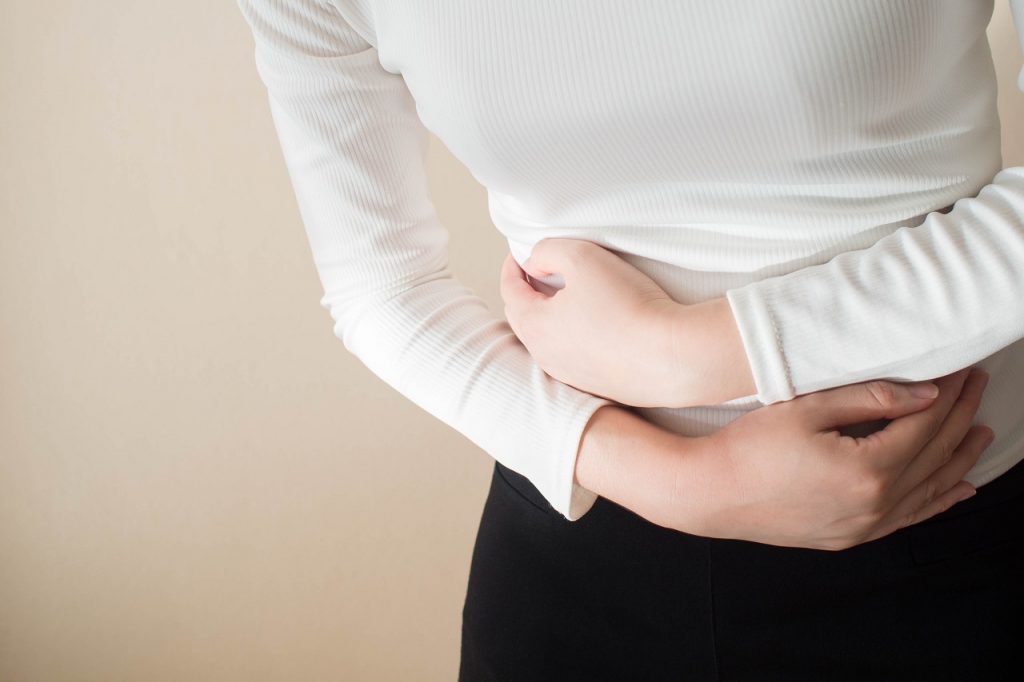
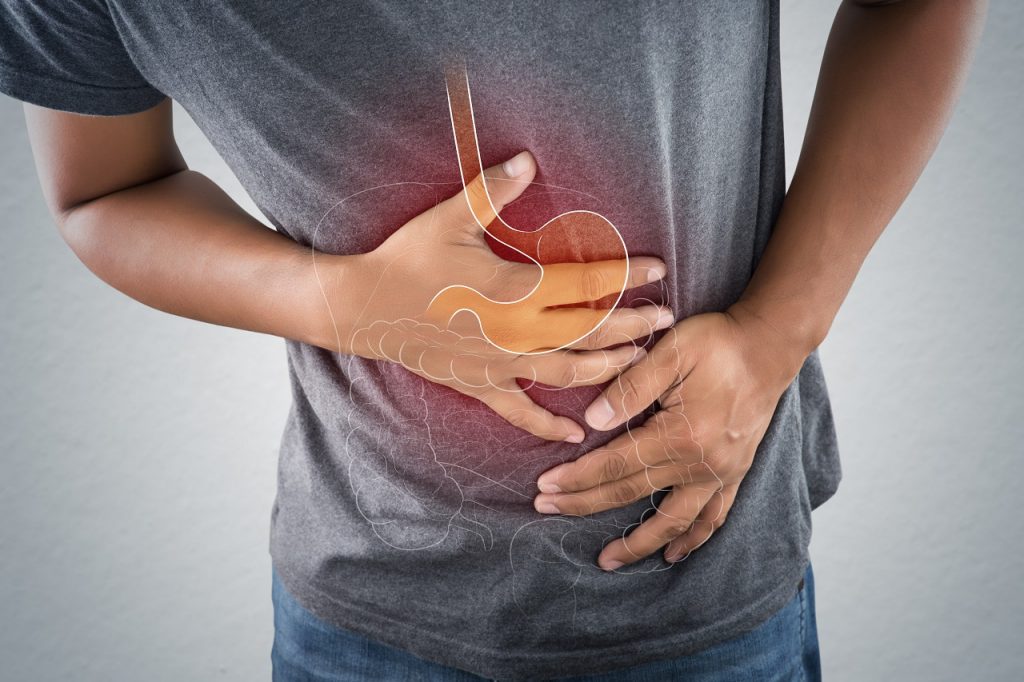
BloatingThere is a lot of confusion around ‘bloating’, a common problem that we come across in our day to day life. In fact, we are witnessing a virtual epidemic of bloating in current times. Abdominal bloating not only looks bad but also causes a lot of discomfort.

But it’s not the end of the road. The good news is that it is one of the conditions that can be avoided. However, before learning how to prevent it, we need to first understand the most common causes of bloating.

Common Causes of Bloating

  1. Constipation
    Too little fibre, fluids, and physical activity may lead to constipation, which can result in bloating.
  2. Eating too fast
    Eating quickly and not chewing your food well can cause air swallowing, which leads to bloating.
  3. Drinking too much carbonated beverages
    The fizz in carbonated drinks (even diet ones) can cause gas to get trapped in your belly.
  4. Too much consumption of sugar-free beverages
    Too much sugar alcohol in artificially sweetened foods and drinks can lead to bloating.
  5. Food allergies and Intolerance
    Food allergies and intolerance can cause gas and bloating. However, these need to be confirmed by your doctor.
  6. Medical conditions
    Conditions like lactose intolerance, irritable bowel syndrome (IBS), Giardiasis (parasite infection), colon cancer, and bacterial overgrowth can also cause bloating.

Simple ways to avoid bloating:

  • Chew your food thoroughly
    Chewing breaks the food down from large particles into smaller particles that are more easily digested. This makes it easier for the intestines to absorb nutrients and prevents improperly digested food from entering your blood, which can cause bloating.
  • Exercise regularly
    Physical activity helps air bubbles pass through your digestive tract more quickly, so the bloated feeling disappears faster.
  • Avoid too much water during meals
    Too many liquids during meals can dilute digestive juices, which may hamper the digestion process. A small amount of liquids aids digestion, so moderation is key.
  • Avoid drinking using straws and narrow mouth bottles
    These can lead to the ingestion of excess air while sucking, which may cause bloating.
  • Avoiding carbonated beverages
    When carbonated drinks are opened, the compressed carbon dioxide forms bubbles and escapes into the air. Drinking large amounts forces the gas into your stomach, where it may pass to your intestines, causing bloating.
  • Eliminate smoking and Hukka
    People who smoke or use Hukka inhale a lot of extra air, which can lead to bloating.
  • Avoid chewing gums and food with artificial sweeteners
    Artificial sweeteners are difficult to digest and may cause bloating if consumed in excess.
  • Avoid gassy vegetables
    Vegetables like beans, cabbage, Brussels sprouts, onions, radishes, melons, and broccoli can cause gas during digestion.
  • Avoid foods with air whipped into them
    Foods like soufflés, sponge cakes, and milkshakes can introduce excess air into your stomach.
  • Avoid long gaps between meals
    Long gaps between meals can disrupt digestion and lead to bloating.
  • Limit sodium intake
    Processed foods are high in sodium, which can cause water retention and bloating.
  • Monitor fiber intake
    While fiber is essential, excess fiber can cause gas as gut bacteria break it down, leading to bloating.
  • Avoid milk if you’re lactose intolerant
    If your body doesn’t produce enough lactase, the enzyme needed to break down lactose, dairy can cause bloating.
  • Include Probiotics in your diet
    Probiotics contain good bacteria that aid digestion and help reduce bloating.

Yoga and Exercises to Reduce Bloating

Certain yoga poses and exercises can help relieve bloating by stimulating digestion and releasing trapped gas. Try these:

  • Leg Seated Spinal Twist

Seated-Spinal-Twist

  • Apanasan (Wind-relieving pose)

  • Spinal Twist

maxresdefault

  • Paschimottanasana (Seated forward bend)

Seated-forward-bend-pose

  • Seated Heart Opener

  • Adho Mukha Savanasana (Downward-Facing dog)

27335368_l

Bloating is a common issue with various underlying causes. By understanding these causes and implementing simple lifestyle changes, you can reduce bloating and improve your digestive health. Remember, a healthy and comfortable digestive system is within your reach!

Bloating can be uncomfortable, but it doesn’t have to control your life. Try these tips and let us know what works for you in the comments below! For more articles on digestive health and wellness, explore Healthy Reads or speak to a certified expert by subscribing to GOQii’s Personalised Health Coaching here.

#BeTheForce

January 22, 2025 By Suvarna Bhandare Leave a Comment

Effective Tips That Help Relieve Constipation

constipationBefore we dive into the foods that can help you relieve constipation, it is necessary to understand the factors contributing to this condition. Constipation, in simple terms, is the inability to empty the by-products or waste matter of digestion from the colon due to peristalsis – a process in which muscles in the intestine contract and relax to create a wave-like motion. As food passes through the colon (large intestine), water gets absorbed, and the remaining matter forms stool.

Constipation is not a disease but may or may not be a symptom of other underlying conditions. It is a very common complaint, especially where:

  • The diet is low in fibre
  • There is improper food sequencing and combining
  • Mucus-forming foods are consumed in excess
  • There is lack of exercise
  • Hydration levels are low
  • A sedentary lifestyle is followed
  • Processed foods are consumed in high amounts
  • During Pregnancy
  • Stress or emotional eating is prevalent
  • There is delay in using the bathroom when the urge is felt
  • Western toilets are used as opposed to Indian ones

When is constipation experienced?

  • Stools are painful or difficult to pass
  • Stools are hard and dry
  • There is a feeling of incomplete emptying
  • Fewer than 3 bowel movements occur in a week

Having 1-3 bowel movements in a day or after a meal is considered normal. Just remember that the frequency of bowel movements is not the only aspect to consider. Other important points are:

  • Bowel movements shouldn’t be uncomfortable
  • There should be no blood in the stools
  • Stools should not be black or tarry in appearance

Diet and Constipation 

It is proven that what we put into our body has a lot to do with how it comes out. The foods listed below can help prevent or treat constipation:

1. Dietary Fibre:

Fibre is simply the indigestible part of plants. It’s also known as roughage and adds bulk to waste matter. It exists in two types:

  • Soluble Fibre: This type of fibre dissolves and is broken down in the colon, forming a gel-like substance.
  • Insoluble Fibre: This type doesn’t dissolve or break down during digestion. Its main function is to add bulk and make the final stage of digestion easier.

Both types of fibre are essential for treating constipation and are found in almost all plant foods. Besides aiding in easy bowel movements, fibre also helps maintain blood sugar levels, lower cholesterol, and support weight management.

2. Hydration:

Hydration plays an extremely important role in managing constipation. It helps form softer stools and makes transit easier. At least 2-2.5 litres of fluid per day is recommended. Consuming high water-content fruits and veggies also helps.

Foods That Help Relieve Constipation

  1. Fruits: All fruits are good sources of fibre but there are a few sources which have proven to give amazing results, such as apple, pear, papaya, melons, guava, figs, plums, peaches, kiwi, dragon fruit, citrus fruits, berries.
  2. Dried Fruits: But be sure to avoid sugar dipped or coated variants. 
  3. Veggies: Fill your plate with greens. One of the best strategies to keep your digestive system healthy is including lots of fresh and seasonal veggies. Along with a good dose of fibre, they provide other nutrients as well. Add veggies such as spinach, kale, broccoli, lettuce, carrots, cucumbers, sweet potato, peas, corn, asparagus,  green beans, etc. 
  4. Grains and Millets: such as brown rice, oats, quinoa, barley, jowar, bajra combined with veggies are a great option.
  5. Beans and Pulses: such as chickpeas, lentils. Hummus is a good option to have during constipation.
  6. Nuts and Seeds: such as walnuts, almonds, brazil nuts, chia seeds (either soaked in water or over salads and smoothies), flax seeds (sprinkle over salads/smoothies or just consume it in powdered form), fennel seeds (Just chew after meals or can also be boiled with water or in the form of tea)

Additional Tips To Manage Constipation

  • Eat a well balanced diet. Pay attention to DDR – Daily Diet Routine – Meal timings, foods that you choose and portion size.
  • Fill your plate with colourful and seasonal fruits and veggies. They also provide a good amount of micronutrients.
  • Add an adequate amount of fibre in your meals. Choose salads, smoothies and soups. A bowl of papaya with chia or flax seeds proves to be an excellent way of adding fibre to your meals.
  • Keep a check on hydration levels. Lime water, coconut water, herbal and green teas, sugarcane juice, soups, veggie juices works good for increasing total fluid content.
  • Exercise is a must. Make it a part of your routine.
  • Junk and processed foods can upset your stomach so keep them at bay.
  • Limit the consumption of caffeine rich drinks.
  • Avoid emotional eating. 

We hope this article helps you! Do share it and leave your thoughts in the comments below. You can find more articles like this on Gut Health here. If you want expert advice or further guidance on improving digestive or gut health, speak to a GOQii Coach by subscribing for Personalised Health Coaching here.

#BeTheForce 

December 24, 2024 By Luke Coutinho 3 Comments

Holiday Health Tip: It’s All In The Chew!

Holiday Health Tip: It's All In The ChewIt’s precisely between this week and January 1st when people tend to put on most of their weight. There are two reasons for this – The crazy festive season filled with weddings and parties followed by Christmas, New Year’s Eve and the tendency to let loose during this time, with the justification that they’ll start fresh with ‘healthy new year resolutions’ in January.

  • What if I told you that you could enjoy this season and it wouldn’t impact your weight?
  • What if I told you snacking on a cookie or dessert occasionally wouldn’t effect your weight goals?
  • What if you could eat rice, roti (Indian flat bread), and bread at lunch and dinner without it impacting your weight or health?
  • What if you could enjoy this festive season, have loads of fun, eat your favorite foods and still maintain your health and weight?

The human body is a miracle, and we are living examples of this miracle. The way our brain and body function, blood flow, smell, feelings, emotions, the ability to recover from the deadliest of diseases and the ability of our cells to heal and repair – is nothing short of extraordinary. Every day, trillions of cells in our body work non-stop to fight off germs and bacteria that could otherwise make us very sick or even threaten our lives. This miracle is called immunity.

Our stomach produces enough acid to dissolve a razor blade. Such is the power of our digestive system. So what’s an ice-cream, chocolate bar, or cookie going to do when it enters our stomachs? Our body is made to digest even the toughest foods. Red meat, for instance, is hard to digest, but the body will break it down. Vegetarians don’t escape either—cellulose in vegetables is extremely difficult to break down, but the body eventually does the job. This is one reason vegetarians may experience more flatulence than non-vegetarians.

The body can break down meats, vegetables and desserts alike! The secret lies in the ‘chew’. Food tastes so good because you’re meant to enjoy it—slow down and savor it, not just rush it to your stomach.

How Does Chewing Thoroughly Help? 

Chewing your food thoroughly is actually the first step in the complex process of digestion, and if you compromise this process, a common mistake, it can affect your overall health.

We have teeth not just to smile for a pretty picture but primarily to tear down and break up food into small bits. Saliva mixes with these small bits, further softening them.

Let’s dive into the basics:

Why Should You Chew Your Food Thoroughly? 

When you chew, more saliva gets produced and your saliva contains enzymes that break down FATS and CARBS. Yes!!! Digestion starts in the MOUTH! By the time your food reaches your stomach, it’s already processed by enzymes, making it easier for your stomach to complete the digestion process.

  • You feel light
  • You feel full for a longer period of time.
  • You reduce flatulence, gas, indigestion and burping.
  • You learn to savor and enjoy the taste of your food.
  • Your body absorbs all the goodness of your food (vitamins, minerals) better.
  • You eat just the amount your body needs to maintain or achieve a healthy weight.

Imagine all the times you’ve gobbled down your food. You’re left with undigested chunks sitting in your stomach, causing gas, discomfort, and increasing the chances of food converting to fat.

Chew your food. Enjoy a dessert, but eat it slowly and savor it. Over time, you’ll learn not to overindulge. The more you chew your food, the cleaner you keep your intestines, stomach and colon because the body can cleanse itself more effectively when digestion happens correctly. Say goodbye to constipation, fatigue, and migraines.

Try This Exercise Today!

At your next meal, eat slowly. Take a spoonful of food, chew it several times, savor the flavor and taste, then swallow. Put your spoon down before taking the next bite.

You’ll find yourself getting fuller quickly and will naturally eat less. This habit helps you save calories over time. Eventually, you’ll serve yourself smaller portions—fewer calories mean better health, a longer life, and a healthy weight.

Take one serving spoon less at every meal, chew thoroughly, and eat slowly. You’ll find that this is enough. All these saved portions add up to a significant calorie reduction, helping you lose fat and feel healthier.

Most diseases are caused by overeating. Even if you think your portions are appropriate, eating too quickly can lead to overconsumption. Chewing thoroughly ensures you eat mindfully, eliminating the need for restrictive diets.

Meal times are sacred—they’re your personal moments to nourish and care for your body. Respect this time, as it’s essential for keeping you healthy and strong.

This is a lifestyle change and if you master it, you can enjoy all your favorite foods in moderation.

We hope this article helps you make that lifestyle change. For more tips like this, check out Healthy Reads or ask a GOQii Coach by subscribing for Personalised Health Coaching here.

#BeTheForce

December 9, 2024 By Neha Goyal 2 Comments

Pistachios – Your Powerful Nutritional Punch!

Pistachios - Your Powerful Nutritional Punch!Pistachios are edible seeds of the pistachio tree, member of the cashew family. They are nutrient-packed nuts that can be enjoyed both as a healthy snack or as part of a delicious recipe. Available both in the shell (in-shell) or with their shell already removed (shelled), they’re typically sold roasted and salted, although unsalted options are available, as well as some flavoured varieties, too.

How Does It Give a Powerful Nutritional Punch?

  • Loaded with Vitamins and Minerals: Pistachios are a rich source of protein, dietary fibre, several minerals such as phosphorus, potassium, calcium, iron, magnesium, manganese, zinc, copper, sodium and selenium. It is also a good source of vitamins like vitamin A, K, C, E, B6, B1, B2, B3, B9, and B5.
  • Good Source of Antioxidants: They contain more antioxidants than most nuts and seeds, second only to walnuts and pecans. You can literally “see” the nutrients through the various colours in pistachio. The green and yellow colour of the actual nut comes from lutein and zeaxanthin. The thin purple skin surrounding the nut is loaded with anthocyanins, the same type of antioxidants found in grapes and cranberries.
  • Lowest in Fat: A serving of pistachios has 13 grams of fat, of which about 1.7 grams are saturated, 3.5 grams are polyunsaturated, and 7 grams are monounsaturated fats. Compared to most other tree nuts, pistachios are one of the lowest in fat.
  • Cholesterol-Free: Pistachios have the highest phytosterol content (214 milligrams per 100 grams) amongst nuts. Phytosterols come from plants and because they have a similar structure to cholesterol, they compete with cholesterol for absorption by the body, ultimately limiting the amount of cholesterol absorbed.
  • Compared to other tree nuts, pistachios have a higher essential amino acid ratio and the highest percentage of branched-chain amino acids. Pistachios are a great plant-based protein option for everyone, but especially those eating a vegetarian or vegan diet.

Health Benefits of Eating Pistachios

  1. Heart Health: A number of studies have shown that pistachios significantly reduced total cholesterol and the “bad” LDL-cholesterol levels while increasing the “good” HDL-cholesterol level. They may increase antioxidant concentrations, which is linked to improved dilation of blood vessels as a result of a reduction in inflammation.
  2. Weight Management: It may seem counterintuitive but eating pistachios—a high-fat, calorie-dense food—has actually been associated with weight management. Pistachios are rich in fiber and protein, both of which increase satiety by helping you feel full and eat less .
  3. Gut Health: Pistachios are high in fiber, which moves through our digestive system mostly undigested. But some types of fiber are digested by the good bacteria in your gut, acting as prebiotics. Gut bacteria then ferment the fiber and convert it into inflammation-fighting short-chain fatty acids, & also results in decreased the number of lactic acid bacteria. It also increases the number of butyrate-producing bacteria in the gut more than eating almonds does.
  4. Blood Sugar Control: Despite having a higher carb content than most nuts, pistachios have a low glycemic index, meaning they don’t cause a large spike in your blood sugar. Also rich in fiber and healthy fats, antioxidants, magnesium, carotenoids and phenolic compounds, which are beneficial for blood sugar control.
  5. Good For Eye Health: Pistachios are rich in antioxidants lutein and zeaxanthin, which are essential for eye health, as they reduce the chances of developing eye conditions, including age-related macular degeneration (AMD) and cataracts.
  6. Prevents Cellular Damage: As our cells grow older, they accumulate oxidative damage due to the presence of free radicals, which can cause considerable damage to cells. Pistachios, being rich in antioxidants, including lutein, beta-carotene, and gamma-tocopherol, has oxidative damage-fighting benefits which also play a key role in reducing the risk of disease, such as cancer.

How to Include Pistachios in Your Diet?

One of the simplest ways to enjoy pistachios is as a snack on their own. You can also throw chopped pistachios on your yogurt or morning oatmeal or use them as a crunchy topping for your salads. Pair pistachios with a piece of fruit for your afternoon snack, their fiber, fat and protein will keep you satisfied.

Takeaway

Pistachios are very nutritious. Regularly eating pistachios may be a good way to improve health and wellbeing. But stick to plain, unsalted pistachio nuts in their shells and avoid eating more than 30gm a day. Before you begin eating them, do consult with your doctor, nutritionist or dietitian.

For more on nutrition and healthy eating, check out Healthy Reads or speak to an expert by subscribing for GOQii’s Personalised Health Coaching here.

#BeTheForce 

  • « Previous Page
  • 1
  • 2
  • 3
  • 4
  • …
  • 8
  • Next Page »

Search

Recent Posts

  • PCOS and Anxiety: Discover Relief with the 54321 Technique
  • Navigating the Maze of Nutrition: Finding Clarity Amidst Confusion
  • Get children active and keep them healthy
  • What Gestational Diabetes Can Do To You & Your Unborn Child
  • Breathing – A Forgotten Art

Stay Updated

Archives

  • December 2025 (4)
  • November 2025 (15)
  • October 2025 (20)
  • September 2025 (6)
  • August 2025 (6)
  • July 2025 (12)
  • June 2025 (18)
  • May 2025 (16)
  • April 2025 (23)
  • March 2025 (23)
  • February 2025 (22)
  • January 2025 (26)
  • December 2024 (26)
  • November 2024 (25)
  • October 2024 (22)
  • September 2024 (24)
  • August 2024 (31)
  • July 2024 (21)
  • June 2024 (26)
  • May 2024 (31)
  • April 2024 (27)
  • March 2024 (29)
  • February 2024 (26)
  • January 2024 (25)
  • December 2023 (15)
  • November 2023 (11)
  • October 2023 (22)
  • September 2023 (22)
  • August 2023 (20)
  • July 2023 (22)
  • June 2023 (24)
  • May 2023 (24)
  • April 2023 (24)
  • March 2023 (23)
  • February 2023 (20)
  • January 2023 (16)
  • December 2022 (12)
  • November 2022 (15)
  • October 2022 (15)
  • September 2022 (12)
  • August 2022 (10)
  • July 2022 (17)
  • June 2022 (11)
  • May 2022 (10)
  • April 2022 (6)
  • March 2022 (6)
  • February 2022 (13)
  • January 2022 (12)
  • December 2021 (7)
  • November 2021 (3)
  • October 2021 (6)
  • September 2021 (3)
  • August 2021 (8)
  • July 2021 (7)
  • June 2021 (15)
  • May 2021 (16)
  • April 2021 (10)
  • March 2021 (7)
  • February 2021 (4)
  • January 2021 (4)
  • December 2020 (3)
  • November 2020 (4)
  • October 2020 (10)
  • September 2020 (3)
  • August 2020 (3)
  • July 2020 (2)
  • June 2020 (4)
  • May 2020 (10)
  • April 2020 (12)
  • March 2020 (10)
  • February 2020 (4)
  • January 2020 (4)
  • December 2019 (3)
  • November 2019 (7)
  • October 2019 (5)
  • September 2019 (4)
  • August 2019 (9)
  • July 2019 (9)
  • June 2019 (11)
  • May 2019 (4)
  • April 2019 (9)
  • March 2019 (8)
  • February 2019 (9)
  • January 2019 (8)
  • December 2018 (9)
  • November 2018 (3)
  • October 2018 (3)
  • September 2018 (5)
  • August 2018 (10)
  • July 2018 (6)
  • June 2018 (13)
  • May 2018 (8)
  • April 2018 (18)
  • March 2018 (9)
  • February 2018 (8)
  • January 2018 (15)
  • December 2017 (12)
  • November 2017 (19)
  • October 2017 (13)
  • September 2017 (15)
  • August 2017 (4)
  • July 2017 (8)
  • June 2017 (7)
  • May 2017 (6)
  • April 2017 (8)
  • March 2017 (6)
  • February 2017 (7)
  • January 2017 (9)
  • December 2016 (10)
  • November 2016 (7)
  • October 2016 (7)
  • September 2016 (7)
  • August 2016 (11)
  • July 2016 (9)
  • June 2016 (9)
  • May 2016 (12)
  • April 2016 (17)
  • March 2016 (17)
  • February 2016 (8)
  • January 2016 (6)
  • December 2015 (2)
  • November 2015 (9)
  • October 2015 (7)
  • September 2015 (9)
  • August 2015 (11)
  • July 2015 (9)
  • June 2015 (12)
  • May 2015 (9)
  • April 2015 (13)
  • March 2015 (8)
  • February 2015 (5)
  • January 2015 (12)
  • December 2014 (14)
  • November 2014 (11)
  • October 2014 (6)
  • September 2014 (13)
  • August 2014 (12)
  • July 2014 (6)
  • June 2014 (2)
  • May 2014 (7)
  • April 2014 (5)

From “Laddu Nawin” to Fit and Fierce: How a 25-Year-Old Insurance Advisor Shed 20 Kilos and Gained His Life Back

When 25-year-old Nawin Yadav from Hyderabad walked into his office every morning, he carried more than just his files and policy papers. He had the weight of fatigue, sluggish energy, and an ever-growing belly that was becoming the butt of jokes. “People … [Read More...]

“I’ve Challenged Myself to Live 100 Years” – The Story of Chandubhai Savani’s Second Chance at Life

At 67, most people start slowing down. Not Chandubhai Savani. A resident of Surat, Chandubhai, thought life was on track. “My life was going well till I had my bypass surgery,” he says. That surgery, back in 2021, was a wake-up call.  Medication was routine, but exercise wasn’t. His diet? What he calls ‘normal.’ “I […]

From Shimla’s Slopes to Chandigarh’s Sidewalks: Surinder Kaur Bhalla’s Journey from Chaos to Control

Some journeys start with a plan. Others begin with a stumble literally. Surinder Bhalla, a government professional, born and raised in the scenic hill town of Shimla, had always lived a life of movement. “In Shimla, you walked everywhere,” she reflects. “Walking was never an exercise. It was just life.” But after shifting to Chandigarh, […]

Ananda Mukherjee Health Story

From Terminal Illness To Complete Wellness! Ananda Mukherjee Health Story

As we observe World Cancer Day under the powerful theme ‘United by Unique’ (2025-2027)**, we are reminded that every individual’s journey with cancer is distinct, yet united by shared resilience, hope, and the collective fight against this disease. This theme places people at the centre of care and their stories at the heart of the […]

  • HOME
  • HEALTHY LIVING
  • FITNESS
  • HEALTHY RECIPES
  • USER STORIES
  • KARMA
  • BUY GOQii

Copyright ©2016 GOQii