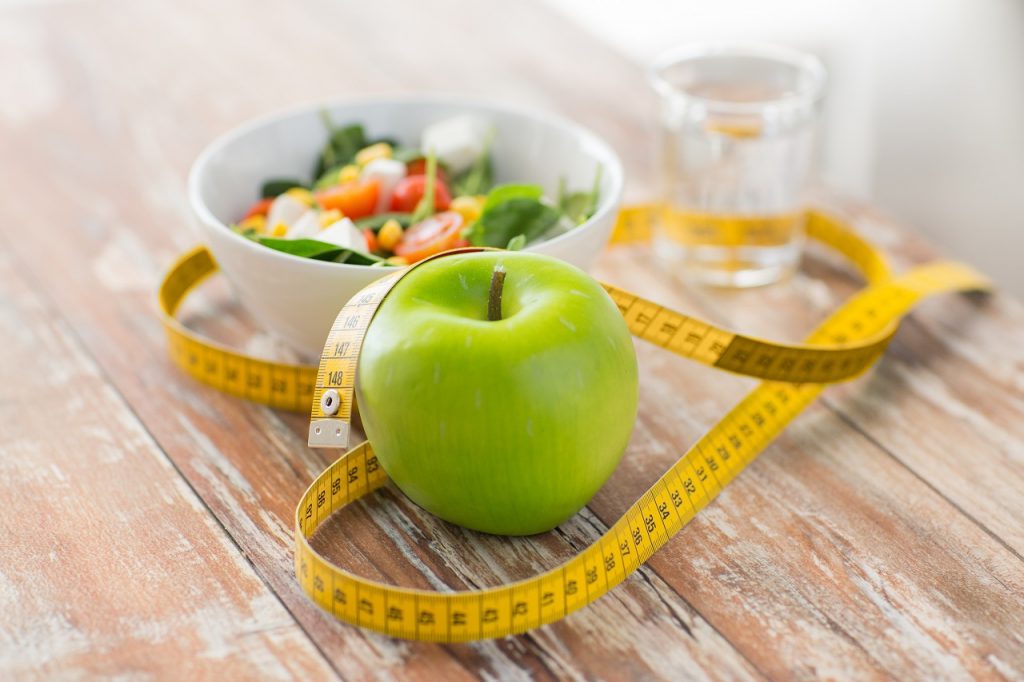
 Do you know the long kept “Secret of Diet”? Have you heard about it? In this article I would like to share it with you. It is a mantra to facilitate weight loss, regulate diabetes, hypertension and many such diseases taking good care of your immune system as well as vital organs. I am sure you must be familiar with these idioms i.e. “Food Pyramid” and “My plate”. If you are, I will be representing it from a different perspective. These are our main tools to plan a daily diet.
The Importance of Food Pyramid & My plate
The main idea behind the design of the food pyramid is to make our healthy eating experience much easier. When starting a new healthy diet, people need to know if they are consuming the right amount of the basic nutrients such as protein, fat, and carbohydrate, which is where the importance of the food pyramid and my plate comes in.
The food pyramid contains several sections of foods which are usually grouped according to their nutrient’s similarity. This actually helps you with a larger option to choose from. This way, you are not stuck to one particular food when there’s a whole world of options out there. 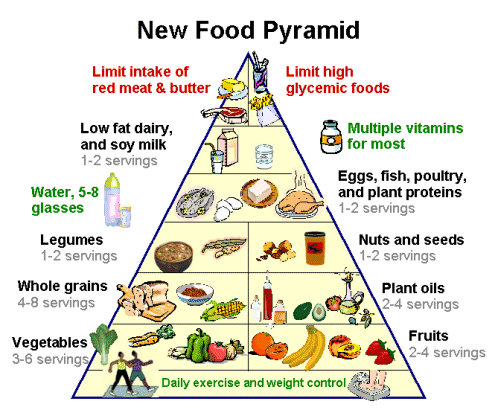
How To Use It?
- Keeping this picture in front of you can help in making healthier choices with the number of servings you should ideally take in a day.
- Now next step is to understand My Plate which makes things pretty clear.
My Plate
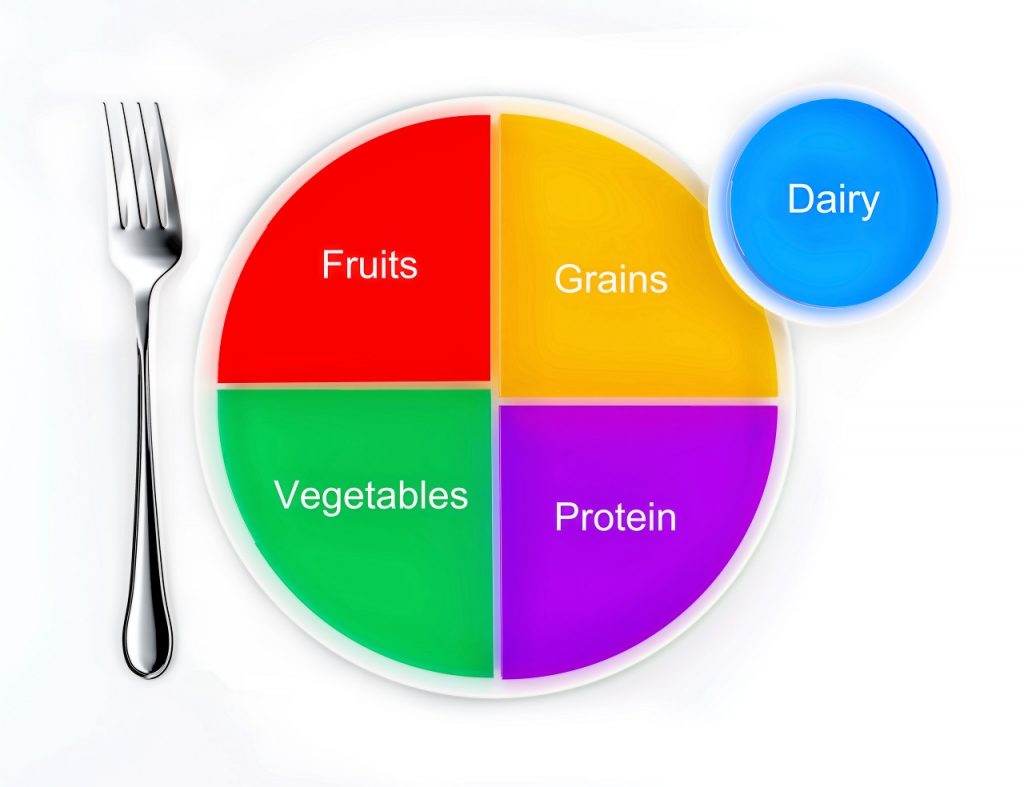
The beauty of My Plate is in using a plate icon to “measure” the relative portion sizes of what you’re eating.
- My Plate is a food icon that serves as a powerful reminder to make healthy food choices and to build a healthy plate at mealtimes.
- It is a visual cue that identifies the five basic food groups that are: Fruits-20%, Vegetables-30%, Protein group-20%, and grains 30% and a bowl of dairy products.
What to Put on Your Plate?
- Eating the My Plate way means filling half your plate with vegetables and fruits, adding slightly more veggies than fruits (Due to sugar content).
- Go for a colourful mix. You’ll get plenty of nutrients that way.
- You should fill the other half of your plate with lean protein and grains, using slightly more grain than protein. For instance, lean cuts of chicken and other meat, fish, beans and peas, tofu, eggs, nuts and seeds (use sparingly).
- Whole grains should make up at least half of your grains. That means choosing brown rice instead of white rice, whole wheat flour or multigrain or millets instead refined flours for instance. If weight loss is a goal make grains 20%.
- The My Plate icon also shows a glass of milk/ buttermilk near your “plate.” It’s a reminder to include dairy (mostly fat-free or low-fat) in your diet. A2 or organic milk is essentially chemical-free and healthier as the cows are fed grass or organically cultivated fodder. Calcium-fortified soy milk also counts.
Dietary Guidelines of My Plate
Making food choices for a healthy lifestyle can be as simple as using these tips. Use the ideas in this list to balance your calories (energy coming from food), to choose foods to eat more often, and to cut back on foods to eat less often.
- Enjoy your food, but eat less: Take the time to fully enjoy your food as you eat it. Eating too fast or when your attention is elsewhere may lead to eating too many calories (overeating). Pay attention to hunger and fullness cues before, during, and after meals. Use them to recognize when to eat and when you’ve had enough.
- Avoid oversized portions: Use a smaller plate, bowl, and glass. Portion out foods before you eat. When eating out, choose a smaller size option, share a dish, or take a part of your meal home.
- Foods to eat more often: Eat more vegetables, fruits, whole grains, and fat-free or 1% milk and dairy products. These foods have the nutrients you need for health – including potassium, calcium, vitamin D, and fiber. Make them the basis for meals and snacks.
- Make half your plate salad and vegetables: Choose red, orange, and dark-green vegetables like tomatoes, sweet potatoes, and broccoli, along with other vegetables for your meals. Add salad to meals.
- Switch to fat-free or low-fat (1%) milk: They have the same amount of calcium and other essential nutrients as whole milk, but fewer calories and less saturated fat.
- Make half your grains whole grains: To eat more whole grains, substitute a whole-grain product for a refined product-such as eating whole wheat bread instead of white bread or brown rice instead of white rice, whole wheat flour or millets instead refined ones.
- Foods to eat less often: Cut back on foods high in solid fats, added sugars, and salt. They include cakes, cookies, ice cream, candies, sweetened drinks, pizza, and fatty meats like ribs, sausages, bacon, and hot dogs. Use these foods as occasional treats, not everyday foods. Natural sugars like jaggery, honey, pure maple syrup are better choices.
- Compare sodium in foods: Use the Nutrition Facts label to choose lower sodium versions of foods like soup, bread, and frozen meals. Select canned foods labelled “low sodium,” ”reduced sodium,” or “no salt added.”
- Drink water instead of sugary drinks: Cut calories by drinking water or unsweetened beverages. Soda, energy drinks, and sports drinks are a major source of added sugar, and calories, in American diets.
Do give it a try and share your experience in the comments below. After getting familiar with this tool, we really don’t need any diet charts. Stick the pictures in your kitchen and plan any day meal without any hassle.
You can find more useful information on nutrition here. You can also get this information directly from an expert by subscribing to GOQii’s Personalised Health Coaching here.
#BeTheForce
 Everyone knows about yoga and the benefits it can bring to your life. This ancient form of exercise started in India and has reached far and wide across the world. Since the pandemic, we’re always looking for new ways to be fit and active, given that health has now become a priority. I have a few ways on how we can be more active during the day and that’s Hand Yoga!
 In this Mudra, the thumb and index finger are touching and form a circle. The other three fingers are stretched casually. The palms are facing upwards. This Hand Yoga Mudra is known as the gesture of knowledge and wisdom. The Index Finger symbolizes the ego that is beaten by the universal wisdom, which is represented by thumb.
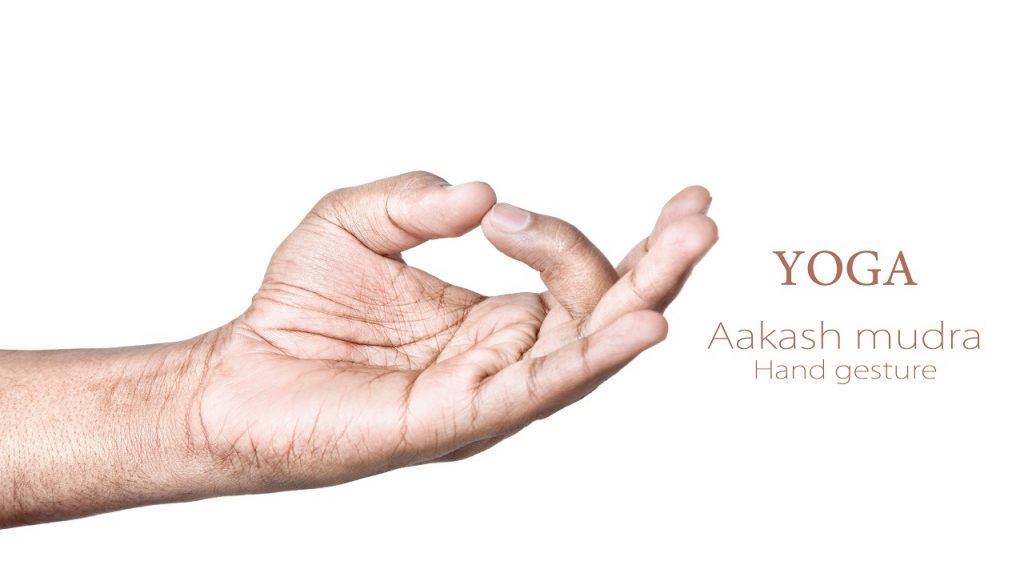 To perform this, the thumb and middle finger are brought together. The other fingers are casually stretching. Aakash stands for the element of room or ether.
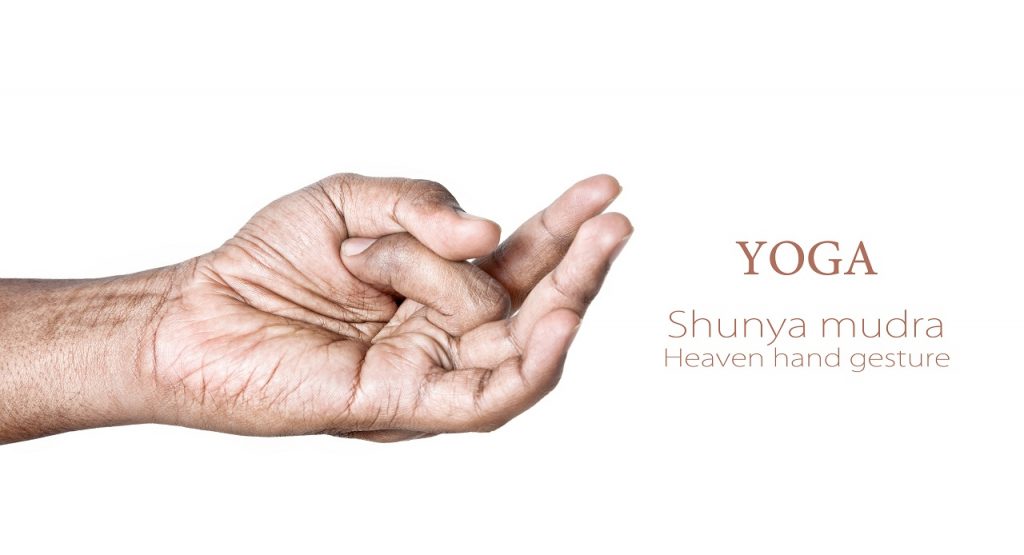 In this Hand Yoga Mudra, you bend your middle finger until it touches the ball below the thumb. The thumb performs light pressure on the middle finger. The other fingers are stretched. Put your hands, palms facing up, on your thighs. Sunya Means “sky” or “zero”.
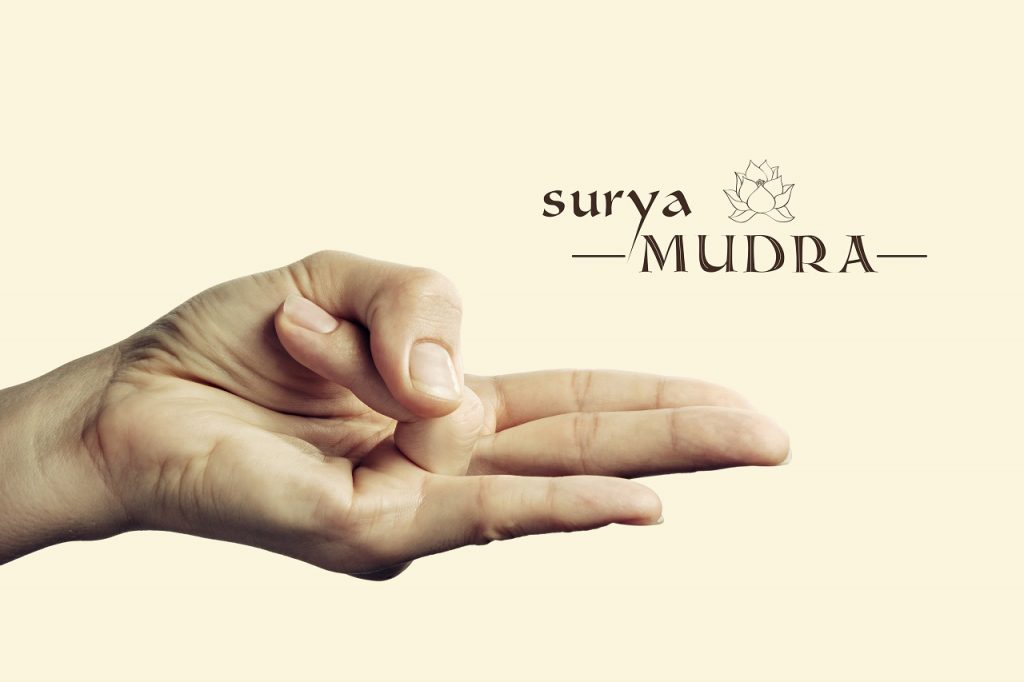 It is formed by folding the ring finger so that it touches the lower end of the thumb. The thumb pushes the ring finger slightly down and other fingers are casually stretched upwards. Surya Mudra activates the fire element of the body.
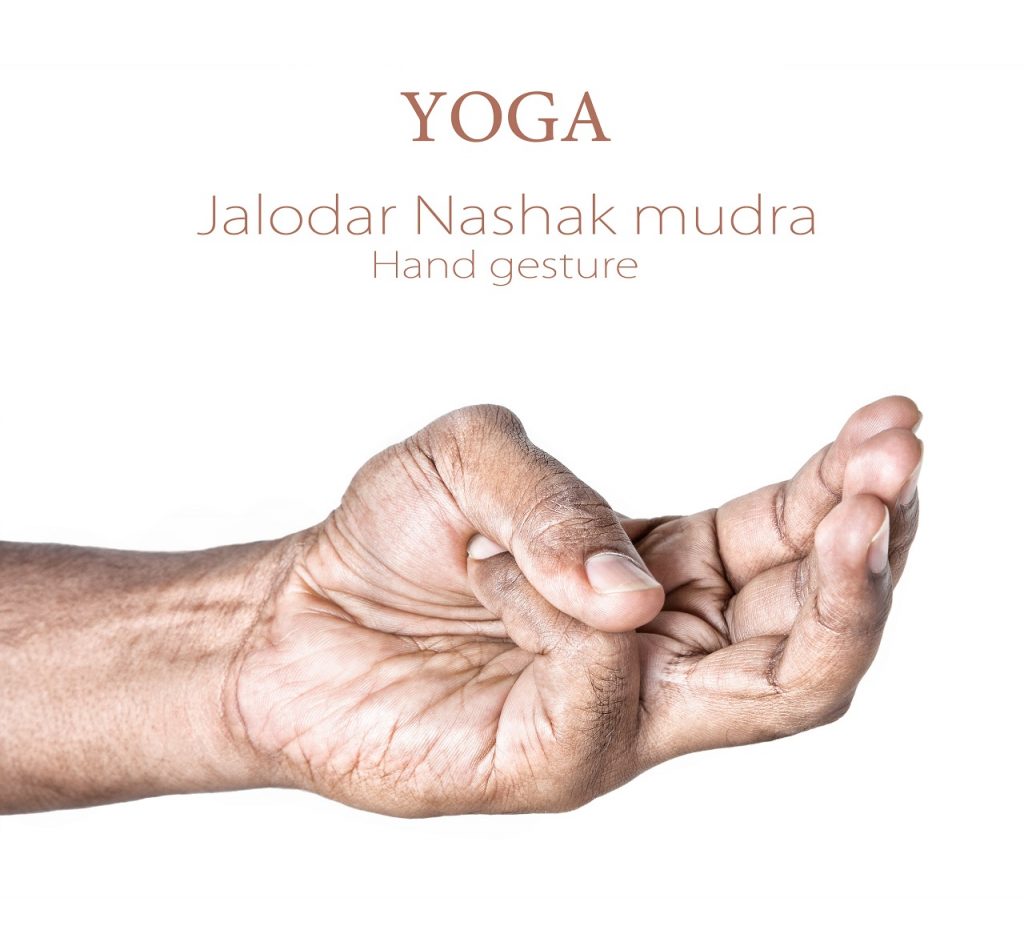 To perform this, the small finger is bent towards the thumb. The thumb pushes the small finger slightly down. The name of this hand gesture (Mudra) is made up of from three words Jal for “water”, Udar for “ stomach”and Nashak for “finish”. The small finger represent the water element.
 एक लाइफस्टाइल कोच और वेट मैनेजमेंट विशेषज्ञ के रूप में, मैं अक्सर लोगों को वजन कम करने के लिए संघर्ष करते हुए देखता हूं। अपने पिछले लेख में, मैंने 11 अन्हेल्थी आदतें जो आपके स्वास्थ्य को नष्ट कर रही हैं, पर अपने विचार साझा किये थे। मुझे उम्मीद है की आपने उन्हें पढ़ लिया होगा, आज मैं कुछ ऐसी आसान आदतें आपके साथ साझा करने जा रहा हूँ जिन्हें अपना कर आप अपना वजन आसानी से कम कर सकते हैं! छोटी-छोटी कोशिशों और अपनी आदतों में छोटे-छोटे बदलाव करके आप अपने वजन घटाने के लक्ष्य को आसानी से हासिल कर सकते हैं।
 Priyanka struggled to get blood for her father who was undergoing a surgery. The blood bank did not have her father’s blood type. As things got tougher, she tried to get in touch with other blood banks but none of them had it. In fact, she was ready to pay, but the blood banks did not have the blood type! Time was running out. She also started getting in touch with her friends but to no avail. Her friends all refused to donate blood due to their preconceived notions and myths.


