
GOQii

Blog

  • HOME
  • HEALTHY LIVING
  • FITNESS
  • HEALTHY RECIPES
  • USER STORIES
  • KARMA
  • BUY GOQii

April 3, 2024 By Shagufta Raza 1 Comment

5 Alarming Effects of Overtraining & How To Manage Them

overtrainingOvertraining, in essence, is performing excessive training which your body is unable to recover from – both in and outside the gym. The less severe versions of overtraining may take you a week to recover from. While most fitness experts will tell you that overtraining is worse than undertraining, some people still choose to push themselves which result in alarming physical and psychological effects. 

Signs That You’re Overtraining 

Can you tell the difference between giving it your all and pushing yourself too hard? Here are some signs, symptoms and effects of overtraining you need to watch out for. 

  1. Increased Heart Rate: Check for the elevated resting heart rate. A healthy resting heart rate range is 60-100bpm (beats per minute) and usually, the fitter you are, the lower your resting heart rate will be. If you’re overtraining, you may notice your resting heart rate will be 10-15 bpm higher than usual.
  2. 2. The Gaining or Losing Dilemma: This issue can be extremely problematic for people who gain weight unintentionally. The unexpected weight gain can lead to excessive workouts. The hormonal and inflammatory effects of overtraining can lead the body to lower thyroid function, crank out stress hormones, ramp up inflammatory cytokines, and create an overall environment that favours fat storage.
  3. Muscle Soreness: This is common when you exercise regularly. However, if you’re experiencing soreness for longer than 72hrs, you need a break as this could be a sign of overtraining. If you are aiming to build muscle, recovery is equally important. If your muscles aren’t recovering, it will have a negative impact on muscle gains and can also lead to muscle loss.
  4. Sleep Quality & Insomnia: Generally after a good workout at the gym, you may feel exhausted and fall asleep in no time. But you may notice that even after you have hit the gym and you are exhausted, you are still struggling to fall asleep. This can be linked to an overload on the hormonal and nervous system.
  5. Injuries: If you’re always getting injured or soreness which isn’t healing, then this could mean your body can’t cope with the pressure. Give it a break and take it slow. It’s absolutely vital to rest so that your body regains its strength.

The other signs and effects of overtraining may also include nausea, decreased appetite, allergic reactions, head colds/persistent upper respiratory tract infections, changes in menstrual patterns, decreased coordination and loss of strength. 

How Can You Manage It Effectively? 

Now that you’re aware of the effects, let’s take a look at how you can manage and take possible precautions! 

  • When you are weight training, ensure that you don’t exceed more than 45-75 minutes.
  • The right nutrition is the key to recovery. Make sure you plan your meals to ensure you’re refuelling effectively and getting the right amount of nutrients in your diet with your Pre and Post workout meals. You may require expert advice on this. You can subscribe to GOQii to get personalized advice from a coach and an expert. 
  • Quality Sleep: Physical recovery happens between 10pm to 2am. So getting in some early nights in will aid your recovery.
  • Heart rate devices are a great tool to measure recovery rates. Try these awesome GOQii Trackers. 
  • Plan Regular Rest Days: An excessively sore or weak muscle should be given adequate rest. A good rule of thumb is to wait for 48 hours before working the same muscle group. If that muscle group is still sore, you may need to wait even longer – sometimes up to 5 days.
  • Avoid eating late, sugary foods (or other stimulants). Follow a healthy diet and plan regular rest days until you’re back into a regular sleeping pattern.

 We hope this article helps you overcome all the hurdles to your training. Remember that giving it your best is okay but never overdo it. Do leave your thoughts in the comments below. 

For more articles on training or for some effective and easy home workouts, check out Healthy Reads. To get into a proper training routine and not over-train, speak to an expert by subscribing for Personalised Health Coaching here.

#BeTheForce 

January 28, 2024 By Ranveer Allahbadia 3 Comments

Kickstart Your Fitness Journey: The First Step to a Flat Stomach and a New You

loose-belly-fat

Long before candy crush, iPads & McDonalds came into existence there was a time when apes had just evolved into an intelligent, NEW species. Apes evolved to become the apex predator. This new species could “out run” any other animal and was known to hunt down its prey by doing exactly that – Chasing it till it gives up. That’s precisely what human bodies are meant to do. In our most natural form we are built to run gigantic distances, hunt mammoths and throw weapons to kill our prey.

A child born in 10,000BC grew up hunting and climbing trees. Humans born any time after World War II are spoilt by technology, luxuries and wrong food. Fortunately for us, a sudden wave has come our way. People all over the world are embracing ‘BEING FIT’. And “being fit” is all about drifting towards our more primal selves.

Being fit isn’t as hard as people think it is. The only thing people need help with is a road map.

The one single substance keeping us away from attaining our maximum potential is sugar.

Sugar is a substance that activates the same parts of your brain that get activated by consuming addictive drugs like cocaine. But, unlike addictive drugs, you don’t buy sugar in shady lanes, you buy it in general stores. Any 10 year old can walk up to his local general store and purchase what is essentially a drug. This is why sugar is the single most dangerous food out there. It is a legal substance that can do as much harm as cigarettes or cocaine.

If you were wondering where YOUR journey in fitness should start – It should begin with Sugar. Eliminate this ENEMY and embrace a new you. Eliminating sugar from your diet can do wonders in the long term. With just this one change, I guarantee that you will drop those extra kilos and move towards that flat stomach you’ve always wanted.

When you eliminate all kinds of sugar, there are two main villains you are eliminating. Firstly liquid sugars in the form of fizzy (aerated) drinks. Secondly and more importantly – all desserts. Desserts are made of the 3 devil foods – sugar, refined carbs and unhealthy fats. And all these 3 ingredients destroy your body in different ways.

There is literally nothing worse you can put into your system than that simple dessert after dinner. In fact, for anyone who is overweight, I guarantee you it’s not the snacks between meals, the alcohol or the excess meat consumption – it’s the dessert that’s keeping them fat.

How you look depends primarily on what you eat. The kind of exercise you do will just hasten and enhance the process towards getting fit. And, for anyone with a sedentary lifestyle, remember these 5 words – ‘something is better than nothing’.

As I’ve always maintained – Fitness isn’t deadlifting a 100 kg or running marathons. Fitness is doing the smallest things to ensure that your body is better today than it was yesterday.

Do the minimal – walk around for 20 minutes every day, take the stairs instead of the lift, if you have the time then try your hand at free body movements like push-ups and sit-ups. But, above all just keep your body active.

The combination of a zero sugar diet and an active lifestyle is the key to long term health. This is the bare minimum you owe to your body. It’s about time we make our bodies do what they were created to do.

Take that first step!

We believe this article has empowered you with the fundamental steps to initiate your path towards a healthier and revitalized version of yourself. Should you find this information valuable, feel free to share your feedback in the comments section. Explore more insightful articles on holistic well-being at Healthy Reads. For personalised assistance and expert guidance, consider subscribing to GOQii’s Personalised Health Coaching here.

#BeTheForce
January 18, 2024 By Deepanshu Sharma 2 Comments

Carbo-Loading: All You Need To Know!

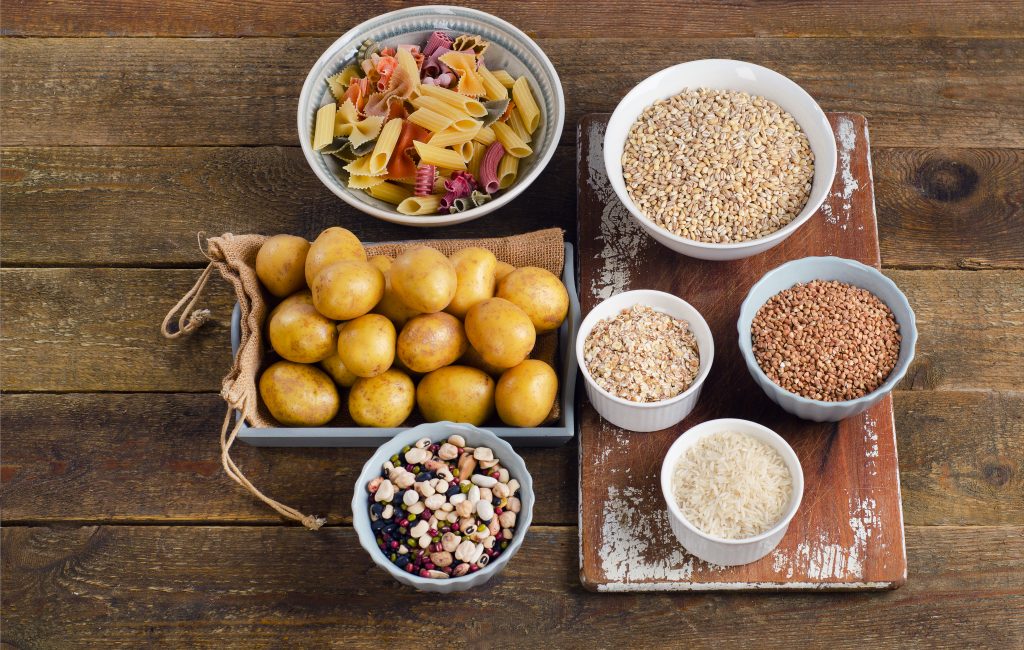
Carbo LoadingAt some point or the other, we have come across the term Carbo-Loading. While there are some people who know what it is, there are people who are unaware about this helpful hack. Carbo-Loading is the process of ‘loading’ your body’s muscles with excess glycogen. Glycogen is the energy source derived from eating carbohydrates and Carbo-Loading when done well, can lead to improvement in performance of endurance athletes.



What is Carbo-Loading?

In detail, Carbo-Loading means eating excess carbohydrates to fill the muscles with glycogen while also lowering your activity levels 3-4 days before the event.

Glycogen is the fuel which powers our body when we exercise. The carbohydrates that we eat are broken down to make glycogen, which is stored in the muscles to provide energy while exercising. The main aim of Carbo-Loading is to ensure that muscles have larger energy stores so that they don’t tire easily. Just like a car with a full tank would run longer, similarly, glycogen loaded muscles will perform longer.

Who needs Carbo-Loading?

Carbo-Loading helps athletes who compete in endurance events such as running over 10 kms, triathlons, treks, etc. Since the body already has enough glycogen stored in the muscles, it can perform short exercises with like weight training or jogging at sustained energy levels. It is the endurance runs which makes us use all our resources. This is where the extra glycogen can help to avoid cramps, prevent fatigue and keep one going till the finish line.

How to Carbo-Load?

Now this is the most important part. If done correctly, you will surely reap the benefits. If done incorrectly, it won’t help you much. It may even lead to feeling heavy before the marathon and even vomiting. You usually start 3-4 days before the event. It is recommended to start with 5 gm carbohydrates per kg body weight. You can increase it to 7-8 gm from your second attempt at Carbo-Loading.

4 Days Before the Event: You are eat the same number of calories as before but 60-70% of it should come from carbohydrates. Mostly complex carbs.

3 & 2 Days Before the Event: Eat more of simple carbs. They will provide instant energy! It is important to avoid processed forms of these simple carbs (like biscuits, rusk).

1 Day Before the Event: Almost all the carbohydrate calories should come from simple carbs one day before the event. Your last dinner before the event should be at least 12 hours prior to the race. The dinner should be heavy, made entirely of simple carbs, with little fats and proteins.

Before the Event: 2-3 hours before the event, eat a light and easy simple carb snack and also keep it for eating during the race.

Some Simple Carbs: Banana, milk, curd, honey, white bread, white rice, potato

Some Complex Carbs: Chapati, pulses, brown rice, sweet potato, green leafy vegetables, apples

Few Tips to Remember During Carbo-Loading

  • As it involves eating a high carb diet, people with diabetes and other medical problems which restrict the consumption of carbohydrates should consult their doctors before starting
  • Perform only light exercise when starting Carbo-Loading and rest the entire day before the event
  • Avoid adding new foods to your routine
  • Avoid eating fiber rich foods as they will give a feeling of satiety
  • Eat a moderate amount of fats and proteins
  • On all days of Carbo-Loading, eat 5-6 meals instead of eating only three to avoid a feeling of heaviness
  • After the event, have a carb-only meal to replenish the glycogen stores
  • Eat some salty snacks after the event (preferably salted nuts)
  • Drink lots of water during and after Carbo-Loading

Effects of Carbo-Loading

  • You will see a slight weight gain but it will only be due to the body retaining excess water. This weight will be gone in 1-2 days after the event
  • Expect a little stomach discomfort in this phase. It will not bother you much if you divide the total calories into 5-6 meals for the day

Have any questions about Carbo-Loading? Ask a GOQii Coach by subscribing for Personalised Health Coaching here.

#BeTheForce

January 11, 2024 By Farhat Khan 2 Comments

What is Resting Heart Rate & How Can You Improve It?

Resting Heart Rate

If you want to know more about heart health, your Resting Heart Rate can tell you a lot! As we all know, our heart is responsible for providing blood and oxygen to each and every organ in the body and if there is any trouble in the heart, automatically the rest of the body will be impacted too.

What is Resting Heart Rate?

Resting heart rate (RHR) is known as your base or lowest heart rate. It can be defined as the number of times your heart beats per minute while you’re resting or not active. The normal resting heart rate reading should be in between 60 to 100 beats per minute (BPM). The term use for a heart rate below 60 bpm is called Bradycardia while a heart rate above 100 bpm is called Tachycardia. Usually, children tend to have a higher heart rate than adults. It is because of their faster metabolism. For a newborn, resting heart rate around 100 to 150 bpm is considered normal.

How Can You Measure It? 

Measuring heart rate is the same as checking your pulse. Currently, there are different ways to measure it – you can even measure it using your fitness tracker or band. You can also use the ancient method wherein, you place your index and middle finger on your wrist just below the thumb, or along either side of your neck, so you can feel your pulse. Remember not to use your thumb to take this measurement as it has its own pulse so you might not get the accurate measurement. Use a watch to count the number of beats for 30 seconds and double it so you will get the reading for per minute. Repeat it twice or thrice to make sure you get the accurate measurements. 

To get the proper readings, it is advised to check your resting heart rate as soon as you wake up before carrying out any other work or activity. 

Factors That Affect RHR 

Daily activities such as walking or drinking a cup of coffee, medications, hormones, body size, stress and activity level can change your resting heart rate. Some major factors include: 

  • Age
  • Lack of sleep
  • Dehydration
  • Stress
  • Obesity
  • Health conditions, lung disease and diabetes
  • Some medications like Beta blockers & calcium channels
  • Temperature
  • Exercise

Generally, lower heart rates are considered better as it shows your heart is working well with no extra effort. On the other side, a higher resting heart rate shows your heart has to work extra hard to pump blood.

Ways to Improve or Lower Heart Rate

  1. One of the reasons for increased RHR as one ages, is the lack of or less physical activity. As aging is a natural process, we can improve its impact on heart health by adding 30 minutes of walking or any other low impact exercise like cycling, swimming and dancing. Of course, your heart will beat fast during the activity and for a short time after that, but practicing it every day will automatically help in reducing your elevated resting heart rate.
  2. Guided breathing practices, yoga, tai chi, meditation, long walks and reading are all great ways to calm your mind and body, which will help in controlling your heart rate.
  3. Always try to get at least seven hours of sleep every night so your body gets sufficient time to recover from stress.
  4. Keeping yourself well hydrated helps blood flow through the body and makes the functioning of the heart easy as well. 
  5. Those who smoke have a higher RHR. Quitting brings it back down. 
  6. Keep a watch on body weight. The larger the body, the more the heart has to work to supply it with blood. Losing body weight helps in lowering elevated RHR.

It’s important to maintain an active lifestyle with regular aerobic exercise, a balanced diet, quality sleep and hydration. By measuring your resting heart rate regularly, you can see both your long-term progress and daily fluctuations in it. When your resting heart rate decreases as a result of training, it’s a sign that your cardiovascular health is improving.

We hope this article helps you make heart-healthy choices! Do let us know your thoughts in the comments below. For more on heart health, check out Healthy Reads or reach out to our certified experts by subscribing to GOQii’s Personalised Health Coaching here.

#BeTheForce 

  • « Previous Page
  • 1
  • …
  • 8
  • 9
  • 10
  • 11
  • 12
  • …
  • 45
  • Next Page »

Search

Recent Posts

  • India Leads in Longevity: GOQii Sanjeevini Named Top 40 in $101M XPRIZE
  • The Importance Of Knowing If You’re Thirsty Or Hungry
  • Best Foods To Alleviate Irritable Bowel Syndrome
  • ALL ABOUT VERTIGO!
  • PCOS and Anxiety: Discover Relief with the 54321 Technique

Stay Updated

Archives

  • December 2025 (8)
  • November 2025 (15)
  • October 2025 (20)
  • September 2025 (6)
  • August 2025 (6)
  • July 2025 (12)
  • June 2025 (18)
  • May 2025 (16)
  • April 2025 (23)
  • March 2025 (23)
  • February 2025 (22)
  • January 2025 (26)
  • December 2024 (26)
  • November 2024 (25)
  • October 2024 (22)
  • September 2024 (24)
  • August 2024 (31)
  • July 2024 (21)
  • June 2024 (26)
  • May 2024 (31)
  • April 2024 (27)
  • March 2024 (29)
  • February 2024 (26)
  • January 2024 (25)
  • December 2023 (15)
  • November 2023 (11)
  • October 2023 (20)
  • September 2023 (22)
  • August 2023 (20)
  • July 2023 (22)
  • June 2023 (24)
  • May 2023 (24)
  • April 2023 (24)
  • March 2023 (23)
  • February 2023 (20)
  • January 2023 (16)
  • December 2022 (12)
  • November 2022 (15)
  • October 2022 (15)
  • September 2022 (12)
  • August 2022 (10)
  • July 2022 (17)
  • June 2022 (11)
  • May 2022 (10)
  • April 2022 (6)
  • March 2022 (6)
  • February 2022 (13)
  • January 2022 (12)
  • December 2021 (7)
  • November 2021 (3)
  • October 2021 (6)
  • September 2021 (3)
  • August 2021 (8)
  • July 2021 (7)
  • June 2021 (15)
  • May 2021 (16)
  • April 2021 (10)
  • March 2021 (7)
  • February 2021 (4)
  • January 2021 (4)
  • December 2020 (3)
  • November 2020 (4)
  • October 2020 (10)
  • September 2020 (3)
  • August 2020 (3)
  • July 2020 (2)
  • June 2020 (4)
  • May 2020 (10)
  • April 2020 (12)
  • March 2020 (10)
  • February 2020 (4)
  • January 2020 (4)
  • December 2019 (3)
  • November 2019 (7)
  • October 2019 (5)
  • September 2019 (4)
  • August 2019 (9)
  • July 2019 (9)
  • June 2019 (11)
  • May 2019 (4)
  • April 2019 (9)
  • March 2019 (8)
  • February 2019 (9)
  • January 2019 (8)
  • December 2018 (9)
  • November 2018 (3)
  • October 2018 (3)
  • September 2018 (5)
  • August 2018 (10)
  • July 2018 (6)
  • June 2018 (13)
  • May 2018 (8)
  • April 2018 (18)
  • March 2018 (9)
  • February 2018 (8)
  • January 2018 (15)
  • December 2017 (12)
  • November 2017 (19)
  • October 2017 (13)
  • September 2017 (15)
  • August 2017 (4)
  • July 2017 (8)
  • June 2017 (7)
  • May 2017 (6)
  • April 2017 (8)
  • March 2017 (6)
  • February 2017 (7)
  • January 2017 (9)
  • December 2016 (10)
  • November 2016 (7)
  • October 2016 (7)
  • September 2016 (7)
  • August 2016 (11)
  • July 2016 (9)
  • June 2016 (9)
  • May 2016 (12)
  • April 2016 (17)
  • March 2016 (17)
  • February 2016 (8)
  • January 2016 (6)
  • December 2015 (2)
  • November 2015 (9)
  • October 2015 (7)
  • September 2015 (9)
  • August 2015 (11)
  • July 2015 (9)
  • June 2015 (12)
  • May 2015 (9)
  • April 2015 (13)
  • March 2015 (8)
  • February 2015 (5)
  • January 2015 (12)
  • December 2014 (14)
  • November 2014 (11)
  • October 2014 (6)
  • September 2014 (13)
  • August 2014 (12)
  • July 2014 (6)
  • June 2014 (2)
  • May 2014 (7)
  • April 2014 (5)

From “Laddu Nawin” to Fit and Fierce: How a 25-Year-Old Insurance Advisor Shed 20 Kilos and Gained His Life Back

When 25-year-old Nawin Yadav from Hyderabad walked into his office every morning, he carried more than just his files and policy papers. He had the weight of fatigue, sluggish energy, and an ever-growing belly that was becoming the butt of jokes. “People … [Read More...]

“I’ve Challenged Myself to Live 100 Years” – The Story of Chandubhai Savani’s Second Chance at Life

At 67, most people start slowing down. Not Chandubhai Savani. A resident of Surat, Chandubhai, thought life was on track. “My life was going well till I had my bypass surgery,” he says. That surgery, back in 2021, was a wake-up call.  Medication was routine, but exercise wasn’t. His diet? What he calls ‘normal.’ “I […]

From Shimla’s Slopes to Chandigarh’s Sidewalks: Surinder Kaur Bhalla’s Journey from Chaos to Control

Some journeys start with a plan. Others begin with a stumble literally. Surinder Bhalla, a government professional, born and raised in the scenic hill town of Shimla, had always lived a life of movement. “In Shimla, you walked everywhere,” she reflects. “Walking was never an exercise. It was just life.” But after shifting to Chandigarh, […]

Ananda Mukherjee Health Story

From Terminal Illness To Complete Wellness! Ananda Mukherjee Health Story

As we observe World Cancer Day under the powerful theme ‘United by Unique’ (2025-2027)**, we are reminded that every individual’s journey with cancer is distinct, yet united by shared resilience, hope, and the collective fight against this disease. This theme places people at the centre of care and their stories at the heart of the […]

  • HOME
  • HEALTHY LIVING
  • FITNESS
  • HEALTHY RECIPES
  • USER STORIES
  • KARMA
  • BUY GOQii

Copyright ©2016 GOQii

