GOQii

Blog

  • HOME
  • HEALTHY LIVING
  • FITNESS
  • HEALTHY RECIPES
  • USER STORIES
  • KARMA
  • BUY GOQii

February 8, 2024 By CHARMI GOGRI 1 Comment

Why should we eat more turmeric?

Curcumin

Turmeric is traditionally named as “Indian Saffron” because of its deep yellow-orange colour and has been used throughout the ancient Vedic culture of India as a condiment, healing remedy and textile dye. It is one of the most researched condiment and is used in almost all Indian curries, this spice has almost no calories and zeroes cholesterol. It is rich in dietary fibre, iron, potassium, magnesium and vitamin B6. The wide range of turmeric health benefits come mainly from its main ingredient, curcumin. Turmeric is used for arthritis, heartburn, stomach pain, diarrhoea, intestinal gas, stomach bloating, loss of appetite, jaundice, liver problems and gallbladder disorders. It is also used for headaches, bronchitis, colds, lung infections, fever, menstrual problems, and cancer. Some people apply turmeric to the skin for pain relief, ringworm, bruises, leech bites, inflammatory skin conditions and infected wounds. In short, Turmeric provides a wide variety of benefits, but there are seven standouts. Once you know about these seven benefits you’ll be eager to add the spice to your diet.

  • Potent Antioxidant

Curcumin has a huge therapeutic value as boosting immunity is one of its most important properties. Curcumin exerts powerful antioxidant effects by neutralizing free radicals, chemicals that can travel through the body and cause great amounts of damage to healthy cells and cell membranes. This is important in many diseases, such as arthritis, where free radicals are responsible for the painful joint inflammation and eventual damage to the joints.The high antioxidant power of turmeric also helps to put the brakes on aging process.

  • Maintains Healthy Heart

Oxidized cholesterol damages blood vessels and promotes plaques formation that can lead to heart attack or stroke. Curcumin not only prevents the oxidation of cholesterol in the body but is also beneficial in reducing bad cholesterol and improving good cholesterol. In addition, turmeric is a good source of vitamin B6, which keeps homocysteine levels under control and thereby protects direct damage to blood vessels caused by elevated levels of homocysteine.

  • Cancer Prevention

The most promising quality of turmeric is its ability to prevent cancer. Turmeric can be beneficial for preventing breast, prostate, skin and colon cancer. This super spice  helps the body to destroy mutated cancer cells and prevents its spreading into other organs. Moreover, It causes cancer cells to commit suicide. Turmeric prevents cancer progression by 2 ways: first, by enhancing liver function and second by preventing blood supply to cancer cells which may be necessary for their growth.

  • A Potent, Yet Safe Anti-Inflammatory

Curcumin is thought to be the primary pharmacological agent in turmeric. This makes it effective for fighting heart disease, osteoarthritis pain and other health problems related to inflammation. Curcumin is believed to reduce certain enzymes in the body known to trigger inflammation. Curcumin’s anti-inflammatory effects are comparable to the potent drugs like hydrocortisone and phenylbutazone as well as over-the-counter anti-inflammatory agents such as Motrin. Unlike the drugs, which are associated with significant toxic effects (ulcer formation, decreased white blood cell count, intestinal bleeding), curcumin produces no toxicity.

  • Promotes Weight Loss

Curcumin promotes weight loss and reduce the incidence of obesity-related diseases. Turmeric stimulates the production of bile which helps to break down fatty foods, which in turn, may help you lose weight. Taking one teaspoon of Turmeric powder with every meal may help in losing weight. This of course doesn’t cancel the fact that you need to eat healthy and exercise.

  • Slows the progression of Alzheimer’s Disease

Curcumin in turmeric has a potential role in the prevention and treatment of Alzheimer’s disease. Alzheimer’s disease is a neurodegenerative disease characterized by progressive cognitive deterioration together with declining activities of daily living and behavioral changes. Various effects of curcumin, including anti-inflammatory, and antioxidant property, improves overall memory in Alzheimer’s patients.

  • Natural Painkiller

Turmeric can be considered as an instant painkiller option. Turmeric is capable of fighting a variety of pain that would otherwise be rated with over-the-counter pain medication which just suppresses the pain unlike turmeric which attempts to heal the pain as well.

A Few Quick Serving Ideas to include turmeric in meals:

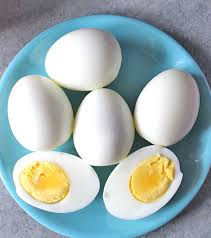
  • Add turmeric to egg salad to give it an even bolder yellow colour.
  • Give salad dressings an orange-yellow hue by adding some turmeric powder to them.
  • Season rice, vegetables and curries with turmeric.
  • Turmeric is a great spice to complement recipes that feature lentils.
  • Include the spice as an ingredient in your regular meals.
  • You can make a tea out of turmeric. Boil about four cups of water with a spoonful of turmeric for about ten to fifteen minutes. Strain and drink. The best remedy for a sore throat.
  • Add turmeric into your daily smoothies
  • Add turmeric to a glass of organic warm milk which helps fight cold and flu and a remedy for better sleep

Thus, turmeric is safe and offers a variety of general health benefits, you have nothing to lose by adding it to your daily diet in moderate amounts. We hope this article helps you. For further information or guidance, reach out to our certified experts by subscribing to GOQii’s Personalised Health Coaching here.

#BeTheForce

February 7, 2024 By Trupti Hingad 3 Comments

The connection between Sleep and Liver!

Improve sleep and sleep qualitySleep can never be categorised as a boring topic to discuss. 8 out of 10 people love to sleep at any time of the day. For some sleeping is one of the best relaxation techniques.

An old adage says ‘Early to bed, Early to rise, Make a man healthy, wealthy and wise’. How true is this phrase? Is it alright to sleep late and wake up late?

In this digital world the bedtime for most people has changed drastically. Mobile phones, laptop, work pressure, deadlines and online markets have captured most of the sleep time leading to sleep issues for most. I have many clients who have everything in life but not good sleep.

We all know good sleep is very necessary for good health and to live long years. Lack of sleep or sleeping late can reduce your cognitive power, ages your skin faster, leads to weight gain, increased risk of death and also impairs judgment and decision making ability.

While sleep requirements vary from person to person, most adults require about 7-8 hours of sleep. Children and teens need even more. But, yes the quality of sleep is more important than quantity of sleep.

We have an amazing biological clock given by nature inside our body. Various functions occur in our body when we are sleeping. The most important function is detoxification which happens during our sleep hours.

So ideally between 11 pm to 3 am most of our blood circulation concentrates in our liver. The liver gets larger when filled with more blood. This is the time when liver undergoes detoxification process. But, if you cannot sleep during this hour, the liver cannot perform its function smoothly.

Later you sleep lesser the body detoxifies and keeps accumulating toxins in the body leading to weight gain, ageing, greying hair, belly fat, low immunity, multiple organ disorders and impure blood too.

Have you ever noticed when you go to bed very late you end up feeling tired and lazy the next day? Why does this happen?

In yoga practice, it is advised to wake up as early as 4 am and 5 am and exercise. Why is that?

Because between 3-5 am, most of the blood circulation is concentrated in the lungs. Breathing fresh air and exercise during this time is good. As per yoga, this is called Brahma Muhurat. During this time, the air is fresh, the mind is calm and stable and there is very less pollution.

Between 5-7 am most of the blood circulation concentrates in the large intestine. This is the right time to Poop. Pass out all unwanted toxins from the body, preparing the body to absorb good nutrients during the rest of the day.

From 7-9 am most of the blood circulation concentrates in the stomach. This is a good time to have breakfast and digest food well. Having healthy breakfast is a great way to start the day.

Have you ever noticed the daily routine of our grandparents? No matter what happens they sleep early and wake up early and carry out their routine work. This is the only reason they are so fresh, energetic and healthier even in the old age as they have followed their biological clock.

If you go against nature, things will turn out bad!

Some helpful tips to support your liver and get a good night sleep.

  1. Drinking lemon water in the morning
  2. Choose cruciferous veggies in the day for their liver supporting properties
  3. Try to express emotions in the best way rather than suppressing it as the liver is somewhere connected to your emotions too
  4. Have a light dinner and keep a gap of 2 hours before bed
  5. Turn off the phone, laptop, Ipad for one hour before bedtime. Use this time as ME time by reading books, meditation, reflection and yes chatting with family members
  6. Avoid stimulants like caffeine and sugar post 5 pm
  7. Practice yoga
  8. Have warm milk at bedtime to get good sleep as it enhances the production of sleep hormone.

In the symphony of health, the link between quality sleep and a thriving liver is undeniable. A commitment to early, restful nights not only enhances detoxification but also rejuvenates our vitality. Embrace the magic of a good night’s sleep for a healthier, more vibrant you. For personalised guidance on optimizing your sleep and liver health, connect with our experts through GOQii’s Personalised Health Coaching here.

#BeTheForce 

February 6, 2024 By Yogita Agarwal 1 Comment

Foods That Help You Boost Your Mood

boost your mood

When we feel emotionally low, feel sad, anxious or frustrated, we get tempted to eat food that can lift our spirit. But in the bargain of improving our mood, we end up binging on sweets and junk food. These unhealthy foods can have negative outcomes of their own. So, to avoid those unwanted outcomes on your body, let’s look at healthy food sources that can help you boost your mood! 

Foods To Help You Boost Your Mood 

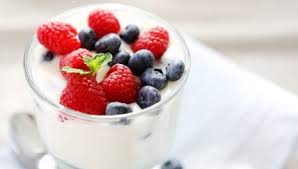
  1. Fermented Foods: The fermentation process allows the bacteria to thrive in foods, being able to convert sugars into alcohol and acids, creating probiotics. This helps increase serotonin levels. Kimchi, kefir, yogurt, kombucha and kanji are the sources of probiotics that support gut health and a healthy gut can help you boost your mood! 
  2. Fatty Fish: are rich sources of 2 types of Omega 3 – DHA (Docosahexaenoic acid) and E (eicosapentaenoic acid), both help lower the levels of depression. Salmon and albacore tuna are fishes we can include in our diet.
  3. Dark Chocolate: helps to improve mood as it may release a cascade of feel-good compounds such as caffeine, theobromine and N-acylethanolamine which is a substance chemically similar to cannabinoids that have been linked to improved mood. It is high in health-promoting flavonoids, which have been shown to increase blood flow to your brain, reduce inflammation, and boost brain health, all of which may support mood regulation.
  4. Banana: is a rich source of vitamin B6. It helps in the synthesis of neurotransmitters dopamine and serotonin. It is an excellent source of natural sugar and good probiotics, so it helps in keeping our mood up. 
  5. Whole Grains: like steel-cut oatmeal, quinoa, brown rice, amaranth, millet, bulgur and wild rice are important sources of B vitamins, nutrients vital for brain health. Vitamin B1 (Thiamine) helps in turning glucose into energy, vitamin B5 (pantothenic acid) helps in the production of the neurotransmitter acetylcholine (involved in learning and memory), vitamin B6 is needed to convert the amino acid tryptophan into serotonin, and vitamin B12 helps in the production of neurotransmitters serotonin and dopamine, which can boost your mood. 
  6. Berries: are packed with a wide range of antioxidants and phenolic compounds, which play a key role in combating oxidative stress and an imbalance of harmful compounds in our body. They are a good source of anthocyanins – the pigment in blue-purple colored berries, which helps lift the mood.
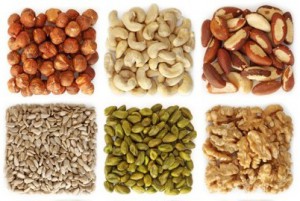
  7. Nuts and Seeds: are a good source of plant protein, healthy fats, and fiber. They are a good source of amino acids, which help in the production of serotonin. Seeds like sesame, pumpkin and sunflower aid brain function and can help in making you feel better.
  8. Coffee: Caffeine has been found to trigger the release of brain chemicals such as dopamine, which is important for performance and mood. Caffeine helps in the prevention of a naturally occurring compound called adenosine from attaching to the brain receptors that promote tiredness, therefore, increasing alertness and attention.
  9. Beans and Lentils: are high in fiber and plant-based protein. They are full of feel-good nutrients. They are an excellent source of B vitamins, which help improve mood by increasing levels of neurotransmitters like serotonin, dopamine, norepinephrine, and gamma-aminobutyric acid (GABA), all of which are important for regulating mood. Vitamin B plays a key role in nerve signaling, which allows proper communication between nerve cells. Low levels of these vitamins, especially B12 and folate, can make us feel low.
  10. Leafy Green Vegetables: Spinach and other green vegetables contain folate. Green leafy veggies are an amazing source of vitamin B, fibre, iron, and folate which can help in improving brain function and produce neurotransmitters that help in boosting mood. Adding a good amount of green veggies to your diet will not only boost your mood but your overall health as well. 

With the above food, you should also exercise regularly, sleep for 7-8 hours and focus on the quality of sleep, manage stress and stay hydrated! We hope this article helps you. For more on nutrition, check out Healthy Reads or reach out to our certified experts by subscribing to GOQii’s Personalised Health Coaching here.

#BeTheForce 

February 5, 2024 By GOQii 8 Comments

Burn Belly Fat With Proper Nutrition

nutrition to burn belly fatBelly fat! A large section of people in this world are obsessed with their body and more so belly fat. They might be pushing themselves with exercise or following a particular diet plan but are still unable to rid themselves of it. The reasons behind not being able to burn belly fat may be excessive use of sugar and fats. This in turn results in weight gain through development of fats around different parts of the body.

Among all body parts, belly is the most affected area. This is because of the fats. The belly grows quickly and leads to increased health problems. Studies have shown that the human body reacts to increased levels of sugar. Generally, 15 grams of sugar is recommended and not more than that. The question is, can a change in diet impact the belly and other body fats? Let’s explore!

6 Nutritional Tips To Help You Burn Belly Fat

  1. Reduce Sugar Intake: Reduction in our daily sugar intake should be at a recommended level of 15 grams. This is one of the most effective steps in reducing belly fat through nutrition. Excess of sugar intake is one of the biggest reasons for obesity and diabetes in the U.S.
  2. Avoid Processed Food: Consumption of processed food items is one of the sources of excessive sugar and fat intake. Try to prepare your food with your hands if you are aware of the ingredients which will be used. Carefully read ingredients used in processed food before you consume them.
  3. Reduce Bad Carbohydrates: Reduction of carbohydrates is another step to reduce belly fat without exercise. Particularly, avoid consuming fizzy drinks. This is one of the sources of high bad carbohydrates.
  4. Increase Intake of Fiber: Increased intake of fiber will constraint your need for carbohydrates. Having more of veggies and fruits will help you with good carbs and avoid the intake of bad carbs.
  5. Eat Raw Vegetables: Eating half cooked or raw vegetables helps you reduce your belly fat. Vegetables are the best solution to fiber requirement. During the day take healthy carbohydrates and at night eat a good meal consisting of proteins/fiber and less carbs.
  6. Know What to Eat: It is essential that you are aware of what you eat. For example, you can do some research about food items that have rich sources of fibre and healthy carbohydrates. You can then add them to your diet.

We hope this article on how to burn belly fat helps you! Remember that it will only work if you are disciplined and follow the routine religiously. Otherwise, no matter how hard you try, there won’t be any significant change for the better. For more on fat and weight loss, check out Healthy Reads or ask a GOQii Coach directly by subscribing for Personalised Health Coaching here.

#BeTheForce

  • « Previous Page
  • 1
  • …
  • 72
  • 73
  • 74
  • 75
  • 76
  • …
  • 97
  • Next Page »

Search

Recent Posts

  • Healthy Eating: Paneer Stuffed Palak Paratha
  • 5 Simple Lifestyle Changes To Manage Hypertension
  • Vegging Out: My Unexpected Journey to Veganism
  • Natural Skincare For Healthy, Glowing Skin!
  • The Early Signs & Symptoms of Diabetes

Stay Updated

Archives

  • November 2025 (3)
  • October 2025 (20)
  • September 2025 (6)
  • August 2025 (6)
  • July 2025 (12)
  • June 2025 (18)
  • May 2025 (16)
  • April 2025 (23)
  • March 2025 (24)
  • February 2025 (23)
  • January 2025 (26)
  • December 2024 (26)
  • November 2024 (26)
  • October 2024 (22)
  • September 2024 (24)
  • August 2024 (31)
  • July 2024 (22)
  • June 2024 (27)
  • May 2024 (31)
  • April 2024 (27)
  • March 2024 (29)
  • February 2024 (26)
  • January 2024 (26)
  • December 2023 (17)
  • November 2023 (15)
  • October 2023 (23)
  • September 2023 (23)
  • August 2023 (21)
  • July 2023 (22)
  • June 2023 (24)
  • May 2023 (25)
  • April 2023 (24)
  • March 2023 (23)
  • February 2023 (20)
  • January 2023 (16)
  • December 2022 (12)
  • November 2022 (15)
  • October 2022 (15)
  • September 2022 (13)
  • August 2022 (11)
  • July 2022 (17)
  • June 2022 (11)
  • May 2022 (10)
  • April 2022 (6)
  • March 2022 (6)
  • February 2022 (13)
  • January 2022 (12)
  • December 2021 (7)
  • November 2021 (3)
  • October 2021 (6)
  • September 2021 (3)
  • August 2021 (8)
  • July 2021 (7)
  • June 2021 (15)
  • May 2021 (16)
  • April 2021 (10)
  • March 2021 (7)
  • February 2021 (4)
  • January 2021 (4)
  • December 2020 (3)
  • November 2020 (4)
  • October 2020 (10)
  • September 2020 (3)
  • August 2020 (3)
  • July 2020 (2)
  • June 2020 (4)
  • May 2020 (10)
  • April 2020 (12)
  • March 2020 (10)
  • February 2020 (4)
  • January 2020 (4)
  • December 2019 (3)
  • November 2019 (7)
  • October 2019 (5)
  • September 2019 (4)
  • August 2019 (9)
  • July 2019 (9)
  • June 2019 (11)
  • May 2019 (4)
  • April 2019 (9)
  • March 2019 (8)
  • February 2019 (9)
  • January 2019 (8)
  • December 2018 (9)
  • November 2018 (3)
  • October 2018 (3)
  • September 2018 (5)
  • August 2018 (10)
  • July 2018 (6)
  • June 2018 (13)
  • May 2018 (8)
  • April 2018 (18)
  • March 2018 (9)
  • February 2018 (8)
  • January 2018 (15)
  • December 2017 (12)
  • November 2017 (19)
  • October 2017 (13)
  • September 2017 (15)
  • August 2017 (4)
  • July 2017 (8)
  • June 2017 (7)
  • May 2017 (6)
  • April 2017 (8)
  • March 2017 (6)
  • February 2017 (7)
  • January 2017 (9)
  • December 2016 (10)
  • November 2016 (7)
  • October 2016 (7)
  • September 2016 (7)
  • August 2016 (11)
  • July 2016 (9)
  • June 2016 (9)
  • May 2016 (12)
  • April 2016 (17)
  • March 2016 (17)
  • February 2016 (8)
  • January 2016 (6)
  • December 2015 (2)
  • November 2015 (9)
  • October 2015 (7)
  • September 2015 (9)
  • August 2015 (11)
  • July 2015 (9)
  • June 2015 (12)
  • May 2015 (9)
  • April 2015 (13)
  • March 2015 (8)
  • February 2015 (5)
  • January 2015 (12)
  • December 2014 (14)
  • November 2014 (11)
  • October 2014 (6)
  • September 2014 (13)
  • August 2014 (12)
  • July 2014 (6)
  • June 2014 (2)
  • May 2014 (7)
  • April 2014 (5)

From “Laddu Nawin” to Fit and Fierce: How a 25-Year-Old Insurance Advisor Shed 20 Kilos and Gained His Life Back

When 25-year-old Nawin Yadav from Hyderabad walked into his office every morning, he carried more than just his files and policy papers. He had the weight of fatigue, sluggish energy, and an ever-growing belly that was becoming the butt of jokes. “People … [Read More...]

“I’ve Challenged Myself to Live 100 Years” – The Story of Chandubhai Savani’s Second Chance at Life

At 67, most people start slowing down. Not Chandubhai Savani. A resident of Surat, Chandubhai, thought life was on track. “My life was going well till I had my bypass surgery,” he says. That surgery, back in 2021, was a wake-up call.  Medication was routine, but exercise wasn’t. His diet? What he calls ‘normal.’ “I […]

From Shimla’s Slopes to Chandigarh’s Sidewalks: Surinder Kaur Bhalla’s Journey from Chaos to Control

Some journeys start with a plan. Others begin with a stumble literally. Surinder Bhalla, a government professional, born and raised in the scenic hill town of Shimla, had always lived a life of movement. “In Shimla, you walked everywhere,” she reflects. “Walking was never an exercise. It was just life.” But after shifting to Chandigarh, […]

Ananda Mukherjee Health Story

From Terminal Illness To Complete Wellness! Ananda Mukherjee Health Story

As we observe World Cancer Day under the powerful theme ‘United by Unique’ (2025-2027)**, we are reminded that every individual’s journey with cancer is distinct, yet united by shared resilience, hope, and the collective fight against this disease. This theme places people at the centre of care and their stories at the heart of the […]

  • HOME
  • HEALTHY LIVING
  • FITNESS
  • HEALTHY RECIPES
  • USER STORIES
  • KARMA
  • BUY GOQii

Copyright ©2016 GOQii