
You’ve probably heard the phrase “sitting is the new smoking,” and it’s no surprise. With modern work demanding long hours in front of a screen, many of us are feeling the effects. Increased time in a chair can lead to inactivity, backaches, and neck issues, primarily caused by poor posture.
While you may not be able to swap your job for a more active one, you can start correcting your posture right now.
How Can You Correct Your Posture?
Good posture is when your muscles and ligaments that support your back and neck have to bear the least amount of strain while sitting. Besides standing and walking as much as possible, and taking a few breaks from sitting at the desk, the next best thing one can do is to have an excellent sitting posture.
- The very first step to find and correct your posture is to adjust your desk height for your eyes to look ahead on your computer screen without the need of flexing your neck to see your work.
- Your ears should be in the same line as your shoulder which means no leaning forward.
- Roll and pull back your shoulders to avoid protracting your shoulders.
- Your feet should be flat on the floor. Neither tucked under the chair, nor stretched out too far away in front of you. Do not cross your legs either.
- Your weight should be evenly spread over both of the hips & lower back. The buttocks should touch the back of the chair.
- Natural back curve should be maintained all the time. One can also place a rolled-up towel or lumbar roll.
- Your knees should be bent at a 90 degree angle or can be slightly higher than hip level. You can also place a low stool below your feet.
Some Additional Tips
- While sitting in a chair that rolls or pivots, rather than twisting at the waist, turn the whole body to prevent any jerks.
- When standing up from a chair, first move to the front of the chair and then stand up by straightening your legs.
- Try to avoid sitting for longer hours at a stretch in the same position.
- Keep frequently used objects within close reach.
- Keep the keyboard in the right position so as to leave a gap of 4-6 inch between the edge of the keyboard and the table so your wrists can rest while you type something.
Long Term Approach
Knowing what’s right is definitely the first step if you want to improve your posture, but this is not a one time thing. It does take work and dedication on a regular basis along with some lifestyle changes to improve your posture in the long run.
- When you walk, stand, sit or run, make sure you are practicing good posture. If you notice that you are slouching or returning to old bad posture, correct your alignment right away.
- If you are carrying around some extra weight, try to shed that as having the right body weight for height can do a lot to improve your posture.
- Practice stretching regularly to ease up stiffness in the muscles that develop due to staying in the same posture for a long time, whether it’s prolonged standing or sitting.
- Make strengthening exercises a part of your routine as it will improve muscle power to fight gravity and keep you upright in proper posture.
We hope this article will help you correct your posture. Do let us know your thoughts in the comments below! For more tips, check out Healthy Reads or ask a GOQii Coach by subscribing for personalised health coaching here.
#BeTheForce
Disclaimer: The information provided in this blog is for general awareness and educational purposes only. It is not intended to replace professional medical advice, diagnosis, or treatment. Always consult a qualified healthcare provider for personalised medical guidance or concerns related to your health. Images shown are for representation purposes only and may not depict the exact recommendations or outcomes.
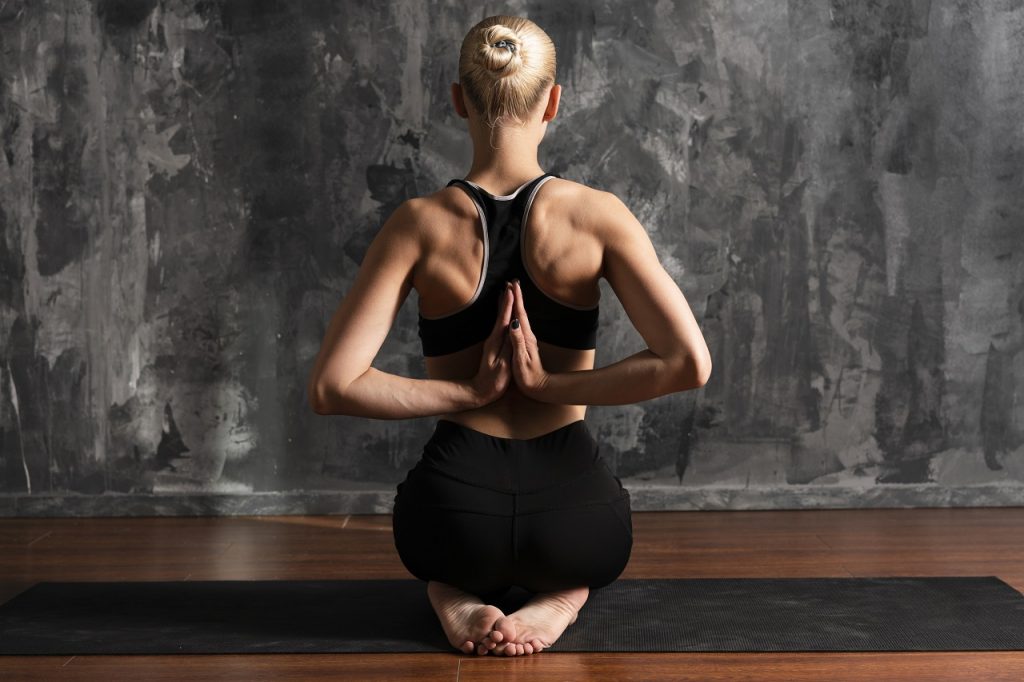
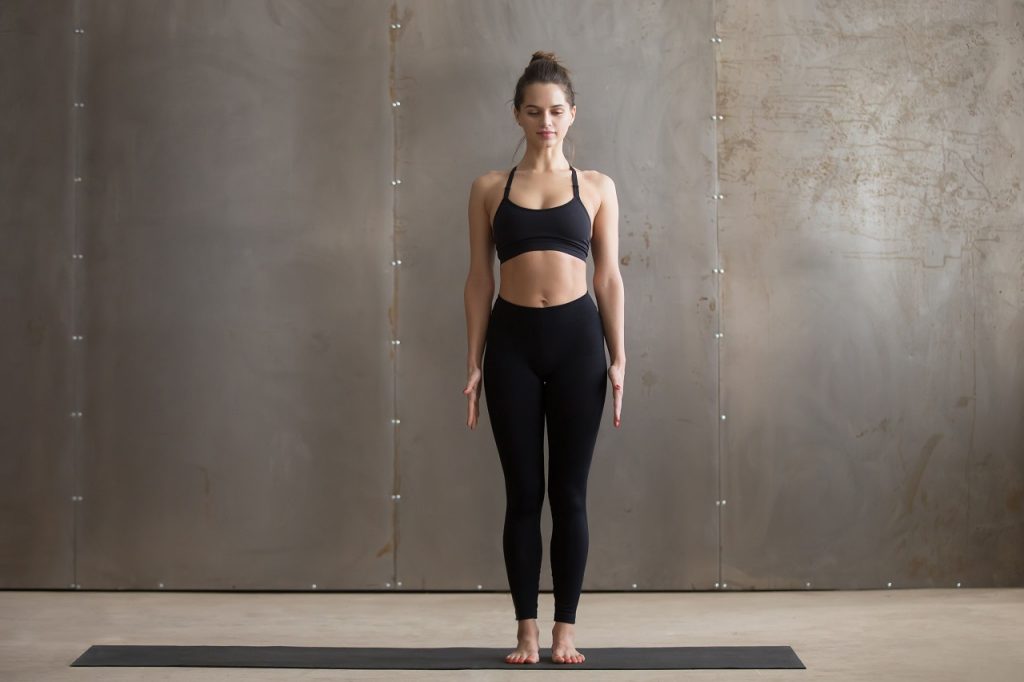 Tadasana is a basic asana for various standing yoga poses! It is excellent for improving posture, maintaining the curvature of your back and strengthening the hips and thigh muscles.
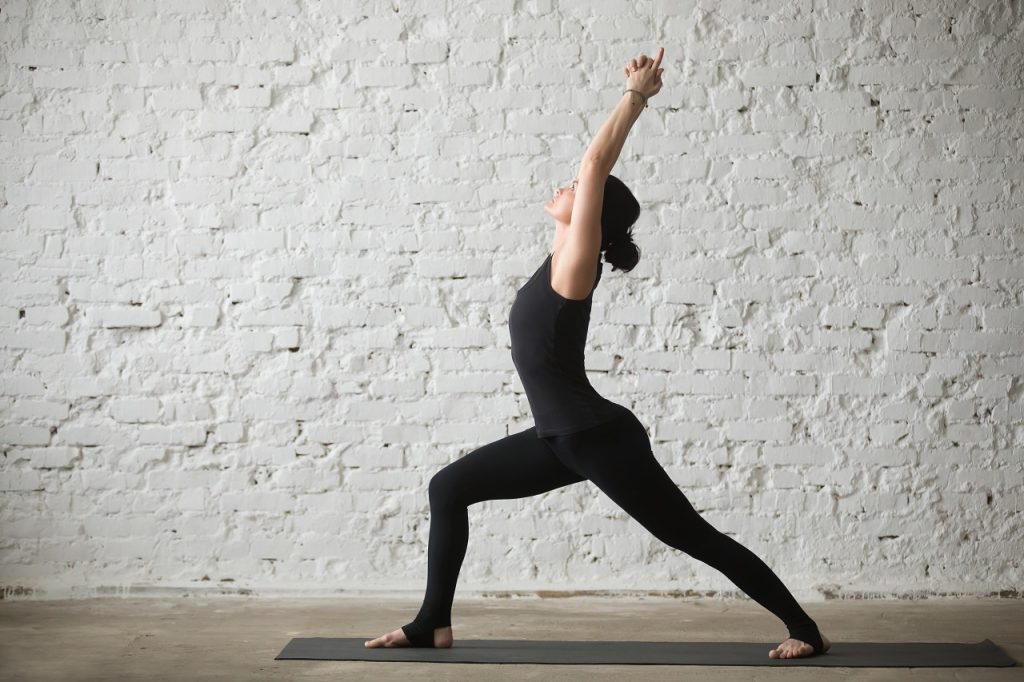 Widely known as the warrior pose, Virabhadrasana strengthens the knees, thigh muscles, opens the hips and chest as well as stretches the back and leg muscles.
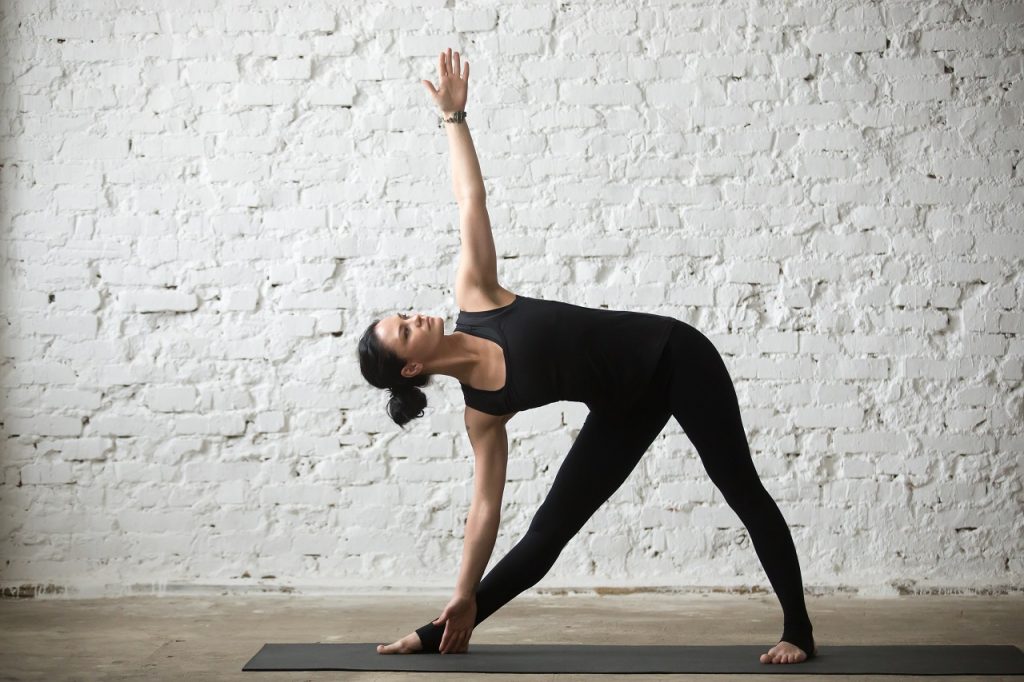 As the name suggests, it’s a triangle posture which stretches the spine, opens up the chest and shoulder as well as reduces tension on the hip and thigh muscles. It helps in improving physical and mental equilibrium.
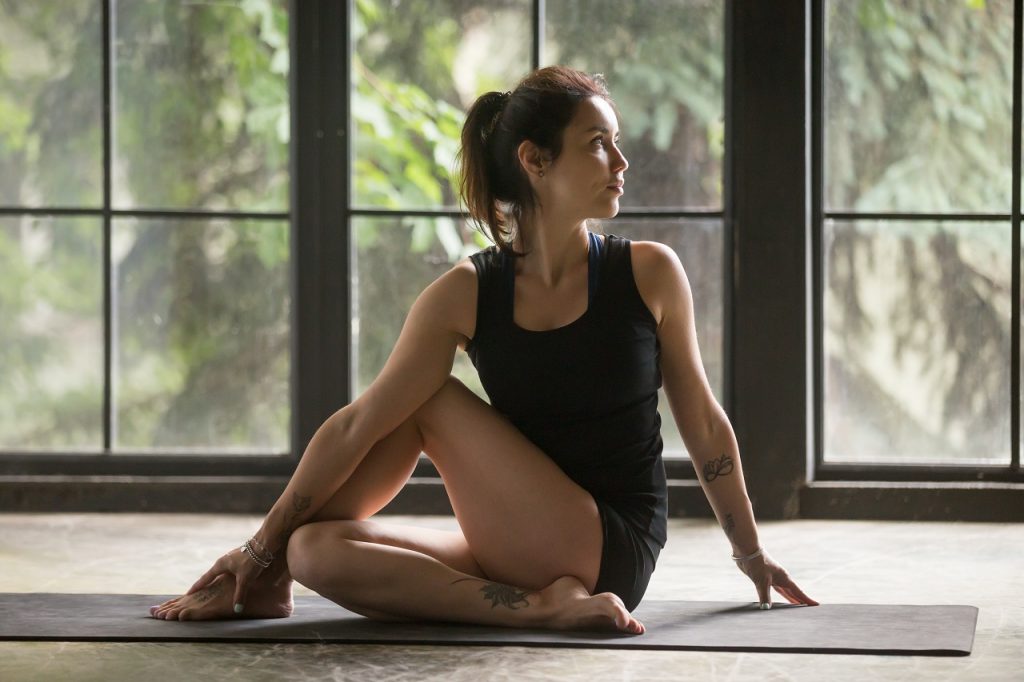 One of the best asanas to improve spinal health. It provides excellent compression and extension to the nerves and muscles supporting the back, increases elasticity of the spine, tones the spinal nerves and reduces the stiffness in the spinal muscles.
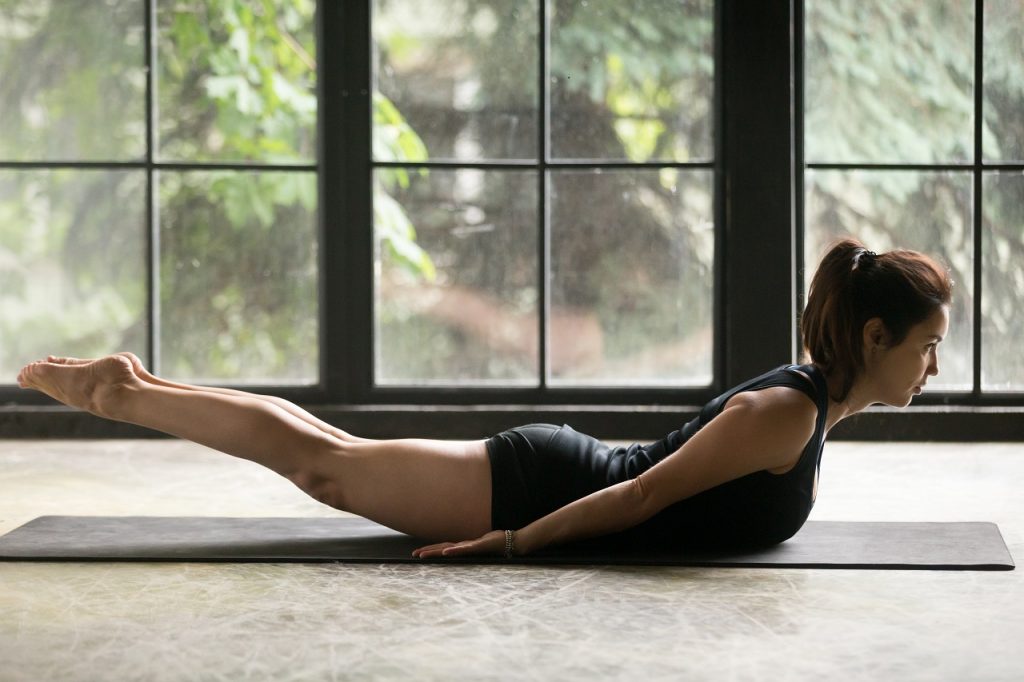 Salabhasana prepares beginners for a deeper backbend, strengthening the muscles of the entire torso from the nape of the neck, spine, chest, and legs to the back of the heels. It is a part of Hatha Yoga which stimulates the functioning of abdominal organs and relieves stress.
 Back pain usually originates from the joints, bones, nerves or muscles. It is one of the most common complaints. Back pain may be felt as mild chronic pain going on for years or just for a few seconds or minutes. It can be felt as continuous dull ache, appearing at intervals as well. Constant, sharp pain is usually found in one place or it radiates to other areas like limbs. It can also present a weak, tingling sensation or numbness.


