
GOQii

Blog

  • HOME
  • HEALTHY LIVING
  • FITNESS
  • HEALTHY RECIPES
  • USER STORIES
  • KARMA
  • BUY GOQii

July 8, 2026 By Urvi Gohil 1 Comment

Your Guide to a Happy Gut: Simple Ways to Beat Bloating, Acidity and Heartburn

Gut health The Big Question: Why should we view occasional episodes of bloating, acidity, and heartburn not merely as minor temporary inconveniences, but as direct warnings that our metabolic and gut ecosystems are off balance?

Our digestive system works quietly in the background every day breaking down food, absorbing nutrients and supporting countless functions that keep us healthy. So when symptoms like bloating, acidity or heartburn begin to appear, it’s easy to dismiss them as occasional inconveniences. However, recurring digestive discomfort can be your body’s way of telling you that something needs attention.

Your gut is home to trillions of microorganisms that influence digestion, metabolism and even immune function. In fact, a significant portion of the body’s immune cells are located within the Gut-Associated Lymphoid Tissue (GALT), highlighting the critical relationship between gut health and overall well-being. The good news? Small, consistent lifestyle changes can go a long way in supporting digestive health and reducing common gastrointestinal symptoms.

Why Do Bloating, Acidity and Heartburn Happen?

Digestive discomfort doesn’t usually have a single cause. Instead, it often results from a combination of dietary habits, lifestyle factors and underlying structural gut mechanics.

Bloating

Bloating typically occurs when excess gas builds up in the digestive tract. When digestion slows or certain carbohydrates aren’t fully broken down, gut bacteria ferment them, producing gas that leads to abdominal distress. Common contributors include:

  • Eating too quickly or overeating
  • Chronic constipation
  • Carbonated beverages
  • Food intolerances or sudden changes in gut microflora

Acidity and Heartburn

Heartburn occurs when stomach contents flow back into the esophagus, irritating its delicate mucosal lining. This often happens when the Lower Esophageal Sphincter (LES)—the muscle that acts as a structural valve between the stomach and esophagus—relaxes inappropriately or becomes weak under stress. Common triggers include:

  • Large, calorie-dense meals
  • Lying down soon after eating
  • Fatty, deeply fried, or overly spicy foods
  • Excess caffeine, smoking, or chronic stress

⚠️ Clinical Note: If heartburn occurs frequently (more than twice a week), it may indicate Gastroesophageal Reflux Disease (GERD) and should be formally evaluated by a healthcare professional.

9 Natural Ways to Support a Healthy Gut

  1. Fennel Seeds (Saunf)

Fennel seeds have a long history of traditional use to support digestion. They contain anethole, a natural volatile compound with documented antispasmodic properties. Anethole helps relax the smooth digestive muscles of the intestinal tract, helping release trapped gas and ease post-meal bloating.

  • How to use: Chew a teaspoon of raw fennel seeds thoroughly after major meals, or steep them in warm water to make a soothing tea.
  1. Basil Seeds (Sabja)

When soaked, basil seeds absorb water rapidly and form a cooling, gel-like coating exceptionally rich in soluble mucilage fiber. This fiber matrix supports optimal intestinal hydration, improves bowel regularity, and promotes smooth digestive transitions.

  • How to use: Soak basil seeds in water for 2–3 hours before adding them to your drinking water, morning smoothies, or probiotic yogurt.
  1. Fenugreek Seeds (Methi)

Fenugreek seeds are loaded with soluble fiber and natural antioxidants that support regular bowel movements. They form a protective layer over irritated stomach linings, helping to soothe mild digestive discomfort.

  • How to use: Soak one teaspoon of fenugreek seeds in a cup of water overnight, and consume the seeds and the water the following morning.

⚠️ Caution: Individuals who are pregnant or taking medications for diabetes or blood thinning should consult their healthcare provider before consuming fenugreek regularly.

  1. Therapeutic Ginger and Lemon Water

Ginger contains powerful, naturally occurring compounds such as gingerol, which accelerates gastric emptying and supports normal stomach motility, helping to reduce nausea and heaviness. While lemon itself does not directly neutralize stomach acid, a warm dilution works beautifully to refresh the palate and stimulate digestive pathways after heavy meals.

  • The Destructive Autopilot Loop: Overeating / Fast Eating ⇒ Delayed Gastric Emptying ⇒ Bacterial Fermentation ⇒ Trapped Gas & Severe Bloating.
  • The Mindful Alternative Loop: Warm Ginger Lemon Water ⇒ Accelerated Stomach Motility ⇒ Stimulated Salivary Secretions ⇒ Light, Comfortable Digestion.
  • How to use: Add one teaspoon each of fresh ginger juice and lemon juice to a glass of lukewarm water post-meals.
  1. Raw Apple Cider Vinegar (ACV)

Some individuals report noticeable relief from digestive discomfort after consuming diluted apple cider vinegar before meals. Many episodes of mild heartburn are actually caused by low stomach acid rather than excess acid; raw ACV helps optimize the stomach’s pH environment to stimulate proper acid secretion.

  • How to use: If well-tolerated, dilute one tablespoon of raw ACV with “The Mother” in approximately 300 ml of water before your largest meal.

⚠️ Caution: Discontinue use immediately if ACV consistently aggravates your symptoms, and never consume it undiluted, as it can irritate the esophagus and erode tooth enamel.

  1. Stay Well Hydrated

Water is the foundational medium for all human digestion. It plays a vital role by helping dissolve essential nutrients, supporting structural bowel movements, and maintaining a healthy stool consistency. Aim for approximately 2–2.5 liters of clean water daily, adjusting your intake upwards based on local climate fluctuations and physical activity levels.

  1. Fill Half Your Plate with Vegetables

Vegetables and whole fruits provide dietary fiber that acts as a vital prebiotic to nourish beneficial gut bacteria. These microbes ferment the fiber to produce Short-Chain Fatty Acids (SCFAs), such as butyrate, which help maintain the integrity of the intestinal barrier and lower systemic inflammation. Choose a vibrant variety of seasonal vegetables and whole fruits rather than drinking strained juices.

  1. Move Your Body Every Day

Regular physical activity stimulates the enteric nervous system and encourages normal bowel motility (peristalsis), drastically reducing the likelihood of chronic constipation. Aim for at least 30–45 minutes of moderate activity such as brisk walking, cycling, yoga, or swimming on most days of the week.

  1. Cut Back on Ultra-Processed Foods

Diets high in added sugars, refined white flour (maida), and industrial trans-fats have been systematically associated with negative changes in the gut microbiome (dysbiosis) and increased intestinal inflammation. Whenever possible, swap out packaged goods for unrefined whole grains, fresh produce, nuts, seeds, legumes, and healthy fats.

Everyday Habits That Protect Your Gut

Alongside healthy food choices, practicing mindful lifestyle habits can improve your baseline digestion:

  • The Destracted Eating Loop: Digital Screen Scrolling ⇒ Rapid Swallowing ⇒ Air Ingestion ⇒ Bloating.
  • The Mindful Eating Loop: Screen-Free Table ⇒ Thorough Chewing ⇒ Salivary Amylase Mix ⇒ Easy Nutrient Absorption.
  • Protect the Sleep Window: Secure 7–9 hours of quality sleep each night and finish your final meal 2–3 hours before bedtime to allow the gut lining to rest and repair.
  • Manage Stress: High mental stress floods the body with cortisol, which downregulates blood flow to the gut. Dedicate a few minutes daily to deep breathing, yoga, or meditation.

Common Digestive Symptoms and Lifestyle Measures

Symptom Common Contributors Targeted Lifestyle Measure
Bloating Eating quickly, overeating, carbonated drinks, gas-producing foods. Chew thoroughly, stay hydrated, take a light walk after meals.
Heartburn Large meals, lying down post-eating, spicy foods, high chronic stress. Eat smaller portions, keep dinner light, finish meals 3 hours before sleep.
Constipation Low dietary fiber, dehydration, prolonged sitting. Increase fiber gradually, drink 2–2.5L water, move for 30–45 minutes daily.

When Should You See a Doctor?

Occasional digestive discomfort is common. However, you should seek professional medical advice immediately if you experience any of the following warning signs:

  • Heartburn occurring more than twice a week
  • Difficulty or pain when swallowing (dysphagia)
  • Blood in vomit or stool, or persistent black stools
  • Chronic, unexplained weight loss or severe abdominal pain
  • Gastrointestinal symptoms lasting longer than 2 to 3 weeks despite positive lifestyle adjustments

A happy, healthy gut is built through consistent everyday habits rather than quick-fix supplement trends. While occasional bloating, acidity, or heartburn can happen to anyone, persistent symptoms deserve mindful attention. Eating a balanced whole-food diet, staying physically active, protecting your sleep, managing chronic stress, and maintaining good hydration all work seamlessly together to support healthy digestion and a thriving gut microbiome. Listening to your body—and responding with conscious choices—is the simplest investment you can make in your long-term health span!

Pro Tip: Building healthy routines becomes effortless when you can track them consistently. Use the GOQii App to log your meals, water intake, physical activity minutes, and digestive symptoms. Your GOQii Personalised Health Coach can help you identify hidden patterns, recommend practical lifestyle modifications, and guide you toward sustainable habits that support better long-term digestive health!

Frequently Asked Questions (FAQs)

  1. Why is gut health considered so vital for my overall health?

Your gut is responsible for breaking down food, absorbing nutrients, and eliminating metabolic waste. Furthermore, because a vast majority of your body’s immune cells reside in the Gut-Associated Lymphoid Tissue (GALT) along the intestinal walls, a balanced gut microbiome is directly associated with strong immunity, stable metabolic health, reduced systemic inflammation, and positive mental well-being through the gut-brain axis.

  1. Can fennel seeds genuinely help reduce abdominal bloating?

Yes. Fennel seeds contain a primary bioactive compound called anethole, which possesses documented antispasmodic properties. Anethole acts as a natural muscle relaxant for the smooth walls of the digestive tract. By reducing intestinal spasms, it allows trapped gas to dissipate smoothly, relieving immediate bloating and cramping after heavy meals.

  1. Is apple cider vinegar universally effective for treating heartburn?

Scientific evidence supporting the routine use of ACV for heartburn remains limited. While some individuals with low stomach acid find relief by taking diluted ACV before meals to optimize their stomach’s pH, others with active ulcers or high acid levels may find their symptoms worsen. Always dilute ACV extensively and discontinue use immediately if it increases your discomfort.

  1. How does regular exercise actively improve daily digestion?

Engaging in regular physical activity increases blood flow to your internal organs and stimulates the enteric nervous system. This mechanical movement encourages regular, wave-like muscular contractions (peristalsis) within your colon, which naturally moves waste material through the digestive tract smoothly and prevents chronic constipation.

#BeTheForce

Disclaimer: This article is intended for educational and informational purposes only and should not be considered medical advice. It is not a substitute for professional diagnosis, treatment, or personalized healthcare recommendations. If you have persistent digestive symptoms or an existing gastrointestinal condition, consult a qualified healthcare professional before making significant dietary or lifestyle changes.
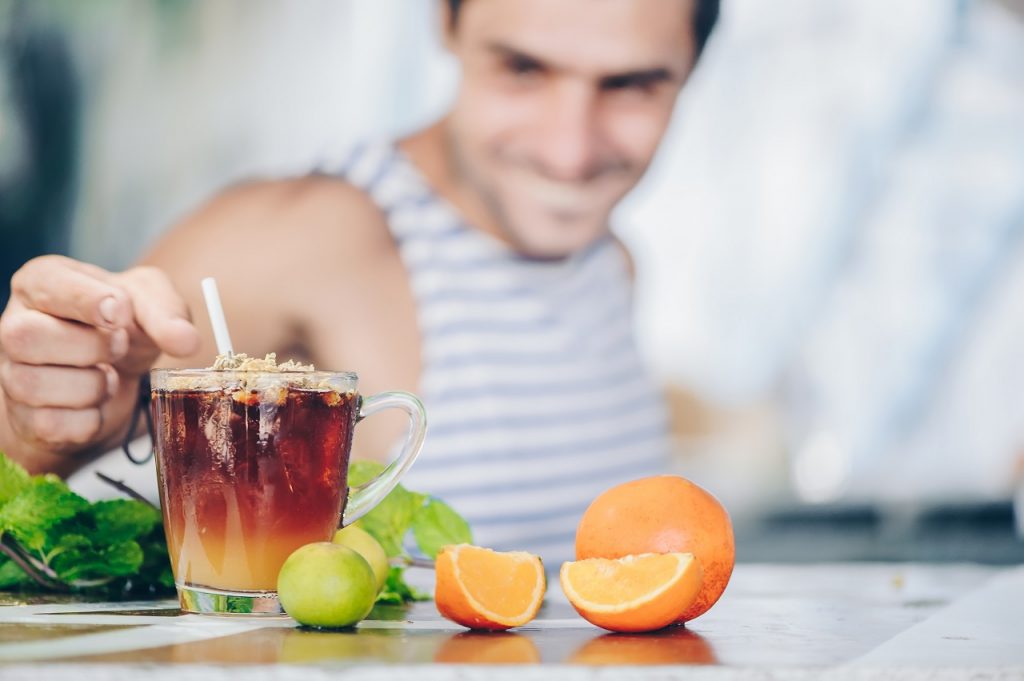
April 1, 2024 By Madhu Soni Leave a Comment

6 Foods That Help Reduce Acid Reflux

reduce acid refluxEver felt that burning sensation in your chest after a big meal or when you eat after a long gap? That feeling is known as acid reflux. Acid reflux is a condition where the acid content of the stomach flows up to the esophagus and pushes the food out from the mouth.
This is often called a heartburn but has nothing to do with the heart. One of the major reasons for this condition is a weak lower esophageal sphincter – which acts like a valve to prevent the food in the stomach from going back to the food pipe. Besides this, other factors contributing are excessive caffeine intakes, erratic meal patterns, eating in large portions, excessive junk food, sleeping immediately after meals and obesity, etc.

How Can You Reduce Acid Reflux?

Modifying our diet is the easiest way to reduce acid reflux. Try these simple and easily available foods from your kitchen to get some relief.

1. Fruits
Alkaline food will help to reduce the backflow of acid and fruits are the best example. Fruits like bananas, watermelon, pomegranate and cantaloupe help to neutralize the acid content and numb the effects of reflux. Banana is a natural antacid. The high fiber content of fruits helps to improve the digestion and ward off indigestion.

2. Herbal tea
Herbal tea with ginger, licorice, mint and Tulsi [Holy Basil] helps to curb acidity. Ginger has anti inflammatory properties and along with Mint leaves, stimulates the digestive system to produce more bile for better digestion. Ginger has the capability to destroy the acidity triggering pylori bacteria. Licorice is said to increase the mucus lining on the esophagus and thus have a calm effect on the stomach. Tulsi leaves are a natural cure for acidity and burning sensation in the stomach.

3. Curd & Buttermilk
Curd is a probiotic which help in digestion and has a soothing effect on the stomach. It keeps discomfort at bay. Being a good source of protein it helps digest the food and boost the immune system.

Cold buttermilk is a good antidote for acidity. The good bacteria in buttermilk helps in digesting the food well and prevents bloating and gas formation which eventually leads to acid reflux. Adding a pinch of jeera powder and pepper makes it more beneficial.

4. Coconut Water
One of the lesser known reasons for acid reflux is less intake of water. Sipping on coconut water is a great way to stay hydrated. Coconut water is rich in potassium which regulates the pH balance crucial for acid reflux. Having coconut water daily helps to reduce bloating drastically.

5. Aloe Vera
The antibacterial compounds of Aloe Vera fight the bad bacteria in the digestive system which cause bloating and belching. The bad bacteria present not only weaken the digestive system but also reduces the digestion ability of the body. Aloe Vera juice and gels work very well on acid reflux condition. Aloe Vera soft gel and powder can also be tried.

6. Lemon Water
Although lemons are acidic in nature, they have an alkaline effect on the stomach and help in neutralizing the acid and thus reduce acid reflux. For better results, replace the sugar with rock salt in the lemon water and feel instant relief. Lemons are rich in Vitamin C, which help fight infection and boost immunity.

Was this article helpful? Do you have your own home remedy? Want to know more? Drop us your thoughts and queries in the comments below!

For more tips on how to reduce acid reflux, check out Healthy Reads or ask a GOQii Coach by subscribing for Personalised Health Coaching here.

#BeTheForce 

February 19, 2024 By Sunita Arora 8 Comments

Benefits of Fennel Seed Water

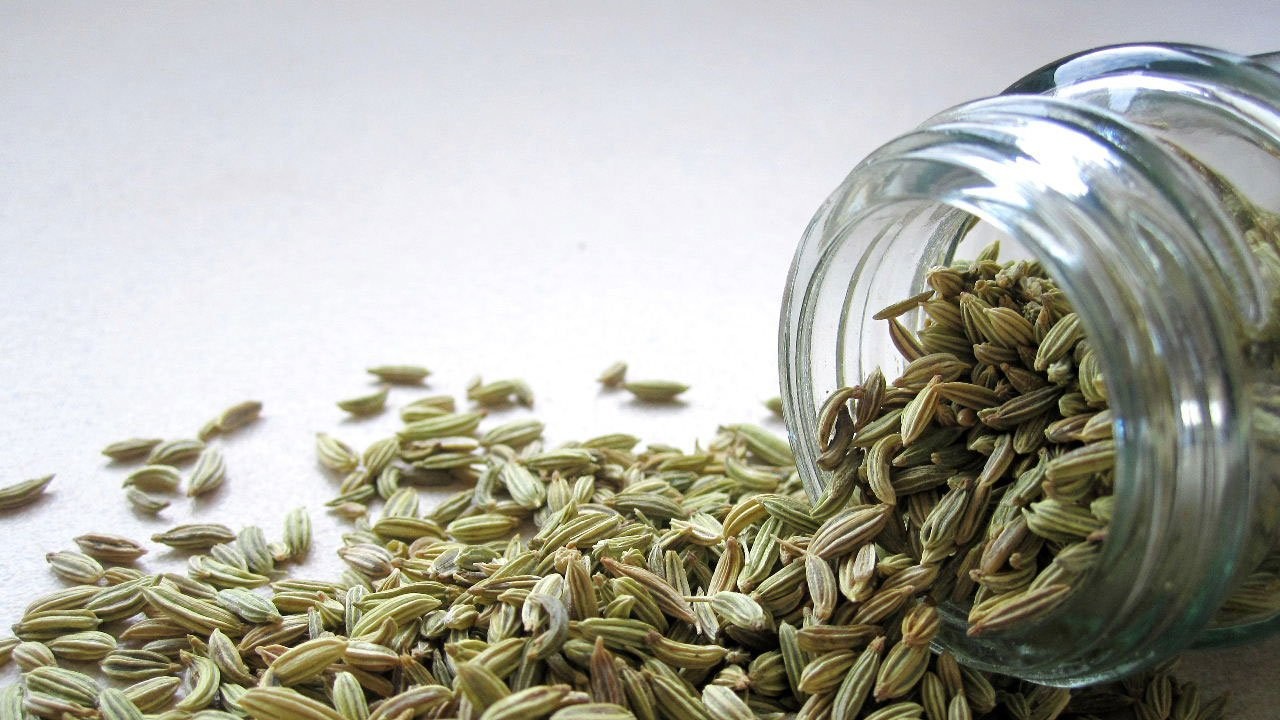
Benefits of Fennel Seeds WaterThe age-old secrets of health can be found in the simplest of ingredients in our kitchens. We just need to unveil them. Fennel Seeds are used in traditional rituals and celebrations as a symbol of Nature. In Ayurveda, Fennel Seeds are considered very beneficial. It is used to increase stamina and promote longevity, also used by nursing mothers in order to increase breast milk. Fennel Seeds are extensively used in Indian recipes.  It is an effective aid to digestion, treating bloating, gas, or cramps and also acts as a diuretic.  In foods and beverages, Fennel Oil and Fennel Seeds are used as flavoring agents.


Health benefits of Fennel Seeds:

1) Fennel Seeds for Constipation, Indigestion, Acidity, Bloating and IBS: Fennel Seeds are very useful in treating these disorders because it contains Estragole, Fenchone and Anethole. For those with IBS, the volatile oils found in Fennel Seeds can help kick-start digestion by promoting the production of gastric enzymes.

2) Managing Blood Pressure: Fennel Seeds are also a very rich source of Potassium, which is an essential component of cells and body fluids. Hence, it helps regulate heart rate and blood pressure.

3) Improves Eyesight: A handful of these seeds can do wonders for your eyesight as well.  Fennel Seeds contain Vitamin A, which is essential for good eyesight. The extracts of these seeds were used in ancient times to improve the symptoms of Glaucoma.

4)  Purify Blood: The essential oils and fiber in these seeds are very useful to flush out toxins and sludge from our bodies, thus helping to cleanse the blood and clear the skin.

5) Relieves Menstrual Pain: Fennel Seeds help in reducing menstrual pains, alleviates symptoms of menopause, shorten the length of the menstruation cycle, reduced period-related nausea due to the presence of estrogen.

6) Promotes Breast Milk Production: It has estrogen which increases Prolactin levels and increases breast milk production.

7) Reduces Hair fall: The antioxidants and nutrients present in Fennel Seeds strengthen the roots of your hair and give your follicles extra strength.

8) Reduces Cholesterol: It contains high amounts of fiber, which decreases re-absorption of cholesterol, and thus, lowers the risk of heart related diseases.

9) Improves Brain Functioning: Fennel Seeds are rich in potassium, which stimulates electrical conduction throughout the body.  Which in turn improves brain functioning and cognitive skills. It acts as a great brain booster and improves brain-based skills.

10) Improves Vision: It helps improve eyesight, alleviate high eye pressure, pink eyes, dry eyes, tired, watery eyes and almost all eye related problems.

Some Other Benefits:

  • Gargling Fennel Tea can relieve inflamed gums and treat bad breath
  • It eases muscular pain
  • Fennel Water is used to relieve colic pain in newborn babies
  • Fennel Water eases morning sickness in expecting moms
  • Used as a spice in many different cuisines all over the world
  • Sugarcoated Fennel Seeds (Saunf) have been used as a condiment after food to improve digestion

How to use Fennel Seeds:

a)  Fennel Tea: Extract of Fennel Seeds is not the same thing as fennel tea. Fennel tea is less processed and more likely to be pure and the measurable, beneficial impacts of fennel tea suggest multiple reasons for drinking it.

Here is a recipe for Fennel Tea:

  • Take 1 teaspoon of dried Fennel Seeds per cup of tea and pour hot water over it
  • Make sure you do not boil the Fennel Seeds as this will kill most of its nutrients
  • Cover and let it rest for 10 minutes. You will get a light yellow infusion
  • Drink it 2-3 times a day
  • The best time to drink this tea is after meals to help treat digestion problems and its sweet taste, much similar to that of licorice, can serve as a wonderful after dinner treat

b) Fennel Water: Take one glass of water and add one tsp of Fennel Seeds and soak it overnight. Drink it early in the morning. This water helps in reducing acidity and constipation.

Do you want to know more about Fennel Seeds? Stay tuned for the second part on the Benefits of Fennel Seeds.

We hope this article helps you. If you have your own special style of using Fennel Seeds, let us know in the comments below! For further information or guidance, reach out to our certified experts by subscribing to GOQii’s Personalised Health Coaching here.

#BeTheForce

October 5, 2023 By Urvashi Sareen 12 Comments

Acidity – Its Symptoms and Prevention

Home-Remedies-To-Treat-Heartburn

Acidity is one of the most common problems that most individuals face. This is largely due to wrong eating habits and sometimes even stress. Bad eating, stress in a way is all connected. One leads to another and that, in turn, leads to unhealthy living and problems such as acidity.

But, to find a solution to the problem it is first important to understand what is Acidity?

Acidity is a term used for a set of symptoms caused by excess production of acid by the gastric glands of the stomach. The stomach normally secretes hydrochloric acid which is required for the breakdown and digestion of food that we eat. Acidity causes symptoms like dyspepsia, heartburn gastric inflammation, and ulcers in the stomach.

Now, there are some factors which cause acidity such as eating habits, fad diets, stress, smoking and alcohol consumption, lack of physical activity, irregularity in eating pattern, consumption of oily and spicy foods. Apart from these certain medicines are too responsible for the cause of acidity.

Some of the symptoms which can be felt as a result of acidity can be:

  1. Burning session in the stomach
  2. Burning session in the throat
  3. Restlessness
  4. Belching
  5. Nausea
  6. Sour taste
  7. Indigestion
  8. Constipation

As correctly said, “Prevention is better than cure”

So let us look at some of the parameters to prevent acidity.

  1. Don’t consume spicy food or fried foods too often.
  2. Eat more fruits and vegetables. One should be taking at least 2 servings of fruits and 3-4 servings of vegetables. Green leafy vegetables would be a really good choice to go for.
  3. Eat small, regular meals. Try to reduce the gap between meals to not more than 3 hours.
  4. Consume your last meal at least a few hours before sleeping.
  5. Chew tulsi leaves, cloves, saunf (Aniseed), etc.
  6. Avoid medications like NSAIDs (non-steroidal anti-inflammatory drugs) and steroids
  7. Reduce stress. Deep breathing, going for a walk and being in nature are some of the activities which can help in reducing stress.

However, if you are already suffering from acidity, I am discussing below some of the home remedies of acidity which really work. So before you start with antacids for the treatment, do try these home remedies and you may get rid of the problem.

  1. Basil leaves: Eat basil leaves thoroughly at first sign of acidity. Can also boil 4-5 leaves in a cup of water for 15 minutes.
  2. Cinnamon: Add half spoon of cinnamon powder in a cup of water, boil for few minutes and drink this 2-3 times a day.
  3. Buttermilk:
  • Grind half to one teaspoon of methi (fenugreek) seeds with little water to make a paste. Mix it in a glass of buttermilk and have it.
  • Add a tablespoon of white vinegar or lemon juice to a cup of buttermilk and keep it for 5 minutes before drinking.
  • Mix a pinch of black pepper in a glass of buttermilk.
  • Mix a tablespoon of coriander leaf juice in a glass of buttermilk.
  1. Apple Cider vinegar:
  • Mix 1-2 teaspoon of apple cider vinegar in half a cup of water and drink.
  • Mix 2 tablespoon of apple cider vinegar with 1 teaspoon of organic honey and drink before eating a spicy meal.
  1. Cloves: Chew 2-3 cloves thoroughly
  2. Jaggery: Jaggery is high in potassium. After each meal, take a small piece.
  3. Ginger:
  • Can take 2-3 teaspoon of ginger juice in a day for combating acidity.
  • Can boil ginger in water and drink the water twice a day.
  1. Cumin seeds:
  • Crush roasted cumin seeds and stir in a glass of water. Drink after each meal.
  • Boil seeds in water, strain and drink.
  • Mix 1 teaspoon of coriander seed powder, a teaspoon of cumin seed powder and a teaspoon of fennel seed powder and some sugar in half cup of water and drink empty stomach.
  1. Aniseed: Soak a teaspoon of aniseed in a cup of boiled water overnight. In the morning, strain the water add a teaspoon of organic honey and sip it at least 3 times during the day.
  2. Cold milk: After a meal, drink a glass of cold milk, not iced milk.
  3. Lemon and ginger juice 15 minutes post meal, zaps acidity quickly.

If eating right and proper preventive measures are adhered to, Acidity can be averted.

We trust that this article has provided you with valuable insights into understanding and preventing acidity-related issues. Have you discovered effective home remedies or preventive measures for acidity? Feel free to share your experiences and insights in the comments section below. For more tips on maintaining digestive health and overall well-being, check our Healthy Reads. If you’re seeking personalised guidance and support from certified experts, don’t hesitate to subscribe to GOQii’s Personalised Health Coaching here.

Start your journey towards better digestive health and a happier life today!

#BeTheForce

  • 1
  • 2
  • Next Page »

Search

Recent Posts

  • World Hepatitis Day 2026: “Let’s Break It Down” – 6 Habits to Protect Your Liver
  • How to Improve Sleep Quality Naturally: 12 Science-Backed Tips for Better Sleep
  • Immunity-Boosting Kadhas: Why Natural Defense Matters During the Monsoon
  • Healthy Eating: Crispy Monsoon Corn Tikkis
  • Antenatal Exercises: Your Guide to a Fit and Healthy Pregnancy

Stay Updated

Archives

  • July 2026 (24)
  • June 2026 (22)
  • May 2026 (20)
  • April 2026 (24)
  • March 2026 (18)
  • February 2026 (14)
  • January 2026 (14)
  • December 2025 (19)
  • November 2025 (15)
  • October 2025 (20)
  • September 2025 (6)
  • August 2025 (6)
  • July 2025 (10)
  • June 2025 (18)
  • May 2025 (16)
  • April 2025 (22)
  • March 2025 (26)
  • February 2025 (21)
  • January 2025 (25)
  • December 2024 (22)
  • November 2024 (22)
  • October 2024 (20)
  • September 2024 (22)
  • August 2024 (28)
  • July 2024 (16)
  • June 2024 (23)
  • May 2024 (26)
  • April 2024 (27)
  • March 2024 (27)
  • February 2024 (23)
  • January 2024 (21)
  • December 2023 (14)
  • November 2023 (10)
  • October 2023 (19)
  • September 2023 (22)
  • August 2023 (16)
  • July 2023 (18)
  • June 2023 (21)
  • May 2023 (20)
  • April 2023 (19)
  • March 2023 (23)
  • February 2023 (19)
  • January 2023 (15)
  • December 2022 (11)
  • November 2022 (15)
  • October 2022 (15)
  • September 2022 (12)
  • August 2022 (9)
  • July 2022 (17)
  • June 2022 (11)
  • May 2022 (10)
  • April 2022 (6)
  • March 2022 (6)
  • February 2022 (13)
  • January 2022 (11)
  • December 2021 (7)
  • November 2021 (3)
  • October 2021 (6)
  • September 2021 (3)
  • August 2021 (8)
  • July 2021 (7)
  • June 2021 (15)
  • May 2021 (16)
  • April 2021 (10)
  • March 2021 (7)
  • February 2021 (4)
  • January 2021 (4)
  • December 2020 (3)
  • November 2020 (4)
  • October 2020 (10)
  • September 2020 (3)
  • August 2020 (3)
  • July 2020 (2)
  • June 2020 (4)
  • May 2020 (10)
  • April 2020 (12)
  • March 2020 (10)
  • February 2020 (4)
  • January 2020 (4)
  • December 2019 (3)
  • November 2019 (7)
  • October 2019 (5)
  • September 2019 (4)
  • August 2019 (9)
  • July 2019 (9)
  • June 2019 (11)
  • May 2019 (4)
  • April 2019 (8)
  • March 2019 (8)
  • February 2019 (9)
  • January 2019 (8)
  • December 2018 (9)
  • November 2018 (3)
  • October 2018 (3)
  • September 2018 (5)
  • August 2018 (10)
  • July 2018 (6)
  • June 2018 (13)
  • May 2018 (8)
  • April 2018 (18)
  • March 2018 (9)
  • February 2018 (8)
  • January 2018 (15)
  • December 2017 (12)
  • November 2017 (19)
  • October 2017 (13)
  • September 2017 (15)
  • August 2017 (4)
  • July 2017 (8)
  • June 2017 (7)
  • May 2017 (6)
  • April 2017 (8)
  • March 2017 (6)
  • February 2017 (7)
  • January 2017 (9)
  • December 2016 (10)
  • November 2016 (7)
  • October 2016 (7)
  • September 2016 (7)
  • August 2016 (11)
  • July 2016 (9)
  • June 2016 (9)
  • May 2016 (12)
  • April 2016 (17)
  • March 2016 (17)
  • February 2016 (8)
  • January 2016 (6)
  • December 2015 (2)
  • November 2015 (9)
  • October 2015 (7)
  • September 2015 (9)
  • August 2015 (11)
  • July 2015 (9)
  • June 2015 (11)
  • May 2015 (9)
  • April 2015 (13)
  • March 2015 (8)
  • February 2015 (5)
  • January 2015 (12)
  • December 2014 (14)
  • November 2014 (11)
  • October 2014 (6)
  • September 2014 (13)
  • August 2014 (12)
  • July 2014 (6)
  • June 2014 (2)
  • May 2014 (7)
  • April 2014 (4)

From Burnout to Balance: How Dr. Ranjit Reclaimed His Health

Dr Ranjit Bhatt has spent years tending to others. A practising doctor in Odisha, his days were packed with patients, surgeries, and emergencies. From the outside, it looked like a life lived in service. But on the inside, something wasn’t right. “I had no … [Read More...]

From Shimla’s Slopes to Chandigarh’s Sidewalks: Surinder Kaur Bhalla’s Journey from Chaos to Control

Some journeys start with a plan. Others begin with a stumble literally. Surinder Bhalla, a government professional, born and raised in the scenic hill town of Shimla, had always lived a life of movement. “In Shimla, you walked everywhere,” she reflects. “Walking was never an exercise. It was just life.” But after shifting to Chandigarh, […]

“I’ve Challenged Myself to Live 100 Years” – The Story of Chandubhai Savani’s Second Chance at Life

At 67, most people start slowing down. Not Chandubhai Savani. A resident of Surat, Chandubhai, thought life was on track. “My life was going well till I had my bypass surgery,” he says. That surgery, back in 2021, was a wake-up call.  Medication was routine, but exercise wasn’t. His diet? What he calls ‘normal.’ “I […]

Ananda Mukherjee Health Story

From Terminal Illness To Complete Wellness! Ananda Mukherjee Health Story

As we observe World Cancer Day under the powerful theme ‘United by Unique’ (2025-2027)**, we are reminded that every individual’s journey with cancer is distinct, yet united by shared resilience, hope, and the collective fight against this disease. This theme places people at the centre of care and their stories at the heart of the […]

  • HOME
  • HEALTHY LIVING
  • FITNESS
  • HEALTHY RECIPES
  • USER STORIES
  • KARMA
  • BUY GOQii

Copyright ©2016 GOQii


