
GOQii

Blog

  • HOME
  • HEALTHY LIVING
  • FITNESS
  • HEALTHY RECIPES
  • USER STORIES
  • KARMA
  • BUY GOQii

September 30, 2024 By Dr. Viral Thakkar Leave a Comment

Your Heart and You 2: Habits for a Healthy Heart

heart healthAakash wondered why every Hollywood and Bollywood movie stressed the “heart”. Some dialogues bothered him:

“My heart aches at the way you have treated your friends.”

“Don’t you feel anything? Are you heartless?”

What Affects Heart Health?

It is interesting to note that a heart attack is usually the result of an emotional outburst or a very emotionally charged situation. While many of us have similar experiences, some are potent to handle such sudden shocks that the heart receives. This depends on the emotional and mental health of a person, dietary habits, sleep quality, the capability of handling stress, faulty habits, etc.

The heart, apart from pumping blood and ensuring every cell receives blood and oxygen, governs largely the emotional and physical well-being of a person (it also overlaps with the Anahat or Hridaya chakra in Indian Vedic understanding). So, a healthy heart depends largely on the emotional and mental well-being of a person as well as nutrition.

It is now a known fact that feelings of stress, anxiety, etc. adversely impact the overall health of a person, especially the heart. As stress increases, the cortisol levels (stress hormone) impacts all the hormones and organs, affecting basic  physiology, including the cardiovascular system.

These emotions create a chain reaction in the body — stress hormone levels increase, blood vessels constrict, blood pressure rises, and the immune system is weakened. If we consistently experience these emotions, it can put a strain on the heart and other organs, and eventually lead to serious health problems.

In my previous article, I spoke about the signs of heart disease to watch out for. Here, let us look at healthy habits for a healthy heart!

Do the Following to Ensure a Healthy Heart

  1. Be happy: If you cannot feel positive and good, simply recall a time when you felt sincere appreciation and try to recreate that feeling. Look at photographs of happier times, keep a diary where you record your positive events and feelings from your life.
  2. Exercise: Get regular with yoga, especially pranayama and exercise. Exercising helps heart muscles become more efficient at pumping blood throughout the body. It allows the body’s tissue (including the heart) to do a better job of pulling oxygen from the blood. This allows your heart to work effectively under stress. It also helps the body make more branches and connections between these blood vessels (collaterals), so there are other routes for the blood to travel if the usual path is blocked by narrow arteries or fatty deposits. Instead of a 45-minute workout, it is best that the body is moving every half an hour! A small 2-minute walk every half an hour is also helpful as, along with the cardiovascular system, it also keeps our lymphatic system active. However, if you have a heart condition, please take the advice of your doctor before taking strenuous exercises or pranayama.
  3. Do what you like doing and stop what you don’t! It will help you keep your stress levels in check and be happy!
  4. Take care of what you eat: Have a good portion of breakfast, followed by small meals, lunch and dinner 2-4 hours before you sleep. Follow the advice of your nutritionist/doctor, if something special has been designed for you!
  5. Vegetarian food is easily digested by the body. It will also help you cut back on higher-calorie foods such as meat, cheese and snack foods. Whole grains play a role in regulating blood pressure and heart health. Add flaxseeds to your diet as they are rich in fiber and omega-3 fatty acids.
  6. Limit unhealthy choices: Reduce or stop refined oils, refined sugar and aerated drinks.
  7. Choose low-fat protein sources like flaxseed, walnuts, soybeans and canola oil. Legumes, beans, peas and lentils are good sources of protein and contain less fat and no cholesterol, making them good substitutes for meat.
  8. Reduce the sodium in your food: You can replace your normal salt with rock salt or pink salt.
  9. Quality is better than quantity: If your body feels fresh and charged after 4-5 hours of sleep, it implies quality sleep. But tiredness even after 6-8 hours of sleep is worrisome. Usually deep breathing before sleep and dinner 4 hours prior to sleep helps one sleep better.

The heart is the biggest miracle which works every moment to keep you alive! Cherish it by living healthy. For more on heart health, check out Healthy Reads or speak to a certified expert by subscribing to GOQii’s Personalised Health Coaching here.

#BeTheForce

Disclaimer: The information provided in this blog is for general awareness and educational purposes only. It is not intended to replace professional medical advice, diagnosis, or treatment. Always consult a qualified healthcare provider for personalised medical guidance or concerns related to your health.

September 29, 2024 By Dr. Viral Thakkar 2 Comments

Your Heart and You: Signs of Heart Disease to Watch Out For

heart diseaseMishita, 55 years old, had been feeling low and depressed for a few months. For the past 2 days, she began experiencing slight restlessness, palpitations, and a suffocating feeling followed by mild chest pain radiating to her left shoulder. Being alone, she called her daughter to share these symptoms. Her daughter immediately alerted a neighbour who had basic knowledge about heart symptoms and helped save Mishita from a major heart attack. Early signs of arteriosclerosis were detected, and with lifestyle changes, Mishita is now happy, healthy, and almost off medication!

How & When Does Heart Disease Develop?

Heart disease often develops over time due to an unhealthy lifestyle. Early signs or symptoms can manifest long before a serious heart issue arises. In my practice, I have seen that the body, including the heart, will give several signs before it deteriorates. It’s up to you how much you listen to your body.

Heart disease describes a range of conditions affecting the heart. It could relate to blood vessels, such as coronary artery disease—especially arteriosclerosis (narrowing of the arteries that supply blood to the heart, which can lead to myocardial infarction)—or arrhythmias (irregular heartbeats due to issues with the heart’s electrical system). Some people are born with heart conditions, such as congenital heart defects. Two major factors that affect heart health are a person’s physiological and emotional constitution.

Psychoneuroimmunology has proven that individuals who are sad, depressed, unhealthy, or unhappy are at greater risk for heart attacks and other diseases. Emotional, mental, and physical well-being are key to leading a healthy life.

Signs To Watch Out For

I’ll be discussing common symptoms of a heart attack, as the number of people affected continues to rise. If you experience any of the following symptoms at any age, it’s crucial to seek medical advice:

  • Chest Pain: Discomfort or pain in the chest, which can be felt on the left, center, or sometimes even the right side, and may radiate to the left shoulder, upper back, jaw, or chin. There are many causes of chest pain unrelated to the heart, but it remains the most common symptom of poor blood flow to the heart cells, leading to a heart attack (myocardial infarction).
  • It can feel like crushing pain or mild discomfort.
  • It might feel heavy, or like the heart is being squeezed. Some may feel a sharp, burning sensation in the chest or upper stomach area.
  • Chest pain may occur during activity, after emotional experiences, or at rest, and may improve with rest or nitroglycerin.
  • Bad indigestion can also cause chest pain, but it doesn’t necessarily indicate heart trouble. However, any symptoms are the body’s way of communicating, so do not ignore them.

Additional symptoms to be aware of include extreme anxiety, fainting, dizziness, nausea, vomiting, palpitations (feeling like your heart is beating too fast or irregularly), shortness of breath, and heavy sweating.

For individuals with comorbidities such as diabetes, hypertension, or high cholesterol, symptoms may include fatigue, shortness of breath, general weakness, or changes in skin color.

Symptoms That Need Cardiac Attention

  1. Shortness of Breath: When the heart can’t pump blood as well as it should, blood backs up in the veins that go from the lungs to the heart. Fluid leaks into the lungs and causes shortness of breath. This is a symptom of heart failure. One may notice shortness of breath during activity, while resting or when lying flat on the back – it might wake you up from sleep.
  2. Continuous coughing or wheezing could be a sign that the fluid is building up in the lungs. One may also cough up mucus that is pink or bloody.
  3. Swelling in the Legs, Ankles, or Feet: because the blood flow slows and backs up in the veins in the legs. This causes fluid to build up in the tissues. One may also experience swelling in the stomach or notice some weight gain. This is mostly seen in congestive cardiac failure.
  4. Narrowed Blood Vessels could mean a higher risk of a heart attack & can occur when cholesterol and other fatty material (plaque) builds upon the walls of the arteries. It is also the cause of hypertension.
  5. Fatigue: Tiredness can have many causes. It could be a sign of heart trouble when one feels so tired that regular activities are not conducted or when the feeling is sudden and leads to severe weakness
  6. Palpitations: If the heart can’t pump blood normally, it may beat faster to try to keep up. It might feel that the heart is racing or throbbing. A fast or uneven heartbeat can also be a sign of arrhythmia. This is a problem with your heart rate or rhythm.

The heart is an organ that never rests until you do. Maintaining a healthy lifestyle is essential for maintaining heart health. Your diet, sleep, stress levels, emotional state, and physical activity all play key roles in your heart’s well-being. If you experience any of the symptoms mentioned above, seek medical attention immediately.

Don’t let the rhythm of your heart be disturbed. In most heart-related cases, prevention is the only cure!

Watch out for Part 2 of this article. For more on heart health, check out Healthy Reads or speak to a certified expert by subscribing to GOQii’s Personalised Health Coaching here.

#BeTheForce

Disclaimer: The information provided in this blog is for general awareness and educational purposes only. It is not intended to replace professional medical advice, diagnosis, or treatment. Always consult a qualified healthcare provider for personalised medical guidance or concerns related to your health.

September 21, 2024 By Dr Manali Rao 1 Comment

Everything You Need to Know about Alzheimer’s

alzheimer's dayIf you’ve read ‘The Notebook’ by Nicholas Parks, later adapted into a film by the same name, you might have a fair idea of what Alzheimer’s really is. The book is centered around Allie and Noah, an all-time romantic couple. There’s a beautiful scene in the film where Noah, who is an old man now, narrates a story to Allie about a couple and how their love blossomed through hardships. Amazed by this story, Allie only realizes later that this story is about them. Noah read this to her as he had promised before the disease set in. The disease was Alzheimer’s!

shutterstock_574038220

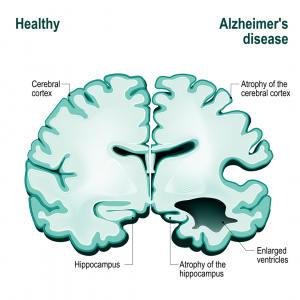
Alzheimer’s is a progressive neurological disorder which results in memory loss, personality changes, global cognitive dysfunction and functional impairments. It is the leading cause of dementia in the elderly. The disease begins at a slow rate. Initially, it captures the brain and slowly overcomes human thoughts, activities, and language as well. People start having trouble in remembering things and the one evident sign is forgetting the names of people.

What Causes Alzheimer’s?

The exact etiology is unknown, but a few risk factors can be marked out.

  • Age: Incidence and prevalence increases after the age of 60
  • Family History: First-degree relatives at greater risk
  • Genetic: ApoEepsilon 4 gene
  • Lack of Sleep
  • Regular and high consumption of junk food

Clinical Features 

  1. Progressive memory loss and decline of higher mental functions
    Example: problem-solving small issues, confusion in time, date and month, the problem faced in doing family activities of daily routine, misplacing things, poor judgment and problem in speaking and writing as well
  2. Difficulty in naming and understanding what others are speaking
  3. Apraxia: The inability to carry out skilled motor activities, inability to recognize objects, places and people
  4. Behavioral changes: Agitation, aggression, wandering and persecutory delusions, loss of insight, depression
  5. Loss of inhibition leading to inappropriate social behavior
  6. In advanced stages, a person may be mute, inactive and can succumb to different infections
  7. Inability to recognize color and visual picture
  8. In case there is an underlying cause, additional clinical features may be present

Management

The most important management for Alzheimer’s is support – Physical, mental and moral support from family members and caregivers.

  • Antioxidants (Vitamin E) can slow the decline of cognitive function
  • Drugs like anticholinesterase inhibitors (like donepezil, rivastigmine, galantamine), memantine, N-methyl-D aspartate (NMDA) receptor antagonist
  • Ginkgo biloba, a plant extract has been shown to be useful
  • Treatment of the underlying cause, if any

3-7

Alzheimer’s and Ayurveda

According to the principles of Ayurveda, Alzheimer’s is caused as a result of the imbalance in vata – this imbalance is quite common as a person begins to grow in age. It affects the vata – in the tissues of the central nervous system of the body – mainly the brain which then slowly becomes imbalanced.

Treatment begins with a Vata balancing diet. Withania Somnifera (Ashwagandha) in the powdered form along with either ghee or milk is included in the patient’s daily diet. This helps charge and soothe the Vata. Herbs such as Brahmi and Ashwagandha that serve as nerve tonics are mainly used.

An oil massage daily, prior to a bath is also considered significant in this form of treatment. Ayurveda specialized preparations for Alzheimer’s treatment that are made from rice have proved highly beneficial to the patients besides providing the required nutrients to the old age person.

How Can Turmeric Help?

Turmeric or Haldi, as it’s known in Hindi, is a part of almost every Indian recipe. It is known all over the world for its antibacterial, anti-inflammatory, anti-tumor, anti-spasmodic, anti-allergic properties and hence is used in medicines, cosmetics etc.

Curcumin that is found in turmeric has radical scavenging properties thereby preventing damage that can be caused to the cells of our body by free radicals. Alzheimer’s alleviation could be based upon the ability of curcumin to combat the development of amyloid plaque (accumulation of protein) in the brain leading to inflammation and impairment of cells.

Prevention

There’s no real guarantee when it comes to preventing Alzheimer’s. The only way to minimize your chances is by living a healthy and balanced lifestyle.

  1. Make sure you don’t stop learning new things. Continuous learning like a musical instrument, a new language or any subject that you didn’t have knowledge about keeps the memory intact.
  2. Forget your phone and start memorizing important numbers like bank accounts, mobile numbers, life insurance/investment policy numbers, credit and debit card numbers, passwords and recalling them when needed is an easy way of jogging your memory.
  3. Make sure you get your hands on challenging puzzles like Sudoku, different crosswords, etc.
  4. Consumption of antioxidants via diet/supplements is helpful in preserving memory function.

We hope this blog helped you lean more about Alzheimer’s and what we can do in case a loved one is ever affected by it. Do leave your thoughts in the comments below!

For more informative topics, check out Healthy Reads or speak to an expert by subscribing for Personalised Health Coaching here.

#BeTheForce

Disclaimer: The information provided in this blog is for general awareness and educational purposes only. It is not intended to replace professional medical advice, diagnosis, or treatment. Always consult a qualified healthcare provider for personalised medical guidance or concerns related to your health.

September 12, 2024 By Pradnya Shinde Leave a Comment

Dealing with Menopausal Hot Flushes and Night Sweats

“A sharp sensation of heat suddenly rises to my head. I go red in my face, but after a few minutes, its gone”.


“I begin to perspire. My clothes and hair start to get drenched as though I’ve just run few kms. Suddenly, after a while, it vanishes. Then, I’m not sure when this will occur again.

The above are statements made to me by women who experienced hot flashes for a long time. It is ANNOYING and EMBARRASSING.

This is a typical problem that women face during menopause. In order to escape this awkward circumstance, a lot of women even have a tendency to quit their jobs. Let us understand this issue a little more better.

Understanding Hot Flushes

A hot flush, commonly experienced as a sudden and intense sensation of heat affecting the upper body, primarily impacts the face, neck, chest, back, and arms. This phenomenon is characterized by visible redness and can lead to heavy perspiration. In some cases, the sensation may extend throughout the entire body.

The duration of a hot flush can vary significantly, lasting from a few seconds to as long as ten minutes. The frequency of these episodes also varies widely among individuals, occurring several times within an hour, a few times daily, or even just once weekly.

Hot flushes that occur during the night are referred to as night sweats. These can significantly disrupt sleep and are often troublesome. Typically beginning at the onset of menopause, hot flushes may persist for a decade or longer, affecting each individual differently.

Understanding Hot Flushes: Causes, Triggers, and Management

What Causes a Hot Flush?
Hot flushes commonly occur during perimenopause, a phase marked by the onset of irregular menstrual cycles. This period is characterized by significant fluctuations in estrogen levels, which disrupt the brain’s temperature regulation system. As a result, the body attempts to cool down through sweating.

What Triggers a Hot Flush?
Several factors can trigger hot flushes, including dietary and environmental influences, as well as lifestyle habits. Common triggers include:

  • Spicy foods
  • Caffeine
  • Smoking
  • Alcohol consumption
  • Wearing tight clothing
  • Obesity
  • Stress
  • Exposure to warm environments or consuming warm or icy foods

Managing Hot Flushes:

It is essential to consult a healthcare provider annually for reproductive health issues. During these consultations, doctors can offer guidance on managing symptoms of perimenopause, including hot flushes. Treatment options may include hormonal therapies, which help stabilize hormone levels, or non-hormonal strategies, which can alleviate symptoms without using hormone replacement therapies.

Lifestyle Adjustments to Manage Hot Flushes Effectively

To reduce the frequency and intensity of hot flushes, consider making several key lifestyle changes:

Avoid Triggers: Steer clear of known triggers like spicy foods, caffeine, and tobacco. Opt for decaffeinated coffee, limit alcohol intake to one drink at a time, and control smoking habits to minimize occurrences.

Increase Omega-3 Intake: Omega-3 fatty acids, known for their anti-inflammatory properties, may help alleviate hot flushes. Sources include fatty fish like salmon, tuna, and mackerel, as well as vegan options such as flax seeds, chia seeds, and hemp seeds.

Incorporate Plant-Based Estrogens: Consuming foods rich in isoflavones and phytoestrogens, such as soy, tofu, chickpeas, and lentils, may help manage symptoms by mimicking estrogen.

Try Seed Cycling: This technique involves consuming specific seeds at different times of the month to balance hormone levels. For the first 14 days, eat two tablespoons of pumpkin and flax seeds, followed by two tablespoons of sesame and sunflower seeds for the next 15 days. These seeds also offer healthy fats, fiber, and nutrients.

Opt for Natural Fabrics: Wear comfortable undergarments and clothing made from natural fibers like cotton, linen, and bamboo, which are breathable. Dress in layers to easily adjust to temperature changes, and consider light, loose-fitting clothing for additional comfort.

Manage Body Temperature: Start your day with a cold shower to decrease the likelihood of hot flushes. Carry a portable or neck fan when outdoors. For night sweats, use breathable cotton bedding, cooling blankets, or cooling pillows, and keep your sleeping environment cool with air conditioning or fans.

Maintain a Healthy Weight: Address obesity by adhering to a nutritious diet and regular exercise routine. Aim for 30 minutes of mild exercise daily to help manage weight and reduce hot flush occurrences.

Practice Stress-Relief Techniques: Engage in relaxation practices such as yoga, mindfulness, and meditation. Simple deep breathing exercises can also be effective—inhale slowly through the nose, hold your hand on your belly to feel it rise, and exhale slowly through the mouth.

Consider Cognitive Behavioral Therapy (CBT): CBT can be beneficial for reducing anxiety related to hot flushes. It helps in identifying and reforming anxiety-triggering thoughts. Discuss the possibility of CBT with your therapist for tailored advice.

Implementing these strategies can significantly improve your management of hot flushes, enhancing comfort and overall quality of life.

Embracing Menopause with Confidence
Now that you have a better understanding of how to manage and mitigate hot flushes and night sweats, it’s important to remember that menopause is a natural phase of life, not a disease. With the right strategies and care, you can continue to lead a fulfilling and normal life.

We hope this article provides valuable insights for managing menopausal hot flushes and night sweats, helping you maintain a comfortable and balanced life. If you found this information useful, share your thoughts in the comments below. For personalised guidance and support, connect with our certified experts by subscribing to GOQii’s Personalised Health Coaching here.

#BeTheForce

Disclaimer: The information provided in this blog is for general awareness and educational purposes only. It is not intended to replace professional medical advice, diagnosis, or treatment. Always consult a qualified healthcare provider for personalised medical guidance or concerns related to your health.

  • « Previous Page
  • 1
  • …
  • 6
  • 7
  • 8
  • 9
  • 10
  • 11
  • Next Page »

Search

Recent Posts

  • ALL ABOUT VERTIGO!
  • PCOS and Anxiety: Discover Relief with the 54321 Technique
  • Navigating the Maze of Nutrition: Finding Clarity Amidst Confusion
  • Get children active and keep them healthy
  • What Gestational Diabetes Can Do To You & Your Unborn Child

Stay Updated

Archives

  • December 2025 (5)
  • November 2025 (15)
  • October 2025 (20)
  • September 2025 (6)
  • August 2025 (6)
  • July 2025 (12)
  • June 2025 (18)
  • May 2025 (16)
  • April 2025 (23)
  • March 2025 (23)
  • February 2025 (22)
  • January 2025 (26)
  • December 2024 (26)
  • November 2024 (25)
  • October 2024 (22)
  • September 2024 (24)
  • August 2024 (31)
  • July 2024 (21)
  • June 2024 (26)
  • May 2024 (31)
  • April 2024 (27)
  • March 2024 (29)
  • February 2024 (26)
  • January 2024 (25)
  • December 2023 (15)
  • November 2023 (11)
  • October 2023 (22)
  • September 2023 (22)
  • August 2023 (20)
  • July 2023 (22)
  • June 2023 (24)
  • May 2023 (24)
  • April 2023 (24)
  • March 2023 (23)
  • February 2023 (20)
  • January 2023 (16)
  • December 2022 (12)
  • November 2022 (15)
  • October 2022 (15)
  • September 2022 (12)
  • August 2022 (10)
  • July 2022 (17)
  • June 2022 (11)
  • May 2022 (10)
  • April 2022 (6)
  • March 2022 (6)
  • February 2022 (13)
  • January 2022 (12)
  • December 2021 (7)
  • November 2021 (3)
  • October 2021 (6)
  • September 2021 (3)
  • August 2021 (8)
  • July 2021 (7)
  • June 2021 (15)
  • May 2021 (16)
  • April 2021 (10)
  • March 2021 (7)
  • February 2021 (4)
  • January 2021 (4)
  • December 2020 (3)
  • November 2020 (4)
  • October 2020 (10)
  • September 2020 (3)
  • August 2020 (3)
  • July 2020 (2)
  • June 2020 (4)
  • May 2020 (10)
  • April 2020 (12)
  • March 2020 (10)
  • February 2020 (4)
  • January 2020 (4)
  • December 2019 (3)
  • November 2019 (7)
  • October 2019 (5)
  • September 2019 (4)
  • August 2019 (9)
  • July 2019 (9)
  • June 2019 (11)
  • May 2019 (4)
  • April 2019 (9)
  • March 2019 (8)
  • February 2019 (9)
  • January 2019 (8)
  • December 2018 (9)
  • November 2018 (3)
  • October 2018 (3)
  • September 2018 (5)
  • August 2018 (10)
  • July 2018 (6)
  • June 2018 (13)
  • May 2018 (8)
  • April 2018 (18)
  • March 2018 (9)
  • February 2018 (8)
  • January 2018 (15)
  • December 2017 (12)
  • November 2017 (19)
  • October 2017 (13)
  • September 2017 (15)
  • August 2017 (4)
  • July 2017 (8)
  • June 2017 (7)
  • May 2017 (6)
  • April 2017 (8)
  • March 2017 (6)
  • February 2017 (7)
  • January 2017 (9)
  • December 2016 (10)
  • November 2016 (7)
  • October 2016 (7)
  • September 2016 (7)
  • August 2016 (11)
  • July 2016 (9)
  • June 2016 (9)
  • May 2016 (12)
  • April 2016 (17)
  • March 2016 (17)
  • February 2016 (8)
  • January 2016 (6)
  • December 2015 (2)
  • November 2015 (9)
  • October 2015 (7)
  • September 2015 (9)
  • August 2015 (11)
  • July 2015 (9)
  • June 2015 (12)
  • May 2015 (9)
  • April 2015 (13)
  • March 2015 (8)
  • February 2015 (5)
  • January 2015 (12)
  • December 2014 (14)
  • November 2014 (11)
  • October 2014 (6)
  • September 2014 (13)
  • August 2014 (12)
  • July 2014 (6)
  • June 2014 (2)
  • May 2014 (7)
  • April 2014 (5)

From “Laddu Nawin” to Fit and Fierce: How a 25-Year-Old Insurance Advisor Shed 20 Kilos and Gained His Life Back

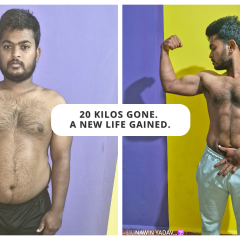
When 25-year-old Nawin Yadav from Hyderabad walked into his office every morning, he carried more than just his files and policy papers. He had the weight of fatigue, sluggish energy, and an ever-growing belly that was becoming the butt of jokes. “People … [Read More...]

“I’ve Challenged Myself to Live 100 Years” – The Story of Chandubhai Savani’s Second Chance at Life

At 67, most people start slowing down. Not Chandubhai Savani. A resident of Surat, Chandubhai, thought life was on track. “My life was going well till I had my bypass surgery,” he says. That surgery, back in 2021, was a wake-up call.  Medication was routine, but exercise wasn’t. His diet? What he calls ‘normal.’ “I […]

From Shimla’s Slopes to Chandigarh’s Sidewalks: Surinder Kaur Bhalla’s Journey from Chaos to Control

Some journeys start with a plan. Others begin with a stumble literally. Surinder Bhalla, a government professional, born and raised in the scenic hill town of Shimla, had always lived a life of movement. “In Shimla, you walked everywhere,” she reflects. “Walking was never an exercise. It was just life.” But after shifting to Chandigarh, […]

Ananda Mukherjee Health Story

From Terminal Illness To Complete Wellness! Ananda Mukherjee Health Story

As we observe World Cancer Day under the powerful theme ‘United by Unique’ (2025-2027)**, we are reminded that every individual’s journey with cancer is distinct, yet united by shared resilience, hope, and the collective fight against this disease. This theme places people at the centre of care and their stories at the heart of the […]

  • HOME
  • HEALTHY LIVING
  • FITNESS
  • HEALTHY RECIPES
  • USER STORIES
  • KARMA
  • BUY GOQii

Copyright ©2016 GOQii
