GOQii

Blog

  • HOME
  • HEALTHY LIVING
  • FITNESS
  • HEALTHY RECIPES
  • USER STORIES
  • KARMA
  • BUY GOQii

October 18, 2024 By Navnee Garg 3 Comments

When Not Eating Becomes a Disease: What Anorexia Really Does to You or Someone You Love

Anorexia Nervosa

Following healthy habits is good. It’s always nice to have a plan for healthy eating and follow it steadily with discipline. But what happens when you overindulge in a dieting plan? As we all know, anything in excess is bad and the same goes for dieting or having an unhealthy obsession with losing weight which may make one do things that can cause more damage than good. Having said that, I’d like to highlight an eating disorder that I recently came across called Anorexia Nervosa.

What is Anorexia Nervosa?

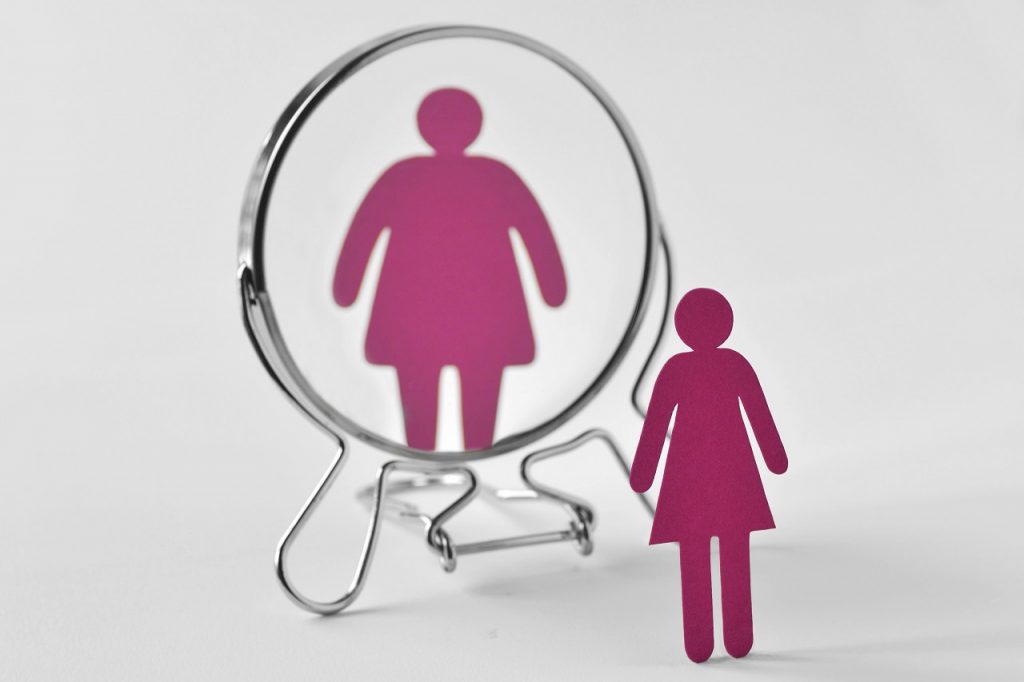
Anorexia Nervosa is an eating disorder which is characterized by low body weight, fear of gaining weight, and a distorted perception of weight. This means that despite having normal body weight, these people feel that they are overweight, or even if they will eat a bite extra, they feel that they will suddenly gain weight. So they prefer being on a very low calorie diet, prefer restricted foods, focusing excessively on the portion they eat. They also try to control their weight by vomiting after eating, or misusing laxatives, diet aids, diuretics or even enemas. At times, they also try to lose weight by excessive exercising just post consuming meals.

Nervosa is not about calorie counting, it is more about one’s psychological aspect which can be extremely dangerous or even life threatening to try to cope up with emotional distress. Anorexic people often tend to equate thinness with self worth.

What Are The Symptoms?

The most evident physical symptom of Nervosa is Starvation, and let us not confuse it with conscious eating. Apart from it, it also includes some emotional and behavioural issues which include unrealistic perception of one’s own body in terms of being fat or fear of gaining weight.

It is difficult to notice the signs and symptoms among the people, but there are few alarming signs which can be noticed by near and dear ones like low body weight, or thin appearance, abnormal blood counts, fatigue, dizziness, and insomnia, thinning of hair, blue discoloration of fingers, irregular bowel movements, irregular heart rhythms, and dehydration.

Also some emotional and behavioural symptoms would include:

  • Skipping meals or refusing to eat
  • Making excuses like denial for hunger, or unwell
  • Avoiding to eat in public
  • Social withdrawal
  • Irritability and Insomnia

Diagnosis 

Though it is difficult to diagnose Anorexia Nervosa at an early stage, the American Psychiatric Association’s (APA’s) Diagnostic and Statistical Manual of Mental Disorders has set diagnosis criteria for people prone to being Anorexic.

  1. Restricted calorie intake as per the requirement of the body in terms of age, height, gender and physical health.
  2. Misconception of being overweight, despite being actually underweight.
  3. A full medical history can also help to reach the outcome

Treatment and Recovery

Treatment includes some medications, nutritional counseling, psychotherapy and family counseling as well which would depend on one’s level of being anorexic. Generally people refuse to accept that they fall in the category but a proper counseling session can help one recover soon.

There is no harm in Being Picky about putting food in your mouth, but this should be done in certain limits by working on calorie counting, or choosing the healthiest option and not in excessive fear to gain weight. The body needs fuel as well to work its system out. The correct way to lose weight is by eating healthy and exercising regularly, and not “DIETING”. Long term anorexia nervosa can lead to serious medical issues like low bone density, anemia, or some gastrointestinal issues as well.

So, if you feel any such symptoms, or you know someone prone to it, do share the article with them, and we at GOQii are always there to help you recover in whatever best way possible.

Did you find this article helpful? Do leave your thoughts and queries in the comments below and do share it on the GOQii Arena in the GOQii app with your friends! 

#BeTheForce 

Disclaimer: The information provided in this blog is for general awareness and educational purposes only. It is not intended to replace professional medical advice, diagnosis, or treatment. Always consult a qualified healthcare provider for personalised medical guidance or concerns related to your health.

October 17, 2024 By GOQii Leave a Comment

How to Break the Cycle of Adrenal Stress?

adrenal stressWhen it comes to stress, we often talk about work pressure, personal issues or chronic disease. But there are other elements that influence stress as well. For instance, in your experience, have there been times when you constantly feel tired but can’t explain why? You feel overwhelmed by situations you could handle easily? Do you find yourself drained of energy you may have enjoyed once upon a time? Have you struggled to get out of bed in the mornings even after sleeping for long hours? If this sounds familiar, there is a chance that you are suffering from something called ‘Adrenal stress” or “Adrenal Fatigue”. Simply put, your adrenal glands may be under-performing. All that chronic stress you have been masterfully coping with has finally caught up! Your adrenal glands are responsible for supporting you and sustaining a level of vigilance. Adrenal Stress happens when they show signs of strain.
Is this a death sentence? No! But it is a sign of imbalance. Chronic stress is a part of life. But if left unchecked and unassuaged for too long, it can lead to hormonal depletion, exhaustion, and adrenal fatigue.

Adrenal Glands and Stress

To understand the above, we need to understand how health and metabolism are affected by hormones. One of the glands that play an important role in metabolism is the adrenal cortex. The adrenal cortex gland releases hormones which are vital for biological function. To be more specific, there are two parts which release hormones – Adrenal Cortex and Adrenal Medulla. Adrenal cortex hormones regulate sodium levels, salt, and balances blood volume which directly affects blood pressure.

Another hormone (Cortisol) regulates metabolic rate of carbohydrate, proteins, and fat. It also regulates immune responses. It is responsible for suppressing inflammatory reactions. So it is a potent anti-inflammatory hormone. Finally, the adrenal glands are best known for secreting the hormone adrenaline, which rapidly prepares your body for action in a stressful situation.

When you are stressed, the hormones of the adrenal medulla are released after the sympathetic nervous system is stimulated. The adrenal medulla helps you deal with physical and emotional stress. You want these responses to happen. From an evolutionary perspective, it’s part of why we have survived for so long as a species.

If you encounter a stressful situation, you want your body to fire up stress hormones to feed you energy and adrenaline. You WANT to be able to run from a potential threat or beat it back. The problems come in when you have that relatively high level of stress but then don’t actually end up using that extra energy in the form of movement.

Adrenal Stress, Belly Fat and Weight Gain

During times of stress, there are actual physiological changes that happen in our body. Most of them are helpful for our survival (such as in the situation described above). But, if we continue to experience stress and we don’t actually end up running from our perceived threat or beating it back, those stress hormones increase our blood sugar (in an effort to give us energy) which then requires insulin to bring it back down.

In the short term, it feels like an energy crash. In the long term, it can lead to weight gain. When the adrenal glands are overworked, the body prepares itself by storing fat. We crave food, indulge in binge eating and we gain weight.

Adrenal imbalance causes a number of issues, including the abdominal fat deposition. When we have long term stress, both insulin and cortisol remain elevated in the blood, and the extra glucose is stored as fat–mostly in the abdomen. Studies suggest that fat cells have receptors for the stress hormone cortisol, and there are more of these receptors in our abdominal fat cells than anywhere else in our bodies. Moreover, belly fat is an active tissue, which responds to stress by depositing more fat. This cycle can not end until a step is taken to tackle the root cause of stress.

How to Break The Cycle

  • Go Easy On Food: Eating small and frequent meals helps cortisol balance the blood sugar and take off some stress. Cortisol counterbalances the action of insulin. Under stress when cortisol levels are elevated, it results in a perpetual need for insulin. Eventually, our bodies can develop resistance to it. Hence the name “insulin resistance”. In other words, our body can become less sensitive to insulin, forcing it to produce more for the same effect. If it stops to work altogether, that keeps glucose levels high in the blood.
  • Time to Eat: Our body has circadian rhythms which work closely with cortisol, which is highest in the morning and gradually declines throughout the day. When we eat we elevate our cortisol, so it is best to start heavy with breakfast and go light post evening. Heavy evening meals are the prime reason for an expanding waistline. A Higher waistline is associated with metabolic and lifestyle disease.
  • Unplug: Give time to yourself. Unplug means a disconnect from cell phones, laptops, work, any digital devices. Take out sometime which you spend only with your thoughts. It makes you realize your priorities and your goals better.
  • Sleep: As this gland also controls our circadian rhythms, it is responsible for our sleep cycle. Good 8 hours of sleep will make you take fewer calories through the day. Lack of sleep also makes one drowsy and ends in low energy levels creating stress. Maintain an 8 hour sleeping time for the body to regenerate.
  • Workout: Exercise is the best remedy to reduce stress by releasing pent up energy. As stated earlier, the whole reason our bodies respond to stress by producing more cortisol is so that we have energy available to spend. Having more energy isn’t a bad thing if you actually use it.

The best way to reduce stress levels is to have fun! Having fun and laughing should become one of your top priorities in life! It has multiple benefits, one of them being stress relief. Looking at the day ahead, ask yourself what is that one thing you can do for your body to support your adrenal glands? Then ask yourself how you can set aside some time for fun!

Want to know more about managing stress? Check out Healthy Reads or get expert advice directly from a GOQii Coach by subscribing for Personalised Health Coaching here.

#BeTheForce

Disclaimer: The information provided in this blog is for general awareness and educational purposes only. It is not intended to replace professional medical advice, diagnosis, or treatment. Always consult a qualified healthcare provider for personalised medical guidance or concerns related to your health.

October 12, 2024 By Nisha Rashmi 2 Comments

Osteoarthritis: Causes, Symptoms & Tips For Prevention

Osteoarthritis Arthritis is common and most people are aware of this medical condition. Among all types of Arthritis, Osteoarthritis is the most common form. It is a non-inflammatory degenerative condition of joints, characterized by degeneration of articular cartilage and formation of new bone that is called Osteophytes.
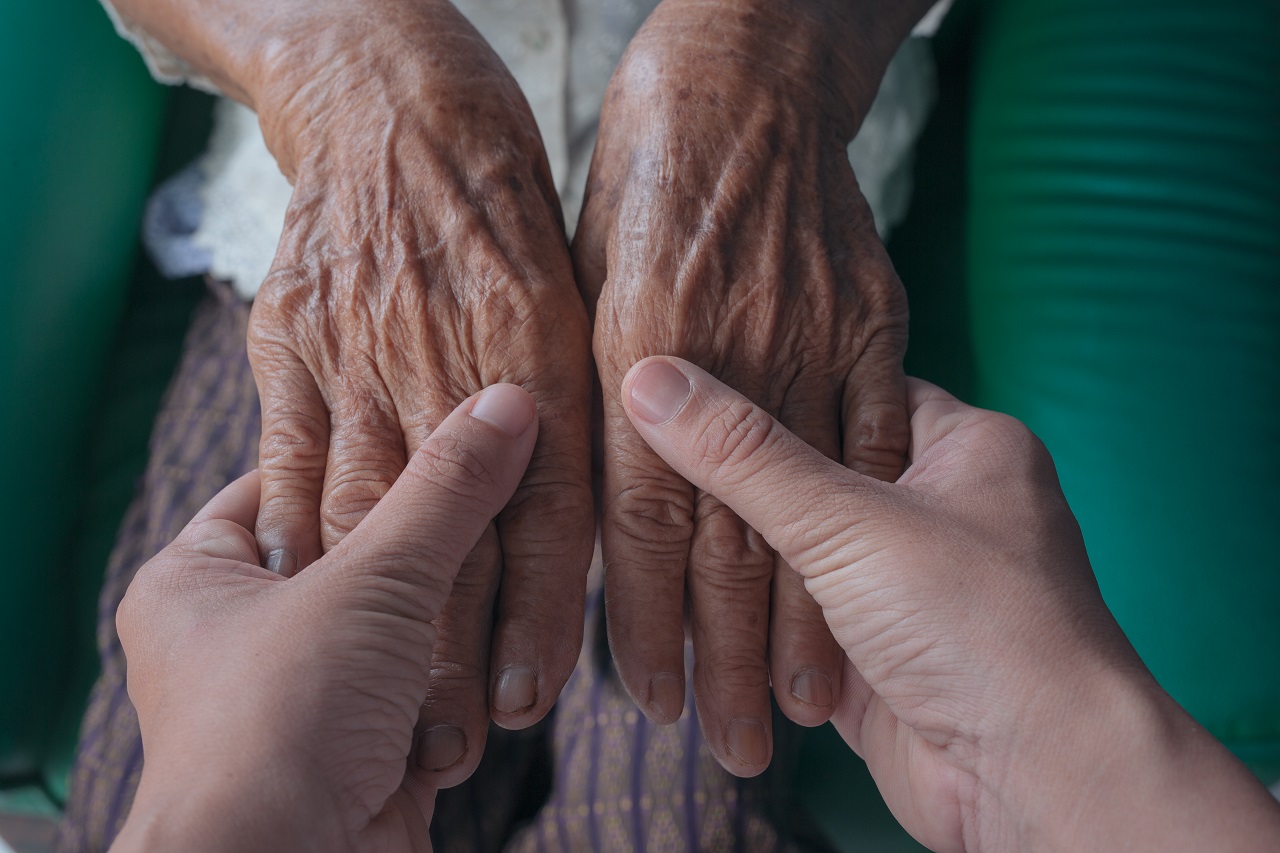
Osteoarthritis can affect any joint in the body, though it most commonly affects joints in the hands, hips, knees and spine. It typically affects just one joint, though in some cases, such as with finger arthritis, several joints can be affected. Osteoarthritis gradually worsens with time, and no cure exists. But osteoarthritis treatments can relieve pain and help you to remain active. Taking steps to actively manage this condition may help patients gain control over the pain.

Symptoms of Osteoarthritis  

Osteoarthritis symptoms often develop slowly and worsen over time. Signs and symptoms include:

  • Pain in a joint during or after use, or after a period of inactivity
  • Tenderness in the joint when you apply light pressure
  • Stiffness in a joint that may be most noticeable when a patient wakes up in the morning or after a period of inactivity
  • Loss of flexibility may make it difficult to use the joint
  • Grating sensation when moving the joint
  • Bone spurs, which appear as hard lumps, may form around the affected joint
  • Swelling in some cases

Unless one has been injured or has placed unusual stress on a joint, it’s uncommon for Osteoarthritis symptoms to affect jaw, shoulder, elbows, wrists or ankles.

What Cause This Condition?

Osteoarthritis occurs when the cartilage that cushions the ends of bones in the joints deteriorates over time. The smooth surface of the cartilage becomes rough, causing irritation. Eventually, if the cartilage wears down completely, patient may be left with bone rubbing on bone — causing the ends of the bones to become damaged and the joints to become painful. It isn’t clear what causes osteoarthritis in most cases. Researchers suspect that it’s a combination of factors, including being overweight, the aging process, joint injury or stress, heredity, and muscle weakness.

Risk Factors that increase risk of osteoarthritis include:

  • Old age: This condition typically occurs in older adults. People under 40 rarely experience it
  • Sex: Women are more likely to develop this condition, though it isn’t clear why
  • Bone deformities: Some people are born with malformed joints or defective cartilage, which can increase the risk of this condition
  • Joint injuries: Injuries, such as those that occur when playing sports or from an accident, may increase the risk
  • Obesity: Carrying more body weight places more stress on weight-bearing joints, such as knees. But obesity has also been linked to an increased risk of osteoarthritis in the hands, as well.

How Can You Prevent It? 

Osteo Arthritis 2

1. Diet

Avoid processed and sugary foods and drinks, eat more fruits and vegetables. Foods rich in antioxidants help in decreasing pain and inflammation. Also include food rich in Omega-3 Fatty Acids. Olive Oil helps in preventing inflammation. Eating fruits rich in Vitamin C helps in building collagen and connective tissue. Examples are citrus fruits, strawberries, red peppers and cabbage. Try some of these foods:

  1. Bananas and Plantains are high in magnesium and potassium which increases your bone density. Magnesium is also known to alleviate symptoms of arthritis. So peel a banana or fry up some plantains!
  2. Blueberries also pack a walloping antioxidant punch! Antioxidants protect your body against inflammation and free radicals – molecules that can damage cells and organs. Pay special attention to blueberries. USDA researcher Ronald Prior, Ph.D., showed that a one-cup serving of Wild Blueberries had more antioxidant capacity than a serving of cranberries, strawberries, plums and raspberries.
  3. Salmon: Not only can Omega-3 found in fish significantly reduce joint pain and shorten the duration of morning stiffness, but studies, such as those reported in the American Journal of Clinical Nutrition, show that increased levels of Omega-3 fatty acids also have enabled people taking Non-Steroidal Anti-Inflammatory Drugs (NSAIDs) to reduce their dosage or discontinue use.
  4. Green Tea: Many studies have shown that green tea possesses anti-inflammatory properties. One study showed that mice predisposed to a condition similar to human osteoarthritis had mild arthritis and little evidence of cartilage damage and bone erosion when green tea polyphenols were added to their drinking water. Another study showed that when added to human cartilage cell cultures, the active ingredients in green tea inhibited chemicals and enzymes that lead to cartilage damage and breakdown.
  5. Vitamin C is important in the development of normal cartilage. A deficiency of Vitamin C might lead to the development of weak cartilage. In 2010, The Arthritis Research Institute of America, Inc. published an important article in the Journal Public Health Nutrition which suggested that Vitamin C supplementation may indeed be beneficial in preventing new cases of knee osteoarthritis.
  6. Soy protein, found in tofu, has been shown to reduce pain and swelling in chronic knee joint pain, not attributed to injury or rheumatoid arthritis. Results were found to be more beneficial for men than women. Tofu can be cubed and fried with noodles, or bought prepackaged as tofu pups or tofu burgers. There are even recipes that call for it in fruit smoothies!
  7. Peanut Butter: Vitamin B3, found in peanut butter, is a supplement that may help people with Osteoarthritis. One 1996 study (National Institutes of Health) showed that taking Vitamin B3 was more effective than a placebo in improving flexibility and reducing inflammation.
  8. Whole Grain Breads and Cereals: In one placebo controlled trial, those with rheumatoid arthritis (and by extension osteoarthritis) had less disability, morning stiffness, and pain when they took high doses of pantothenic acid (Brewer’s Yeast) daily.
  9. Lobster is an excellent source of Vitamin E. Vitamin E may be the key to fighting arthritis-like damage. According to a study from the University of North Carolina at Chapel Hill School of Medicine, Vitamin E (also known as alpha tocopherol) and other naturally occurring antioxidants in the diet appear to protect against knee Osteoarthritis.
  10. Pineapple: For years, professional coaches have recommended pineapple to athletes to help heal sports injuries. That’s because a key enzyme in pineapple called bromelain, which helps reduce inflammation.

Apart from the food recommendations above, ensure that you maintain an active lifestyle. To understand what workouts or exercises you can implement in your daily routine, speak to a certified expert from GOQii by subscribing for Personalised Health Coaching here.

Though Osteoarthritis is a chronic disorder, you can prevent it or if you have it already, you can live in a better way by managing it with proper lifestyle habits. Prevention is always better than cure. So let’s concentrate on exercises as well as healthier food options. Ultimately, eating right, exercise and living a healthy life style can prevent most ailments.

You can explore some healthy habits by checking out Healthy Reads for more articles such as these. Do leave your thoughts in the comments below!

#BeTheForce

Disclaimer: The information provided in this blog is for general awareness and educational purposes only. It is not intended to replace professional medical advice, diagnosis, or treatment. Always consult a qualified healthcare provider for personalised medical guidance or concerns related to your health.

October 5, 2024 By Dr Manali Rao 4 Comments

The 3 S of Breast Cancer: Signs, Symptoms and Self Examination

breast-cancer-awareness-month-memes-inspirational-quotes-4CANCER!!! The word itself is feared and dreaded by everyone around the globe. Many people who are diagnosed with this illness feel like it’s a death sentence, but it doesn’t have to be. There are ways to fight and overcome cancer.



Before learning how to overcome cancer, it is important to understand what it is. Cancer is a group of diseases involving abnormal cell growth, which may or may not spread to other parts of the body. Not all tumors are cancerous; only malignant ones spread throughout the body, while benign ones do not.

One of the most common invasive cancers in the world today is ‘BREAST CANCER’. It is more frequently seen in developed countries, but outcomes in these regions tend to be better due to advanced healthcare.

Who is at Risk for Developing Breast Cancer?

While breast cancer is more common in Females, men can also develop it (though cases in men are rare). Risk factors include:

  • Obesity
  • Lack of exercise
  • Sedentary lifestyle
  • Hormone replacement therapy
  • Early menarche
  • Late pregnancy
  • Nulliparous women
  • Family history
  • Alcohol consumption
  • Smoking

Let me now take you through the 3S of Breast Cancer- Signs Symptoms and Self Examination

Look out for these Signs and Symptoms:

  • The most common first symptom is a lump in the breast that feels different from the rest of the tissue.
  • Dimpling or puckering of the skin on or around the nipple.
  • A change in the position or shape of the nipple, which may become inverted.
  • Orangish discoloration of the skin around the breast or a texture resembling an orange peel (peau d’orange).
  • Nipple discharge, which could be watery, milky, yellow, or even bloody.
  • One breast appearing larger than the other.
  • Constant pain in the breast or armpit area.
  • Swelling in the armpits or around the collarbone.
  • Redness, itching, increased sensitivity, or a burning sensation.

It’s important to note that some people may not experience any symptoms until the cancer has progressed, which is why regular check-ups are vital.

How to self-examine?

The best way to be aware of breast cancer is through self-detection. Follow these steps:

Step 1: Stand in front of a mirror with your shoulders straight and your hands on your hips.

  • Look at the size, shape, and color of your breasts.
  • Check for dimpling, puckering, or bulging skin.
  • Look for any changes in the position of your nipples or signs of inversion (a nipple that is pushed inward).
  • Watch for redness, soreness, rash, or swelling.

Step 2: Raise your arms and check for the same changes.

Step 3: While standing in front of the mirror, check for any fluid discharge from the nipples, which could appear watery, milky, yellow, or even bloody.

Step 4: Lie down and feel your breasts. Use your right hand to examine your left breast and your left hand for your right breast. Apply a firm, smooth touch using the pads of your fingers in a circular motion. Cover the entire breast, from top to bottom and side to side, including from the collarbone to the top of the abdomen, and from your armpit to your cleavage.

Start at the nipple and move outward in larger circles until you reach the edge of the breast. Be sure to feel all the tissue, from the front to the back of your breasts.

Step 5: Finally, feel your breasts while standing or sitting. Many women find that it’s easiest to feel their breasts when their skin is wet and slippery, such as during a shower. Use the same hand movements as described in Step 4.

Breast Cancer Support Groups:

Support groups play a crucial role in helping patients fight cancer. These groups provide an opportunity to learn from others who have faced the same disease. Seeing other survivors can give patients the strength and hope they need to fight their own battles. Remember, hope is everything.

We hope this article helped you understand the signs, symptoms, and steps to perform a self-examination for breast cancer. Regular check-ups and self-awareness can make all the difference in early detection and treatment. Have any questions or experiences to share? Let us know in the comments below! You can also find more articles on Women’s Health here. Stay informed, stay healthy!

#BeTheForce

Disclaimer: The information provided in this blog is for general awareness and educational purposes only. It is not intended to replace professional medical advice, diagnosis, or treatment. Always consult a qualified healthcare provider for personalised medical guidance or concerns related to your health.

  • « Previous Page
  • 1
  • …
  • 5
  • 6
  • 7
  • 8
  • 9
  • …
  • 11
  • Next Page »

Search

Recent Posts

  • ALL ABOUT VERTIGO!
  • PCOS and Anxiety: Discover Relief with the 54321 Technique
  • Navigating the Maze of Nutrition: Finding Clarity Amidst Confusion
  • Get children active and keep them healthy
  • What Gestational Diabetes Can Do To You & Your Unborn Child

Stay Updated

Archives

  • December 2025 (5)
  • November 2025 (15)
  • October 2025 (20)
  • September 2025 (6)
  • August 2025 (6)
  • July 2025 (12)
  • June 2025 (18)
  • May 2025 (16)
  • April 2025 (23)
  • March 2025 (23)
  • February 2025 (22)
  • January 2025 (26)
  • December 2024 (26)
  • November 2024 (25)
  • October 2024 (22)
  • September 2024 (24)
  • August 2024 (31)
  • July 2024 (21)
  • June 2024 (26)
  • May 2024 (31)
  • April 2024 (27)
  • March 2024 (29)
  • February 2024 (26)
  • January 2024 (25)
  • December 2023 (15)
  • November 2023 (11)
  • October 2023 (22)
  • September 2023 (22)
  • August 2023 (20)
  • July 2023 (22)
  • June 2023 (24)
  • May 2023 (24)
  • April 2023 (24)
  • March 2023 (23)
  • February 2023 (20)
  • January 2023 (16)
  • December 2022 (12)
  • November 2022 (15)
  • October 2022 (15)
  • September 2022 (12)
  • August 2022 (10)
  • July 2022 (17)
  • June 2022 (11)
  • May 2022 (10)
  • April 2022 (6)
  • March 2022 (6)
  • February 2022 (13)
  • January 2022 (12)
  • December 2021 (7)
  • November 2021 (3)
  • October 2021 (6)
  • September 2021 (3)
  • August 2021 (8)
  • July 2021 (7)
  • June 2021 (15)
  • May 2021 (16)
  • April 2021 (10)
  • March 2021 (7)
  • February 2021 (4)
  • January 2021 (4)
  • December 2020 (3)
  • November 2020 (4)
  • October 2020 (10)
  • September 2020 (3)
  • August 2020 (3)
  • July 2020 (2)
  • June 2020 (4)
  • May 2020 (10)
  • April 2020 (12)
  • March 2020 (10)
  • February 2020 (4)
  • January 2020 (4)
  • December 2019 (3)
  • November 2019 (7)
  • October 2019 (5)
  • September 2019 (4)
  • August 2019 (9)
  • July 2019 (9)
  • June 2019 (11)
  • May 2019 (4)
  • April 2019 (9)
  • March 2019 (8)
  • February 2019 (9)
  • January 2019 (8)
  • December 2018 (9)
  • November 2018 (3)
  • October 2018 (3)
  • September 2018 (5)
  • August 2018 (10)
  • July 2018 (6)
  • June 2018 (13)
  • May 2018 (8)
  • April 2018 (18)
  • March 2018 (9)
  • February 2018 (8)
  • January 2018 (15)
  • December 2017 (12)
  • November 2017 (19)
  • October 2017 (13)
  • September 2017 (15)
  • August 2017 (4)
  • July 2017 (8)
  • June 2017 (7)
  • May 2017 (6)
  • April 2017 (8)
  • March 2017 (6)
  • February 2017 (7)
  • January 2017 (9)
  • December 2016 (10)
  • November 2016 (7)
  • October 2016 (7)
  • September 2016 (7)
  • August 2016 (11)
  • July 2016 (9)
  • June 2016 (9)
  • May 2016 (12)
  • April 2016 (17)
  • March 2016 (17)
  • February 2016 (8)
  • January 2016 (6)
  • December 2015 (2)
  • November 2015 (9)
  • October 2015 (7)
  • September 2015 (9)
  • August 2015 (11)
  • July 2015 (9)
  • June 2015 (12)
  • May 2015 (9)
  • April 2015 (13)
  • March 2015 (8)
  • February 2015 (5)
  • January 2015 (12)
  • December 2014 (14)
  • November 2014 (11)
  • October 2014 (6)
  • September 2014 (13)
  • August 2014 (12)
  • July 2014 (6)
  • June 2014 (2)
  • May 2014 (7)
  • April 2014 (5)

From “Laddu Nawin” to Fit and Fierce: How a 25-Year-Old Insurance Advisor Shed 20 Kilos and Gained His Life Back

When 25-year-old Nawin Yadav from Hyderabad walked into his office every morning, he carried more than just his files and policy papers. He had the weight of fatigue, sluggish energy, and an ever-growing belly that was becoming the butt of jokes. “People … [Read More...]

“I’ve Challenged Myself to Live 100 Years” – The Story of Chandubhai Savani’s Second Chance at Life

At 67, most people start slowing down. Not Chandubhai Savani. A resident of Surat, Chandubhai, thought life was on track. “My life was going well till I had my bypass surgery,” he says. That surgery, back in 2021, was a wake-up call.  Medication was routine, but exercise wasn’t. His diet? What he calls ‘normal.’ “I […]

From Shimla’s Slopes to Chandigarh’s Sidewalks: Surinder Kaur Bhalla’s Journey from Chaos to Control

Some journeys start with a plan. Others begin with a stumble literally. Surinder Bhalla, a government professional, born and raised in the scenic hill town of Shimla, had always lived a life of movement. “In Shimla, you walked everywhere,” she reflects. “Walking was never an exercise. It was just life.” But after shifting to Chandigarh, […]

Ananda Mukherjee Health Story

From Terminal Illness To Complete Wellness! Ananda Mukherjee Health Story

As we observe World Cancer Day under the powerful theme ‘United by Unique’ (2025-2027)**, we are reminded that every individual’s journey with cancer is distinct, yet united by shared resilience, hope, and the collective fight against this disease. This theme places people at the centre of care and their stories at the heart of the […]

  • HOME
  • HEALTHY LIVING
  • FITNESS
  • HEALTHY RECIPES
  • USER STORIES
  • KARMA
  • BUY GOQii

Copyright ©2016 GOQii
