GOQii

Blog

  • HOME
  • HEALTHY LIVING
  • FITNESS
  • HEALTHY RECIPES
  • USER STORIES
  • KARMA
  • BUY GOQii

March 1, 2025 By Dr Ashwin Nanda 2 Comments

Tension or HYPERTENSION

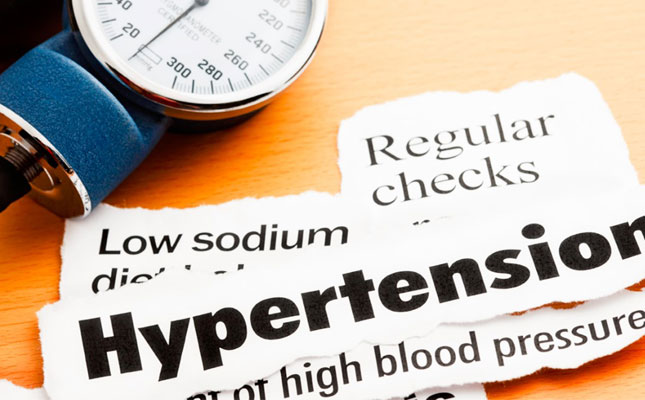
hypertensionI can’t count how many times in my 12 years of medical practice a patient with just a headache has eventually been diagnosed with high blood pressure (hypertension). Whenever a patient complains of a headache, I always make it a point to check their blood pressure (BP), as it is a very common symptom of fluctuating BP. This often presents around the temples but can also be felt at the back of the head (occipital region).

What is Blood Pressure?

The pressure exerted by the column of blood flowing in the arteries once it has been pumped by the heart is called systolic (higher value) blood pressure. Diastolic (lower value) BP refers to the resistance in the arteries, which is always present due to their elastic tone.

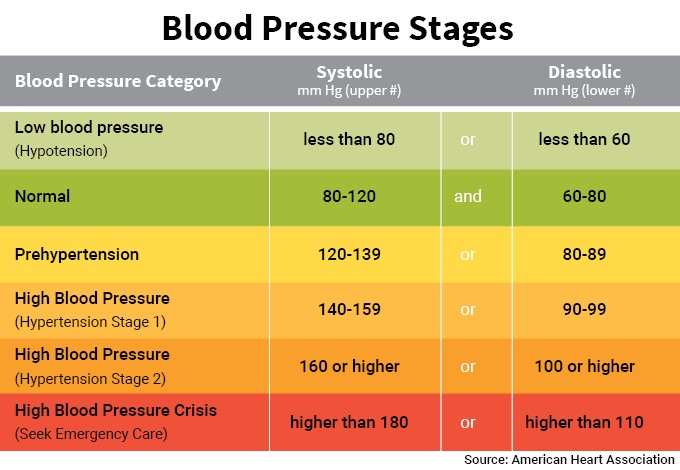
Blood Pressure Categories:

  • Normal: Up to 120/80 mmHg
  • Pre-Hypertensive: 130/90 to 140/90 mmHg
  • Hypertension: Above 140/90 mmHg

A person is diagnosed with high BP if three readings taken on separate days are consistently high.
BP - HypertensionSigns & Symptoms of Hypertension

If I have to look for signs of high BP, these symptoms should raise suspicion

  1. Headache
  2. Feeling of tiredness.
  3. Difficulty breathing
  4. Heaviness in the eyes / blurred vision.
  5. Irritability
  6. Severe cases: Heart attack or haemorrhagic stroke

What Causes High BP?

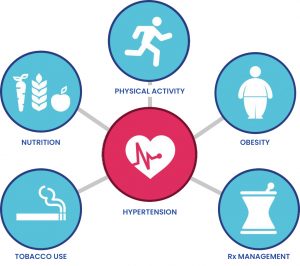
High BP is common in adults over 50 but is increasingly being diagnosed in younger people due to poor lifestyle choices, such as:

  • Lack of sleep—Irregular sleep cycles disrupt the circadian rhythm.
  • High salt intake—Excess salt from processed foods, snacks, pickles, and sauces.
  • Smoking—Nicotine constricts blood vessels, increasing BP.
  • Obesity—Being overweight adds strain to the heart.
  • Lack of exercise—Sedentary lifestyle leads to poor heart health.
  • Stress—From chaotic city traffic, financial strain, and work pressure.
  • Other Causes: BP can also rise due to secondary conditions like thyroid disorders and narrowing of arteries supplying the kidneys (Renal Artery Stenosis).

Why is it Important to Maintain Normal BP?

Persistently high BP damages the internal lining of blood vessels, gradually affecting the brain, kidneys, and eyes. This can lead to serious complications such as:

  • Stroke (brain damage due to reduced blood flow)
  • Kidney failure
  • Hypertensive retinopathy (damage to the eyes)

All of these complications can be prevented by keeping BP within the normal range.

Managing High BP Naturally
Since lifestyle choices are the single most important factor in controlling BP, here’s how you can manage hypertension without medication:

  • Sleep Better:
    • Aim to sleep by 11 PM and wake up by 6-7 AM to regulate your circadian rhythm.
    • Avoid using screens before bedtime to improve sleep quality.
  • Diet Adjustments:
    • Reduce salty foods such as crisps, salted nuts, pickles, and processed sauces.
    • Eat more potassium-rich foods like bananas, spinach, and lentils.
  • Exercise Regularly:
    • Engage in 45 minutes of brisk walking, 30 minutes of swimming or cycling, or 30 minutes of aerobics at least 5 days a week.
    • Strength training also helps improve circulation and heart health.
  • Manage Your Weight: 
    • If overweight, aim to lose 1-2 kg per month until you reach a healthy BMI (Body Mass Index) of 25.
  • Reduce Stress: 
    • Practise deep breathing or meditation daily.
    • Set realistic personal and professional goals to avoid unnecessary stress.
  • Stay Socially Connected:
    • Engage in social activities and maintain a healthy support system. A positive social life can improve mental health and reduce stress-induced BP spikes.

When to Consider Medication?

If lifestyle modifications do not lower BP within 6 months, it’s time to consult a doctor to explore medical options.

Additionally, if hypertension is caused by an underlying condition (such as thyroid disease or renal artery stenosis), treating the root cause can help normalise BP.

Even the word HyperTENSION (high BP) has ‘TENSION’ in it! Managing stress and adopting healthier lifestyle choices can significantly improve your heart health.

Have you successfully managed your BP through lifestyle changes? Share your experiences in the comments below!

#BeTheForce

Disclaimer: The information provided in this blog is for general awareness and educational purposes only. It is not intended to replace professional medical advice, diagnosis, or treatment. Always consult a qualified healthcare provider for personalised medical guidance or concerns related to your health.
February 27, 2025 By Shikha Singh 28 Comments

Why Does Your Body Need Antioxidants?

antioxidantsAntioxidants—also known as “free radical fighters”—have been making waves in the health and wellness industry. But what exactly do they do? Are they genuinely beneficial, or are they just another marketing buzzword? More importantly, is it better to get them from food or supplements? Let’s break it down.
Why Do We Need Antioxidants?

Free radicals are natural by-products produced by the body when processing food, particularly refined and processed foods, trans fats, artificial sweeteners, and certain additives. They are also generated due to environmental factors like pollution, smoking, exposure to pesticides, and even medical treatments such as chemotherapy.

If free radicals build up faster than the body can remove them, they cause oxidative stress, which can lead to cell damage, inflammation, and long-term health issues. This is where antioxidants come in—they help neutralise free radicals and protect cells from damage.

Best Natural Sources of Antioxidants

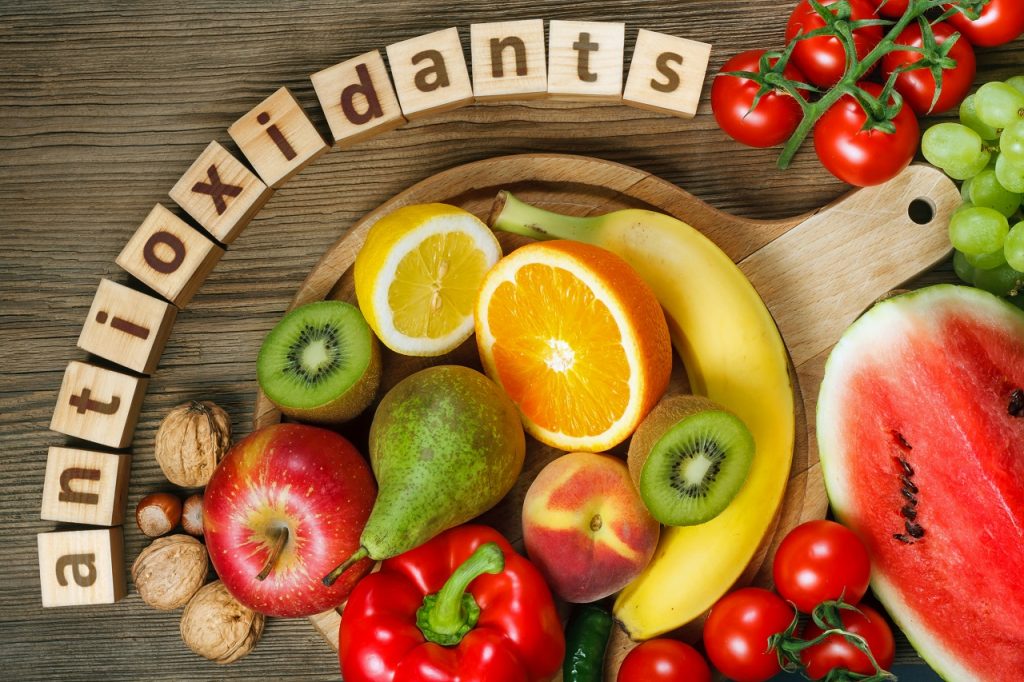
Different antioxidants serve different functions, so eating a varied diet is key. The best sources come from plant-based foods, particularly brightly coloured fruits and vegetables.

To naturally boost your antioxidant intake, try these simple dietary changes:

  • Eat a variety of fruit and veg – Include a portion in every meal and snack.
  • Sip on green or matcha tea – Packed with polyphenols that support cell health.
  • Spice it up – Turmeric, cumin, oregano, ginger, cloves, and cinnamon enhance flavour and antioxidant content.
  • Snack wisely – Opt for unsalted nuts and seeds, especially Brazil nuts, sunflower seeds, and almonds.
  • Don’t forget protein sources – Eggs, dairy, liver, and mushrooms contain key antioxidants such as selenium and vitamin A.

Should You Take Antioxidant Supplements?

While supplements may seem like a quick fix, they aren’t always necessary—and in some cases, they can do more harm than good.

The National Institutes of Health (NIH) advises caution with high doses, as they can be harmful or interfere with medications. If you’re considering supplements, it’s essential to consult a healthcare professional first.

There are some potential benefits for people at risk of age-related macular degeneration, but again, this should be discussed with a doctor. The best way to get antioxidants is through food. If your diet is lacking in fruit and veg, try starting with two servings of fruit and three servings of vegetables daily before considering supplements.

Antioxidants play a crucial role in cell protection and overall health, but balance is key. Instead of relying on supplements, aim to eat a colourful, whole-food diet that provides a wide range of natural antioxidants.

Do you prioritise antioxidant-rich foods in your diet? Share your thoughts in the comments below!

#BeTheForce 

Disclaimer: The information provided in this blog is for general awareness and educational purposes only. It is not intended to replace professional medical advice, diagnosis, or treatment. Always consult a qualified healthcare provider for personalised medical guidance or concerns related to your health.

January 10, 2025 By GOQii 221 Comments

Important Exercises & Yoga Poses To Be Done During Pregnancy

yoga during pregnancyIn one of my articles, we explored how beneficial it is to follow yoga during pregnancy. In this article, I will highlight the prenatal yoga poses that can help you stay fit during pregnancy and support a smooth post-delivery recovery. Let’s dive right in!

Exercises & Yoga Poses To Do During Pregnancy

Start With Breathing Exercises
Before beginning, practice some mindful breathing:

  1. Sit comfortably, with your knees bent and your shoulders, head, and neck relaxed.
  2. Place one hand on your upper chest and the other just below your rib cage. This will allow you to feel your diaphragm move as you breathe.
  3. Inhale through your nose and exhale through your mouth. Continue for 3-5 minutes.

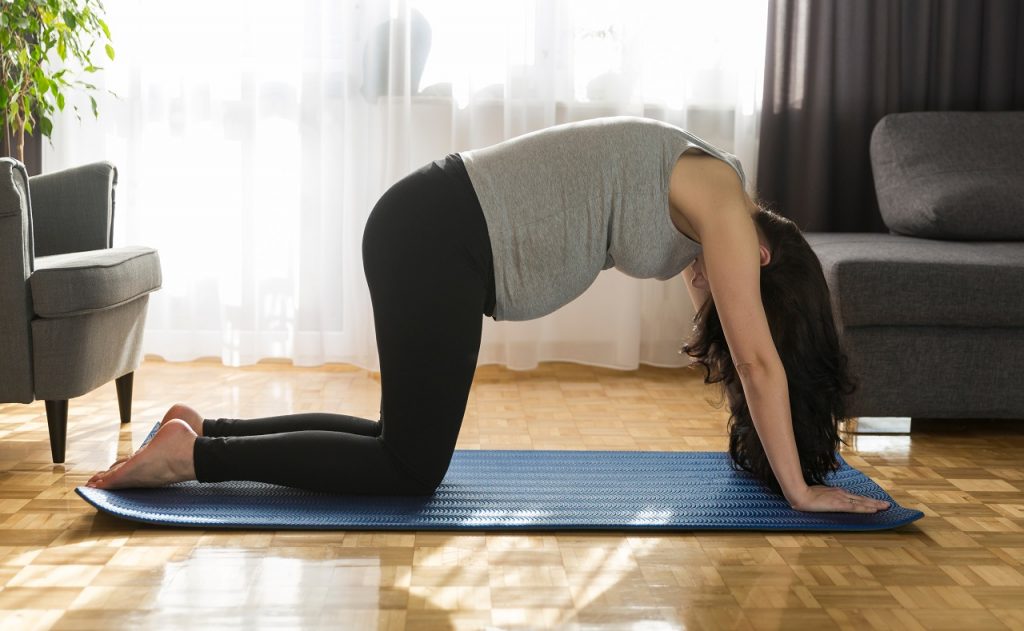
1. Cat and Camel Pose

cat and camel

  1. Begin on your hands and knees, with your knees under your hips and your hands under your shoulders.
  2. Round your back towards the ceiling, tucking in your buttocks and slightly lowering your head.
  3. Return to a neutral position.
  4. Let your belly lower towards the floor, creating an arch in your back. Keep your head slightly raised, with your eyes looking forward.
  5. Alternate between these poses.

Tip: Use a folded towel under your knees if they hurt, or place fists instead of palms on the floor for wrist support.

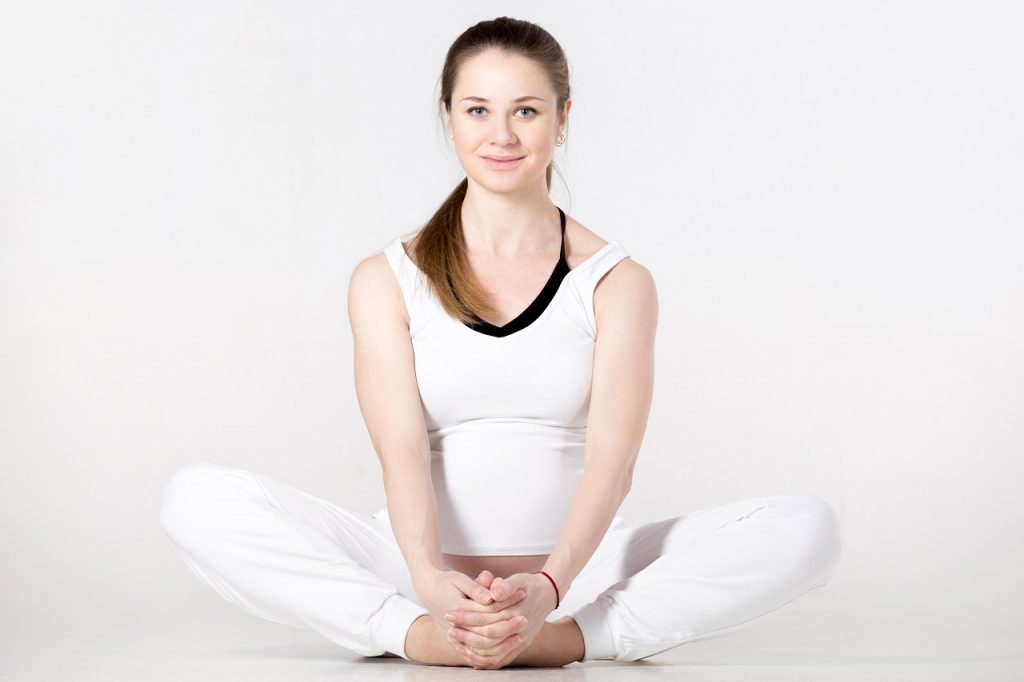
2. Butterfly Pose

butterfly pose yoga during pregnancy

  • Sit with your spine and neck straight.
  • Bend both knees and bring the soles of your feet together, as close to the groin as possible.
  • Hold your feet firmly with your hands and keep your heels on the ground.
  • Place your elbows on your thighs.
  • Inhale deeply and press your thighs downward using your elbows.
  • Exhale as you raise your knees without support and release the pose.

3. Kegel’s Exercises

This exercise strengthens the pelvic floor muscles.

How to Perform:

  • Sit, stand, or lie down comfortably.
  • Contract your pelvic floor muscles as if stopping the flow of urine for 5 seconds.
  • Relax the muscles for 3 seconds.
  • Perform 5-10 repetitions per session, twice a day. Ensure you breathe normally throughout.

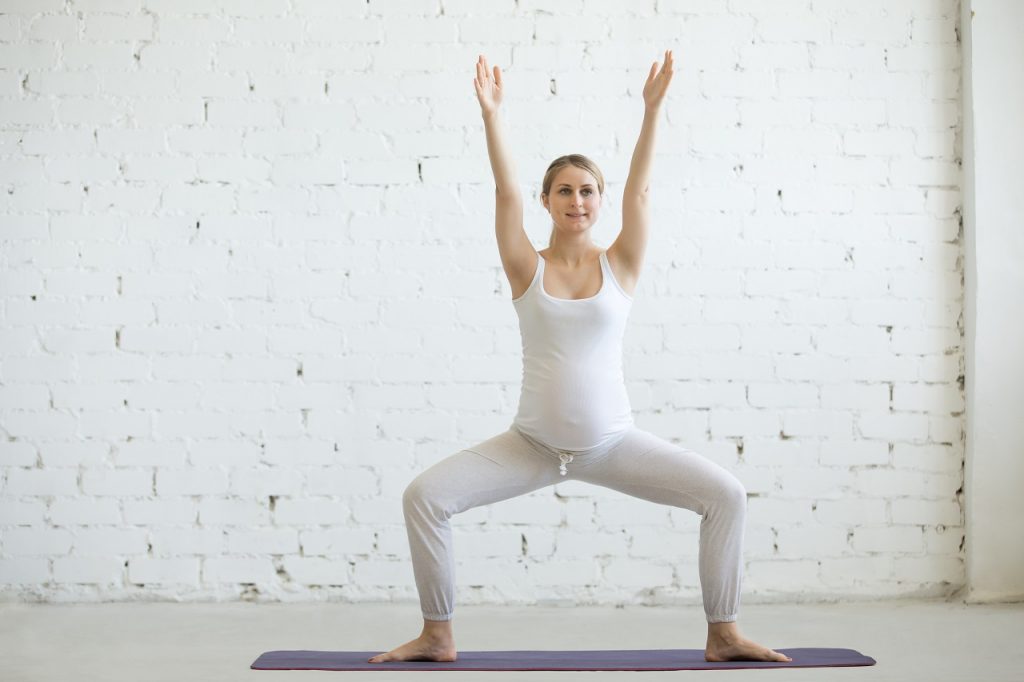
4. Goddess Pose

goddess pose pregnancy

  • Step your right foot back to a stride length and turn your toes out at a 45-degree angle.
  • Bend your knees deeply and lower your hips until they align with your knees.
  • Extend your arms to shoulder height and bend your elbows so that your fingertips point upwards.
  • Engage your core, draw your tailbone towards the floor, and keep your spine long.
  • Hold the pose for 30 seconds to 1 minute.

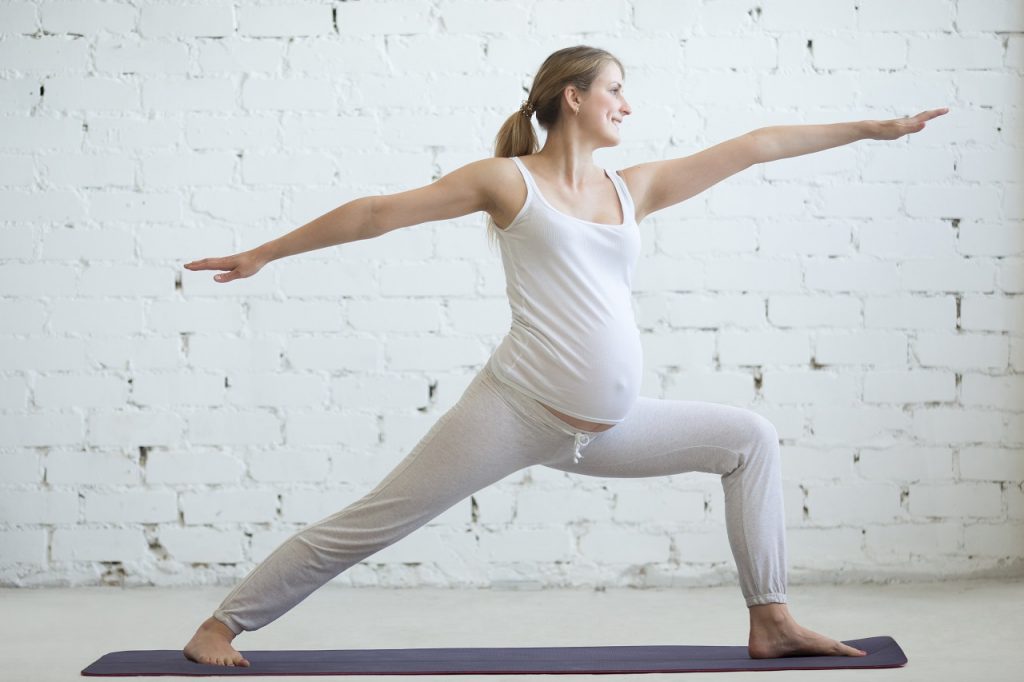
5. Warrior Pose

warrior pose yoga during pregnancy

  • Stand with your feet roughly three feet apart.
  • Place your right foot in front of your left foot.
  • Extend your arms out to the sides, keeping them straight and palms facing down.
  • Turn your left foot out to the side and your right foot inward.
  • Lunge forward, bending your left knee, and keep your right leg straight.
  • Hold the pose, then return to the starting position and switch legs.

6. Walking

Walking is an excellent cardiovascular exercise for expecting mothers.

Tips:

  • Start with slow walks if you’re new to physical activity.
  • Walk for 30 minutes, three times a week.
  • Pair walking with other light exercises for better results.

If this article helped you, share your thoughts in the comments below. Explore more articles on Women’s Care here. To keep a track of your pregnancy, you can also download the GOQii App and access the Women’s Care Feature.

For more tips on how to manage your health during pregnancy, reach out to your GOQii Coach by subscribing for Personalised Health Coaching here.

#BeTheForce 

Disclaimer: The information provided in this blog is for general awareness and educational purposes only. It is not intended to replace professional medical advice, diagnosis, or treatment. Always consult a qualified healthcare provider for personalised medical guidance or concerns related to your health.

December 16, 2024 By Dr. Viral Thakkar 15 Comments

Menstrual Pain: Every Woman’s Nightmare No more!!

woman-with-hot-water-bottleI know many women, especially adolescents, who don’t like ‘being a woman’ because of the pain during menstruation. If you are one of those or know such women, this article is for you.
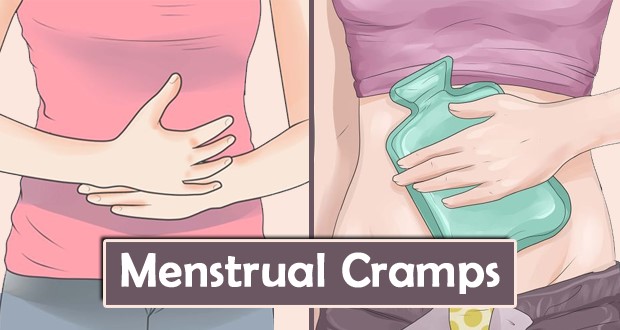
Primary dysmenorrhea (menstrual pain) is a normal part of menstruation. It affects girls during adolescence and eases as they mature. It may be painful, but it is not harmful.

Prostaglandins (hormones that causes your uterus to contract during menstruation and childbirth) are responsible for the pain. This pain results from contractions of your uterus that occur when the blood supply to its lining (endometrium) is reduced. (But hey! It is a part of you, and it is important, so blame it, but accept it and get on with it).

menstrual cramps Image 1

Other factors include a uterus that tilts backward instead of forward, lack of exercise, psychological or social stress, smoking, drinking alcohol or being overweight.

Secondary dysmenorrhea is generally related to some kind of gynecological disorder. It is most likely to affect women during adulthood.

Causes

  1. Fibroids that develop within the uterine wall or are attached to it cause inflammation leading to pain.
  2. Adenomyosis – the tissue that lines the uterus (called the endometrium) begins to grow within its muscular walls. This makes the uterine walls thicker. It may lead to heavy or longer-than-usual menstrual bleeding, as well as pain during menstrual cycle or intercourse.
  3. A sexually transmitted infection.
  4. Endometriosis – fragments of the endometrial lining that are found on other pelvic organs.
  5. Pelvic inflammatory disease, primarily an infection of the fallopian tubes, but it can also affect the ovaries, uterus, and cervix. It is caused primarily by sexually transmitted infections that spread up from the opening of the uterus to these organs.
  6. An ovarian cyst or tumor is a sac filled with fluid that forms on or inside of an ovary, causing pain.
  7. The use of an intrauterine device (IUD), a birth control method, leads to painful menstruation, which decreases over time.

‘Pain’ is the body telling us that something is not right. So listen to what your body is telling you. While you must seek medical advice for secondary dysmenorrhea, consider the following as well.

Be comfortable with your body. Negative messaging at times can become part of the subconscious mind, which rejects the female body. So anything that reminds the body of being a ‘woman’ can hurt.

Have a balanced diet. Ensure your diet includes foods rich in Vitamin B12, D, omega-3 fatty acids and calcium. As an extra tip, ginger is a wonder herb that can effectively ease menstrual cramps as it lowers the levels of pain-causing prostaglandins.

A hot water bag relaxes the contracting muscles in your uterus.

Make sure your hemoglobin level is within the normal range by including iron rich foods along with foods high in Vitamin C in your everyday diet.

An orgasm can help relieve all kinds of pains. Before an orgasm, the uterus is more relaxed, and during climax, blood flow increases, helping to relieve the cramps. The endorphins released after sex will make you feel better instantly.

Eat 2tbs of flaxseeds every day during periods reduces prostaglandin levels in the body.

Keep yourself hydrated during your period (and otherwise too!).

Exercise increases the blood flow, which calms the pain naturally.

Be happy, and you will feel your body responding better and dealing better with pain during your period.

Yoga Postures to relieve menstrual pain

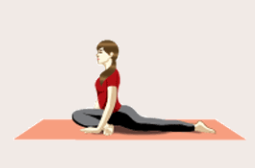
One Legged Pigeon Pose stretches the entire lower part of the body and stimulates the abdominal organs.

menstrual cramps- yoga pose 1

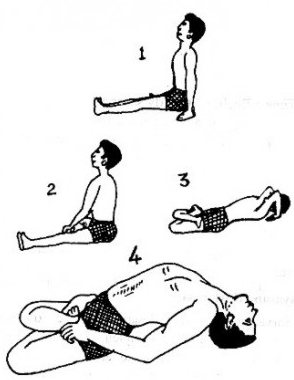
Matsyasana (Fish pose) is a backbend that stretches and stimulates the belly muscles.

menstrual cramps- yoga pose 2

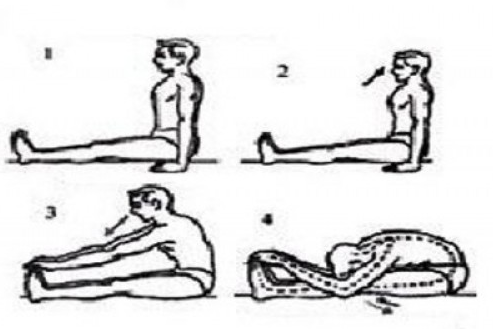
JanuShirasana (One-legged Forward bend) massages the abdominal organs.

menstrual cramps-yoga pose 3

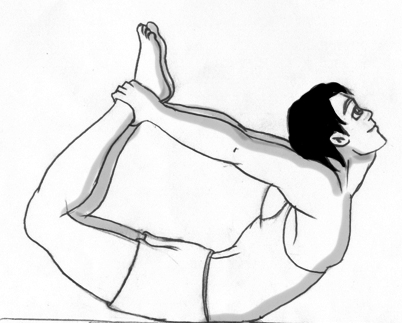
Dhanurasana (Bow pose) strengthens the abdominal muscles and stimulates the reproductive organs.

Menstrual cramps-Yoga pose 4

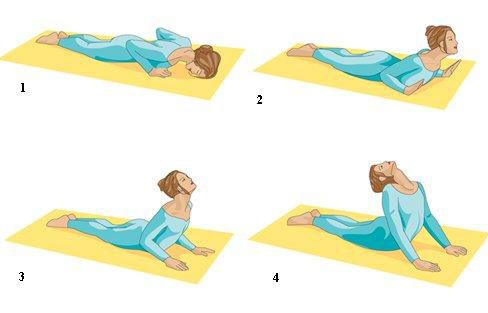
Bhujangasana (Cobra pose) stretches and tones the abdomen.

Menstrual Cramps-Yoga pose 5

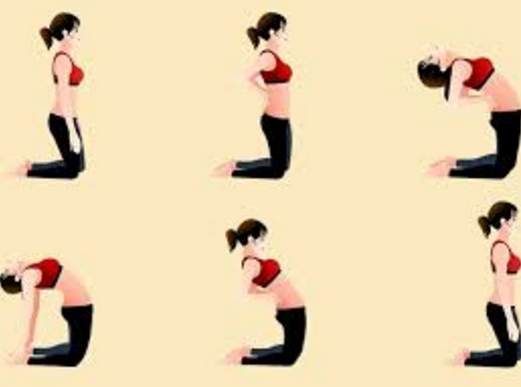
Ustrasana (Camel pose) stretches and opens the front of the body.

menstrual cramps-yoga pose 6

Yoga is one of the means to reach your goal of painless menstruation. Don’t forget to respect your body and give it time to overcome the pain.

We hope this article provides valuable insights into managing menstrual pain and helps you feel more empowered during your menstrual cycle. Remember, it’s essential to listen to your body and seek professional advice when needed. Do you have your own tips or experiences to share? Let us know in the comments below! For further information or guidance, reach out to our certified experts by subscribing to GOQii’s Personalised Health Coaching here.

#BeTheForce

Disclaimer: The information provided in this blog is for general awareness and educational purposes only. It is not intended to replace professional medical advice, diagnosis, or treatment. Always consult a qualified healthcare provider for personalised medical guidance or concerns related to your health.

  • « Previous Page
  • 1
  • …
  • 4
  • 5
  • 6
  • 7
  • 8
  • …
  • 11
  • Next Page »

Search

Recent Posts

  • India Leads in Longevity: GOQii Sanjeevini Named Top 40 in $101M XPRIZE
  • The Importance Of Knowing If You’re Thirsty Or Hungry
  • Best Foods To Alleviate Irritable Bowel Syndrome
  • ALL ABOUT VERTIGO!
  • PCOS and Anxiety: Discover Relief with the 54321 Technique

Stay Updated

Archives

  • December 2025 (8)
  • November 2025 (15)
  • October 2025 (20)
  • September 2025 (6)
  • August 2025 (6)
  • July 2025 (12)
  • June 2025 (18)
  • May 2025 (16)
  • April 2025 (23)
  • March 2025 (23)
  • February 2025 (22)
  • January 2025 (26)
  • December 2024 (26)
  • November 2024 (25)
  • October 2024 (22)
  • September 2024 (24)
  • August 2024 (31)
  • July 2024 (21)
  • June 2024 (26)
  • May 2024 (31)
  • April 2024 (27)
  • March 2024 (29)
  • February 2024 (26)
  • January 2024 (25)
  • December 2023 (15)
  • November 2023 (11)
  • October 2023 (20)
  • September 2023 (22)
  • August 2023 (20)
  • July 2023 (22)
  • June 2023 (24)
  • May 2023 (24)
  • April 2023 (24)
  • March 2023 (23)
  • February 2023 (20)
  • January 2023 (16)
  • December 2022 (12)
  • November 2022 (15)
  • October 2022 (15)
  • September 2022 (12)
  • August 2022 (10)
  • July 2022 (17)
  • June 2022 (11)
  • May 2022 (10)
  • April 2022 (6)
  • March 2022 (6)
  • February 2022 (13)
  • January 2022 (12)
  • December 2021 (7)
  • November 2021 (3)
  • October 2021 (6)
  • September 2021 (3)
  • August 2021 (8)
  • July 2021 (7)
  • June 2021 (15)
  • May 2021 (16)
  • April 2021 (10)
  • March 2021 (7)
  • February 2021 (4)
  • January 2021 (4)
  • December 2020 (3)
  • November 2020 (4)
  • October 2020 (10)
  • September 2020 (3)
  • August 2020 (3)
  • July 2020 (2)
  • June 2020 (4)
  • May 2020 (10)
  • April 2020 (12)
  • March 2020 (10)
  • February 2020 (4)
  • January 2020 (4)
  • December 2019 (3)
  • November 2019 (7)
  • October 2019 (5)
  • September 2019 (4)
  • August 2019 (9)
  • July 2019 (9)
  • June 2019 (11)
  • May 2019 (4)
  • April 2019 (9)
  • March 2019 (8)
  • February 2019 (9)
  • January 2019 (8)
  • December 2018 (9)
  • November 2018 (3)
  • October 2018 (3)
  • September 2018 (5)
  • August 2018 (10)
  • July 2018 (6)
  • June 2018 (13)
  • May 2018 (8)
  • April 2018 (18)
  • March 2018 (9)
  • February 2018 (8)
  • January 2018 (15)
  • December 2017 (12)
  • November 2017 (19)
  • October 2017 (13)
  • September 2017 (15)
  • August 2017 (4)
  • July 2017 (8)
  • June 2017 (7)
  • May 2017 (6)
  • April 2017 (8)
  • March 2017 (6)
  • February 2017 (7)
  • January 2017 (9)
  • December 2016 (10)
  • November 2016 (7)
  • October 2016 (7)
  • September 2016 (7)
  • August 2016 (11)
  • July 2016 (9)
  • June 2016 (9)
  • May 2016 (12)
  • April 2016 (17)
  • March 2016 (17)
  • February 2016 (8)
  • January 2016 (6)
  • December 2015 (2)
  • November 2015 (9)
  • October 2015 (7)
  • September 2015 (9)
  • August 2015 (11)
  • July 2015 (9)
  • June 2015 (12)
  • May 2015 (9)
  • April 2015 (13)
  • March 2015 (8)
  • February 2015 (5)
  • January 2015 (12)
  • December 2014 (14)
  • November 2014 (11)
  • October 2014 (6)
  • September 2014 (13)
  • August 2014 (12)
  • July 2014 (6)
  • June 2014 (2)
  • May 2014 (7)
  • April 2014 (5)

From “Laddu Nawin” to Fit and Fierce: How a 25-Year-Old Insurance Advisor Shed 20 Kilos and Gained His Life Back

When 25-year-old Nawin Yadav from Hyderabad walked into his office every morning, he carried more than just his files and policy papers. He had the weight of fatigue, sluggish energy, and an ever-growing belly that was becoming the butt of jokes. “People … [Read More...]

“I’ve Challenged Myself to Live 100 Years” – The Story of Chandubhai Savani’s Second Chance at Life

At 67, most people start slowing down. Not Chandubhai Savani. A resident of Surat, Chandubhai, thought life was on track. “My life was going well till I had my bypass surgery,” he says. That surgery, back in 2021, was a wake-up call.  Medication was routine, but exercise wasn’t. His diet? What he calls ‘normal.’ “I […]

From Shimla’s Slopes to Chandigarh’s Sidewalks: Surinder Kaur Bhalla’s Journey from Chaos to Control

Some journeys start with a plan. Others begin with a stumble literally. Surinder Bhalla, a government professional, born and raised in the scenic hill town of Shimla, had always lived a life of movement. “In Shimla, you walked everywhere,” she reflects. “Walking was never an exercise. It was just life.” But after shifting to Chandigarh, […]

Ananda Mukherjee Health Story

From Terminal Illness To Complete Wellness! Ananda Mukherjee Health Story

As we observe World Cancer Day under the powerful theme ‘United by Unique’ (2025-2027)**, we are reminded that every individual’s journey with cancer is distinct, yet united by shared resilience, hope, and the collective fight against this disease. This theme places people at the centre of care and their stories at the heart of the […]

  • HOME
  • HEALTHY LIVING
  • FITNESS
  • HEALTHY RECIPES
  • USER STORIES
  • KARMA
  • BUY GOQii

Copyright ©2016 GOQii