
GOQii

Blog

  • HOME
  • HEALTHY LIVING
  • FITNESS
  • HEALTHY RECIPES
  • USER STORIES
  • KARMA
  • BUY GOQii

Search Results for: work from home

December 2, 2024 By Neha Sharma 3 Comments

Easy and Effective Tabata Routine For Beginners

effective tabata routineWhen it comes to getting active and losing weight, people generally get confused about where to start. So, let’s look at this effective Tabata routine which is simple and easy. TABATA (also called Tabata protocol) is a type of HIIT (high intensity interval training). It originated when a Japanese Scientist Dr. Izumi Tabata and his team from The National Institute of Fitness and Sports at Kagoshima, Japan were working on the fact that shorter high intensity workouts followed by a shorter period of rest can impact the body better rather than longer periods of continuous workout.

The structure of program is like: 

  • Exercise hard for 20 seconds
  • Rest for 10 seconds
  • Complete 8 rounds

A combination of any exercise can be used in Tabata. It targets a wider range of muscles and helps in burning fat during and after workouts. 

Three major health benefits of this Effective Tabata routine are:

  1. Helps in burning more fat in a shorter period of time
  2. Helps in increasing endurance
  3. As it is high intensity training, it needs to be focused & attentive, thus, increases efficiency.

Before You Begin, Keep in Mind:  

  • A beginner has to first check his/her flexibility, efficiency and endurance before picking up the sets of exercises
  • Make sure to complete a dynamic warm up before you begin this easy and effective Tabata routine.
  • You can choose a group of 3-4 exercises for a week and then add some other exercises one by one depending upon your stamina.
  • Don’t do exercises in a hurry. Rather do it in proper posture and manner.
  • Always keep a stopwatch with you.

Exercise To Include In Your Tabata Routine  

There are basic 10 exercises which you can include in your Tabata protocol when you are planning to start. These are:

  1. Burpees: Toughest among all exercises and increases endurance, strength & power. It is most effective but for a beginner can be placed at last.
  2. Lunges: Can be included in beginners protocol & difficulty level can be increased once you are comfortable in traditional lunges.
  3. Jump Rope: It is an effective and portable form of exercise and can be included in the beginners list.
  4. Squat Jack: It combines two bodyweight exercises which are squats and jumping jacks. Can be safely included in the list.
  5. Tabata Sprints: It starts with 20 seconds of sprints followed by 10 seconds of walking, jogging or rest.
  6. Push Ups: One of the most simple and familiar exercises which can be included in the list.
  7. Super man: This will strengthen the back and core muscles and can be included in the list.
  8. Plank jack: These are simple. The difficulty level can be increased at one’s comfort ability.
  9. Mountain Climbers: Very effective for legs and most suitable for beginners.
  10. Windshield Wipers: Easy to do and can be included in the list and variations can be done later.

From the list above, you can choose any 4-5 exercises and start practicing according to the Tabata protocol and always start with high energy and not in a hurry.

For more effective workouts and to learn more about fitness, check out Healthy Reads or tune in to our live, interactive classes on GOQii PRO, where our experts will guide and motivate you in real time. Book a class now from the GOQii App.

#BeTheForce 

November 29, 2024 By Mubasheera Chaiwala Leave a Comment

Stress and You: A Comprehensive Guide to Managing Life’s Challenges-Part-1

India is still stressedPicture yourself about to deliver a crucial presentation at work. Standing before your colleagues, you feel your heart racing, your hands slightly sweaty, and your mind zeroing in on every word you’re about to say. That surge you feel? It’s stress at work—a natural response gearing you up to perform at your best. In this moment, stress isn’t a barrier; it’s a boost, keeping you sharp, focused, and ready to engage.

Stress plays a crucial role in many areas of our lives, whether it’s the drive to excel in an exam, perform well in a major game, or stay alert in a risky situation. However, like a double-edged sword, while stress can provide a helpful boost, excessive stress can start to hold us back. By understanding what stress is and how it impacts us, we can learn to harness it when it’s useful and manage it when it starts to feel overwhelming.

Let us understand what is Stress?

Stress is the body’s natural reaction to any demand or threat. When we sense danger—whether it’s real or perceived—the body triggers an automatic “stress response” designed to protect us, keeping us focused, energized, and alert. In emergencies, stress can even be life-saving, providing extra strength and heightened awareness to face the challenge.

However, stress isn’t always a negative force. It can serve as a motivator, helping us rise to challenges. For example, stress can keep us sharp during a work presentation, boost our focus in a game, or push us to study for an exam rather than indulge in distractions. In this way, stress can empower us to exceed our limits and achieve our goals. But when stress becomes chronic, it can start to affect our health, making it essential to manage it well.

What happens when you’re stressed?

When you experience stress, your nervous system releases a surge of stress hormones, including adrenaline and cortisol, priming your body for action. Your heart beats faster, muscles tense, blood pressure rises, breathing quickens, and your senses sharpen. However, after a certain point, stress ceases to be helpful and can begin to harm your health, mood, productivity, relationships, and overall quality of life.

Common symptoms of stress-

Cognitive symptoms

  1. Memory problems- Inability to concentrate
  2. Constant worrying
  3. Mood swings, irritability, anger

Physical symptoms                                                                              

  1. Chest pain, rapid heart rate
  2. Frequent colds or flu
  3. Aches and pains
  4. Dark circles, skin pigmentation

Behavioral symptoms

  1. Eating more or less
  2. Sleeping too much or too little
  1. Withdrawing from others
  2. Procrastinating or neglecting responsibilities
  3. consuming alcohol, smoking, or drugs to relax, Nervous habits (e.g. nail biting)

Health Problems Related to Stress:

Diabetes

Stress can worsen diabetes in two ways. Hormones like cortisol, cortisone, and hydrocortisone play a major role in the body’s response to stress. Under the influence of cortisol, blood sugar levels are maintained and can even rise during stressful times. These hormones are responsible for converting glycogen into glucose. Any type of stress increases cortisol levels in the blood. Additionally, stress raises the likelihood of unhealthy behaviours, such as poor eating habits and excessive drinking.

Hypertension and Heart Disease

People who are stressed have a higher risk of high blood pressure and heart problems. Stress can directly increase heart rate and blood flow, causing the release of cholesterol and triglycerides into the bloodstream. It’s also possible that stress is linked to other issues—like an increased likelihood of smoking or obesity—that indirectly elevate heart risks.

Things to do to effectively manage stress:

  1. Eat a well-balanced diet, food rich in important vitamins and minerals that help in managing stress (we will discuss the food helping in managing stress in PART 2)
  2. Yoga is a popular physical and mental health enhancer
  3. Exercise can be a great stress reliever. It changes one’s outlook and the day will seem far less tense.
  4. Massage is a form of enforced physical relaxation and mental relaxation to reduce stress.
  5. Being assertive. Assertive people tend to have less conflicts, and are understanding.
  6. Cultivate the power of patience, it will do you a lot of good.
  7. Keep yourself occupied so that your mind doesn’t think of those matter that hurt you. (example if watching news that make you sad .. try not to watch it and watch something funny and light.).
  8. Read books that motivate you.
  9. Try doing things that make you happy. For instance playing your favourite sport, going on a long drive, hanging out with friends or calling them home.

This concludes Part 1 of our comprehensive guide to stress management. We hope this article provided valuable insights into understanding and managing stress effectively. Stay tuned for Part 2, where we’ll delve into the role of nutrition and advanced strategies in stress management.

For more informative articles on health and well-being, explore Healthy Reads. For further guidance on managing stress and lifestyle, speak to a certified expert by subscribing to GOQii’s Personalised Health Coaching here.

#BeTheForce

Disclaimer: The information provided in this blog is for general awareness and educational purposes only. It is not intended to replace professional medical advice, diagnosis, or treatment. Always consult a qualified healthcare provider for personalised medical guidance or concerns related to your health.

November 28, 2024 By Pradnya Shinde Leave a Comment

Minimalist Living – Why Less is More!

minimalist living

“If you don’t know what you want, you end up with a lot you don’t,” – Well, if you have read Chuck Palahniuk’s masterpiece Fight Club, you’ll be familiar with this quote. It is funny how a work of fiction can hold so much relevance in the world we live in and maybe Tyler Durden, the film’s protagonist, was right when he said, “The things you own, end up owning you.”

How many times have you browsed through an online shopping portal and thought, “Oh! I might need a new phone”, “Wow! This is on discount. I should get this,” or just bought something that you don’t really need and it just sits on a shelf till you forget about it? No one would blame you. We’re living in the peak of consumerism where everything you need and don’t need is just a finger tap away.

Does happiness really exist in a big home with perfect flooring and matching drapes? Does it exist in a fancy car, smart electronic devices, furniture, fashionable clothes, jewellery, footwear et al? What if the answer was in the opposite direction?

When it comes to living a wholesome, healthy and holistic lifestyle, anything which is in excess is bad! Be it food, exercise, thoughts and even the things we surround ourselves with. One of the best ways to achieve good mental health is to declutter and take up minimalist living.

What is Minimalism?

Minimalism, in essence, is living with less. The whole idea is to live a life based on experiences rather than worldly possessions. This includes decluttering or minimum usage of things such as furniture, clothes, accessories, etc. It is a personal change one makes to add value to their life. You can choose what is important to you and throw away things which are not.

What are the Benefits of Minimalist Living?

Minimalist Living does involve sacrificing things you think you might need. Not necessarily the best life choice for hoarders and might seem a bit unnecessary but it needs to be done! Trust me, the pros most definitely outweigh the cons!

For instance, decluttering and reducing the number of things you own helps you focus only on the important things in life. With less distractions, you can pay attention to things that require it. This does not mean you throw out things important to you. Keep the things you really need and thrown away the things you don’t.

More space and less junk will definitely help you be more productive. A clean and organized house definitely reduces a lot of stress! More so, you have a lot less financial burdens and avoid unnecessary expenses.

How Do You Do It?  

Let’s get started! Observe your home and your belongings. Make a list of things which you have not used in a year or two. There are less chances you will need it again so get rid of it.

Here, I am sharing a sample list to help you out:

  • Unused and worn out clothes, shoes, socks, etc.
  • Excess clutter in wallet
  • Unwanted receipts, bills, papers, books, manuals, etc.
  • Old electronics/ wires/ chargers/ batteries
  • Unused and expired beauty products and medication
  • Unused stationery that doesn’t work
  • Unused cleaning products
  • Broken or unused furniture
  • Damaged plastic containers
  • Kitchen gadgets and appliances you don’t use
  • Extra towel/ cushions/ scarf/ gloves
  • Junk drawer
  • Extra bags
  • Anything that you don’t know the purpose of

Remove all of it from your home. You can donate the things you don’t need to somebody who might have use for it or just resell, recycle or repurpose it.

You’re all done! Does it feel good?

Furthermore, you can also make additional changes to keep this habit going by thinking before you buy. Don’t purchase it just because you might need it in the future or because it is on sale. Buy only when you need. Regularly keep a check and see if you’re cluttering again.

In the next article, we will explore the wonderful benefits that minimalism offers and how it can help your health and life!

Stay tuned and #BeTheForce!

November 11, 2024 By GOQii 6 Comments

How You Can Manage Stress With Nutrition!

manage stressStress and nutrition have always been linked – it’s a fact that has been in existence for years. It’s no rocket science to realize that someone with a healthy and balanced diet is likely to be far less stressed than someone with a poor diet.



Stress has become a common factor in one’s life. Various factors such as pressures from home or work, some unforeseen circumstances or situations completely beyond our control that lead to stress. What’s even more common is that while stressed, people tend to eat. This involves a lot of comfort food like macaroni and cheese, pizza, and ice cream.

All these high-fat foods are usually the worst possible choices because they can make us feel lethargic and unable to deal with stress. To add to this, stress can drive up our blood pressure and raise serum cholesterol levels, wreaking havoc on our arteries and increasing risk of heart attacks.

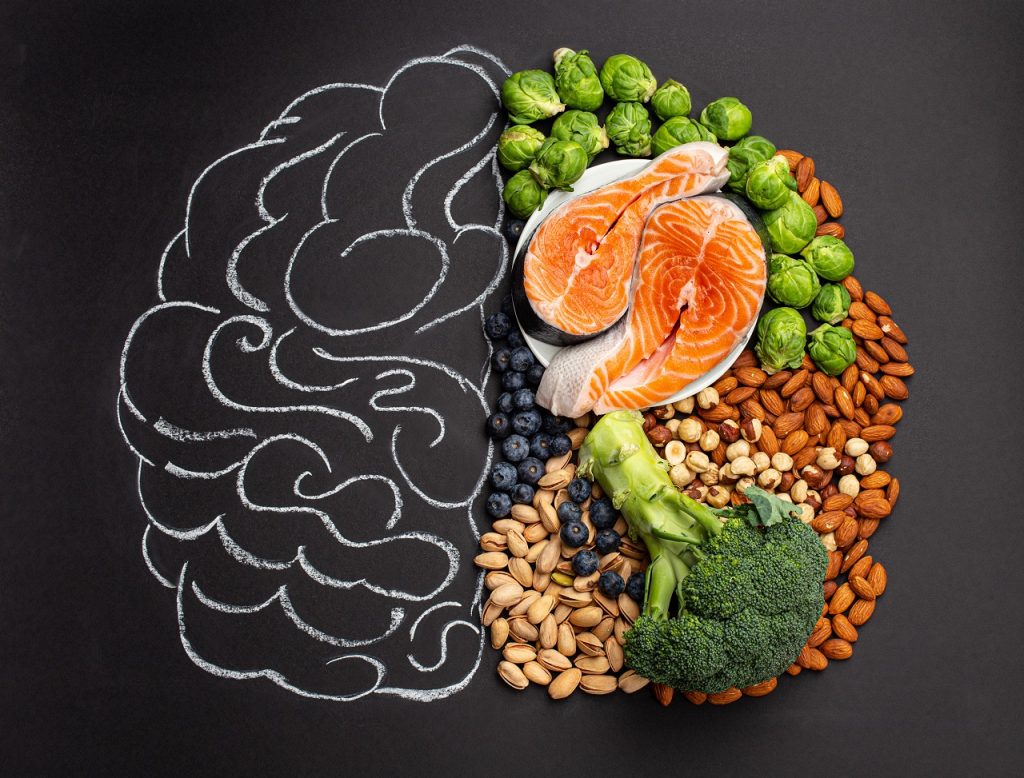
Best solution? Low-fat, high-fiber, carbohydrate-rich meals with plenty of fruits and vegetables. They soothe us without sapping our energy and give us the nutrients we need to boost our immune system.

Which Foods Help You Manage Stress? 

  • Water: It hydrates a person, makes one more energetic and less stressed!
  • Asparagus: I know, these slender stalks are known to make your urine smell funny, but they are high in folate, which is essential for keeping your cool 
  • Avocados: These creamy fruits stress proof your body. Rich in glutathione, a substance that specifically blocks intestinal absorption of certain fats that cause oxidative damage, avocados also contain lutein, beta-carotene, Vitamin E and more folate than any other fruit. 
  • Berries: Blueberries have some of the highest levels of antioxidants known as anthocyanin and they have been linked to all kinds of positive health outcomes, including sharper cognition. But, all berries, including strawberries, raspberries and blackberries are rich in vitamin C which has been shown to be helpful in combating stress. 
  • Chocolate: besides the healthy antioxidants in this treat which push chocolate to the top of most heart-healthy food lists, Chocolate also has an undeniable link to mood but, moderation is key to it.
  • Green tea: has an amino acid called theanine. This slimming food is a brain booster as well as enhances mental performance.
  • Oatmeal: a complex carbohydrate, Oatmeal causes your brain to produce serotonin, a feel-good chemical.
  • Fresh fruits and vegetables: Vegetables have high fiber content, which is helpful in treating constipation -another long term effect of stress. Fresh fruits and vegetables provide an array of vitamins and minerals that are great for reducing stress. 
  • Fish: such as Mackerel contain Omega fatty acids, which are extremely good for the heart and can protect you from heart diseases. Fish also contains choline – a great memory booster.
  • Yogurts: provide minerals including calcium, essential to maintain well functioning nerve impulses. 
  • Herbal Products: Herbal items such as Dandelion, Chamomile, and Passion flower to name a few, relax both the body and mind.

Having said the above, there are certain foods and drinks that can aggravate stress. It doesn’t necessarily mean that you should avoid some of them completely but, it is advised that you consume them in moderation.

Foods That May Trigger Stress 

  • Tea, coffee, cocoa, energy drinks: These drinks contain neuro-stimulators like caffeine and theobromine, which are proven to heighten stress. 
  • Fast foods and takeaways: contain high levels of protein, fats and carbohydrates that don’t contain vital minerals and vitamins, which in turn induce stress. 
  • Sugar: Stress causes an increase in blood glucose levels, which can in turn lead to a higher risk of developing diabetes. 
  • Soda, Alcohol, soft drinks and chocolate drinks: The high level of carbon dioxide and sugars in beverages can aggravate stress. Soft drinks need to be considered as an unnecessary addition to your diet. 

So before you go in to grab that cold aerated beverage or have a cheesy burger to relieve your stress, think twice and instead go for the healthier food options suggested above!

We hope this article helps you manage stress with nutrition! For more tips to help you manage stress better, check out Healthy Reads or ask an expert by subscribing for GOQii’s Personalised Health Coaching here.

#BeTheForce

Disclaimer: The information provided in this blog is for general awareness and educational purposes only. It is not intended to replace professional medical advice, diagnosis, or treatment. Always consult a qualified healthcare provider for personalised medical guidance or concerns related to your health.

  • « Previous Page
  • 1
  • …
  • 20
  • 21
  • 22
  • 23
  • 24
  • …
  • 75
  • Next Page »

Search

Recent Posts

  • 4 Reasons Why Affirmations Are Not Working For You
  • The Social Side of GLP-1: Navigating “Food Culture” and Peer Pressure
  • Leaky Gut: Symptoms and Causes
  • Muscle Is Your Insurance Policy: Why Strength Predicts Lifespan More Than Cardio
  • The Fiber Gap: Managing Digestion on GLP-1 Therapy

Stay Updated

Archives

  • March 2026 (1)
  • February 2026 (14)
  • January 2026 (14)
  • December 2025 (19)
  • November 2025 (15)
  • October 2025 (20)
  • September 2025 (6)
  • August 2025 (6)
  • July 2025 (12)
  • June 2025 (18)
  • May 2025 (16)
  • April 2025 (22)
  • March 2025 (23)
  • February 2025 (22)
  • January 2025 (25)
  • December 2024 (22)
  • November 2024 (23)
  • October 2024 (21)
  • September 2024 (24)
  • August 2024 (30)
  • July 2024 (21)
  • June 2024 (26)
  • May 2024 (31)
  • April 2024 (27)
  • March 2024 (29)
  • February 2024 (25)
  • January 2024 (21)
  • December 2023 (15)
  • November 2023 (11)
  • October 2023 (19)
  • September 2023 (22)
  • August 2023 (18)
  • July 2023 (22)
  • June 2023 (24)
  • May 2023 (24)
  • April 2023 (23)
  • March 2023 (23)
  • February 2023 (19)
  • January 2023 (15)
  • December 2022 (11)
  • November 2022 (15)
  • October 2022 (15)
  • September 2022 (12)
  • August 2022 (10)
  • July 2022 (17)
  • June 2022 (11)
  • May 2022 (10)
  • April 2022 (6)
  • March 2022 (6)
  • February 2022 (13)
  • January 2022 (11)
  • December 2021 (7)
  • November 2021 (3)
  • October 2021 (6)
  • September 2021 (3)
  • August 2021 (8)
  • July 2021 (7)
  • June 2021 (15)
  • May 2021 (16)
  • April 2021 (10)
  • March 2021 (7)
  • February 2021 (4)
  • January 2021 (4)
  • December 2020 (3)
  • November 2020 (4)
  • October 2020 (10)
  • September 2020 (3)
  • August 2020 (3)
  • July 2020 (2)
  • June 2020 (4)
  • May 2020 (10)
  • April 2020 (12)
  • March 2020 (10)
  • February 2020 (4)
  • January 2020 (4)
  • December 2019 (3)
  • November 2019 (7)
  • October 2019 (5)
  • September 2019 (4)
  • August 2019 (9)
  • July 2019 (9)
  • June 2019 (11)
  • May 2019 (4)
  • April 2019 (8)
  • March 2019 (8)
  • February 2019 (9)
  • January 2019 (8)
  • December 2018 (9)
  • November 2018 (3)
  • October 2018 (3)
  • September 2018 (5)
  • August 2018 (10)
  • July 2018 (6)
  • June 2018 (13)
  • May 2018 (8)
  • April 2018 (18)
  • March 2018 (9)
  • February 2018 (8)
  • January 2018 (15)
  • December 2017 (12)
  • November 2017 (19)
  • October 2017 (13)
  • September 2017 (15)
  • August 2017 (4)
  • July 2017 (8)
  • June 2017 (7)
  • May 2017 (6)
  • April 2017 (8)
  • March 2017 (6)
  • February 2017 (7)
  • January 2017 (9)
  • December 2016 (10)
  • November 2016 (7)
  • October 2016 (7)
  • September 2016 (7)
  • August 2016 (11)
  • July 2016 (9)
  • June 2016 (9)
  • May 2016 (12)
  • April 2016 (17)
  • March 2016 (17)
  • February 2016 (8)
  • January 2016 (6)
  • December 2015 (2)
  • November 2015 (9)
  • October 2015 (7)
  • September 2015 (9)
  • August 2015 (11)
  • July 2015 (9)
  • June 2015 (12)
  • May 2015 (9)
  • April 2015 (13)
  • March 2015 (8)
  • February 2015 (5)
  • January 2015 (12)
  • December 2014 (14)
  • November 2014 (11)
  • October 2014 (6)
  • September 2014 (13)
  • August 2014 (12)
  • July 2014 (6)
  • June 2014 (2)
  • May 2014 (7)
  • April 2014 (5)

From “Laddu Nawin” to Fit and Fierce: How a 25-Year-Old Insurance Advisor Shed 20 Kilos and Gained His Life Back

When 25-year-old Nawin Yadav from Hyderabad walked into his office every morning, he carried more than just his files and policy papers. He had the weight of fatigue, sluggish energy, and an ever-growing belly that was becoming the butt of jokes. “People … [Read More...]

“I’ve Challenged Myself to Live 100 Years” – The Story of Chandubhai Savani’s Second Chance at Life

At 67, most people start slowing down. Not Chandubhai Savani. A resident of Surat, Chandubhai, thought life was on track. “My life was going well till I had my bypass surgery,” he says. That surgery, back in 2021, was a wake-up call.  Medication was routine, but exercise wasn’t. His diet? What he calls ‘normal.’ “I […]

From Shimla’s Slopes to Chandigarh’s Sidewalks: Surinder Kaur Bhalla’s Journey from Chaos to Control

Some journeys start with a plan. Others begin with a stumble literally. Surinder Bhalla, a government professional, born and raised in the scenic hill town of Shimla, had always lived a life of movement. “In Shimla, you walked everywhere,” she reflects. “Walking was never an exercise. It was just life.” But after shifting to Chandigarh, […]

Ananda Mukherjee Health Story

From Terminal Illness To Complete Wellness! Ananda Mukherjee Health Story

As we observe World Cancer Day under the powerful theme ‘United by Unique’ (2025-2027)**, we are reminded that every individual’s journey with cancer is distinct, yet united by shared resilience, hope, and the collective fight against this disease. This theme places people at the centre of care and their stories at the heart of the […]

  • HOME
  • HEALTHY LIVING
  • FITNESS
  • HEALTHY RECIPES
  • USER STORIES
  • KARMA
  • BUY GOQii

Copyright ©2016 GOQii
