Maintaining immunity during winter is imperative, especially for seniors. It’s quite crucial to take care of their nutritional needs as they face the greatest risk of cold and flu viruses and issues like joint pain, hypothermia (which may also lead to stroke or heart attack), dry skin, aggravation of asthmatic attacks or respiratory problems. So, let’s look at some nutrition guidelines for seniors during winter!
Nutrition Guidelines For Seniors
Some daily dietary nourishment tips that can help seniors tackle common winter problems include:
- Omega-3 fatty acids: Fatty fish like salmon, tuna, mackerel, walnuts, flaxseeds, chia seeds and avocado are some excellent sources of Omega-3 fatty acids. Omega-3 fatty acids are beneficial in reducing inflammation especially in arthritis, curbing heart disease and they also play a role in cognitive development in elderly.
- Seasonal fruits and vegetables like all the leafy greens, berries, citrus fruits, root vegetables like beetroot, carrots and sweet potatoes. All of these are high in antioxidants, vitamins, minerals and dietary fiber which help easing the bowels.
- Winters mean less exposure to the sun which may be a reason for Vitamin D deficiency and impaired calcium absorption which affects bone health further. Hence, Vitamin D fortified cereals, egg yolk, milk and milk products need to be a part of the diet regularly.
- The cold climate leads to less water intake due to the urge to urinate frequently which can act as a hindrance to our elders to maintain optimal fluid intake. Inclusion of warm soups, decaffeinated beverages, warm milk, vegetable juices, citrus fruits and gourd vegetables help them in maintaining the hydration status. A well hydrated body aids good digestion, helps in transport of nutrients and also improves the performance of joints and muscles.
- Habituate elders to have 5-6 small but frequent meals. It is essential for improving metabolism, regulating insulin levels and improving calorie intake in older individuals who face a diminished appetite.
Apart from good nutrition, maintaining some basic physical activity within the vicinity of the house is equally important to reduce joint pains and muscle stiffness by improving blood flow to all parts of the body and aiding better digestion and good metabolism.
We hope these nutrition guidelines for seniors during winter helps you take care of the elderly in your family and around you. Do leave your thoughts in the comments below. For more on healthy living for senior citizens, check out Healthy Reads or ask a GOQii Coach by subscribing for Personalised Health Coaching here.
#BeTheForce
 With winter around the corner, we all look forward to the beautiful, exciting days ahead! Despite the cold weather, winters bring a warm feeling that compels us to spend time with friends, family, outdoor picnics, get-togethers coupled with good food and warm drinks! Ah! You get the picture.
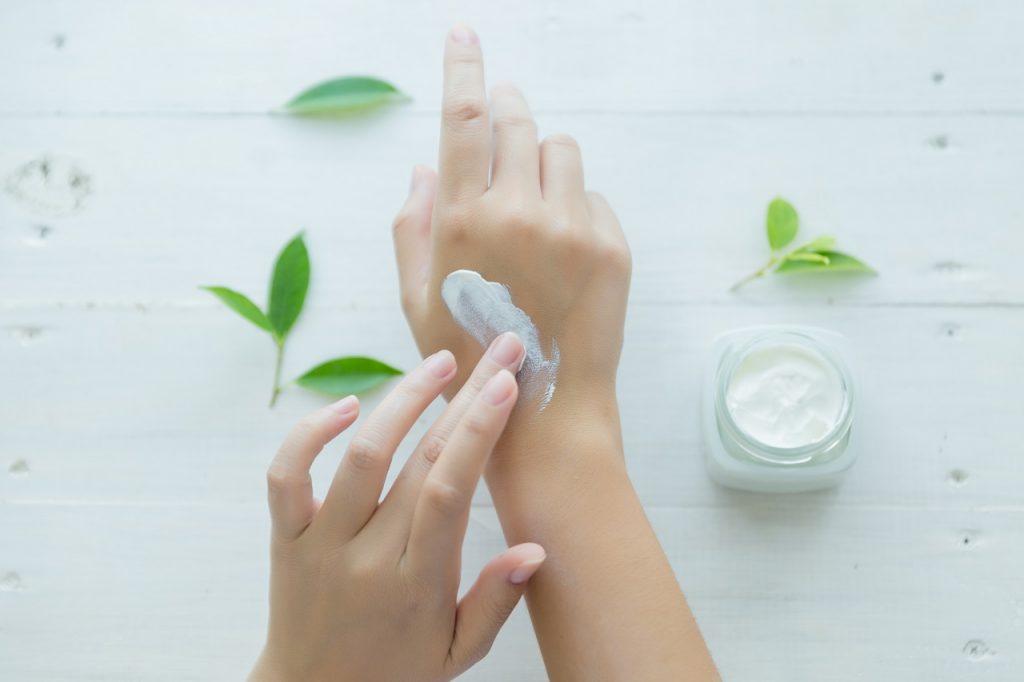
  Using Sunscreen during winter! What? Well, even in winters, the UV Rays are powerful enough to damage and age your skin. Before you step outside, apply a moisturizing, broad-spectrum sunscreen with an SPF of 15 or higher to all exposed areas of your body. To know which sunscreen you should pick,
  Shrug off the winter chills by keeping your energy levels up by staying active! Exercising regularly improves blood circulation and removes toxins from our system. This helps keep the skin healthy, beside other numerous health benefits. Don’t wait till New Years to join a gym. Start now!
 Remember to cover yourself up well before moving out to avoid overexposure to the cold air. Use scarves, hats, gloves, etc. to cover your head, neck and hands. If your skin is already irritated, avoid synthetic woolens and use soft, comfortable and loose-fitting clothes instead.