GOQii

Blog

  • HOME
  • HEALTHY LIVING
  • FITNESS
  • HEALTHY RECIPES
  • USER STORIES
  • KARMA
  • BUY GOQii

Search Results for: winter

January 16, 2024 By Dr. Viral Thakkar 5 Comments

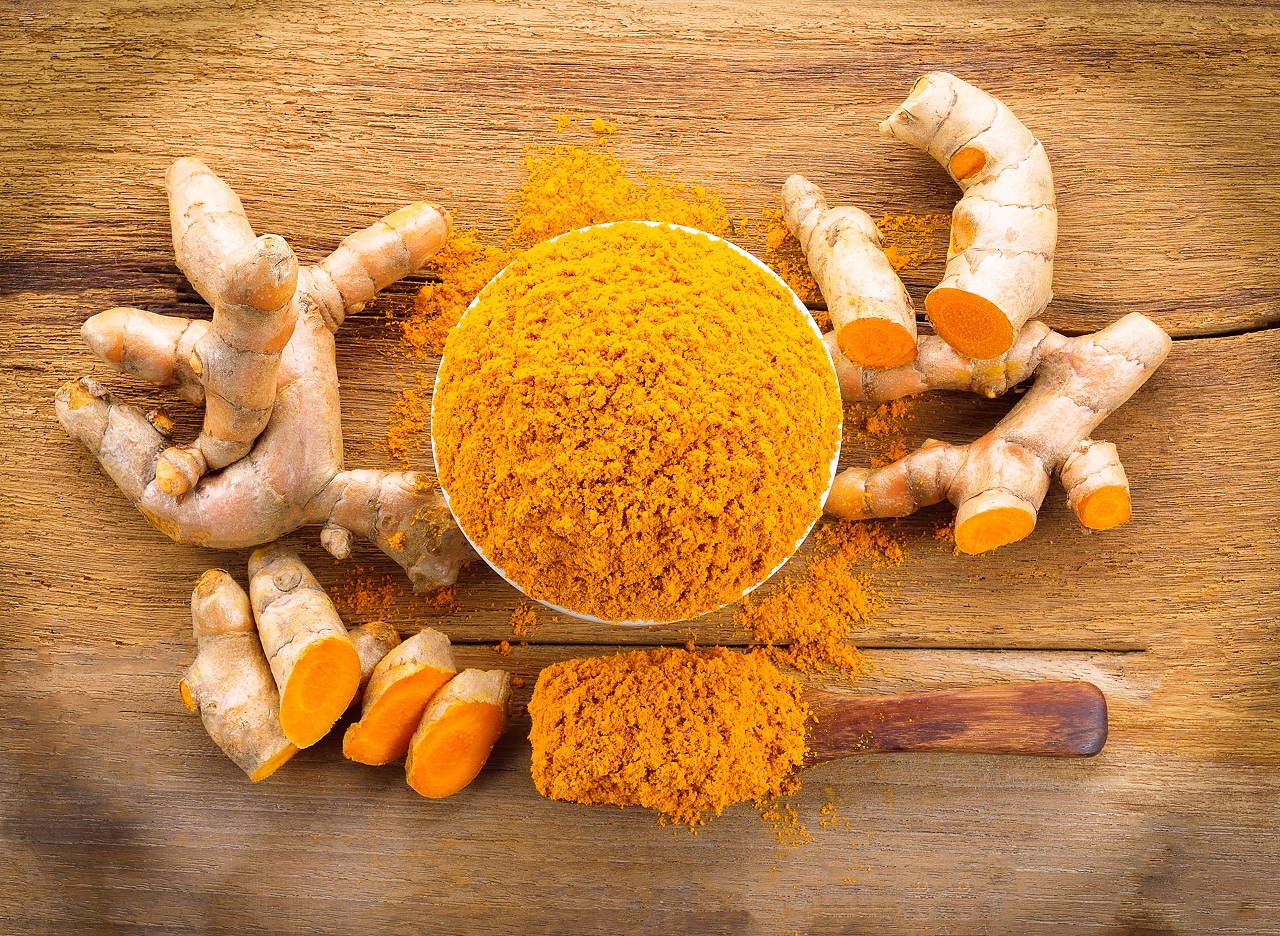
Turmeric- ‘Haldi’- for Health

Curcumin

Bablu disliked ‘Haldi Dhoodh’ (Turmeric Milk) to no extent. He could endure anything but turmeric powder in his milk. But alas, his mother insisted and as a child he could not do much about it. Bablu’s mother believed that turmeric is a wonder ‘drug’ for numerous ailments. As he got a bit older he also got aware and realised during winters he never succumbed to common ailments like cough and cold. His immune system was stronger than many of his friends. He enjoyed his health! But, always   wondered how!

Turmeric is derived from the rhizomes of the plant Curcuma longa, which is a member of the ginger family. It has the compounds with medicinal properties which is Curcumin. Even though Curcumin is 3% of turmeric, the use of turmeric is not lessened in anyway. Curcumin is the most active component of turmeric and has powerful antioxidant and anti-inflammatory properties. This is precisely the reason that ‘Haldi’(turmeric) finds a special place in India (Ayurveda) for many ailments.

Turmeric is Anti- inflammatory

  • Turmeric contains more than two dozen anti-inflammatory compounds including six different COX-2-inhibitors (the COX-2 enzyme promotes pain, swelling and inflammation).
  • External application of turmeric is beneficial for sprains and swellings because of the Curcumin compound.
  • Due to its anti-inflammatory properties and pain relieving properties, Curcumin and turmeric is used for arthritic pain.
  • Because inflammation is closely linked to tumor promotion, Curcumin with its potent anti-inflammatory property is anticipated to exert chemopreventive effects on carcinogenesis. Hence, the past few decades have witnessed intense research devoted to the antioxidant and anti-inflammatory properties of Curcumin.

Turmeric Prevents

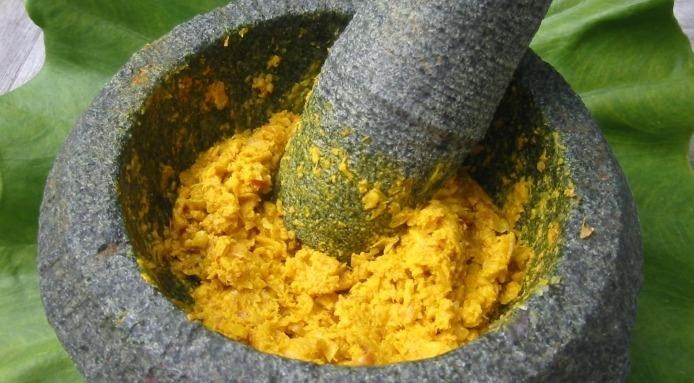
The antibacterial and anti-viral action of curcumin makes it the best remedy to treat cough and cold naturally. The anti-inflammatory action of curcumin aids in relieving the chest congestion that develops in people suffering with chronic cough. It is advised to include turmeric in a daily diet during winters to prevent viral and bacterial infection. The dosage could be –one tsp turmeric with a glass of warm milk.One can also have a 1-2 tsps of turmeric powder without mixing it for the same effect.
Turmeric Prevents

Turmeric Heals

  • Curcuma has natural antiseptic and antibacterial properties and can be used as effective disinfectant in case of cuts and minor burns. Turmeric also helps repair damaged skin and may be used to treat psoriasis and other inflammatory skin conditions.
  • Turmeric with other constituents has a great effect- Having haldi (Turmeric) mixed with mustard oil and onion juice every hour stops rectal bleeding in piles in most of the cases.
  • As a rich source of iron, turmeric is valuable for anemia.
  • Curcuma has protective action on intestinal flora. Curcuma is beneficial in Crohn’s disease (an ailment that affects the digestive tract) and ulcerative colitis.

Turmeric Boosts General Health

  • Curcumin Detoxifies the liver- It helps in stimulating bile production in the liver and encouraging excretion of bile via the gallbladder, which improves the body’s ability to digest fats.
  • It balances cholesterol levels, fights allergies, stimulates digestion, boosts immunity and enhances the complexion.
  • Studies suggest that curcumin has several properties that could make it effective at preventing Alzheimer’s disease.

Turmeric is Anti- cancer

  • Curcumin powder mixed with pure cow’s ghee(Clarified Butter) might wade away cancer cells in most cases and also regenerates new cells in the body.
  • Curcuma has been demonstrated to inhibit tumor growth and stimulate apoptosis, an intracellular mechanism for cells of all types to “kill” themselves. It neutralizes those substances and conditions which can cause cancer.
  • It directly helps a cell retain its integrity if threatened by carcinogens.

Turmeric is an Effective Cosmetic

  • Turmeric paste mixed with aloe vera, water and milk will clear your skin as well. Turmeric mixed with gram flour (besan) is an effective & cheap scrub, and is known to clear tan. 

So if you say yes to your health, haldi  (Turmeric) has to find some space in your scheme of affairs! 

If you’ve found these turmeric health benefits valuable and have more questions or thoughts to share, drop a comment below! For further insights into maintaining a healthy lifestyle, explore more on Healthy Reads. If you’re seeking personalised guidance, reach out to our certified experts by subscribing to GOQii’s Personalised Health Coaching here.

#BeTheForce
January 9, 2024 By Neha Kapoor 5 Comments

6 Magical Herbs That Can Help You Sleep

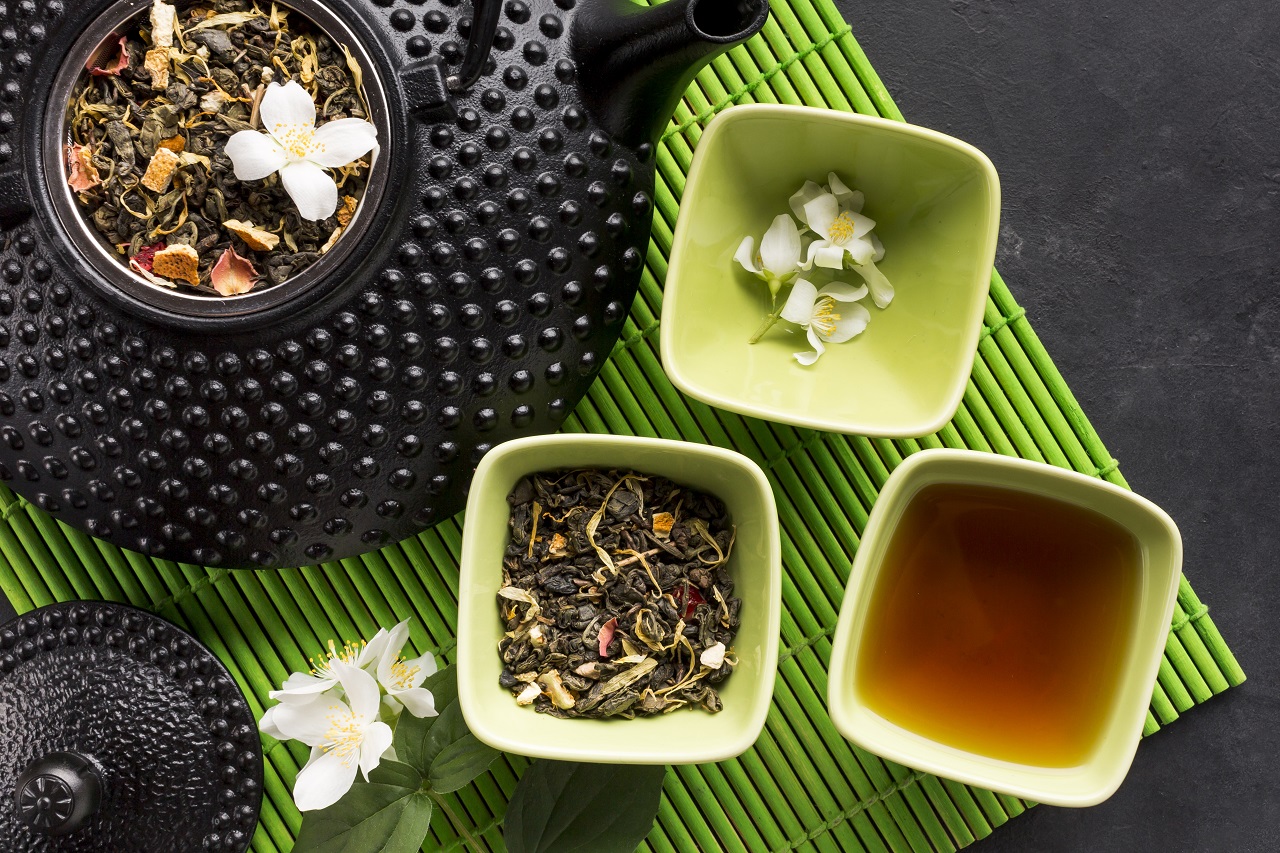
6 Magical Herbs To Help You Sleep There are many people who face severe issues of sleep disorder and it is difficult for them to fall asleep. Sleep is a key component of good health. They say humans need at least 8 hours of sleep a night to rejuvenate and restore their bodies. Unfortunately, in the days of stress, chaos, constant electronic bombardment, adrenal fatigue, and hormonal craziness, we are seeing people generally getting less sleep, and the sleep they do get, tends to be interrupted in some way. This means the sleep quality and quantity have a lot to be desired. Thankfully, we have these 6 magical herbs which can help you relax, rejuvenate, and come to a quiet place of rest and relaxation.

6 Magical Herbs To Help You Sleep

1. Ashwagandha (Winter Cherry)

It is an adaptogen with strong affinities towards the nervous system. It helps the body deal with stress and hormone fluctuations caused by stress, especially helping regulate cortisol levels at night time. Cortisol is what wakes you up at 2 am thinking about a million things at once and not being able to fall back asleep. Taking 500mg of Ashwagandha daily can help your body even out stress hormone levels which can help you get a good night sleep. It has also been shown to ease anxiety and depression.

2. Chamomile

It is a wonderful calming herb. It relaxes both the body (muscles) and the mind. It is also a wonderful, gentle sedative. It is safe and effective for children. Chamomile tea sipped by a breastfeeding mother can soothe the baby after breastfeeding. Toddlers can sip chamomile tea with a little bit of honey before bedtime to calm them down. Adults can drink 1-2 cups of chamomile tea at the end of the day to help calm down before bedtime. Steep chamomile in hot water for 10 minutes in a tightly capped jar, strain and enjoy.

Chamomile oil can also be put in bath water (5-6 drops) to soothe overwrought nerves, diluted to 2% to make an excellent massage oil, or used as an inhalant.

Dose: Tea, 1 cup 2-3x daily; Tincture, 30 drops 3 x daily.

3. Lavender

Everyone knows that Lavender is great for relaxing and calming the mind and body. The essential oil can be diffused in the evenings alone or combined with other relaxing essential oils to bring on a state of peace and relaxation. The leaves can be drunk as a tea, or added to food. It is great for insomnia, agitation and restlessness. Lavender is a gentle strengthening tonic for the nervous system as well. A few drops of lavender oil added to a bath before bedtime are recommended for persons with sleep disorders. Additionally, the oil may be used as a compressor massage oil or simply inhaled to alleviate insomnia.

Dose: Tea, 1 cup 2-3 x daily; Essential oil may be inhaled, massaged into the skin (use 10 drops essential oil per ounce of vegetable oil), or added to baths (3-10 drops).

4. Passionflower

It’s a great herb for people who wake frequently throughout the night. It is a safe herb for most (excluding excessive use in pregnancy, especially in the first trimester), including children and can be taken in large doses frequently. It is used to promote a deep restful sleep and ease anxiety. Take 30-60 drops of passionflower tincture an hour before hitting the bed, and again at bedtime if you are not yet tired. The herb can be combined with others to make a wonderful night time tea as well. Passionflower is used for minor sleep problems in both children and adults (Bruneton, 1995). It is an excellent sedative with no side effects even when used in large doses (Spaick, 1978).

Dose: Tea, 1 cup 3x daily; Tincture, 30-60 drops 3-4x daily.

5. Lemon balm

It is used primarily to lift the mood and promote calmness and relaxation. Since depression is often related to insomnia, probably because of a lack of serotonin, lemon balm can help you achieve sleep by promoting mental and physical health. Several studies have confirmed its sedative effects, however, it should be noted that too high of a dosage (1800 milligrams) increases anxiety.

To make it into a mild, uplifting, and relaxing tea. You will need:

  • 2 tablespoons of dried lemon balm, or 8-10 tablespoons of fresh lemon balm
  • 2 teaspoons dried chamomile
  • Honey to taste (optional)
  • 8 ounces of fresh water

Directions: Place the loose herbs in a mug and cover with 8 ounces of boiling water. Steep for 5 minutes, strain, and drink 30-45 minutes before bed.

6. California Poppy

This is a great herb for insomnia due to restlessness and anxiety (and it’s safe and gentle enough for children). This herb not only helps you to fall asleep, it improves the quality of your sleep as well. A tincture is the most powerful way to take this. Try 30-40 drops twice daily (the second dose close to bedtime).

These herbs can be combined to make a lovely relaxing night time tea that works for your specific needs. That is the great thing about herbs, some speak to you more than others. Those are typically the herbs that you should do some more work with to see if they suit you!

Before you try any of these herbs, have a word with your doctor, dietitian or nutritionist. You can also speak to our Coaches and Experts by subscribing for GOQii’s Personalised Health Coaching here.

For more articles on sleep and sleep tips, check out Healthy Reads.

#BeTheForce

January 8, 2024 By Seema Mukund 11 Comments

Does Exercising In Cold Weather Have Any Special Benefits?

exercising in cold weatherWinter months are usually chilly and these months create some form of physiological stress to the body. A healthy person can cope up with this kind of stress more easily than an unhealthy one. Even if your new year’s resolution is to get active, it can be tough to find the motivation to get out of bed on a cold and chilly morning. But, is there any difference between exercising in cold weather compared to other seasons? 
Benefits of Exercising in Cold Weather 

  • Burns more calories: Your body tries to keep warm and keep up the core temperature. In cold weather, the body needs to push itself harder to maintain the inside temperature to balance with the outer environment temperature.
  • Boosts immunity: Boosting immunity during the cold weather helps to ward off common viruses causing cold and flu. Exercise helps in the production of WBC (white blood cells) that help fight infections in our body.
  • Improves endurance: Exercising in cold weather increases the efficiency of the workout as the heart has to pump harder to maintain the normal blood flow to all organs effectively. 
  • Staying slim: Brown fat, also called brown adipose tissue, helps produce more energy compared to white fat. Brown fat production happens in cold weather. Brown fat keeps up the heat production through cold weather and temperature regulation within the body.
  • Stronger bones: Warm sunlight on a cold morning is an experience in itself. It indirectly helps in getting doses of Vitamin D as you tend to exercise in sunlight during cold months. More Vitamin D = stronger bones! 
  • Improves mood: Exercising in cold weather elevates the release of endorphins. Positive feeling is usually triggered by endorphins which stay active for a span of 20-30 mins. During winter, cortisol or stress hormones are higher. Exercising in cold weather helps reduce the cortisol in the body.

If you’re exercising in cold weather, dress in comfortable, dry clothes to stabilize core temperatures. Keep your feet warm and stay hydrated! Cold weather can leave you more dehydrated due to increased urine production and drying nature of the cold weather. Keep your motivation up and get out of bed on a cold morning to get your daily dose of exercise without fail. People on the heavier side can benefit more from this! 

We hope this article on exercising in cold weather helps you. Do leave your thoughts in the comments below. For more on fitness, check out Healthy Reads or subscribe for LIVE interactive sessions with our experts on GOQii Pro within the GOQii App.

#BeTheForce 

December 19, 2023 By Saba Mirza 1 Comment

Tea is for Therapy

tea

When you hear someone say tea, you are bound to picture that wonderful, aromatic concoction made from milk, sugar and tea leaves. Have you ever felt a slight amount of guilt for loving this enchanting drink when the rest of the world is telling you it is unhealthy? Tea has evolved so much over the centuries from the first time when it came to India, that its original shape and taste is only restricted to additives and the harmful effects of the additives are attributed to tea.

Does it feel like we’ve forgotten the true meaning to tea, which as per Merriam Webster dictionary is – “an aromatic drink, prepared by soaking the part of various plants (such as leaves or roots) and is used medicinally or as a beverage!’’

Here I am enlisting a few authentic teas which have some magical benefits on your health!

1. Wake Up Call Tulsi Tea
Tulsi or holy basil is one of the most sacred herbs in India, also known as “queen of herbs”. Chewing on a few Tulsi leaves is beneficial for you! Imagine sipping on hot Tulsi tea in the morning! The antioxidants in Tulsi Tea clean your body off all the accumulated toxins after the wear and tear which happens during deep sleep.

Its metabolism booster effect helps in optimizing your fasting blood sugar levels while anti-cortisol action is great to reduce the levels of stress hormones in the body, making you ready to welcome the day with a super refreshed and rejuvenated mind!

How to Brew: Take a cup of water in a saucepan. Add 2-3 Tulsi leaves and bring it to a boil till the water absorbs its colour and flavor. After about 2-3 minutes, strain the tea and sip it hot! You can add honey and lemon for more added flavor and nutrients.

2. Mid-Morning Green Tea
Known as one of the world’s healthiest drinks, we are aware of the numerous health benefits of green tea and how it boosts the metabolic process. But do you know that there are some specific times in a day when green tea can do more harm than benefits?  For example, drinking green tea early morning on an empty stomach can increase the acidic environment in the gut or very close to the meals, when the tannins present in it can hamper the absorption of essential nutrients like iron, calcium, proteins from the food. An ideal time to drink this elixir is mid-morning, around 2 hours after your breakfast or 2 hours after lunch.

The natural antioxidants, catechins, which make about 30% of green teas’ nutrient content protect the body from cell damage, and prevent the occurrence of a variety of cancers and degenerative nerve cell disorders like Alzheimer’s.

How to Brew: Pour hot water over loose tea leaves or teabag. Let it steep for 3-5 minutes. Three minutes for mild flavor, five minutes for a robust full flavour as per your taste.

3. Afternoon Black Tea
Afternoon, around 1-2 hours after lunch is the time when we crave for tea the most. The feelings of dizziness, lethargy, sleepiness, heavy-headedness all attack the body together and the need for an instant stimulant is unavoidable. At that time, ditch the harmful additives altogether (milk, sugar) and go for pure, super brain stimulant black tea. L-theanine, the amino acid present in tea increases alpha activity in the brain, resulting in relaxation, better focus and alertness. Black tea is also found to have positive effects on heart health by reducing the levels of LDL – the bad cholesterol when taken consistently.

How to Brew: Pour hot water over a tea bag or boil 2-3g of tea leaves with one cup of water. Let it steep for 3-5 minutes, depending on the flavour you prefer. Strain it and sip to enjoy the rush of energy!

4. Before bed Chamomile Tea
This is one of the best non-caffeinated drink which you can have at bedtime. Chamomile is a herb which comes from the daisy-like flowers of the Asteraceae family which have been used for centuries to reduce inflammation, anxiety and treat insomnia. The best time to relish this naturally sweet tea is 30 minutes before bedtime, as the antioxidant ‘epigenin’ present in it binds to benzodiazepine receptors in the brain that may decrease anxiety and cause mild sleepiness. Some studies have found it effective in positively reducing the anxiety during the postpartum period.

How to Brew: Pour hot water over tea bag or infuser. Let it steep for 3-5 minutes. Add in the flavour of your choice like lemon or mint leaves if needed and enjoy the calmness.

Tea For Home Remedies

Let’s see some age old remedial teas from our grandma’s kitchen!

1. Lemon Honey Tea for Cold and Sore Throat
It is one of the most popular drinks, especially in winters, which instantly soothes a sore throat and reduces congestion. Lemon helps in reducing congestion because of its anti-inflammatory action, while honey helps in soothing the throat.

How to Brew: Add the juice of half a lemon and one teaspoon of organic honey to one cup of hot or warm water and drink instantly!

2. Ginger Tea for Nausea
The active components present in ginger i.e. Gingerol and volatile oils have been found to be effective in reducing nausea caused by pregnancy, chemotherapy or post-surgery. It can also help in calming down the symptoms of motion sickness like dizziness, vomiting and cold sweats.

How to Brew: Add 3-4 slices of peeled, raw ginger in one and half cup of water and let it boil on medium heat for 10-20 minutes, depending on how strong you want it. Remove from heat and add in lemon and honey as per your taste.

3. Peppermint Tea for Bloating
Peppermint is one of the most widely used herbal tea all over the world as a home remedy for various health conditions. It is sometimes known as ‘stomach healer’, as it is known to soothe various gastrointestinal ailments, including stomachache, heart burns, bloating, indigestion and diarrhoea and to promote healthy digestion. It is particularly effective after a meal if you experience heartburn or at the onset of stomach problems.

How to Brew: Add fresh (preferably) or dried peppermint leaves to boiling water. Steep it for 5-10 minutes. Strain the leaves, drink it warm and not scalding hot.

Did you find this article helpful? Try some of these and share your experience with us in the comments below. For more on tea, check out Healthy Reads. You can also buy our select teas, curated by experts from the GOQii Health Store within the GOQii App. Download the app now!  

#BeTheForce 

  • « Previous Page
  • 1
  • …
  • 10
  • 11
  • 12
  • 13
  • 14
  • …
  • 18
  • Next Page »

Search

Recent Posts

  • India Leads in Longevity: GOQii Sanjeevini Named Top 40 in $101M XPRIZE
  • The Importance Of Knowing If You’re Thirsty Or Hungry
  • Best Foods To Alleviate Irritable Bowel Syndrome
  • ALL ABOUT VERTIGO!
  • PCOS and Anxiety: Discover Relief with the 54321 Technique

Stay Updated

Archives

  • December 2025 (8)
  • November 2025 (15)
  • October 2025 (20)
  • September 2025 (6)
  • August 2025 (6)
  • July 2025 (12)
  • June 2025 (18)
  • May 2025 (16)
  • April 2025 (23)
  • March 2025 (23)
  • February 2025 (22)
  • January 2025 (26)
  • December 2024 (26)
  • November 2024 (25)
  • October 2024 (22)
  • September 2024 (24)
  • August 2024 (31)
  • July 2024 (21)
  • June 2024 (26)
  • May 2024 (31)
  • April 2024 (27)
  • March 2024 (29)
  • February 2024 (26)
  • January 2024 (25)
  • December 2023 (15)
  • November 2023 (11)
  • October 2023 (20)
  • September 2023 (22)
  • August 2023 (20)
  • July 2023 (22)
  • June 2023 (24)
  • May 2023 (24)
  • April 2023 (24)
  • March 2023 (23)
  • February 2023 (20)
  • January 2023 (16)
  • December 2022 (12)
  • November 2022 (15)
  • October 2022 (15)
  • September 2022 (12)
  • August 2022 (10)
  • July 2022 (17)
  • June 2022 (11)
  • May 2022 (10)
  • April 2022 (6)
  • March 2022 (6)
  • February 2022 (13)
  • January 2022 (12)
  • December 2021 (7)
  • November 2021 (3)
  • October 2021 (6)
  • September 2021 (3)
  • August 2021 (8)
  • July 2021 (7)
  • June 2021 (15)
  • May 2021 (16)
  • April 2021 (10)
  • March 2021 (7)
  • February 2021 (4)
  • January 2021 (4)
  • December 2020 (3)
  • November 2020 (4)
  • October 2020 (10)
  • September 2020 (3)
  • August 2020 (3)
  • July 2020 (2)
  • June 2020 (4)
  • May 2020 (10)
  • April 2020 (12)
  • March 2020 (10)
  • February 2020 (4)
  • January 2020 (4)
  • December 2019 (3)
  • November 2019 (7)
  • October 2019 (5)
  • September 2019 (4)
  • August 2019 (9)
  • July 2019 (9)
  • June 2019 (11)
  • May 2019 (4)
  • April 2019 (9)
  • March 2019 (8)
  • February 2019 (9)
  • January 2019 (8)
  • December 2018 (9)
  • November 2018 (3)
  • October 2018 (3)
  • September 2018 (5)
  • August 2018 (10)
  • July 2018 (6)
  • June 2018 (13)
  • May 2018 (8)
  • April 2018 (18)
  • March 2018 (9)
  • February 2018 (8)
  • January 2018 (15)
  • December 2017 (12)
  • November 2017 (19)
  • October 2017 (13)
  • September 2017 (15)
  • August 2017 (4)
  • July 2017 (8)
  • June 2017 (7)
  • May 2017 (6)
  • April 2017 (8)
  • March 2017 (6)
  • February 2017 (7)
  • January 2017 (9)
  • December 2016 (10)
  • November 2016 (7)
  • October 2016 (7)
  • September 2016 (7)
  • August 2016 (11)
  • July 2016 (9)
  • June 2016 (9)
  • May 2016 (12)
  • April 2016 (17)
  • March 2016 (17)
  • February 2016 (8)
  • January 2016 (6)
  • December 2015 (2)
  • November 2015 (9)
  • October 2015 (7)
  • September 2015 (9)
  • August 2015 (11)
  • July 2015 (9)
  • June 2015 (12)
  • May 2015 (9)
  • April 2015 (13)
  • March 2015 (8)
  • February 2015 (5)
  • January 2015 (12)
  • December 2014 (14)
  • November 2014 (11)
  • October 2014 (6)
  • September 2014 (13)
  • August 2014 (12)
  • July 2014 (6)
  • June 2014 (2)
  • May 2014 (7)
  • April 2014 (5)

From “Laddu Nawin” to Fit and Fierce: How a 25-Year-Old Insurance Advisor Shed 20 Kilos and Gained His Life Back

When 25-year-old Nawin Yadav from Hyderabad walked into his office every morning, he carried more than just his files and policy papers. He had the weight of fatigue, sluggish energy, and an ever-growing belly that was becoming the butt of jokes. “People … [Read More...]

“I’ve Challenged Myself to Live 100 Years” – The Story of Chandubhai Savani’s Second Chance at Life

At 67, most people start slowing down. Not Chandubhai Savani. A resident of Surat, Chandubhai, thought life was on track. “My life was going well till I had my bypass surgery,” he says. That surgery, back in 2021, was a wake-up call.  Medication was routine, but exercise wasn’t. His diet? What he calls ‘normal.’ “I […]

From Shimla’s Slopes to Chandigarh’s Sidewalks: Surinder Kaur Bhalla’s Journey from Chaos to Control

Some journeys start with a plan. Others begin with a stumble literally. Surinder Bhalla, a government professional, born and raised in the scenic hill town of Shimla, had always lived a life of movement. “In Shimla, you walked everywhere,” she reflects. “Walking was never an exercise. It was just life.” But after shifting to Chandigarh, […]

Ananda Mukherjee Health Story

From Terminal Illness To Complete Wellness! Ananda Mukherjee Health Story

As we observe World Cancer Day under the powerful theme ‘United by Unique’ (2025-2027)**, we are reminded that every individual’s journey with cancer is distinct, yet united by shared resilience, hope, and the collective fight against this disease. This theme places people at the centre of care and their stories at the heart of the […]

  • HOME
  • HEALTHY LIVING
  • FITNESS
  • HEALTHY RECIPES
  • USER STORIES
  • KARMA
  • BUY GOQii

Copyright ©2016 GOQii



