GOQii

Blog

  • HOME
  • HEALTHY LIVING
  • FITNESS
  • HEALTHY RECIPES
  • USER STORIES
  • KARMA
  • BUY GOQii

Search Results for: weight

June 20, 2017 By GOQii Editor 1 Comment

First ‘Walk with A Doc’ begins in Mumbai with a bang !

Dr Aashish Contractor addressing the walker at the WWAD India's first walk at NCPA-Marin Drive

Dr Aashish Contractor addressing the walker at the WWAD India’s first walk at NCPA-Marin Drive

For sedentary people, getting off the couch and taking that first step is a huge task and often the hardest step. While doctors give detailed exercise prescriptions with heart rate guidelines seldom do patients adhere to doing the exercises and following a regular exercise regime.

As Dr Aashish Contarctor, head of Dept-Rehabilitation and Sports Medicine at Sir H.N. Reliance Foundation Hospital in his book-‘The Heart Truth’ says, “My initial advice to people who do nothing at present is to simply start doing something. This something could be a daily walk of 10 minutes. Ony 10 minutes? Many ask and I tell them that is enough to get started.”

Dr. Aashish takking about heart and how to check pulse

Dr. Aashish takking about heart and how to check pulse

No wonder that Dr. Contractor took to the idea of the ‘Walk with A Doc’ program very easily and led the maiden walk on Sunday June 18, 2017 from NCPA at 7 am in the morning. The 40-minute-long walk started at 7 am from NCPA and covered a distance of 5 kms on NCPA-Marine Drive promenade and ended back at NCPA at 7.45 am. The walk saw a large turnout of people who are patients of Dr. Contractor including GOQii players.

Walkers along with Dr. Aashish, GOQii Team and Sir HN reliance Foundation hospital team

Walkers along with Dr. Aashish, GOQii Team and Sir HN reliance Foundation hospital team

The walk began with Dr.Ashish taking the walkers through the basics of understanding the Heart and how to measure pulse rate. In all a little over 50-people attended the first walk. Dr Bipin Chandra Bhambre, Dr Jaini Patel, dr Chandan Poddar and Dr. Richa Nadkarni from Sir H N Reliance Foundation hospital along with Dr. Akshat Chadha – head of medical services at GOQii attended the walk as well. The walk ended with a summation by Dr. Contractor.

Walkers in rapt attention

“It was wonderful to see the enthusiastic response of the patients, inspite of rainy weather. They enjoyed the walk and were interested in both learning and walking more,” said Dr. Contractor.

Dr. Akshat Chadha, from GOQii said, “The concept of Walk with A Doc is an excellent idea for making ‘Practice what you Preach’ genuine. As a Doctor I keep telling all my patients to get up and get moving but that doesn’t mean that they do it. Seeing the doctor walk alongside, gives the due importance to being physically active along with creating a bond with the patient by breaking the doctor-patient barrier.”

The idea of walking with a doctor is to encourage people to gove up the sedentary lifestyle and focus on healthy living. Ideally, walking may be the simplest wat to work out. You can do it almost anywhere, and it’s easy tos tart- just put one foot ahead of the other.

Most walkers present were over the age of 50 and found the initiative ‘Walk with A Doc’ a very encouraging concept and found walking with their doctor very comfortable. They felt that the whole walk was so different from the regular walks that they have attended in the past.

Rahul Nandkeolyar who was one of the walker had this to say, “Not having been much of a walker, I actually walked approx. 5 km in about 45-50 minutes. Felt good. Would have done better if my shoes had not given way. I am now going to walk regularly around my home.”

Another walker said, “I like this idea of walking with the doctor. I would like to get tips regarding walking to loose weight, the walker said pointing to his wearable watch. How should I pace myself?” said another walker who participated. Most walkers were very keen to get tips on walking.

WWAD program aims to reimagine healthcare between doctors and their communities. Initiatives like WWAD will have great significance in India where the people are at a high risk due to sedentary lifestyle and the doctor to patient ratio is lower than WHO recommendations. WWAD aims to bridge the gap between the doctor and the community to promote preventive healthcare.

Dr. Aashish with his and GOQii team after the walk

Dr. Aashish with his and GOQii team after the walk

GOQii and WWAD have strategically come together to spread this movement across India. The first walk in 2005 in the US with Dr David Sabgir, whose brainchild is ‘Walk with A Doc saw 101 people showing up for the walk. After 10 years, there are 3011 WWAD chapters spread across 44 states in the US averaging 25 walkers per walk; which are done weekly/bi-weekly/monthly by doctors.

Walk with A Doc has already helped thousands commit to a healthy lifestyle in USA and we at GOQii along with WWAD wish to make this program help many Indians commit to a healthy lifestyle under the able guidance of doctors in India. In addition to being part of an extremely rewarding program and helping patients lead healthier lives, Walk with A Doc can help improve patient satisfaction and has helped position doctors as wellness leaders in their communities.

Benefits of Walking

  • Maintain a healthy weight.
  • Prevent or manage various conditions, including heart disease, high blood pressure and type 2 diabetes.
  • Strengthen your bones and muscles.
  • Improve your mood.
  • Improve your balance and coordination.
  • Improves Posture and reduces Belly fat


May 27, 2017 By Farida Gohil 3 Comments

Low fat, low carb, or Mediterranean: which diet is right for you?

digestive-enzymes-consideration-for-your-health

Losing weight sometimes takes experimentation. If you give a diet your best shot and it does not work long term, may be it was not the right one for you, your metabolism, or your situation.Genes, families, your environment – even your friends – influence how, why, what and how much you eat, so don’t get too discouraged or beat yourself up because a diet that “worked for everybody” didn’t pay off for you. Try another, keeping in mind that almost any diet will help you shed pounds – at least for a short time.

Here is a look at three common diet approaches.

  1. Low fat: does not taste Great… and is less filling

Once the main strategy for losing weight, low fat diets were shoved aside by low-carb frenzy. But, healthy fats can actually promote weight loss, and some fats are good for the heart; eliminating them from the diet can cause problems.

Since fat contains nine calories per gram while carbohydrates contain four, you can theoretically eat more without taking in more calories by cutting back on fatty foods and eating more that are full of carbohydrates, especially water-rich fruits and vegetables. Still such a diet tends to be less filling and flavourful than other diets, which lessens its long-term appeal. And, if the carbs you eat in place of fat are highly processed and rapidly digested, you may be sabotaging your weight loss plan.

  1. Low carbohydrate: Quick weight loss but long-term safety questions

Eating carbohydrates – especially highly processed ones like white bread and white rice quickly boosts blood sugar, which triggers an outpouring of insulin from the pancreas. The surge of insulin can rapidly drop blood sugar, causing hunger. Low-carb proponents claim that people who eat a lot of carbohydrates take in an extra calories and gain weight. Limiting carbs in favour of protein and fat is suppose to prevent the insulin surge and make you feel full longer.

To make up for the lack of carbohydrates in the diet, the body mobilises its own carbohydrates stores from liver and muscle tissue. In the process the body also mobilises water, meaning that the pounds shed are water weight. The result is rapid weight loss but, after a few months, weight loss tends to slow and reverse, just as happens with other diets.

The American Heart Association cautions people against following the Atkins diet because it is too high in saturated fat and proteins, which can be hard on heart, kidneys and bones. The lack of carb rich fruits and vegetables is also worrisome, because eating these foods tends to lower the risk of stroke, dementia and certain cancers. Most experts believe that the south beach and the less restrictive low-carbohydrate diet offer a more reasonable approach.

  1. Mediterranean style: Healthy fats and carbs with a big side of fruits and vegetables

Good fats are the monounsaturated fats found in olive oil and other oils like Coconut oil etc,and the polyunsaturated fats found in fish, Canola oil, walnuts and other foods.(Saturated fats and trans fats are the bad guys.) Mediterranean diets tend to have a moderate amount of fat, but most of it comes from healthy fats. The carbohydrates in the Mediterranean-style diet comes from unrefined, fiber-rich sources like whole wheat and beans. These diets are also rich in fruits and vegetables, nuts,seeds and fish with only modest amount of meat and cheese.

People living in the Mediterranean countries have a lower-than-expected rate of heart disease. But the traditional lifestyle in the region also includes lot of physical activity, regular meal patterns, wine, and a good social support. It is hard to know what relative role these different factors play – but there is growing evidence that, in and of itself the diet can reduce cardiovascular risk and the development of Diabetes.

MAKE YOUR OWN

A good diet should provide plenty of choices, relatively few restrictions, and no longer grocery lists of sometimes expensive special foods. It should be good for your heart, bones, brain and colon as it is for your waistline. And, it should be something you sustain for years. Such a diet will not give you a quick fix. But, they can offer you something better- a lifetime of savoury, healthy choices that will be good for all of you, not just a part of you.

May 11, 2017 By Farida Gohil 2 Comments

Nutritional facts to help preserve muscles in Seniors

senior-citizen-exercise

As you grow older it become imperative to work towrads building strength. The elderly need strength training more and more as they grow older to stay mobile for their everyday activities. The less active a person’s lifestyle, the earlier age-related changes will manifest.

According to International Osteoporosis Foundation (IOF), Nutrition working Group examines role of Nutrition in Sarcopenia, with focus on protein, vitamin D and B, and acid-based diet.

Age-related muscle loss, called sarcopenia, is a natural part of aging. An article published in Harvard Health said that after age 30, you begin to lose as much as 3% to 5% per decade. Sarcopenia is a common consequence of aging, and poses a significant risk factor for disability in older adults. As muscle strength plays an important role in the tendency to fall, sarcopenia leads to an increased risk of fractures and other injuries.

Quoting from an article in Harvard Health, according to Dr. Thomas W. Storer, director of the exercise physiology and physical function lab at Harvard-affiliated Brigham and Women’s Hospital, just because you lose muscle does not mean its gone forever. The elderly can increase muscle mass lost as a consequence of aging. “

The International Osteoporosis Foundation (IOF) Nutrition Working Group has published a new review which identifies nutritional factors that contributes to loss of muscle mass, or conversely, are beneficial to the maintenance of muscle mass. The Group reviewed evidence on worldwide studies on the role of nutrition in sarcopenia, specifically looking at protein, acid-base balance, vitamin D/calcium, and other minor nutrients like B vitamins.

The most obvious intervention against sarcopenia is exercise in the form of resistance training. However, adequate nutritional intake and an optimal dietary acid-base balance are also very important elements of any strategy to preserve muscle mass and strength during aging.

The review discusses and identifies the following important nutritional factors that have been shown to be beneficial to the maintenance of muscle mass and the treatment and prevention of sarcopenia:

  • Protein: Your diet also plays a role in building muscle mass. Protein is the king of muscle food. The body breaks it down into amino acids, which it uses to build muscle. The authors of the study propose an intake of 1.0-1.2 g/kg of body weight per day as optimal for skeletal muscle and bone health in elderly people without severely impaired renal function. .”While food sources are the best, supplemental protein can help if you struggle with consuming enough calories and protein from your regular diet,” says Dr. Storer.
  • Vitamin D: As many studies indicate a role for vitamin D in the development and preservation of muscle mass and function, adequate Vitamin D should be ensured through exposure to sunlight and/or supplementation if required. Vitamin D supplementation in seniors, and specially in institutionalized elderly, is recommended for optimal musculoskeletal health.
  • Avoiding dietary acid loads: Excess intake of acid-producing nutrients (meat and cereal grains) in combination with low intake of alkalizing fruits and vegetable may have negative effects on musculoskeletal health. Modifying the diet to include more fruits and vegetables is likely to benefit both bones and muscles. Emerging evidence also suggests that vitamin B12 and/or folic acid play a role in improving muscles function and strength.

The Review discusses non-nutritional interventions such as hormones, and calls for more studies to identify the potential of antioxidants and anti-inflammatory compounds in the prevention of Sarcopenia.

Strategies to reduce the numbers of falls and fractures within aging populations must include measures to prevent sarcopenia. At present, the available evidence suggests that combining resistance training with optimal nutritional status has a synergistic effect in preventing and treating sarcopenia.

Check with your doctor before embarking on any kind of strength-training routine. Then have a well-qualified personal trainer to help set up a detailed routine and supervise your initial workouts to ensure you perform them safely and in the best manner.


May 3, 2017 By GOQii Editor 7 Comments

GOQii ‘India Fit’ 2017 reveals alarming facts

GOQii_India-Fit-Insight2017_iMAGE 1

1/3rd Indians over 30 years suffer from Lifestyle diseases 

  • 4% people are suffering from high cholesterol, followed by 7.7% with diabetes and 6.7% with thyroid
  • Improper nutrition, lack of sleep and stress are adding to the fitness woes of Indians
  • Kolkata is the unhealthiest city with 35.7% population suffering from at least one lifestyle diseases; Bangalore is the new fitness capital of India closely followed by Mumbai and Pune on second and third spot
  • Average step count of Indian increases from 6680 to 7746 steps

GOQii, the health and wellness ecosystem that is striving hard to get Indians to be fit and healthy and prevent illness, has recently released it’s India fit report which reveals some hard facts. As per the GOQii India Fit’ 2017, while, the average daily step count of an individual across India is 7746 steps, a steady increase over last year’s figure of 6800 step counts, it still does not match the recommended daily step count of 10,000 steps  by World Health Organization in order to lead a healthy lifestyle.

According to the report, Bengaluru and Much as moved ahead of Mumbai and is dubbed the most active city with a daily average step count of 7915. Bengaluru and Mumbai are followed by Pune. Younger population (below 35 years age bracket) in Bengaluru and Chennai is more active as compared to people in other cities.

GOQii_India-Fit Bengaluru new fitnessl capital

While it is overwhelming to note that people are walking and striving to be fit, the alarming fact is that chronic lifestyle diseases are a cause for concern in the current times and the epidemic is spreading like wildfire here in India. There have been disruptive lifestyle changes in the country over the past two decades mainly due to the rapidly evolving urban economy and the Indian Middle class.

GOQii_India-Fit- Sleep

Chronic diseases (eg, cardiovascular diseases, diabetes, and cancer) and injuries are the leading causes of death and disability in India, and this is only likely to increase in their contribution to the burden of diseases over the next two decades. 

2

As per the GOQii India Fit’ 2017 report, 33% of the Indian population above 30 years of age is suffering from one or more lifestyle diseases such as diabetes, cardiac problems including high cholesterol, blood pressure, thyroid, and Cancer. Close to 9.4% people are suffering from high cholesterol followed by 7.7% suffering from diabetes and 6.76% people suffering from thyroid.

Based on data from over one lakh subscribers of GOQii both male and female from across 8 fitness conscious cities in India namely Ahmedabad, Bengaluru, Chennai, Delhi, Hyderabad, Kolkata, Mumbai and Pune, the report states that since 2015 there is a consistent increase in lifestyle diseases. As per data, a major cause for concern is high cholesterol among individuals.

It is estimated that around 130 million may suffer from lifestyle diseases such as diabetes in the next few years.  Apart from these two diseases, the other prevalent chronic diseases are Cardiac ailments, hypertension, and high blood pressure. The risk factors for chronic diseases are highly prevalent among the Indian population.

Vishal Gondal, Founder, and CEO of GOQii says: “Over the years, there has been an increase in the number of chronic diseases due to the disruptive lifestyle changes in the country. Lack of exercise, erratic eating habits, increase in stress levels and poor sleep patterns are just some of the key reasons behind the increase of this epidemic’’.“

Data starting January 2016 through December 2016 was collected to determine the various fitness metrics (rest & activity) such as steps, food, water, sleep, etc. We have been very meticulous in collecting data and then deciphering it to be realistic so as to bring out near accurate results.

Another alarming fact is Kolkata has earned the tag of being the unhealthiest city in India. The majority of the population in Kolkata suffers from lifestyle diseases related to stress, cardiovascular ailments, and digestive disorders. Kolkata also tops the chart with the highest number of digestive disorders. Cities like Chennai, Ahmedabad, and Hyderabad have maximum cases of obesity amongst Indians. Although awareness around the use of medication amongst people has increased, their lifestyle is still the same as there is no one to tell them the benefits of lifestyle change.

GOQii_India-Fit-Insight Kolkata Unhealthy

GOQii India Fit’ 2017 report indicates that an average Indian sleeps for 6.72 hours every day which is less than a healthy average of 7-9 hours daily. Lack of proper sleep is a grave concern for 31.3% population. And with age, India is sleeping lesser by the day. This coupled with the lack of exercise and increase in stress is adding to the cause of falling health levels of Indians. People in the age group of 31-60 years are the most stressed people in the country.

Gender wise data reveals that men across category are focused on staying active with weight training, playing sports and running apart from adding more protein in pre and post workout meals to their diet. Women, on the other hand, are focused on weight management and eating healthy. Women also prefer dance, yoga, and aerobics as part of their daily exercise.

Overall, the report recognises the fact that Indians are trying to improve their lifestyle but a lot is yet to be done. Eating right and exercising regularly is the first step in the right direction. ‘’It is encouraging to see that young Indians are increasingly focusing more on preventive health and controlling illnesses as they age. I hope that through such initiatives, we are able to motivate more people to adopt a healthy lifestyle,’’ ConcludesGondal.

  • « Previous Page
  • 1
  • …
  • 226
  • 227
  • 228
  • 229
  • 230
  • …
  • 265
  • Next Page »

Search

Recent Posts

  • Best Foods To Alleviate Irritable Bowel Syndrome
  • ALL ABOUT VERTIGO!
  • PCOS and Anxiety: Discover Relief with the 54321 Technique
  • Navigating the Maze of Nutrition: Finding Clarity Amidst Confusion
  • Get children active and keep them healthy

Stay Updated

Archives

  • December 2025 (6)
  • November 2025 (15)
  • October 2025 (20)
  • September 2025 (6)
  • August 2025 (6)
  • July 2025 (12)
  • June 2025 (18)
  • May 2025 (16)
  • April 2025 (23)
  • March 2025 (23)
  • February 2025 (22)
  • January 2025 (26)
  • December 2024 (26)
  • November 2024 (25)
  • October 2024 (22)
  • September 2024 (24)
  • August 2024 (31)
  • July 2024 (21)
  • June 2024 (26)
  • May 2024 (31)
  • April 2024 (27)
  • March 2024 (29)
  • February 2024 (26)
  • January 2024 (25)
  • December 2023 (15)
  • November 2023 (11)
  • October 2023 (22)
  • September 2023 (22)
  • August 2023 (20)
  • July 2023 (22)
  • June 2023 (24)
  • May 2023 (24)
  • April 2023 (24)
  • March 2023 (23)
  • February 2023 (20)
  • January 2023 (16)
  • December 2022 (12)
  • November 2022 (15)
  • October 2022 (15)
  • September 2022 (12)
  • August 2022 (10)
  • July 2022 (17)
  • June 2022 (11)
  • May 2022 (10)
  • April 2022 (6)
  • March 2022 (6)
  • February 2022 (13)
  • January 2022 (12)
  • December 2021 (7)
  • November 2021 (3)
  • October 2021 (6)
  • September 2021 (3)
  • August 2021 (8)
  • July 2021 (7)
  • June 2021 (15)
  • May 2021 (16)
  • April 2021 (10)
  • March 2021 (7)
  • February 2021 (4)
  • January 2021 (4)
  • December 2020 (3)
  • November 2020 (4)
  • October 2020 (10)
  • September 2020 (3)
  • August 2020 (3)
  • July 2020 (2)
  • June 2020 (4)
  • May 2020 (10)
  • April 2020 (12)
  • March 2020 (10)
  • February 2020 (4)
  • January 2020 (4)
  • December 2019 (3)
  • November 2019 (7)
  • October 2019 (5)
  • September 2019 (4)
  • August 2019 (9)
  • July 2019 (9)
  • June 2019 (11)
  • May 2019 (4)
  • April 2019 (9)
  • March 2019 (8)
  • February 2019 (9)
  • January 2019 (8)
  • December 2018 (9)
  • November 2018 (3)
  • October 2018 (3)
  • September 2018 (5)
  • August 2018 (10)
  • July 2018 (6)
  • June 2018 (13)
  • May 2018 (8)
  • April 2018 (18)
  • March 2018 (9)
  • February 2018 (8)
  • January 2018 (15)
  • December 2017 (12)
  • November 2017 (19)
  • October 2017 (13)
  • September 2017 (15)
  • August 2017 (4)
  • July 2017 (8)
  • June 2017 (7)
  • May 2017 (6)
  • April 2017 (8)
  • March 2017 (6)
  • February 2017 (7)
  • January 2017 (9)
  • December 2016 (10)
  • November 2016 (7)
  • October 2016 (7)
  • September 2016 (7)
  • August 2016 (11)
  • July 2016 (9)
  • June 2016 (9)
  • May 2016 (12)
  • April 2016 (17)
  • March 2016 (17)
  • February 2016 (8)
  • January 2016 (6)
  • December 2015 (2)
  • November 2015 (9)
  • October 2015 (7)
  • September 2015 (9)
  • August 2015 (11)
  • July 2015 (9)
  • June 2015 (12)
  • May 2015 (9)
  • April 2015 (13)
  • March 2015 (8)
  • February 2015 (5)
  • January 2015 (12)
  • December 2014 (14)
  • November 2014 (11)
  • October 2014 (6)
  • September 2014 (13)
  • August 2014 (12)
  • July 2014 (6)
  • June 2014 (2)
  • May 2014 (7)
  • April 2014 (5)

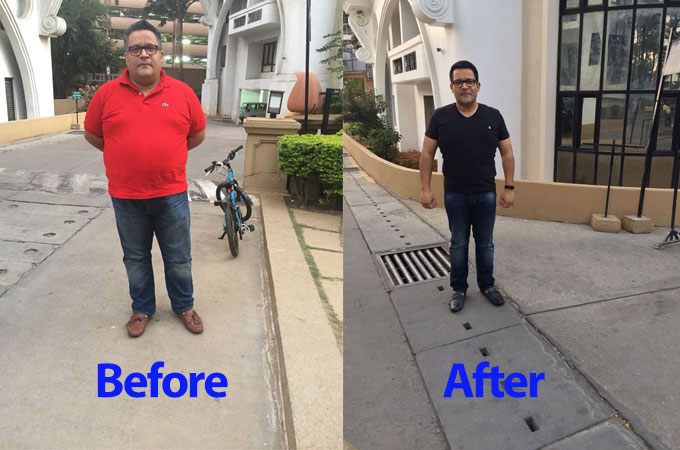
From “Laddu Nawin” to Fit and Fierce: How a 25-Year-Old Insurance Advisor Shed 20 Kilos and Gained His Life Back

When 25-year-old Nawin Yadav from Hyderabad walked into his office every morning, he carried more than just his files and policy papers. He had the weight of fatigue, sluggish energy, and an ever-growing belly that was becoming the butt of jokes. “People … [Read More...]

“I’ve Challenged Myself to Live 100 Years” – The Story of Chandubhai Savani’s Second Chance at Life

At 67, most people start slowing down. Not Chandubhai Savani. A resident of Surat, Chandubhai, thought life was on track. “My life was going well till I had my bypass surgery,” he says. That surgery, back in 2021, was a wake-up call.  Medication was routine, but exercise wasn’t. His diet? What he calls ‘normal.’ “I […]

From Shimla’s Slopes to Chandigarh’s Sidewalks: Surinder Kaur Bhalla’s Journey from Chaos to Control

Some journeys start with a plan. Others begin with a stumble literally. Surinder Bhalla, a government professional, born and raised in the scenic hill town of Shimla, had always lived a life of movement. “In Shimla, you walked everywhere,” she reflects. “Walking was never an exercise. It was just life.” But after shifting to Chandigarh, […]

Ananda Mukherjee Health Story

From Terminal Illness To Complete Wellness! Ananda Mukherjee Health Story

As we observe World Cancer Day under the powerful theme ‘United by Unique’ (2025-2027)**, we are reminded that every individual’s journey with cancer is distinct, yet united by shared resilience, hope, and the collective fight against this disease. This theme places people at the centre of care and their stories at the heart of the […]

  • HOME
  • HEALTHY LIVING
  • FITNESS
  • HEALTHY RECIPES
  • USER STORIES
  • KARMA
  • BUY GOQii

Copyright ©2016 GOQii