GOQii

Blog

  • HOME
  • HEALTHY LIVING
  • FITNESS
  • HEALTHY RECIPES
  • USER STORIES
  • KARMA
  • BUY GOQii

Search Results for: weight loss

June 8, 2024 By Pallavi Barnwal Leave a Comment

The Joy Of Complaining

The joy of complaining

I have grown up to believe that happy couples do not fight, do not complain, and most of my life in almost all of my relationships, I have borne the brunt of this misconception. In my marriage, when differences accrued I thought it’s over, other than that it had become stale. Until recently, I carried this belief or rather misbelief cursing myself for complaining, regretting that why I could not compromise enough, adjusted enough since I was made to feel guilty for my disagreements. I agree, sometimes I went all ballistic, hurting the man for paltry reasons and those incidents could have been avoided. But to say one cannot complain at all is idealism!

Complaining is Healthy! Complaining is Juicy! Complaining is Catharsis!

You’re allowed to complain; it feels good sometimes! We can’t be grateful all the time. Gratitude is deeply important and healing, but we also have to make room for complaints. There’s a reason we have ten words for “complaining” in Yiddish. It’s a valve release. It’s a way to still feel like you have a say over your life when you don’t control squat. 

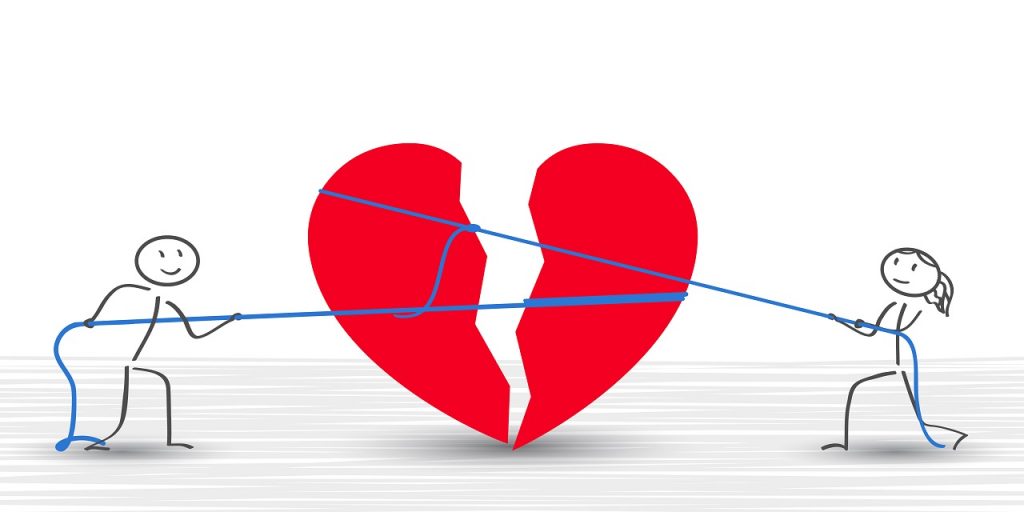
But a lot of us try to control our urge to complain about the fear of starting an argument. But holding in our relationship dissatisfactions over time creates a build-up of frustration and resentment that is toxic to our relationship. And then, when we finally do blurt out our complaints we do so in tones and words that are too harsh for our partner to absorb, leading them to become defensive and angry, a response that only convinces us to continue holding back our relationship-related complaints going forward, creating even more frustration, resentment, and negativity in our relationship.

To avoid this vicious cycle – to hold back – explode – backfire – hold back again, we should not stop complaining but instead, learn the art of complaining. Yes! We can be grateful and complain. We can be accountable and slack off. We can be peaceful and loving and we can talk shit and blow off steam. Complaining is a survival tool. Use it wisely. It will help us cope during the uneven phases of relationships. Complaining is juicy. So make your complaints good.

Complaint Sandwich – The Tool For Complaining The Right Way! 

We all love sandwiches right! How about turning your complaint into a delicious homemade grilled cheese sandwich? 

  • The first slice of bread in the Complaint Sandwich is a positive statement called The Ear Opener. Its goal is to lower the recipient’s defensiveness and allow them to absorb the complaint to follow.
  • The filling of the Complaint Sandwich is the actual complaint. The ‘filling’ should be lean like a slice—that is, keep it to a single incident and single complaint.
  • The second slice of bread in the Complaint Sandwich is another positive statement called The Digestive. Its goal is to motivate the recipient to respond positively to our complaint by assuring them that this complaint is for the betterment of our relationship, for the betterment of us.

Okay, you got the complaint sandwich ready, but do not spoil it by serving these small mistakes alongside it. There are reasons our complaints don’t get us what we want. We don’t think about what we want to achieve.

We complain because we want something, right? So before complaining, take 5 deep breaths, pause and think through what it is we want to achieve before we speak up. Figuring out what we want might be obvious when we call a customer service executive to remove a late charge on our credit card. It’s much less obvious when we’re complaining to our spouse/ partner. Take a moment to figure out what will make you feel satisfied through complaining.

We Allow Anger To Distract Us From Our Message

We usually complain when we are frustrated, hurt, or irritated. Feeling angry is fine if we are in control of our emotions and communicate reasonably. But when our voice gets too loud, our tone too harsh, or when we start cursing and accusing, the recipient’s attention will go to our anger and not to our actual message. As a result, we are more likely to encounter a counter-argument or resistance than a satisfactory resolution.

We Include More Than One Complaint At A Time

Hearing complaints always makes people defensive, so we have to voice our problems in ways that do not overwhelm them. It is far more effective to voice one complaint and get a result than to voice three and get nowhere. Tempting as it might be to air all your accumulated irritations at once, don’t! It doesn’t work.

We Don’t Complain To The Right Person

Surprisingly, we rarely voice our complaints to the person who can actually do something about them. We vent to our friends about our partner. If a complaint really irritates us, we owe it to our own peace of mind to address it to the person who can do something about it.

Make Your Complaint As Specific As Possible

Do not generalize it into a criticism. Complaining is about a situation, criticism is an ad nauseum attached on the character of the person. For example, “You forgot to call my sister this evening” will make the same point and be far easier for your partner to hear than “You said that you will speak to my sister but you never give any importance to my feelings”.

Remember!

Make space for other people to vent aloud. It often expresses their feelings of loss and longing. They know that they are powerless and they have to accept the situation; venting gives them the illusion that they have a say. It’s best to just let it pass and not try to reason with it.

We hope this article helps you to complain and heal your relationship the right way! Do leave your thoughts in the comments below. For more articles by our Sexual Wellness Expert Pallavi Barnwal, check out Healthy Reads or tune in to her sessions on GOQii Play.

#BeTheForce

May 18, 2024 By Vaishali Vibhute Leave a Comment

What Happens To Your Body When You Eat Too Much Sugar

too much sugar

“You are what you eat, so eat something sweet” is a very sweet quote but has a bittersweet reputation when it comes to health! Did you know that carbohydrate, an essential micro nutrient, is a producer of sugar? Sugars, in fact, are simple carbohydrates which are easily absorbed and digested by the body. It is an empty calorie food, has zero nutritional value and provides only energy. It is naturally found in lots of foods. For instance, as fructose in fruits, as lactose in dairy and dairy products and different cereals and grains. 

Is It Really A Villain Of Good Health? 

Along with negatives, sugar has many positives: 

  • It makes anything taste better
  • Provides immediate energy to your body 
  • Naturally found sugars in foods like fruits and vegetables have little effect on blood sugar and are considered healthy
  • It increases happy hormones

Adverse Effects Of Eating Too Much Sugar 

Too much of anything is bad, and the same goes for sugar! Here are some ill-effects it can have on your body: 

  • Weight Gain or Obesity: Too much consumption of white sugar can contribute to weight gain or obesity, due to it’s high calorie content. When eaten in excess, it gets dumped into cells and gets stored as fat and results in weight gain.
  • Type 2 Diabetes: Excessive intake creates problems for pancreas. Body monitors blood glucose levels and produces insulin to help control it. When blood glucose level is high and has more glucose than your body needs, cells become insulin resistant, the control breaks down, blood sugar rises to dangerous levels and leads to Type 2 Diabetes.
  • Hurt your Heart: There is a clear relation between sugar consumption and high BP. Eating too much can harden the arteries and damage heart tissues, which is a major risk factor for heart disease and stroke.
  • Tooth Decay: It is the primary food source for bacteria that can grow in your mouth and cause tooth decay.
  • Non Alcoholic Fatty Liver Disease (NAFLD): is a metabolic stress related liver disease. A diet high in sugar and specially fructose, can trigger your liver to store fat which can lead to NALFD.
  • Hampers Immune Function: It can interfere with the immune system as bacteria and yeast feed on sugar. So excessive glucose in the body causes these organisms to build and cause infections.
  • Accelerates Ageing: When it enters your bloodstream, it attaches to protein. The mix of these proteins with sugar causes loss of elasticity and increases premature ageing. Thus, it can mess with your skin by contributing to wrinkles and sagging.
  • Increases Risk of Developing Gout: Gout is an inflammatory condition that causes pain in the joints. Added sugars raise uric acid levels in the blood and increases risk of developing and worsening gout.
  • Damages Kidneys: When blood sugar is too high, the kidneys spill it into urine, which can cause permanent damage.
  • Fertility: High blood sugar impairs reproduction function in both men and women. Excessive consumption can rob essential vitamins and minerals.

How Can You Cut Down The Intake? 

Daily recommended limit of sugar for women is 6 tsp (30gms), men 7tsp (35gms) and for children 3tsp(15gms). Apart from this recommended limit, you can also do the following:  

  • Avoid sugary drinks such as sodas, energy/sports drinks, etc. That will reduce sugar intake and could help you lose weight. Homemade sherbet’s like lemon, kokum or amla, etc. can be a better alternative to sugary drinks.
  • Avoid packaged or processed food in favour of whole foods like fresh fruits, vegetables, seeds, whole grains, legumes and nuts.
  • When you buy ready to eat foods, read nutrition labels. If you know how much sugar is in a product, you can limit the intake of that food. Some of the common names of hidden sugars on packaged food labels are corn syrup, cane sugar, dextrose, agave, high fructose corn syrup, coconut palm sugar, etc. Food manufacturers add sugars in foods like ice-cream, cookies, candy, soda, ketchup, sauces, bread, yogurt, etc.
  • Instead of adding sugar in cereals or oats, try fresh fruits like banana, strawberry, sapota and apple, etc.
  • Avoid protein/granola bars which contain lots of added sugar. Eat low sugar snacks such as nuts and fruits.
  • Don’t store desserts like ice cream, cakes, different sauces in the fridge and biscuits and cookies on shelves to reduce cravings. 
  • Natural sweeteners such as stevia and xylitol can be healthy alternatives to sweet sugar.

Sugary or sweet products are sweet to the tongue but not for the body. Consuming small quantities is the key to healthy eating. For least harm to the body and fullest enjoyment, eat it in moderation. 

We hope this article helps you make healthy eating choices. Do leave your thoughts in the comments below! For more on nutrition, check out Healthy Reads or ask a GOQii Coach by subscribing for personalized health coaching here: https://goqiiapp.page.link/bsr

#BeTheForce 

May 17, 2024 By Dr. Viral Thakkar 1 Comment

Hypertension: Know it to Avoid it

Hypertension Day John, 38, is caught in the grind of a demanding job that consumes his weekdays with 12-hour shifts, tight deadlines, and constant pressure. His stressful work environment leaves him perpetually exhausted and struggling to get enough sleep. To cope with the relentless stress, John turns to partying over the weekends, indulging in late nights and heavy drinking as a way to escape his hectic routine and enjoy his financial success.

However, a few days ago, his life took an alarming turn when he was diagnosed with hypertension, with his blood pressure reading at 170/100 mmHg. The news left John tense and scared, realising that his health was at serious risk. His doctor suggested lifestyle modifications as the first step towards managing his condition.

Determined to take responsibility for his well-being, John began researching ways to improve his health. He discovered a holistic approach to wellness that includes personalised coaching, fitness tracking, and health insights. Through expert guidance, he learned strategies to manage his hypertension, leading him towards a healthier lifestyle and helping him combat the impact of his stressful job and sleepless nights.

Understanding Blood Pressure

Blood pressure is the force exerted by the blood against the walls of the blood vessels. The pressure depends on the heart’s workload and the resistance within the arteries. A normal blood pressure reading is 120 (systolic)/80 (diastolic) mmHg, while hypertension is diagnosed when readings consistently exceed 140/90 mmHg. Since blood pressure fluctuates throughout the day, at least three separate readings taken two hours apart are required to confirm chronic hypertension.

Types of Hypertension

  1. Primary Hypertension: May result from factors like plasma volume and hormonal regulation of blood pressure, or lifestyle and environmental influences.
  2. Secondary Hypertension: Develops as a complication of other conditions such as diabetes, thyroid disorders, kidney disease, sleep apnoea, or certain medications.

What Can Lead to Hypertension?

  • Stress – Chronic stress contributes to high blood pressure.
  • Underlying Health Conditions – Diabetes, cardiovascular disease, chronic kidney disease, and high cholesterol can increase risk.
  • Alcohol & Tobacco Use – Both can significantly raise blood pressure and cause other health issues.
  • Age & Gender – Hypertension is more common in individuals over 60, though lifestyle factors are causing an increase in younger adults. Men are more prone at a younger age, whereas older women experience a rise in BP due to hormonal changes.
  • Obesity & Poor Diet – Excess weight and consumption of processed, fatty, and high-salt foods increase the risk.
  • Lack of Physical Activity – A sedentary lifestyle can worsen heart health.
  • Genetic Factors – A family history of high blood pressure may contribute, but healthy habits can override genetic predispositions.

If you fall into any of these categories, it’s time to take proactive steps to maintain your health.

Your Daily Routine for Managing Hypertension

  1. Start your morning on a positive note – Be grateful, relax, and avoid rushing into stressful tasks.
  2. Eat a balanced diet – Include whole foods, fresh vegetables, fruits, lean proteins, and healthy fats while avoiding junk food.
  3. Reduce salt intake – The WHO recommends limiting salt to under 5g per day to reduce hypertension risk.
  4. Exercise regularly – Aim for at least 45 minutes of moderate activity daily.
  5. Avoid smoking & alcohol – Eliminating these habits can significantly lower blood pressure.
  6. Maintain a healthy weight – Strive to achieve and sustain a healthy BMI.
  7. Practice relaxation techniques – Pranayama, yoga, and meditation help reduce stress and improve heart health.
  8. Monitor your blood pressure – Regular check-ups help detect issues early and prevent complications.

Why Managing Hypertension is Important

Long-term hypertension can cause arterial damage, leading to complications such as:

  • Heart Disease – Increases the risk of heart attacks and heart failure.
  • Stroke – Can result from restricted blood flow to the brain.
  • Aneurysm – A bulge in an artery that can burst, leading to severe internal bleeding.
  • Kidney Failure – High blood pressure can damage kidney function over time.
  • Hypertensive Retinopathy – Can cause vision loss or blindness.

The best way to prevent and manage hypertension is to prioritise both mental and physical well-being. By reducing stress, eating healthily, staying active, and monitoring your blood pressure, you can take control of your heart health and prevent serious complications.

Have you made changes to manage hypertension? Share your experience in the comments below!

#BeTheForce

⚠ Medication should always be taken as per your doctor’s advice, but remember—lifestyle modifications are the key to long-term health!

Disclaimer: The information provided in this blog is for general awareness and educational purposes only. It is not intended to replace professional medical advice, diagnosis, or treatment. Always consult a qualified healthcare provider for personalised medical guidance or concerns related to your health.

May 6, 2024 By Dr. Viral Thakkar Leave a Comment

Safe Pregnancy

safe pregnancy

It is said that a child gives birth to a mother.

Bringing a new life in this world is a huge responsibility. The woman bears’ the responsibility of creating the new generation. It is sad to see that something so essential and pertinent is taken lightly today. And no wonder, that the instances of risk pregnancy have steadily risen.

 You are at risk if you-

  • Have a history of chronic hypertension, diabetes, heart disorders, breathing problems, Hypothyroid
  • Your age is above 35 years
  • Smoke cigarettes, drink alcohol or consume drugs- before and during pregnancy
  • Malnutrition like anaemia
  • Mental health issues like stressful life and depression
  • Had complications like abnormal placenta position, fetal growth fetal growth restriction and Rh (rhesus) sensitization — a potentially serious condition that can occur when your blood group is Rh negative and your baby’s blood group is Rh positive.
  • Have a history of surgery on your uterus, including multiple C-sections, multiple abdominal surgeries or surgery for uterine tumours (fibroids)
  • Pregnancy risks are higher for women carrying twins or higher order multiples.

What can you do?

To ensure a healthy pregnancy for you and your baby’s health, ensure you prepare your body. Be sure that you and your partner both want a child. The mental state of a mother plays a very important role in the health of the baby and mother too, and hence the partner also should be equally involved. Nowadays we see a lot of couple marking as ‘WE’ are Pregnant as it is very important that both are involved together. Sit in a quiet place, contemplate and decide.

Eat right! Food rich in folic acid, protein, calcium and iron goes a long way to ensure a healthy pregnancy. If you love smoking and drinking, please adopt a baby! Spare the new life!

safe pregnancy 1

Get your body to move and groove! Exercise! Yoga and pranayama ensure holistic health and pregnancy is a part of it. However, if you are pregnant, consult your healthcare provider for appropriate yoga poses or any exercise.

Pregnancy or not, happy thoughts ensure good health. While you are eating right and exercising, include some smiles- you are in the process to get life into this world! Meditate for this and keep stress at bay!

 A Specialised Tests which you want to know about!

  • Lab tests might be conducted for urinary tract infections and screen you for infectious diseases such as HIV, syphilis, etc.
  • Specialized or targeted ultrasound targets a suspected problem, such as abnormal development.
  • Amniocentesis can identify certain genetic conditions, as well as neural tube defects — serious abnormalities of the brain or spinal cord.
  • Chorionic villus sampling (CVS) can identify certain genetic conditions.
  • Also known as percutaneous umbilical blood sampling, can identify certain genetic disorders, blood conditions and infections.
  • Ultrasound for cervical length might use an ultrasound to measure the length of your cervix at prenatal appointments to determine if you’re at risk of preterm labour.
  • A biophysical profile is used to check on a baby’s well-being. It might involve only an ultrasound to evaluate fetal well-being or, depending on the results of the ultrasound, also fetal heart rate monitoring (non-stress test).

Some prenatal diagnostic tests such as amniocentesis and chorionic villus sampling carry a small risk of pregnancy loss. The decision to pursue prenatal testing is up to you and your partner. Discuss the risks and benefits with your healthcare provider.


Rush to the hospital if you have

  • Severe headaches
  • Vaginal bleeding
  • Pain or cramping in the lower abdomen
  • Watery vaginal discharge — in a gush or a trickle
  • Regular or frequent contractions — a tightening sensation in the abdomen
  • Decreased fetal activity
  • Pain or burning with urination
  • Changes in vision, including blurred vision

If you have any condition different from the norm, it is best to speak with your healthcare provider. Discuss nutrition, healthy weight or any ailment you might have. Your health care provider might also discuss your risk of having a baby with a genetic condition. If you are pregnant, do not take any medicine without the advice of your health care provider- allopathy, homoeopathy, ayurvedic or any pathy!

#BeTheForce

  • « Previous Page
  • 1
  • …
  • 79
  • 80
  • 81
  • 82
  • 83
  • …
  • 100
  • Next Page »

Search

Recent Posts

  • The Importance Of Knowing If You’re Thirsty Or Hungry
  • Best Foods To Alleviate Irritable Bowel Syndrome
  • ALL ABOUT VERTIGO!
  • PCOS and Anxiety: Discover Relief with the 54321 Technique
  • Navigating the Maze of Nutrition: Finding Clarity Amidst Confusion

Stay Updated

Archives

  • December 2025 (7)
  • November 2025 (15)
  • October 2025 (20)
  • September 2025 (6)
  • August 2025 (6)
  • July 2025 (12)
  • June 2025 (18)
  • May 2025 (16)
  • April 2025 (23)
  • March 2025 (23)
  • February 2025 (22)
  • January 2025 (26)
  • December 2024 (26)
  • November 2024 (25)
  • October 2024 (22)
  • September 2024 (24)
  • August 2024 (31)
  • July 2024 (21)
  • June 2024 (26)
  • May 2024 (31)
  • April 2024 (27)
  • March 2024 (29)
  • February 2024 (26)
  • January 2024 (25)
  • December 2023 (15)
  • November 2023 (11)
  • October 2023 (20)
  • September 2023 (22)
  • August 2023 (20)
  • July 2023 (22)
  • June 2023 (24)
  • May 2023 (24)
  • April 2023 (24)
  • March 2023 (23)
  • February 2023 (20)
  • January 2023 (16)
  • December 2022 (12)
  • November 2022 (15)
  • October 2022 (15)
  • September 2022 (12)
  • August 2022 (10)
  • July 2022 (17)
  • June 2022 (11)
  • May 2022 (10)
  • April 2022 (6)
  • March 2022 (6)
  • February 2022 (13)
  • January 2022 (12)
  • December 2021 (7)
  • November 2021 (3)
  • October 2021 (6)
  • September 2021 (3)
  • August 2021 (8)
  • July 2021 (7)
  • June 2021 (15)
  • May 2021 (16)
  • April 2021 (10)
  • March 2021 (7)
  • February 2021 (4)
  • January 2021 (4)
  • December 2020 (3)
  • November 2020 (4)
  • October 2020 (10)
  • September 2020 (3)
  • August 2020 (3)
  • July 2020 (2)
  • June 2020 (4)
  • May 2020 (10)
  • April 2020 (12)
  • March 2020 (10)
  • February 2020 (4)
  • January 2020 (4)
  • December 2019 (3)
  • November 2019 (7)
  • October 2019 (5)
  • September 2019 (4)
  • August 2019 (9)
  • July 2019 (9)
  • June 2019 (11)
  • May 2019 (4)
  • April 2019 (9)
  • March 2019 (8)
  • February 2019 (9)
  • January 2019 (8)
  • December 2018 (9)
  • November 2018 (3)
  • October 2018 (3)
  • September 2018 (5)
  • August 2018 (10)
  • July 2018 (6)
  • June 2018 (13)
  • May 2018 (8)
  • April 2018 (18)
  • March 2018 (9)
  • February 2018 (8)
  • January 2018 (15)
  • December 2017 (12)
  • November 2017 (19)
  • October 2017 (13)
  • September 2017 (15)
  • August 2017 (4)
  • July 2017 (8)
  • June 2017 (7)
  • May 2017 (6)
  • April 2017 (8)
  • March 2017 (6)
  • February 2017 (7)
  • January 2017 (9)
  • December 2016 (10)
  • November 2016 (7)
  • October 2016 (7)
  • September 2016 (7)
  • August 2016 (11)
  • July 2016 (9)
  • June 2016 (9)
  • May 2016 (12)
  • April 2016 (17)
  • March 2016 (17)
  • February 2016 (8)
  • January 2016 (6)
  • December 2015 (2)
  • November 2015 (9)
  • October 2015 (7)
  • September 2015 (9)
  • August 2015 (11)
  • July 2015 (9)
  • June 2015 (12)
  • May 2015 (9)
  • April 2015 (13)
  • March 2015 (8)
  • February 2015 (5)
  • January 2015 (12)
  • December 2014 (14)
  • November 2014 (11)
  • October 2014 (6)
  • September 2014 (13)
  • August 2014 (12)
  • July 2014 (6)
  • June 2014 (2)
  • May 2014 (7)
  • April 2014 (5)

From “Laddu Nawin” to Fit and Fierce: How a 25-Year-Old Insurance Advisor Shed 20 Kilos and Gained His Life Back

When 25-year-old Nawin Yadav from Hyderabad walked into his office every morning, he carried more than just his files and policy papers. He had the weight of fatigue, sluggish energy, and an ever-growing belly that was becoming the butt of jokes. “People … [Read More...]

“I’ve Challenged Myself to Live 100 Years” – The Story of Chandubhai Savani’s Second Chance at Life

At 67, most people start slowing down. Not Chandubhai Savani. A resident of Surat, Chandubhai, thought life was on track. “My life was going well till I had my bypass surgery,” he says. That surgery, back in 2021, was a wake-up call.  Medication was routine, but exercise wasn’t. His diet? What he calls ‘normal.’ “I […]

From Shimla’s Slopes to Chandigarh’s Sidewalks: Surinder Kaur Bhalla’s Journey from Chaos to Control

Some journeys start with a plan. Others begin with a stumble literally. Surinder Bhalla, a government professional, born and raised in the scenic hill town of Shimla, had always lived a life of movement. “In Shimla, you walked everywhere,” she reflects. “Walking was never an exercise. It was just life.” But after shifting to Chandigarh, […]

Ananda Mukherjee Health Story

From Terminal Illness To Complete Wellness! Ananda Mukherjee Health Story

As we observe World Cancer Day under the powerful theme ‘United by Unique’ (2025-2027)**, we are reminded that every individual’s journey with cancer is distinct, yet united by shared resilience, hope, and the collective fight against this disease. This theme places people at the centre of care and their stories at the heart of the […]

  • HOME
  • HEALTHY LIVING
  • FITNESS
  • HEALTHY RECIPES
  • USER STORIES
  • KARMA
  • BUY GOQii

Copyright ©2016 GOQii