
GOQii

Blog

  • HOME
  • HEALTHY LIVING
  • FITNESS
  • HEALTHY RECIPES
  • USER STORIES
  • KARMA
  • BUY GOQii

Search Results for: supplements

September 27, 2024 By Neha Morche 1 Comment

Aloe Vera- Wonders of the spiky green plant

AloeVeraCleopatra is known for her beauty, and one of the reasons for her immaculate beauty can be credited to the spiky green plant Aloe Vera, which she is understood to have used daily in gel form as part of her beauty regime. Today, this very plant is used in several personal care products and medicines. Dubbed affectionately as the ‘Plant of immortality’ by the Egyptians 6000 years ago, Aloe Vera has rejuvenating and healing properties. The ancient Greeks used it to cure everything from baldness to insomnia.

Aloe Vera, also known as a Wonder Plant, has tremendous benefits. No wonder it is wildly used in cosmetics, herbal remedies, and food supplements.

If you have observed the leaf of Aloe Vera closely, there is yellow latex found just under the skin and white-colored gel inside the leaf. Both of these have medicinal properties. It is rich in calcium, sodium, potassium, iron, zinc, manganese, folic acid, amino acid and Vitamin A, C, E, B1, B2, and B6.

Benefits :

  • Aloe Vera’s white gel contains enzymes, fiber, and amino acids, which help with digestion and digestive disorders like colitis and irritable bowel syndrome.
  • It has anti-bacterial, anti-viral properties to help boost the immune system and maintain oral hygiene.
  • It has laxative properties to relieve constipation.
  • Aloe Vera is anti-inflammatory and helps reduce inflammation of Rheumatoid Arthritis, an auto-immune disease affecting the entire body. The immune system attacks body tissues, especially the membranes lining the joint.
  • Aloe Vera juice can be used for lowering sugar levels. However, consult your doctor before consuming Aloe Vera juice
  • It has anti-carcinogenic properties to fight cancer.
  • Aloe Vera is rich in magnesium lactate, which works very well for chest congestion.
  • Vitamin C present in Aloe Vera is an excellent natural source to fight against cold and coughs.

Aloe Vera for the Skin :

  • Suitable for all skin types.
  • Aloe Vera gel has a soothing effect, reducing skin irritation when applied to the affected area.
  • Its anti-microbial properties help in curing acne, pimples and lightening the skin.

Aloe Vera for the Hair:

  • It contains Proteolitic enzymes, which help remove dead skin from the scalp and excess sebum to promote hair growth.
  • Its alkaline properties maintains the pH balance of the scalp to keep hair moisturized.
  • The anti-fungal property of Aloe Vera helps in reducing dandruff.
  • To keep hair soft and smooth, Aloe Vera gel can be added to regular conditioner and used daily.

Word of Caution:

Aloe Vera is packed with nutrients to treat the body naturally. However, certain treatments may cause adverse effects if not taken under supervision. Excessive intake may cause diarrhea and lower blood sugar, leading to potassium loss. It may also inhibit some drug reactions internally and cause allergic reactions on the skin.

With its numerous benefits for health, skin, and hair, Aloe Vera truly stands out as a wonder plant. Whether you use it topically or consume it in moderation, its natural properties can enhance your overall well-being. However, it’s essential to use it wisely and consult a healthcare professional if needed. Have you experienced the benefits of Aloe Vera? Let us know in the comments below! For more natural health tips, speak to a certified expert by subscribing to GOQii’s Personalised Health Coaching here.

#BeTheForce

Disclaimer: The information provided in this blog is for general awareness and educational purposes only. It is not intended to replace professional medical advice, diagnosis, or treatment. Always consult a qualified healthcare provider for personalised medical guidance or concerns related to your health.

September 21, 2024 By Dr Manali Rao 1 Comment

Everything You Need to Know about Alzheimer’s

alzheimer's dayIf you’ve read ‘The Notebook’ by Nicholas Parks, later adapted into a film by the same name, you might have a fair idea of what Alzheimer’s really is. The book is centered around Allie and Noah, an all-time romantic couple. There’s a beautiful scene in the film where Noah, who is an old man now, narrates a story to Allie about a couple and how their love blossomed through hardships. Amazed by this story, Allie only realizes later that this story is about them. Noah read this to her as he had promised before the disease set in. The disease was Alzheimer’s!

shutterstock_574038220

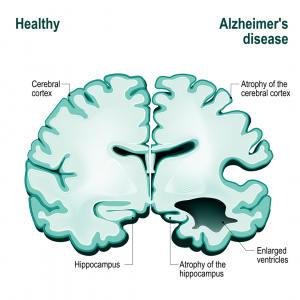
Alzheimer’s is a progressive neurological disorder which results in memory loss, personality changes, global cognitive dysfunction and functional impairments. It is the leading cause of dementia in the elderly. The disease begins at a slow rate. Initially, it captures the brain and slowly overcomes human thoughts, activities, and language as well. People start having trouble in remembering things and the one evident sign is forgetting the names of people.

What Causes Alzheimer’s?

The exact etiology is unknown, but a few risk factors can be marked out.

  • Age: Incidence and prevalence increases after the age of 60
  • Family History: First-degree relatives at greater risk
  • Genetic: ApoEepsilon 4 gene
  • Lack of Sleep
  • Regular and high consumption of junk food

Clinical Features 

  1. Progressive memory loss and decline of higher mental functions
    Example: problem-solving small issues, confusion in time, date and month, the problem faced in doing family activities of daily routine, misplacing things, poor judgment and problem in speaking and writing as well
  2. Difficulty in naming and understanding what others are speaking
  3. Apraxia: The inability to carry out skilled motor activities, inability to recognize objects, places and people
  4. Behavioral changes: Agitation, aggression, wandering and persecutory delusions, loss of insight, depression
  5. Loss of inhibition leading to inappropriate social behavior
  6. In advanced stages, a person may be mute, inactive and can succumb to different infections
  7. Inability to recognize color and visual picture
  8. In case there is an underlying cause, additional clinical features may be present

Management

The most important management for Alzheimer’s is support – Physical, mental and moral support from family members and caregivers.

  • Antioxidants (Vitamin E) can slow the decline of cognitive function
  • Drugs like anticholinesterase inhibitors (like donepezil, rivastigmine, galantamine), memantine, N-methyl-D aspartate (NMDA) receptor antagonist
  • Ginkgo biloba, a plant extract has been shown to be useful
  • Treatment of the underlying cause, if any

3-7

Alzheimer’s and Ayurveda

According to the principles of Ayurveda, Alzheimer’s is caused as a result of the imbalance in vata – this imbalance is quite common as a person begins to grow in age. It affects the vata – in the tissues of the central nervous system of the body – mainly the brain which then slowly becomes imbalanced.

Treatment begins with a Vata balancing diet. Withania Somnifera (Ashwagandha) in the powdered form along with either ghee or milk is included in the patient’s daily diet. This helps charge and soothe the Vata. Herbs such as Brahmi and Ashwagandha that serve as nerve tonics are mainly used.

An oil massage daily, prior to a bath is also considered significant in this form of treatment. Ayurveda specialized preparations for Alzheimer’s treatment that are made from rice have proved highly beneficial to the patients besides providing the required nutrients to the old age person.

How Can Turmeric Help?

Turmeric or Haldi, as it’s known in Hindi, is a part of almost every Indian recipe. It is known all over the world for its antibacterial, anti-inflammatory, anti-tumor, anti-spasmodic, anti-allergic properties and hence is used in medicines, cosmetics etc.

Curcumin that is found in turmeric has radical scavenging properties thereby preventing damage that can be caused to the cells of our body by free radicals. Alzheimer’s alleviation could be based upon the ability of curcumin to combat the development of amyloid plaque (accumulation of protein) in the brain leading to inflammation and impairment of cells.

Prevention

There’s no real guarantee when it comes to preventing Alzheimer’s. The only way to minimize your chances is by living a healthy and balanced lifestyle.

  1. Make sure you don’t stop learning new things. Continuous learning like a musical instrument, a new language or any subject that you didn’t have knowledge about keeps the memory intact.
  2. Forget your phone and start memorizing important numbers like bank accounts, mobile numbers, life insurance/investment policy numbers, credit and debit card numbers, passwords and recalling them when needed is an easy way of jogging your memory.
  3. Make sure you get your hands on challenging puzzles like Sudoku, different crosswords, etc.
  4. Consumption of antioxidants via diet/supplements is helpful in preserving memory function.

We hope this blog helped you lean more about Alzheimer’s and what we can do in case a loved one is ever affected by it. Do leave your thoughts in the comments below!

For more informative topics, check out Healthy Reads or speak to an expert by subscribing for Personalised Health Coaching here.

#BeTheForce

Disclaimer: The information provided in this blog is for general awareness and educational purposes only. It is not intended to replace professional medical advice, diagnosis, or treatment. Always consult a qualified healthcare provider for personalised medical guidance or concerns related to your health.

September 19, 2024 By Vandana Juneja 6 Comments

Importance of Vitamin D For Boosting Immunity

Vitamin DVitamin D, commonly known as the “sunshine vitamin,” is actually a pro-hormone produced in the body upon exposure to sunlight. This essential nutrient exerts significant influences on multiple systems across the body
Health Benefits of Vitamin D 

  • Promotes Healthy Bones and Teeth: Crucial for calcium absorption, which is essential for maintaining bone health.
  • Supports Immune, Brain, and Nervous System Health: Boosts immune function and supports cognitive and nervous system functions.
  • Regulates Insulin Levels and Aids Diabetes Management: Assists in maintaining normal blood sugar levels.
  • Maintains Healthy Lung Function and Cardiovascular Health: Supports lung function and helps reduce the risk of cardiovascular disease.
  • Influences Gene Expression Related to Cancer: Involved in regulating genes that may be linked to cancer development.

How Does It Improve Immunity Levels?

The human body fights infections using two types of immune systems – the innate system (which provides a quick, general response) and the adaptive system (which produces a slower but highly specific response, such as antibody production). Vitamin D modulates both systems, which explains its wide-ranging effects on the immune system.

Vitamin D deficiency is more common in individuals experiencing seasonal cold and flu outbreaks. During the winter and seasonal changes, there is less sunlight, leading to lower Vitamin D levels and reduced immunity.

Why Do Immune Cells Need Vitamin D?

Vitamin D has a “non-classic” role in modulating the body’s immune responses to illness or infection. Vitamin D receptors are found throughout the body, including in immune cells. T cells, which are crucial for fighting infections, need vitamin D to become activated. Without sufficient vitamin D, T cells remain dormant and unable to protect the body effectively.

How Do You Get Enough Of Vitamin D?

1. Sunlight

Getting enough sunlight is the best way to help the body produce sufficient Vitamin D. Exposing your skin to the sun for 20 to 30 minutes a day ensures enough UVB rays come into contact with the cholesterol in the skin, enabling Vitamin D synthesis.

However, several factors affect Vitamin D production from sunlight:

  • Time of Day: The skin produces more Vitamin D when exposed to the sun during midday (between 10 am to 2 pm) when the sun is at its highest.
  • Sunscreen: Sunscreen blocks UVB rays, limiting Vitamin D production. It is best to allow some direct sun exposure to the skin.
  • Skin Exposure: The more skin you expose, the more Vitamin D your body will produce. Consider wearing short sleeves or shorts when possible.
  • Skin Colour: People with lighter skin produce Vitamin D more quickly than those with darker skin due to lower melanin levels.
  • Geographical Location: Living farther from the equator means less UVB radiation, especially during the winter months in the UK.
  • Always remember: Frequent, moderate sun exposure is beneficial, but prolonged exposure can increase the risk of skin cancer. Balance is key.

2. Food Sources

While sunlight is the best source of Vitamin D, certain foods can help increase levels:

  • Fatty Fish (Salmon, trout, mackerel, and sardines)
  • Egg Yolks
  • Cheese
  • Mushrooms (exposed to sunlight)
  • Fortified Foods (milk, cereals, and juices)

3. Supplements

If you have limited exposure to sunlight or are experiencing symptoms of Vitamin D deficiency (such as frequent illness, fatigue, bone pain, or muscle weakness), consider taking supplements. In the UK, the NHS recommends adults and children over 1 year should consider taking a daily supplement of 10 micrograms (400 IU) of Vitamin D, particularly during autumn and winter.

Note: Always consult with a healthcare professional before starting any supplements.

Hope this article helps you understand the importance of the Sunshine Vitamin, especially to boost immunity. For more tips on boosting your immunity, reach out to a GOQii Coach by subscribing for Personalised Health Coaching here.

#BeTheForce 

Disclaimer: The information provided in this blog is for general awareness and educational purposes only. It is not intended to replace professional medical advice, diagnosis, or treatment. Always consult a qualified healthcare provider for personalised medical guidance or concerns related to your health.

August 9, 2024 By GOQii Leave a Comment

Probiotics & Atopic Dermatitis

Are bacteria and microbes always bad and harmful


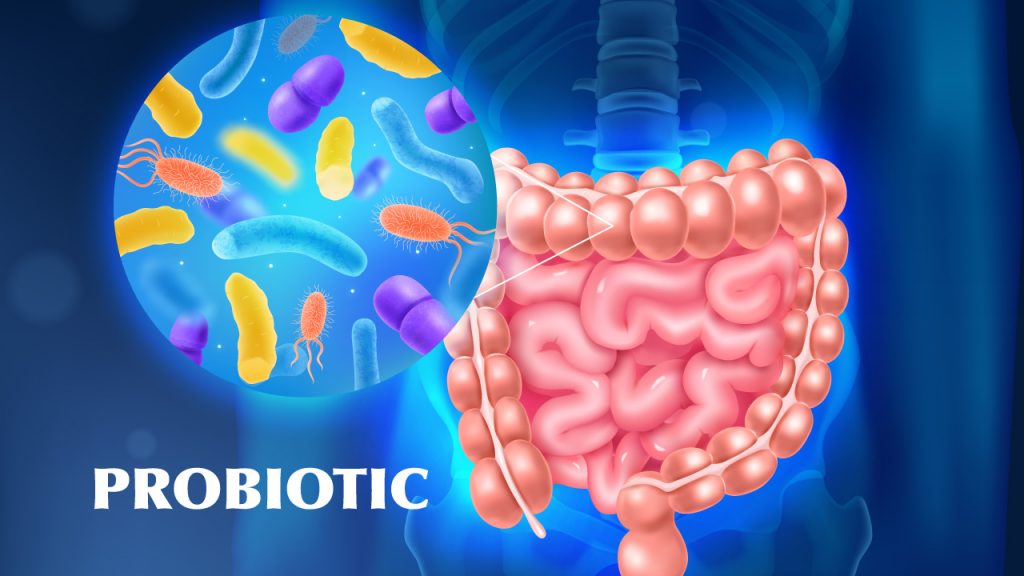
Bacteria and microbes often get a bad rap, but the truth is, they are not always harmful. In fact, many bacteria and microbes play essential roles in maintaining our health and the environment. While some can cause diseases and infections, the vast majority are considered good and helpful for our body. These good ones are living microbes that are part of our intestine’s normal microbial flora, commonly known as probiotics.

Did you know that our gut is home to millions of microbes that play a crucial role in regulating inflammation and promoting good gut health? These beneficial microbes, or probiotics, aid in timely digestion and excretion, facilitate the intestinal absorption of nutrients, and protect our gut from harmful microbes. Regular intake of probiotics, whether through natural foods like curd or yogurt or as oral supplements, supports healthy skin and gut health.

But are probiotics related to AD? Can they help treat AD?

It is important to understand that probiotics help control the body’s immune response and inflammation, thereby regulating the release of inflammatory factors that aggravate AD. By managing inflammation, probiotics can help reduce the redness and inflammation associated with the disease. Moreover, probiotics not only limit inflammation but also help prevent flares in AD. Therefore, it can be concluded that probiotics promote good gut health, which in turn helps keep inflammation at bay, making them beneficial for managing AD.

So inclusion of probiotics in our daily routine can indeed be life changing!

We hope this article helps you. For further information or guidance, reach out to your GOQii Skin Coach.

#BeTheForce

Reference –

Rusu E, Enache G, Cursaru R, Alexescu A, Radu R, Onila O, Cavallioti T, Rusu F, Posea M, Jinga M, Radulian G. Prebiotics and probiotics in atopic dermatitis. Exp Ther Med. 2019 Aug;18(2):926-931. doi: 10.3892/etm.2019.7678. Epub 2019 Jun 14. PMID: 31384325; PMCID: PMC6639913.

Disclaimer: The information provided in this blog is for general awareness and educational purposes only. It is not intended to replace professional medical advice, diagnosis, or treatment. Always consult a qualified healthcare provider for personalised medical guidance or concerns related to your health.

  • « Previous Page
  • 1
  • …
  • 4
  • 5
  • 6
  • 7
  • 8
  • …
  • 25
  • Next Page »

Search

Recent Posts

  • India Leads in Longevity: GOQii Sanjeevini Named Top 40 in $101M XPRIZE
  • The Importance Of Knowing If You’re Thirsty Or Hungry
  • Best Foods To Alleviate Irritable Bowel Syndrome
  • ALL ABOUT VERTIGO!
  • PCOS and Anxiety: Discover Relief with the 54321 Technique

Stay Updated

Archives

  • December 2025 (8)
  • November 2025 (15)
  • October 2025 (20)
  • September 2025 (6)
  • August 2025 (6)
  • July 2025 (12)
  • June 2025 (18)
  • May 2025 (16)
  • April 2025 (23)
  • March 2025 (23)
  • February 2025 (22)
  • January 2025 (26)
  • December 2024 (26)
  • November 2024 (25)
  • October 2024 (22)
  • September 2024 (24)
  • August 2024 (31)
  • July 2024 (21)
  • June 2024 (26)
  • May 2024 (31)
  • April 2024 (27)
  • March 2024 (29)
  • February 2024 (26)
  • January 2024 (25)
  • December 2023 (15)
  • November 2023 (11)
  • October 2023 (20)
  • September 2023 (22)
  • August 2023 (20)
  • July 2023 (22)
  • June 2023 (24)
  • May 2023 (24)
  • April 2023 (24)
  • March 2023 (23)
  • February 2023 (20)
  • January 2023 (16)
  • December 2022 (12)
  • November 2022 (15)
  • October 2022 (15)
  • September 2022 (12)
  • August 2022 (10)
  • July 2022 (17)
  • June 2022 (11)
  • May 2022 (10)
  • April 2022 (6)
  • March 2022 (6)
  • February 2022 (13)
  • January 2022 (12)
  • December 2021 (7)
  • November 2021 (3)
  • October 2021 (6)
  • September 2021 (3)
  • August 2021 (8)
  • July 2021 (7)
  • June 2021 (15)
  • May 2021 (16)
  • April 2021 (10)
  • March 2021 (7)
  • February 2021 (4)
  • January 2021 (4)
  • December 2020 (3)
  • November 2020 (4)
  • October 2020 (10)
  • September 2020 (3)
  • August 2020 (3)
  • July 2020 (2)
  • June 2020 (4)
  • May 2020 (10)
  • April 2020 (12)
  • March 2020 (10)
  • February 2020 (4)
  • January 2020 (4)
  • December 2019 (3)
  • November 2019 (7)
  • October 2019 (5)
  • September 2019 (4)
  • August 2019 (9)
  • July 2019 (9)
  • June 2019 (11)
  • May 2019 (4)
  • April 2019 (9)
  • March 2019 (8)
  • February 2019 (9)
  • January 2019 (8)
  • December 2018 (9)
  • November 2018 (3)
  • October 2018 (3)
  • September 2018 (5)
  • August 2018 (10)
  • July 2018 (6)
  • June 2018 (13)
  • May 2018 (8)
  • April 2018 (18)
  • March 2018 (9)
  • February 2018 (8)
  • January 2018 (15)
  • December 2017 (12)
  • November 2017 (19)
  • October 2017 (13)
  • September 2017 (15)
  • August 2017 (4)
  • July 2017 (8)
  • June 2017 (7)
  • May 2017 (6)
  • April 2017 (8)
  • March 2017 (6)
  • February 2017 (7)
  • January 2017 (9)
  • December 2016 (10)
  • November 2016 (7)
  • October 2016 (7)
  • September 2016 (7)
  • August 2016 (11)
  • July 2016 (9)
  • June 2016 (9)
  • May 2016 (12)
  • April 2016 (17)
  • March 2016 (17)
  • February 2016 (8)
  • January 2016 (6)
  • December 2015 (2)
  • November 2015 (9)
  • October 2015 (7)
  • September 2015 (9)
  • August 2015 (11)
  • July 2015 (9)
  • June 2015 (12)
  • May 2015 (9)
  • April 2015 (13)
  • March 2015 (8)
  • February 2015 (5)
  • January 2015 (12)
  • December 2014 (14)
  • November 2014 (11)
  • October 2014 (6)
  • September 2014 (13)
  • August 2014 (12)
  • July 2014 (6)
  • June 2014 (2)
  • May 2014 (7)
  • April 2014 (5)

From “Laddu Nawin” to Fit and Fierce: How a 25-Year-Old Insurance Advisor Shed 20 Kilos and Gained His Life Back

When 25-year-old Nawin Yadav from Hyderabad walked into his office every morning, he carried more than just his files and policy papers. He had the weight of fatigue, sluggish energy, and an ever-growing belly that was becoming the butt of jokes. “People … [Read More...]

“I’ve Challenged Myself to Live 100 Years” – The Story of Chandubhai Savani’s Second Chance at Life

At 67, most people start slowing down. Not Chandubhai Savani. A resident of Surat, Chandubhai, thought life was on track. “My life was going well till I had my bypass surgery,” he says. That surgery, back in 2021, was a wake-up call.  Medication was routine, but exercise wasn’t. His diet? What he calls ‘normal.’ “I […]

From Shimla’s Slopes to Chandigarh’s Sidewalks: Surinder Kaur Bhalla’s Journey from Chaos to Control

Some journeys start with a plan. Others begin with a stumble literally. Surinder Bhalla, a government professional, born and raised in the scenic hill town of Shimla, had always lived a life of movement. “In Shimla, you walked everywhere,” she reflects. “Walking was never an exercise. It was just life.” But after shifting to Chandigarh, […]

Ananda Mukherjee Health Story

From Terminal Illness To Complete Wellness! Ananda Mukherjee Health Story

As we observe World Cancer Day under the powerful theme ‘United by Unique’ (2025-2027)**, we are reminded that every individual’s journey with cancer is distinct, yet united by shared resilience, hope, and the collective fight against this disease. This theme places people at the centre of care and their stories at the heart of the […]

  • HOME
  • HEALTHY LIVING
  • FITNESS
  • HEALTHY RECIPES
  • USER STORIES
  • KARMA
  • BUY GOQii

Copyright ©2016 GOQii

