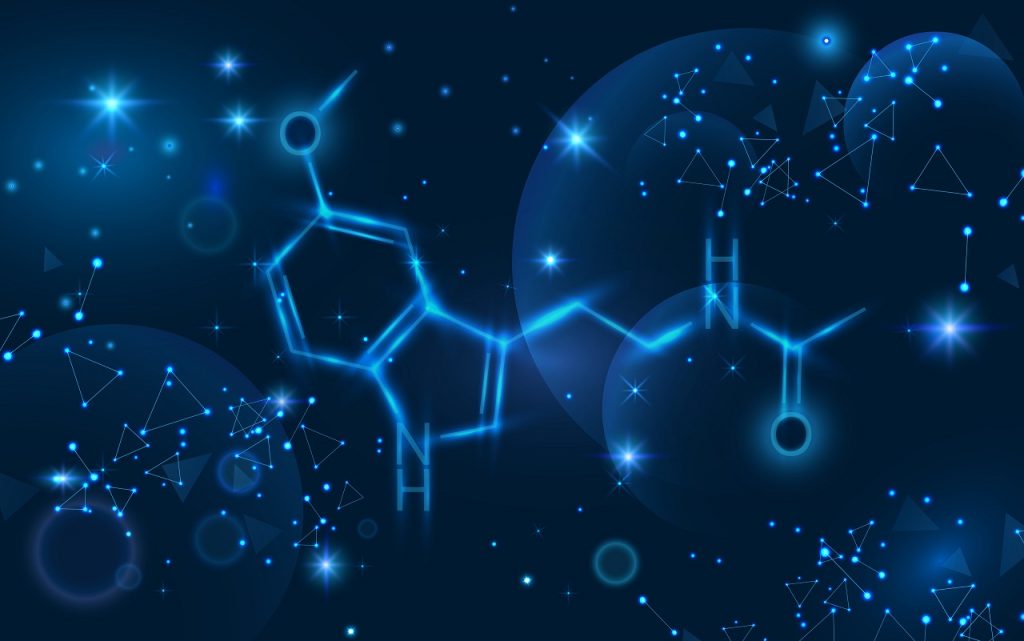
 Difficult to believe? Yes it is true. The perfect sleep is the result of a complex reaction from 2 main chemicals. Adenosine is a neurochemical which accumulates during “wake” and drains during “sleep”. Imagine a specially made hourglass, but one which builds up for approx. 16 hours of our wake cycle and drains within 8 hours of our sleep cycle. The receptors of Adenosine inform the brain that “stock levels are up” and it is time to relax and sleep. As sleep kicks in, stock levels of Adenosine goes down and receptors send a “wake up” signal to the brain.
Adenosine is the primary inducer of sleep-wake cycle. It reduces neural activity and sets you to start sleep. Interestingly, Caffeine blocks the Adenosine receptors and creates the opposite effect. There we go – as to why we feel a bit fresh and brisk after a cup of coffee – it is an illusion we create by confusing the brain! The body’s excretion system works hard to flush Caffeine. It takes 5-6 hours to flush out just 50% of this possessive chemical.
I’ve mentioned Adenosine over Melatonin as the primary sleep chemical because I wanted to impress upon the impact of Caffeine. We take Caffeine in many forms – Coffee, Cola, energy drinks, etc. Caffeine also impacts the Dopamine and Serotonin chemical reaction, thereby causing a significant disruption of the normal neural activity.
Do let Adenosine do its job naturally, you will sleep on time and naturally! Caffeine interferes with several hormonal/neurochemical reactions related to sleep. Do not consume Caffeine beyond lunchtime and in any case, beyond 4pm.
The Magical Darkness Hormone – Melatonin
Melatonin is the second chemical responsible for enabling “onset” of sleep. It detoxifies the body of free radicals and other toxins. It starts secretion as soon as darkness sets in and it peaks by midnight. The synthesis of melatonin occurs through a multistep complex chemical process:
- It all starts with food – food contains an amino acid called tryptophan. Foods like Milk, oats, nuts contain more tryptophan.
- Tryptophan is absorbed from the bloodstream to the pineal gland in the brain.
- First, tryptophan is converted to another amino acid and then to a brain chemical called Serotonin. 2 Enzymes are involved here!
- Serotonin’s conversion to melatonin involves two more enzymes.
- All chemicals discussed here follow complex routines and they are part of a chain which is amazingly responsible for the onset of sleep. On top of it all, there is a closely coordinated play of the “Brain-Gut complex” to get this right!
How Can You Aid This Natural Process For Good Sleep?
DON’T intervene in the natural process! Supplements can’t get you anywhere near the good quality sleep offered by this natural process.
- Beware of Caffeine! – Stop post lunch consumption
- Consume foods high in tryptophan – consult your GOQii coach
- Gut (Serotonin storage) has its role in sleep, so keep it clean and healthy
- Get used to darkness after dinner to catalyze natural Melatonin
Adenosine has other functions such as certain cardiac functions as well. This article does not deal with them. An enzyme is a biological catalyst that speeds up the rate of a chemical reaction and an amino acid is an organic acid used to make proteins usually obtained from food. OTC Melatonin – a small dose is usually fine to get over jet lag.
We hope this article on the Chemistry of Sleep helps you! Stay tuned for more from the Sleep Series by Srini! To read more about sleep and sleeping techniques, check out Healthy Reads or tune in to LIVE sessions by experts on GOQii Play.
#BeTheForce

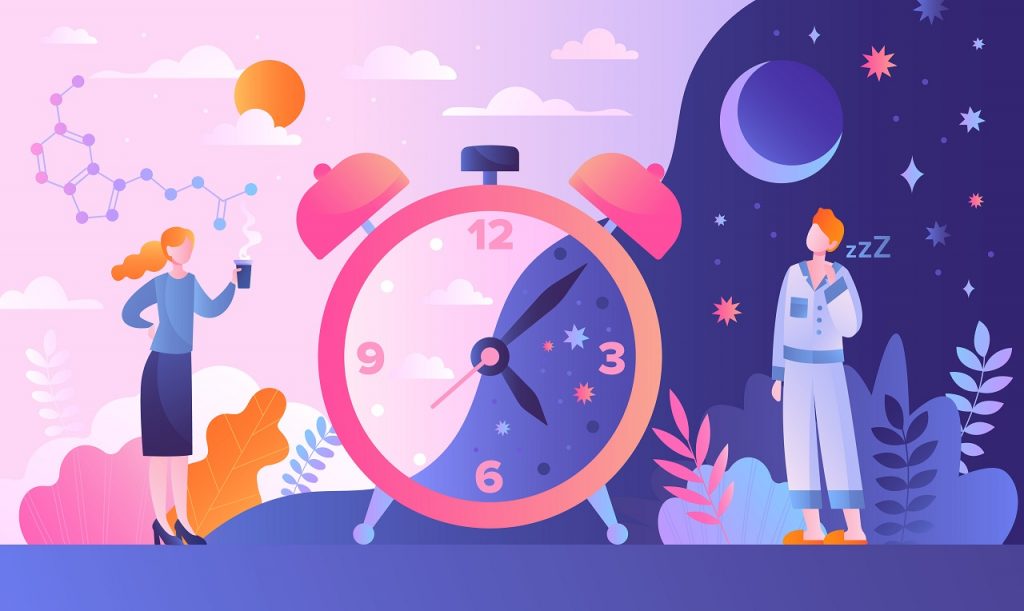 Ever wondered why you feel energised in the morning some days and groggy on others? Or why you naturally wake up at the same time every day—even without an alarm? The answer lies in your circadian rhythm—your body’s internal clock that runs the show when it comes to sleep, energy, alertness, and more.
 How often do we hear people say, “I am so stressed”? Given the current pandemic scenario, the lockdown and the threat of new variants, we’re sure you might have heard a lot of people say this. While the stress is reasonable, do you know what causes it? Is it the pressure of working from home thwarting your work-life balance, is it the news or could it be the excessive release of stress hormones? If you weren’t aware, just as there are hormones that make you feel good, there’s a stress hormone called Cortisol but it’s not all bad.
 Given how high stress levels have been lately due to the pandemic, it is important to manage stress by managing spiking cortisol levels. Dealing with Cortisol can be tricky. If dealt with proper techniques and supplements, one can get the Cortisol levels under control. Here are a few tips to help you out:


