
GOQii

Blog

  • HOME
  • HEALTHY LIVING
  • FITNESS
  • HEALTHY RECIPES
  • USER STORIES
  • KARMA
  • BUY GOQii

Search Results for: portion control

May 19, 2015 By Anushree Ashtekar 1 Comment

Red Signal To Excess Good things we overdo -part 1

don't overdo on dietPlato rightly said, “Excess generally causes reaction and produces a change in the opposite direction, whether it be in seasons, or in individuals, or in governments”.

We all crave for healthy and fulfilling lives. In order to achieve this, we try to do our best in matters of food, clothing, shelter; in short, have a good standard of living. But, what about when we go overboard while taking care of ourselves? Overdoing something which is usually good for our health also, has it’s own ill-effects. Let’s take a look at some of the ‘healthy’ things that many of us tend to go high on:-

  • Excessive drinking of water: Almost all of our major body systems depend on water to function properly. Optimum hydration helps in flushing toxins out of the body, preventing digestive ailments like acidity and constipation, regulating body temperature and many other functions. Many a times, people are low on water intake and are dehydrated. But, there are also instances where people tend to go too much on water intake causing a condition known as over hydration. Over hydration is a potentially deadly condition that causes severe imbalance between water and sodium in the body. People, consciously or unconsciously, can go high on water. Especially, when they sweat a lot, increased thirst due to uncontrolled diabetes, some psychiatric conditions like Schizophrenia can cause compulsive drinking of water, certain medications can cause dry mouth and make the person feel thirsty. Also, over hydration due to water retention (inability of the body to get rid of excessive water) can result due to underlying medical conditions such as kidney problems, liver cirrhosis, congestive heart failure and SIADH (Syndrome of Inappropriate Antidiuretic Hormone). Symptoms of over hydration may include headache, nausea and vomiting, confused or disoriented state of mind, loss of sleep as people frequently get up in the night to go to the loo. If not treated early, over hydration may lead to a hyponatremia (dangerously low levels of sodium in blood) leading to much severe conditions like seizures, muscle cramps or spasms, unconsciousness and coma. The best way to ensure optimum hydration is to drink a glass of water at regular intervals in a day. 8-10 glasses of water per day is usually needed for good hydration but, mostly it differs from person to person. Over hydration can be dealt with by treating the underlying medical conditions and consulting a nutritionist about your hydration status.
  • Excessive exercise: A routine of regular exercising gives us health benefits like improved cardiovascular endurance, muscular endurance, musculoskeletal strength and ideal body composition. But, exercising too much can prove detrimental to health. ‘Overtraining Syndrome’ is common among fitness enthusiasts and athletes. It may manifest itself through various physical and psychological symptoms. The physical symptoms of overtraining syndrome are unexplained weight loss, decreased appetite, excessive thirst indicating dehydration, cardiovascular complications(increased Resting Heart Rate), decreased immunity, muscle soreness, increased occurrence of injuries, decreased performance in sports and day to day activities.

Psychological symptoms include fatigue, irritability, disturbed sleep patterns, apathy and hostility. Levels of stress hormones (cortisol) increase and testosterone levels decrease. The adverse effects are seen in both, men and women. Overtraining syndrome can be avoided by following a proper training program with compulsory resting days. Medical treatment for the physical and psychological symptoms.

  • Excessive calorie control in meals: Calorie counting is termed as an eating disorder. It’s not about how many calories we consume but, what quality of calories we are consuming. For eg; we think that low-fat yogurt is healthier than full-fat yogurt as it has less calories. Whereas, the truth is quite opposite. Low-fat yogurt is less in fat but, high on sugars. Fat soluble vitamins A, D, E, and K are lost when you remove the fat. Similar case with skim milk and regular milk. Skim milk is low-fat but, also completely rid of Vitamins A and D which the normal milk is rich in. They may contain added Vitamins but, they are synthetic and harmful. Egg yolk is discarded due to high fat and cholesterol content but, the yolk is almost twice as rich in all the nutrients as the egg white; the egg yolk can resolve most of the common nutrient deficiencies. Also, these so-called ‘low-fat’, ‘low-sugar’ foods cost more than their regular counterparts. Calorie is not what builds up the fat in your body; it is simply the unit of energy that our body uses for it’s functions. Think about building muscle because, more muscle will raise the body BMR and burn calories for energy throughout the day. Moreover, calorie counting leads to mental stress and does not let you enjoy your meals. The solution to this is quality check of foods, mindful eating and portion control.
  • Excessive consumption of fruits, fruit juices and dried fruits: Fruits are packed with vitamins, minerals, water, antioxidants and fiber. Daily consumption of fruits gives us many health benefits. But, over-consumption has it’s own ill effects. Fruits are nutritious but, also high on sugars. Fruit juices and dried fruits contain denser amount of sugars than the fresh, whole fruits. Overeating may lead to high blood glucose levels and eventually the unused calories go into fat store. Too much sugars can also increase acidity. Fruit contains fiber which if consumed too much, can cause gastrointestinal discomfort like cramping, gas, bloating and loose motions. Fruits are simple carbohydrates lacking amino acids and essential fatty acids so, cannot be considered as complete food. 1 or 2 servings of fruits per day can be recommended. Include a variety of fruits in the diet.
  • Excessive fiber intake: Fiber is found in whole grains, fruits and vegetables. It is needed for healthy digestion process. Fiber gives satiety for longer time and prevents constipation. But, too much of it can cause several health problems. Fiber cannot be easily digested so, too much of it can cause cramping. Fiber speeds up the passage of the food in the gut and too much of it can speed up the passage too fast leading to diarrhea. Too much of fiber with less water intake can make you constipated. There can also be , gas, bloating and flatulence. Excessive fiber can lead to malabsorption of certain nutrients like calcium, iron, zinc and magnesium. The worst effect of consuming too much of fiber can be intestinal blockage and may also require surgery. Have both, soluble and insoluble fiber, equally, and adequate amount of water.
  • Excessive sleeping/resting: Many of us think about compensating for the weeks’ lost hours of sleep by oversleeping at the weekends. A good night’s sleep is very much essential for good health but, oversleeping comes with it’s own share of adverse effects. Along with the quantity of the sleep, the quality of the sleep also matters. If you try to compensate low quality of sleep with high quantity of sleep, you will end up feeling more tired. Sleeping too much can lead to many health problems like obesity, heart disease, diabetes and depression. It can slow down the brain functioning. According to WebMD research it has been found that sleeping for more than 8 hours can shorten the span of life.

These are some of the healthy things that we over do. In my next blog part 2 we will see how we overdo ‘unhealthy’ things.

To be continued…….

March 25, 2015 By Aqsa Shaikh 9 Comments

Food Pyramid – Did you Know? A guide to healthy eating with the Food Pyramid

food pyramidGood food after a day’s hard work is always a pleasure and there is no substitute to good wholesome and nutritious food. But, more often than not, we are so engrossed in our work that we fail to think about our health which in turn means that we neglect good food.


And most think it’s a cumbersome task to deal with all these nitty gritties, think about nutrition, good food etc.. It’s so complicated. The idea ultimately is to just eat whatever is available when hungry.

But, it’s not difficult as it seems. Well, while you are in a restaurant you always think about ordering something tasty and compromise often with the nutritional aspects, here is a simple food pyramid tips which can be followed easily without any complications. This can be followed in restaurants or while you are out and at home.

So in the food pyramid, there is a cereal and grains group, followed by fruits and vegetable group, dairy products and non-veg, and then oil fat and sugary foods,

1.Cereal and grains group.
These are mostly staple foods which is consist of nutrients like carbohydrates ( Complex carbs ), proteins, fibre, minerals, calcium and B-complex vitamins. An individual should have 6-11 servings of this portion in a day. Common food items in this group- Whole grain cereals, millets, rice, Jowar, Bajra, Makai (Corn), Barley Oats, Poha (Puffed Rice) and Upma. These foods are rich in nutrients and good to provide the necessary fuel for our body to run all day long

One serving of this equals
-1 cup of rice, Poha or Upma
-1 cup of oats
-1 Paratha
-2 Phulka
-1 Jowar, Bajra or Makai roti.

2.Vegetables and Fruits group (Protective Food Group)

These foods are a must eat and should be added to our food plate daily. A person should have at least 3-5 servings of vegetables and 2-4 servings of fruits each day. They contain vital nutrients like vitamins, minerals, antioxidants, folate, iron and potassium and many more nutrients. These foods consist fiber help our digestive system and also gives us different types of nutrients, phytochemicals and are also rich in antioxidants.

One serving of vegetables consists of:

1 cup of leafy vegetables ( Lettuce, spinach, Fenugreek, Dil, spring onions)
1 medium potato/yam, ½ medium sweet potato ( cooked )
1/2 cup of other vegetables, cooked or raw ( You can also include some of them as salads too )
3/4 cup of vegetable juice(vegetables like Bottle gourd, carrot, beetroot, French beans, green peas, are good to grind and have as smoothe with a pinch of salt and pepper)

In fruits one serving is:
One small apple, orange or banana or any other fruit
1/2 cup of chopped, cooked or canned fruit

3.Dairy products and non-veg food items 

These foods are the main protein building group because it is important to maintain the strength of our bones and muscles. Apart from providing proteins these food items also provide B-complex vitamins, invisible fat, fibre, calcium, vitamin A, riboflavin, vitamin B12, iron and iodine. You should ideally have 4-6 servings of this group each day. These foods are mainly important to build up our muscles and help to recover the wear and tear that might occur during the hectic day

One serving of this group consists of:
1 cup of milk, curd
40g (2 slices) cheese, paneer
1 cup dal, pulses, sprouts
1 handful of dry fruits, nuts like groundnuts
1 Egg
65-100gm cooked meat/chicken (½ cup mince, 2 small chops, or 2 slices roast meat)
80-120g cooked fish fillet

4. Oils, fats and sugar:

There are certain good fats which are useful and beneficial for our body, as the cell membrane around our brain are made up of good fats, These are the foods which should be eaten by keeping the portion control in mind and even the time of the day should be noticed as its important.

Some good source of sweetners are Raw honey/Jaggery/Dates/Prunes, these are the healthy sweetners, But, because of today’s lifestyle some unhealthy sweetners have sadly become the staple diet in our lifestyle. Ideally this should not have happened. Choose Any of the junk food item and it will contain these ingredients – burgers, pizza, vada pav, samosa, fizzy drinks, alcohol, instant noodles, chips, frankies etc.

These are not bad to have but, at the same time we should keep our portion in control. We shouldn’t have more than 3-4 servings of these food items in a day. Some common basic sources are vegetable oils, butter, sugar, jaggery and honey.
One serving is defined as 1 tsp of oil, ghee or butter and also 1 tsp of sugar, jaggery and honey.

Now last but the least…WATER:. Water is one of the most important component that cannot be ignored in this entire pyramid. We should have at least 8 glasses of water, as it is very important to keep our cells well hydrated and alive. The above given quantity is for a non-active person, but an active person needs at least 10 to 12 glasses of water average..

February 3, 2015 By MANISHA GURAM Leave a Comment

Indulge: Eat Without Feeling Guilty!

food

Ever since I have started health counselling, I have met at least 8 out of 10 people who go through a guilt factor after having eaten foods that they love the most.. Some of these people literally hate themselves for having done that. For most of these individuals an  outing/ family occasion/weekend/holiday means more worry about weight and less enjoyment.

Some of them miss meeting their friends and have stopped living their life because they don’t want to indulge while they are out.

Are you one of them?

If you are then, you must know that worry puts you and your body through stress and stress releases a hormone called cortisol which in turn promotes fat storage in our body. It increases the heart rate and breathing too. All of this can make one sick.

Cortisol makes you depressed and creates an imbalance in the biochemical reactions of the body. If you are worried about your health and weight, you must also be aware of the connection between the body and your mind. Our emotions share biochemical links with our digestive, nervous, endocrine and the immune system.

You must keep your negative thoughts and guilt away, else it will add up to stress. Your body will not be able to digest the food when you are very stressed! It’s like trying to stop a bull when he gets out of control.  It’s just a’int going to happen. Everyone has one weakness in food it could be a brownie, an ice cream cake, cheese cake, Pizzas, burgers and the likes that can make you go off track. For me it’s the brownie cake and oh yes how can I forget Pizzas! If one keeps feeling guilty about these foods one in a way then guilt is going to take the pleasure out of eating.

I would say eating without guilt is the key to keeping yourself healthy. It’s about enjoyment, spending time with family and at the same time having a balance  in everything you do. One should not worry unless you know you are eating extra everyday.

You must remember that there are no bad foods, there are just poor habits.

If you can form good habits over a period of time, eventually you will build a healthier you and start eating in moderation without guilt.

Here are some tips to eat guilt free and keep yourself in shape:

* Eat a bowl of salad before heading for a dine out as it will add on to the fiber in take, so while you enjoy family favorite, fiber will help you keep full for longer time.

*Enjoy your favorite food, savor it, eat mindfully, slow eating will automatically lead to portion control.

*Hydrate your body cells well, the craving for junk might be just that your body is thirsty.

*Moderation is the key.

*Don’t forget to add greens along with your favorite food.

*One meal or one food doesn’t make you healthy or unhealthy, worry is less healthier.

* Emotions are important, try to build good connect with people around you and contribute to the society, that will help you keep yourself positive and increase your serotonin levels. (The feel good hormone), in a way you are doing good to yourself while doing good to others.

*Remember a workout is not about just going to gym, it’s about doing what you love, it can be  dancing, chasing dog,washing car,gardening, cycling, have a life out of weight loss.

*Sleep well it will help restoring mind and body.

* Emotional eating due to stress is a part of life, try to reduce it by getting into hobbies, if you are finding it difficult to manage, relaxation techniques like breathing,meditation and yoga will help,feel good about yourself,live this moment, try to focus on present.

*Try adding food instead of subtracting and starving yourself, eating at regular interval helps your body boost metabolism.

*Slurp your juicy favorite fruits in the first half of the day when you are going to party out.

*Try switching from beer/diet sodas to wine.

*Go walking when the weather’s nice and you are looking pretty, enjoy the wind that shall make you move.

*Share your meals with your partner/friend so that you don’t stuff yourself.

*Don’t worry if you overeat a little, make sure of regular exercise and balancing out meals.

I would say shed off the guilt and move on!

December 15, 2014 By Hardika Vira 2 Comments

Role of Glycemic index in day to day life


Role of Glycemic index in day to day life

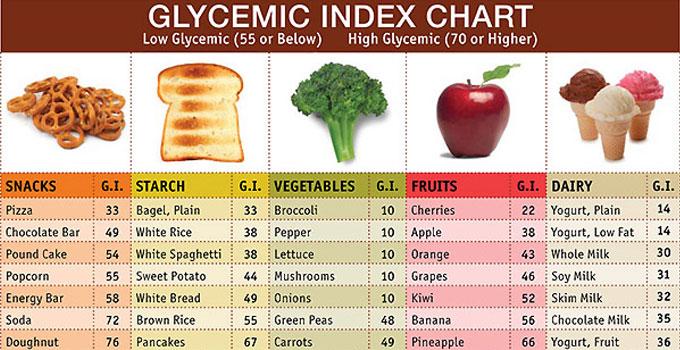
Have you ever thought of why some foods can be eaten in good quantities without worrying about the sugar rise or weight increase while in some others portion control is important? Glycemic index is the concept that helps us to choose food wisely. Are you wondering what is glycemic index and how does it help?

Glycemic index or GI is a measure of the effects of carbohydrates on blood glucose levels. Carbohydrates that break down during digestion releasing glucose rapidly  into the blood stream have a high GI; carbohydrates that break down slowly, releasing glucose gradually into the bloodstream, have a low GI.

A lower glycemic index suggests slower rates of digestion and absorption of the foods’. Carbohydrates may also indicate greater extraction from the liver and periphery of the products of carbohydrate digestion. A lower glycemic response is often thought to equate to a lower insulin demand, better long-term blood glucose control and a reduction in blood lipids.

Glycemic index of foods

Glycemic index values can be interpreted intuitively as percentages on an absolute scale and are commonly interpreted as follows:

Classification GI range Examples
Low GI 55 or less most fruit(apple, orange, peach, citrus fruits) and vegetables (except potatoes, watermelon), whole grainy breads, pasta, legumes/pulses, milk, curd products extremely low in carbohydrates (fish, eggs, meat, nuts, oils), brown rice, corn tortilla, wheat tortilla
Medium GI 56 – 69 whole wheat products, basmati rice, sweet potato, table sugar, most white rices ,Muesli,  banana, Honey
High GI 70 and above Corn flakes, baked potato, watermelon, croissant, white bread, extruded cereals (e.g., Rice crispies), straight glucose (100), peanuts

A low GI food will release glucose more slowly and steadily. A high GI food causes a more rapid rise in blood glucose levels and is suitable for energy recovery after endurance exercise or for a person with diabetes experiencing hypoglycemia.

Benefits of the Glycemic Index

Eating a lot of high GI foods can be harmful to your health as it pushes your body to extremes. This is especially true if you are overweight and sedentary. Switching to eating mainly low GI carbohydrates that slowly trickle glucose into your blood stream keeps your energy levels balanced and will feel fuller for longer between meals.

  • Low GI diets help people lose and control weight
  • Low GI diets increase the body’s sensitivity to insulin
  • Low GI carbohydrates improve diabetes control
  • Low GI carbohydrates reduce the risk of heart disease
  • Low GI carbohydrates reduce blood cholesterol levels
  • Low GI carbohydrates reduce hunger and keep you fuller for longer
  • Low GI carbohydrates prolong physical endurance
  • High GI carbohydrates help re-fuel carbohydrate stores after exercise
  • « Previous Page
  • 1
  • …
  • 14
  • 15
  • 16
  • 17
  • 18
  • …
  • 33
  • Next Page »

Search

Recent Posts

  • Our Kidneys, Our Planet: How Environmental Health Impacts Your Body
  • Caution: Smoking is Injurious to health!!
  • The Sleep-Metabolism Connection: Why Rest is Your Best GLP-1 Partner
  • Accelerate Action for Your Health: Why Self-Care Matters This International Women’s Day
  • 4 Reasons Why Affirmations Are Not Working For You

Stay Updated

Archives

  • March 2026 (5)
  • February 2026 (14)
  • January 2026 (14)
  • December 2025 (19)
  • November 2025 (15)
  • October 2025 (20)
  • September 2025 (6)
  • August 2025 (6)
  • July 2025 (12)
  • June 2025 (18)
  • May 2025 (16)
  • April 2025 (22)
  • March 2025 (23)
  • February 2025 (22)
  • January 2025 (25)
  • December 2024 (22)
  • November 2024 (23)
  • October 2024 (21)
  • September 2024 (24)
  • August 2024 (30)
  • July 2024 (21)
  • June 2024 (26)
  • May 2024 (31)
  • April 2024 (27)
  • March 2024 (29)
  • February 2024 (25)
  • January 2024 (21)
  • December 2023 (15)
  • November 2023 (11)
  • October 2023 (19)
  • September 2023 (22)
  • August 2023 (18)
  • July 2023 (22)
  • June 2023 (24)
  • May 2023 (24)
  • April 2023 (23)
  • March 2023 (23)
  • February 2023 (19)
  • January 2023 (15)
  • December 2022 (11)
  • November 2022 (15)
  • October 2022 (15)
  • September 2022 (12)
  • August 2022 (10)
  • July 2022 (17)
  • June 2022 (11)
  • May 2022 (10)
  • April 2022 (6)
  • March 2022 (6)
  • February 2022 (13)
  • January 2022 (11)
  • December 2021 (7)
  • November 2021 (3)
  • October 2021 (6)
  • September 2021 (3)
  • August 2021 (8)
  • July 2021 (7)
  • June 2021 (15)
  • May 2021 (16)
  • April 2021 (10)
  • March 2021 (7)
  • February 2021 (4)
  • January 2021 (4)
  • December 2020 (3)
  • November 2020 (4)
  • October 2020 (10)
  • September 2020 (3)
  • August 2020 (3)
  • July 2020 (2)
  • June 2020 (4)
  • May 2020 (10)
  • April 2020 (12)
  • March 2020 (10)
  • February 2020 (4)
  • January 2020 (4)
  • December 2019 (3)
  • November 2019 (7)
  • October 2019 (5)
  • September 2019 (4)
  • August 2019 (9)
  • July 2019 (9)
  • June 2019 (11)
  • May 2019 (4)
  • April 2019 (8)
  • March 2019 (8)
  • February 2019 (9)
  • January 2019 (8)
  • December 2018 (9)
  • November 2018 (3)
  • October 2018 (3)
  • September 2018 (5)
  • August 2018 (10)
  • July 2018 (6)
  • June 2018 (13)
  • May 2018 (8)
  • April 2018 (18)
  • March 2018 (9)
  • February 2018 (8)
  • January 2018 (15)
  • December 2017 (12)
  • November 2017 (19)
  • October 2017 (13)
  • September 2017 (15)
  • August 2017 (4)
  • July 2017 (8)
  • June 2017 (7)
  • May 2017 (6)
  • April 2017 (8)
  • March 2017 (6)
  • February 2017 (7)
  • January 2017 (9)
  • December 2016 (10)
  • November 2016 (7)
  • October 2016 (7)
  • September 2016 (7)
  • August 2016 (11)
  • July 2016 (9)
  • June 2016 (9)
  • May 2016 (12)
  • April 2016 (17)
  • March 2016 (17)
  • February 2016 (8)
  • January 2016 (6)
  • December 2015 (2)
  • November 2015 (9)
  • October 2015 (7)
  • September 2015 (9)
  • August 2015 (11)
  • July 2015 (9)
  • June 2015 (12)
  • May 2015 (9)
  • April 2015 (13)
  • March 2015 (8)
  • February 2015 (5)
  • January 2015 (12)
  • December 2014 (14)
  • November 2014 (11)
  • October 2014 (6)
  • September 2014 (13)
  • August 2014 (12)
  • July 2014 (6)
  • June 2014 (2)
  • May 2014 (7)
  • April 2014 (4)

From “Laddu Nawin” to Fit and Fierce: How a 25-Year-Old Insurance Advisor Shed 20 Kilos and Gained His Life Back

When 25-year-old Nawin Yadav from Hyderabad walked into his office every morning, he carried more than just his files and policy papers. He had the weight of fatigue, sluggish energy, and an ever-growing belly that was becoming the butt of jokes. “People … [Read More...]

“I’ve Challenged Myself to Live 100 Years” – The Story of Chandubhai Savani’s Second Chance at Life

At 67, most people start slowing down. Not Chandubhai Savani. A resident of Surat, Chandubhai, thought life was on track. “My life was going well till I had my bypass surgery,” he says. That surgery, back in 2021, was a wake-up call.  Medication was routine, but exercise wasn’t. His diet? What he calls ‘normal.’ “I […]

From Shimla’s Slopes to Chandigarh’s Sidewalks: Surinder Kaur Bhalla’s Journey from Chaos to Control

Some journeys start with a plan. Others begin with a stumble literally. Surinder Bhalla, a government professional, born and raised in the scenic hill town of Shimla, had always lived a life of movement. “In Shimla, you walked everywhere,” she reflects. “Walking was never an exercise. It was just life.” But after shifting to Chandigarh, […]

Ananda Mukherjee Health Story

From Terminal Illness To Complete Wellness! Ananda Mukherjee Health Story

As we observe World Cancer Day under the powerful theme ‘United by Unique’ (2025-2027)**, we are reminded that every individual’s journey with cancer is distinct, yet united by shared resilience, hope, and the collective fight against this disease. This theme places people at the centre of care and their stories at the heart of the […]

  • HOME
  • HEALTHY LIVING
  • FITNESS
  • HEALTHY RECIPES
  • USER STORIES
  • KARMA
  • BUY GOQii

Copyright ©2016 GOQii


