GOQii

Blog

  • HOME
  • HEALTHY LIVING
  • FITNESS
  • HEALTHY RECIPES
  • USER STORIES
  • KARMA
  • BUY GOQii

Search Results for: nutrition

November 20, 2023 By Ragul Vijaykumar Leave a Comment

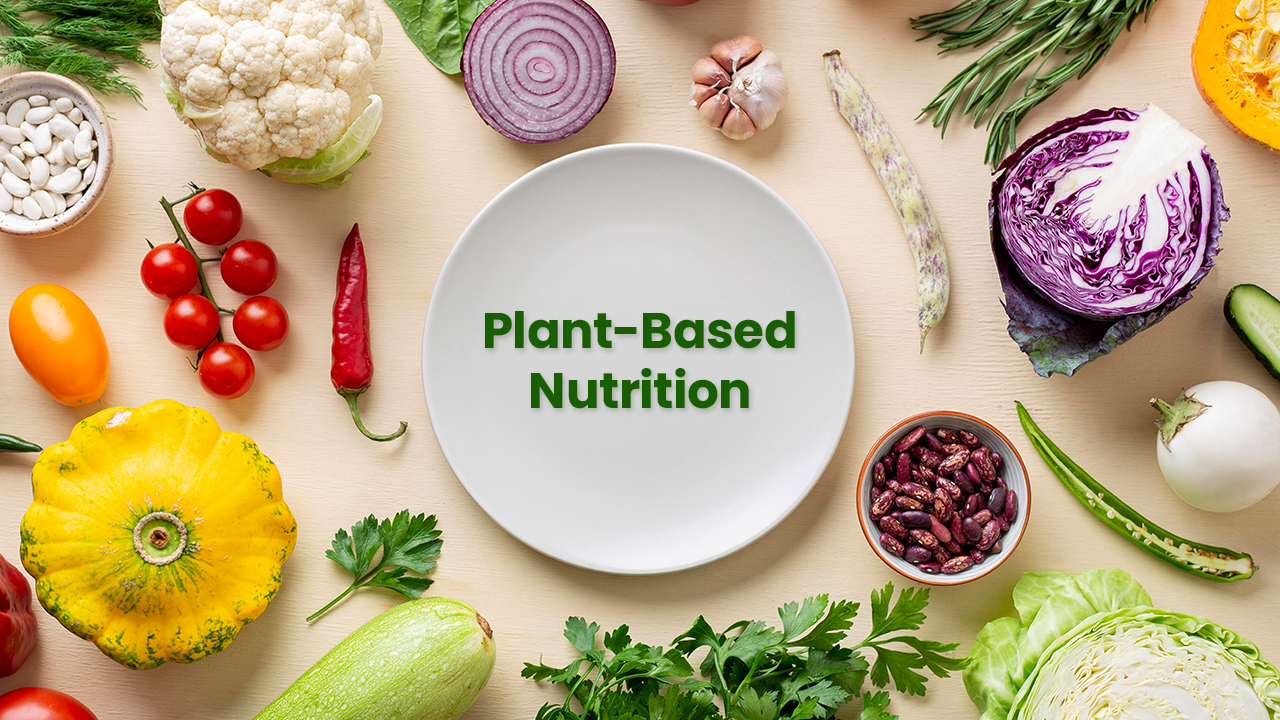
Plant-based Nutrition: The Pros, Cons and Nutritional Know-How

You may have noticed that in the recent times, there has been a significant surge in the adoption of vegan and plant-based diets. These dietary preferences are celebrated for their numerous merits, which encompass health benefits, sustainability, and ethical reasoning. However, as with any lifestyle shift, there are certain hurdles to overcome.

In this blog post, we will delve into the advantages and potential obstacles associated with vegan and plant-based diets. Furthermore, we will provide valuable insights on how to ensure an adequate intake of essential nutrients such as protein, iron, calcium, and more, enabling you to maintain a well-rounded and satisfying plant-based lifestyle.

Plant-based Diets:

Plant-based diets are gaining favor due to their health perks, ethical alignment, and eco-friendly nature. Rooted in plant-derived foods while minimizing or eliminating animal products, these diets promote health and reduce environmental impact. Embracing this shift means choosing wellness for oneself and a sustainable future for the planet.

Common Vegetarian Diets:

  • Vegan Diet: Excludes all animal products, including meat, dairy, fish, eggs, and usually honey.
  • Lacto-Vegetarian Diet: Excludes meat, fish, poultry, and eggs but includes dairy foods like milk, cheese, yoghurt, and butter.
  • Lacto-Ovo Vegetarian Diet: Includes eggs and dairy products but excludes meat and fish.
  • Ovo-Vegetarian Diet: Excludes meat, poultry, seafood, and dairy foods but can take eggs.
  • Pesco-Vegetarian (Pescatarian) Diet: Includes fish, dairy, and eggs but excludes meat.
  • Semi-Vegetarian (Flexitarian) Diet: Primarily vegetarian but occasionally including small quantities of meat, dairy, eggs, poultry, or fish.

Pros of a Plant-Based Diet:

  1. High Nutrient Density: Plant-based diets are rich in vitamins, minerals, and antioxidants found in fruits, vegetables, and whole grains, which promote overall health and reduce disease risk.
  2. Low in Saturated Fat: They naturally contain minimal saturated fats, reducing the risk of heart disease.
  3. Fiber-Rich: Plant-based diets are high in fiber, aiding digestion, promoting satiety, and regulating blood sugar levels.
  4. Low Cholesterol: Eliminating or reducing animal products lowers dietary cholesterol intake, benefiting heart health.

Cons of a Plant-Based Diet:

  1. Risk of Deficiencies: Careful planning is required to ensure adequate intake of Vitamin B12, Iron, Calcium, and Omega-3 Fatty Acids, as these nutrients are less abundant in plant-based foods.
  2. Potential for Processed Foods: Some plant-based alternatives are heavily processed and may be high in sugar, sodium, or unhealthy fats.
  3. Caloric Density: Plant-based diets can be calorically dense due to nuts, seeds, and oils, potentially leading to weight gain if portion control is not maintained.
  4. Nutrient Variability: The nutrient content of plant foods can vary, so it’s important to diversify food choices to obtain a full range of nutrients.

Macro – Micronutrients:

Plant-based diets, especially vegan ones that exclude all animal products, raise valid concerns about nutritional adequacy. Plant foods often contain less absorbable micronutrients like Iron, Vitamin A, and Zinc compared to animal products. However, a well-rounded vegan diet with diverse plant foods can still provide recommended levels of these essential micronutrients.

Here are some important nutrient food sources in vegan and plant-based diets:

  • Protein: Plant-based sources such as legumes, tofu, and nuts can provide ample protein, and a well-balanced vegan diet can meet protein requirements.
  • Iron: Leafy greens like spinach and iron-fortified cereals are essential sources of plant-based iron, which should be consumed with Vitamin C-rich foods for optimal absorption.
  • Calcium: Fortified plant-based milk and calcium-set tofu are key sources of calcium, crucial for maintaining bone health in vegan and plant-based diets.
  • Vitamin A (beta-carotene): Beta-carotene-rich vegetables like sweet potatoes contribute to Vitamin A intake, essential for vision and immune function in these diets.
  • Zinc: Foods like legumes and nuts are vital Zinc sources in plant-based diets, supporting immune function and overall health when included in regular meals.

In conclusion, plant-based diets offer numerous health and environmental benefits. However, it’s crucial to pay attention to your nutrient intake. Diversify your plant-based foods to maintain good health and effectively prevent or manage diseases. If you opt for a vegan lifestyle, thoughtful meal planning becomes essential to ensure you’re meeting your micronutrient needs.

We hope this article helps you. For further information or guidance, reach out to our certified experts by subscribing to GOQii’s Personalised Health Coaching here.

September 16, 2023 By Shehnaz Shaikh 3 Comments

Do Children Need Exercise and Nutritional Care?

exercise and nutrition for childrenExercise/Physical activity is important for everyone, but more so for children and adolescents as it plays a key role in the development of their personality. Hence, it has increasingly become important to encourage a healthy lifestyle among them. Having said this how much children need to exercise depends on age.

Why Is Exercise Important For Children & Adolescents?

Exercise for children is important for both their physical and mental well-being. By staying physically active, children and adolescents can reduce the risk of stress, depression and other mental health issues. Physical activity can also help teenagers maintain a positive body image because physical activity is beneficial to the human body.

How Does Exercise Benefit Children?

  • It improves immunity
  • Helps in building better focus
  • It helps in strengthening the lungs and the cardiovascular system
  • Keeps the children in a happy mood due to the release of feel-good hormones called endorphins
  • Helps in maintaining good brain health and also helps in enhancing memory
  • Decreases the risk of developing certain diseases, including obesity, type 2 diabetes, and high blood pressure in later years
  • Helps in maintaining a healthy weight
  • Exercise can help children of all ages and can prevent weak bones (osteoporosis) in later years by strengthening bones and joints
  • Helps in performing well in sports

How Long Should Children Exercise For?

Children and adolescents should do 60 minutes or more of physical activity each day. Children and adolescents are often active in short bursts of time rather than for sustained periods of time, and these short bursts can add up to meet physical activity needs. Physical activities for children and adolescents should be developmentally-appropriate, fun, and offer variety.

Having a balanced exercise routine is good. let’s take a look at 

The three parts of a balanced exercise routine are Aerobic exercise, strength training and flexibility training.

  1. Aerobic exercises

Aerobic exercises increase the heart rate and breathing rate. When you give your heart and lungs this kind of workout regularly, they get stronger. Aerobic exercises should be fun and easy exercises for children that they will love to engage in. Some of the aerobic exercises that your children will enjoy include Swimming, Skating, Cycling, Jogging, Dancing, Skipping, Football, etc. Some team sports that provide a great aerobic workout are basketball, hockey, rowing, cricket and badminton.

  1. Strength Training

Go for exercises that strengthen bones and muscles. Experts recommend that children and adolescents, ages 6 to 17, should get at least one hour of moderate to high-intensity aerobic exercise every day. Strength-training activities that build muscle should also be part of a 60-minute exercise routine on at least three days of the week.

Young people ages 13 to 17 should do a variety of moderate to vigorous physical activity for 60 minutes each day. Along with aerobic exercises like running, jogging, fast walking, circuit training, one should also include sit-ups, push-ups, lunges and squats.

Some of the Exercises Include: 

  1. Lunges: Children can improve their balance and strengthen their legs with some lunges
  2. Squats: are the best for building quads, hamstrings, and glutes, and they help to strengthen your child’s lower back as well
  3. Push-ups: can also be done on the knees or on the feet, according to the child’s ability. Don’t worry if they don’t have the form right initially

Encourage your child to Warm up before exercise and cool down after exercise to prevent muscle soreness and injury.

Warm up before exercise: Warming up before exercise prevents injury by softening the muscles and making them supple. Some warm-up exercises you can do are:

  • Slow jogging or walking
  • Stretching all the muscles they’re going to use (hold each and stretch for 8 to 10 seconds, but never until it hurts)

Cool down after exercise: Cooling down after high-intensity exercise is important for relaxing and softening the muscles. Cool down or ballistic stretch begins to lower the heart rate, improves flexibility and will speed up recovery from a workout.

Some Cool Down Examples Include: 

  1. Hamstring Stretch: The stretch helps Hamstring muscles that are on the back of the thigh 2
  2. Side Lunge: This stretch works the inner thighs
  3. Calf Stretch: This stretch feels good after running or walking.
  4. Butterfly Stretch: Children are usually quite adept to the butterfly stretch and it relaxes them well after a good physical activity.

Nutrition is Equally Important When You Exercise 

While exercise is very important, nutrition is equally important for children and adolescents to lead an active and healthy life.

Children who eat healthy, well-balanced meals and snacks will get the nutrients needed to perform well in sports. Kids and teens who play a sport that can involve 1½ to 2 hours or more of activity in a day, in particular, may need to consume more balanced nutrition to keep up with increased energy and fluid demands.

We trust that this article on exercise and nutrition for children assists you in making informed decisions about your child’s health. Do let us know your thoughts in the comments below. For more on Kid’s Health check out Healthy reads. To get expert advice, speak to a GOQii Coach by subscribing for Personalised Health Coaching here.

July 21, 2023 By Dr. Pragati Godara Leave a Comment

Importance Of Good Nutrition For The Human Body

importance of Good nutritionGood nutrition and health are inseparable partners that play a pivotal role in our overall well-being. A balanced and nutritious diet is the foundation for a robust immune system, increased energy levels, and enhanced cognitive function.

Choosing nutrient-rich foods abundant in vitamins, minerals, and antioxidants can strengthen our bodies, ward off illnesses, and promote longevity. Moreover, a healthy diet can help prevent chronic conditions such as obesity, heart disease, and diabetes, empowering us to lead a fulfilling and active lifestyle.

In this article, we will explore the wonders of good food and health, as they form the cornerstone of a vibrant and enriched life.

The Importance Of Good Nutrition 

Here are 5 ways in which good nutrition can help you live a healthy and fulfilling life.

1. Essential Nutrients for Optimal Functioning

Good food provides our bodies with the necessary nutrients required for optimal functioning. These nutrients include carbohydrates, fats, protein, minerals, vitamins, and water. Carbohydrates are the primary source of energy, while proteins are essential for growth, repair, and maintenance of body tissues. Fats play a significant role in hormone production, brain function, and absorption of fat-soluble vitamins.

Vitamins and minerals are necessary for numerous bodily functions, including immune system support, energy production, bone health, and protection against oxidative stress. Additionally, water is essential for maintaining proper hydration and facilitating various physiological processes.

2. Disease Prevention and Management

Consuming a balanced and nutritious diet significantly reduces the risk of developing chronic diseases such as obesity, heart disease, type 2 diabetes, and certain types of cancer. A diet rich in fruits, vegetables, whole grains, lean proteins, and healthy fats provides the body with essential antioxidants, phytochemicals, and fiber that help combat inflammation, boost the immune system, and protect against cellular damage.

3. Weight Management

Maintaining a healthy weight is crucial for overall health. Good food choices, combined with regular physical activity, help manage body weight effectively. A balanced diet with adequate portions ensures that our bodies receive the necessary nutrients without excess calories. High-fiber foods, such as fruits, vegetables, and whole grains, provide a feeling of fullness, reducing the likelihood of overeating. In contrast, processed foods high in sugar, unhealthy fats, and empty calories contribute to weight gain and various associated health problems.

4. Mental Well-being

The impact of good nutrition extends beyond physical health; it also influences mental well-being. Several studies have shown a strong connection between diet and mental health conditions such as depression and anxiety. Nutrient deficiencies, particularly omega-3 fatty acids, B vitamins, and minerals like zinc and magnesium, have been linked to an increased risk of mental health disorders.

Conversely, a nutrient-rich diet, including whole foods, fruits, vegetables, legumes, and healthy fats, has been associated with improved mood, cognitive function, and overall mental well-being. Healthy eating habits can also enhance sleep quality, energy levels, and brain performance, thereby promoting a positive mindset and reducing stress.

5. Longevity and Quality of Life

Good food choices and a healthy lifestyle contribute to a longer, healthier life. Studies have consistently shown that individuals who adhere to a nutrient-dense diet have a lower risk of premature death and age-related chronic diseases. The combined effects of proper nutrition, regular physical activity, and other healthy lifestyle factors can improve vitality, increase longevity, and enhance the overall quality of life.

The importance of good food for a healthy body cannot be overstated. A well-balanced and nutritious diet provides the essential nutrients, energy, and protection necessary for optimal bodily functions. It not only prevents diseases and helps manage weight but also supports mental well-being, promotes longevity, and enhances overall quality of life. By making conscious choices to incorporate whole, unprocessed foods into our diets, we empower ourselves to lead healthier, happier lives. Remember, food is not just fuel, it is the foundation of our well-being.

If this article helped you, share it with your friends and family and let us know in the comments below! Find more articles on nutrition here or speak to a GOQii Coach for a deeper understanding of how choosing the right foods can help you. Subscribe to GOQii’s Personalised Health Coaching here.

#BeTheForce
June 29, 2023 By Arooshi Garg Leave a Comment

How Good Nutrition Before Conception Can Affect Up To 3 Generations

How Good Nutrition Before Conception Can Affect Up To 3 Generations

We usually lay a lot of emphasis on the pregnancy and postpartum diet, however, a new study suggests that a gene called VTRNA20-1 which is responsible for reducing the risk of future diseases for a developing baby is directly related to nutritional status of a mother before pregnancy.

A mother’s pre-pregnancy diet is directly related to the foetus’s genetic makeup and immunity. If a mother is nutritionally deficient before conception, it may lead to radical and permanent change in the unborn child’s genetic makeup responsible for immunity and future risk of cancer.

Factors That Determine The Health Of The Unborn Child

A mother’s environment, nutritional intake, and mental health status determines the long term health of the unborn child.

Few nutrients are said to be extremely essential for a healthy pregnancy and should be included in a women’s diet in the pre-pregnancy period. Some babies are born with spina bifida, brain defects, preterm births, or underweight babies which is directly related to a mother’s pre-pregnancy weight and nutritional adequacy.

As soon as the egg is fertilized, the embryo starts using the mother’s nutrient stores to support its growth. Essential nutrients like Zinc, Iron, Folic Acid are needed to support development and growth of the main body organs in the developing foetus.

How Does Good Nutrition Before Conception Help?

Let’s look at the role good nutrition and the lack of it play during pre-pregnancy, pregnancy and childbirth.

  • Women in the higher BMI range have an increased risk for pregnancy induced diabetes or high blood pressure which can lead to improper foetal development. This could affect generations to come! It is extremely essential to monitor weight and be in a BMI range that is below 25.
  • Folate or Vitamin B9 is a very important vitamin for the development of the brain and spinal cord of the baby. Deficiency of which can cause neural tube defects or Spina Bifida, where the backbone encasing the spinal cord doesn’t develop properly, exposing the spinal cord. This can lead to intellectual disability or paralysis which might be carried on to generations to come as a hereditary issue. Folic acid is a very essential nutrient found in nuts, legumes, orange and yellow fruits.
  • Calcium is extremely important not only for the unborn child but also for the mother to maintain good nutritional status. As the embryo grows, it starts drawing minerals like calcium, zinc and magnesium from the mother’s body. Inadequacy of these nutrients might lead to poor bone development, poor muscle and nerve fibre expansion. In turn, the mother’s bones also weaken, putting them at risk of osteoarthritis in the future.
  • Iron is required in good amounts in maternal stores to prepare the mother’s body for the needs of the foetus during pregnancy. Anaemia or iron deficiency is related to increased foetal morbidity. Affected mothers may experience breathlessness, fainting, tiredness, palpitations, and sleep difficulties. Most of the iron transfer to foetus happens in the third trimester and is the most important phase where iron reserves of the mother should be extremely good. A good iron reserve ensures that the blood supply in the developing baby is proper and any blood loss that happens during delivery doesn’t prove to be fatal for the new mother.

In short, if a mother’s diet and nutritional status are poor before conception, it might lead to a plethora of adverse outcomes that might continue for generations to come. 

I hope this write-up helps to-be mothers lay more focus on correcting their nutrition before conceiving which helps them as well as their unborn babies to be at a lesser risk for any genetic or nutrition-induced life threatening outcomes!

If this article helped you, let us know in the comments below and share it with anyone who needs to read it! Find more articles on women’s health here. You can also seek advice and guidance from a certified expert during your pregnancy, by subscribing to GOQii’s Personalised Health Coaching here.

#BeTheForce  

  • « Previous Page
  • 1
  • 2
  • 3
  • 4
  • 5
  • 6
  • …
  • 144
  • Next Page »

Search

Recent Posts

  • India Leads in Longevity: GOQii Sanjeevini Named Top 40 in $101M XPRIZE
  • The Importance Of Knowing If You’re Thirsty Or Hungry
  • Best Foods To Alleviate Irritable Bowel Syndrome
  • ALL ABOUT VERTIGO!
  • PCOS and Anxiety: Discover Relief with the 54321 Technique

Stay Updated

Archives

  • December 2025 (8)
  • November 2025 (15)
  • October 2025 (20)
  • September 2025 (6)
  • August 2025 (6)
  • July 2025 (12)
  • June 2025 (18)
  • May 2025 (16)
  • April 2025 (23)
  • March 2025 (23)
  • February 2025 (22)
  • January 2025 (26)
  • December 2024 (26)
  • November 2024 (25)
  • October 2024 (22)
  • September 2024 (24)
  • August 2024 (31)
  • July 2024 (21)
  • June 2024 (26)
  • May 2024 (31)
  • April 2024 (27)
  • March 2024 (29)
  • February 2024 (26)
  • January 2024 (25)
  • December 2023 (15)
  • November 2023 (11)
  • October 2023 (20)
  • September 2023 (22)
  • August 2023 (20)
  • July 2023 (22)
  • June 2023 (24)
  • May 2023 (24)
  • April 2023 (24)
  • March 2023 (23)
  • February 2023 (20)
  • January 2023 (16)
  • December 2022 (12)
  • November 2022 (15)
  • October 2022 (15)
  • September 2022 (12)
  • August 2022 (10)
  • July 2022 (17)
  • June 2022 (11)
  • May 2022 (10)
  • April 2022 (6)
  • March 2022 (6)
  • February 2022 (13)
  • January 2022 (12)
  • December 2021 (7)
  • November 2021 (3)
  • October 2021 (6)
  • September 2021 (3)
  • August 2021 (8)
  • July 2021 (7)
  • June 2021 (15)
  • May 2021 (16)
  • April 2021 (10)
  • March 2021 (7)
  • February 2021 (4)
  • January 2021 (4)
  • December 2020 (3)
  • November 2020 (4)
  • October 2020 (10)
  • September 2020 (3)
  • August 2020 (3)
  • July 2020 (2)
  • June 2020 (4)
  • May 2020 (10)
  • April 2020 (12)
  • March 2020 (10)
  • February 2020 (4)
  • January 2020 (4)
  • December 2019 (3)
  • November 2019 (7)
  • October 2019 (5)
  • September 2019 (4)
  • August 2019 (9)
  • July 2019 (9)
  • June 2019 (11)
  • May 2019 (4)
  • April 2019 (9)
  • March 2019 (8)
  • February 2019 (9)
  • January 2019 (8)
  • December 2018 (9)
  • November 2018 (3)
  • October 2018 (3)
  • September 2018 (5)
  • August 2018 (10)
  • July 2018 (6)
  • June 2018 (13)
  • May 2018 (8)
  • April 2018 (18)
  • March 2018 (9)
  • February 2018 (8)
  • January 2018 (15)
  • December 2017 (12)
  • November 2017 (19)
  • October 2017 (13)
  • September 2017 (15)
  • August 2017 (4)
  • July 2017 (8)
  • June 2017 (7)
  • May 2017 (6)
  • April 2017 (8)
  • March 2017 (6)
  • February 2017 (7)
  • January 2017 (9)
  • December 2016 (10)
  • November 2016 (7)
  • October 2016 (7)
  • September 2016 (7)
  • August 2016 (11)
  • July 2016 (9)
  • June 2016 (9)
  • May 2016 (12)
  • April 2016 (17)
  • March 2016 (17)
  • February 2016 (8)
  • January 2016 (6)
  • December 2015 (2)
  • November 2015 (9)
  • October 2015 (7)
  • September 2015 (9)
  • August 2015 (11)
  • July 2015 (9)
  • June 2015 (12)
  • May 2015 (9)
  • April 2015 (13)
  • March 2015 (8)
  • February 2015 (5)
  • January 2015 (12)
  • December 2014 (14)
  • November 2014 (11)
  • October 2014 (6)
  • September 2014 (13)
  • August 2014 (12)
  • July 2014 (6)
  • June 2014 (2)
  • May 2014 (7)
  • April 2014 (5)

From “Laddu Nawin” to Fit and Fierce: How a 25-Year-Old Insurance Advisor Shed 20 Kilos and Gained His Life Back

When 25-year-old Nawin Yadav from Hyderabad walked into his office every morning, he carried more than just his files and policy papers. He had the weight of fatigue, sluggish energy, and an ever-growing belly that was becoming the butt of jokes. “People … [Read More...]

“I’ve Challenged Myself to Live 100 Years” – The Story of Chandubhai Savani’s Second Chance at Life

At 67, most people start slowing down. Not Chandubhai Savani. A resident of Surat, Chandubhai, thought life was on track. “My life was going well till I had my bypass surgery,” he says. That surgery, back in 2021, was a wake-up call.  Medication was routine, but exercise wasn’t. His diet? What he calls ‘normal.’ “I […]

From Shimla’s Slopes to Chandigarh’s Sidewalks: Surinder Kaur Bhalla’s Journey from Chaos to Control

Some journeys start with a plan. Others begin with a stumble literally. Surinder Bhalla, a government professional, born and raised in the scenic hill town of Shimla, had always lived a life of movement. “In Shimla, you walked everywhere,” she reflects. “Walking was never an exercise. It was just life.” But after shifting to Chandigarh, […]

Ananda Mukherjee Health Story

From Terminal Illness To Complete Wellness! Ananda Mukherjee Health Story

As we observe World Cancer Day under the powerful theme ‘United by Unique’ (2025-2027)**, we are reminded that every individual’s journey with cancer is distinct, yet united by shared resilience, hope, and the collective fight against this disease. This theme places people at the centre of care and their stories at the heart of the […]

  • HOME
  • HEALTHY LIVING
  • FITNESS
  • HEALTHY RECIPES
  • USER STORIES
  • KARMA
  • BUY GOQii

Copyright ©2016 GOQii