GOQii

Blog

  • HOME
  • HEALTHY LIVING
  • FITNESS
  • HEALTHY RECIPES
  • USER STORIES
  • KARMA
  • BUY GOQii

Search Results for: nutrition

August 21, 2024 By Madhu Soni 3 Comments

Health, Fitness and Nutrition For Senior Citizens

senior citizensDoes old age mark the end of physical fitness? If you retire from work, with reduced responsibilities, does it mean you can retire from exercise as well? At any given age, physical fitness and exercise play a crucial role in leading a healthy lifestyle, especially for senior citizens. Whether you’re young or old, working out and keeping yourself active shouldn’t stop as exercise is important even when you’re a senior citizen.

Here are a few benefits of working out for Senior Citizens

  • Prevents Diseases & Chronic Conditions: Being regular with any kind of physical activity helps keep away diseases like diabetes, heart ailments and cancer.
  • Reduced Risk of Fall: With old age, the risk of falling increases, which can have a disastrous effect on being independent. Exercise improves the strength and flexibility of the body and as a result, it improves balance and coordination.
  • Improved Mental Health: Exercise induces endorphins – the happy hormone, which helps to feel good and keeps stress away. Exercise has a direct impact on sleep. Insomnia and disrupted sleep patterns which are common aspects with senior citizens is taken care of with regular exercise.
  • Social Engagement: Responsibilities reduce with age and so does the social life. Being regular with any kind of activity, be it yoga or a laughter club, helps to interact with people of the same age with similar problems. Now, they have their own tribe and this brings in confidence as it deals with depression and loneliness.
  • Better Cognitive Function: Fine-tuned motor skills improve cognitive functions which lower the risk of deteriorating memory, thinking, behavior and the ability to perform daily activities.
  • Keeps Weight in Check: Metabolism slows down in old age and as a result, losing weight becomes a challenge. Regular exercise helps in increasing metabolism and losing weight.

Get Started With an Activity

  • Walking: Be it brisk walking or a stroll in the park, walking improves stamina and makes you feel good!
  • Yoga: It helps in improving flexibility and mental health.
  • Workout at Fitness Studios: Use body weight to keep fit and meet like-minded people!
  • Swimming: Ideal for those having aching joints as it is not weight bearing. Swimming will help you tone your body and improve stamina.
  • Cycling: Low impact sport which is good for the cardiovascular system.
  • Resistance Bands: Improves muscle strength, balance, coordination and range of motion.
  • Laughter Clubs: Laughter is the best medicine. Visiting laughter clubs will help you stay positive and stress-free.

Points to be Kept in Mind:

  • Get a clearance from your Doctor about your fitness regime
  • Start with warm ups and end with cool down to prevent injuries
  • Always start slow and gradually increase the intensity
  • At any point if discomfort or pain is felt, stop immediately and consult your Doctor

Nutrition for Senior Citizens

Eating the right food in old age is very important as weak bones, lower immunity, poor digestion are all a part of the routine. Hence, eating healthy is very important.

Tips for Healthy Eating:

  • Have five to six small meals during the day to help in better digestion and absorption
  • Since appetite reduces with age, care should be taken to include sufficient proteins like whole grains, eggs, milk products, chicken, fish, etc.
  • Eat a good amount of fruits as they are rich in antioxidants
  • Including salads helps to keep constipation at bay due to their fiber content
  • Stay hydrated with sufficient amount of water
  • Avoid processed food

Eating right and exercising can help you stay youthful and active even in old age! We hope this article helps. Leave your thoughts in the comments below!

For more on healthy living, check out Healthy Reads. To get the right tips and guidance from an expert, subscribe for GOQii’s Personalised Health Coaching here.

Wish you all a Happy and Healthy Senior Citizens Day!

#BeTheForce

Disclaimer: The information provided in this blog is for general awareness and educational purposes only. It is not intended to replace professional medical advice, diagnosis, or treatment. Always consult a qualified healthcare provider for personalised medical guidance or concerns related to your health.
March 26, 2024 By Roopa Tandur Leave a Comment

Nutritional Deficiencies That Can Cause Hair Loss

hair loss

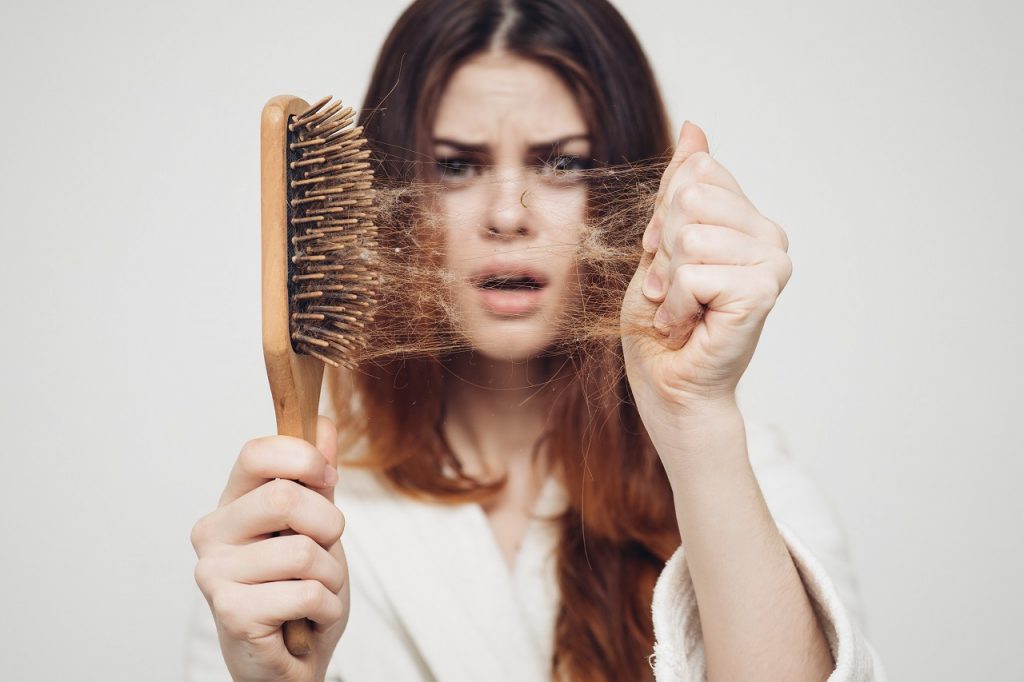
Hair is a tough protein made of Keratin. The hair bulbs at the base of the hair follicle divide and grow to build the hair shaft. Blood vessels nourish the hair bulb and deliver the hormones that modify hair growth. Hair grows at different rates in different people. Hair loss also happens at different rates in different people for different reasons like heredity, hormonal changes like hypothyroidism, medical condition or side effects of medicines, ageing or even stress. We do shed around 50-200 hair every day and it is perfectly normal. Also, in some situations like post pregnancy in women, when there is more than normal hair loss due to sudden imbalance of calorie intake, which usually gets resolved by itself. Whatever the reason for hair fall, these two small words can be a nightmare for many. Let’s understand what nutritional deficiencies can lead to hair loss!

Which Nutritional Deficiencies Can Cause Hair Loss? 

  1. Vitamin D Deficiency: Vitamin D is very important for hair growth as it stimulates hair follicles and also helps in maintaining thickness of each hair strand. Low levels of Vitamin D in the body may cause thinning of hair or slow hair growth. Keratinocytes in skin metabolise Vitamin D to Keratin – a protein found in hair, skin and nails. Low levels of Vitamin D make it difficult for the Keratinocytes in hair follicles to regulate hair growth and its shedding. Low levels of Vitamin D are associated with higher stress levels which support hair fall. Getting 400-800 IU of Vitamin D a day is very important. This can be easily achieved with 10-30 minutes of sun exposure.
  2. Vitamin B7 or Biotin Deficiency: Though biotin deficiency is very rare in people (as biotin is found easily in foods like Banana, Carrot, Egg Yolks, Legumes, Nuts, etc.), it can occur by heredity or in people who consume excessive amounts of alcohol, smoke excessively, people with inflammatory bowel disease or in people who have raw egg whites which contain avidin that blocks absorption of biotin.
  3. Iron Deficiency: When one has iron deficiency, the circulation of haemoglobin is less –  which means less oxygen uptake by the body and slower growth and repair of cells, including cells that stimulate hair growth. When there is less circulating oxygen in the body, the available supply is channelized to vital organs to keep them alive rather than to hair follicles. Without oxygen, hair follicles cease to function properly and eventually fall out. Including foods like Whole Wheat Grains, Beans, Chickpea, Tofu, Peas, Nuts, Raisins, Spinach and Chicken ensures that you have good iron stores in the body. When you notice more than usual hair in your shower drain or hair brush, it is time to get your haemoglobin levels tested. 
  4. Vitamin C: While Vitamin C deficiency is rare as it is easily available in many food items, the common risk factors include poor diet, alcoholism, anorexia, smoking and chronic illness. Vitamin C plays a vital role in the absorption of iron from the intestines which leads to weakness and hair loss. Having citrus fruits like Oranges, Sweet Lime, Lemon, Strawberry, Guava and other foods like Sweet Potato, Chillies, Thyme, Kale and Broccoli on a regular basis, ensures your vitamin levels are maintained on a higher side 
  5. Vitamin E: with its antioxidant properties helps in reducing oxidative stress on the scalp and reduces free radical damage and protects hair cells. Vitamin E helps improve scalp health and hair health. It creates a protective layer on the hair follicles and locks in moisture making it shiny and easy to manage. Vitamin E supports a healthy scalp by protecting the lipid layer and reducing dryness and scaling of the scalp. Food sources of Vitamin E include nuts and seeds like Almonds and Walnuts, Pumpkin and Sunflower Seeds, Wheat Germ Oil, Peanuts, Avocado, Mango and Spinach.

Tips To Reduce Hair Fall  

  • Eat well balanced meals containing protein, complex carbs and healthy fats
  • Drink at least 8-10 glasses of water a day to aid the digestion and absorption of nutrients from your diet
  • Include healthy snacks in between meals to maintain energy levels
  • Include foods like Whole Grain Cereals, Eggs, Nuts, Leafy Vegetables, Tofu, Legumes, Quinoa, Beans, Avocado, Dairy, Orange and Lime to get all the essential nutrients to support healthy tresses
  • Get good exposure to sunlight so that you maintain your Vitamin D levels, if not do supplement it regularly 
  • Maintain scalp and hair hygiene by using a mild shampoo at least 2 times a week
  • Keep stress levels within normal limits 
  • Get good quality sleep and exercise at least 4-5 days a week

We hope this article on nutritional deficiencies that can cause hair loss helps you! For more on hair loss and hair care, check out Healthy Reads or speak to a certified expert by subscribing to GOQii’s Personalised Health Coaching here. 

#BeTheForce 

February 5, 2024 By GOQii 8 Comments

Burn Belly Fat With Proper Nutrition

nutrition to burn belly fatBelly fat! A large section of people in this world are obsessed with their body and more so belly fat. They might be pushing themselves with exercise or following a particular diet plan but are still unable to rid themselves of it. The reasons behind not being able to burn belly fat may be excessive use of sugar and fats. This in turn results in weight gain through development of fats around different parts of the body.

Among all body parts, belly is the most affected area. This is because of the fats. The belly grows quickly and leads to increased health problems. Studies have shown that the human body reacts to increased levels of sugar. Generally, 15 grams of sugar is recommended and not more than that. The question is, can a change in diet impact the belly and other body fats? Let’s explore!

6 Nutritional Tips To Help You Burn Belly Fat

  1. Reduce Sugar Intake: Reduction in our daily sugar intake should be at a recommended level of 15 grams. This is one of the most effective steps in reducing belly fat through nutrition. Excess of sugar intake is one of the biggest reasons for obesity and diabetes in the U.S.
  2. Avoid Processed Food: Consumption of processed food items is one of the sources of excessive sugar and fat intake. Try to prepare your food with your hands if you are aware of the ingredients which will be used. Carefully read ingredients used in processed food before you consume them.
  3. Reduce Bad Carbohydrates: Reduction of carbohydrates is another step to reduce belly fat without exercise. Particularly, avoid consuming fizzy drinks. This is one of the sources of high bad carbohydrates.
  4. Increase Intake of Fiber: Increased intake of fiber will constraint your need for carbohydrates. Having more of veggies and fruits will help you with good carbs and avoid the intake of bad carbs.
  5. Eat Raw Vegetables: Eating half cooked or raw vegetables helps you reduce your belly fat. Vegetables are the best solution to fiber requirement. During the day take healthy carbohydrates and at night eat a good meal consisting of proteins/fiber and less carbs.
  6. Know What to Eat: It is essential that you are aware of what you eat. For example, you can do some research about food items that have rich sources of fibre and healthy carbohydrates. You can then add them to your diet.

We hope this article on how to burn belly fat helps you! Remember that it will only work if you are disciplined and follow the routine religiously. Otherwise, no matter how hard you try, there won’t be any significant change for the better. For more on fat and weight loss, check out Healthy Reads or ask a GOQii Coach directly by subscribing for Personalised Health Coaching here.

#BeTheForce

January 3, 2024 By Swati Savla Leave a Comment

Nutrition Guidelines For Seniors During Winter

nutrition guidelines for seniors

Maintaining immunity during winter is imperative, especially for seniors. It’s quite crucial to take care of their nutritional needs as they face the greatest risk of cold and flu viruses and issues like joint pain, hypothermia (which may also lead to stroke or heart attack), dry skin, aggravation of asthmatic attacks or respiratory problems. So, let’s look at some nutrition guidelines for seniors during winter! 

Nutrition Guidelines For Seniors 

Some daily dietary nourishment tips that can help seniors tackle common winter problems include:

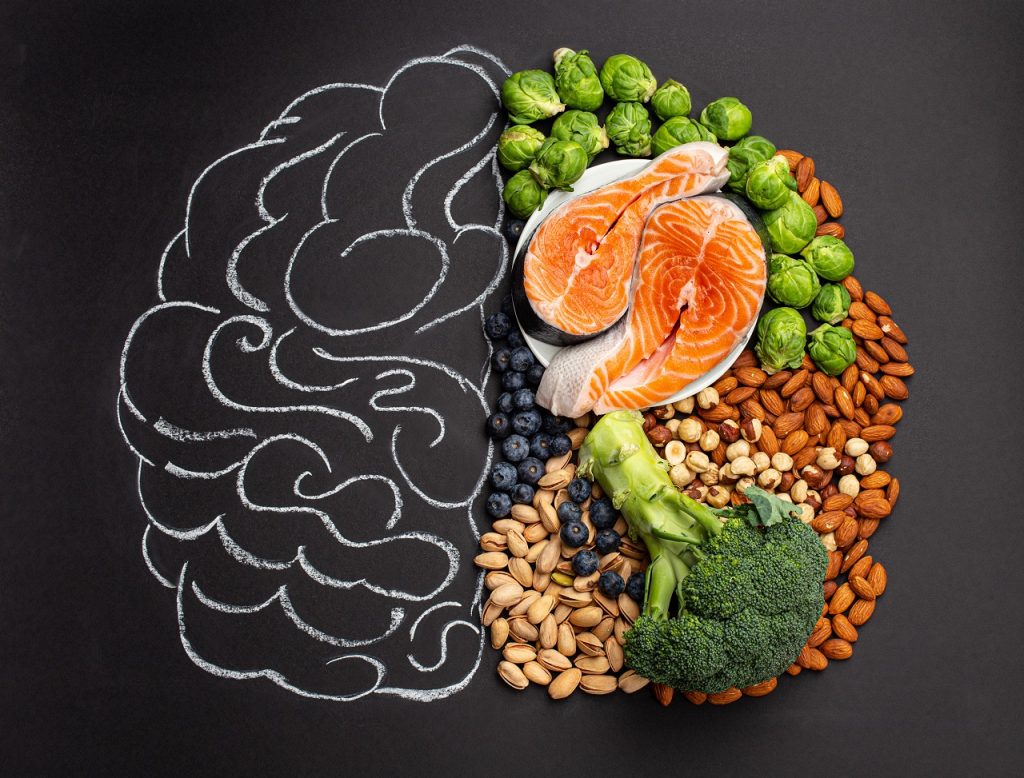
  • Omega-3 fatty acids: Fatty fish like salmon, tuna, mackerel, walnuts, flaxseeds, chia seeds and avocado are some excellent sources of Omega-3 fatty acids.  Omega-3 fatty acids are beneficial in reducing inflammation especially in arthritis, curbing heart disease and they also play a role in cognitive development in elderly. 
  • Seasonal fruits and vegetables like all the leafy greens, berries, citrus fruits, root vegetables like beetroot, carrots and sweet potatoes. All of these are high in antioxidants, vitamins, minerals and dietary fiber which help easing the bowels. 
  • Winters mean less exposure to the sun which may be a reason for Vitamin D deficiency and impaired calcium absorption which affects bone health further. Hence, Vitamin D fortified cereals, egg yolk, milk and milk products need to be a part of the diet regularly.
  • The cold climate leads to less water intake due to the urge to urinate frequently which can act as a hindrance to our elders to maintain optimal fluid intake. Inclusion of warm soups, decaffeinated beverages, warm milk, vegetable juices, citrus fruits and gourd vegetables help them in maintaining the hydration status. A well hydrated body aids good digestion, helps in transport of nutrients and also improves the performance of joints and muscles.
  • Habituate elders to have 5-6 small but frequent meals. It is essential for improving metabolism, regulating insulin levels and improving calorie intake in older individuals who face a diminished appetite. 

Apart from good nutrition, maintaining some basic physical activity within the vicinity of the house is equally important to reduce joint pains and muscle stiffness by improving blood flow to all parts of the body and aiding better digestion and good metabolism.

We hope these nutrition guidelines for seniors during winter helps you take care of the elderly in your family and around you. Do leave your thoughts in the comments below. For more on healthy living for senior citizens, check out Healthy Reads or ask a GOQii Coach by subscribing for Personalised Health Coaching here.

#BeTheForce 

  • « Previous Page
  • 1
  • 2
  • 3
  • 4
  • 5
  • …
  • 144
  • Next Page »

Search

Recent Posts

  • India Leads in Longevity: GOQii Sanjeevini Named Top 40 in $101M XPRIZE
  • The Importance Of Knowing If You’re Thirsty Or Hungry
  • Best Foods To Alleviate Irritable Bowel Syndrome
  • ALL ABOUT VERTIGO!
  • PCOS and Anxiety: Discover Relief with the 54321 Technique

Stay Updated

Archives

  • December 2025 (8)
  • November 2025 (15)
  • October 2025 (20)
  • September 2025 (6)
  • August 2025 (6)
  • July 2025 (12)
  • June 2025 (18)
  • May 2025 (16)
  • April 2025 (23)
  • March 2025 (23)
  • February 2025 (22)
  • January 2025 (26)
  • December 2024 (26)
  • November 2024 (25)
  • October 2024 (22)
  • September 2024 (24)
  • August 2024 (31)
  • July 2024 (21)
  • June 2024 (26)
  • May 2024 (31)
  • April 2024 (27)
  • March 2024 (29)
  • February 2024 (26)
  • January 2024 (25)
  • December 2023 (15)
  • November 2023 (11)
  • October 2023 (20)
  • September 2023 (22)
  • August 2023 (20)
  • July 2023 (22)
  • June 2023 (24)
  • May 2023 (24)
  • April 2023 (24)
  • March 2023 (23)
  • February 2023 (20)
  • January 2023 (16)
  • December 2022 (12)
  • November 2022 (15)
  • October 2022 (15)
  • September 2022 (12)
  • August 2022 (10)
  • July 2022 (17)
  • June 2022 (11)
  • May 2022 (10)
  • April 2022 (6)
  • March 2022 (6)
  • February 2022 (13)
  • January 2022 (12)
  • December 2021 (7)
  • November 2021 (3)
  • October 2021 (6)
  • September 2021 (3)
  • August 2021 (8)
  • July 2021 (7)
  • June 2021 (15)
  • May 2021 (16)
  • April 2021 (10)
  • March 2021 (7)
  • February 2021 (4)
  • January 2021 (4)
  • December 2020 (3)
  • November 2020 (4)
  • October 2020 (10)
  • September 2020 (3)
  • August 2020 (3)
  • July 2020 (2)
  • June 2020 (4)
  • May 2020 (10)
  • April 2020 (12)
  • March 2020 (10)
  • February 2020 (4)
  • January 2020 (4)
  • December 2019 (3)
  • November 2019 (7)
  • October 2019 (5)
  • September 2019 (4)
  • August 2019 (9)
  • July 2019 (9)
  • June 2019 (11)
  • May 2019 (4)
  • April 2019 (9)
  • March 2019 (8)
  • February 2019 (9)
  • January 2019 (8)
  • December 2018 (9)
  • November 2018 (3)
  • October 2018 (3)
  • September 2018 (5)
  • August 2018 (10)
  • July 2018 (6)
  • June 2018 (13)
  • May 2018 (8)
  • April 2018 (18)
  • March 2018 (9)
  • February 2018 (8)
  • January 2018 (15)
  • December 2017 (12)
  • November 2017 (19)
  • October 2017 (13)
  • September 2017 (15)
  • August 2017 (4)
  • July 2017 (8)
  • June 2017 (7)
  • May 2017 (6)
  • April 2017 (8)
  • March 2017 (6)
  • February 2017 (7)
  • January 2017 (9)
  • December 2016 (10)
  • November 2016 (7)
  • October 2016 (7)
  • September 2016 (7)
  • August 2016 (11)
  • July 2016 (9)
  • June 2016 (9)
  • May 2016 (12)
  • April 2016 (17)
  • March 2016 (17)
  • February 2016 (8)
  • January 2016 (6)
  • December 2015 (2)
  • November 2015 (9)
  • October 2015 (7)
  • September 2015 (9)
  • August 2015 (11)
  • July 2015 (9)
  • June 2015 (12)
  • May 2015 (9)
  • April 2015 (13)
  • March 2015 (8)
  • February 2015 (5)
  • January 2015 (12)
  • December 2014 (14)
  • November 2014 (11)
  • October 2014 (6)
  • September 2014 (13)
  • August 2014 (12)
  • July 2014 (6)
  • June 2014 (2)
  • May 2014 (7)
  • April 2014 (5)

From “Laddu Nawin” to Fit and Fierce: How a 25-Year-Old Insurance Advisor Shed 20 Kilos and Gained His Life Back

When 25-year-old Nawin Yadav from Hyderabad walked into his office every morning, he carried more than just his files and policy papers. He had the weight of fatigue, sluggish energy, and an ever-growing belly that was becoming the butt of jokes. “People … [Read More...]

“I’ve Challenged Myself to Live 100 Years” – The Story of Chandubhai Savani’s Second Chance at Life

At 67, most people start slowing down. Not Chandubhai Savani. A resident of Surat, Chandubhai, thought life was on track. “My life was going well till I had my bypass surgery,” he says. That surgery, back in 2021, was a wake-up call.  Medication was routine, but exercise wasn’t. His diet? What he calls ‘normal.’ “I […]

From Shimla’s Slopes to Chandigarh’s Sidewalks: Surinder Kaur Bhalla’s Journey from Chaos to Control

Some journeys start with a plan. Others begin with a stumble literally. Surinder Bhalla, a government professional, born and raised in the scenic hill town of Shimla, had always lived a life of movement. “In Shimla, you walked everywhere,” she reflects. “Walking was never an exercise. It was just life.” But after shifting to Chandigarh, […]

Ananda Mukherjee Health Story

From Terminal Illness To Complete Wellness! Ananda Mukherjee Health Story

As we observe World Cancer Day under the powerful theme ‘United by Unique’ (2025-2027)**, we are reminded that every individual’s journey with cancer is distinct, yet united by shared resilience, hope, and the collective fight against this disease. This theme places people at the centre of care and their stories at the heart of the […]

  • HOME
  • HEALTHY LIVING
  • FITNESS
  • HEALTHY RECIPES
  • USER STORIES
  • KARMA
  • BUY GOQii

Copyright ©2016 GOQii