GOQii

Blog

  • HOME
  • HEALTHY LIVING
  • FITNESS
  • HEALTHY RECIPES
  • USER STORIES
  • KARMA
  • BUY GOQii

Search Results for: muscle

February 28, 2024 By CHARMI GOGRI 2 Comments

10 Cooking habits that you need to RECONSIDER!

Ever wondered why people are still at risk for chronic illness despite following a healthy lifestyle? Why does immunity fail to protect the body when the weather changes? Why with growing awareness about fitness, people still fall sick?

There is a number of articles and literature online that broadcast the importance of active life, a nutritious, mostly plant-based diet, daily exercises, weight management, disease prevention, smoking cessation, moderation in alcohol intake etc. Despite the abundance of knowledge about how to live a “healthy” lifestyle, choose “best food” and follow an “active” exercise regime, there haven’t been such significant improvements in the health of the general public. There is something missing which needs to be corrected so as to multiply the goodness of active life and healthy food.

Let me support this with a phrase, “Muscles are built in a gym, but nourished in Kitchens”

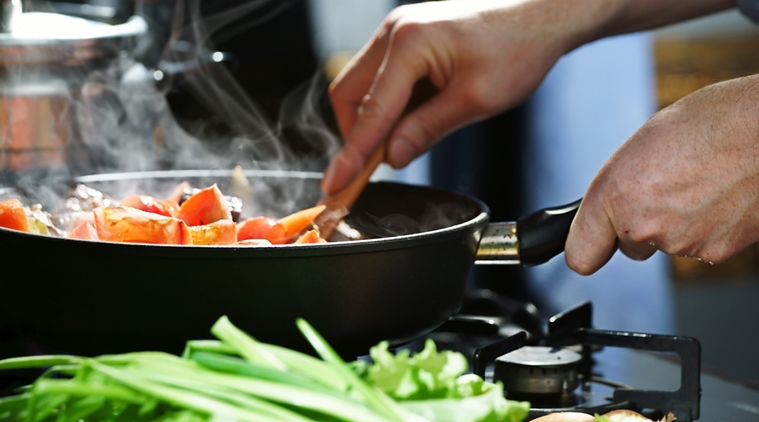
Yes! The kitchen is the place where our food first enters before it enters our body. There are some kitchen habits which might be silently killing us. When I chose to highlight this topic, I did not have to look much farther than my own circle to compile a list of common, but avoidable kitchen habits:

  • Dipping tea bags in hot water: Some of the tea bags are made with a variety of plastics. These plastics are generally considered among the safest in terms of leaching potential, but the molecules in these plastic tea bags may still break down and leach out when steeped in boiling water. Tea bags made up of paper may be just as bad, or worse, than the plastic ones because many of them are treated with epichlorohydrin. When this epichlorohydrin comes in contact with water, it hydrolyzes to a compound which has been shown to cause cancer and suppress immune function in animals. Knowing these hazards, your best option would be to opt for loose organic tea.
  • Reusing Cooking oil: Indian cooking is said to be indispensable without cooking oil. Consumption of oil in the right proportion and in the correct manner often doesn’t cause any health issues. Though many people follow this practice regularly, Very few people are aware of the dangerous effects of recycled cooking oil i.e. reheating the used oil. Reusing the oil alters the chemical composition of oil leads to the formation of highly charged free radicals or uncharged molecules with unpaired electrons which can often be These free radicals attach themselves to healthy cells resulting in an increase of bad cholesterol levels and block arteries as well.

Storing the used oil for a longer period of time encourages bacterial growth due to the presence of leftover food particles present in the oil, can lead to fatal food poisoning. Best possible solution to avoid hazards of reusing oil would be using less amount of oil for frying or choosing shallow/stir frying over deep frying to avoid wastage of oil.

  • Overheating cooking oil: Oils can withstand varying levels of heat, for some type of oils the threshold for heat tolerance is lower and for some, it’s higher. Normally, a heated cooking oil is considered unsafe when it reaches its smoking point i,e, the temperature at which it begins to chemically break down and smoke continuously. At this point, the fat molecules break down into glycerol and free fatty acids, and the glycerol breaks down further to produce toxic fumes and free radicals.This also leads to loss of the antioxidants present in the oil. So it’s wise to pick up oil with better smoke value if you intend to use for cooking and not dressing.
  • Using non-stick pans on high temperature: Almost everyone owns a non-stick Teflon-coated pan. It may be more convenient and easier to clean but, cooking in it on high temperatures can cause the “Teflon flu.” This illness is characterized by flu-like symptoms such as headaches, chills, backaches, and a temperature ranging between 100°F and 104°F. High temperatures cause the non-stick lining to release PFCs (Perfluorocarbons) in the form of fumes. PFCs can cause liver damage and also developmental problems. Also, the chemicals used to make this non-stick substance include ammonium perfluorooctanoate which has been linked to cancer, organ damage and other negative health effects (animal studies).
  • Using metal ladles on non-stick vessels: Using metal utensils to stir on a nonstick pan is not a good idea. You can unknowingly/unintentionally scratch the surface of the pan, which could lead you to ingest the PFCs in the nonstick lining. Use wooden or heat-safe rubber utensils when using a non-stick pan to avoid any scraping.
  • Using regular utensils in the microwave: Radiation from microwaves has not been proven to be particularly dangerous in itself, providing that the appliance is in good working order. Rather, the danger lies in the types of containers we microwave our food in. Certain compounds used to make rigid plastic more pliable may act as endocrine disrupters. They may mimic or compete with human hormones, which could affect fertility or cancer risk. It is best to avoid microwaving plastic containers that aren’t specifically designed for microwave use.
  • Poor ventilation: Without appropriate ventilation, indoor air quality can suffer and cause serious health problems. The pollutants which degrade air quality comes from cooking burners especially gas burners and have an effect on the respiratory and cardiovascular system as they can enter the bloodstream and reduce oxygen delivery to the body’s organs and tissues. Fine particles are produced essentially by volatilizing dust by both gas and electric burners during cooking. They are potentially very harmful because they can enter the lungs, bloodstream or other tissues. Decreasing this indoor pollution is to make sure pollutants vents to the outdoors else they will simply recirculate in the kitchen. If having a hood/ exhaust fan is not possible, opening a window while cooking does help.
  • Keeping water pans open: It’s not new that epidemic of waterborne disease is so widespread and easy to acquire. People who don’t own water purifier often have the sense to boil water before consumption. One cannot fill the drinking pots with hot water so people usually keep hot water pans (often uncovered) at room temperature. While water is getting cooled and getting ready to be transferred in pots, it gets attracted by dust and particles present in the air. The chances of water contamination increase if air microflora is high. The safe way to deal with this is to invest in water purifier or perhaps cover the pans with lid and strain water with muslin cloth before transferring to pots.
  • Cleaning vegetables and fruits: Every homemaker knows the importance of washing fruits and vegetables once before consuming. Having said that most of homemakers/chef clean them superficially i.e cleaning under running water for 1-2 mins and keep it open to air dry. Does this really wash off the chemicals and pesticides? Well, No! It doesn’t. There are numerous options to clean them correctly. Soaking them in 10 % White vinegar + 90 % water solution for 15-20 mins; Soaking them in 2% salt solution or washing them in cold water helps to wash off most of the pesticides, chemicals as well as dirt present on the surface. It is worthwhile to invest some time in washing and cleaning your food, as you don’t want to end up consuming a portion of toxins with your meals!
  • Using Aluminium foil to pack hot food: High levels of Aluminium has been found in the food cooked, reheated and cooled in aluminium foil. This is alarming knowing the fact that high levels of Aluminum which accumulates in the body causes hypercalcemia (More calcium in the blood), weakens bone mineral density and hence causes Osteoporosis later in life. However, use of Aluminum foil has been found safe to wrap cold food as aluminium doesn’t leach out. As an alternative to cook/store hot food, Parchment paper/wax paper can be used respectively.

While concluding this eye-opener topic, I would like to make it a point that despite the risks associated with many cooking methods, you don’t have to start eating all your food raw. Simply take small steps to avoid these cooking dangers.

Many little changes can go a long way in terms of improving your health and preventing illness.Many of the above-mentioned habits don’t pose an immediate danger to your health, but long-term use and a combination (with other lifestyle factors) might lead to problems later on in life.

So the take-home message is “Don’t overreact, just be mindful of the habits, Now is the time to understand and adapt ourselves to healthy cooking habits along with making healthy meal choices”

#BeTheForce
February 26, 2024 By Neha Goyal Leave a Comment

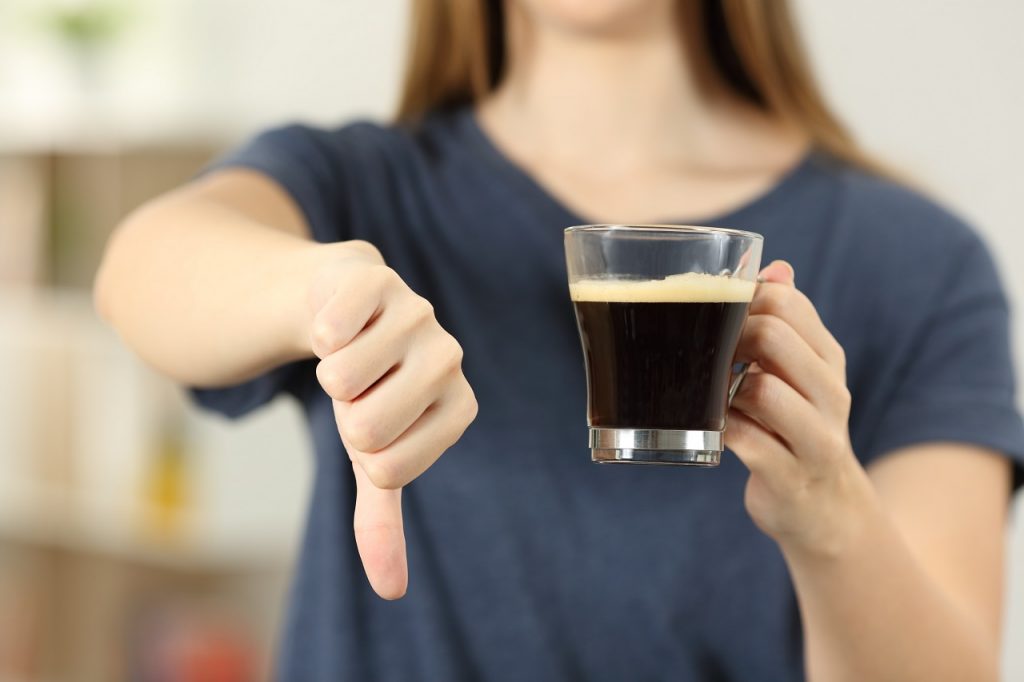
7 Reasons Why You Should Avoid Caffeinated Drinks During Winter

Avoid Caffeinated Drinks

Caffeine is a natural stimulant most commonly found in tea, coffee and cacao plants. Billions of people rely on caffeine to start their day and to get through their night shift or afternoon slump. It works by stimulating the brain and the central nervous system, helping you stay alert, reducing the onset of tiredness. Nothing is as comforting on a chilly morning as a hot cup of tea with a cozy blanket. For most people, intake of these caffeinated drinks increases during winter as they believe it provides warmth to beat the cold. But is that really so? Is there a reason to avoid caffeinated drinks? Let’s find out! 

How Caffeine Works

While caffeine is considered safe, drinking too much raises some concerns. When you drink any caffeinated drink, your gut absorbs it very quickly and sends it to your bloodstream. From there, as it reaches your brain, it starts blocking the effects of a neurotransmitter called adenosine. Adenosine relaxes your brain and makes you feel tired. So by blocking its receptors, caffeine helps you stay awake and alert. But with alertness comes anxiety as well. At the same time, caffeine also stimulates our stress or “fight & flight” hormones.

Reasons To Avoid Caffeinated Drinks During Winter 

  1. Dehydration: During winter, most people feel less thirsty and their water intake automatically reduces. All caffeinated drinks are diuretic and tend to flush out water from the body through urine, making it deficient in not just water but also vitamins and minerals that are required for the smooth functioning of the body.
  2. Amplified Heart Rate and Blood Pressure: Winter is not a good time for people with heart conditions and high blood pressure. They are always advised to stay away from low temperatures as it can constrict their blood vessels and lead to high blood pressure. Caffeine being a stimulant also increases heart rate and blood pressure. So it may increase difficulties for such people.
  3. Empty Calories: Most caffeinated drinks are loaded with sugar and give you not just empty calories but a sugar crash later, which might make you feel more lethargic after some time.
  4. Effect on Digestion: Being a stimulant, caffeine increases gut motility or the contraction of muscles that propel the contents in the gastrointestinal tract. This might be a reason why you feel like having tea or coffee with or after a heavy meal. But this actually isn’t good because it reduces the time your food stays in each part of your digestive system, not letting the nutrients fully absorb. In fact, too much can lead to diarrhea which is followed by dehydration.
  5. Pregnancy & Lactation: Caffeine can easily cross the placenta and can reach breast milk. So, women who consume caffeinated drinks may need to limit their intake to avoid risk of miscarriage or low birth weight.
  6. Interaction with Medication: Our body flushes out caffeine generally within 6-8 hours but while in the system, it can react with your medication and supplements, causing poor absorption or side effects.
  7. Suppresses Appetite: Now this can be both good and bad for all weight watchers. Research shows that caffeine acts as an appetite suppressant but increases higher plasma levels of PYY & Leptin (anorexic hormones). It might make you eat less calories, but with less food, there is less nutrition as well. So beware of consuming too much caffeine, as our body needs more nutrition to maintain immunity.

Now, the purpose of all this information was not to coax you off caffeine but to ensure you control your intake. Controlled amounts can have some benefits too! Make sure you drink the right quantity and the right version. 1-2 cups of black tea, green tea and black coffee are better options than sugary and cream filled versions. Also ensure that you drink your last cup 6-8 hours before you sleep. 

We hope this article on why you should avoid caffeinated drinks in winter helps you! Do let us know your thoughts in the comments below. For more on nutrition, check out Healthy Reads or speak to an expert by subscribing for GOQii’s Personalised Health Coaching here.

#BeTheForce 

February 14, 2024 By Hetal Chheda 3 Comments

Self Love can help achieve Health Goals

How many of us can take compliments gracefully? A compliment certainly makes one’s day and I am sure it is true for most of us. It feels so great when someone just tells you how beautiful/handsome or how good you look. Any kind of compliment rejoices one.

The strongest desire and a positive thought do replace the need for such complements, I strongly believe is SELF LOVE. It is that magical key ingredient that makes you reach your health goals easily. It can be weight loss, staying fit, gain muscle mass or sleep better.

What is SELF LOVE?

Self-love is about loving each quality within you, be it good or bad. You may be fat or thin, dark or fair; who cares, just live your dream. Self-approval is something that we all require. Remove the negativity and bring in positive thoughts about yourself. And above all, you should feel good about yourself.

How SELF-LOVE helps us achieve the health goals?

With this special ingredient called self-love health goals can be achieved easily. Yes, you heard me right. Health goals and self-love complement each other.

We all know the power of law of attraction when it comes to money, home or children. This law of attraction also works for achieving your health goals like weight loss, running a marathon, exercising daily or just drinking enough water.

Just bring in positive thoughts.

Negative thoughts camouflage your belief system thinking it to be true and manifest itself into reality. Insecurity, irresponsibility, fear, stress, anxiety, desperation to lose weight fast and inferiority complex cause obesity unknowingly.

Negative thoughts and comments from others also lead to decrease in confidence level and broken self-esteem. How much ever we diet or workout, we do not get the desired result unless the importance of law of attraction is understood and practiced.

Self-Analysis – Ask these questions to yourself

  • Does your belief work on what people say?
  • Do you need others to praise you?
  • Do you get upset when you don’t find the right size of clothes for yourself
  • Do you lack will power to start your most desired goals?
  • Do you face difficulty in chasing your dreams?
  • Do you feel bad when you can’t eat that sweet lying in your refrigerator?
  • Do you wish to run a marathon but hold on due to lack of stamina or an underlying heart problem?

If your answer is YES to most of the questions above, then we surely lack SELF LOVE.

Steps to follow and conquer the world.

Law of attraction steps to reach the goals: SELF LOVE

  1. Be patient and optimistic. This is the key towards great health.
  2. Eliminate negativity around you.
  3. Consistently eat healthy and exercise.
  4. Don’t feel guilty if you reveal to everyone that you are eating less and avoiding sweets. Simply say, I am trying to make healthy changes.
  5. Don’t read too many weight loss stories or ask anyone their story of weight loss. This will just make you desperate and negative.
  6. Dress/Suit up and don’t forget to praise yourself. When you say, ‘My tummy is too big or I have double chin’ you are insulting your body·
  7. Be confident when you socialise. You confidence can overcome all the flaws.
  8. Take out at least 30-45 mins every day for yourself in doing some recreational activity like exercising, reading, shopping etc.
  9. Meditation eliminates negative thoughts from mind. Try and indulge in it for 5-10 minutes.
  10. Always visualise yourself beautiful/ handsome, leaner, toned and very happy.
  11. Jot down your goals in Present Tense like: I am 65 kgs and look gorgeous with this weight, I am running every day to become thin (Not lose weight, lose is a negative word)

It is very important for us to understand that true happiness lies in self-love and self-approval, all the desired goals become easy to achieve then. You love yourself; the world will love you back. It is important to love yourself to achieve the desired health goals…..do not wait for other’s approval


February 13, 2024 By Trishala Chopra 2 Comments

Strength Training for Runners: A Comprehensive Guide

Strength training

Dear marathoners/runners, I am sure this blog is going to catch your attention! Do read the article, and I would be happy to answer your questions!

Well, not just runners though! Whether you are a runner or cyclist or if you plan any endurance sport, strength training becomes very important. Everybody wants to be good at the sport they play, so this article will help give you some insights about various topics with regard to strength training.

 In this blog, I shall take you through four main aspects namely

  • What is an endurance sport?
  • Why is strength training and its importance for an endurance sport?
  • If strength training is important, how much is too much or how much is ideal?
  • Which exercises should be included in strength training protocol?

All I knew was running is endurance. I knew of more examples but what exactly is endurance I couldn’t really get through. It’s over time that I learnt what endurance training means. Endurance training uses your aerobic system as opposed to your anaerobic system.

Aerobic system:- Body uses oxygen to produces energy

Anaerobic system:- Body does not use oxygen to produce energy

So why is strength training important for any endurance sport?

I come across runners who say, “I run 5k, 10k and 21k which takes a lot of energy, why should I put exact PRESSURE on my body?”

Here are 3 benefits of doing strength training from runners’ perspective!

  • Your pace will improve, you can run faster!

Your speed matters a lot when it comes to any marathons! What determines your speed?

  • Stride length
  • Stride Frequency

If you are a runner, it is important for you to know that stride length means how long is your step and stride frequency relates to how many steps you take per minute/second.

So the technical formula here is,

 Speed= Stride length x Stride frequency.

But, what does this have to do with strength training? Well, to improve your speed/pace you have to take longer strides and of course faster strides

How to take longer strides?

  • Forcing your legs to the ground.

How to put more force?

  • For this, your legs should be strong.

How to make your legs stronger?

  • By doing strength training.

 So, this shows that strength training is required to help runners run faster!

(2)  With Strength training, your endurance will get better!

“How can strength training make endurance better? Endurance training will make endurance better right?” Well, the answer is that strength training and endurance training both are required and helps in increasing the endurance but the mechanism used is different.

Let me take you through some technicalities but in a way, you will understand. Are you aware of maximal aerobic capacity? Maximal aerobic capacity means the maximum rate of inhaling oxygen by your body during any exercise. Maximal aerobic capacity is also called as VO2max.

Your VO2max is made up of 2 components: Central and peripheral

Central component= Heart

Peripheral component= Muscle

  VO2max = Q x (a – Vo2 difference)

Here is the complete breakup

Q is the Cardiac output

The cardiac output means how much blood your heart is able to pump per minute. This covers your central component

(a – Vo2 difference) where a is arteries and v is veins and this means that the difference between the oxygen in your arteries and veins.

Smaller the difference, more the endurance!

In simple words, it is the ability of your body to extract the oxygen from the blood. This covers your peripheral component

The reason why I have discussed this in depth is, because endurance training works on the central component which is the heart but the peripheral component which are the muscles is ignored. To get the maximum endurance it is important for your peripheral component to be strong and strength training here helps. High repetitions (reps) helps in pumping your peripheral component.

Hence, to improve your endurance you should do strength training.

(3) Strength training helps reduce injury risks!

Runners, I am sure you can relate to this! More kms to run, more risk of injuries! When I say injuries here I am talking about overuse injuries.

What is overuse injuries?

  • Your muscles, tendons and bones have a restriction to work.
  • When you cross that restriction, you tend to injure your muscles, tendons and bones.
  • Then post injury either you take a break from your routine or you do some other exercises.

Once the injury is done, we cannot do much about it but as the old adage goes – ‘Prevention is better than cure! Strength training helps in increasing the tolerance of your tissues to work which reduces the risk of overuse injuries and helps you train better

If strength training is important, how much is too much or how much is ideal?

There are 3 main points here which everyone should understand. Strength training of runners completely depends upon,

  • Distance
  • The phase of training (current phases and upcoming phases)
  • Goal

 (1) Distance

  • Greater the distance to be covered, shorter is the strength training requirement.
  • For e.g., if you are running for 5k you need to do more strength training then someone who runs a 21k.
  • Goal strength training of a runner and the adaptability of the stress is completely different from all the other sports/events
  • A 5K runner needs about 65% of endurance training and 35% of strength training and for a runner who is planning to run 21k needs about 80% of endurance training and 20% of strength training.

Just because the proportion of strength training is less, it does not mean that we can skip it. As discussed above, strength training is equally important too.

(2) Phase of training (current phases and upcoming phases)

  • Training phase depends on your competition date
  • For example, your endurance training is lesser when your competition is about 3 months away which is the perfect time to concentrate on strength training.
  • Closer the competition, higher is the endurance training.

For example,

When competition is far away then do 2-4 sets 2-3 times per week

When competition is near then do 1-2 sets 1-2 times per week

Variations in between are always accepted.

(3) Goal

Every runner has a period where there are no marathons. This is called as “off-season”. You might be running very little so this gives you a chance to recover the lost muscle during the endurance period.

Most people are of the notion that strength training is only done to gain muscle mass or get those big biceps, chest and arms but that’s not true. I have mentioned above that strength training for everyone depends upon the goal they want to achieve.

Runners might be thinking that strength training will make them gain weight which will make it difficult for them to run but that’s not true at all. Protocol for runners’ strength training only depends upon their goal and not a generic plan which is followed.

When I talk about a goal for runners, during their off-season phase strength training can be done 3-4 times per week. Whenever the competition period comes near, strength training can be done 1-2 times per week and strength training will only be used to minimize muscle loss.

During endurance training, muscle loss is bound to happen but when you strength train the muscle loss will be reduced. The focus of adding strength training is, to only slow down the process of muscle loss or maintain muscle during the competition phase.

How does this muscle loss happen?

As I mentioned, your body has limited capacity to adapt to things. Either it can be endurance training or strength training. For an endurance athlete, adapting to endurance training is more important than strength training but a blend of both of these is important. Cardio and strength training are 2 opposite goals. While in cardio you burn muscles, strength training helps in building muscles. More endurance means more muscle loss, strength training helps in maintaining those muscles

Finally, which exercises should be included in strength training protocol?

I have been with athletes for a year now where I have seen that maximum of my athletes don’t train their legs or they avoid doing them. They often tell me that running in itself is a good exercise for legs so why should we add additional training?

Well, most of the runners have them but that’s not true. Runners have good endurance in their legs but that doesn’t mean that they are strong.

We have covered a lot of endurance and strength training. Now let me come to exercises that are important. Runners you don’t need to do lots of exercises but few major ones are important.

Focus on these lower body exercises first-

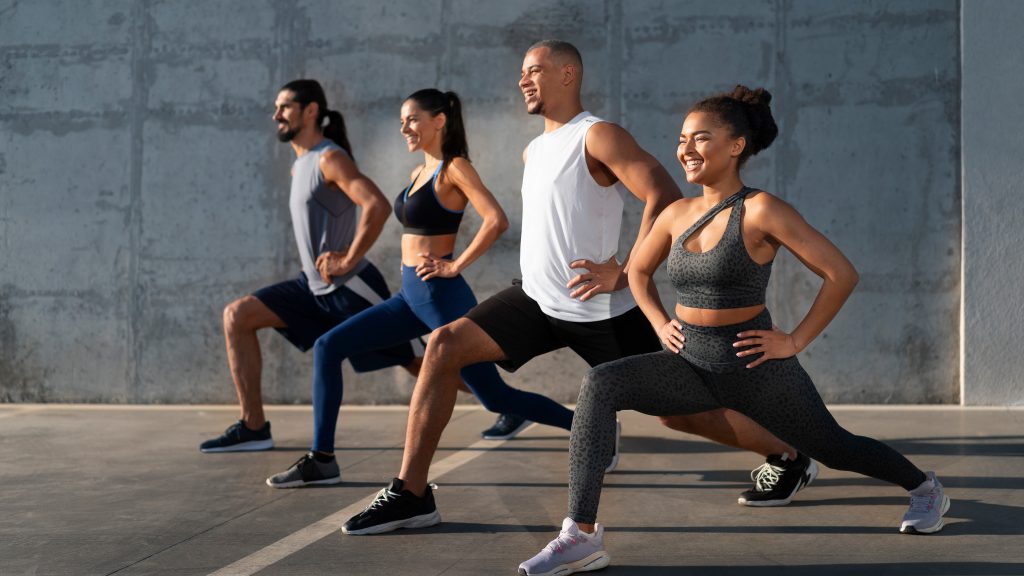
  • Level 1 Squats
  • Level 2 Lunges
  • Level 3 can be with deadlifts

Just as lower body exercises are a must, upper body exercises are also a must and should not be ignored. Well, your upper body counter-balances your lower body.

I am not sure if anybody has noticed but when you move your right leg ahead, your left arm goes ahead. If your upper body is not having enough strength then it can reduce the lower body force to coordinate with your upper body. Your lower body is definitely stronger than your upper body but if the imbalance increases, the performance of runners can be affected.

Focus on these upper body exercises first,

  • Level 1 pushups
  • Level 2 pull-ups
  • Head press

We hope this comprehensive guide empowers you to enhance your running performance through effective strength training. Share your thoughts or ask your questions in the comments below. For personalised guidance, speak to a certified expert by subscribing to GOQii’s Personalised Health Coaching here.

#BeTheForce

  • « Previous Page
  • 1
  • …
  • 34
  • 35
  • 36
  • 37
  • 38
  • …
  • 113
  • Next Page »

Search

Recent Posts

  • How to Survive Festive Celebrations Without the Extra Pounds: A Low-Carb Guide for Healthier Living
  • How to Use Mounjaro: Essential Guidelines for Your Weekly Dose
  • Water Intake Pre, During and Post Workout
  • India Leads in Longevity: GOQii Sanjeevini Named Top 40 in $101M XPRIZE
  • The Importance Of Knowing If You’re Thirsty Or Hungry

Stay Updated

Archives

  • December 2025 (11)
  • November 2025 (15)
  • October 2025 (20)
  • September 2025 (6)
  • August 2025 (6)
  • July 2025 (12)
  • June 2025 (18)
  • May 2025 (16)
  • April 2025 (22)
  • March 2025 (23)
  • February 2025 (22)
  • January 2025 (26)
  • December 2024 (24)
  • November 2024 (25)
  • October 2024 (22)
  • September 2024 (24)
  • August 2024 (31)
  • July 2024 (21)
  • June 2024 (26)
  • May 2024 (31)
  • April 2024 (27)
  • March 2024 (29)
  • February 2024 (26)
  • January 2024 (25)
  • December 2023 (15)
  • November 2023 (11)
  • October 2023 (20)
  • September 2023 (22)
  • August 2023 (20)
  • July 2023 (22)
  • June 2023 (24)
  • May 2023 (24)
  • April 2023 (24)
  • March 2023 (23)
  • February 2023 (20)
  • January 2023 (16)
  • December 2022 (12)
  • November 2022 (15)
  • October 2022 (15)
  • September 2022 (12)
  • August 2022 (10)
  • July 2022 (17)
  • June 2022 (11)
  • May 2022 (10)
  • April 2022 (6)
  • March 2022 (6)
  • February 2022 (13)
  • January 2022 (12)
  • December 2021 (7)
  • November 2021 (3)
  • October 2021 (6)
  • September 2021 (3)
  • August 2021 (8)
  • July 2021 (7)
  • June 2021 (15)
  • May 2021 (16)
  • April 2021 (10)
  • March 2021 (7)
  • February 2021 (4)
  • January 2021 (4)
  • December 2020 (3)
  • November 2020 (4)
  • October 2020 (10)
  • September 2020 (3)
  • August 2020 (3)
  • July 2020 (2)
  • June 2020 (4)
  • May 2020 (10)
  • April 2020 (12)
  • March 2020 (10)
  • February 2020 (4)
  • January 2020 (4)
  • December 2019 (3)
  • November 2019 (7)
  • October 2019 (5)
  • September 2019 (4)
  • August 2019 (9)
  • July 2019 (9)
  • June 2019 (11)
  • May 2019 (4)
  • April 2019 (9)
  • March 2019 (8)
  • February 2019 (9)
  • January 2019 (8)
  • December 2018 (9)
  • November 2018 (3)
  • October 2018 (3)
  • September 2018 (5)
  • August 2018 (10)
  • July 2018 (6)
  • June 2018 (13)
  • May 2018 (8)
  • April 2018 (18)
  • March 2018 (9)
  • February 2018 (8)
  • January 2018 (15)
  • December 2017 (12)
  • November 2017 (19)
  • October 2017 (13)
  • September 2017 (15)
  • August 2017 (4)
  • July 2017 (8)
  • June 2017 (7)
  • May 2017 (6)
  • April 2017 (8)
  • March 2017 (6)
  • February 2017 (7)
  • January 2017 (9)
  • December 2016 (10)
  • November 2016 (7)
  • October 2016 (7)
  • September 2016 (7)
  • August 2016 (11)
  • July 2016 (9)
  • June 2016 (9)
  • May 2016 (12)
  • April 2016 (17)
  • March 2016 (17)
  • February 2016 (8)
  • January 2016 (6)
  • December 2015 (2)
  • November 2015 (9)
  • October 2015 (7)
  • September 2015 (9)
  • August 2015 (11)
  • July 2015 (9)
  • June 2015 (12)
  • May 2015 (9)
  • April 2015 (13)
  • March 2015 (8)
  • February 2015 (5)
  • January 2015 (12)
  • December 2014 (14)
  • November 2014 (11)
  • October 2014 (6)
  • September 2014 (13)
  • August 2014 (12)
  • July 2014 (6)
  • June 2014 (2)
  • May 2014 (7)
  • April 2014 (5)

From “Laddu Nawin” to Fit and Fierce: How a 25-Year-Old Insurance Advisor Shed 20 Kilos and Gained His Life Back

When 25-year-old Nawin Yadav from Hyderabad walked into his office every morning, he carried more than just his files and policy papers. He had the weight of fatigue, sluggish energy, and an ever-growing belly that was becoming the butt of jokes. “People … [Read More...]

“I’ve Challenged Myself to Live 100 Years” – The Story of Chandubhai Savani’s Second Chance at Life

At 67, most people start slowing down. Not Chandubhai Savani. A resident of Surat, Chandubhai, thought life was on track. “My life was going well till I had my bypass surgery,” he says. That surgery, back in 2021, was a wake-up call.  Medication was routine, but exercise wasn’t. His diet? What he calls ‘normal.’ “I […]

From Shimla’s Slopes to Chandigarh’s Sidewalks: Surinder Kaur Bhalla’s Journey from Chaos to Control

Some journeys start with a plan. Others begin with a stumble literally. Surinder Bhalla, a government professional, born and raised in the scenic hill town of Shimla, had always lived a life of movement. “In Shimla, you walked everywhere,” she reflects. “Walking was never an exercise. It was just life.” But after shifting to Chandigarh, […]

Ananda Mukherjee Health Story

From Terminal Illness To Complete Wellness! Ananda Mukherjee Health Story

As we observe World Cancer Day under the powerful theme ‘United by Unique’ (2025-2027)**, we are reminded that every individual’s journey with cancer is distinct, yet united by shared resilience, hope, and the collective fight against this disease. This theme places people at the centre of care and their stories at the heart of the […]

  • HOME
  • HEALTHY LIVING
  • FITNESS
  • HEALTHY RECIPES
  • USER STORIES
  • KARMA
  • BUY GOQii

Copyright ©2016 GOQii