 A Science-Based Shift from Shame to Strength
Let’s talk about weight — not as a number on the scale, but as a story we’ve been telling, often with shame, judgement, and whispered critiques. Across cultures, weight has been more than just about health; it’s been tangled up in expectations, appearances, and societal pressure.
For women, it’s long been linked to worth, desirability, and social acceptance. For men, mockery often comes disguised as humour, while lifestyle stress quietly takes its toll.
But a new story is emerging. And this time, it’s backed by science.
From Willpower to Biology: A Paradigm Shift
For decades, the weight-loss conversation has been stuck in a simplistic formula: eat less, move more. If you didn’t succeed, the blame fell on your discipline — or supposed lack of it.
But modern science tells a different story.
Weight is not just about willpower — it’s deeply influenced by how our brains regulate hunger, how our hormones respond to food, and how our bodies manage insulin.
Enter GLP-1 (glucagon-like peptide-1) receptor agonists — a class of medications initially developed to treat type 2 diabetes. Drugs like semaglutide and liraglutide work by mimicking the action of the natural GLP-1 hormone, helping to regulate appetite, glucose levels, and feelings of fullness.
What doctors began to notice was that many patients weren’t just managing their diabetes better — they were also losing weight, sustainably and safely.
Endocrinologists noted that this was science supporting the body to function as it was meant to — managing hunger cues, curbing intense cravings, and balancing metabolism.
A Tool, Not a Shortcut
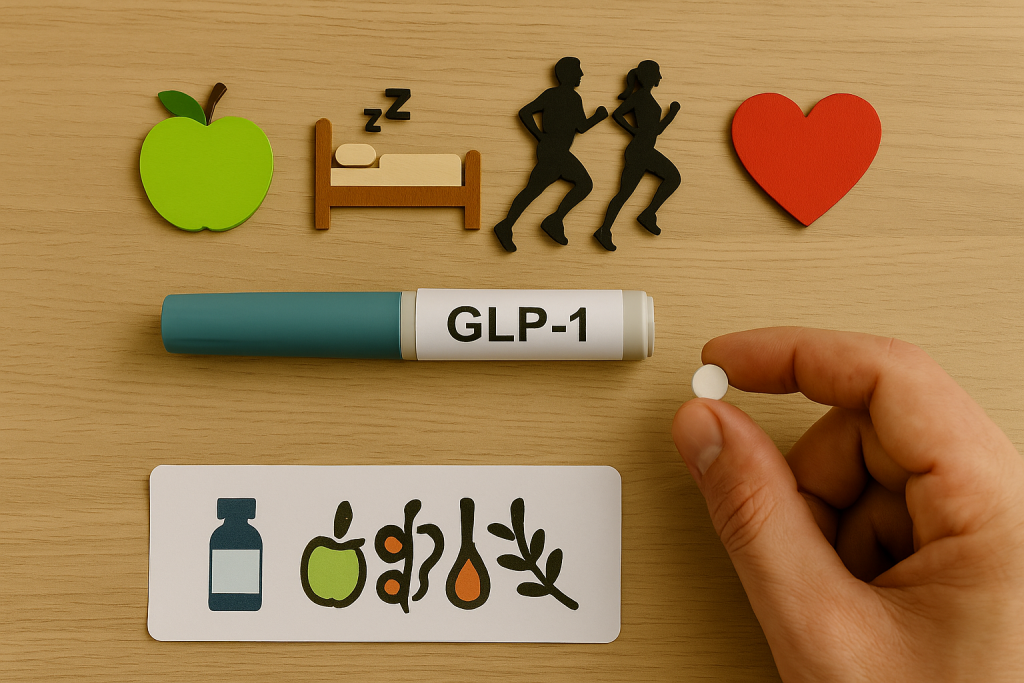
Let’s be clear: GLP-1 therapies are not miracle pills. They’re tools — and remarkably effective ones — but they work best when used alongside healthy lifestyle habits like balanced nutrition, regular physical activity, good sleep, and mental well-being.
This isn’t about chasing an ideal body image. It’s about improving metabolic health, enhancing insulin sensitivity, reducing cardiovascular risk, boosting energy, and improving long-term quality of life.
For many people who have tried everything — from extreme diets to punishing fitness routines — GLP-1 treatment has been the first time they’ve felt in control.
Hunger is no longer all-consuming. Eating becomes mindful, not guilt-ridden. Their bodies start responding, not resisting.
Language Matters: From Fat Loss to Health Gain
It’s time to change the way we talk about weight and wellness.
Let’s move away from phrases like “fat loss” and instead centre conversations around “health gain.” Let’s talk about hormone balance, liver health, and emotional regulation — not just waistlines.
When we reduce health to aesthetics, we risk turning a deeply personal and biological journey into a beauty contest. GLP-1 therapies remind us that health isn’t about being thinner — it’s about being stronger, more balanced, and more in tune with your body.
A Personal Journey, Backed by Science
GLP-1 therapy is not a shortcut — it is a signal of a larger shift. From blame to understanding. From shame to support. It’s a tool that gives people their agency back.
For too long, the message has been: You need to try harder.
Now, science says: You deserve better tools.
Whether you’re navigating weight challenges, prediabetes, or simply trying to feel better in your body, know this:
You are not broken.
You are not weak.
You are not alone.
You’re human — and now, finally, the science is humanising your struggle.
The future of wellness isn’t about perfection.
It’s about empowerment, equity, and informed choice.
And with tools like GLP-1, we’re not just transforming bodies —
we’re transforming the very conversation around health.
#BeTheForce
Disclaimer: The information provided in this blog is for general awareness and educational purposes only. It is not intended to replace professional medical advice, diagnosis, or treatment. Always consult a qualified healthcare provider for personalised medical guidance or concerns related to your health. Images shown are for representation purposes only and may not depict the exact recommendations or outcomes.
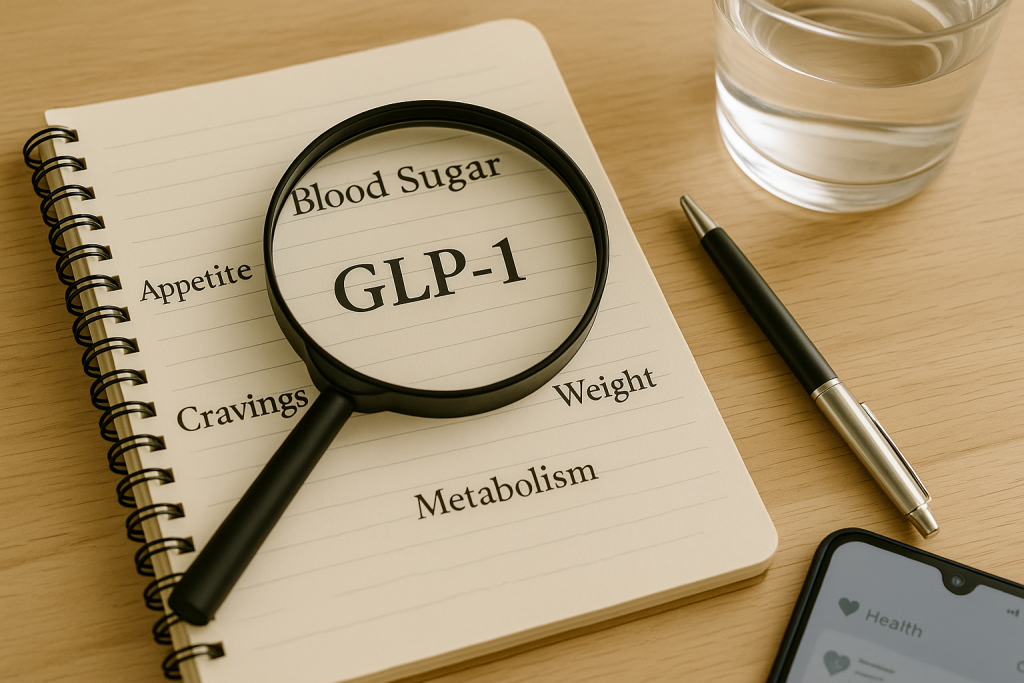 GLP-1 is an abbreviation for Glucagon-Like Peptide-1, which is linked to decreased blood sugar levels.
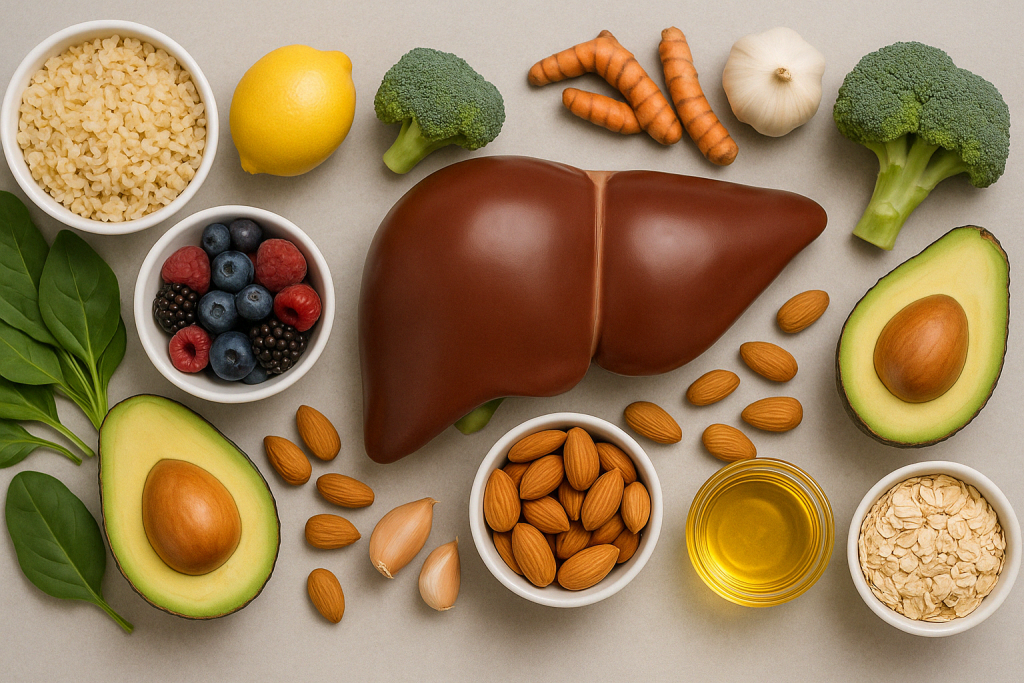 How often do we acknowledge the silent hero inside us—our liver? On World Liver Day, it’s time to give this powerhouse organ the attention it deserves. Quietly working 24/7, your liver keeps you healthy, energised, and toxin-free—yet we often notice it only when something goes wrong.
 In our fast-paced, screen-filled world, sleep is often the first thing we sacrifice. Yet, quality rest is essential—not just for feeling energised, but for everything from immunity to blood sugar regulation and emotional wellbeing. The good news? Improving your sleep doesn’t require drastic changes—just a few mindful rituals woven into your day.


