GOQii

Blog

  • HOME
  • HEALTHY LIVING
  • FITNESS
  • HEALTHY RECIPES
  • USER STORIES
  • KARMA
  • BUY GOQii

Search Results for: liver

April 3, 2015 By SNEHA CHIKHALE 1 Comment

Wheat Grass – A Green Gold

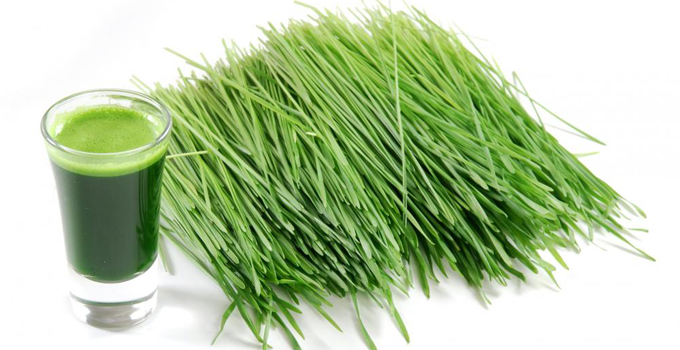
Wheat-Grass-A-Green-GoldWheat grass is nothing but young wheat plants, harvested in their early, grassy stage – at the very height of the plant’s nutritive value – the leaves are then dehydrated and packaged.



One can consume wheatgrass powder, wheatgrass tablets or wheatgrass juice. Nowadays it is easily available at local fresh foods market and in supermarkets.

What are the Benefits of Wheatgrass?

Chlorophyll, that is present in large quantities in wheatgrass contributes to healthy blood and blood flow, especially by building healthy red cells. It also functions similarly by releasing oxygen into the air just as haemoglobin releases oxygen into human tissue.

Wheatgrass is a complete food in itself. It helps to build healthy blood, cleanse the whole system, aids digestion, regularises bowel movement, increases immunity, inhibits the growth of cancer cells and eases every physical and mental ailment. Wheatgrass comes with one more surprising benefit – It is very high in protein, provides an incredible boost in your energy level and has been known to cure many types of blood disorders.

Health Benefits:

  • Fulfills nutritional deficiencies
  • Removes waste that clogs your cells, blood tissues and organs
  • Cleanses and detoxifies, especially liver and blood
  • One of the best dietary sources of minerals
  • Protects body from carcinoges. Carcinogen – any substance or radiation that is an agent directly involved in causing cancer.
  • Reduces craving for addictive substance
  • Has an anti-aging effect; slows down the process
  • Heals wounds, sores and infections
  • Improves resistance to outside pollutants

How can it be consumed?

Tablets are easy way to consume, but again it will be a processed food. The best way to consume is, it can be purchased in a grass form or made into the juice in a domestic juicer or wheatgrass powder can be mixed with water for consumption. The best way to take wheatgrass on an empty stomach about 20 minutes prior to eating.


Time for you to detoxify yourself and cleanse your body. Let’s grow a wheatgrass at our home and get the maximum benefits of this wonder plant 🙂

March 2, 2015 By Anushree Ashtekar 27 Comments

Anabolic Steroids v/s Dietary Supplements – All you want to know

suppliments

We often hear people talking about “supplements” and “steroids”. We hear about how “protein powders are harmful to health as they contain steroids” and how people are hesitant to take vitamin supplements as they are “pills” and treat them like medications.

But, do people really understand what are anabolic steroids and dietary supplements? The answer is no. Large sections of the society are still unaware of the use and need of taking dietary supplements and anabolic steroids.

What are Anabolic Steroids and Dietary Supplements?

Anabolic Steroids: Anabolic steroids are synthetic (man-made) substances similar to male sex hormone, testosterone. The term “anabolic” means “growth”. Here, it refers to growth in muscle mass. Steroids are performance enhancing substances which cause an increase in muscle mass and physical strength. Some common examples of anabolic steroids include Androstenedione, Dehydrochloromethyltestosterone (Turinabol), Methandienone (Dianabol), Methyltestosterone (Android), Nandrolone (Durabolin), Oxandrolone (Oxandrin), Oxymetholone (Anadrol), Stanozolol (Winstrol).

Dietary Supplements: Dietary supplement is any product which is consumed orally and which contains dietary nutrients intended to supplement the diet. Dietary supplements may include amino acids, vitamins, minerals, herbs or other botanical ingredients (except tobacco), substances like enzymes and metabolites (glucosamine, creatine, alpha-lipoic acid, Coenzyme Q10).

Dietary supplements can be extracts or concentrates and may be available as tablets, capsules, softgels, gelcaps, liquids and powders. They are also available in the form of nutrition bars.

Dietary supplements cannot be categorized as foods or drugs and hence, they are not regulated by the FDA. Dietary supplements are regulated under DSHEA (Dietary Supplement and Health Education Act) passed in the US in 1994. DSHEA defines dietary or nutritional supplements as “a nutrient, a formulation, or some compound that is drug-free or natural”.

Use and abuse of anabolic steroids: Anabolic steroids stimulate growth in tissues, especially bone and muscles. They also increase the production of RBCs (Red blood Cells). Anabolic steroids can be taken orally, are injectable or are used externally. Anabolic steroids are used in the treatment of many medical issues such as delayed puberty in boys, sexual dysfunction in men, breast cancer in women, weight loss in HIV, osteoporosis, anemia, endometriosis and other conditions involving hormonal imbalance.

Now, Anabolic steroids are also abused at large. Some athletes’ may abuse anabolic steroids to build muscle mass, prolong endurance and enhance performance. Anabolic steroids are converted into testosterone in the body, beyond normal levels. This leads to some serious side effects like dramatic increase in muscle mass (Greater Anabolism), Organ damage (Liver disease, kidney disease, heart disease), impotence, gynecomastia (fat deposition on the chest due to increased estrogen levels causing abnormal breast enlargement in men), severe acne, hair fall, oily skin, stunted growth and height in teens, shrinking of testicles, azoospermia (absence of sperms in semen), menstrual irregularities in women, excess facial or body hair and deeper voice in women, irritability, increased aggression, mood swings, depression or suicidal tendencies, high blood pressure, alterations in cholesterol and other blood lipids, risk of viral and bacterial infections due to use of unsterile injections.

Anabolic steroids are also addictive. They make the user and abuser physically and psychologically dependant on them.

Use and benefits of dietary supplements: Nutritional or dietary supplements are, in simple words, foods in a concentrated form. Nutritional deficiency is the root cause of many diseases. These days, chronic diseases are on a high and are striking people at a much earlier age. Air and water pollution, overuse of chemical fertilizers and pesticides in agricultural practices, genetically engineered seeds, and depleted nutrient content in the soil are all responsible for the poor nutrient quality of the fruits and vegetables available in the market today.

The advantage of taking dietary supplements is that they provide adequate quantity of superior quality of nutrients, they give a specific combination and quantity of nutrients required at a particular time in a day and they make it convenient for the body to be supplied with all the essential nutrients.

Who all need to take dietary supplements? Dietary supplements are safe enough to be consumed by all of us. They are concentrated foods that help in building our immune system keeping us away from various diseases.

The modern day fast-paced lives, fast-food culture, increasing stress levels, deteriorating quality of fruits and vegetables are all the reasons for anyone and every one of us to turn to dietary supplements for attaining optimum health. People who are into intense exercise regimes, sports enthusiasts, athletes, competitive bodybuilders are the ones who need dietary supplements to repair the wear and tear in their body, grow and maintain healthy muscle mass, enhance their functionality and improve the immunity of the body. Also, Vegetarianism and veganism sometimes makes it difficult to get nutrients like complete proteins (with all the essential amino acids) and B12 vitamin .

But, simply consuming dietary supplements just for the sake of taking them is not right. Even natural substances can cause undesirable side effects, especially when taken in high doses. There are other things too, that go into building healthier bodies. They are, having an active lifestyle (adequate exercise), healthy eating habits and maintaining a positive state of mind. Finally, it all boils down to body, mind and soul connection.

The confusion between Anabolic Steroids and Dietary Supplements: There is a general fear that supplements may contain anabolic steroids. Due to the ignorance amongst the public and media hype, people easily confuse dietary supplements with anabolic steroids. Anabolic steroids are drugs that abnormally increase testosterone levels in the body whereas, dietary or nutritional supplements are concentrated forms of naturally occurring food nutrients like proteins, carbohydrates, omega 3 fatty acids, etc. Anabolic steroid use is prohibited by the International Olympic Committee (IOC).

The bottom line is that Anabolic Steroids and Dietary Supplements are worlds apart. Use them wisely, use them safely and you will benefit from them. Or else, “too much of anything is bad”!

Ps Note: Before starting on any dietary supplement or Anabolic Steroid its better that you consult your doctor

January 6, 2015 By Vandana Trivedi Leave a Comment

5 Lessons learnt from 100 km Trail walk

trail-walker

What has been more precious to me than completing the 100km Oxfam Mumbai Trail walk, 2014, in 37 hours? 

In the cool winter evening of 6 th December 2014, I along with a team of 3, completed the 4 th toughest Oxfam Trailwalk in the world, in 37 Hours. We had embarked on the trail at 6 am on the 5 th of December, 2014, and barring 3 hours of sleep between 3.30 am to 6.30 am on Saturday, 6 th December, kept trudging along. We trudged along mountains, fields and lakesides, in the blazing afternoon sun, through treacherous climbs and tricky descents.

But that’s not what this piece is all about, this is more about the lessons I learnt while on this mission. These lessons are going to stand by me as I get on to my work, in a competitive, challenging, at times unreasonable and unfair landscape that the Asset Management firm operates in, and I am sure it will resonate with each one of us in our work area.  

  1. Past Failures make for uncomfortable memories, but they also energise you to keep trying

I had attempted the trail walk in 2013. The daunting trail took me by surprise; it was less of trail and more of treks. Every little injury and exhaustion seemed to be the perfect excuse to give up and that’s what I did, with just about 30km completed. Even signing up for the 2014 Trail walk was a debate with self, fearing failure, questioning the rationale for putting myself through the gruelling ordeal again. Am glad I overcame those doubts, and triumphed at the end of it.

  1. The Temptation to Quit will be greatest just before you are about to succeed

At the end of 33km, my feet had busted, my toes were puffing up, the heat had exhausted me completely, and I declared I wanted to quit. My husband, who was my support crew for the trek, reminded me that it was the same place where I had quit the last year, and prodded me to be better than the last year. I decided to step along, and that was the last time I ever contemplated quitting the trail.

  1. It is good to be adequately resourced, but your hunger to succeed dwarfs all resource constraints

The trail demanded customised gear to navigate the tricky terrain. My kit bag had Merrell trekking shoes and Nike Pegasus shoes as a backup. I couldn’t think of not having the right shoes to support me through the 100 km. It so turned out my toes started blistering and swelling from 30km onwards, and I couldn’t fit into either of my shoes. Out came my bald Reebok floaters to the rescue, with absolutely no grip to speak of, looking like they were ill suited even for concrete road walk, let alone a daunting trek/trail path. With a bit of trepidation, but a burning resolve to hit the final check point, I completed the remaining 70 km in those Reebok floaters. It is something of a historic feat that I completed 70km of the 100 km in a nondescript floater.  

  1. You attract your victories, and the Universe conspires to deliver to you what your mind resolves to get

The ghost of the previous year, an exhausted body at 30km, a nagging stomach infection over the last 2 years, just the wrong days of the month biologically, just a month’s practice over the weekends before the event,  and yet, once I overcame the ‘WALL’ at 30 km, a calm prescience set over me, that all would be well, that nothing would come in the way between me and the final Check Point, that the body was just a willing ally, taking the mind’s orders to carry on, to shut out the aches, and reach the goal.

  1. The team consists of people of all shapes and sizes, but the team is ONE

As a team of 4, we were all very different. There was a trained mountaineer amongst us, an avid Himalayan explorer, part of the various rescue crews in the Uttarakhand and Kashmir natural disasters. There was a marathoner, with unending energy and enthusiasm, and there were the 2 of us, moms of 2 kids each, fitness conscious women, with the right intent, but maybe not as evolved in fitness as the rest of the two.  What could have been a 24 hour effort for the mountaineer or a 30 hour effort for the marathoner, turned out to be a 37 hour effort for our team. A trail of 100 km sheds the façade and brings out the best and worst of each of us, and it is commendable that the team walked as one, alert and sensitive to each of us, and a full team completion of the trail is by itself a commendable feat. Not many full teams complete the trail.

This has been a personality altering, life changing experience for me, and has been a means to prove to myself that someone who had nothing to do with fitness /physical activity as a child can end up being called an Ultra Marathoner if you want it badly enough.

The next Oxfam Trail walker is a year away, ample time for all of us to prepare and conquer, any takers ?

Mother of two kids, Vandana Trivedi is a GOQii player and full time professional heading sales at IDFC AMC. 2 years ago she got into the fitness mode and outdoor physical activities   and since then has been a regular trekker in the sahyadris

December 15, 2014 By Hardika Vira 2 Comments

Role of Glycemic index in day to day life


Role of Glycemic index in day to day life

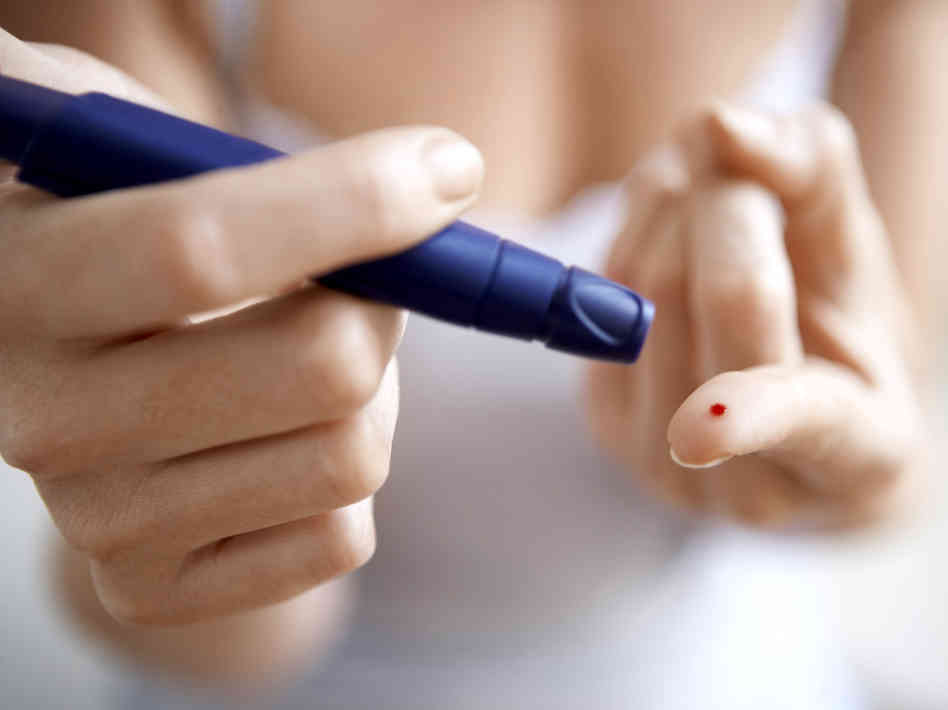
Have you ever thought of why some foods can be eaten in good quantities without worrying about the sugar rise or weight increase while in some others portion control is important? Glycemic index is the concept that helps us to choose food wisely. Are you wondering what is glycemic index and how does it help?

Glycemic index or GI is a measure of the effects of carbohydrates on blood glucose levels. Carbohydrates that break down during digestion releasing glucose rapidly  into the blood stream have a high GI; carbohydrates that break down slowly, releasing glucose gradually into the bloodstream, have a low GI.

A lower glycemic index suggests slower rates of digestion and absorption of the foods’. Carbohydrates may also indicate greater extraction from the liver and periphery of the products of carbohydrate digestion. A lower glycemic response is often thought to equate to a lower insulin demand, better long-term blood glucose control and a reduction in blood lipids.

Glycemic index of foods

Glycemic index values can be interpreted intuitively as percentages on an absolute scale and are commonly interpreted as follows:

Classification GI range Examples
Low GI 55 or less most fruit(apple, orange, peach, citrus fruits) and vegetables (except potatoes, watermelon), whole grainy breads, pasta, legumes/pulses, milk, curd products extremely low in carbohydrates (fish, eggs, meat, nuts, oils), brown rice, corn tortilla, wheat tortilla
Medium GI 56 – 69 whole wheat products, basmati rice, sweet potato, table sugar, most white rices ,Muesli,  banana, Honey
High GI 70 and above Corn flakes, baked potato, watermelon, croissant, white bread, extruded cereals (e.g., Rice crispies), straight glucose (100), peanuts

A low GI food will release glucose more slowly and steadily. A high GI food causes a more rapid rise in blood glucose levels and is suitable for energy recovery after endurance exercise or for a person with diabetes experiencing hypoglycemia.

Benefits of the Glycemic Index

Eating a lot of high GI foods can be harmful to your health as it pushes your body to extremes. This is especially true if you are overweight and sedentary. Switching to eating mainly low GI carbohydrates that slowly trickle glucose into your blood stream keeps your energy levels balanced and will feel fuller for longer between meals.

  • Low GI diets help people lose and control weight
  • Low GI diets increase the body’s sensitivity to insulin
  • Low GI carbohydrates improve diabetes control
  • Low GI carbohydrates reduce the risk of heart disease
  • Low GI carbohydrates reduce blood cholesterol levels
  • Low GI carbohydrates reduce hunger and keep you fuller for longer
  • Low GI carbohydrates prolong physical endurance
  • High GI carbohydrates help re-fuel carbohydrate stores after exercise
  • « Previous Page
  • 1
  • …
  • 57
  • 58
  • 59
  • 60
  • 61
  • 62
  • Next Page »

Search

Recent Posts

  • India Leads in Longevity: GOQii Sanjeevini Named Top 40 in $101M XPRIZE
  • The Importance Of Knowing If You’re Thirsty Or Hungry
  • Best Foods To Alleviate Irritable Bowel Syndrome
  • ALL ABOUT VERTIGO!
  • PCOS and Anxiety: Discover Relief with the 54321 Technique

Stay Updated

Archives

  • December 2025 (8)
  • November 2025 (15)
  • October 2025 (20)
  • September 2025 (6)
  • August 2025 (6)
  • July 2025 (12)
  • June 2025 (18)
  • May 2025 (16)
  • April 2025 (23)
  • March 2025 (23)
  • February 2025 (22)
  • January 2025 (26)
  • December 2024 (26)
  • November 2024 (25)
  • October 2024 (22)
  • September 2024 (24)
  • August 2024 (31)
  • July 2024 (21)
  • June 2024 (26)
  • May 2024 (31)
  • April 2024 (27)
  • March 2024 (29)
  • February 2024 (26)
  • January 2024 (25)
  • December 2023 (15)
  • November 2023 (11)
  • October 2023 (20)
  • September 2023 (22)
  • August 2023 (20)
  • July 2023 (22)
  • June 2023 (24)
  • May 2023 (24)
  • April 2023 (24)
  • March 2023 (23)
  • February 2023 (20)
  • January 2023 (16)
  • December 2022 (12)
  • November 2022 (15)
  • October 2022 (15)
  • September 2022 (12)
  • August 2022 (10)
  • July 2022 (17)
  • June 2022 (11)
  • May 2022 (10)
  • April 2022 (6)
  • March 2022 (6)
  • February 2022 (13)
  • January 2022 (12)
  • December 2021 (7)
  • November 2021 (3)
  • October 2021 (6)
  • September 2021 (3)
  • August 2021 (8)
  • July 2021 (7)
  • June 2021 (15)
  • May 2021 (16)
  • April 2021 (10)
  • March 2021 (7)
  • February 2021 (4)
  • January 2021 (4)
  • December 2020 (3)
  • November 2020 (4)
  • October 2020 (10)
  • September 2020 (3)
  • August 2020 (3)
  • July 2020 (2)
  • June 2020 (4)
  • May 2020 (10)
  • April 2020 (12)
  • March 2020 (10)
  • February 2020 (4)
  • January 2020 (4)
  • December 2019 (3)
  • November 2019 (7)
  • October 2019 (5)
  • September 2019 (4)
  • August 2019 (9)
  • July 2019 (9)
  • June 2019 (11)
  • May 2019 (4)
  • April 2019 (9)
  • March 2019 (8)
  • February 2019 (9)
  • January 2019 (8)
  • December 2018 (9)
  • November 2018 (3)
  • October 2018 (3)
  • September 2018 (5)
  • August 2018 (10)
  • July 2018 (6)
  • June 2018 (13)
  • May 2018 (8)
  • April 2018 (18)
  • March 2018 (9)
  • February 2018 (8)
  • January 2018 (15)
  • December 2017 (12)
  • November 2017 (19)
  • October 2017 (13)
  • September 2017 (15)
  • August 2017 (4)
  • July 2017 (8)
  • June 2017 (7)
  • May 2017 (6)
  • April 2017 (8)
  • March 2017 (6)
  • February 2017 (7)
  • January 2017 (9)
  • December 2016 (10)
  • November 2016 (7)
  • October 2016 (7)
  • September 2016 (7)
  • August 2016 (11)
  • July 2016 (9)
  • June 2016 (9)
  • May 2016 (12)
  • April 2016 (17)
  • March 2016 (17)
  • February 2016 (8)
  • January 2016 (6)
  • December 2015 (2)
  • November 2015 (9)
  • October 2015 (7)
  • September 2015 (9)
  • August 2015 (11)
  • July 2015 (9)
  • June 2015 (12)
  • May 2015 (9)
  • April 2015 (13)
  • March 2015 (8)
  • February 2015 (5)
  • January 2015 (12)
  • December 2014 (14)
  • November 2014 (11)
  • October 2014 (6)
  • September 2014 (13)
  • August 2014 (12)
  • July 2014 (6)
  • June 2014 (2)
  • May 2014 (7)
  • April 2014 (5)

From “Laddu Nawin” to Fit and Fierce: How a 25-Year-Old Insurance Advisor Shed 20 Kilos and Gained His Life Back

When 25-year-old Nawin Yadav from Hyderabad walked into his office every morning, he carried more than just his files and policy papers. He had the weight of fatigue, sluggish energy, and an ever-growing belly that was becoming the butt of jokes. “People … [Read More...]

“I’ve Challenged Myself to Live 100 Years” – The Story of Chandubhai Savani’s Second Chance at Life

At 67, most people start slowing down. Not Chandubhai Savani. A resident of Surat, Chandubhai, thought life was on track. “My life was going well till I had my bypass surgery,” he says. That surgery, back in 2021, was a wake-up call.  Medication was routine, but exercise wasn’t. His diet? What he calls ‘normal.’ “I […]

From Shimla’s Slopes to Chandigarh’s Sidewalks: Surinder Kaur Bhalla’s Journey from Chaos to Control

Some journeys start with a plan. Others begin with a stumble literally. Surinder Bhalla, a government professional, born and raised in the scenic hill town of Shimla, had always lived a life of movement. “In Shimla, you walked everywhere,” she reflects. “Walking was never an exercise. It was just life.” But after shifting to Chandigarh, […]

Ananda Mukherjee Health Story

From Terminal Illness To Complete Wellness! Ananda Mukherjee Health Story

As we observe World Cancer Day under the powerful theme ‘United by Unique’ (2025-2027)**, we are reminded that every individual’s journey with cancer is distinct, yet united by shared resilience, hope, and the collective fight against this disease. This theme places people at the centre of care and their stories at the heart of the […]

  • HOME
  • HEALTHY LIVING
  • FITNESS
  • HEALTHY RECIPES
  • USER STORIES
  • KARMA
  • BUY GOQii

Copyright ©2016 GOQii