GOQii

Blog

  • HOME
  • HEALTHY LIVING
  • FITNESS
  • HEALTHY RECIPES
  • USER STORIES
  • KARMA
  • BUY GOQii

Search Results for: kidney

June 27, 2025 By GOQii Leave a Comment

All You Need To Know About Visceral Fat

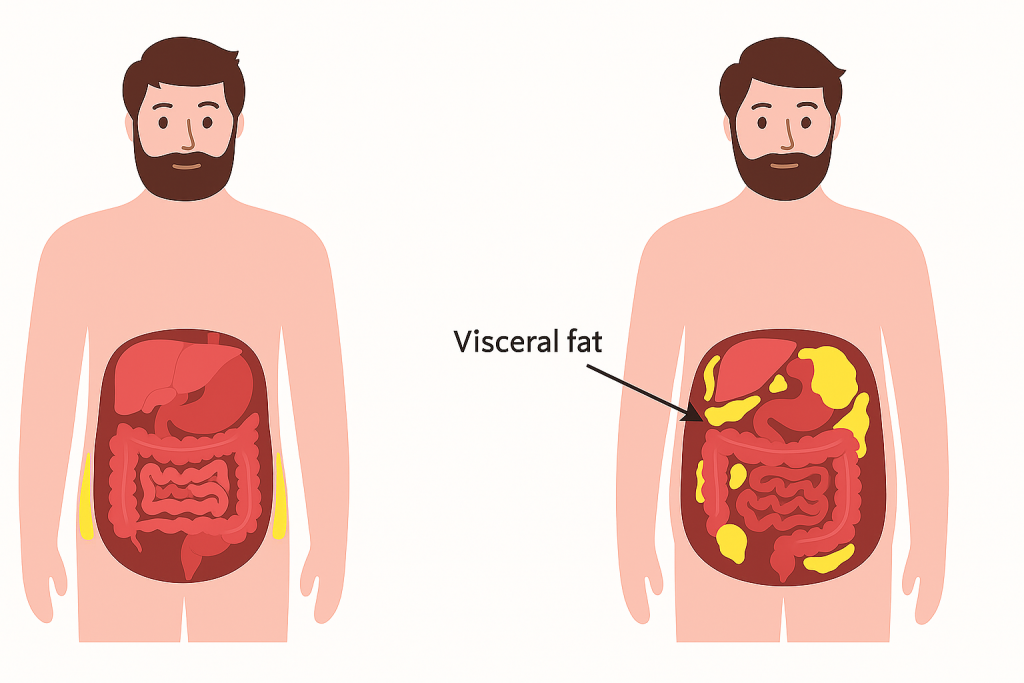
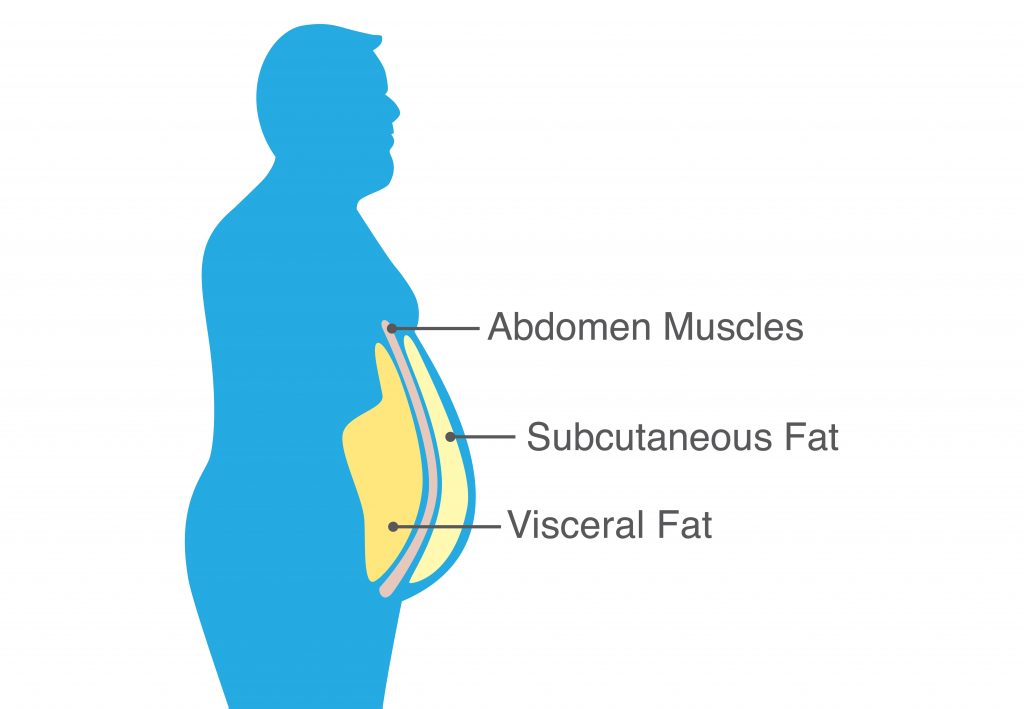
Have you come across the term visceral fat? You’ve likely heard it mentioned. It refers to the unwanted belly fat that forms deep inside the abdomen. This type of fat is considered particularly dangerous because it surrounds your vital internal organs, including the liver and intestines. It’s often referred to as active fat because it directly influences how hormones function within the body.

Why Visceral Fat Is a Concern

Visceral fat can pose a number of health risks. If you have more fat stored than your body requires, especially around the liver, heart, kidneys, pancreas, and intestines, your body becomes inflamed. This kind of fat stores inflammatory white blood cells, which is why belly fat has been linked to cognitive decline, arthritis, diabetes, and more.

The inflammatory substances generated by excess fat known as cytokines, are major contributors to heart disease and other inflammatory conditions. When the body is inflamed, the liver struggles to process cholesterol and toxins effectively, leading to plaque build-up in the arteries. Visceral fat is also associated with an increased risk of cardiovascular disease markers such as:

  • High triglycerides
  • Raised blood pressure
  • Elevated cholesterol levels

In addition, visceral fat plays a significant role in insulin resistance, increasing the risk of developing type 2 diabetes.

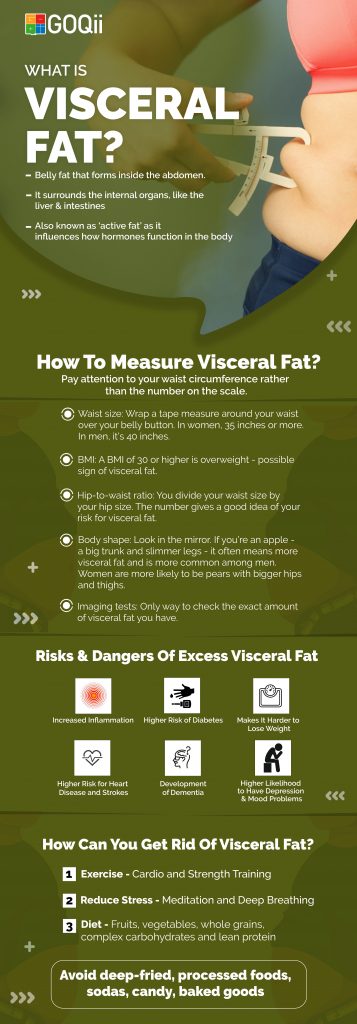
Refer to the image below to know more:
Visceral Fat

Lifestyle Factors That Influence Visceral Fat

While regular exercise, stress management, and a balanced diet are essential to keeping visceral fat in check, how you cook your meals also matters.

Healthier Cooking Methods:

✔️ Boiling
✔️ Steaming
✔️ Baking
✔️ Grilling

These methods help reduce excess fat in meals while preserving nutrients.

Foods That Encourage Belly Fat:

❌ Trans fats (found in some meats, dairy, deep-fried and processed foods)
❌ Sugary drinks like sodas
❌ Confectionery, baked goods, and other foods sweetened with fructose

Managing visceral fat is not just about aesthetics — it’s about protecting your long-term health. Small, sustainable changes to your eating habits, cooking style, and daily routine can go a long way in reducing this harmful fat.

To understand more about visceral fat and how to lose it effectively, connect with your GOQii Coach by subscribing to Personalised Health Coaching here. For more articles on weight loss, check out Healthy Reads.

#BeTheForce 

Disclaimer: The information provided in this blog is for general awareness and educational purposes only. It is not intended to replace professional medical advice, diagnosis, or treatment. Always consult a qualified healthcare provider for personalised medical guidance or concerns related to your health. Images shown are for representation purposes only and may not depict the exact recommendations or outcomes.
June 26, 2025 By Luke Coutinho Leave a Comment

Everything You Need To Know About Fiber, Fat Loss and Your Health

fat lossEvery nutritionist will tell you to improve your fibre intake, particularly because of the role it plays in supporting fat loss, reducing the risk of heart disease, and certain cancers. It plays a key role in digestive health and creating a sense of fullness which essentially means that enough fibre can help you manage your weight effectively!
Women should aim for around 25 grams of fibre per day, while men should aim for at least 35 to 40 grams. Yet, the average person consumes just 15 grams a day. The best way to increase your fibre intake is by eating fibre-rich whole foods, not heavily processed options with “added fibre” claims. Simply increasing your intake of fruits, vegetables and wholegrains can naturally boost your daily fibre intake.

How Fibre Supports Fat Loss and Weight Management

Fibre is one of the most natural ways to reduce high cholesterol levels in the body. If you have diabetes, consuming the right amount of fibre can help regulate blood sugar levels, allowing you to enjoy a variety of foods that might otherwise be restricted.

A lack of fibre is a common reason why people experience constipation and we all know constipation isn’t just uncomfortable; it can lead to toxic build-up in the body, sluggish digestion, fat gain, and has even been linked to a higher risk of colon and other cancers.

Why We’re Consuming Less Fibre

One of the main reasons is food processing. Modern methods often strip fibre from food entirely, which is why many packaged foods are considered unhealthy. A useful tip: if a food label shows less than 2 grams of fibre per serving, it’s best avoided. Low-fibre foods can cause blood sugar spikes, leading to fat gain over time.

Another reason is that many people don’t consume enough fibrous carbohydrates. Ideally, your main source of carbohydrates should be fibrous – these typically contain fewer overall carbs, but their high fibre content helps balance insulin response, making them ideal for fat loss.

Best Sources of Fibrous Carbohydrates

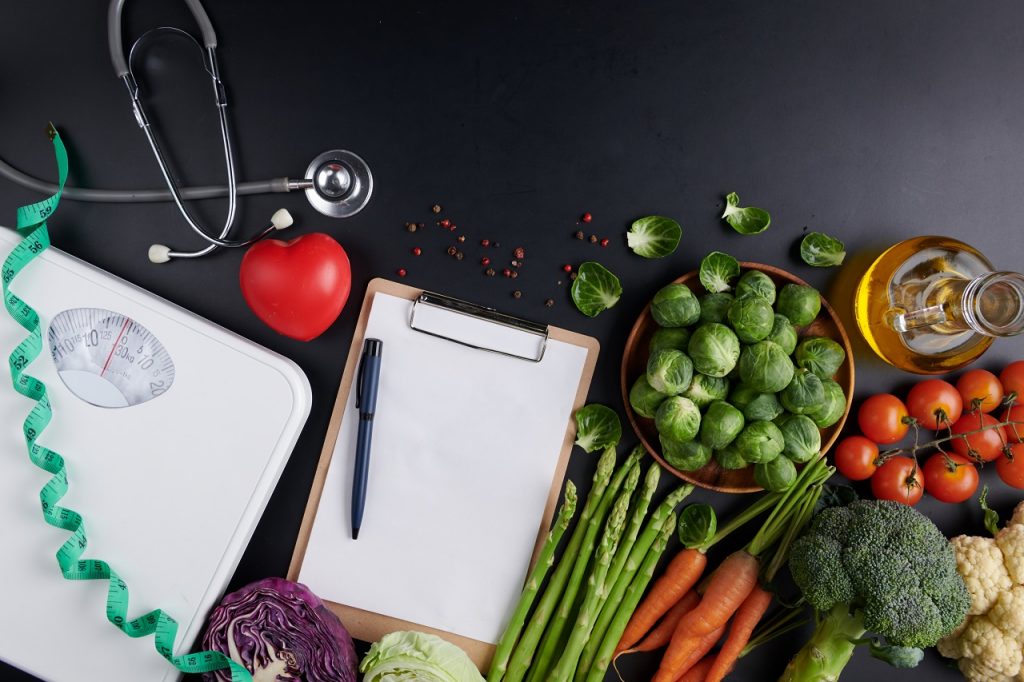
Here’s a list of some of the best naturally fibrous foods to include in your daily diet, all easily available in supermarkets:

  • Broccoli
  • Lettuce
  • Cabbage
  • Cauliflower
  • Mushrooms
  • Green beans
  • Onions
  • Asparagus
  • Cucumber
  • Spinach
  • Bell Peppers
  • Courgette
  • Popcorn (plain, air-popped)
  • Apples
  • Oats
  • Brown rice
  • Wholemeal pasta
  • Lentils
  • Beans and Pulses (e.g., kidney beans, chickpeas)

Beans are a fantastic source of dietary fibre and protein, keeping you full for longer. The same applies to fruits, nuts, and seeds – all of which should be a regular part of your meals.

Psyllium husk (commonly known as Isabgol in Asian stores) is another fantastic fibre source. It helps detox the body and removes excess cholesterol and fat. As always, moderation is key.

Not All Grains Are Equal

While grains contain fibre, the amount can vary significantly. For example:

Food Item Fibre Content (approx.)
White bread (1 slice) 0.5 grams
Wholemeal bread (1 slice) 2 grams
Kidney beans (1 cup) 17 grams
Mixed berries (1 cup) 8 grams

As you can see, focusing on whole, natural food sources will boost your fibre intake far more than relying on refined or packaged foods.

Fibre is essential for good health and should be part of every weight-loss strategy. It aids digestion, balances blood sugar, reduces cholesterol, and keeps you feeling satisfied for longer – all of which support healthy fat loss.

It’s time to make a conscious effort to add more fibre to your meals – your body will thank you for it.

We hope this article helps you. Do let us know your thoughts in the comments below. For more on fiber and fat loss, check out Healthy Reads or reach out to a GOQii Coach for the right guidance and motivation by subscribing for Personalised Health Coaching here.

#BeTheForce

Disclaimer: The information provided in this blog is for general awareness and educational purposes only. It is not intended to replace professional medical advice, diagnosis, or treatment. Always consult a qualified healthcare provider for personalised medical guidance or concerns related to your health. Images shown are for representation purposes only and may not depict the exact recommendations or outcomes.

June 2, 2025 By Meenakshi Sharma 2 Comments

What Is Visceral Fat & Why It Is Dangerous

visceral fat

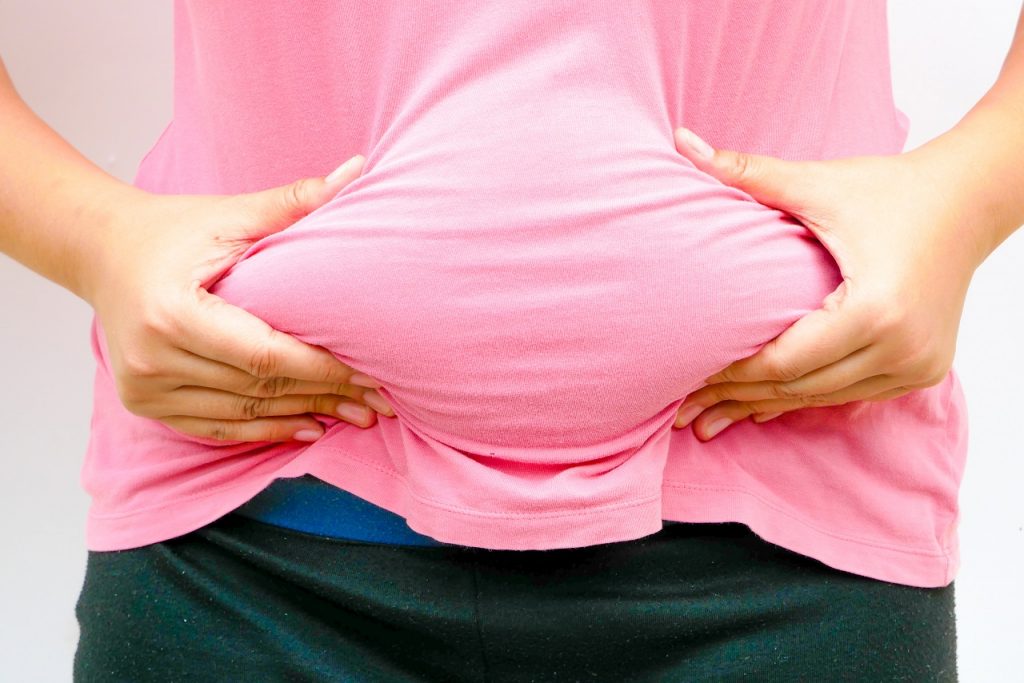
You might have heard of the term belly fat, but you might not be aware of terms like subcutaneous and visceral fat. Subcutaneous fat is the kind you can grasp with your hand on any part of your body. It sits under the skin. Belly fat, or what experts call visceral fat, is a particularly dangerous type of fat that forms inside the abdomen. It surrounds internal organs like the liver and intestines, and is also known as ‘active fat’ because it influences how hormones function in the body.

You can have too much belly fat even with a normal BMI. So, pay attention to your waist circumference rather than the number on the scale.

How To Measure It

  1. Waist size: This is an easy way to get a rough estimate. Wrap a tape measure around your waist over your belly button (don’t suck in your stomach). For women, 35 inches or more is a sign of visceral fat. For men, it’s 40 inches.
  2. BMI: Body mass index is a formula for how much you weigh relative to your height. A BMI of 30 or higher is overweight. That could be a sign of visceral fat. In Asia, a BMI of 23 or higher could be a concern.
  3. Waist-to-hip ratio: Divide your waist size by your hip size. Some doctors think this gives a good indication of your risk for visceral fat. But studies suggest it may be no better than a simple waist measurement.
  4. Body shape: Look in the mirror. If you’re an apple – a big trunk and slimmer legs – it often means more visceral fat, which is more common among men. Women are more likely to be pears with bigger hips and thighs. Research shows that upper body fat is more dangerous to your health, which might be one reason why women usually live longer than men.
  5. Imaging tests: These scans are the only way to check the exact amount of visceral fat you have. If your doctor orders a CT scan or an MRI for another medical condition, they can also assess your visceral fat.

Risks & Dangers Of Excess Visceral Fat

  • Increased Inflammation: If you have more fat stored than needed, especially around visceral organs like the liver, heart, kidneys, pancreas, and intestines, your body becomes inflamed. This fat stores inflammatory white blood cells and is linked with cognitive decline, arthritis, diabetes, and more.
  • Higher Risk of Diabetes: Visceral fat plays a significant role in insulin resistance, heightening the risk of developing diabetes. Abdominal fat is viewed as a bigger health risk than hip or thigh fat. While men are more likely to store visible visceral fat, women are also at risk.
  • Makes It Harder to Lose Weight: Stored body fat, especially visceral fat, affects hunger levels. Leptin, a hormone released by stored fat, regulates appetite, metabolism, and weight. When you eat refined carbs such as white flour and sugar, fat-storing hormones are produced in excess, raising your body’s “set point” and making it hard to follow a moderate, healthy diet.
  • Higher Risk for Heart Disease and Strokes: Inflammatory cytokines produced by fat contribute to heart disease and other inflammatory disorders. Visceral fat is linked to cardiovascular risk factors like high triglycerides, high blood pressure, and high cholesterol.
  • More Likely to Battle Dementia: Studies show that people with larger waistlines have a higher risk of dementia. In fact, many experts believe visceral fat levels (rather than BMI) are a more relevant risk factor in dementia development.
  • Increased Risk of Depression and Mood Disorders: Visceral fat is metabolically active and can interfere with hormones and neurotransmitter function. Depression is especially associated with greater fat storage in women. In one study, visceral fat – not subcutaneous belly fat or waist circumference – was linked with depressive symptoms in women over 50.

How Can You Reduce Visceral Fat? 

  • Exercise: A mix of cardiovascular exercise (e.g. running, cycling, swimming, aerobics, circuit training) and strength training (e.g. squats, weights, push-ups) helps reduce visceral fat.
  • Manage Stress: Chronic stress raises cortisol, which increases fat storage around the abdomen. Relaxation techniques like meditation, deep breathing, and other stress management practices can support fat loss.
  • Balance Diet: Focus on whole foods—fruits, vegetables, whole grains (quinoa, millets, oats), and lean proteins (skinless chicken, fish, eggs, beans). Calcium and Vitamin D are also associated with lower visceral fat. Include leafy greens, tofu, sardines, and low-fat dairy products.

Boiling, steaming, baking, and grilling are healthier cooking methods. Avoid trans fats (often found in processed foods and deep-fried items) and reduce sugar intake. Check labels for ingredients like “partially hydrogenated oils” or “high-fructose corn syrup.”

We hope this article helps you! If you are keen on losing weight in a healthy, sustainable way, you can reach out to an expert by subscribing for Personalised Health Coaching here.

For more articles on weight loss, check out Healthy Reads.

#BeTheForce 

Disclaimer: The information provided in this blog is for general awareness and educational purposes only. It is not intended to replace professional medical advice, diagnosis, or treatment. Always consult a qualified healthcare provider for personalised medical guidance or concerns related to your health. Images shown are for representation purposes only and may not depict the exact recommendations or outcomes.

May 19, 2025 By GOQii Leave a Comment

Low-Carb Woes? Here’s How to Tackle the 3 Cs: Cravings, Constipation & Cramps

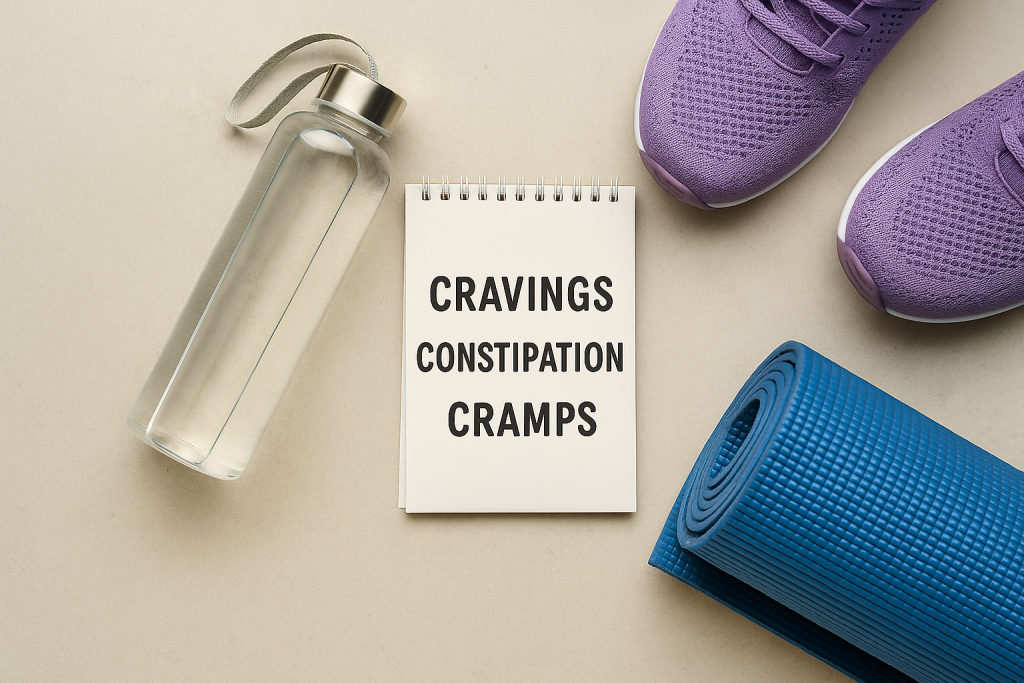
Cravings, Constipation & CrampsStarting a low-carb diet can be a transformative step — especially if you’re aiming to reverse diabetes, improve metabolic health, or simply feel better overall. But the transition isn’t always smooth.



In the early days, it’s common to face a few challenges. Chief among them are cravings, constipation, and cramps — the “3 Cs” that often accompany your body’s adjustment to this new way of eating.

These symptoms are temporary, and they’re not a sign that something’s gone wrong. They simply reflect how your body is adapting. The good news? Each one can be managed effectively with a few simple strategies.

  1. Cravings

What’s happening:
When you cut down on carbohydrates — especially refined sugars and processed starches — your body initially struggles. It’s used to relying on quick sugars for energy, so when that source is removed, it signals hunger more aggressively. This can lead to strong cravings, particularly for high-carb comfort foods.

What helps:

  • Increase healthy fats: Include good fats like avocado, coconut, olive oil, and nuts in your meals. They promote satiety and help control hunger.
  • Eat balanced meals: Ensure your meals include a mix of protein, fibre, and fat. This helps stabilise blood sugar levels and reduces sudden hunger pangs.
  • Hydrate regularly: Often, what feels like a craving is actually dehydration. Aim to drink plenty of water throughout the day.

Distract and reset: A short walk, chewing gum, or even brushing your teeth can help shift your focus away from cravings.

  1. Constipation

What’s happening:
As your carbohydrate intake drops, you may also be eating less fibre — particularly if you’ve eliminated whole grains and haven’t replaced them with fibrous vegetables. This can slow down digestion.

What helps:

  • Prioritise vegetables: Load up on non-starchy vegetables like spinach, broccoli, cucumbers, and courgettes to boost fibre intake.
  • Add natural fibre sources: Chia seeds or ground flaxseeds (1–2 tablespoons a day) are excellent for digestive health.
  • Stay hydrated: Water supports smooth digestion and helps fibre do its job properly.
  • Keep moving: Gentle physical activity, like a daily walk, stimulates bowel movements and supports gut motility.
  1. Cramps

What’s happening:
Low-carb diets lead to reduced insulin levels, which cause the kidneys to excrete more water and, along with it, essential electrolytes like sodium, potassium, and magnesium. This can result in muscle cramps, especially at night. Also, cutting out processed foods often reduces sodium intake, leading to deficiency.

What helps:

  • Salt your food mindfully: A pinch of good-quality salt (sea salt or Himalayan salt) can help restore sodium levels. Aim for around 2 teaspoons per day (unless advised otherwise by your doctor).
  • Replenish magnesium: Include magnesium-rich foods like leafy greens, almonds, and pumpkin seeds. In some cases, a supplement may be useful — consult your doctor.
  • Boost potassium intake: Avocados, mushrooms, and spinach are excellent low-carb sources of potassium.
  • Hydration remains key: Continue drinking adequate fluids throughout the day to support overall electrolyte balance.

Stay the Course

These early side effects are not permanent. They’re part of your body’s natural shift from relying on carbohydrates to using fat as a primary energy source. With a little patience and the right nutritional adjustments, most people notice these symptoms ease within the first two weeks.

Once past this transition, many experience improved energy levels, reduced cravings, better digestion, and overall enhanced well-being.

So if you’re facing the 3 Cs right now — know that it’s temporary. Stay informed, take care of your body, and lean on the DIP principles. You’re on the right track.

#BeTheForce

Disclaimer: The information provided in this blog is for general awareness and educational purposes only. It is not intended to replace professional medical advice, diagnosis, or treatment. Always consult a qualified healthcare provider for personalised medical guidance or concerns related to your health.

  • « Previous Page
  • 1
  • 2
  • 3
  • 4
  • 5
  • 6
  • …
  • 37
  • Next Page »

Search

Recent Posts

  • India Leads in Longevity: GOQii Sanjeevini Named Top 40 in $101M XPRIZE
  • The Importance Of Knowing If You’re Thirsty Or Hungry
  • Best Foods To Alleviate Irritable Bowel Syndrome
  • ALL ABOUT VERTIGO!
  • PCOS and Anxiety: Discover Relief with the 54321 Technique

Stay Updated

Archives

  • December 2025 (8)
  • November 2025 (15)
  • October 2025 (20)
  • September 2025 (6)
  • August 2025 (6)
  • July 2025 (12)
  • June 2025 (18)
  • May 2025 (16)
  • April 2025 (23)
  • March 2025 (23)
  • February 2025 (22)
  • January 2025 (26)
  • December 2024 (26)
  • November 2024 (25)
  • October 2024 (22)
  • September 2024 (24)
  • August 2024 (31)
  • July 2024 (21)
  • June 2024 (26)
  • May 2024 (31)
  • April 2024 (27)
  • March 2024 (29)
  • February 2024 (26)
  • January 2024 (25)
  • December 2023 (15)
  • November 2023 (11)
  • October 2023 (20)
  • September 2023 (22)
  • August 2023 (20)
  • July 2023 (22)
  • June 2023 (24)
  • May 2023 (24)
  • April 2023 (24)
  • March 2023 (23)
  • February 2023 (20)
  • January 2023 (16)
  • December 2022 (12)
  • November 2022 (15)
  • October 2022 (15)
  • September 2022 (12)
  • August 2022 (10)
  • July 2022 (17)
  • June 2022 (11)
  • May 2022 (10)
  • April 2022 (6)
  • March 2022 (6)
  • February 2022 (13)
  • January 2022 (12)
  • December 2021 (7)
  • November 2021 (3)
  • October 2021 (6)
  • September 2021 (3)
  • August 2021 (8)
  • July 2021 (7)
  • June 2021 (15)
  • May 2021 (16)
  • April 2021 (10)
  • March 2021 (7)
  • February 2021 (4)
  • January 2021 (4)
  • December 2020 (3)
  • November 2020 (4)
  • October 2020 (10)
  • September 2020 (3)
  • August 2020 (3)
  • July 2020 (2)
  • June 2020 (4)
  • May 2020 (10)
  • April 2020 (12)
  • March 2020 (10)
  • February 2020 (4)
  • January 2020 (4)
  • December 2019 (3)
  • November 2019 (7)
  • October 2019 (5)
  • September 2019 (4)
  • August 2019 (9)
  • July 2019 (9)
  • June 2019 (11)
  • May 2019 (4)
  • April 2019 (9)
  • March 2019 (8)
  • February 2019 (9)
  • January 2019 (8)
  • December 2018 (9)
  • November 2018 (3)
  • October 2018 (3)
  • September 2018 (5)
  • August 2018 (10)
  • July 2018 (6)
  • June 2018 (13)
  • May 2018 (8)
  • April 2018 (18)
  • March 2018 (9)
  • February 2018 (8)
  • January 2018 (15)
  • December 2017 (12)
  • November 2017 (19)
  • October 2017 (13)
  • September 2017 (15)
  • August 2017 (4)
  • July 2017 (8)
  • June 2017 (7)
  • May 2017 (6)
  • April 2017 (8)
  • March 2017 (6)
  • February 2017 (7)
  • January 2017 (9)
  • December 2016 (10)
  • November 2016 (7)
  • October 2016 (7)
  • September 2016 (7)
  • August 2016 (11)
  • July 2016 (9)
  • June 2016 (9)
  • May 2016 (12)
  • April 2016 (17)
  • March 2016 (17)
  • February 2016 (8)
  • January 2016 (6)
  • December 2015 (2)
  • November 2015 (9)
  • October 2015 (7)
  • September 2015 (9)
  • August 2015 (11)
  • July 2015 (9)
  • June 2015 (12)
  • May 2015 (9)
  • April 2015 (13)
  • March 2015 (8)
  • February 2015 (5)
  • January 2015 (12)
  • December 2014 (14)
  • November 2014 (11)
  • October 2014 (6)
  • September 2014 (13)
  • August 2014 (12)
  • July 2014 (6)
  • June 2014 (2)
  • May 2014 (7)
  • April 2014 (5)

From “Laddu Nawin” to Fit and Fierce: How a 25-Year-Old Insurance Advisor Shed 20 Kilos and Gained His Life Back

When 25-year-old Nawin Yadav from Hyderabad walked into his office every morning, he carried more than just his files and policy papers. He had the weight of fatigue, sluggish energy, and an ever-growing belly that was becoming the butt of jokes. “People … [Read More...]

“I’ve Challenged Myself to Live 100 Years” – The Story of Chandubhai Savani’s Second Chance at Life

At 67, most people start slowing down. Not Chandubhai Savani. A resident of Surat, Chandubhai, thought life was on track. “My life was going well till I had my bypass surgery,” he says. That surgery, back in 2021, was a wake-up call.  Medication was routine, but exercise wasn’t. His diet? What he calls ‘normal.’ “I […]

From Shimla’s Slopes to Chandigarh’s Sidewalks: Surinder Kaur Bhalla’s Journey from Chaos to Control

Some journeys start with a plan. Others begin with a stumble literally. Surinder Bhalla, a government professional, born and raised in the scenic hill town of Shimla, had always lived a life of movement. “In Shimla, you walked everywhere,” she reflects. “Walking was never an exercise. It was just life.” But after shifting to Chandigarh, […]

Ananda Mukherjee Health Story

From Terminal Illness To Complete Wellness! Ananda Mukherjee Health Story

As we observe World Cancer Day under the powerful theme ‘United by Unique’ (2025-2027)**, we are reminded that every individual’s journey with cancer is distinct, yet united by shared resilience, hope, and the collective fight against this disease. This theme places people at the centre of care and their stories at the heart of the […]

  • HOME
  • HEALTHY LIVING
  • FITNESS
  • HEALTHY RECIPES
  • USER STORIES
  • KARMA
  • BUY GOQii

Copyright ©2016 GOQii
