GOQii

Blog

  • HOME
  • HEALTHY LIVING
  • FITNESS
  • HEALTHY RECIPES
  • USER STORIES
  • KARMA
  • BUY GOQii

Search Results for: kidney

June 20, 2017 By Farida Gohil 5 Comments

5 foods that fight high CHOLESTEROL

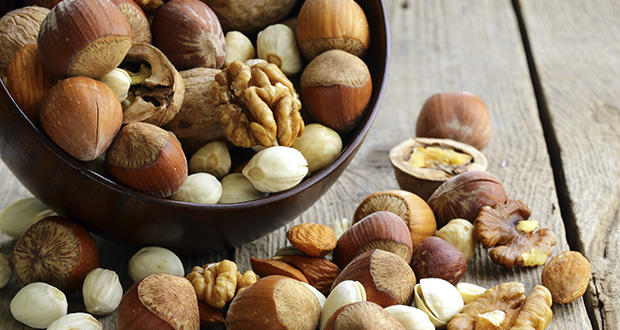
mixed-nuts-olgakr-main

Image Credit: prevention.com

It’s easy to eat your way to an alarmingly high cholesterol level. The reverse is true too – changing what you eat can lower your cholesterol and improve the armada of fats floating through your bloodstream. Fresh fruits and vegetables, whole grains, and “good fats” are all part of a heart-healthy diet. But, some foods particularly are good at helping bring down cholesterol.

How? Some cholesterol-lowering foods deliver a good dose of soluble fibre, which binds cholesterol and its precursors in the digestive system and drags them out of the body before they get into circulation.Others provide polyunsaturated fats, which directly lower LDL. And, those with plant sterols and stanols keep the body from absorbing cholesterol. Here are a 5 of those foods:

  1. OATS: An easy way to start lowering cholesterol is to choose oatmeal or a cold oat-based cereal like cheerios for breakfast. It gives you 1 to 2 grammes of soluble fibre. Add a banana or some strawberries for another half -gramme.
  2. BEANS: Beans are especially rich in soluble fibre and take a while to digest, meaning you feel full for longer hours after a meal. That’s one reason beans are useful food for folks trying to lose weight. With so many choices from navy and kidney beans to lentils, garbanzos, black-eyed peas, and beyond, there are also many ways to prepare them. Beans a very versatile food.
  3. NUTS: A bushel of studies shows that eating almonds, walnuts, peanuts, and other nuts are good for the heart. Eating 2 ounces of nuts a day can slightly lower LDL, on the order of 5%. Nuts have additional nutrients that protect the heart in other ways.

If you are allergic to any kind of nuts like peanuts, Walnuts or cashew nuts; you can go for pistachios or just almonds or if nothing works then you can just quit this food group and try to include the other four foods.

  1. Foods fortified with sterols and stanols: Sterols and stanols extracted from plants gum up the body’s ability to absorb cholesterol from food. Companies and adding them to foods ranging from margarine and granola bars to orange juice and chocolate. They are also available as supplements.Getting 2 grammes of plant sterols or stanols a day can lower LDL cholesterol by about 10%.
  2. FATTY FISH: Eating fish two or three times a week can lower LDL in two ways: by replacing meat, which has LDL -boosting saturated fats, and by delivering LDL -lowering Omega- 3 fats. Omega -3 s reduce triglycerides in the bloodstream and also protect the heart by helping prevent the onset of abnormal heart rhythms.

BUT STAY AWAY FROM…

As you consider eating more of the foods that can help lower down cholesterol, keep in mind that avoiding certain foods can improve your results. To keep cholesterol levels where you want them to be, limit intake of:

SATURATED FATS: The saturated fats found in red meat, milk and other Dairy Foods, and coconut and palm oil directly boost LDL. So one way to lower your LDL is to cut back on saturated fat. Try substituting extra- lean ground beef for regular; Low-fat or skim milk for whole milk; olive oil or a vegetable oil margarine for butter; baked fish or chicken for fried.

TRANS FAT: Trans fats are a by-product of the chemical reaction that turns liquid vegetable oil into solid margarine or shortening and that prevents liquid vegetable oils from turning rancid. Trans fats boost LDL as much as saturated fats do.They also lower protective HDL and increase the tendency for blood clots to form inside blood vessels. Although Trans fats were once ubiquitous in prepared foods, many companies now use trans- free alternatives. Summer restaurants and fast-food chains have yet to make the switch.


May 27, 2017 By Farida Gohil 3 Comments

Low fat, low carb, or Mediterranean: which diet is right for you?

digestive-enzymes-consideration-for-your-health

Losing weight sometimes takes experimentation. If you give a diet your best shot and it does not work long term, may be it was not the right one for you, your metabolism, or your situation.Genes, families, your environment – even your friends – influence how, why, what and how much you eat, so don’t get too discouraged or beat yourself up because a diet that “worked for everybody” didn’t pay off for you. Try another, keeping in mind that almost any diet will help you shed pounds – at least for a short time.

Here is a look at three common diet approaches.

  1. Low fat: does not taste Great… and is less filling

Once the main strategy for losing weight, low fat diets were shoved aside by low-carb frenzy. But, healthy fats can actually promote weight loss, and some fats are good for the heart; eliminating them from the diet can cause problems.

Since fat contains nine calories per gram while carbohydrates contain four, you can theoretically eat more without taking in more calories by cutting back on fatty foods and eating more that are full of carbohydrates, especially water-rich fruits and vegetables. Still such a diet tends to be less filling and flavourful than other diets, which lessens its long-term appeal. And, if the carbs you eat in place of fat are highly processed and rapidly digested, you may be sabotaging your weight loss plan.

  1. Low carbohydrate: Quick weight loss but long-term safety questions

Eating carbohydrates – especially highly processed ones like white bread and white rice quickly boosts blood sugar, which triggers an outpouring of insulin from the pancreas. The surge of insulin can rapidly drop blood sugar, causing hunger. Low-carb proponents claim that people who eat a lot of carbohydrates take in an extra calories and gain weight. Limiting carbs in favour of protein and fat is suppose to prevent the insulin surge and make you feel full longer.

To make up for the lack of carbohydrates in the diet, the body mobilises its own carbohydrates stores from liver and muscle tissue. In the process the body also mobilises water, meaning that the pounds shed are water weight. The result is rapid weight loss but, after a few months, weight loss tends to slow and reverse, just as happens with other diets.

The American Heart Association cautions people against following the Atkins diet because it is too high in saturated fat and proteins, which can be hard on heart, kidneys and bones. The lack of carb rich fruits and vegetables is also worrisome, because eating these foods tends to lower the risk of stroke, dementia and certain cancers. Most experts believe that the south beach and the less restrictive low-carbohydrate diet offer a more reasonable approach.

  1. Mediterranean style: Healthy fats and carbs with a big side of fruits and vegetables

Good fats are the monounsaturated fats found in olive oil and other oils like Coconut oil etc,and the polyunsaturated fats found in fish, Canola oil, walnuts and other foods.(Saturated fats and trans fats are the bad guys.) Mediterranean diets tend to have a moderate amount of fat, but most of it comes from healthy fats. The carbohydrates in the Mediterranean-style diet comes from unrefined, fiber-rich sources like whole wheat and beans. These diets are also rich in fruits and vegetables, nuts,seeds and fish with only modest amount of meat and cheese.

People living in the Mediterranean countries have a lower-than-expected rate of heart disease. But the traditional lifestyle in the region also includes lot of physical activity, regular meal patterns, wine, and a good social support. It is hard to know what relative role these different factors play – but there is growing evidence that, in and of itself the diet can reduce cardiovascular risk and the development of Diabetes.

MAKE YOUR OWN

A good diet should provide plenty of choices, relatively few restrictions, and no longer grocery lists of sometimes expensive special foods. It should be good for your heart, bones, brain and colon as it is for your waistline. And, it should be something you sustain for years. Such a diet will not give you a quick fix. But, they can offer you something better- a lifetime of savoury, healthy choices that will be good for all of you, not just a part of you.

March 22, 2017 By Trishala Chopra 32 Comments

All you need to know about whey protein!

560183-milk

The more people are getting concerned about their health, more brands of whey proteins are being introduced in the market.

Being a consumer, you have the right to know about what is going inside your body. You might have heard a lot about whey protein, but are you aware about what exactly it is?

Everybody who talks about whey protein have mixed reactions. When I tell my players about whey protein, I get a list of questions!

Why do I need whey protein?

What is the other option for whey protein?

Is taking supplement good for health?

Will whey protein affect my kidney?

I am okay with all these questions because there are many healthcare sites having mixed opinions about whey protein.

Let’s not be judgemental about anything.

It’s not even correct to call ‘whey protein’ as a supplement because it does occur in natural food sources as well!

This blog will help you clear your doubts about whey protein!

What is whey and where do we get it from?

  • Whey is derived from animal milk.
  • Milk protein is divided into 2- Whey (20% of the protein in milk) and casein (80% of the protein in milk)
  • Whey protein is said to be a complete source of protein as it contains all essential amino acids (These amino acids are not produced by the human body so it must be supplemented through diet) which are required by the human body.
  • Whey protein is water soluble while casein protein is insoluble in water.

What are the natural food sources in which whey protein is present?

  • Ricotta cheese
  • Milk
  • Yogurt

There are different supplements available in the market which has different brand names and components in it. Let’s understand what are those types of whey proteins listed on the supplements?

1.  Whey protein concentrate

  • Whey protein concentrate is also labelled as WPC.
  • WPC label is only given to those supplements which has 90% or less than 90% of protein by weight.

How to read the label of the protein supplement to understand if it is WPC or something else?

  • Check the protein % on the label. If it is less than 90% then it is WPC.
  • The ingredients which are listed on the top of the label are in more quantities as compared to the ones which are mentioned at the bottom of the nutritional label.
  • For example, if a supplement box has 40% WPC84 written on it, this means that the supplement has 84% of the WPC and rest all the ingredients is a combination of lactose, milk derivatives, minerals and fats.

Advantages of choosing WPC: –

  • It is cheaper as compared to the other types of whey protein and fits in the budgets of fitness freaks.

Disadvantages of choosing WPC: –

  • It has low bioavailability.
  • Supplements with WPC contains lactose or milk derivatives in it which cannot be used by lactose intolerant people.

2. Whey protein isolate

  • Whey protein isolate is also labelled as WPI.
  • It is the purest form of protein which eliminates all the lactose and fats present.
  • WPI label is only given to those supplements which has 90% or more than 90% of protein by weight.

Advantages of choosing WPI: –

  • Its high-end techniques are used to eliminate the lactose and fats which makes WPI the purest form of protein.
  • As there is no lactose in it, lactose intolerant people can choose this supplement.

Disadvantages of choosing WPI: –

  • It is expensive.
  • As it has no carbohydrates and fats, the taste often becomes an issue for the people.

3.  Whey protein hydrolysate or blends

  • They are the blend of WPC and WPI which mostly commonly available in the market.
  • The cost for these blends are neutral. It depends on the ratio of WPC and WPI.

Advantage of choosing whey protein hydrolysate or blends: –

  • Neutral cost. Neither too expensive nor too cheap.

Disadvantage of choosing whey protein hydrolysate or blends: –

  • WPC: WPI ratios can be misleading so as explained above, which ingredient comes first is more in the supplement as compared to the one which comes at the bottom. 

How does whey protein work in the body?

  • Whey protein is a complete source of protein having all essential amino acids including leucine. Leucine is a very important amino acid when it comes to muscle building and toning of the body. Thus, whey becomes the most popular source of protein!
  • Bioavailability (Ability of animal to utilize that protein in the body) of whey is very high as compared to other protein sources!

Let’s have a look: –

Protein sources

Bioavailability
WPI 159
WPC 104
Whole egg 100
Milk 91
Cheese 84
Fish 82
Chicken 79
Soya 74
Casein 71
Yogurt 68
Egg white 88
Oatmeal 58
  • The above table shows that whey protein has the highest bioavailability, which becomes the most favourite protein of all times!

How much whey protein you need every day?

  • A healthy adult requires 0.8-1g per kg body weight protein in a day depending on the physical activity. If you are into intense working out like athletes and sports person, the protein intake can go up to 1.5 g to 2g/per kg of body weight in a day.
  • For example, an average man with sedentary lifestyle whose weight is 60kgs requires 0.8 g per kg body weight per day.

So, it is calculated as,

Weight x requirement of protein as per physical activity= Ideal protein intake per day.

As per the above example,

60 x 0.8= 48g per day.

  • Protein can be obtained from natural sources as well. If the person can get the ideal protein intake through natural foods, then he might not require a supplement for the same.
  • But if the person is a vegetarian, he might need to add up a supplement because vegetarian sources have low bioavailability as compared to non-vegetarian sources.
  • Fitting his/her ideal protein requirement, 1-2 scoops per day can be taken to complete the requirement.
  • If a person does heavy workout, he might need to alter his intake of whey protein depending upon the meal pattern he follows.

     “Keep a check on your protein intake, overdoing anything won’t help!”

What are the benefits of whey protein?

  • There is a myth that whey protein leads to weight gain but that is not true. On the contrary, whey protein helps in weight loss (It has fat loss enhancing property).
  • It helps in muscle building.
  • It helps in faster recovery post workout.
  • It promotes growth of lean tissue mass.
  • It improves muscle protein synthesis.
  • It boosts immune function.
  • It helps in controlling sugar cravings.
  • It has high bioavailability as explained above.

What are the side effects of whey protein?

  • Like a coin, everything has 2 sides. With benefits, whey protein also has some side effects.
  • Bloating, upset stomach, increased bowel movements are some side effects of whey protein.
  • You need to check yourself for allergies before starting off with whey protein.
  • Check your total protein requirement before including whey protein in your list!


PS: – Whey protein is soluble in water so if in case it doesn’t dissolve in water, that protein supplement is not a right choice then! Read the label before choosing any supplement for you.

February 17, 2017 By Dr Darshana Salve 2 Comments

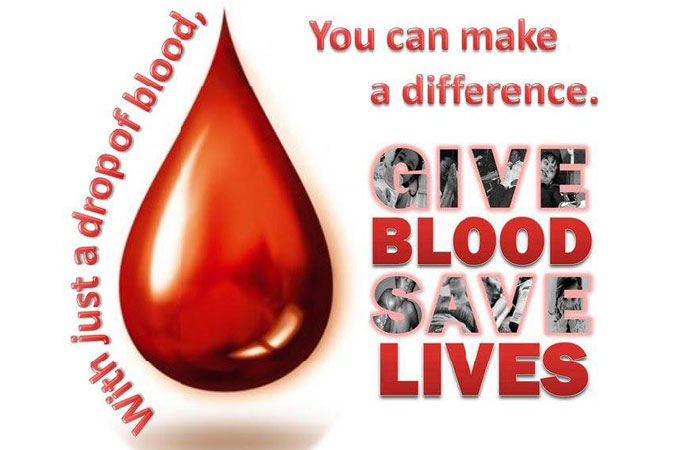
Blood should circulate – Donate Blood!

blood-donation

We only understand the importance of blood donation when someone close to us is in need of it. A few days back my cousin contacted me to know the availability of blood for her friend’s father who met with an accident. Unfortunately, we lost him due to excess blood loss. We know of this incident because it’s a dear friend’s father but, on a daily basis there are so many such cases where there is loss of death due to non-availability of blood.

Statistics show that roughly every year in India there are 234 million major operations, 63 million trauma-induced surgeries, 31 million cancer-related procedures and 10 million pregnancy related complications which require blood transfusions.

Apart from these there are also disorders like sickle cell anemia, thalassemia and hemophilia that require repeated blood transfusions.

One of the main reasons for lack of blood is, many people are skeptical about blood donation. They have fears of contracting infections during blood donation, fear of the needle or feeling weak after blood donation. Human body approximately has 4.7-5.5 L of blood, out of it only 350/ 450 ml of blood is withdrawn during blood donation drives and it takes only a day or two to replenish the fluid volume in the body and three months for the regeneration of red cells to donate more blood.

There is no substitute for human blood. Blood cannot be manufactured – it can only come from
volunteer donors like you and me. One blood donation can save 3 lives. But, unfortunately only 1 % of volunteer donors come forward to donate blood and majority of the blood donation comes from replacement donors.

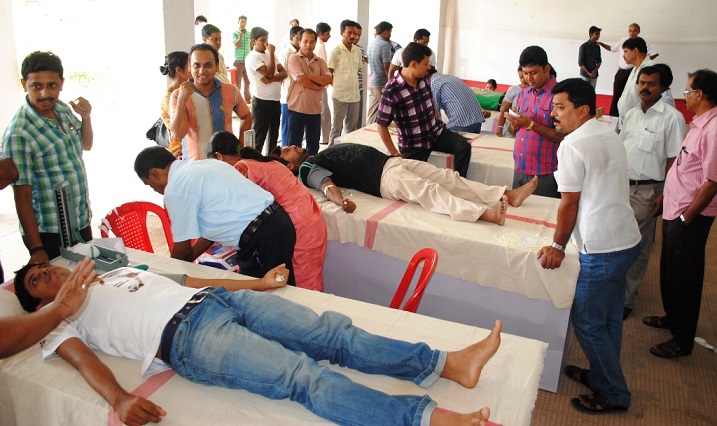
Blood Donation Camp

Replacement donors are friends and relatives of a patient who donate blood as replacement for the blood given to the patient.

At times, these replacement donors (friends and relatives) are more likely to harm the recipients by hiding or overlooking the many don’ts of donation.

Though voluntary self-referral to donate without citing reasons is widely accepted, replacement donors rarely adhere to it either to hide their high-risk behavior or due to pressure to meet the immediate demand for certain units of blood. As a result, the prevalence of HIV, hepatitis B, and hepatitis C is much higher among family donors when compared to voluntary donors, according to a 2012 study published in the Asian Journal of Transfusion Science.

Donation of safe blood can be achieved only when replacement donors are replaced by healthy volunteer donors to meet ‘over 95 per cent of blood requirement’. This can be done through increased awareness, providing appropriate facilities for people to donate blood, and improved donor retention.

While donating blood always be truthful about your health status!

Do not donate blood if you have any of these conditions

  • Cold / fever in the past 1 week.
  • Under treatment with antibiotics or any other medication.
  • Cardiac problems, hypertension, epilepsy, diabetes (on insulin therapy), history of cancer, chronic kidney or liver disease, bleeding tendencies, venereal disease etc.
  • Major surgery in the last 6 months.
  • Vaccination in the last 24 hours.
  • Miscarriage in the last 6 months or have been pregnant / lactating in the last one year.
  • Had fainting attacks during last donation.
  • Have regularly received treatment with blood products.
  • Shared a needle to inject drugs/ have history of drug addiction.
  • Had sexual relations with different partners or with a high risk individual.
  • Tested positive for antibodies to HIV.
  • If you are Underweight ( below 50 KGs)

Pregnancy and Menstrual Cycle

  • Females should not donate blood during pregnancy and lactation.
  • Females should not donate blood if they are having heavy menstrual flow or menstrual cramps.

Do donate blood if…

  • You are between age group of 18-60 years.
  • Weight is 50 kgs or more.
  • Hemoglobin is 12.5 gm% minimum.
  • Last blood donation was 3 months earlier.
  • You are healthy and have not suffered from malaria, typhoid or other transmissible disease in the recent past.

It’s time that we take up the responsibility to do voluntary blood donation. Donate Blood without waiting for a call.

  • « Previous Page
  • 1
  • …
  • 28
  • 29
  • 30
  • 31
  • 32
  • …
  • 37
  • Next Page »

Search

Recent Posts

  • India Leads in Longevity: GOQii Sanjeevini Named Top 40 in $101M XPRIZE
  • The Importance Of Knowing If You’re Thirsty Or Hungry
  • Best Foods To Alleviate Irritable Bowel Syndrome
  • ALL ABOUT VERTIGO!
  • PCOS and Anxiety: Discover Relief with the 54321 Technique

Stay Updated

Archives

  • December 2025 (8)
  • November 2025 (15)
  • October 2025 (20)
  • September 2025 (6)
  • August 2025 (6)
  • July 2025 (12)
  • June 2025 (18)
  • May 2025 (16)
  • April 2025 (23)
  • March 2025 (23)
  • February 2025 (22)
  • January 2025 (26)
  • December 2024 (26)
  • November 2024 (25)
  • October 2024 (22)
  • September 2024 (24)
  • August 2024 (31)
  • July 2024 (21)
  • June 2024 (26)
  • May 2024 (31)
  • April 2024 (27)
  • March 2024 (29)
  • February 2024 (26)
  • January 2024 (25)
  • December 2023 (15)
  • November 2023 (11)
  • October 2023 (20)
  • September 2023 (22)
  • August 2023 (20)
  • July 2023 (22)
  • June 2023 (24)
  • May 2023 (24)
  • April 2023 (24)
  • March 2023 (23)
  • February 2023 (20)
  • January 2023 (16)
  • December 2022 (12)
  • November 2022 (15)
  • October 2022 (15)
  • September 2022 (12)
  • August 2022 (10)
  • July 2022 (17)
  • June 2022 (11)
  • May 2022 (10)
  • April 2022 (6)
  • March 2022 (6)
  • February 2022 (13)
  • January 2022 (12)
  • December 2021 (7)
  • November 2021 (3)
  • October 2021 (6)
  • September 2021 (3)
  • August 2021 (8)
  • July 2021 (7)
  • June 2021 (15)
  • May 2021 (16)
  • April 2021 (10)
  • March 2021 (7)
  • February 2021 (4)
  • January 2021 (4)
  • December 2020 (3)
  • November 2020 (4)
  • October 2020 (10)
  • September 2020 (3)
  • August 2020 (3)
  • July 2020 (2)
  • June 2020 (4)
  • May 2020 (10)
  • April 2020 (12)
  • March 2020 (10)
  • February 2020 (4)
  • January 2020 (4)
  • December 2019 (3)
  • November 2019 (7)
  • October 2019 (5)
  • September 2019 (4)
  • August 2019 (9)
  • July 2019 (9)
  • June 2019 (11)
  • May 2019 (4)
  • April 2019 (9)
  • March 2019 (8)
  • February 2019 (9)
  • January 2019 (8)
  • December 2018 (9)
  • November 2018 (3)
  • October 2018 (3)
  • September 2018 (5)
  • August 2018 (10)
  • July 2018 (6)
  • June 2018 (13)
  • May 2018 (8)
  • April 2018 (18)
  • March 2018 (9)
  • February 2018 (8)
  • January 2018 (15)
  • December 2017 (12)
  • November 2017 (19)
  • October 2017 (13)
  • September 2017 (15)
  • August 2017 (4)
  • July 2017 (8)
  • June 2017 (7)
  • May 2017 (6)
  • April 2017 (8)
  • March 2017 (6)
  • February 2017 (7)
  • January 2017 (9)
  • December 2016 (10)
  • November 2016 (7)
  • October 2016 (7)
  • September 2016 (7)
  • August 2016 (11)
  • July 2016 (9)
  • June 2016 (9)
  • May 2016 (12)
  • April 2016 (17)
  • March 2016 (17)
  • February 2016 (8)
  • January 2016 (6)
  • December 2015 (2)
  • November 2015 (9)
  • October 2015 (7)
  • September 2015 (9)
  • August 2015 (11)
  • July 2015 (9)
  • June 2015 (12)
  • May 2015 (9)
  • April 2015 (13)
  • March 2015 (8)
  • February 2015 (5)
  • January 2015 (12)
  • December 2014 (14)
  • November 2014 (11)
  • October 2014 (6)
  • September 2014 (13)
  • August 2014 (12)
  • July 2014 (6)
  • June 2014 (2)
  • May 2014 (7)
  • April 2014 (5)

From “Laddu Nawin” to Fit and Fierce: How a 25-Year-Old Insurance Advisor Shed 20 Kilos and Gained His Life Back

When 25-year-old Nawin Yadav from Hyderabad walked into his office every morning, he carried more than just his files and policy papers. He had the weight of fatigue, sluggish energy, and an ever-growing belly that was becoming the butt of jokes. “People … [Read More...]

“I’ve Challenged Myself to Live 100 Years” – The Story of Chandubhai Savani’s Second Chance at Life

At 67, most people start slowing down. Not Chandubhai Savani. A resident of Surat, Chandubhai, thought life was on track. “My life was going well till I had my bypass surgery,” he says. That surgery, back in 2021, was a wake-up call.  Medication was routine, but exercise wasn’t. His diet? What he calls ‘normal.’ “I […]

From Shimla’s Slopes to Chandigarh’s Sidewalks: Surinder Kaur Bhalla’s Journey from Chaos to Control

Some journeys start with a plan. Others begin with a stumble literally. Surinder Bhalla, a government professional, born and raised in the scenic hill town of Shimla, had always lived a life of movement. “In Shimla, you walked everywhere,” she reflects. “Walking was never an exercise. It was just life.” But after shifting to Chandigarh, […]

Ananda Mukherjee Health Story

From Terminal Illness To Complete Wellness! Ananda Mukherjee Health Story

As we observe World Cancer Day under the powerful theme ‘United by Unique’ (2025-2027)**, we are reminded that every individual’s journey with cancer is distinct, yet united by shared resilience, hope, and the collective fight against this disease. This theme places people at the centre of care and their stories at the heart of the […]

  • HOME
  • HEALTHY LIVING
  • FITNESS
  • HEALTHY RECIPES
  • USER STORIES
  • KARMA
  • BUY GOQii

Copyright ©2016 GOQii