GOQii

Blog

  • HOME
  • HEALTHY LIVING
  • FITNESS
  • HEALTHY RECIPES
  • USER STORIES
  • KARMA
  • BUY GOQii

Search Results for: immunity

October 24, 2023 By Mrinali Dwivedi 2 Comments

The Rainbow Diet: Decoding The Color Of Foods For Good Health!

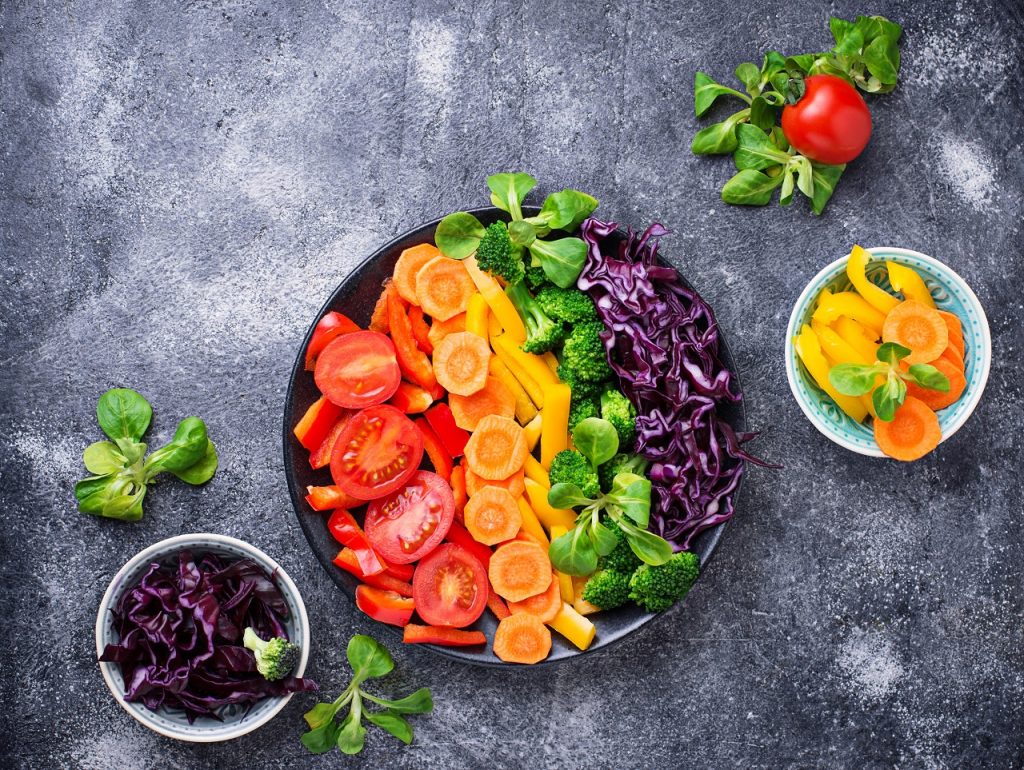
the rainbow diet

Different foods have different colors, this is because of the different coloured pigments in them. These pigments, also called phytonutrients (phytoplants), provide various benefits to our body. Specific phytonutrients have specific functions, each playing a crucial role in the well being of humans. While immunity and good health is just a play of a well functioning organ system, it is very important to take care of each organ and function in particular. This can only be made sure when the diet is diverse and sufficient in all essential nutrients and in moderation. Hence, the Rainbow Diet! 

What Is The Rainbow Diet?

The rainbow diet focuses on the consumption of a variety of colourful and fresh produce in your meals. Ensuring a colourful diet, ensures indiscriminate intake of all nutrients and also protects from any deficiencies that may have detrimental health outcomes. As a low or high of any one specific nutrient can disturb the peculiar balance of the optimum nutrient complex imperial to maintain good health.

The mantra of “eating the rainbow” inspires to add more color and colourful plant foods to the diet. It is a health based trend rather than the fads that provoke masses to avoid gluten, fats, lactose, carbs and what not! Here, all you need to do is add as many colors to your diet as possible in the form of different coloured plant based foods and that’s how you make sure you are doing right to your body! That way, one never has to worry about balancing as the rainbow diet is naturally balanced and with no side effects.

How Does It Help?

The abundance of supply of antioxidants and anti-inflammatory molecules from the rainbow diet, translates to a good immunogenic response by the body and allows effective combat against biological stressors and oxidative stress. In addition to this, plant foods are rich in fiber and prebiotics, both of which improve digestive function and gut health, making sure the best absorption of all available nutrients.

In all, the rainbow diet is beneficial for avoiding cardiovascular diseases and maintaining heart health, protecting against cancer, building good immunity and restricting infections. Additionally, it also helps in reducing weight, keeping away obesity related disorders, helps maintain good hair, skin and nails, keeps your energy levels high and improves overall good mood!

The Color Code Of Foods 

Here you may find options of foods under each color and health function category and learn about its role.

Red Immune health Cherry, cranberry, raspberry, watermelon, pomegranate, red plums, strawberry, red grapes, dragon fruit, apple, tomato, red pepper, beetroot, kidney beans, red amaranth Anti-inflammatory, antioxidant, immune modulating
Orange Reproductive health Orange, papaya, sweet potato, persimmon, pumpkin, cantaloupe, mango, muskmelon, peach, apricot, almond, paprika Endocrine modulation, fat-soluble antioxidants, role in ovulation and fertility
Yellow Digestive health Banana, pineapples, ginger, lemon, yellow zucchini, corn, sweet lime, yellow pepper, cinnamon, turmeric, honey, whole grains and husk Anti-inflammatory, binders, fibres, catalysts, gastric motility, glycemic response, prebiotic
Green Cardiovascular health Spinach, kale, fenugreek, radish leaves, micro greens, broccoli, Brussels sprouts, cucumber, green beans, olives, avocado, kiwi, grapes, green apple, pear, parsley, pumpkin seeds Clotting, detoxification, methylation, vasodilation, binders, antioxidants
Blue- Purple Brain health Purple grapes, fig, purple jam, blueberry, mulberry, jamun (java plum), prunes, plums, eggplant, purple cabbage, purple onion, lavender Anti-inflammatory, antioxidant, brain protective, cognition support, neuronal support
White Skeletal health Cauliflower, milk/curd/paneer (cottage cheese), coconut, sesame, radish, soyabean, turnips, white onion, garlic, sunflower seeds Probiotic, strengthening, absorptive, energising

We hope this article on the Rainbow Diet helps you choose and adapt these foods to your diet! Do try it and let us know in the comments below! For more on nutrition, check out Healthy Reads or to get nutrition information, tips and recipes directly from your GOQii Coach, sign up for Personalised Health Coaching here. 

Eat healthy and #BeTheForce 
September 16, 2023 By Shehnaz Shaikh 3 Comments

Do Children Need Exercise and Nutritional Care?

exercise and nutrition for childrenExercise/Physical activity is important for everyone, but more so for children and adolescents as it plays a key role in the development of their personality. Hence, it has increasingly become important to encourage a healthy lifestyle among them. Having said this how much children need to exercise depends on age.
Why Is Exercise Important For Children & Adolescents?

Exercise for children is important for both their physical and mental well-being. By staying physically active, children and adolescents can reduce the risk of stress, depression and other mental health issues. Physical activity can also help teenagers maintain a positive body image because physical activity is beneficial to the human body.

How Does Exercise Benefit Children?

  • It improves immunity
  • Helps in building better focus
  • It helps in strengthening the lungs and the cardiovascular system
  • Keeps the children in a happy mood due to the release of feel-good hormones called endorphins
  • Helps in maintaining good brain health and also helps in enhancing memory
  • Decreases the risk of developing certain diseases, including obesity, type 2 diabetes, and high blood pressure in later years
  • Helps in maintaining a healthy weight
  • Exercise can help children of all ages and can prevent weak bones (osteoporosis) in later years by strengthening bones and joints
  • Helps in performing well in sports

How Long Should Children Exercise For?

Children and adolescents should do 60 minutes or more of physical activity each day. Children and adolescents are often active in short bursts of time rather than for sustained periods of time, and these short bursts can add up to meet physical activity needs. Physical activities for children and adolescents should be developmentally-appropriate, fun, and offer variety.

Having a balanced exercise routine is good. let’s take a look at 

The three parts of a balanced exercise routine are Aerobic exercise, strength training and flexibility training.

  1. Aerobic exercises

Aerobic exercises increase the heart rate and breathing rate. When you give your heart and lungs this kind of workout regularly, they get stronger. Aerobic exercises should be fun and easy exercises for children that they will love to engage in. Some of the aerobic exercises that your children will enjoy include Swimming, Skating, Cycling, Jogging, Dancing, Skipping, Football, etc. Some team sports that provide a great aerobic workout are basketball, hockey, rowing, cricket and badminton.

  1. Strength Training

Go for exercises that strengthen bones and muscles. Experts recommend that children and adolescents, ages 6 to 17, should get at least one hour of moderate to high-intensity aerobic exercise every day. Strength-training activities that build muscle should also be part of a 60-minute exercise routine on at least three days of the week.

Young people ages 13 to 17 should do a variety of moderate to vigorous physical activity for 60 minutes each day. Along with aerobic exercises like running, jogging, fast walking, circuit training, one should also include sit-ups, push-ups, lunges and squats.

Some of the Exercises Include: 

  1. Lunges: Children can improve their balance and strengthen their legs with some lunges
  2. Squats: are the best for building quads, hamstrings, and glutes, and they help to strengthen your child’s lower back as well
  3. Push-ups: can also be done on the knees or on the feet, according to the child’s ability. Don’t worry if they don’t have the form right initially

Encourage your child to Warm up before exercise and cool down after exercise to prevent muscle soreness and injury.

Warm up before exercise: Warming up before exercise prevents injury by softening the muscles and making them supple. Some warm-up exercises you can do are:

  • Slow jogging or walking
  • Stretching all the muscles they’re going to use (hold each and stretch for 8 to 10 seconds, but never until it hurts)

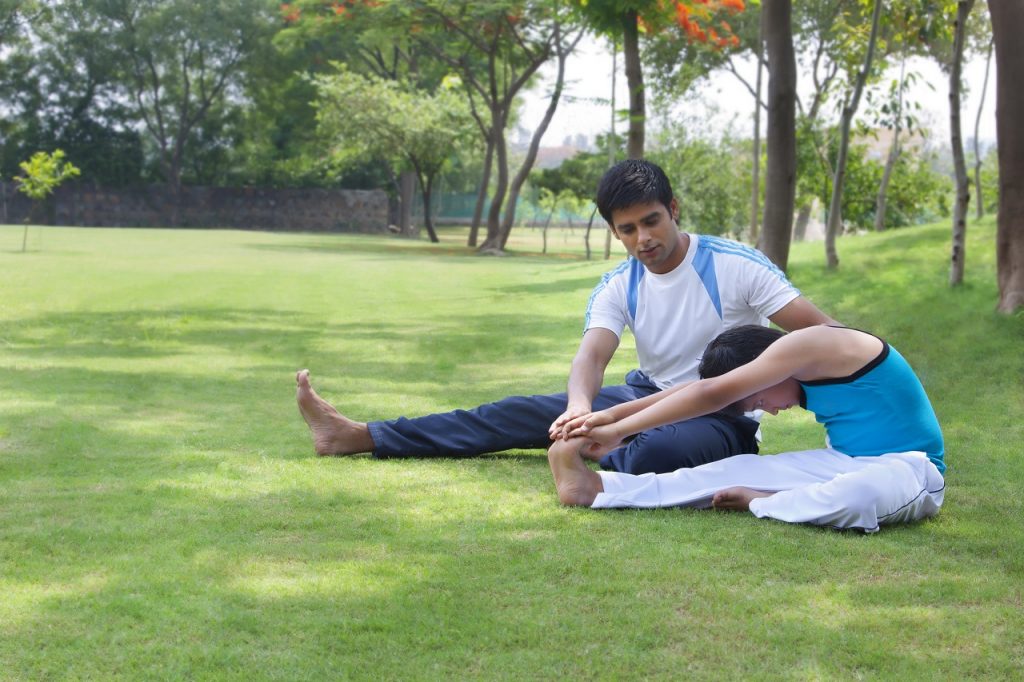
Cool down after exercise: Cooling down after high-intensity exercise is important for relaxing and softening the muscles. Cool down or ballistic stretch begins to lower the heart rate, improves flexibility and will speed up recovery from a workout.

Some Cool Down Examples Include: 

  1. Hamstring Stretch: The stretch helps Hamstring muscles that are on the back of the thigh 2
  2. Side Lunge: This stretch works the inner thighs
  3. Calf Stretch: This stretch feels good after running or walking.
  4. Butterfly Stretch: Children are usually quite adept to the butterfly stretch and it relaxes them well after a good physical activity.

Nutrition is Equally Important When You Exercise 

While exercise is very important, nutrition is equally important for children and adolescents to lead an active and healthy life.

Children who eat healthy, well-balanced meals and snacks will get the nutrients needed to perform well in sports. Kids and teens who play a sport that can involve 1½ to 2 hours or more of activity in a day, in particular, may need to consume more balanced nutrition to keep up with increased energy and fluid demands.

We trust that this article on exercise and nutrition for children assists you in making informed decisions about your child’s health. Do let us know your thoughts in the comments below. For more on Kid’s Health check out Healthy reads. To get expert advice, speak to a GOQii Coach by subscribing for Personalised Health Coaching here.

September 2, 2023 By Neha Morche 3 Comments

Coconut-The Super Fruit & Its Many Benefits

Coconut uses and benefits

“Why are you eating a coconut? It’s so fattening!” This comment was directed at me once and I couldn’t hold myself back and burst into laughter. But, at the same time, I was not surprised at this question. Most people consider it to be a fatty fruit. If that is the case then all those who include it in their daily food intake should be fat. This should be the case not only in India but in many other countries like Sri Lanka, Thailand, and Philippines where coconut is one of the main ingredients used for cooking.

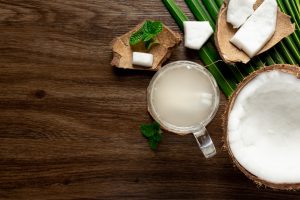
Coconut can be consumed in various ways – fresh, dry form, coconut water, coconut oil, or coconut milk, etc. Interestingly, each form has its own significance. Coconut does have saturated fats (which is not as harmful as vegetable oil) but, it also has unsaturated fats (like polyunsaturated and monounsaturated fatty acids), polyphenols, vitamin K, vitamin E and minerals like calcium, magnesium, iron, copper, manganese, zinc and also dietary fiber.

Why Should It Be An Important Aspect Of Your Diet? 

  1. Coconut oil helps in healthy growth of hair and gives it a shine
  2. It helps control high cholesterol levels, high blood pressure and atherosclerosis as it has 50 % lauric acid
  3. Thanks to its Vitamin E content, it helps in moisturizing all skin types and it does not have any adverse effect
  4. It increases immunity as it has anti-bacterial, anti-viral, and anti-fungal properties thanks to Lauric acid and Capric acid. These properties also help in digestion and help one find relief from irritable bowel syndrome
  5. It improves the secretion of insulin, hence controls blood sugar levels as well
  6. It is good for the bones as it has Calcium and Magnesium
  7. It helps in healing damaged issues and infections
  8. MCT’s (medium chain triglycerides) present in coconut help reduce appetite

It is not only a fruit that can be eaten but, it also has water which you can drink. Just like the fruit, Coconut water also has many benefits! All we know about Coconut water is that it is a refreshing drink. While that is true, let’s delve a little deep to know more about it and its benefits.

Benefits of Coconut Water 

Besides less sugar, coconut water is packed with sodium, potassium, folic acid, B complex vitamins, calcium, magnesium, phosphorus, zinc, and iron minerals… So many nutrients in just 200ml of water! Drinking Coconut water not provides the aforementioned nutrients but it also helps in many ways to conquer health issues.

  1. It slows down the ageing process and also can be applied on eczema and acne
  2. It is good for digestion as it has anti-fungal, anti-bacterial properties
  3. It hydrates our body faster than normal water as it has natural electrolytes
  4. It is definitely healthier than fruit juices because it has fewer calories
  5. It has anti-carcinogenic and anti-thrombotic properties to reduce cholesterol levels
  6. It helps in finding relief from UTI and kidney stones as it acts a diuretic

Coconut water has 40-60 calories per 200ml – which is great for your health! More so, there are various uses for coconut oil as well! So what are you waiting for? Add this super fruit to your diet now!

We hope this article helps you! For more on nutrition, check out Healthy Reads or speak to a GOQii Coach by subscribing for Personalised Health Coaching here.

Do leave your thoughts in the comments below!

#BeTheForce

August 22, 2023 By Arooshi Garg 2 Comments

4 Ways to Naturally Heal Common Cold and Flu

4 Ways to Natural Heal Common Colds and FluIt’s that time of the year again when the ‘change in weather’ hits us all! Immunity levels suddenly drop, paving the way for cold, cough, flu, and body aches, which hamper our daily activities, work and physical well-being. What exactly is cold? Can you naturally heal common cold and flu? Let’s find out!



What is Common Cold?

You get a cold when a tiny living thing called a virus gets into your body. There are a hundred different types of viruses that can get you sick. Once a cold virus gets inside you, your immune system – the body’s defense against germs, launches a counter-attack. Your body’s response to the virus is what brings on the classic symptoms such as cough or a stuffed nose. The common cold is a viral, infectious disease that infects the upper respiratory system. It is also known as Acute Viral Rhinopharyngitis and Acute Coryza.

The viruses that cause common cold are contagious. You can contract them when someone who is infected sneezes, coughs, or shakes your hand. It can be spread by air droplets from coughs and sneezes and by touching infected surfaces. There are over 200 sub-types of viruses that can cause a cold with the Rhinovirus being the most common. Although colds occur more commonly during monsoon and winter, they can develop any time of the year. After a couple of weeks, at the most, your immune system fights off the illness and you should stop having symptoms.

Because there are more than 200 viruses that cause common cold, the human body can never build resistance to all of them. This is why colds are so common and often return. According to the CDC (Center for Disease Control and Prevention), adults get 2–3 colds per year, and children may have up to 12 per year.

How Can You Naturally Heal Common Cold and Flu? 

The symptoms of common cold are the body’s reaction to the cold virus. It triggers the release of chemicals, making the blood vessels leak, causing the mucous glands to work harder. So what’s the solution? With no long-term solution to this issue, the only way is to either avoid it or treat it! Here are 4 ways to naturally heal common cold and flu.

1. Steam Therapy

Steam therapy is absolutely natural.  Our bodies are made up of 50-60% water and steam is just droplets of water.  Quite simply put, you are renewing one of your body’s natural biochemical elements.

Steam therapy or steam inhalation, is the method of introducing warm, moist air into the lungs via the nose and throat. The prime benefit of breathing in moist, warm steam is that it may help ease the feeling of irritation and swollen blood vessels in the nasal passages. The moisture may also help thin the mucus in your sinuses, which allows them to empty more easily. This can return your breathing to normal.

Ways to Use Steam Therapy

  • Traditional: Boil a few cups of water, then pour the steaming water into a large bowl.  Place gently on a firm flat surface such as a kitchen table. Put a towel over your head to form a ‘tent’. Lean over with your face 15-20cm from the steam and inhale. Eucalyptus Oil, Lavender Oil and Holy Basil Leaves can be added for extra benefit.
  • Shower: Run a hot shower and inhale the steam – you can even use few drops of essential oils to help refresh and revitalize.
  • Personal Inhalers: An easy and portable way to enjoy steam therapy on the go. A great idea for the office or holidays, inhalers are also popular with public speakers, actors and singers to help open up the airways before a performance.

2. Gargle

Gargling several times a day with warm salt water can reduce swelling in the throat and loosen mucus. This helps in flushing out irritants or bacteria. Salt water creates a high-salt barrier and pulls out a lot of fluids from the tissues in the throat area. This helps in washing the virus out. The salt functions as a magnet for water. It’s good for symptomatic relief.

It’s best to use pure water because tap water often includes chlorine. One can also add Turmeric juice or powder to have an antiseptic effect. One can gargle every 4 hours if the cough/cold is troublesome.

3. Maintain Hydration Levels

Drinking plenty of fluids is one of the most important things you can do when you have a cold or flu. Because cold and flu symptoms like runny noses and sweating, which often accompanies fever, increase the amount of water your body loses. Dehydration might occur if your fluid intake is not increased to compensate.

Keeping your body hydrated also helps loosen mucus in your nose and relieve congestion. Staying hydrated ensures that the body can function properly and can defend itself more effectively against the cold or flu.

When you have a cold or flu, drink a minimum of 2 liters of fluid each day. Drink water or other healthy fluids whenever you are thirsty. Use your thirst as a guide to when and how much you should drink. If you are caring for a child who is over one year, ensure they drink a minimum of 90–120ml of fluid per hour. Babies under one year require at least 30–60ml fluid per hour. Pregnant women should increase their fluid intake to up to 2.50L per day.

Try these herbal concoctions:

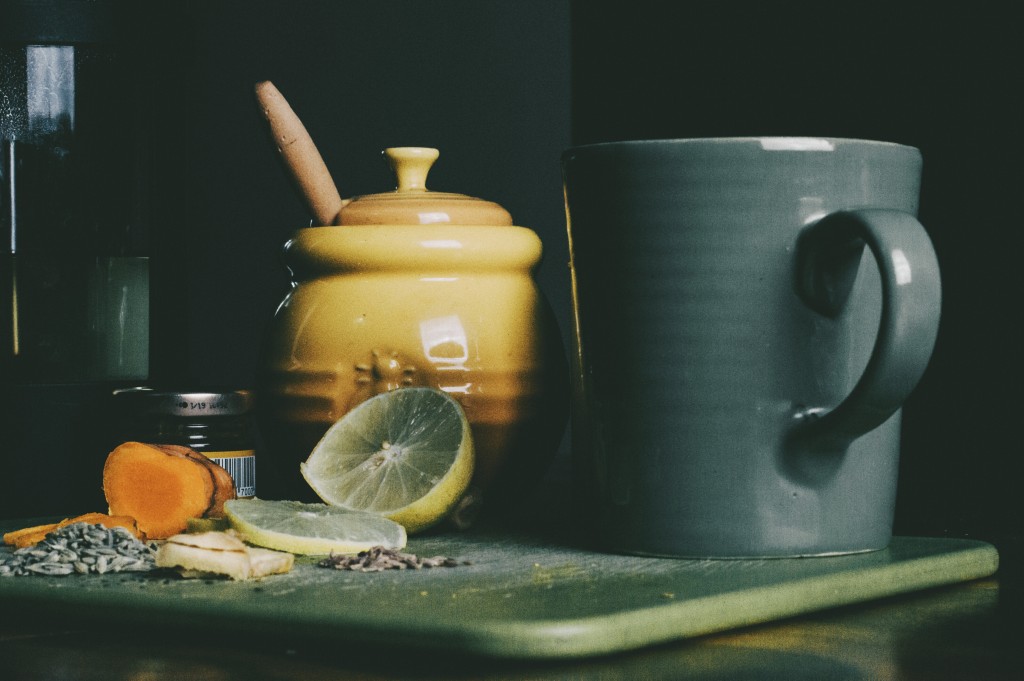
  • Herbal Tea: In a glass of boiling water, add a pinch of cinnamon, a few holy basil leaves, crushed ginger and a few crushed black peppercorns. Add honey and drink while hot.
  • Carom  Seeds Infused Water: Boil Carom Seeds in water. Strain and add Jaggery powder. This helps in relieving cough and congestion.
  • Garlic Concoction: Combine 2-4 cloves, chopped garlic and 3-4 slices of fresh ginger with 1 cup of water. Cover and let it steep for at least 20 minutes. Add honey and lemon to taste. Drink it while it is lukewarm.
  • Licorice Tea: Boil a 1/2inch piece of licorice + 1/2 tsp grated ginger and 1/2 spoon of cinnamon in 1 cup water for 10 mins. Strain and drink.
  • Raw Turmeric Drink: Boil a 1 inch piece of raw Turmeric or a 1/4 tsp of turmeric powder for 5 minutes. Add ginger juice/honey and consume.
  • Green Tea and Chamomile Tea
  • Soups: Vegetable soup/chicken soup/clear soup/chicken broth, lemon coriander soup, garlic spinach soup, tomato fennel soup or veg broth – all work well. A hot bowl of soup helps break up the congestion associated with both common cold and flu. The salt in the soup and its warmth can soothe a sore throat.

4. Rest

Rest is the best treatment! When you have a cold or flu, doctors recommend plenty of bed rest. When you limit mobility/take rest, your body has more resources to fight off your illness. Your body temperature goes up if you remain very active. Flu and cold organisms replicate at a faster rate when the body gets hotter. Also, if you head to the office when you are sick, the stress of work can make it hard for your body to attack the illness.

Do not over-exert yourself. You can do light intensity workout if you have the energy, your symptoms are mild such as just a runny nose, or if you have been fever free for more than 48 hours.

  • Avoid Exercise: When you have fever, body aches, cough, vomiting, diarrhea or chronic health concerns such as asthma /heart diseases.
  • Best Exercises: Walking, yoga or a light jog. All these stimulate you to take deep breaths and can help open up clogged passages.
  • Worst Exercises: Endurance runs, machines at gym and weight lifting.

We hope this information helps you naturally heal common cold and flu symptoms! Find more home remedies and articles on staying healthy during monsoon here. You can also get these tips, and more, directly from a GOQii Coach by subscribing for GOQii’s Personalized Health Coaching here.

Have a personal remedy of your own? Share it with us in the comments below!

#BeTheForce

  • « Previous Page
  • 1
  • …
  • 28
  • 29
  • 30
  • 31
  • 32
  • …
  • 68
  • Next Page »

Search

Recent Posts

  • Sleep Well, Live Better: Lifestyle Habits That Improve Sleep Quality
  • Our Kidneys, Our Planet: How Environmental Health Impacts Your Body
  • Caution: Smoking is Injurious to health!!
  • The Sleep-Metabolism Connection: Why Rest is Your Best GLP-1 Partner
  • Accelerate Action for Your Health: Why Self-Care Matters This International Women’s Day

Stay Updated

Archives

  • March 2026 (6)
  • February 2026 (14)
  • January 2026 (14)
  • December 2025 (19)
  • November 2025 (15)
  • October 2025 (20)
  • September 2025 (6)
  • August 2025 (6)
  • July 2025 (12)
  • June 2025 (18)
  • May 2025 (16)
  • April 2025 (22)
  • March 2025 (23)
  • February 2025 (22)
  • January 2025 (25)
  • December 2024 (22)
  • November 2024 (23)
  • October 2024 (21)
  • September 2024 (24)
  • August 2024 (30)
  • July 2024 (21)
  • June 2024 (26)
  • May 2024 (31)
  • April 2024 (27)
  • March 2024 (28)
  • February 2024 (25)
  • January 2024 (21)
  • December 2023 (15)
  • November 2023 (11)
  • October 2023 (19)
  • September 2023 (22)
  • August 2023 (18)
  • July 2023 (22)
  • June 2023 (24)
  • May 2023 (24)
  • April 2023 (23)
  • March 2023 (23)
  • February 2023 (19)
  • January 2023 (15)
  • December 2022 (11)
  • November 2022 (15)
  • October 2022 (15)
  • September 2022 (12)
  • August 2022 (10)
  • July 2022 (17)
  • June 2022 (11)
  • May 2022 (10)
  • April 2022 (6)
  • March 2022 (6)
  • February 2022 (13)
  • January 2022 (11)
  • December 2021 (7)
  • November 2021 (3)
  • October 2021 (6)
  • September 2021 (3)
  • August 2021 (8)
  • July 2021 (7)
  • June 2021 (15)
  • May 2021 (16)
  • April 2021 (10)
  • March 2021 (7)
  • February 2021 (4)
  • January 2021 (4)
  • December 2020 (3)
  • November 2020 (4)
  • October 2020 (10)
  • September 2020 (3)
  • August 2020 (3)
  • July 2020 (2)
  • June 2020 (4)
  • May 2020 (10)
  • April 2020 (12)
  • March 2020 (10)
  • February 2020 (4)
  • January 2020 (4)
  • December 2019 (3)
  • November 2019 (7)
  • October 2019 (5)
  • September 2019 (4)
  • August 2019 (9)
  • July 2019 (9)
  • June 2019 (11)
  • May 2019 (4)
  • April 2019 (8)
  • March 2019 (8)
  • February 2019 (9)
  • January 2019 (8)
  • December 2018 (9)
  • November 2018 (3)
  • October 2018 (3)
  • September 2018 (5)
  • August 2018 (10)
  • July 2018 (6)
  • June 2018 (13)
  • May 2018 (8)
  • April 2018 (18)
  • March 2018 (9)
  • February 2018 (8)
  • January 2018 (15)
  • December 2017 (12)
  • November 2017 (19)
  • October 2017 (13)
  • September 2017 (15)
  • August 2017 (4)
  • July 2017 (8)
  • June 2017 (7)
  • May 2017 (6)
  • April 2017 (8)
  • March 2017 (6)
  • February 2017 (7)
  • January 2017 (9)
  • December 2016 (10)
  • November 2016 (7)
  • October 2016 (7)
  • September 2016 (7)
  • August 2016 (11)
  • July 2016 (9)
  • June 2016 (9)
  • May 2016 (12)
  • April 2016 (17)
  • March 2016 (17)
  • February 2016 (8)
  • January 2016 (6)
  • December 2015 (2)
  • November 2015 (9)
  • October 2015 (7)
  • September 2015 (9)
  • August 2015 (11)
  • July 2015 (9)
  • June 2015 (12)
  • May 2015 (9)
  • April 2015 (13)
  • March 2015 (8)
  • February 2015 (5)
  • January 2015 (12)
  • December 2014 (14)
  • November 2014 (11)
  • October 2014 (6)
  • September 2014 (13)
  • August 2014 (12)
  • July 2014 (6)
  • June 2014 (2)
  • May 2014 (7)
  • April 2014 (4)

From “Laddu Nawin” to Fit and Fierce: How a 25-Year-Old Insurance Advisor Shed 20 Kilos and Gained His Life Back

When 25-year-old Nawin Yadav from Hyderabad walked into his office every morning, he carried more than just his files and policy papers. He had the weight of fatigue, sluggish energy, and an ever-growing belly that was becoming the butt of jokes. “People … [Read More...]

“I’ve Challenged Myself to Live 100 Years” – The Story of Chandubhai Savani’s Second Chance at Life

At 67, most people start slowing down. Not Chandubhai Savani. A resident of Surat, Chandubhai, thought life was on track. “My life was going well till I had my bypass surgery,” he says. That surgery, back in 2021, was a wake-up call.  Medication was routine, but exercise wasn’t. His diet? What he calls ‘normal.’ “I […]

From Shimla’s Slopes to Chandigarh’s Sidewalks: Surinder Kaur Bhalla’s Journey from Chaos to Control

Some journeys start with a plan. Others begin with a stumble literally. Surinder Bhalla, a government professional, born and raised in the scenic hill town of Shimla, had always lived a life of movement. “In Shimla, you walked everywhere,” she reflects. “Walking was never an exercise. It was just life.” But after shifting to Chandigarh, […]

Ananda Mukherjee Health Story

From Terminal Illness To Complete Wellness! Ananda Mukherjee Health Story

As we observe World Cancer Day under the powerful theme ‘United by Unique’ (2025-2027)**, we are reminded that every individual’s journey with cancer is distinct, yet united by shared resilience, hope, and the collective fight against this disease. This theme places people at the centre of care and their stories at the heart of the […]

  • HOME
  • HEALTHY LIVING
  • FITNESS
  • HEALTHY RECIPES
  • USER STORIES
  • KARMA
  • BUY GOQii

Copyright ©2016 GOQii
