
GOQii

Blog

  • HOME
  • HEALTHY LIVING
  • FITNESS
  • HEALTHY RECIPES
  • USER STORIES
  • KARMA
  • BUY GOQii

Search Results for: hormone

April 3, 2024 By Shagufta Raza 1 Comment

5 Alarming Effects of Overtraining & How To Manage Them

overtrainingOvertraining, in essence, is performing excessive training which your body is unable to recover from – both in and outside the gym. The less severe versions of overtraining may take you a week to recover from. While most fitness experts will tell you that overtraining is worse than undertraining, some people still choose to push themselves which result in alarming physical and psychological effects. 

Signs That You’re Overtraining 

Can you tell the difference between giving it your all and pushing yourself too hard? Here are some signs, symptoms and effects of overtraining you need to watch out for. 

  1. Increased Heart Rate: Check for the elevated resting heart rate. A healthy resting heart rate range is 60-100bpm (beats per minute) and usually, the fitter you are, the lower your resting heart rate will be. If you’re overtraining, you may notice your resting heart rate will be 10-15 bpm higher than usual.
  2. 2. The Gaining or Losing Dilemma: This issue can be extremely problematic for people who gain weight unintentionally. The unexpected weight gain can lead to excessive workouts. The hormonal and inflammatory effects of overtraining can lead the body to lower thyroid function, crank out stress hormones, ramp up inflammatory cytokines, and create an overall environment that favours fat storage.
  3. Muscle Soreness: This is common when you exercise regularly. However, if you’re experiencing soreness for longer than 72hrs, you need a break as this could be a sign of overtraining. If you are aiming to build muscle, recovery is equally important. If your muscles aren’t recovering, it will have a negative impact on muscle gains and can also lead to muscle loss.
  4. Sleep Quality & Insomnia: Generally after a good workout at the gym, you may feel exhausted and fall asleep in no time. But you may notice that even after you have hit the gym and you are exhausted, you are still struggling to fall asleep. This can be linked to an overload on the hormonal and nervous system.
  5. Injuries: If you’re always getting injured or soreness which isn’t healing, then this could mean your body can’t cope with the pressure. Give it a break and take it slow. It’s absolutely vital to rest so that your body regains its strength.

The other signs and effects of overtraining may also include nausea, decreased appetite, allergic reactions, head colds/persistent upper respiratory tract infections, changes in menstrual patterns, decreased coordination and loss of strength. 

How Can You Manage It Effectively? 

Now that you’re aware of the effects, let’s take a look at how you can manage and take possible precautions! 

  • When you are weight training, ensure that you don’t exceed more than 45-75 minutes.
  • The right nutrition is the key to recovery. Make sure you plan your meals to ensure you’re refuelling effectively and getting the right amount of nutrients in your diet with your Pre and Post workout meals. You may require expert advice on this. You can subscribe to GOQii to get personalized advice from a coach and an expert. 
  • Quality Sleep: Physical recovery happens between 10pm to 2am. So getting in some early nights in will aid your recovery.
  • Heart rate devices are a great tool to measure recovery rates. Try these awesome GOQii Trackers. 
  • Plan Regular Rest Days: An excessively sore or weak muscle should be given adequate rest. A good rule of thumb is to wait for 48 hours before working the same muscle group. If that muscle group is still sore, you may need to wait even longer – sometimes up to 5 days.
  • Avoid eating late, sugary foods (or other stimulants). Follow a healthy diet and plan regular rest days until you’re back into a regular sleeping pattern.

 We hope this article helps you overcome all the hurdles to your training. Remember that giving it your best is okay but never overdo it. Do leave your thoughts in the comments below. 

For more articles on training or for some effective and easy home workouts, check out Healthy Reads. To get into a proper training routine and not over-train, speak to an expert by subscribing for Personalised Health Coaching here.

#BeTheForce 
April 2, 2024 By Mamta Joshi 2 Comments

Is it Safe to Include Grains in Your Diet?

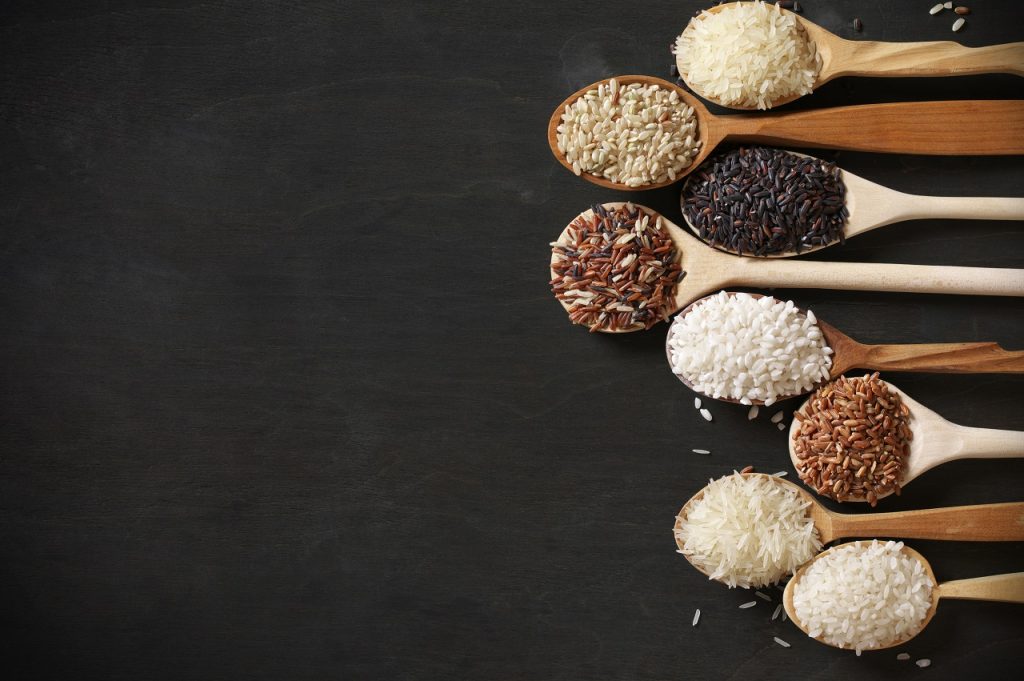
grainsCan you imagine a plate of food without grains? It has been a staple for us since forever! There’s always that crushing sense of dissatisfaction if grain-based foods are missing from our plates even for a single day. As a large component of our diet for the longest time, why is it that most people are now moving towards a ‘no grains’ diet or keeping it to a minimum? One of the reasons people avoid grains is due to digestive issues – common ones being acid reflux, bloating, gas, abdominal cramps, flatulence, etc.

Are Grain Really Hard to Digest?  

Studies and various researches have revealed that there are some factors listed here which make grains hard to digest.

  • Fiber: Insoluble Fiber is that part of the grain that the body can’t break down and digest into a simpler form. Instead, it passes through the body undigested. On one hand, insoluble fibers are good for us as they work as cleaning agents of our digestive system and on the other, they may cause gastrointestinal discomfort in some with weak digestive health.
  • Anti-Nutrients: Grains also contain anti-nutrients like Phytic acid and lectins which reduce the absorption of minerals like calcium, iron, magnesium, copper and zinc from a meal and may cause mineral deficiency. Humans need minerals to perform various functions, from building bones to transmitting nerve impulses, to make hormones and maintain a normal heartbeat.
  • Enzyme Inhibitors: Various types of enzyme inhibitors are found in grains including protease inhibitors and amylase inhibitors. Enzyme inhibitors can block enzymes action. Enzymes kick-start the digestion process. Presence of enzyme inhibitors confines the digestion process to act properly and timely. This results in rotting of such food which further leads to situations such as bloating, gas trouble and cramps.
  • Disaccharides: Simple sugars or monosaccharides are directly absorbed into the bloodstream, while disaccharides are two single sugars that are linked together. Grains contain disaccharide that needs to be broken down first before being absorbed in the bloodstream. Disaccharide is broken down into monosaccharide by enzymes called disaccharidases which are present in the brush like border called villi of the small intestine wall. Any kind of inflammatory damage to the cells in the small intestine lead to disaccharidase enzyme not being produced and lead to disaccharide intolerance. Disaccharide intolerance is the inability to break apart the disaccharide into two single sugars and absorb them. This often leads to uncomfortable digestive symptoms.
  • Complex Protein: Grains contain the complex protein Gluten that the body can’t easily break down. The human body needs food to be in the simplest form in order to absorb and use it. While most people won’t have much difficulty digesting whole grains, some with conditions such as gluten intolerance may experience adverse effects when eating gluten-containing grains. Gluten intolerance causes digestive issues such as bloating, gas and diarrhoea. Celiac disease is a more serious condition in which gluten causes the immune system to attack the small intestine. Gluten is also known to cause Leaky Gut. Gluten is present in barley, rye and wheat.

Tips to Make Grains Digestion Friendly

  1. Fiber absorbs water. One should drink plenty of liquids to ensure that the fiber absorbs enough water to pass through the system easily.
  2. Most of the anti-nutrients are found in the skin and anti-nutrients are water-soluble. Hence, soaking grains reduces the anti-nutrients effect. It’s recommended that grains must be soaked in water and should be washed before cooking (e.g. rice) so that the anti-nutrients are separated.
  3. Sprouting or germination reduces phytate in grains and degrades lectins and protease inhibitors.
  4. Fermentation of grains leads to a significant reduction in phytate and lectins (idli, sourdough bread). Fermenting helps break down the tough outer cover of a grain, making it easier to digest and reinforce the gut flora with pro-digestive microbes.
  5. Incorporate probiotics like yogurt, kimchi, kombucha and kefir along with grain-based foods to improve overall digestion and heal the gut.
  6. Chewing is the first step of digestion. The more you chew, the more saliva gets secreted that has digestive enzyme amylase present in it which makes digestion easier. Chewing makes food small enough for the digestive juices in the stomach to further digest it effectively.
  7. In case of gluten sensitivity, avoid gluten-containing grains such as wheat, barley and rye. Go for gluten-free grains like oats, quinoa, rice and sorghum to subside the symptoms. When the gut heals, the symptoms subside. 

While you may experience issues with some grains, that doesn’t mean you should avoid the entire food group. Maintaining a diet diary can help find the trigger and then you can consult a medical professional, dietician, a nutritionist for changes or speak to a certified expert by subscribing to GOQii’s Personalised Health Coaching here.

We hope this article helps you make a positive change in your eating habits.

#BeTheForce 

March 26, 2024 By Roopa Tandur Leave a Comment

Nutritional Deficiencies That Can Cause Hair Loss

hair loss

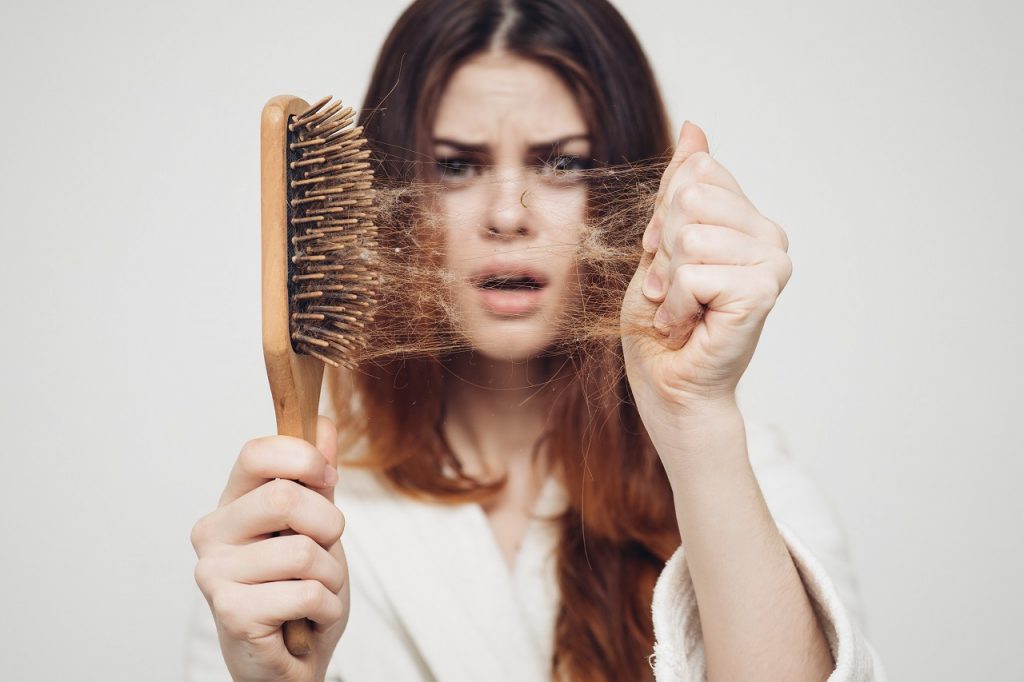
Hair is a tough protein made of Keratin. The hair bulbs at the base of the hair follicle divide and grow to build the hair shaft. Blood vessels nourish the hair bulb and deliver the hormones that modify hair growth. Hair grows at different rates in different people. Hair loss also happens at different rates in different people for different reasons like heredity, hormonal changes like hypothyroidism, medical condition or side effects of medicines, ageing or even stress. We do shed around 50-200 hair every day and it is perfectly normal. Also, in some situations like post pregnancy in women, when there is more than normal hair loss due to sudden imbalance of calorie intake, which usually gets resolved by itself. Whatever the reason for hair fall, these two small words can be a nightmare for many. Let’s understand what nutritional deficiencies can lead to hair loss!

Which Nutritional Deficiencies Can Cause Hair Loss? 

  1. Vitamin D Deficiency: Vitamin D is very important for hair growth as it stimulates hair follicles and also helps in maintaining thickness of each hair strand. Low levels of Vitamin D in the body may cause thinning of hair or slow hair growth. Keratinocytes in skin metabolise Vitamin D to Keratin – a protein found in hair, skin and nails. Low levels of Vitamin D make it difficult for the Keratinocytes in hair follicles to regulate hair growth and its shedding. Low levels of Vitamin D are associated with higher stress levels which support hair fall. Getting 400-800 IU of Vitamin D a day is very important. This can be easily achieved with 10-30 minutes of sun exposure.
  2. Vitamin B7 or Biotin Deficiency: Though biotin deficiency is very rare in people (as biotin is found easily in foods like Banana, Carrot, Egg Yolks, Legumes, Nuts, etc.), it can occur by heredity or in people who consume excessive amounts of alcohol, smoke excessively, people with inflammatory bowel disease or in people who have raw egg whites which contain avidin that blocks absorption of biotin.
  3. Iron Deficiency: When one has iron deficiency, the circulation of haemoglobin is less –  which means less oxygen uptake by the body and slower growth and repair of cells, including cells that stimulate hair growth. When there is less circulating oxygen in the body, the available supply is channelized to vital organs to keep them alive rather than to hair follicles. Without oxygen, hair follicles cease to function properly and eventually fall out. Including foods like Whole Wheat Grains, Beans, Chickpea, Tofu, Peas, Nuts, Raisins, Spinach and Chicken ensures that you have good iron stores in the body. When you notice more than usual hair in your shower drain or hair brush, it is time to get your haemoglobin levels tested. 
  4. Vitamin C: While Vitamin C deficiency is rare as it is easily available in many food items, the common risk factors include poor diet, alcoholism, anorexia, smoking and chronic illness. Vitamin C plays a vital role in the absorption of iron from the intestines which leads to weakness and hair loss. Having citrus fruits like Oranges, Sweet Lime, Lemon, Strawberry, Guava and other foods like Sweet Potato, Chillies, Thyme, Kale and Broccoli on a regular basis, ensures your vitamin levels are maintained on a higher side 
  5. Vitamin E: with its antioxidant properties helps in reducing oxidative stress on the scalp and reduces free radical damage and protects hair cells. Vitamin E helps improve scalp health and hair health. It creates a protective layer on the hair follicles and locks in moisture making it shiny and easy to manage. Vitamin E supports a healthy scalp by protecting the lipid layer and reducing dryness and scaling of the scalp. Food sources of Vitamin E include nuts and seeds like Almonds and Walnuts, Pumpkin and Sunflower Seeds, Wheat Germ Oil, Peanuts, Avocado, Mango and Spinach.

Tips To Reduce Hair Fall  

  • Eat well balanced meals containing protein, complex carbs and healthy fats
  • Drink at least 8-10 glasses of water a day to aid the digestion and absorption of nutrients from your diet
  • Include healthy snacks in between meals to maintain energy levels
  • Include foods like Whole Grain Cereals, Eggs, Nuts, Leafy Vegetables, Tofu, Legumes, Quinoa, Beans, Avocado, Dairy, Orange and Lime to get all the essential nutrients to support healthy tresses
  • Get good exposure to sunlight so that you maintain your Vitamin D levels, if not do supplement it regularly 
  • Maintain scalp and hair hygiene by using a mild shampoo at least 2 times a week
  • Keep stress levels within normal limits 
  • Get good quality sleep and exercise at least 4-5 days a week

We hope this article on nutritional deficiencies that can cause hair loss helps you! For more on hair loss and hair care, check out Healthy Reads or speak to a certified expert by subscribing to GOQii’s Personalised Health Coaching here. 

#BeTheForce 

March 14, 2024 By GOQii Leave a Comment

Empowering Lives on World Kidney Day: A Global Call for Equitable Kidney Care

Priya and Maya, two sisters deeply connected by laughter and shared experiences, lived together in the bustling suburbs of Mumbai. Priya was battling kidney failure, her life entwined with the rhythm of dialysis machines. Despite her fading hope, she hoped for a transplant to restore her vitality.

Maya, observing her sister’s suffering, decided to offer her kidney if she was a match. This act of courage led them through anxious days of tests until they received the news: Maya was a compatible donor.

The surgery that followed was a testament to their bond, as Maya’s kidney was successfully transplanted into Priya. The sisters recovered, their lives enriched by this profound act of love and sacrifice. They returned to their daily routines, their bond now encompassing the shared beat of a single kidney.

Their story, resounding with the spirit of World Kidney Day 2024, illuminates the transformative power of organ donation—a gift that transcends the physical to touch the essence of human connection.

March 14, 2024, marks a significant milestone as the world unites under the banner of World Kidney Day. This year’s theme, “Kidney Health for All – Advancing Equitable Access to Care and Optimal Medication Practice,” champions a universal crusade against disparities in kidney care. It’s a clarion call for collective action, aiming to bridge the gap and ensure comprehensive access to preventative measures and treatments for kidney disease, irrespective of geographical or socio-economic barriers.

The Unsung Heroes: Our Kidneys

Our kidneys, the vigilant custodians of our health, perform crucial roles that extend far beyond waste elimination. These remarkable organs regulate blood pressure, produce vital hormones, and maintain our body’s electrolyte balance. World Kidney Day 2024 serves as a reminder of our kidneys’ indispensable role in our well-being, emphasizing the importance of safeguarding these vital organs through proactive health practices and education.

Bridging the Healthcare Divide: A Journey Towards Kidney Health for All

In India, a nation marked by its rich tapestry of cultures and histories, the challenge of kidney health emerges as a critical concern. The “Kidney Health for All” campaign illuminates the stark disparities that punctuate the landscape of kidney care in the country. Despite the strides made in medical technology and treatment methods, a significant portion of India’s population confronts kidney diseases from the shadows, encumbered by the lack of access to essential diagnostics, treatments, and the financial resources necessary for managing their conditions.

Access and Education

In the quest for optimal kidney health management, the role of appropriate medication cannot be overstated. Medications are pivotal in decelerating the progression of kidney diseases and enhancing the quality of life for those affected. However, in India, the path to optimal medication practice is fraught with obstacles—chief among them being the disparities in access and education. There is a pressing need for improvements in prescription practices and patient education, emphasizing the imperative of policies that bolster medication affordability and accessibility for all citizens.

World Kidney Day 2024 serves as a beacon, highlighting the urgent requirement for a comprehensive approach that addresses these disparities head-on. It advocates for an inclusive healthcare system where every individual, regardless of their socio-economic status or geographical location, has access to the screenings, treatments, and support essential in combating kidney disease.

A Unified Effort for Kidney Health in India

The call for awareness, education, and advocacy grows louder on World Kidney Day 2020. It is a clarion call here to the healthcare professionals, policymakers, patients, and the public—to unite in a shared mission to champion kidney health equity. This is an opportune moment to enrich our collective understanding of the challenges besetting kidney health in India and to actively participate in the global movement advocating for equitable kidney care.

From policy advocacy aimed at eliminating barriers to kidney care to supporting research that pioneers new treatment modalities, every action contributes to sculpting a future where kidney health is prioritized, and equitable care is a reality for everyone. It underscores the collective responsibility we hold to foster an environment where the advancements in kidney health are accessible to all, bridging the healthcare divide that has long affected the Indian populace.

As we mark World Kidney Day 2024, let us rally together to advance kidney health for all in India. Inspired by the global theme, our focus remains steadfast on ensuring that every Indian has access to the care and knowledge needed to combat kidney disease. In embracing the pillars of awareness, education, and advocacy, we pave the way for a future where disparities in kidney care are a thing of the past, and optimal kidney health is within the reach of every individual across the nation.

Inspired by stories like Priya and Maya’s, we are reminded of the life-altering impact of organ donation and the collective responsibility to advance kidney health globally. Let us stand together to champion kidney health for all, fostering a world where health equity is not just an aspiration but a reality.

#BeTheForce

  • « Previous Page
  • 1
  • …
  • 23
  • 24
  • 25
  • 26
  • 27
  • …
  • 64
  • Next Page »

Search

Recent Posts

  • Water Intake Pre, During and Post Workout
  • India Leads in Longevity: GOQii Sanjeevini Named Top 40 in $101M XPRIZE
  • The Importance Of Knowing If You’re Thirsty Or Hungry
  • Best Foods To Alleviate Irritable Bowel Syndrome
  • ALL ABOUT VERTIGO!

Stay Updated

Archives

  • December 2025 (9)
  • November 2025 (15)
  • October 2025 (20)
  • September 2025 (6)
  • August 2025 (6)
  • July 2025 (12)
  • June 2025 (18)
  • May 2025 (16)
  • April 2025 (23)
  • March 2025 (23)
  • February 2025 (22)
  • January 2025 (26)
  • December 2024 (26)
  • November 2024 (25)
  • October 2024 (22)
  • September 2024 (24)
  • August 2024 (31)
  • July 2024 (21)
  • June 2024 (26)
  • May 2024 (31)
  • April 2024 (27)
  • March 2024 (29)
  • February 2024 (26)
  • January 2024 (25)
  • December 2023 (15)
  • November 2023 (11)
  • October 2023 (20)
  • September 2023 (22)
  • August 2023 (20)
  • July 2023 (22)
  • June 2023 (24)
  • May 2023 (24)
  • April 2023 (24)
  • March 2023 (23)
  • February 2023 (20)
  • January 2023 (16)
  • December 2022 (12)
  • November 2022 (15)
  • October 2022 (15)
  • September 2022 (12)
  • August 2022 (10)
  • July 2022 (17)
  • June 2022 (11)
  • May 2022 (10)
  • April 2022 (6)
  • March 2022 (6)
  • February 2022 (13)
  • January 2022 (12)
  • December 2021 (7)
  • November 2021 (3)
  • October 2021 (6)
  • September 2021 (3)
  • August 2021 (8)
  • July 2021 (7)
  • June 2021 (15)
  • May 2021 (16)
  • April 2021 (10)
  • March 2021 (7)
  • February 2021 (4)
  • January 2021 (4)
  • December 2020 (3)
  • November 2020 (4)
  • October 2020 (10)
  • September 2020 (3)
  • August 2020 (3)
  • July 2020 (2)
  • June 2020 (4)
  • May 2020 (10)
  • April 2020 (12)
  • March 2020 (10)
  • February 2020 (4)
  • January 2020 (4)
  • December 2019 (3)
  • November 2019 (7)
  • October 2019 (5)
  • September 2019 (4)
  • August 2019 (9)
  • July 2019 (9)
  • June 2019 (11)
  • May 2019 (4)
  • April 2019 (9)
  • March 2019 (8)
  • February 2019 (9)
  • January 2019 (8)
  • December 2018 (9)
  • November 2018 (3)
  • October 2018 (3)
  • September 2018 (5)
  • August 2018 (10)
  • July 2018 (6)
  • June 2018 (13)
  • May 2018 (8)
  • April 2018 (18)
  • March 2018 (9)
  • February 2018 (8)
  • January 2018 (15)
  • December 2017 (12)
  • November 2017 (19)
  • October 2017 (13)
  • September 2017 (15)
  • August 2017 (4)
  • July 2017 (8)
  • June 2017 (7)
  • May 2017 (6)
  • April 2017 (8)
  • March 2017 (6)
  • February 2017 (7)
  • January 2017 (9)
  • December 2016 (10)
  • November 2016 (7)
  • October 2016 (7)
  • September 2016 (7)
  • August 2016 (11)
  • July 2016 (9)
  • June 2016 (9)
  • May 2016 (12)
  • April 2016 (17)
  • March 2016 (17)
  • February 2016 (8)
  • January 2016 (6)
  • December 2015 (2)
  • November 2015 (9)
  • October 2015 (7)
  • September 2015 (9)
  • August 2015 (11)
  • July 2015 (9)
  • June 2015 (12)
  • May 2015 (9)
  • April 2015 (13)
  • March 2015 (8)
  • February 2015 (5)
  • January 2015 (12)
  • December 2014 (14)
  • November 2014 (11)
  • October 2014 (6)
  • September 2014 (13)
  • August 2014 (12)
  • July 2014 (6)
  • June 2014 (2)
  • May 2014 (7)
  • April 2014 (5)

From “Laddu Nawin” to Fit and Fierce: How a 25-Year-Old Insurance Advisor Shed 20 Kilos and Gained His Life Back

When 25-year-old Nawin Yadav from Hyderabad walked into his office every morning, he carried more than just his files and policy papers. He had the weight of fatigue, sluggish energy, and an ever-growing belly that was becoming the butt of jokes. “People … [Read More...]

“I’ve Challenged Myself to Live 100 Years” – The Story of Chandubhai Savani’s Second Chance at Life

At 67, most people start slowing down. Not Chandubhai Savani. A resident of Surat, Chandubhai, thought life was on track. “My life was going well till I had my bypass surgery,” he says. That surgery, back in 2021, was a wake-up call.  Medication was routine, but exercise wasn’t. His diet? What he calls ‘normal.’ “I […]

From Shimla’s Slopes to Chandigarh’s Sidewalks: Surinder Kaur Bhalla’s Journey from Chaos to Control

Some journeys start with a plan. Others begin with a stumble literally. Surinder Bhalla, a government professional, born and raised in the scenic hill town of Shimla, had always lived a life of movement. “In Shimla, you walked everywhere,” she reflects. “Walking was never an exercise. It was just life.” But after shifting to Chandigarh, […]

Ananda Mukherjee Health Story

From Terminal Illness To Complete Wellness! Ananda Mukherjee Health Story

As we observe World Cancer Day under the powerful theme ‘United by Unique’ (2025-2027)**, we are reminded that every individual’s journey with cancer is distinct, yet united by shared resilience, hope, and the collective fight against this disease. This theme places people at the centre of care and their stories at the heart of the […]

  • HOME
  • HEALTHY LIVING
  • FITNESS
  • HEALTHY RECIPES
  • USER STORIES
  • KARMA
  • BUY GOQii

Copyright ©2016 GOQii


